
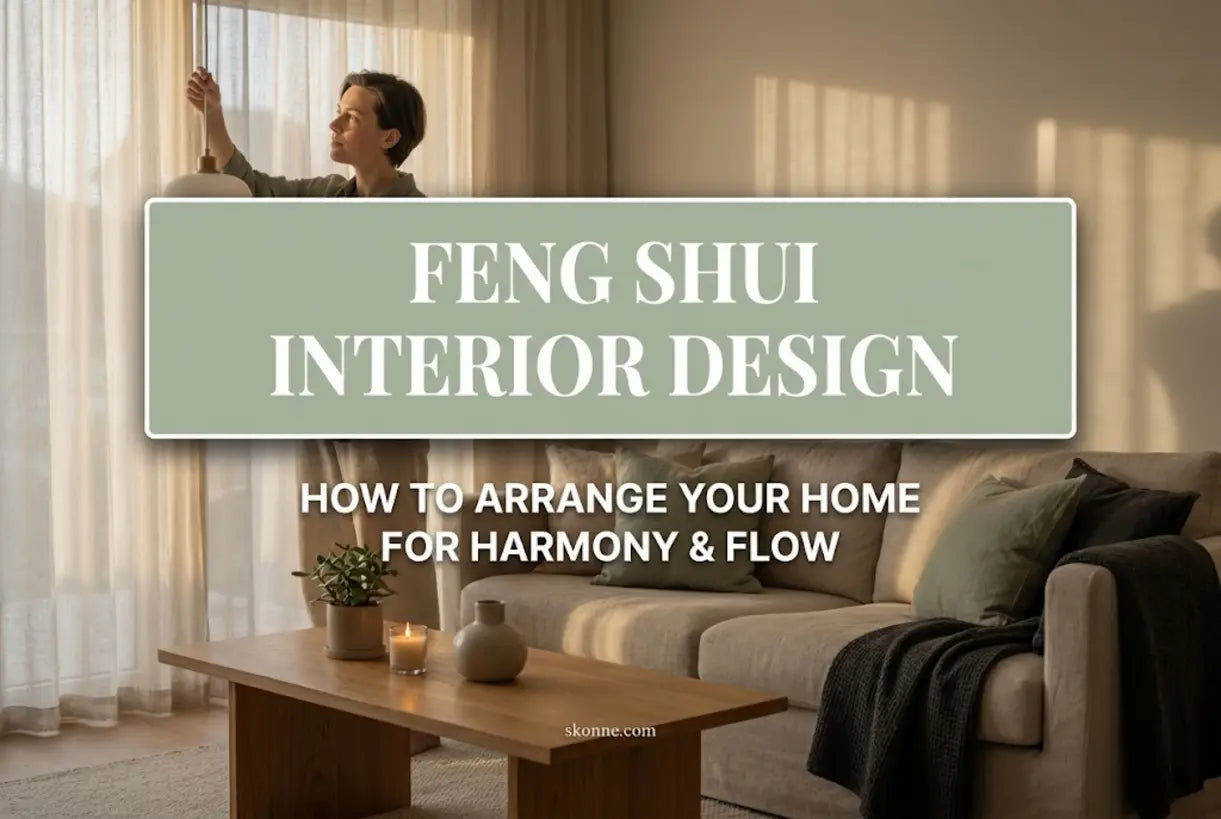
Feng Shui Interior Design: How to Arrange Your Home for Harmony & Flow
Summary›
There's something quietly transformative about walking into a room that simply feels right. The light falls gently, the furniture invites you to settle in, and your shoulders naturally drop as tension melts away. This is the essence of feng shui interior design—not a rigid set of rules, but an ancient practice of arranging your space to honor natural energy flow and create harmony in everyday living.
Rooted in over 3,000 years of Chinese wisdom, feng shui teaches us that our surroundings profoundly influence our wellbeing. Whether you're seeking more peaceful sleep, productive work-from-home days, or simply a calmer atmosphere, understanding how to work with your space rather than against it is transformative. In this guide, we'll explore the foundational principles that make feng shui accessible to modern homeowners, and show you how thoughtfully chosen elements—from lighting to decor—can help you create the sanctuary you deserve.
Understanding Feng Shui Interior Design & The Five Elements
At its core, feng shui interior design is about creating balance through the movement of chi—the life force energy that flows through all living things. When chi moves freely through your home, it nourishes every corner and everyone within it. When it becomes blocked or stagnant, you may feel restless, drained, or unsettled without knowing why.
The practice centers on five elements that exist in harmony throughout nature: Wood, Fire, Earth, Metal, and Water. Each element carries distinct qualities and corresponds to specific colors, shapes, and materials. A well-balanced room includes representations of these elements in ways that support the room's purpose.
Wood brings growth and vitality through plants, wooden furniture, and vertical shapes. Fire fuels passion and transformation with candles, warm lighting, and triangular forms. Earth provides stability and nourishment through ceramics, stones, and flat, horizontal shapes. Metal offers clarity and precision with metallic accents, mirrors, and circular forms. Water encourages abundance and flow through fountains, reflective surfaces, and undulating shapes.
The Command Position: Your Foundation for Good Chi
One of the most practical feng shui concepts you'll apply is the command position—the optimal placement for your most important pieces of furniture. When you're in command position, you have a solid wall behind you for support, a clear view of the room's entrance, and space on both sides for balance.
Think about your bed, your desk, and your main seating area. Can you see the door without being directly in line with it? Is there anything blocking your view? The command position helps you feel grounded and in control while still remaining open to opportunities that arrive.
But be aware of the coffin position in bed—when your feet point directly toward the door. In traditional feng shui, this placement is avoided because it aligns the bed with how the deceased are carried out, creating subconscious unease. If your bedroom layout makes this unavoidable, use a room divider or furniture placement to soften the direct line.
Creating Flow Through Lighting & Elements
Lighting is perhaps the most overlooked element in feng shui, yet it profoundly affects how chi moves through your home. Harsh overhead lighting creates aggressive energy that can make spaces feel institutional and unwelcoming. In contrast, layered lighting—ambient, task, and accent—creates a sense of warmth and invitation that supports natural energy flow.
Consider how you feel in a dimly lit restaurant versus a brightly lit cafeteria. The former encourages lingering conversation and connection, while the latter prompts you to eat quickly and leave. Your home deserves lighting that allows you to breathe deeply and feel truly at ease.
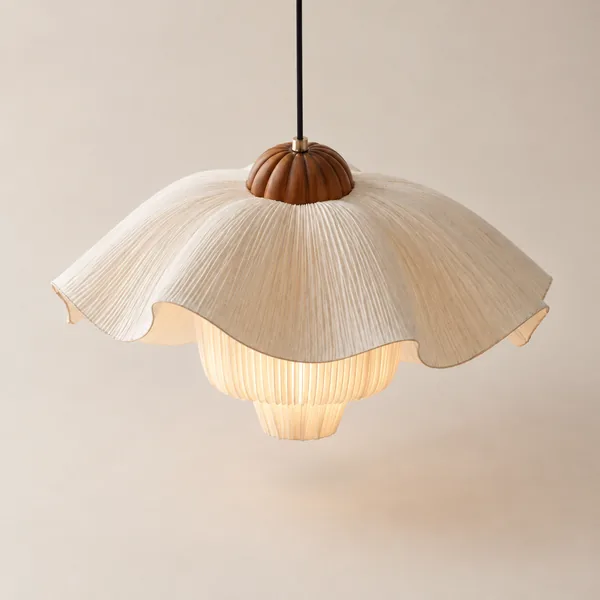
When selecting lighting, look for pieces that incorporate natural materials and warm tones. The Pendant Lights collection offers options that balance form and function while honoring feng shui principles.
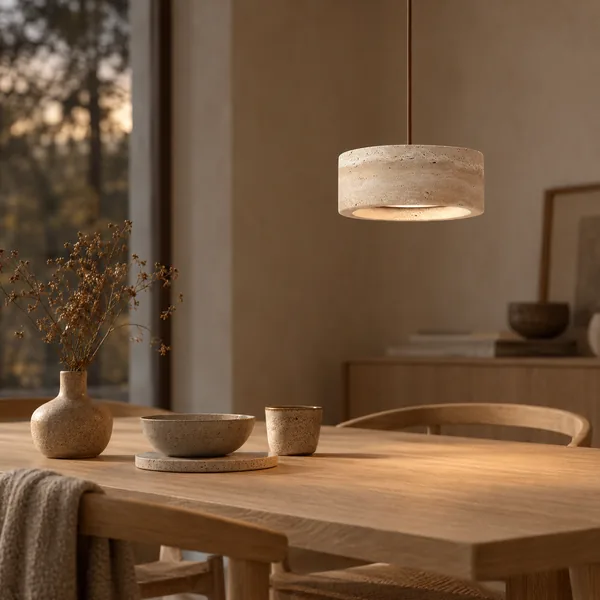 Stenglo Travertine Stone Dimmable Pendant Light$249.00$329.00
Home Decor
Shop all Home Decor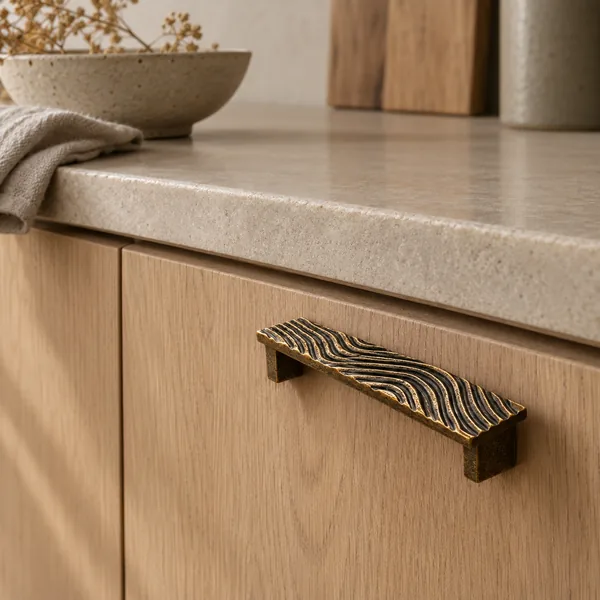
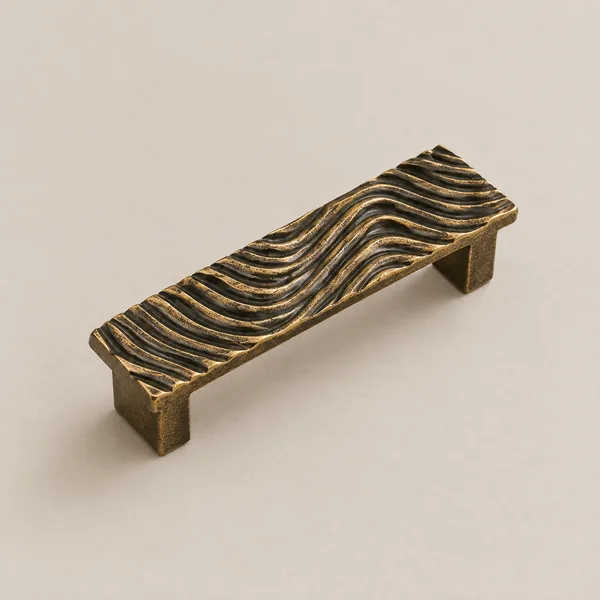
 Save $44.50
 2 options
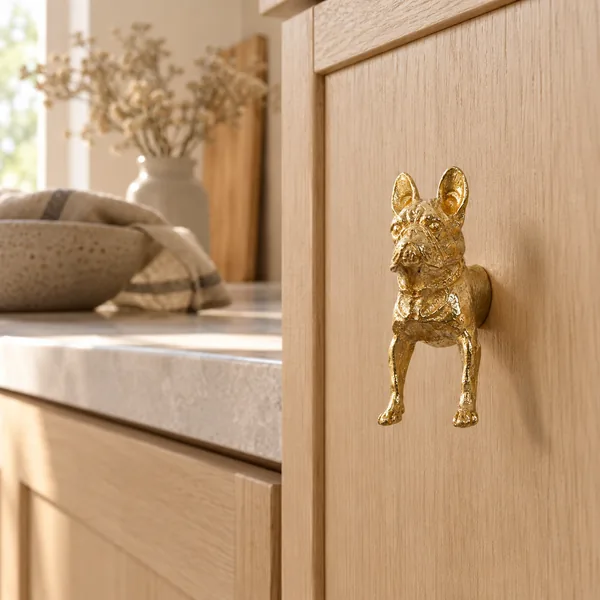
Tassa Polished Brass Dog Cabinet Pull Handle
 Save $110.00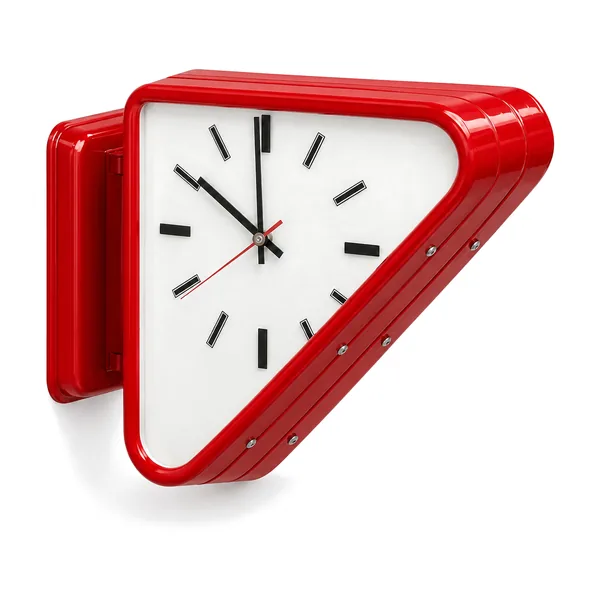
 +15 options
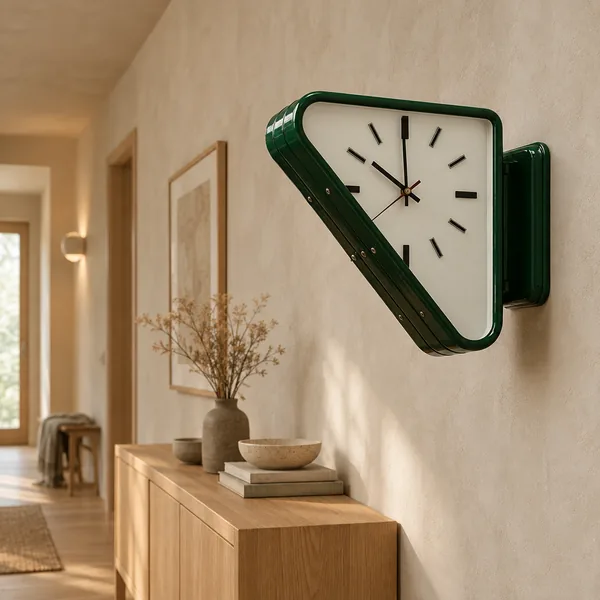
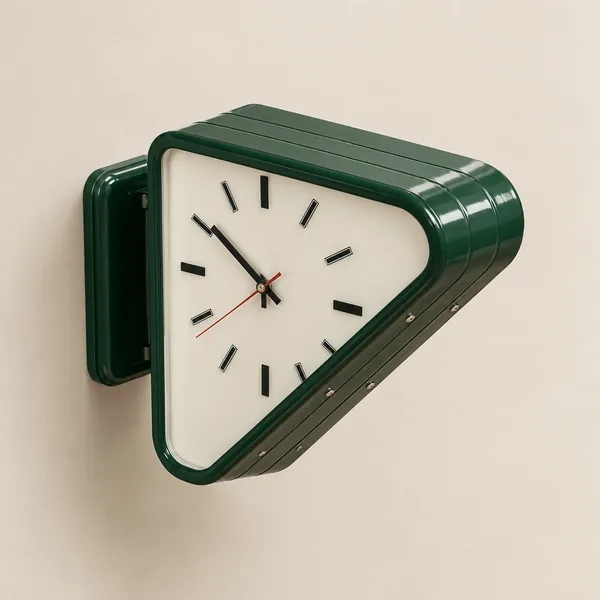
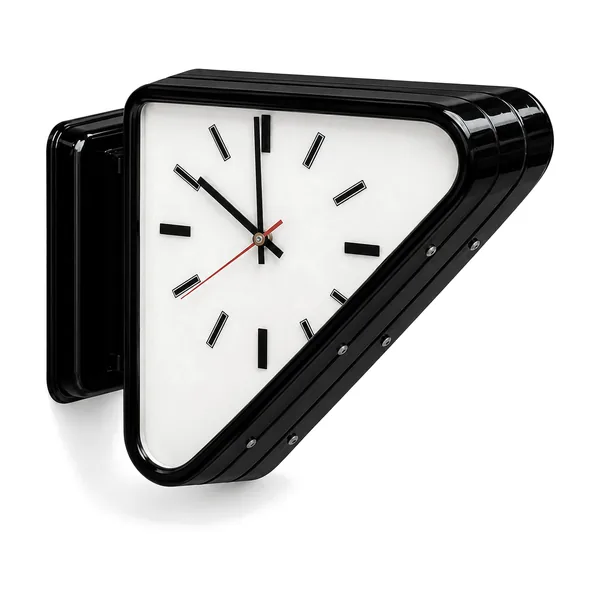
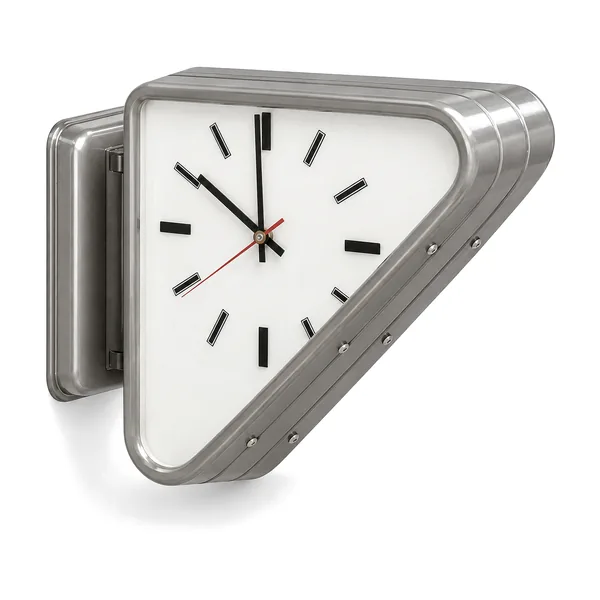
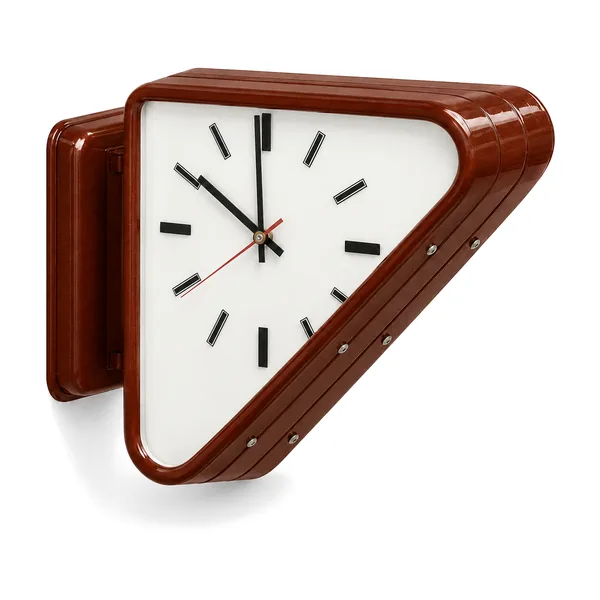
Tvilling Dual-Sided Geometric Metal Wall Clock
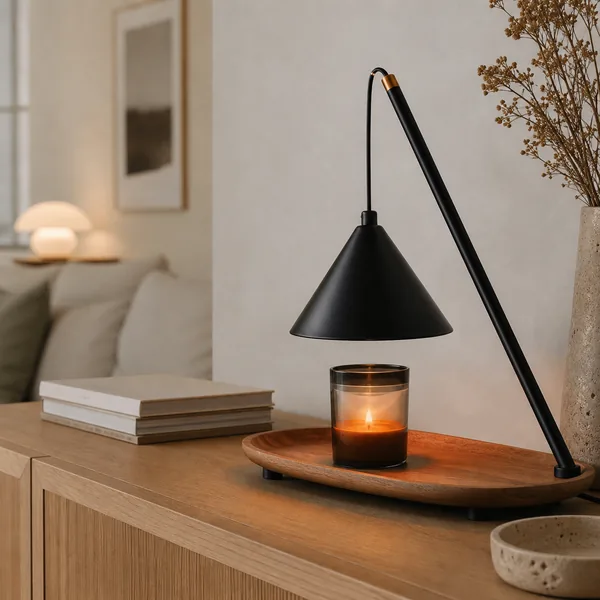
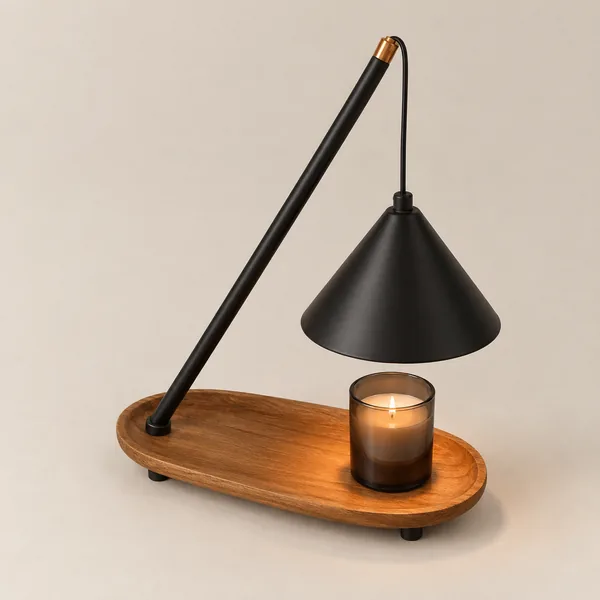
Natural lighting also plays a crucial role. Maximize daylight where possible, using sheer window treatments that filter rather than block. In the evening, transition to warm, dimmable sources that signal to your body that it's time to wind down. This natural rhythm supports your circadian cycle—a modern interpretation of ancient wisdom about living in harmony with natural cycles.
Balancing the Earth Element
The earth element brings grounding energy that's essential for spaces where you want to feel settled and secure. Without sufficient earth representation, rooms can feel chaotic or temporary—even if beautifully decorated. Incorporating ceramics, stone, and clay objects anchors the energy and creates a sense of permanence.
Earth-toned accessories in terracotta, ochre, sand, and soft brown connect us to the natural world while adding warmth that makes spaces feel lived-in rather than staged. The artisan quality of handmade pieces carries an energetic signature of intentionality that mass-produced items simply cannot replicate.
When you place earthy elements in entryways, dining areas, and living spaces, you create an immediate sense of welcome. These grounding touches remind us to slow down and be present—something increasingly precious in our fast-paced world.
Curated Elements for Grounded Spaces
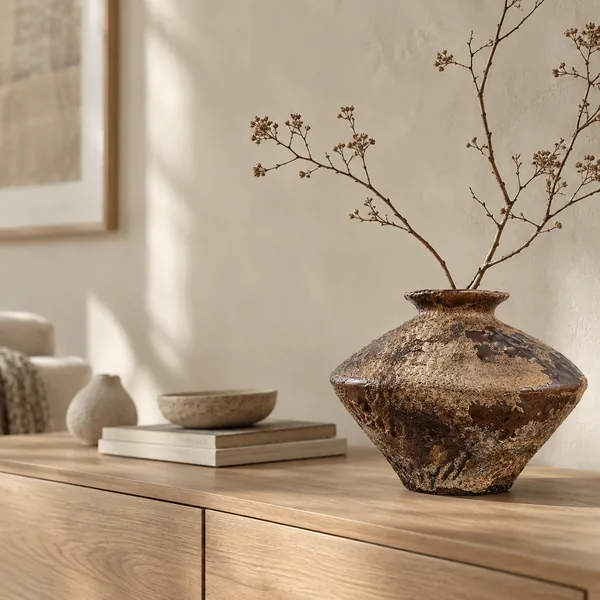 Jorde Handmade Rustic Ceramic Vase Home Decor$129.00$189.00
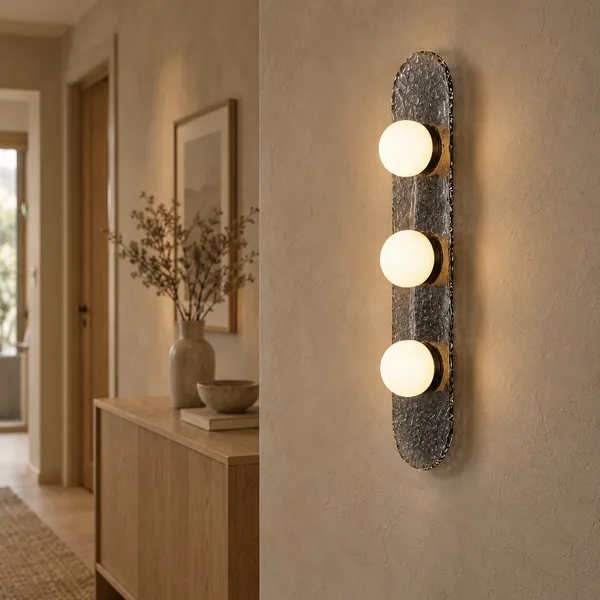 Glödra Minimalist Glass Wall Sconce Multi-Head$399.00
Japandi Lighting
Shop all Japandi Lighting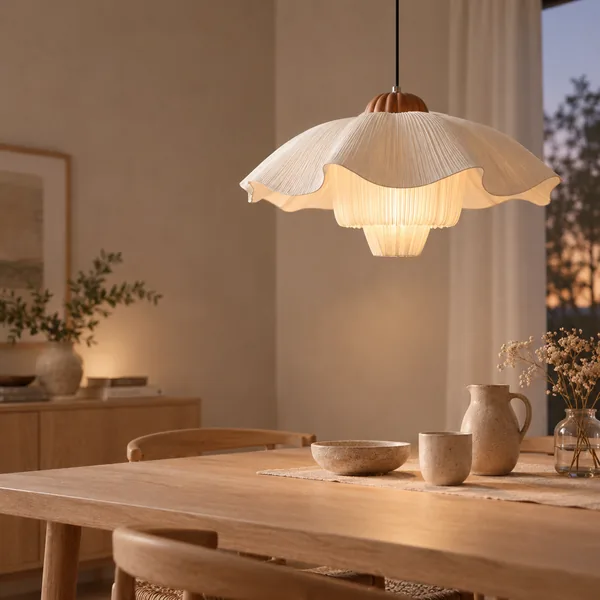
 Save $80.00
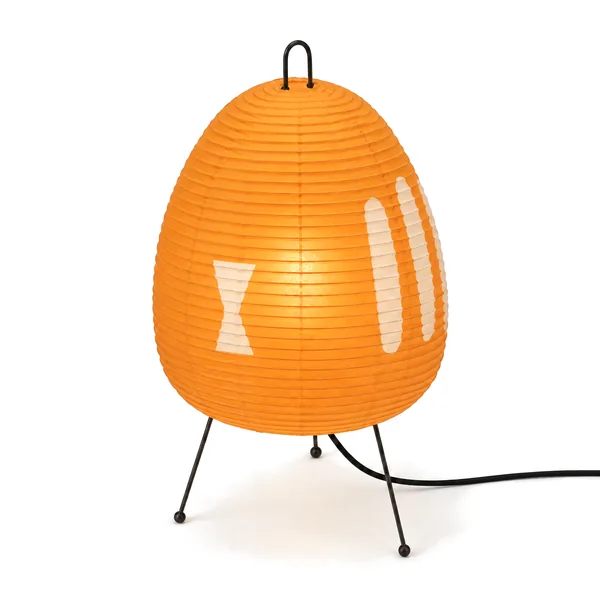 +37 options
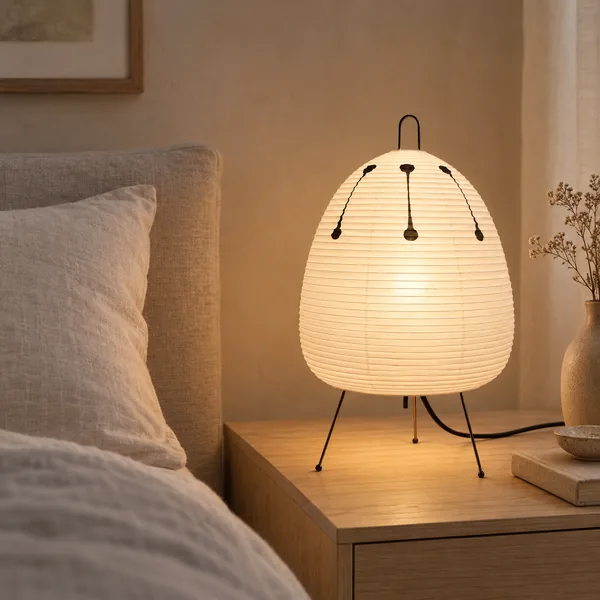
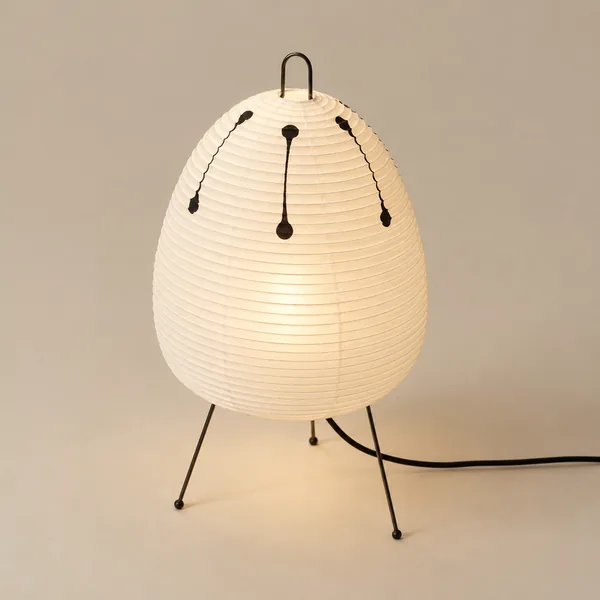
Shiro Rice Paper Table Lamp Nordic Minimalist
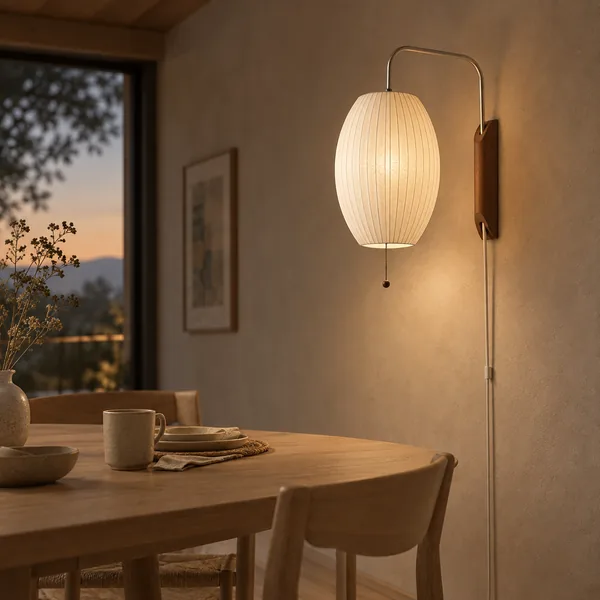
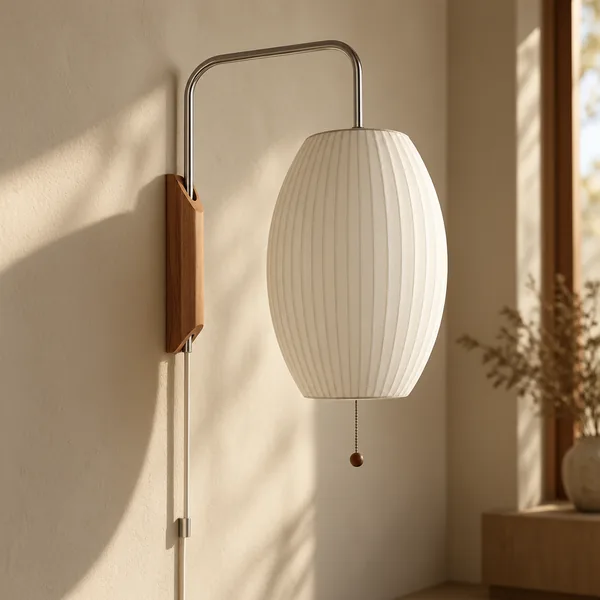 Save $102.00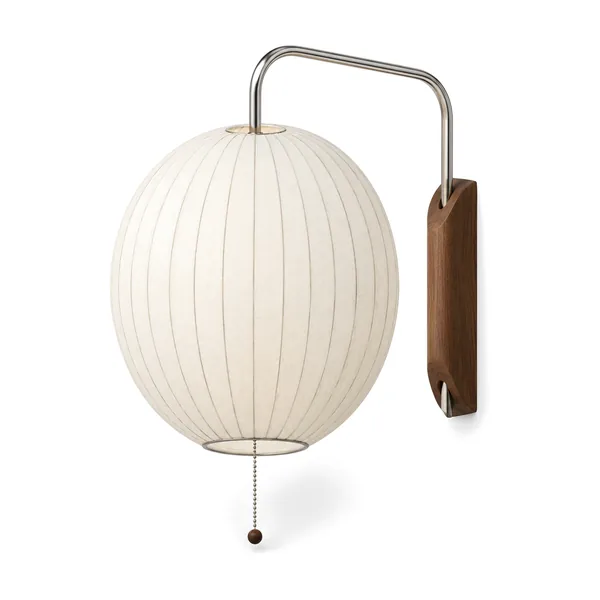
 4 options
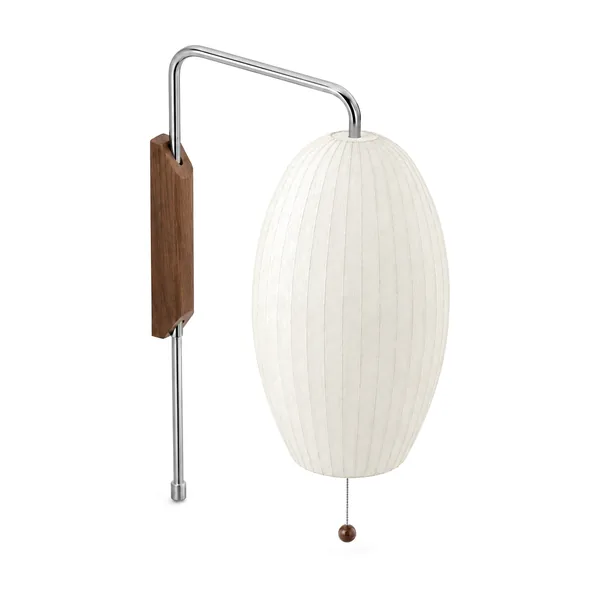
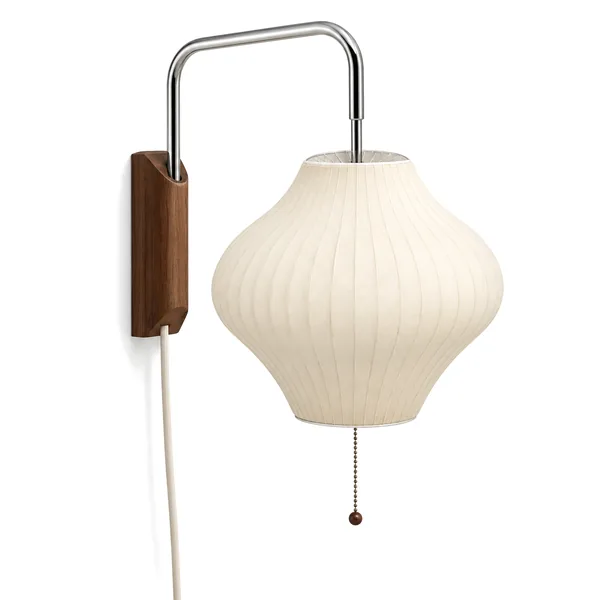
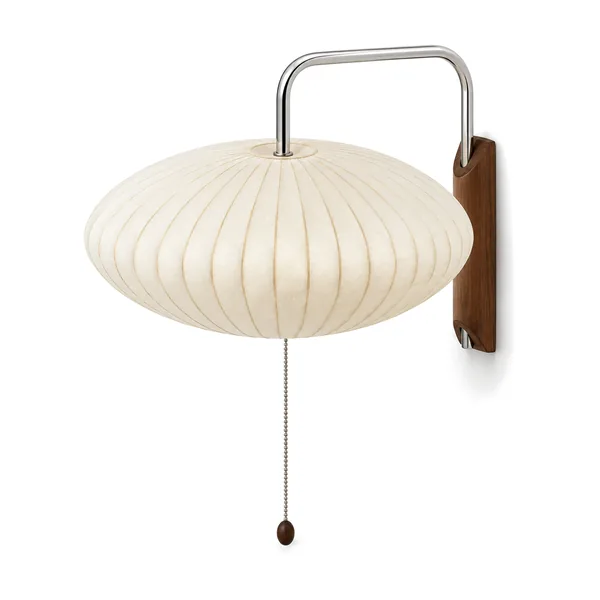
Solvei Minimalist Silk Wall Lamp for Bedroom
 Save $290.00
 3 options
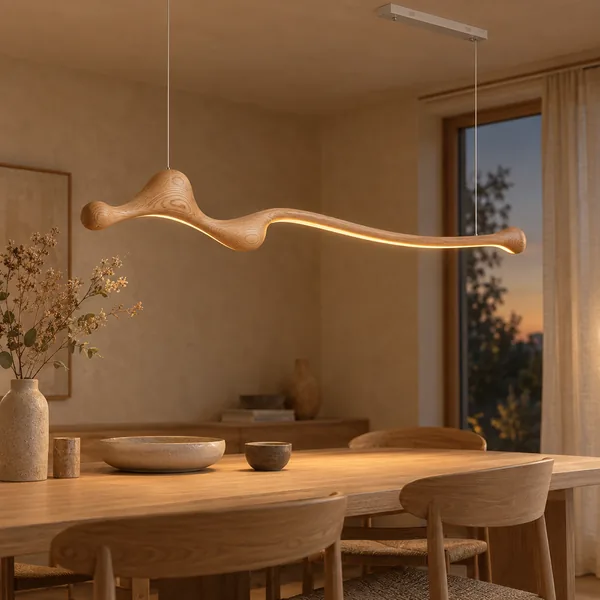
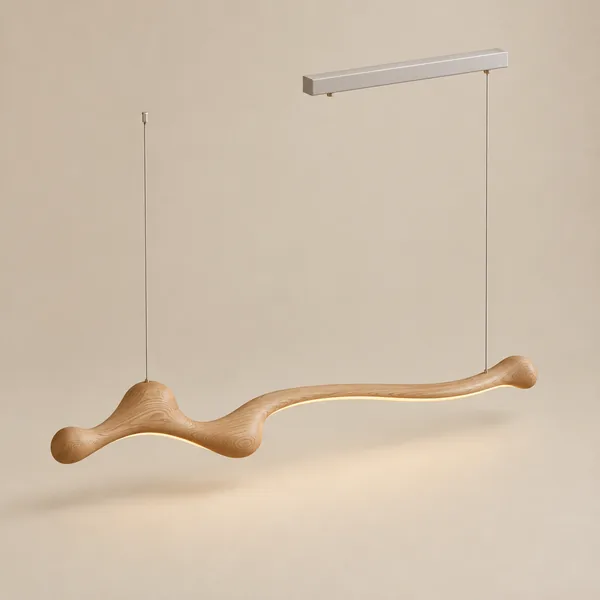
Skoglyn Dimmable Ash Wood Linear Pendant Light
Placing plants and natural objects with intention is a mindful practice that deepens your connection to your space. Taking a moment to consider where each element belongs—not just where it's convenient to put it—transforms decorating into a form of meditation.
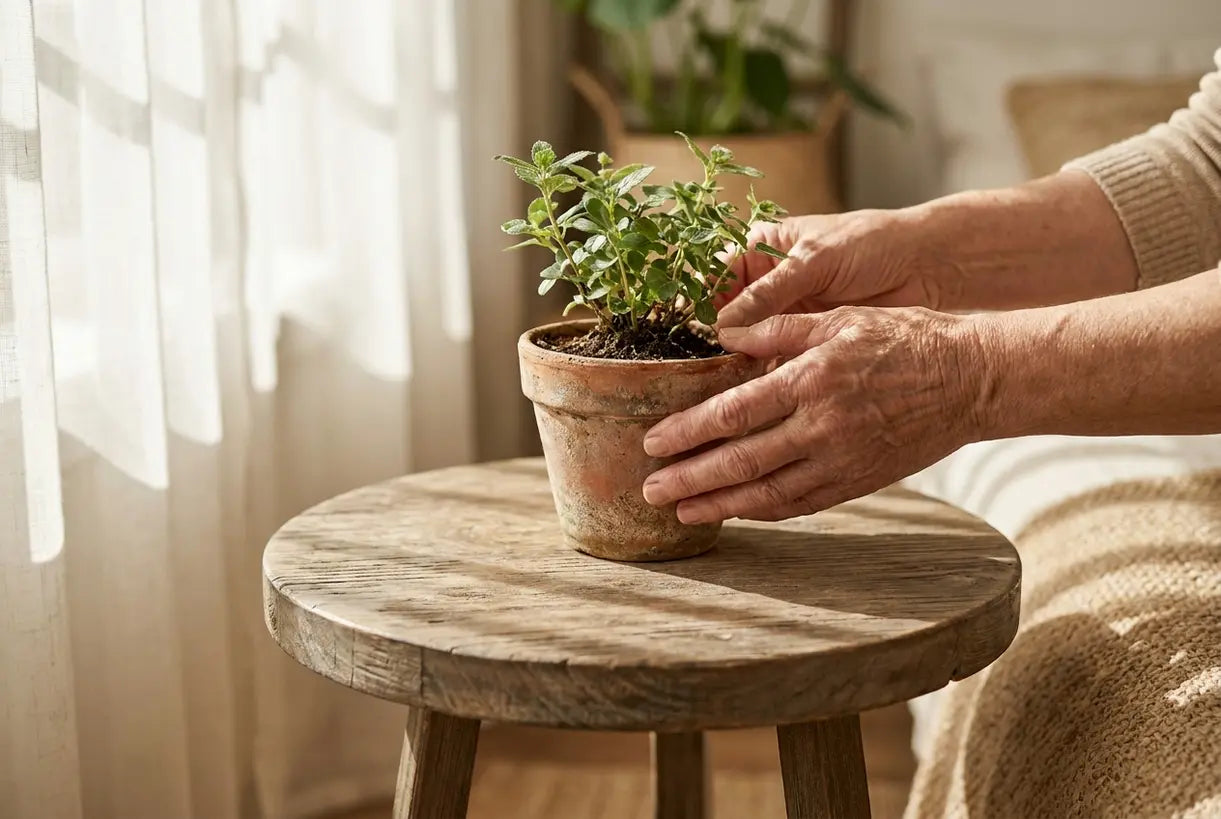
For more inspiration on building a grounded, nature-connected home, explore our insights on earthy tones interior design.
Room-by-Room Feng Shui Interior Design Applications
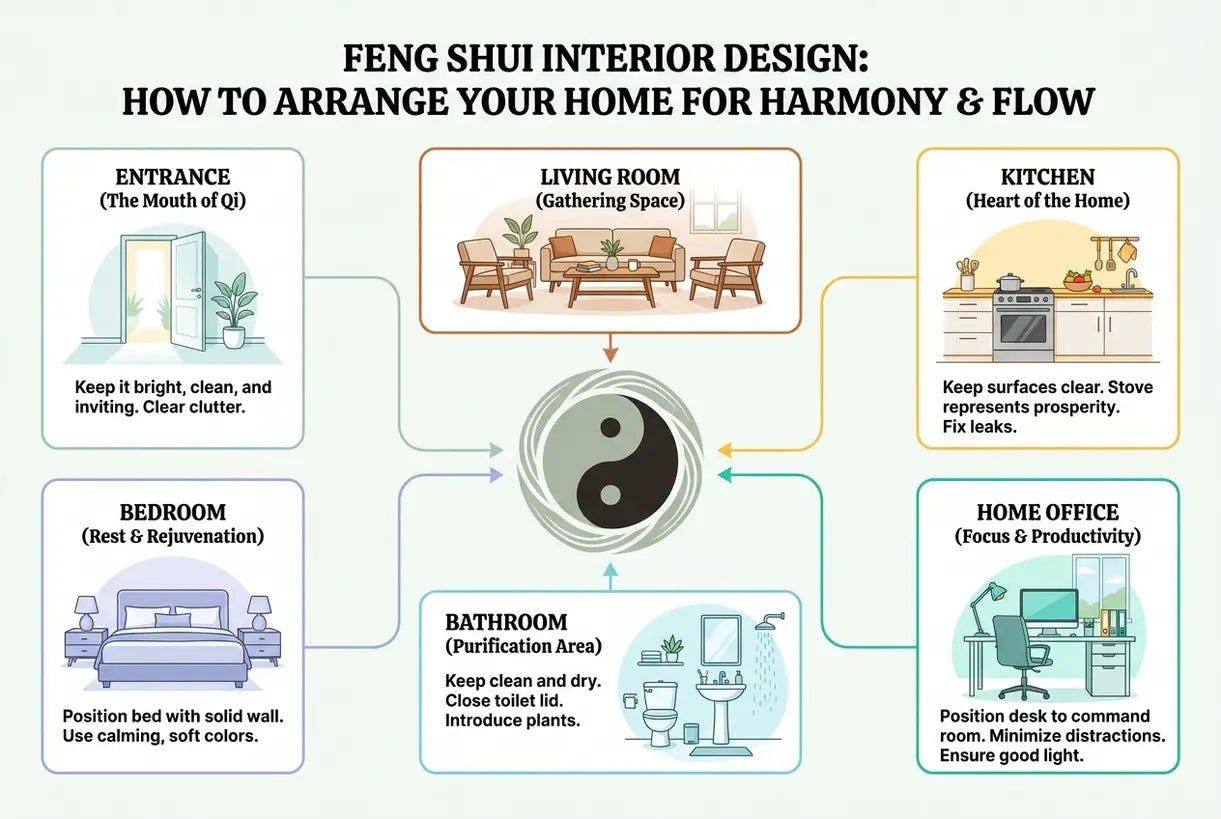
Understanding principles is valuable, but applying them room by room brings feng shui interior design to life. Each space serves a unique purpose and therefore requires a customized approach to energy flow.
Feng Shui Living Room Tips
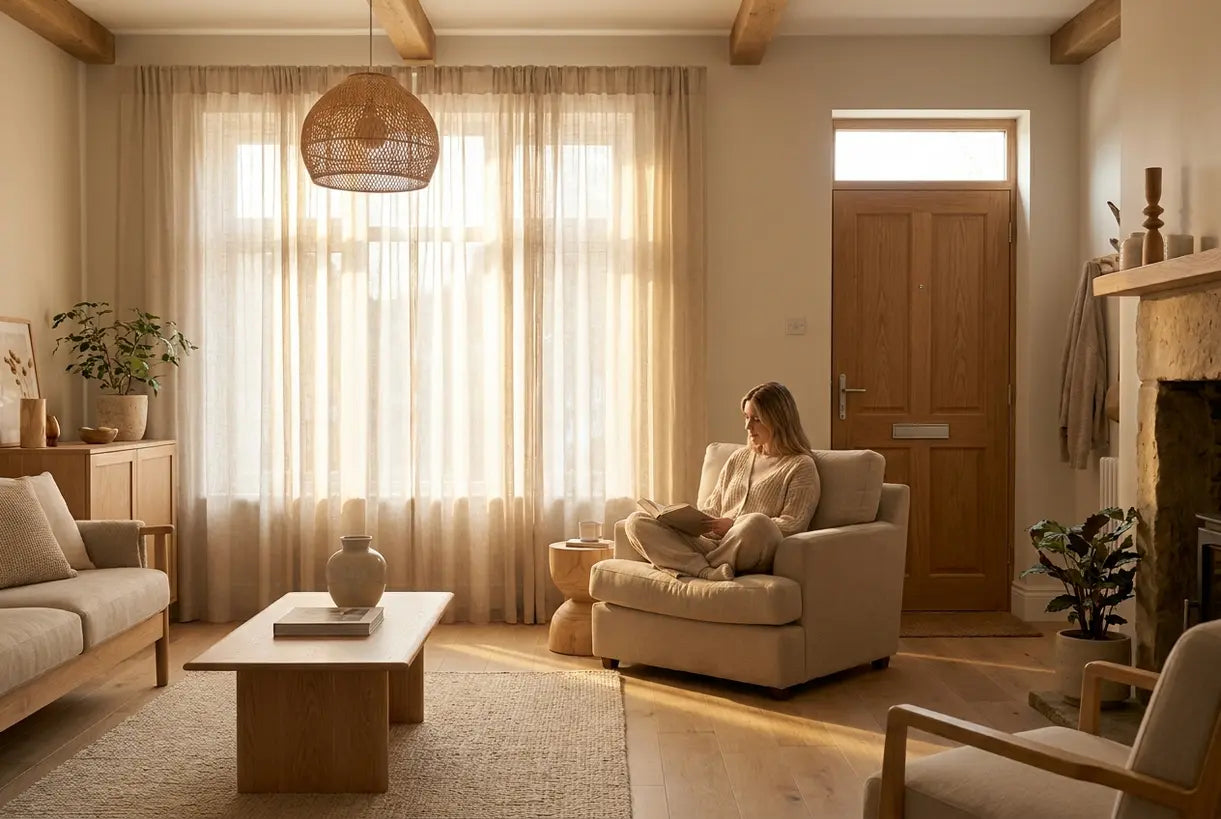
Your living room is where family gathers, guests are entertained, and daily life unfolds. It needs to feel both welcoming and settled—a space that can handle lively conversation and quiet contemplation equally well.
Start with furniture arrangement that encourages connection. Face seating toward each other rather than all pointing at a television. If you must have a TV as a focal point, soften its presence with plants, books, or art on nearby surfaces. Ensure there's a clear path through the room—chi needs circulation to thrive, and blocked pathways create stagnant energy.
Natural materials like wood, cotton, and wool support the grounding quality you want in gathering spaces. Avoid too much metal or glass, which can make the room feel cold or clinical. A balanced mix creates warmth without heaviness.
Feng Shui Bedroom Tips
The bedroom deserves special attention because it's where you restore your energy for the next day. Clutter is the enemy here—under beds, in closets, on nightstands. Each item you see from your bed sends subtle signals to your brain, even when you're trying to rest.
Besides avoiding the coffin position, consider what you can see from your bed. Mirrors reflecting the bed are traditionally avoided because they can create restless energy. Sharp corners (called "poison arrows") pointing toward your sleeping position should be softened with plants or fabric.
Choose calming colors that support rest rather than stimulate activity. Soft blues, gentle greens, and warm neutrals create a peaceful atmosphere. Reserve bold reds and bright yellows for other rooms where energy and activity are welcome.
Starting Your Feng Shui Journey
You don't need to transform your entire home overnight to benefit from feng shui principles. Start with one room—perhaps your bedroom or the space where you spend the most time. Clear clutter, assess your furniture placement, and add one element that brings you genuine joy.
Remember that feng shui is ultimately about creating spaces that support your life. The rules are guides, not dictates. What matters most is that your home feels like a place where you can exhale completely and be fully yourself.
At Skonne, we believe that the objects we choose to live with should do more than fill space—they should elevate it. Our curated collection of lighting and decor draws from Scandinavian sensibilities that align beautifully with feng shui principles: natural materials, intentional design, and quiet beauty that speaks softly but profoundly. Because harmony begins at home, and home begins with intention.
Related Article
Earthy Tones Interior Design: How to Decorate with Nature's Most Grounding PaletteLearn how to bring warmth and grounding elegance into your home with earthy tones interior design. Discover practical tips for decorating with nature's most versatile palette.