
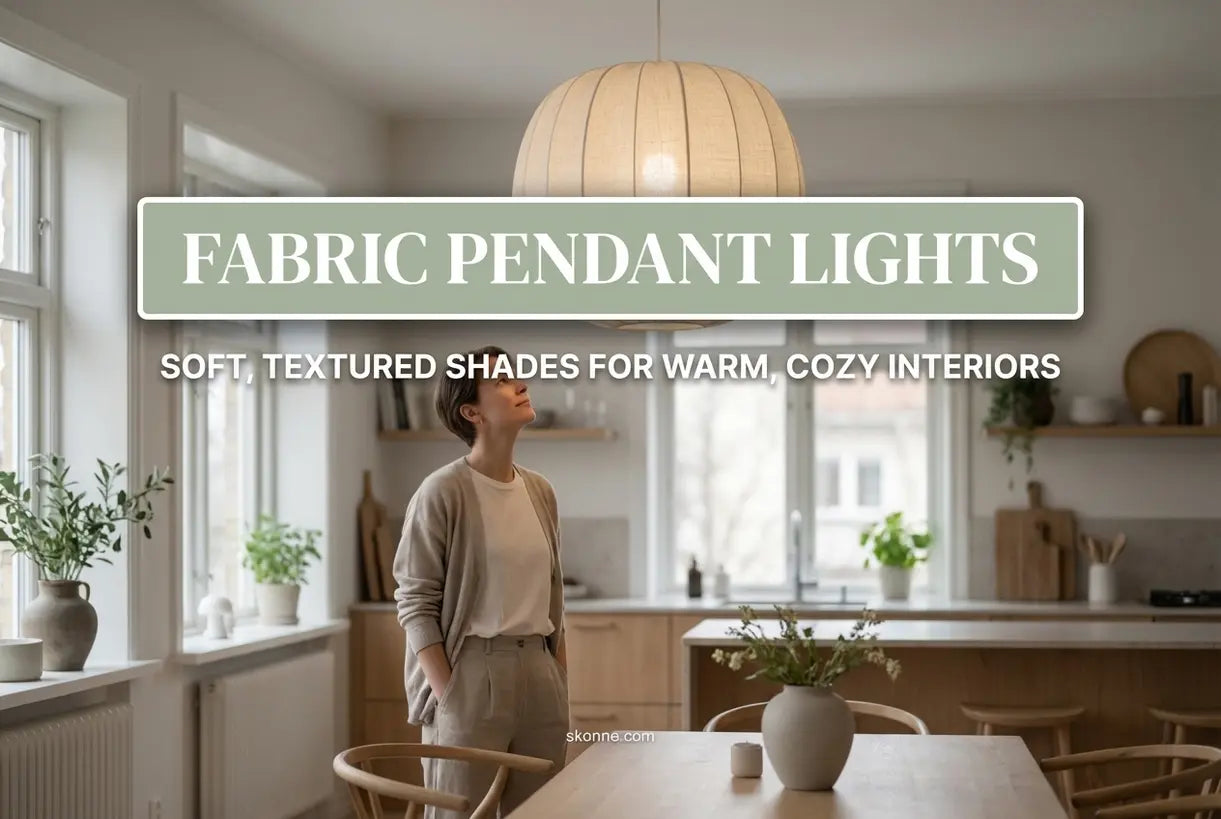
Fabric Pendant Lights: Soft, Textured Shades for Warm, Cozy Interiors
Summary›
- What Are Fabric Pendant Lights?
- Why Choose Fabric Pendant Lighting for Cozy Interiors?
- Popular Fabric Pendant Light Styles
- Best Rooms for Fabric Pendant Lighting
- How to Choose the Right Fabric Pendant Light for Your Space
- Fabric Pendant Lights in Kitchen Spaces
- Caring for Your Fabric Pendant Light
- Creating Your Perfect Ambiance
- Conclusion
There's something undeniably inviting about a room bathed in soft, diffused light. Unlike harsh overhead fixtures that cast sharp shadows and create visual fatigue, fabric pendant light designs transform harsh illumination into gentle, atmospheric warmth that wraps your space in comfort. These sculptural pieces do more than illuminate—they soften the entire mood of a room, introducing texture, materiality, and that coveted Scandinavian hygge feeling that makes a house truly feel like home.
Whether you're refreshing a dining room, elevating a bedroom, or adding character to a living space, fabric pendant lights offer a versatile solution that bridges the gap between functional lighting and artful decor. In this guide, we'll explore how these soft, textured shades create cozy interiors, the key styles that define this trend, and how to choose the perfect piece for your unique space.
What Are Fabric Pendant Lights?
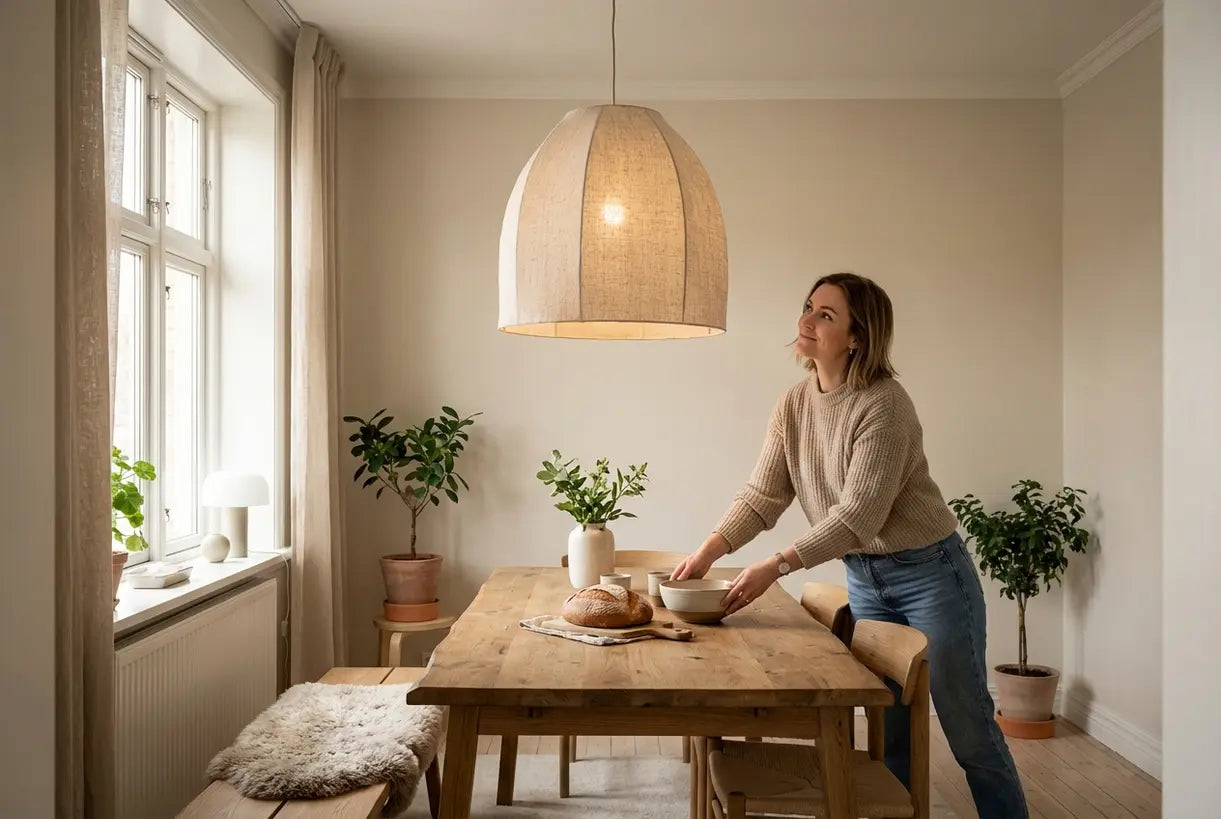
A fabric pendant light is any hanging light fixture that incorporates cloth, linen, canvas, or other textile materials as part of its shade or diffusing element. Unlike metal or glass pendants that can feel cold and utilitarian, fabric shades absorb and scatter light in ways that create gentle, flattering illumination. The natural fibers and woven textures add depth and visual interest even when the light is switched off.
These fixtures come in a remarkable variety of forms—from voluminous drum pendants to delicate pleated designs, from minimalist cylindrical shapes to organic, petal-like sculptural pieces. The common thread (quite literally) is the use of textile materials to achieve a softer aesthetic than traditional lighting options can provide.
Why Choose Fabric Pendant Lighting for Cozy Interiors?
The appeal of textile pendant lighting lies in its ability to create atmosphere. Here's why design enthusiasts and homeowners are increasingly choosing these fixtures for their cozy interior schemes:
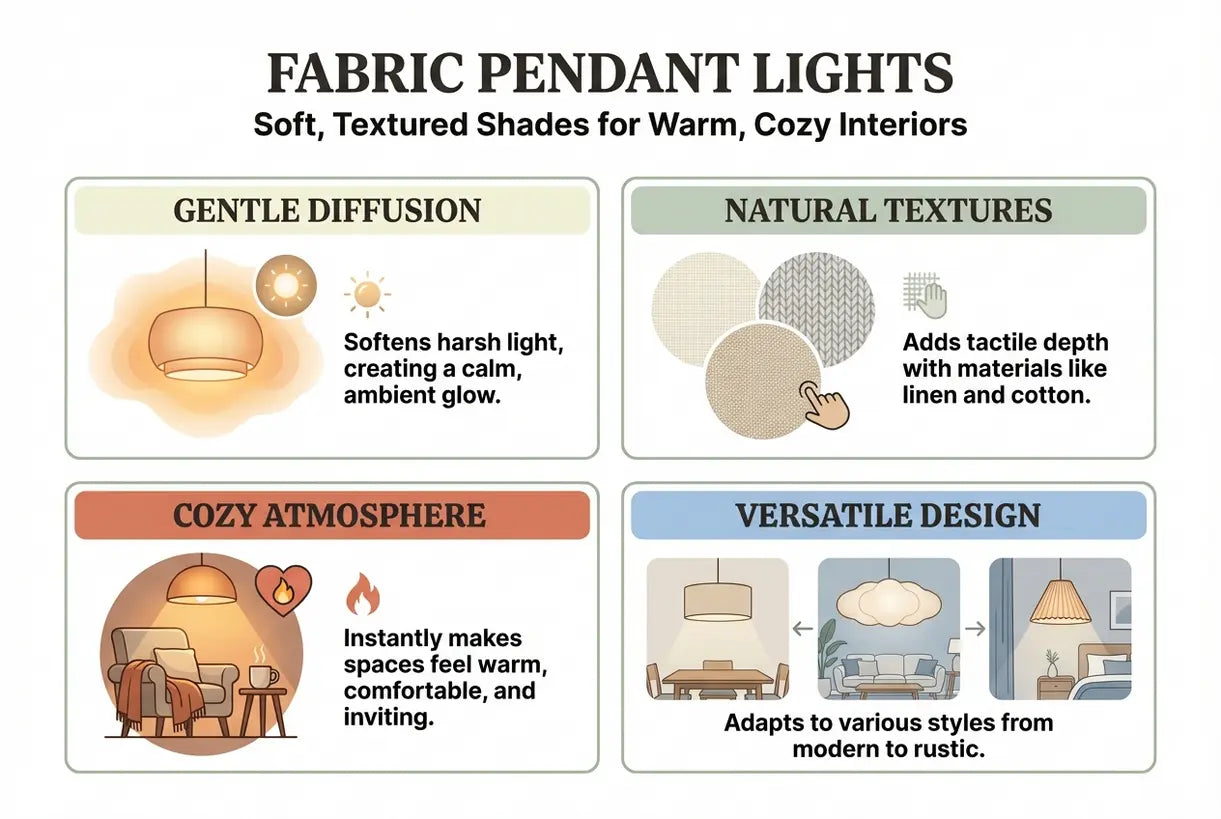
- Light Diffusion: Fabric naturally filters light, eliminating harsh glare and creating a warm, ambient glow that flatters skin tones and softens room edges
- Textural Dimension: Even in neutral color palettes, the weave of linen or the pleats of cotton add visual depth and tactile interest
- Scandinavian Authenticity: Natural materials align perfectly with Nordic design principles that prioritize organic elements and understated elegance
- Versatility: From rustic farmhouse to modern minimalist, fabric pendants adapt to multiple design aesthetics
- Acoustic Benefits: Cloth shades can help absorb sound, making them ideal for open-concept spaces or rooms with hard surfaces
Popular Fabric Pendant Light Styles
When exploring soft fabric shade lighting options, you'll encounter several distinct styles that each bring their own character to a space:
Linen Drum Pendant Lights
The linen drum pendant light represents perhaps the most iconic form in this category. These cylindrical shades offer clean, geometric silhouettes while maintaining softness through their natural fiber construction. They're particularly effective over dining tables, kitchen islands, or in entryways where you want definition without harshness.
Pleated and Sculptural Designs
For those seeking something more artistic, pleated fabric pendants introduce movement and shadow play. The accordion-like folds create beautiful light patterns when illuminated, casting delicate shadows that dance across walls and ceilings. These pieces function as much as sculptural art as they do functional lighting.
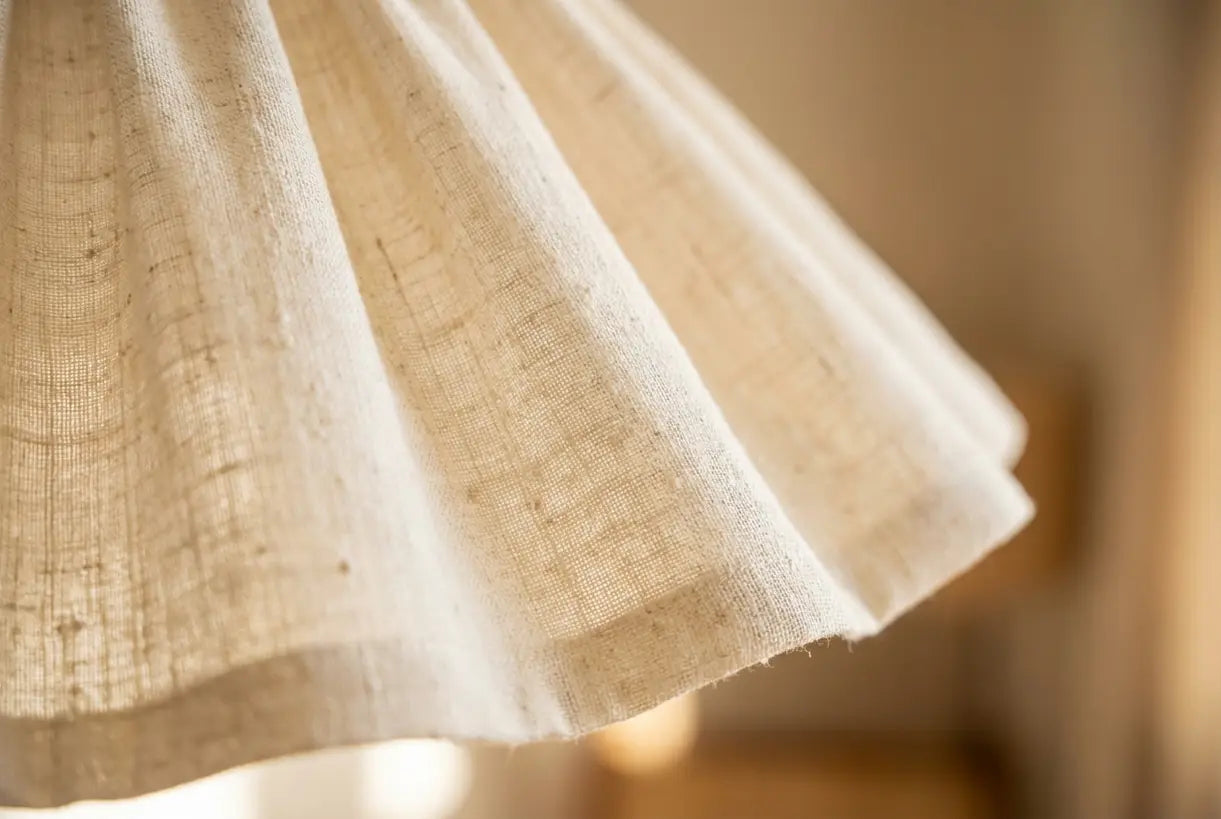
Natural Fabric and Organic Forms
Beyond standard drum shapes, many contemporary designs embrace organic, flowing forms inspired by nature. These fixtures might feature undulating edges, petal-like constructions, or asymmetrical silhouettes that bring an element of the natural world indoors.
Pendant Lights
Shop all Pendant Lights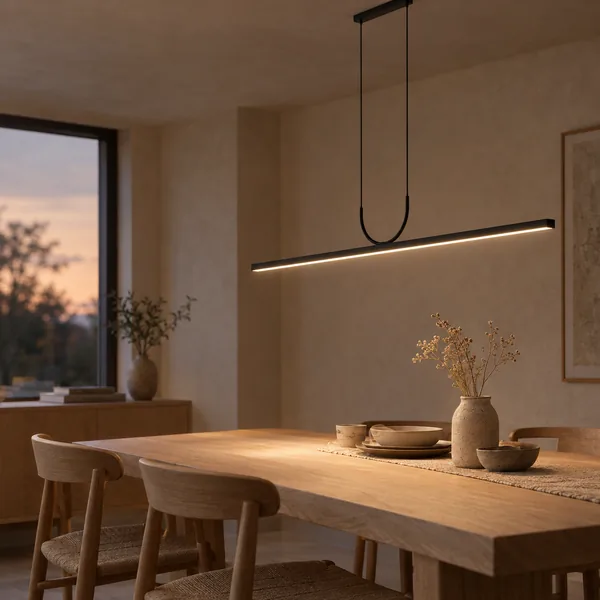
 Save $140.00
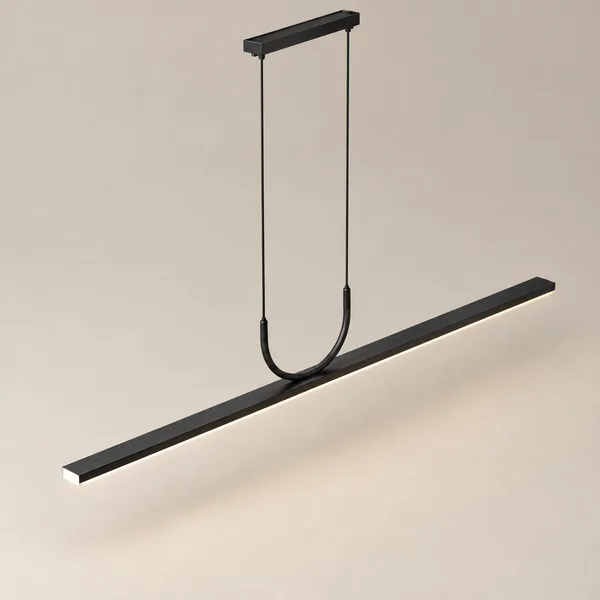
Linné Minimalist Linear Black LED Pendant Light
 Save $60.00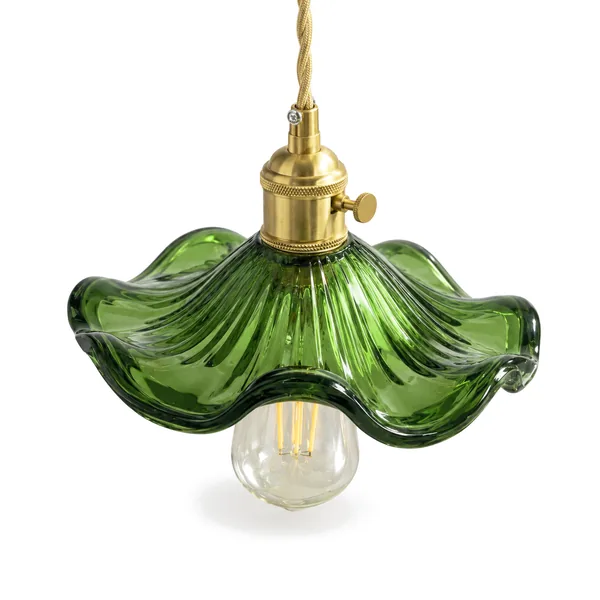
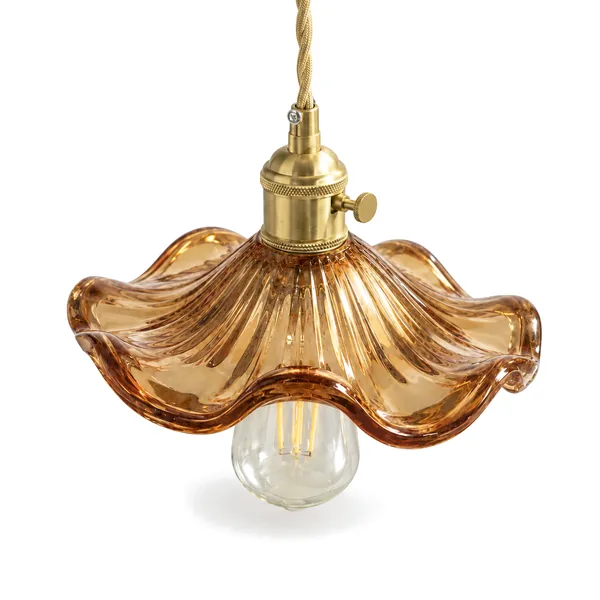 3 options
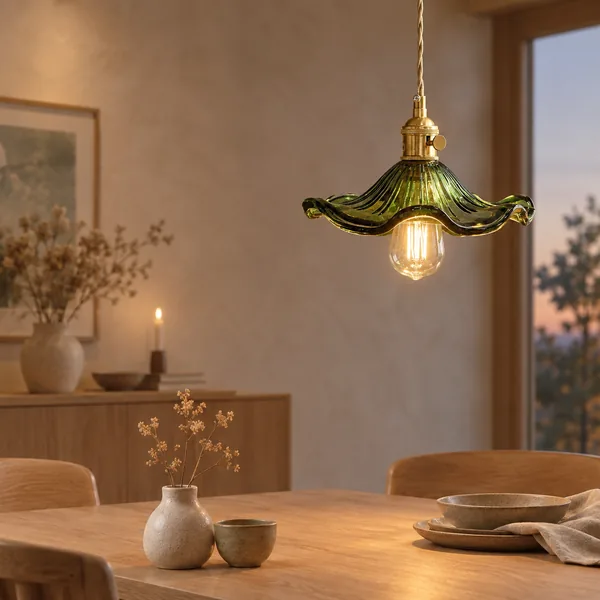
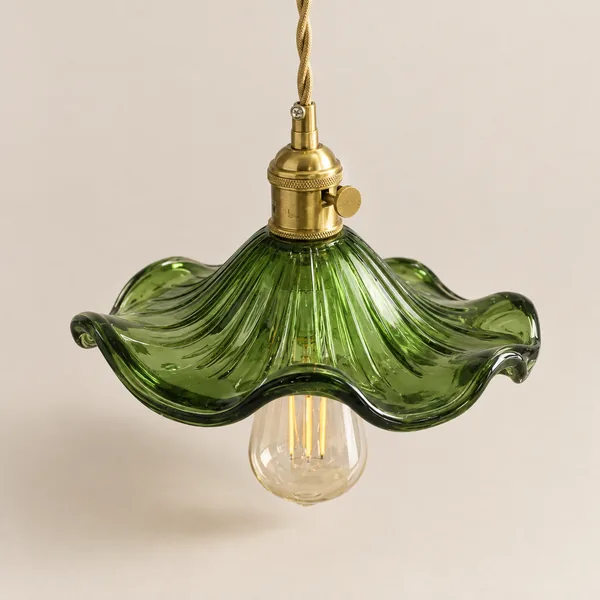
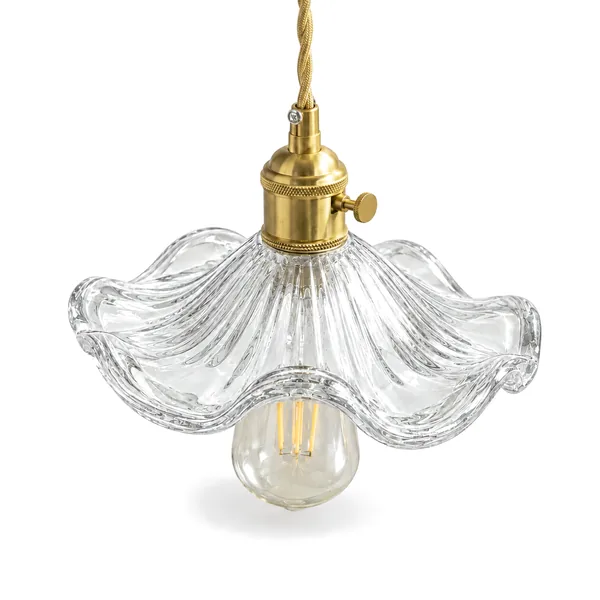
Glora Nordic Glass Pendant Light with Copper
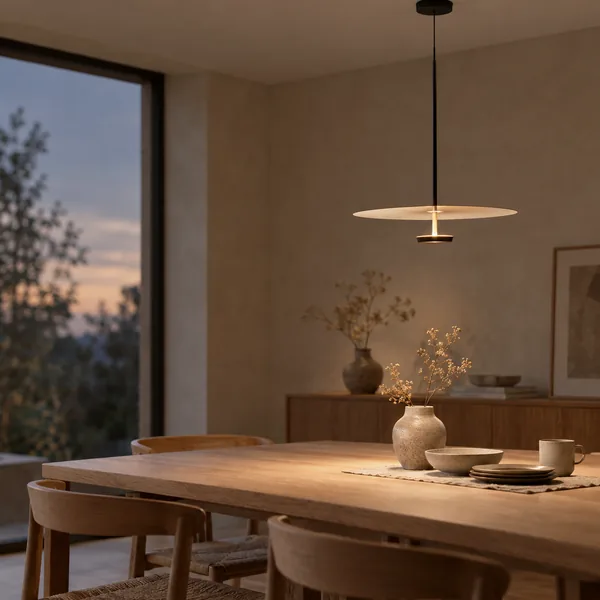
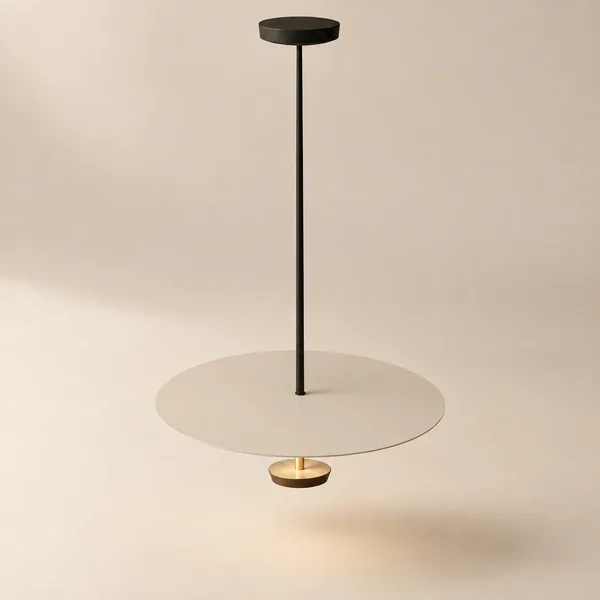 Save $120.00
Skiva Nordic Saucer Ceiling Pendant Light LED
Best Rooms for Fabric Pendant Lighting
One of the most common questions we receive is about placement: what rooms work best with fabric pendant lighting? The answer might surprise you—these versatile fixtures can enhance nearly every space in your home when chosen thoughtfully.
Dining Rooms: This is perhaps the most traditional application. A fabric pendant suspended above a dining table creates an intimate, enveloping atmosphere that encourages lingering conversations and memorable meals. The scale of your fixture should relate to your table size—generally, the pendant should be about one-half to two-thirds the width of the table below.
Bedrooms: Flanking the bed with fabric pendant lights instead of traditional table lamps frees up nightstand space while introducing soft, dreamy illumination perfect for winding down. For those looking to explore more options, our Linear Pendant Lights offers a curated selection of designs that work beautifully in bedroom settings.
Living Areas: In spaces where relaxation is the priority, fabric pendants provide the ambient lighting that supports rather than dominates. They pair beautifully with floor and table lamps to create layered lighting schemes.
Entryways and Hallways: A fabric pendant in these transitional spaces creates an immediate sense of welcome, setting the tone for the warmth and comfort found throughout your home.
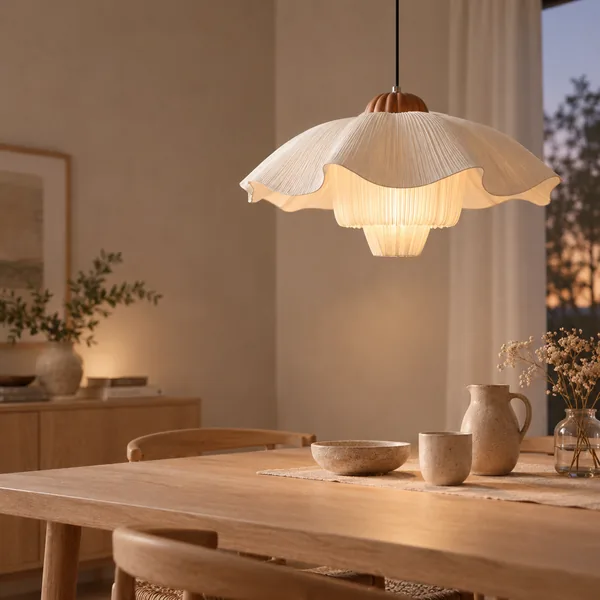 Blomst Petal Fabric Pendant Light Nordic Cream$289.00
How to Choose the Right Fabric Pendant Light for Your Space
Selecting the perfect cloth pendant light involves considering several factors that ensure both aesthetic harmony and functional performance:
Size and Scale
The dimensions of your fabric pendant should be proportionate to both the room and the surface it illuminates. As a general guideline, add the length and width of your room in feet—this sum, converted to inches, gives you a good starting point for fixture diameter. For example, a 10-by-12-foot room would suit a pendant approximately 22 inches in diameter.
Height and Placement
Over dining tables, hang your pendant 30 to 36 inches above the surface. In living areas or entryways, maintain at least 7 feet of clearance from the floor to the bottom of the fixture. For those with high ceilings, consider the Blomst Petal Fabric Pendant Light Nordic Cream, which features adjustable suspension to accommodate various ceiling heights.
Color and Material Considerations
Natural linen and cotton in cream, beige, and soft gray tones create the most versatile, timeless looks. However, don't overlook the possibility of charcoal, navy, or even patterned fabrics for spaces that call for more drama. The key is ensuring the fabric complements—not competes with—your existing color palette.
Light Source Compatibility
Most fabric pendants work best with warm-toned LED bulbs (2700K to 3000K) that enhance the cozy ambiance these fixtures are designed to create. Always check the maximum wattage rating and ensure adequate ventilation to prevent overheating of the fabric shade.
Clean Lines for Modern Interiors
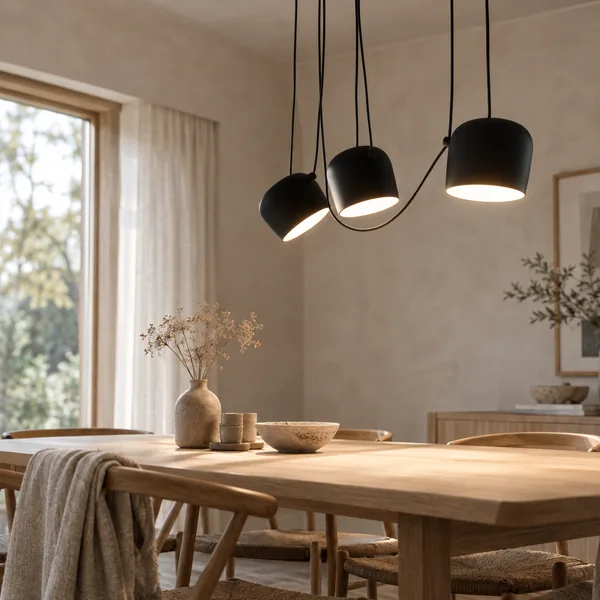 Nattvik Black Aluminum Multi-Head Pendant Light$209.00$309.00
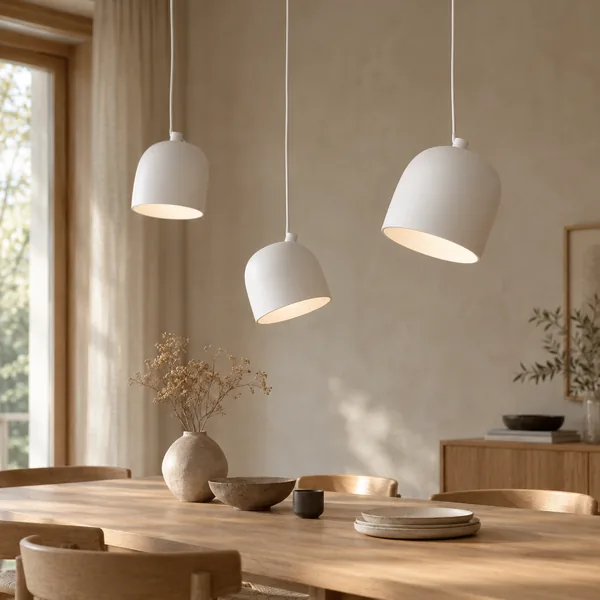 Driva Modern White Aluminum Drum Pendant Light$209.00$359.00
Fabric Pendant Lights in Kitchen Spaces
A frequent concern among homeowners considering natural fabric lighting is kitchen suitability. Are linen pendant lights good for kitchens? The answer depends on placement and lifestyle.
Fabric pendants work beautifully in kitchens when positioned over islands or breakfast nooks—areas away from direct cooking splatter and steam. The key is maintaining adequate distance from the stove and ensuring proper ventilation in the space. Many modern kitchens successfully incorporate fabric pendants as part of a layered lighting scheme, using them for ambient and task lighting over prep areas while employing more utilitarian fixtures directly over cooking zones.
If you love the aesthetic but have concerns about maintenance, consider the Nattvik Black Aluminum Multi-Head Pendant Light or Driva Modern White Aluminum Drum Pendant Light. These designs capture the clean, soft-edged aesthetic of fabric pendants while featuring easy-to-clean aluminum construction that withstands kitchen environments beautifully.
Caring for Your Fabric Pendant Light
Proper maintenance ensures your fabric shade pendant remains beautiful for years. Here's how to clean a fabric pendant light shade safely:
Regular Dusting: Use a soft microfiber cloth or feather duster weekly to prevent dust accumulation. For pleated or textured shades, a clean, dry paintbrush works wonderfully to reach between folds.
Spot Cleaning: For small stains, use a slightly damp cloth with mild soap. Always test in an inconspicuous area first, and never saturate the fabric. Blot rather than rub to avoid spreading the stain.
Deep Cleaning: Some fabric shades can be removed and gently vacuumed using an upholstery attachment. Check manufacturer guidelines—some may be suitable for professional dry cleaning.
Prevention: The best approach is minimizing exposure to cooking grease, smoke, and excessive moisture. Proper placement away from these elements significantly extends the life of fabric fixtures.
Glass Pendant Lights
Shop all Glass Pendant Lights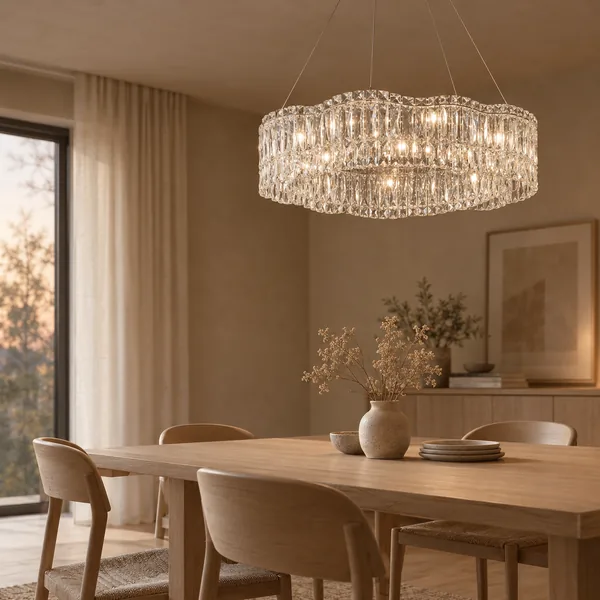
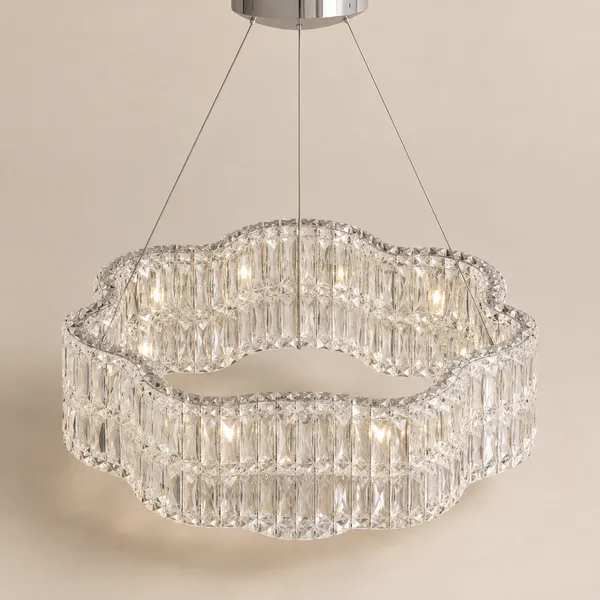 Save $200.00
Halvring K9 Crystal Halo LED Chandelier Light
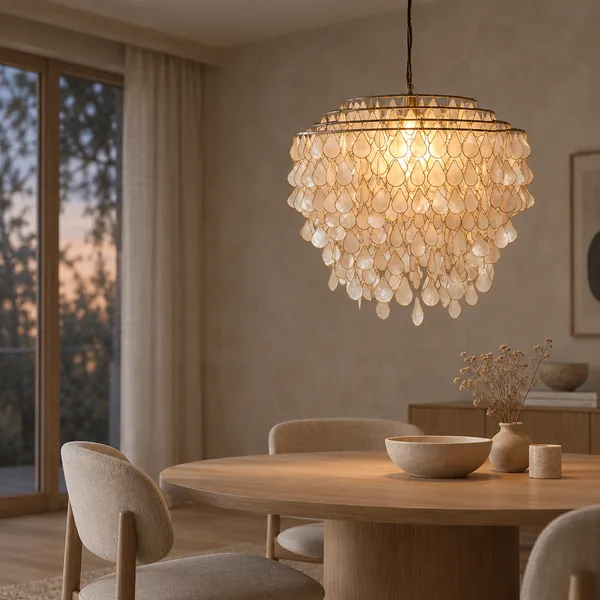
 Save $370.00
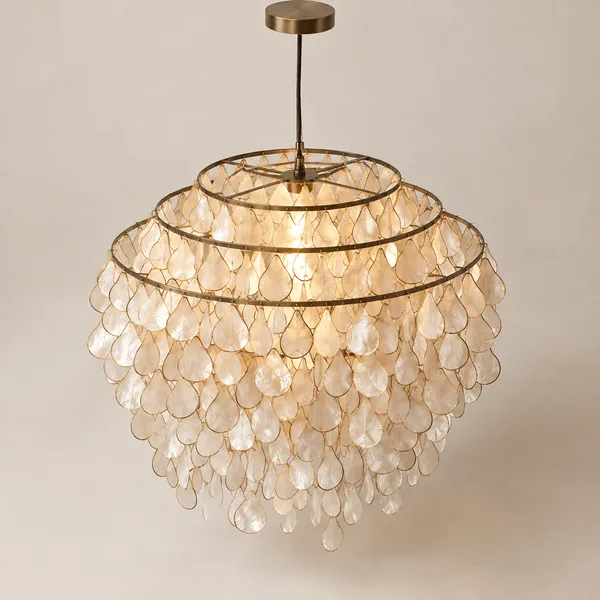
Skjelva Nordic Retro Shell Pendant Chandelier
 Save $460.00
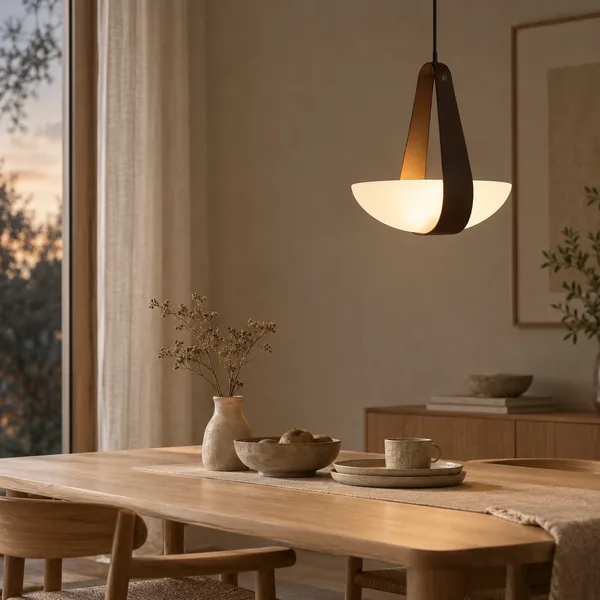
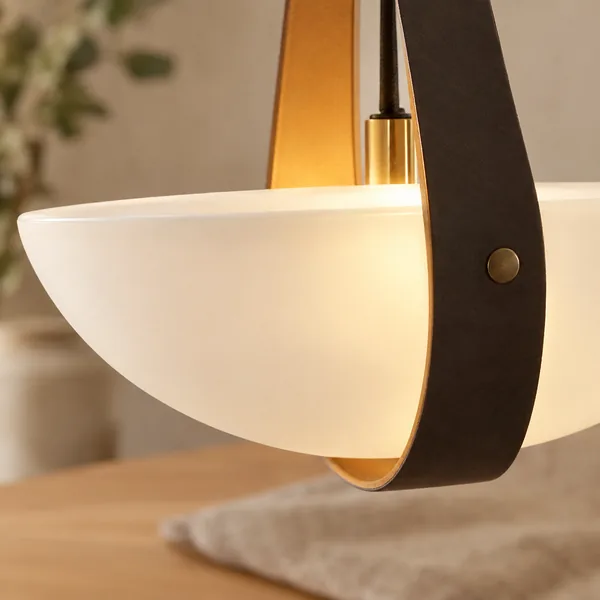
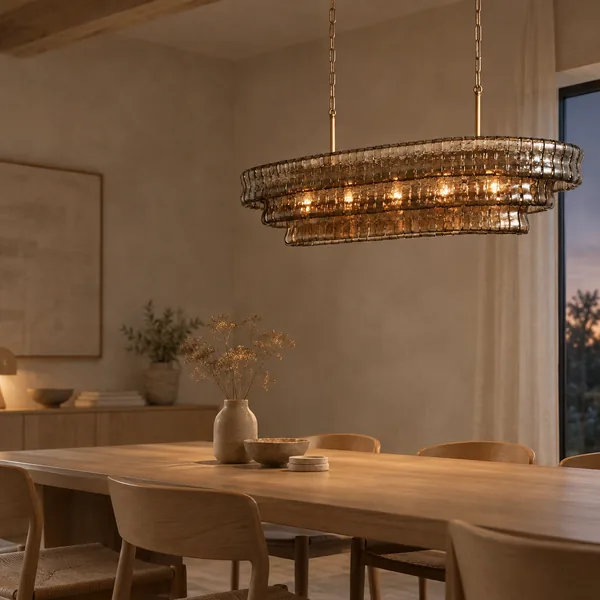
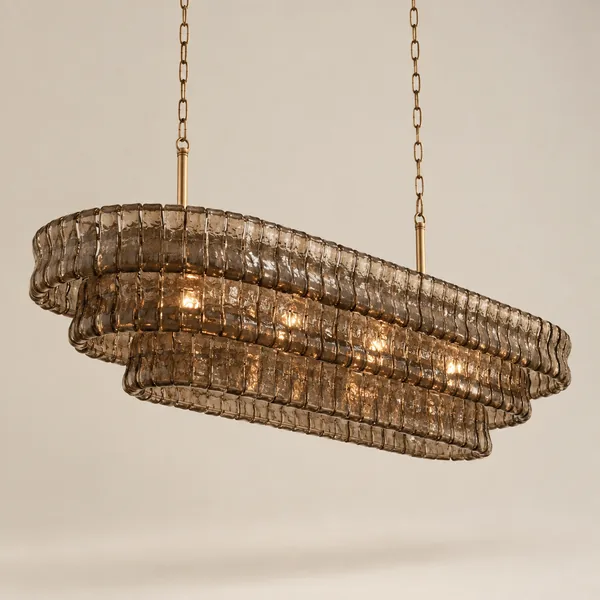
Dimma Smoky Gray Glass Chandelier Dining Room
Creating Your Perfect Ambiance
The beauty of soft pendant lighting lies in its transformative power. A well-chosen fabric pendant doesn't merely brighten a room—it changes how the room feels, how you feel in it, and how you experience your time there. These fixtures invite you to slow down, to savor moments, to embrace the comfort of home.
At Skonne, we curate our collection with this philosophy in mind. Each piece is selected not just for its appearance, but for its ability to create that intangible quality of warmth and welcome that defines truly exceptional interiors. Whether you're drawn to the organic sculptural quality of our Blomst Petal Fabric Pendant Light Nordic Cream or the refined simplicity of our drum pendants, you'll find pieces designed to elevate your everyday moments.
Conclusion
Fabric pendant lights represent more than a lighting trend—they're a design philosophy that prioritizes comfort, natural materials, and atmospheric warmth. By choosing textile pendant lighting, you're investing in pieces that soften your space visually and emotionally, creating interiors that welcome you home.
Whether you're illuminating a dining room for memorable gatherings, creating a bedroom sanctuary, or adding warmth to a living space, the right fabric pendant light becomes a defining element of your design story. Explore our curated collection at Skonne to discover pieces that speak to your vision of home—fixtures that don't just light your rooms, but transform them into havens of Scandinavian-inspired comfort.
Related Article
White Pendant Lights: Clean, Bright Fixtures for Airy, Minimal InteriorsExplore how white pendant lights transform spaces with clean, bright illumination. From modern globe designs to Scandinavian-inspired fixtures, discover the perfect pendant for airy, minimal interiors.