
White Pendant Lights: Clean, Bright Fixtures for Airy, Minimal Interiors
Summary›
- Why White Pendant Lights Transform Interior Spaces
- Current Trends in Scandinavian Pendant Lighting
- Practical Placement Guidelines for White Hanging Light Fixtures
- Addressing Common Concerns About Pendant Lighting
- Creating Cohesive Lighting Schemes
- Styling White Pendants in Different Rooms
- The Timeless Appeal of Minimal White Light
- Conclusion: Illuminating Your Minimal Interior
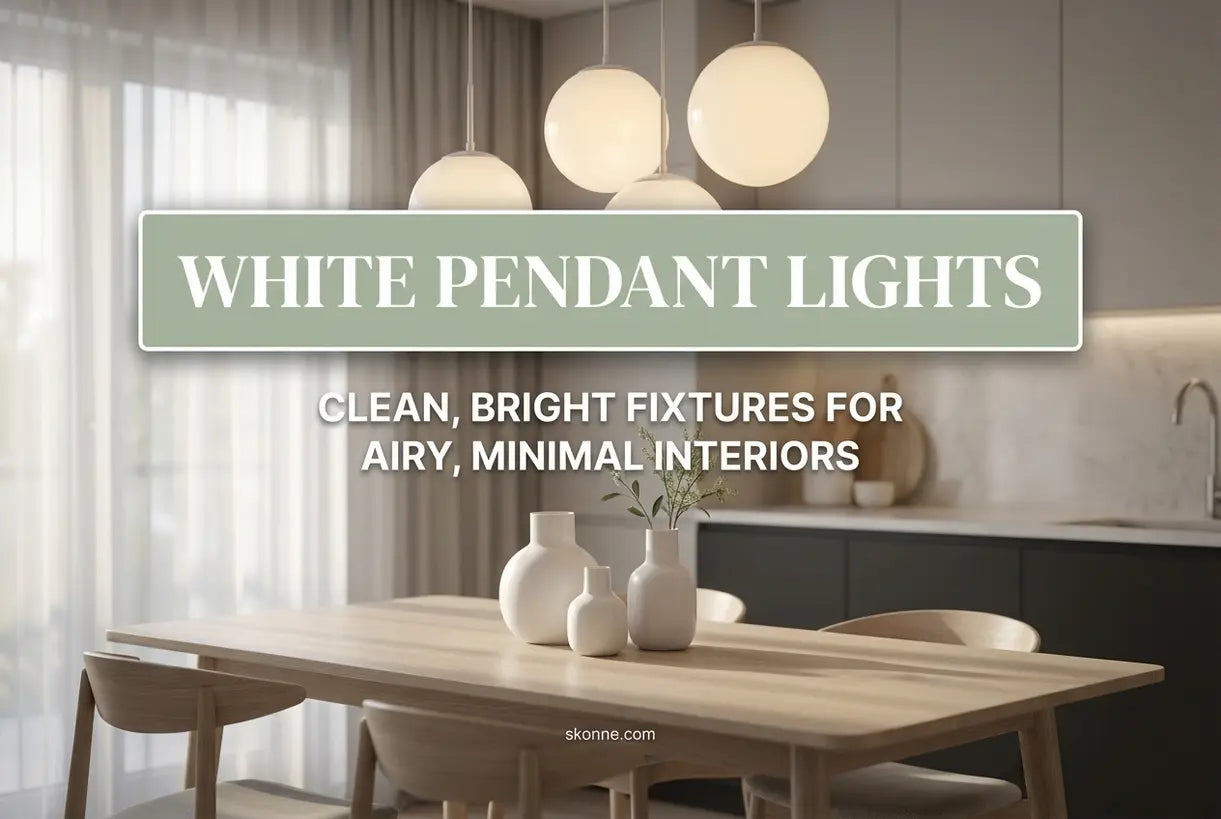
There's a reason white pendant lights have become the go-to choice for design-conscious homeowners seeking airy, minimal interiors. These luminous fixtures do more than illuminate—they transform spaces, creating an atmosphere of calm clarity that defines modern Scandinavian living. Whether you're renovating a compact apartment or refreshing a spacious open-concept home, the right white pendant lighting can elevate your space from ordinary to intentionally curated.
In this guide, we'll explore how clean, bright fixtures contribute to minimal interiors, share expert placement guidelines, and reveal why Dining Room Lighting choices matter more than you might think. Along the way, you'll discover how thoughtful lighting selections can solve common design challenges while maintaining that coveted Scandinavian aesthetic.
Why White Pendant Lights Transform Interior Spaces
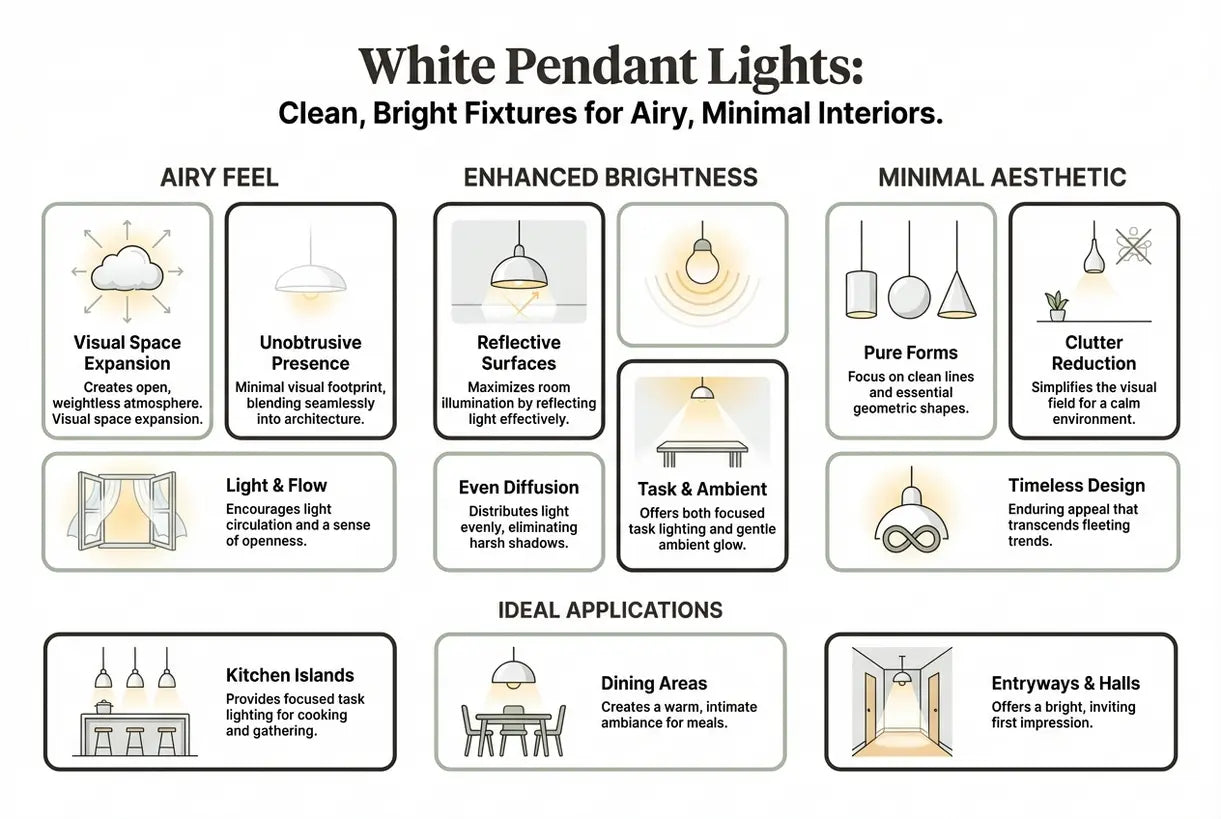
The psychology of light colors runs deep in interior design. White fixtures naturally reflect and amplify available light, making rooms feel more expansive and welcoming. Unlike darker pendants that absorb illumination, a well-chosen modern white pendant acts as a secondary light source, bouncing brightness throughout your space.
Scandinavian design philosophy has long embraced this principle. In regions where daylight hours dwindle during winter months, maximizing every photon becomes essential. This practical need evolved into an aesthetic language—clean pendant fixtures that honor simplicity while delivering maximum luminous impact.
The Versatility of Minimalist Pendant Light Design
One remarkable quality of minimalist pendant light fixtures is their chameleon-like ability to complement diverse interior styles. From Japandi-inspired bedrooms to contemporary farmhouse kitchens, white pendants adapt without competing. They provide visual rest in busy spaces and architectural interest in sparse environments.
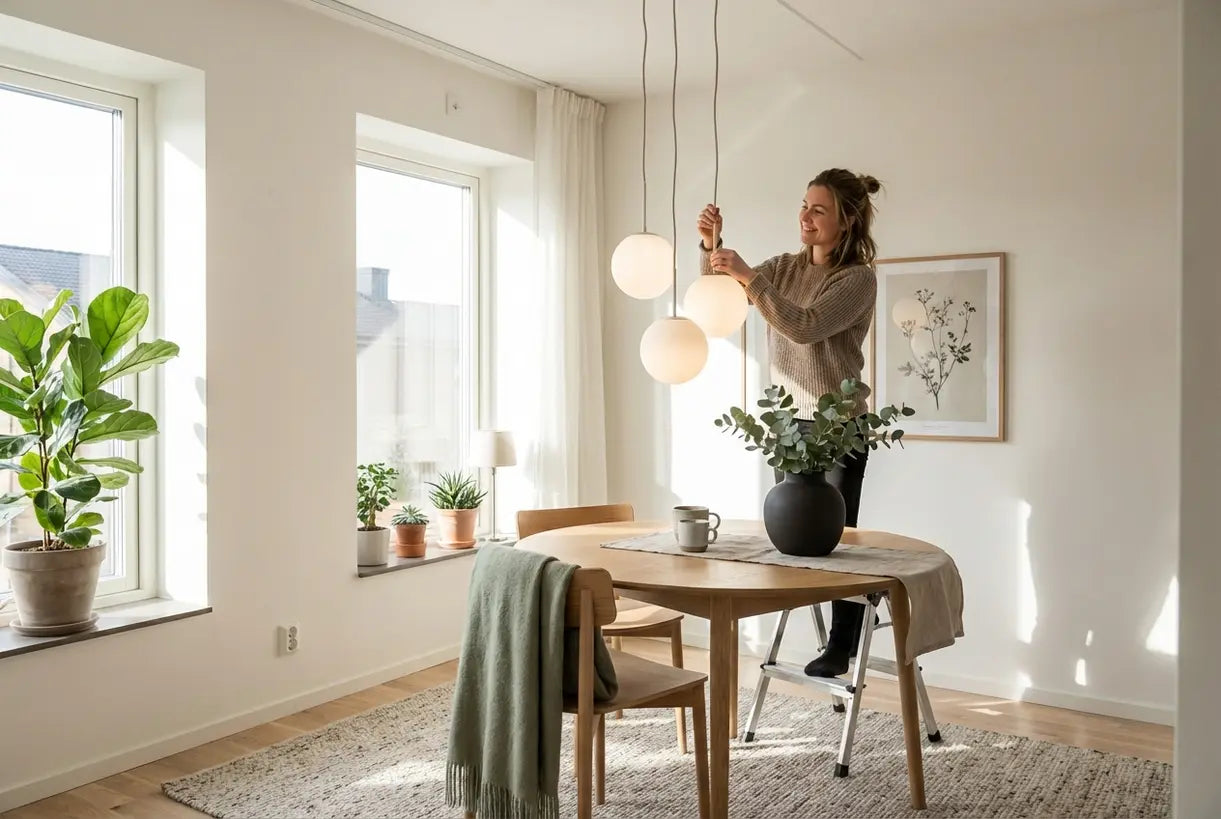
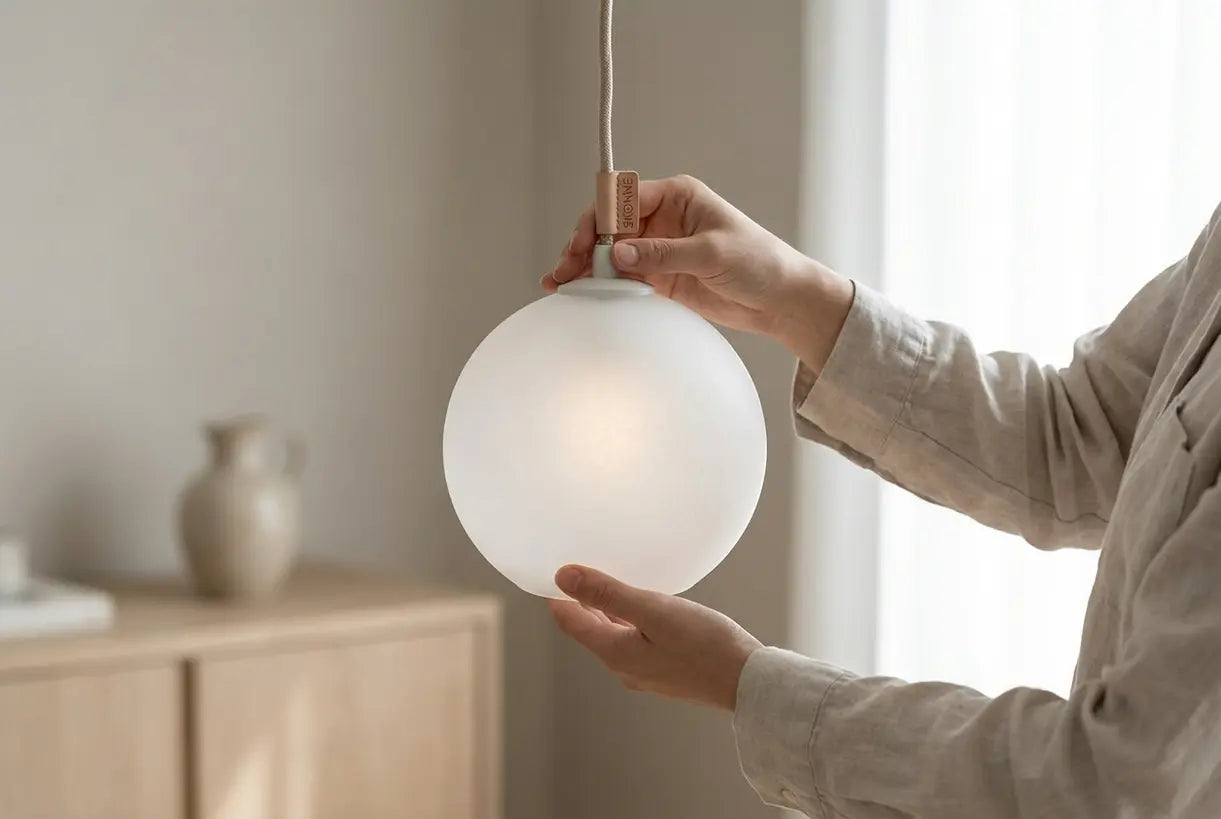
Consider how a white globe pendant light functions in practice. The spherical shape distributes illumination evenly in all directions, eliminating harsh shadows. This quality makes globe pendants particularly effective over dining tables and kitchen islands—areas where task lighting meets social gathering.
Pendant Lights
Shop all Pendant Lights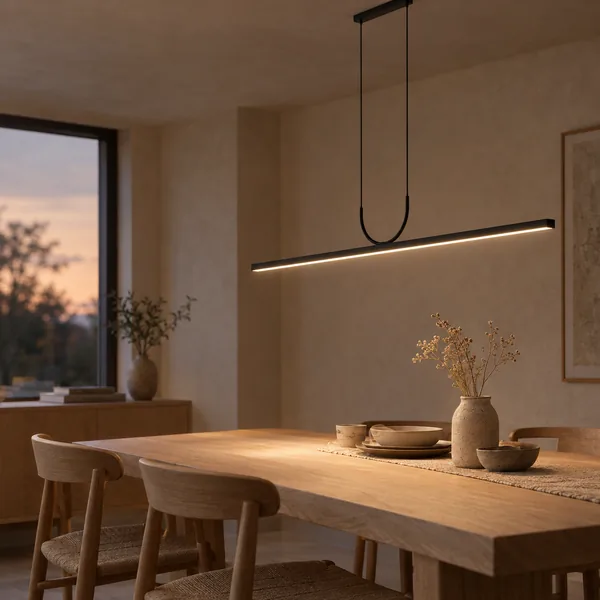
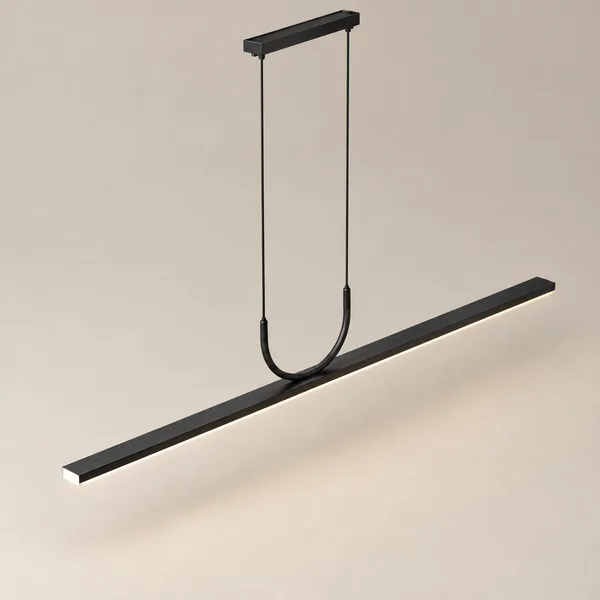 Save $140.00
Linné Minimalist Linear Black LED Pendant Light
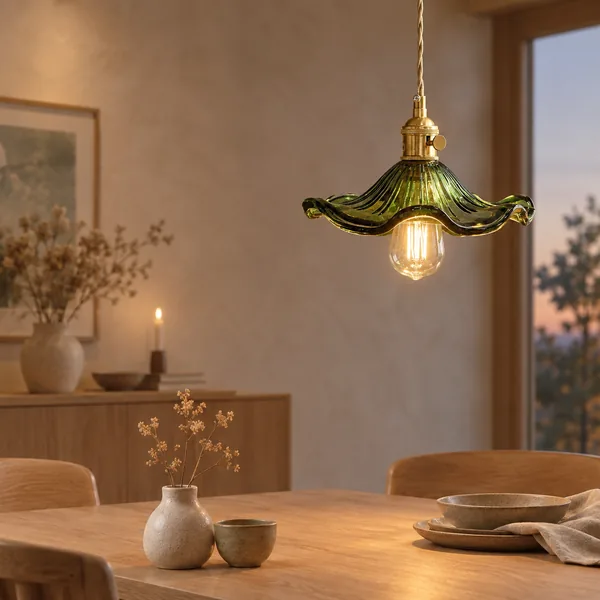
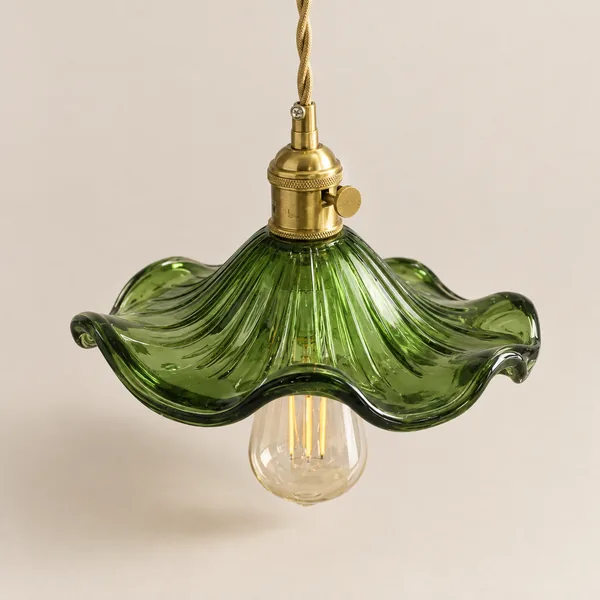 Save $60.00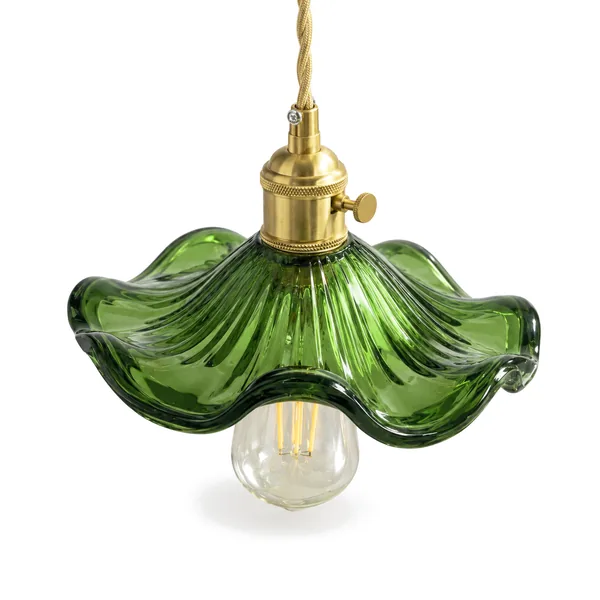
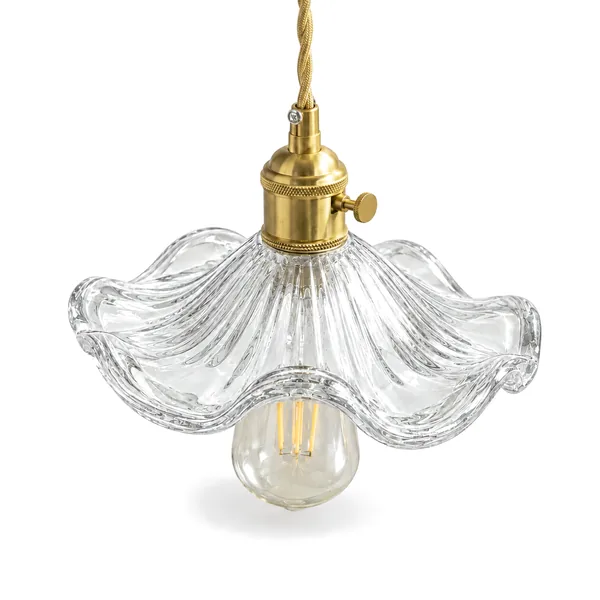
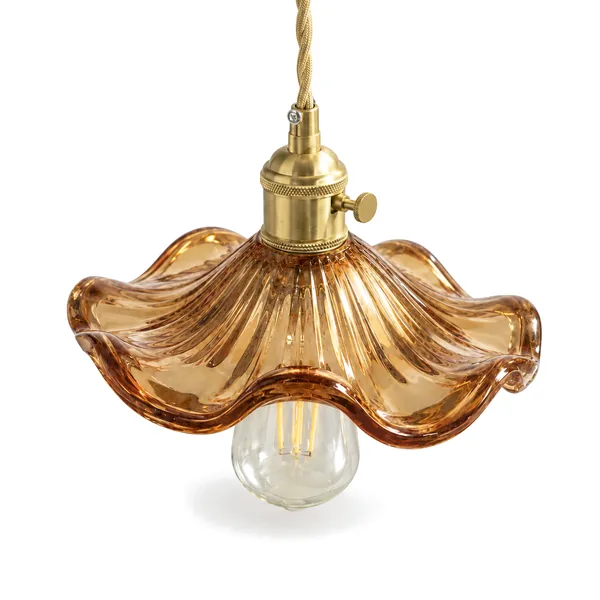 3 options
Glora Nordic Glass Pendant Light with Copper
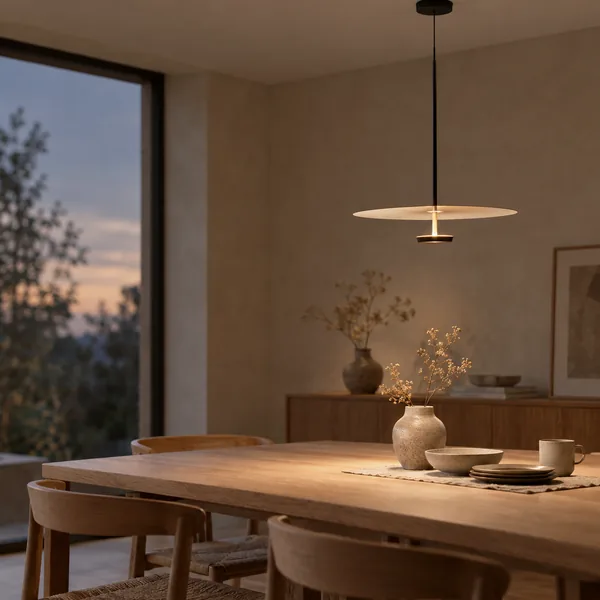
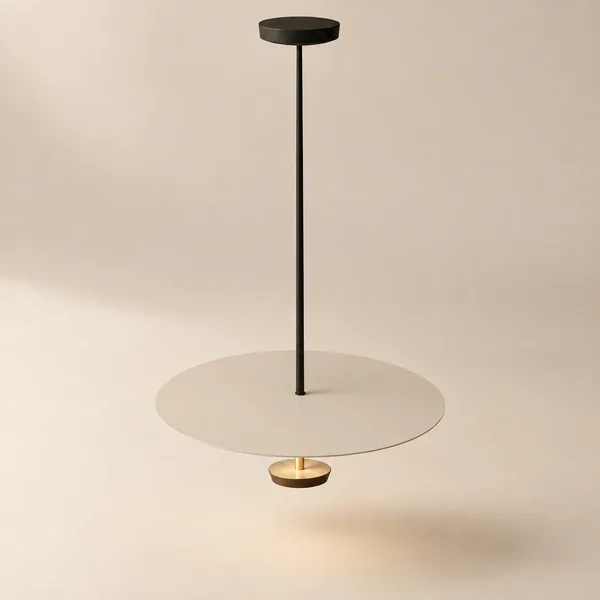 Save $120.00
Skiva Nordic Saucer Ceiling Pendant Light LED
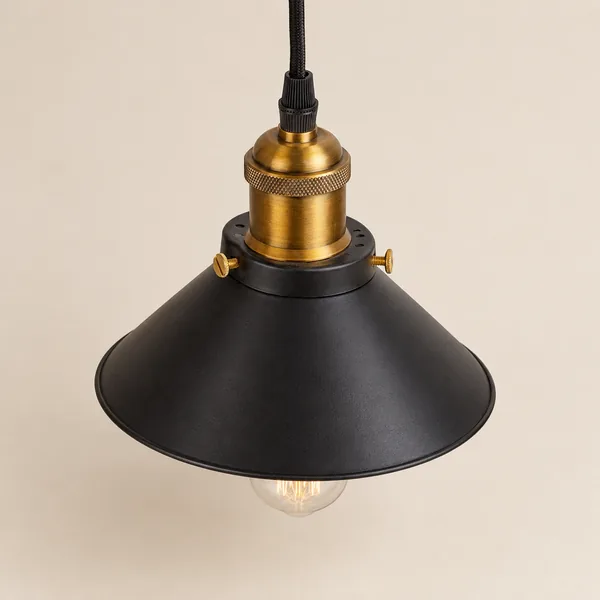
Current Trends in Scandinavian Pendant Lighting
Today's Scandinavian pendant lighting trends reflect a sophisticated evolution of Nordic minimalism. While clean lines remain paramount, designers are introducing subtle material variations and organic forms that add warmth without clutter.
Mixed materials represent one of the most significant movements in contemporary white pendant design. The combination of frosted glass with natural wood or brushed brass creates visual depth while maintaining the airy quality that defines minimal interiors. These nuanced material pairings allow white fixtures to feel grounded and intentional rather than stark.
The Rise of Sculptural Forms
Beyond traditional globe and cone shapes, sculptural white pendants are gaining prominence. These pieces function as functional art—drawing the eye upward and creating focal points in otherwise understated rooms. The Driva Sculptural Cloud Pendant Light in Glass exemplifies this trend, offering ethereal, soft illumination through its cloud-shaped form. Available in clear, smoky gray, and amber finishes, it complements white-themed interiors while adding sculptural visual interest that elevates the entire room.
This sculptural approach aligns perfectly with the "warm minimalism" movement—spaces that feel curated and intentional rather than cold or impersonal. By introducing organic shapes in white materials, you maintain simplicity while adding personality.
Practical Placement Guidelines for White Hanging Light Fixtures
Even the most beautiful white hanging light fixtures require thoughtful placement to perform optimally. Understanding spatial relationships ensures your lighting enhances rather than overwhelms your interior.
Kitchen Island Lighting Heights
For kitchen islands, standard practice suggests hanging pendants 28 to 36 inches above the countertop surface. This range provides adequate task illumination for food preparation while maintaining sightlines across the space. For higher ceilings (10 feet or more), consider the upper end of this range or slightly above to maintain proper scale.
The rule for pendant lights over islands extends beyond height to spacing. When using multiple fixtures, divide your island length by the number of pendants plus one to determine equal spacing. For example, a 72-inch island with two pendants should have fixtures positioned approximately 24 inches from each end, creating balanced visual weight.
Dining Room Considerations
Over dining tables, white pendants should typically hang 30 to 36 inches above the table surface. This positioning creates intimate pools of light for meals while ensuring the fixture doesn't obstruct views or conversation. In rooms with standard 8-foot ceilings, a semi-flush mount or shorter pendant may prove more appropriate than a lengthy drop fixture.
For those seeking to create warm, inviting dining atmospheres, the Gloda Walnut Brass French Style Pendant Light combines brightness with warmth through its walnut and brass construction. The frosted glass diffuser casts gentle amber light—ideal for creating cozy yet airy dining environments that honor minimal design principles while maximizing comfort.
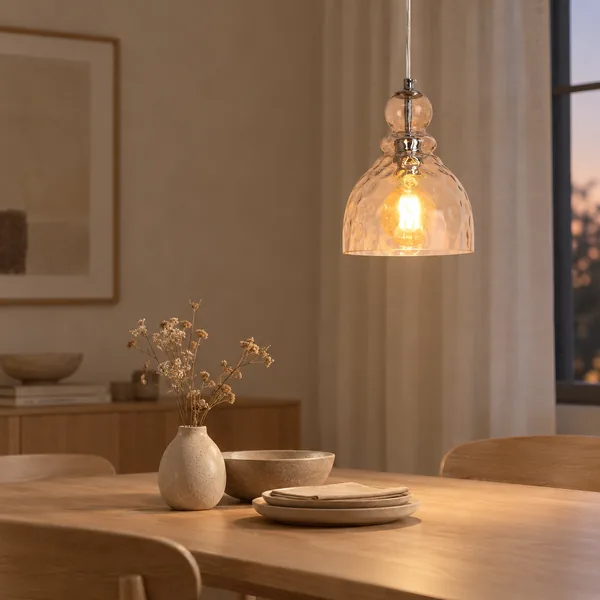 Dropa Glass Drop Pendant Light for Kitchen Dining$79.00$119.00
Addressing Common Concerns About Pendant Lighting
Despite their popularity, some homeowners hesitate about installing pendant fixtures due to common misconceptions. Let's address these concerns with practical perspectives.
Do Pendant Lights Make Rooms Feel Smaller?
The question "Do pendant lights make a room look smaller?" arises frequently, particularly in compact spaces. The answer depends entirely on scale and selection. Properly proportioned white pendants actually create the opposite effect—they draw the eye upward, emphasizing vertical space and making ceilings appear higher.
The key lies in choosing fixtures appropriate to your room dimensions. In spaces with 8-foot ceilings, select pendants with compact profiles and consider semi-flush alternatives. For rooms with generous ceiling height, longer drops and larger fixtures create drama without overwhelming. White finishes specifically contribute to spatial perception by reflecting light rather than visually "weighing down" the ceiling plane.
Understanding the Disadvantages
Like any design choice, pendant lighting carries certain disadvantages worth considering. Fixed positioning limits flexibility compared to portable lamps. Single pendants may create uneven illumination compared to recessed lighting arrays. And yes, dust and cooking residues accumulate more visibly on white surfaces than darker alternatives.
However, these challenges have straightforward solutions. Strategic layering with additional light sources addresses illumination gaps. Regular maintenance—simple dusting with a microfiber cloth—keeps white fixtures pristine. For kitchen applications, selecting pendants with smooth, non-porous materials simplifies cleaning.
The Dropa Glass Drop Pendant Light for Kitchen Dining addresses these practical concerns beautifully. Its sleek white glass construction diffuses warm, ambient light while the smooth surface wipes clean easily. The adjustable cord allows versatile placement, adapting to various ceiling heights and spatial configurations—a thoughtful solution for modern kitchens and dining areas seeking airy brightness without maintenance headaches.
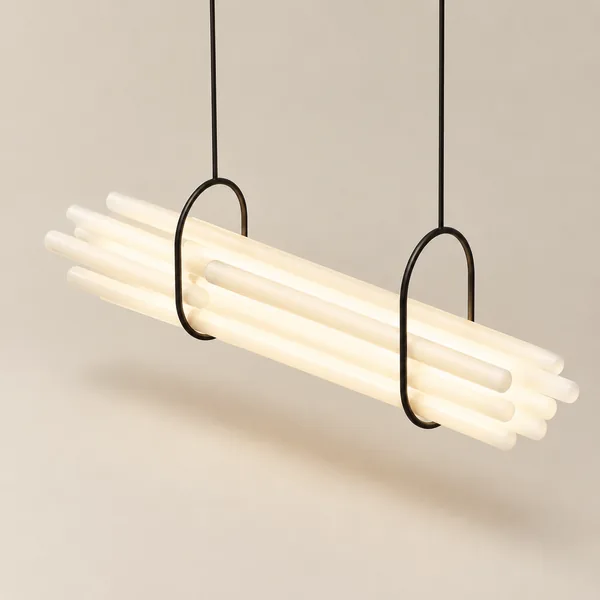
Linear Pendant Lights
Shop all Linear Pendant Lights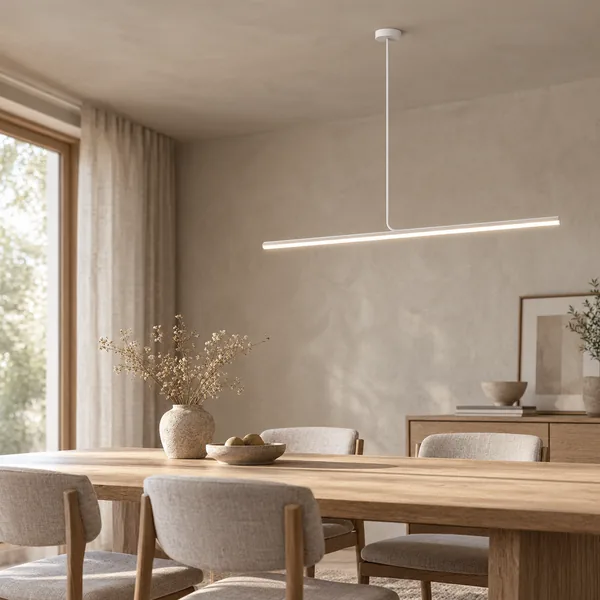
Creating Cohesive Lighting Schemes
Successful interior lighting operates in layers. White pendants serve as the anchor—the primary visual element that establishes your design direction. Supporting this foundation with complementary fixtures creates depth and functionality.
Consider pairing your statement pendants with recessed ceiling lights for general illumination, under-cabinet LED strips for task lighting, and table lamps for ambient warmth. This layered approach ensures your space functions beautifully at any time of day while maintaining the clean aesthetic that bright white lighting provides.
Color Temperature Considerations
The quality of light matters as much as the fixture itself. White pendants paired with bright ceiling pendant bulbs in the 2700K to 3000K range create warm, inviting atmospheres ideal for residential spaces. Avoid cool white temperatures (4000K+) in living and dining areas—these can feel clinical and disrupt the cozy hygge aesthetic central to Scandinavian design.
Styling White Pendants in Different Rooms
Beyond kitchens and dining rooms, white pendant kitchen styles translate beautifully throughout the home. In bedrooms, cluster smaller white globes at varying heights beside the bed for sculptural bedside lighting. In entryways, a single statement pendant creates an immediate impression of curated intention. Home offices benefit from white task pendants that provide focused illumination without visual clutter.
The versatility of modern white globe pendant designs particularly shines in open-concept spaces. Using consistent white fixtures throughout connected kitchen, dining, and living areas creates visual continuity. This approach unifies the space while allowing furniture and architectural elements to define functional zones.
Curated White Pendant Selections
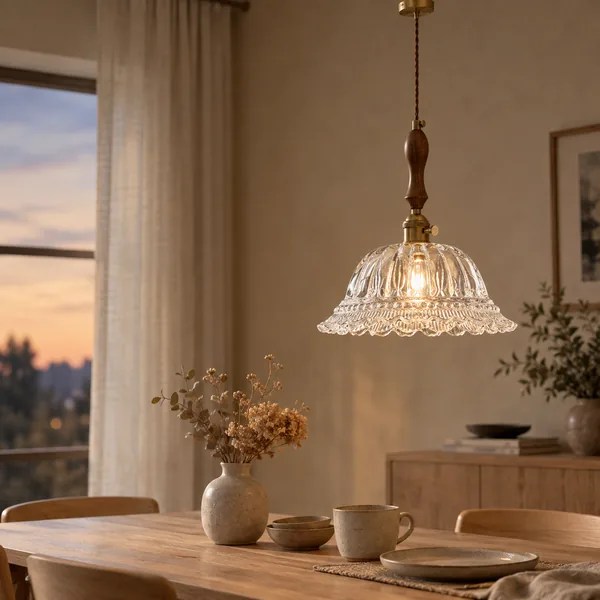 Gloda Walnut Brass French Style Pendant Light$169.00$229.00
The Timeless Appeal of Minimal White Light
Interior design trends come and go, but minimal white light fixtures maintain their relevance through decades of evolving styles. Their neutrality allows them to adapt as your taste evolves—from mid-century modern to contemporary minimalism to whatever aesthetic emerges next.
This longevity makes white pendants a sound investment for homeowners and renters alike. Unlike boldly colored fixtures that may feel dated as palettes shift, white maintains its freshness. The Scandinavian white pendant philosophy prioritizes quality materials and thoughtful proportions over trendy gimmicks—principles that transcend temporary fashions.
When selecting your fixtures, consider how they'll age with your space. Choose classic shapes that won't feel passé in five years. Invest in quality materials that develop patina gracefully. And trust that clean, bright fixtures will continue bringing airy elegance to your minimal interiors for years to come.
Conclusion: Illuminating Your Minimal Interior
White pendant lights offer something rare in interior design—true versatility without compromise. They brighten, they expand, they ground, and they elevate. Whether you're drawn to the sculptural presence of cloud-shaped glass, the warmth of mixed materials, or the pure simplicity of classic globe forms, the right white fixture transforms your space into a sanctuary of Scandinavian-inspired calm.
At Skonne, we curate pendant lighting that honors these principles—pieces designed not just to illuminate, but to inspire. Our collection of airy pendant light fixtures reflects the belief that your home deserves lighting as intentional as every other design choice you make. Explore our selections and discover how clean, bright fixtures can bring your vision of airy, minimal interiors to life.
Related Article
Concrete Pendant Lights: Raw, Industrial Fixtures for Modern & Minimalist SpacesExplore the raw beauty of concrete pendant lights. These industrial fixtures add texture, character, and modern minimalism to any interior space.