
Sage Green Interior Design: How to Decorate with This Calming, Nature-Inspired Hue
Summary›
- What Makes Sage Green Interior Design Special
- Best Color Pairings for Sage Green Interiors
- Sage Green Interior Design by Room
- Incorporating Sage Green Through Decorative Accents
- Lighting Your Sage Green Interior
- Statement Lighting in Sage Green Spaces
- The Enduring Appeal of Sage Green
- Conclusion: Creating Your Sage Green Sanctuary
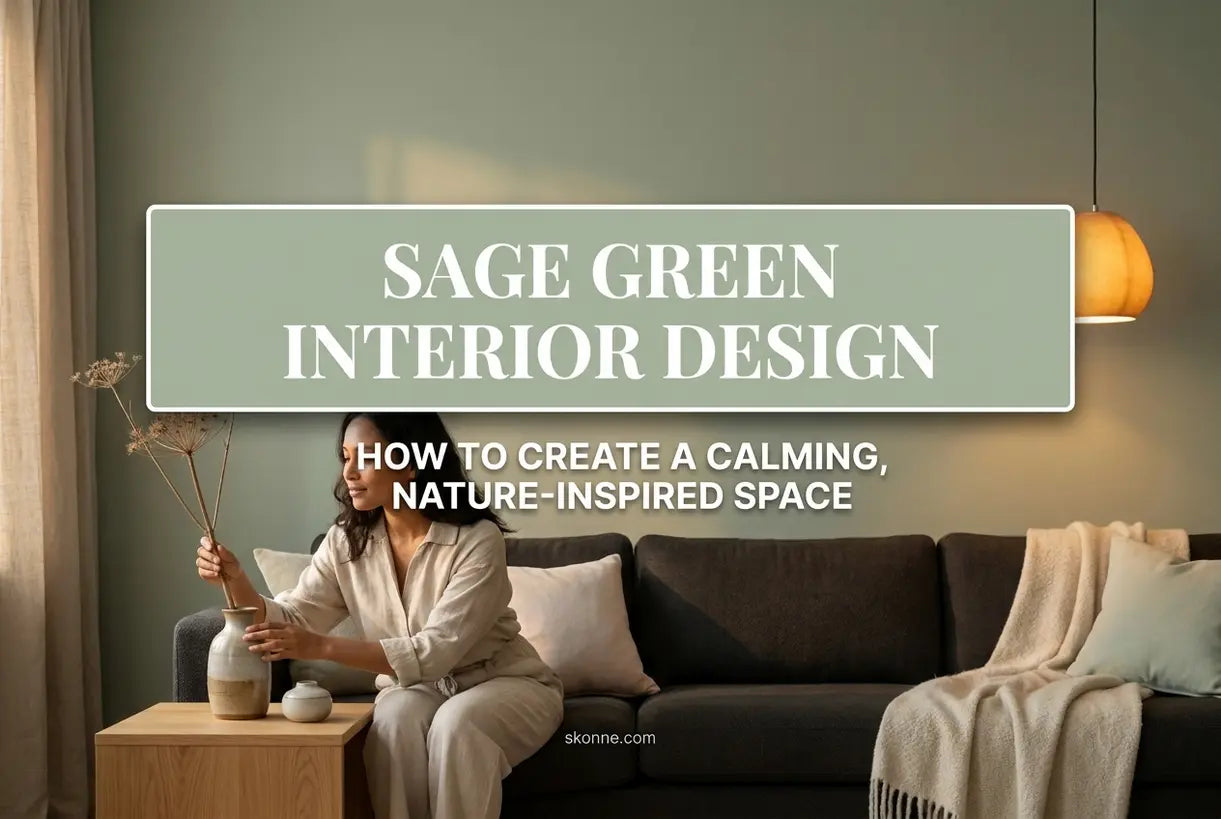
Sage green interior design has emerged as one of the most sought-after trends for homeowners seeking to create serene, grounding spaces. This nature-inspired hue sits perfectly between gray and green, offering a sophisticated neutral that whispers rather than shouts. As Scandinavian design principles continue to influence American homes, sage green has become the go-to color for those wanting to bring the outdoors in without overwhelming their space.
In this guide, you'll discover how to incorporate sage green interior design throughout your home, from subtle accents to bold statement walls. Whether you're refreshing a single room or reimagining your entire aesthetic, the right approach—paired with thoughtfully curated pieces from Skonne—can transform your space into the calming retreat you've been dreaming of.
What Makes Sage Green Interior Design Special
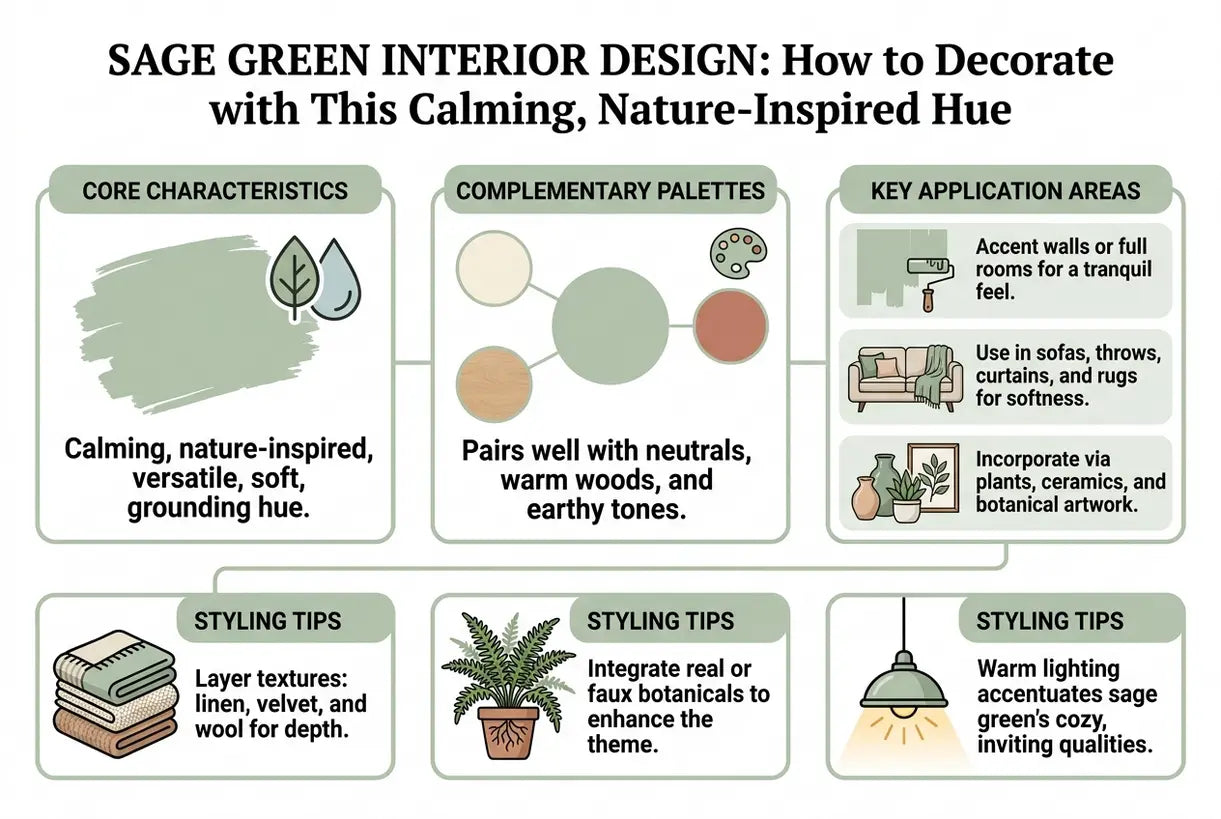
Sage green interior design draws its power from the natural world, evoking the quiet beauty of herb gardens and misty forests. Unlike bolder greens that demand attention, sage operates as a versatile neutral that adapts to various design styles—from modern minimalism to cozy farmhouse aesthetics. Its muted undertones create an instant sense of tranquility, making it particularly effective in spaces meant for relaxation.
The color's understated elegance allows it to function as both a primary palette and a supporting accent. In Scandinavian-inspired homes, sage green pairs exceptionally well with warm woods, natural linens, and the clean lines that define Nordic design. This harmony between color and form creates spaces that feel intentional yet effortless.
Best Color Pairings for Sage Green Interiors
When exploring sage green interior design, understanding which colors complement this hue is essential for creating cohesive spaces. Crisp whites and warm creams allow sage to breathe, while deeper charcoals and blacks provide sophisticated contrast. For those seeking warmth, terracotta, blush pink, and mustard yellow create beautiful analog relationships that feel both contemporary and timeless.
Natural wood tones—from pale birch to rich walnut—ground sage green in authenticity, reinforcing the biophilic connection that makes this color so appealing. For a cooler palette, slate blues and soft lavenders extend the peaceful atmosphere into adjacent color families. For those looking to explore more lighting options that complement these palettes, our Glass Pendant Lights collection offers a curated selection of fixtures that harmonize beautifully with sage green tones.
Sage Green Interior Design by Room
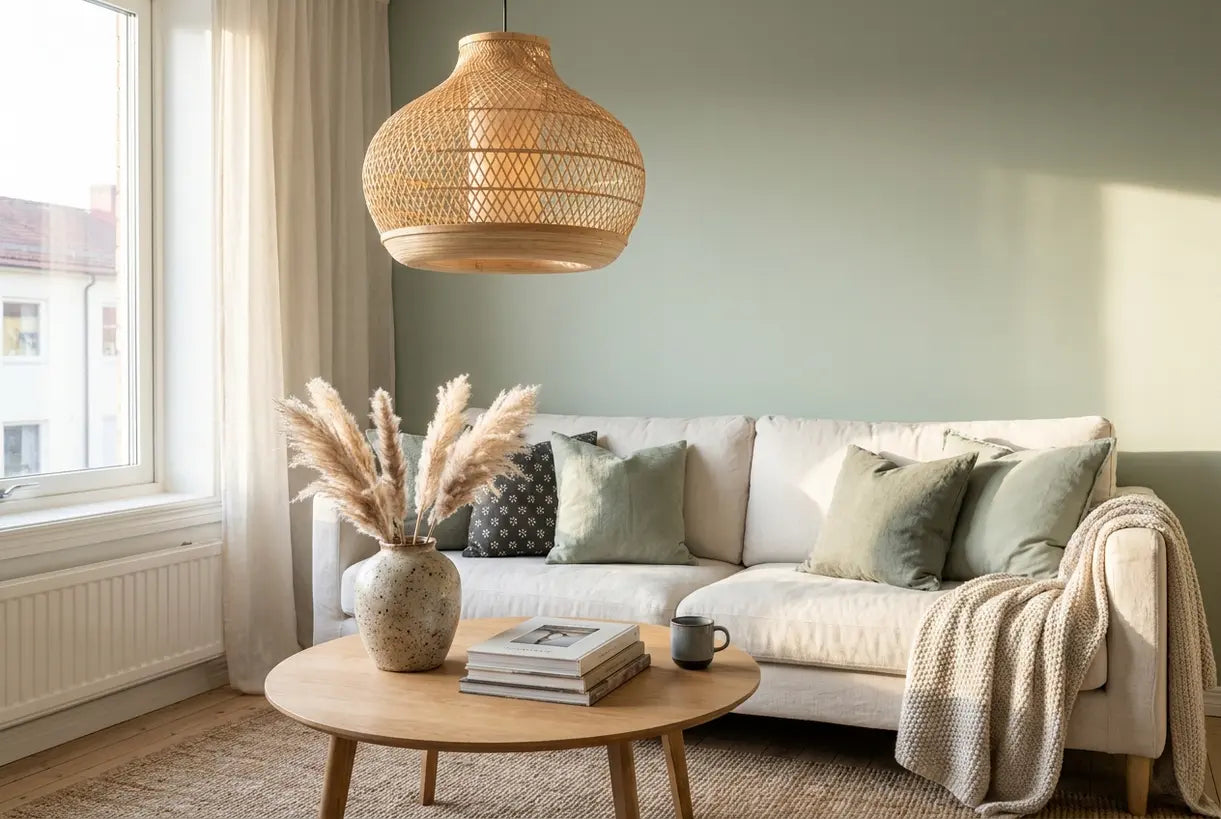
Living rooms benefit tremendously from sage green interior design when used on walls or through substantial furniture pieces. The color's calming properties make it ideal for gathering spaces where conversation and connection happen. In bedrooms, sage promotes restfulness, working beautifully on upholstered headboards, bedding, or as an accent wall behind the sleeping area.
Kitchens and bathrooms present unique opportunities for sage green through cabinetry, tile, or accessories. The color's connection to nature feels particularly appropriate in spaces associated with water and nourishment. Even small doses—through towels, pottery, or potted plants in sage-colored containers—can introduce the refreshing quality this hue brings to daily routines.
Pendant Lights
Shop all Pendant Lights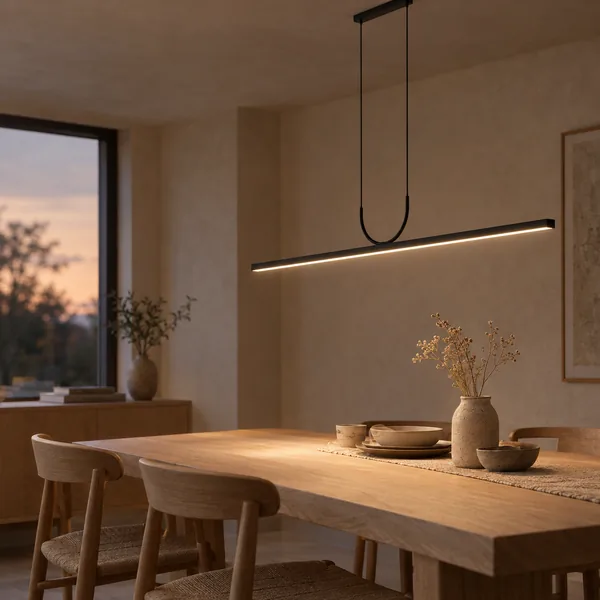
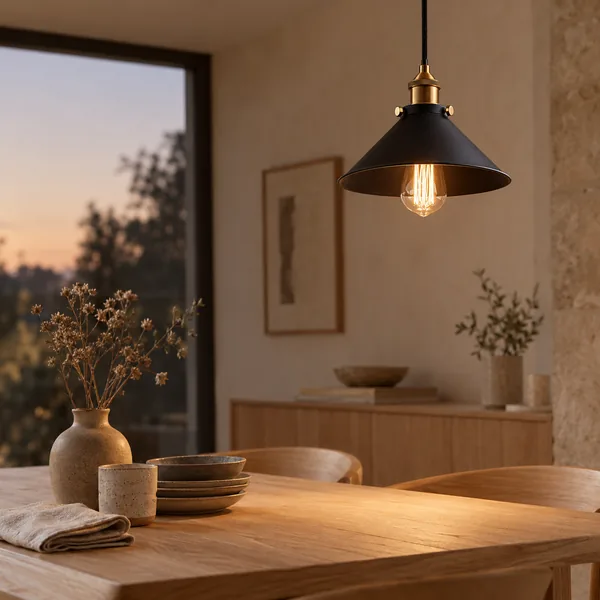
 Save $140.00
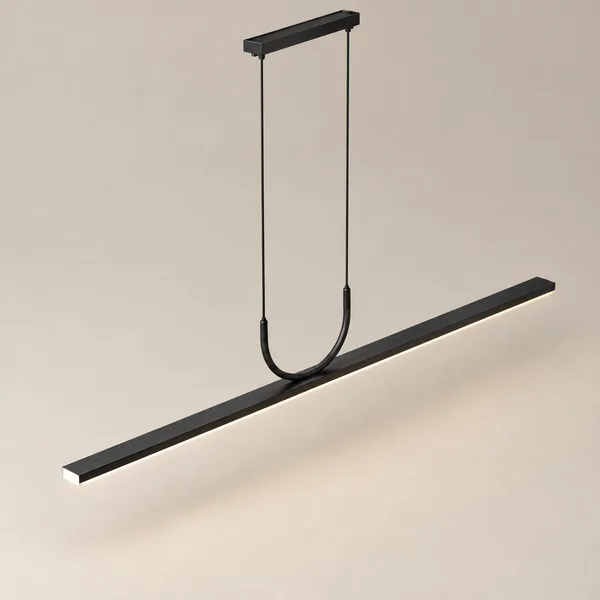
Linné Minimalist Linear Black LED Pendant Light
 Save $60.00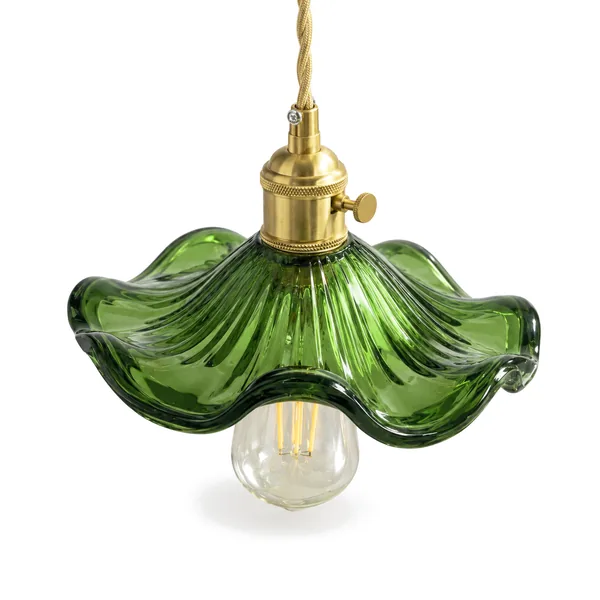
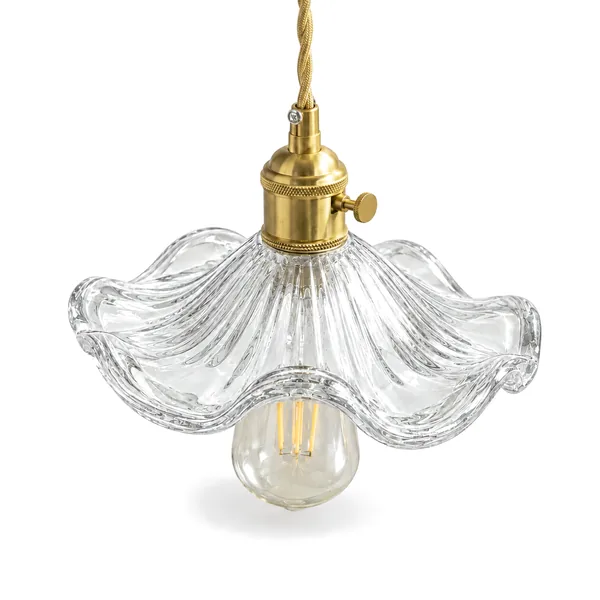
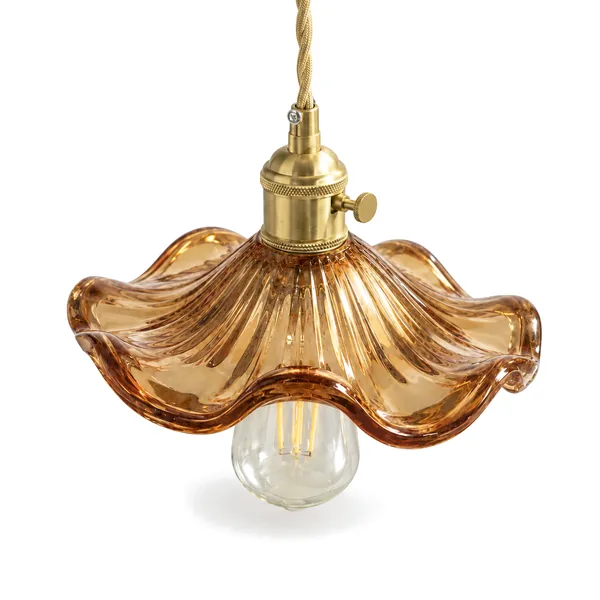 3 options
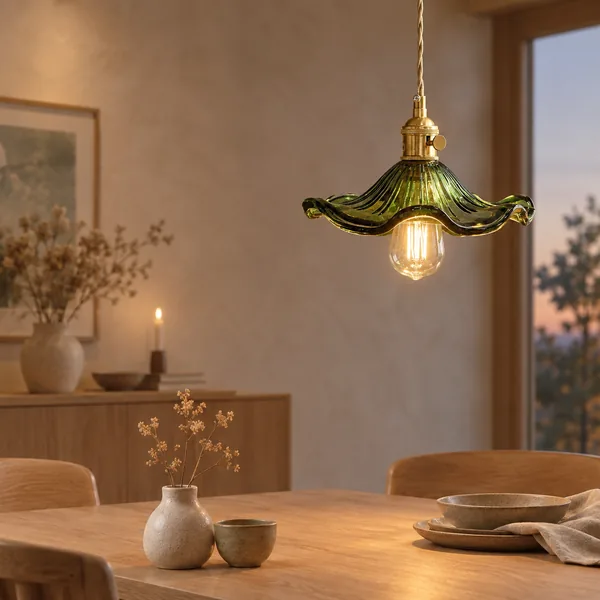
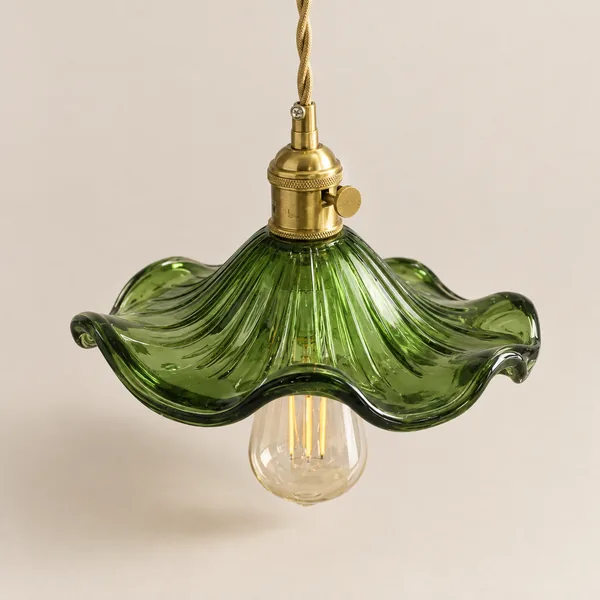
Glora Nordic Glass Pendant Light with Copper
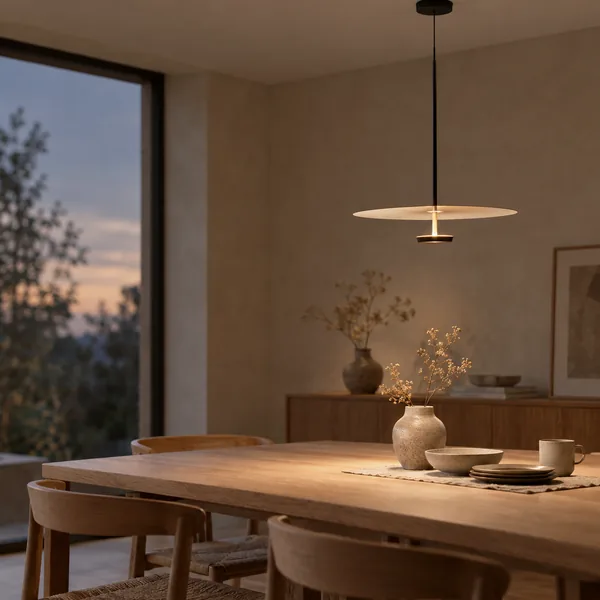
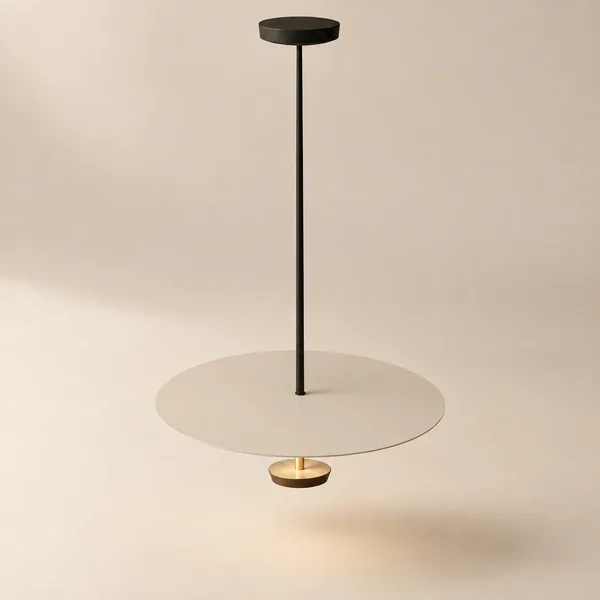 Save $120.00
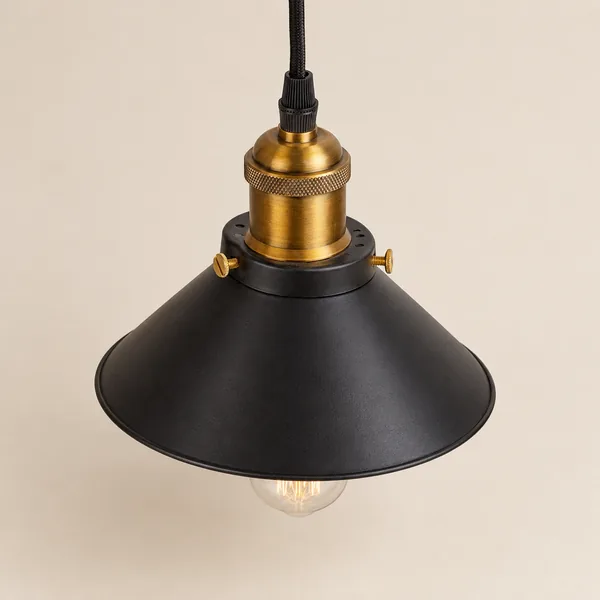
Skiva Nordic Saucer Ceiling Pendant Light LED
Incorporating Sage Green Through Decorative Accents
Not ready to commit to sage green walls? Start with intentional decor choices that introduce the color through texture and form. Ceramic vessels, woven textiles, and natural fiber rugs in sage tones allow you to test the color's presence in your space before making larger investments. These layered elements create visual interest while maintaining the serene atmosphere that defines sage green interior design.
Lighting plays a crucial role in how sage green reads throughout the day. Natural daylight brings out the color's fresh, herbal qualities, while evening hours shift it toward a cozier, more enveloping presence. Choosing fixtures that complement rather than compete with your sage elements ensures the color remains the star.
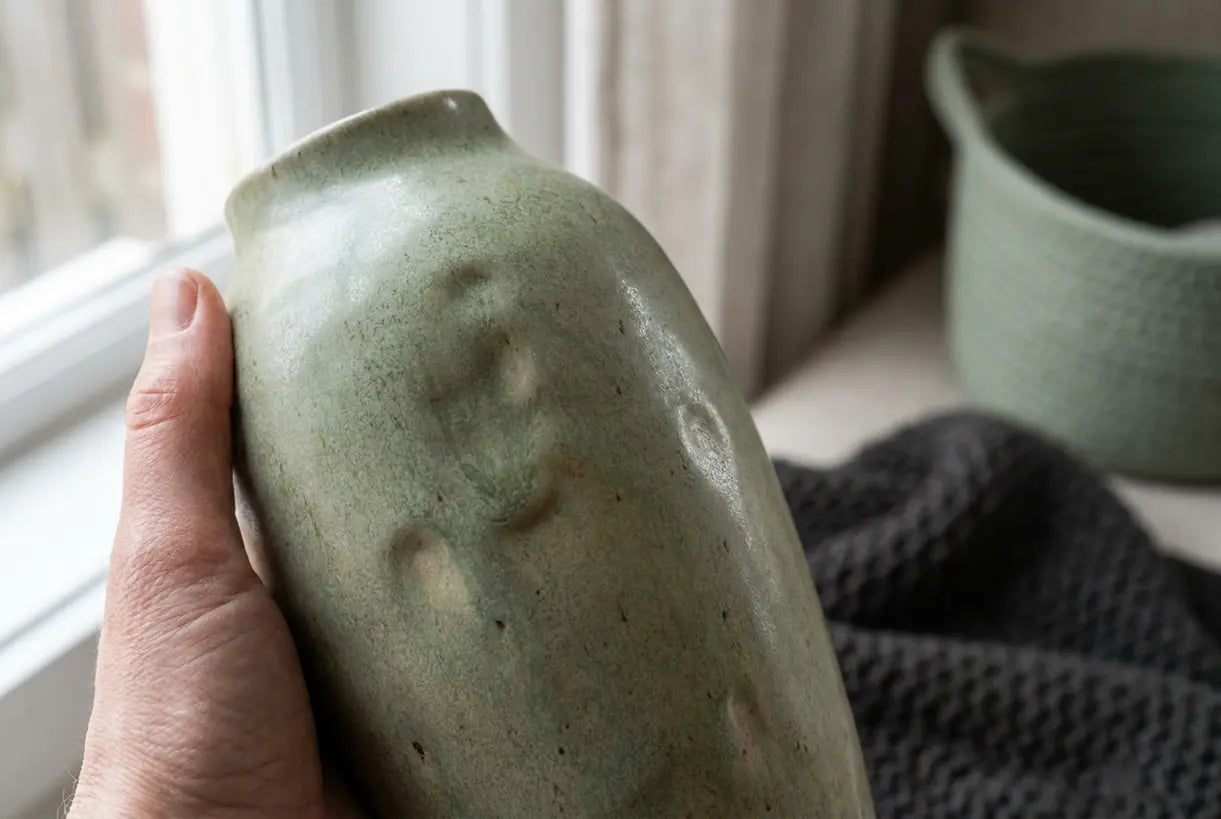
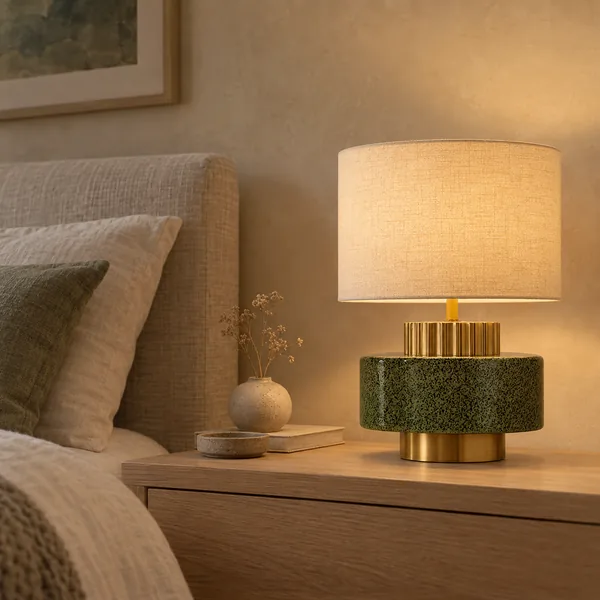 Leireld Artisan Ceramic Pottery Table Lamp Vintage$469.00$789.00
Lighting Your Sage Green Interior
The interplay between light and sage green creates some of the most captivating moments in interior design. Warm-toned illumination enhances the color's earthy qualities, preventing it from reading too cool or clinical. This is where thoughtful fixture selection becomes paramount—choosing lighting that filters and softens rather than harshly exposing.
In dining areas, consider how pendant lights in complementary materials can extend your sage green narrative upward. Glass elements that catch and refract light, stone textures that echo natural landscapes, and ceramic bases that introduce hand-crafted warmth all contribute to a cohesive design language.
Statement Lighting in Sage Green Spaces
While sage green often serves as a subtle backdrop, the right lighting fixtures can elevate your interior from simply painted to truly designed. Look for pieces that either harmonize with your sage palette through color or contrast it through dramatic silhouette. The goal is creating visual rhythm that guides the eye through the space.
Wall sconces featuring natural stone or textured glass bring depth to sage green interior design without introducing competing colors. In entryways and hallways, these fixtures create welcoming vignettes that set the tone for the entire home. The key is selecting pieces that feel both intentional and effortless—the hallmark of Scandinavian design philosophy.
Pendant & Wall Lighting for Sage Green Interiors
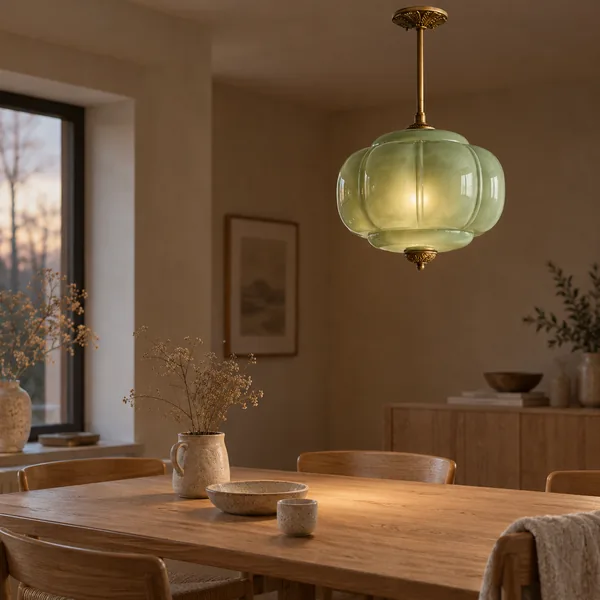 Grönlia Elegant Glass Pendant Light for Dining$339.00$549.00
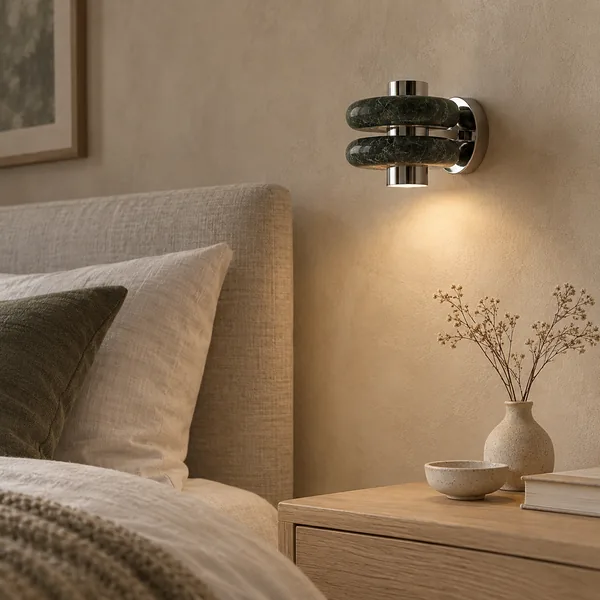 Grenvid Green Marble LED Wall Light Nordic Design$469.00$649.00
The Enduring Appeal of Sage Green
As interior design continues embracing biophilic principles—the integration of natural elements into built environments—sage green maintains its relevance year after year. Unlike trend-driven colors that quickly feel dated, this hue's connection to the natural world gives it staying power. It evolves with your style rather than anchoring you to a specific moment.
The most successful sage green interior design feels collected over time rather than purchased in a single weekend. By selecting quality pieces that speak to the color's organic origins—handcrafted ceramics, natural stone, warm woods—you create spaces that feel personal and enduring.
Scandinavian Lighting
Shop all Scandinavian LightingSave $60.003 optionsGlora Nordic Glass Pendant Light with Copper
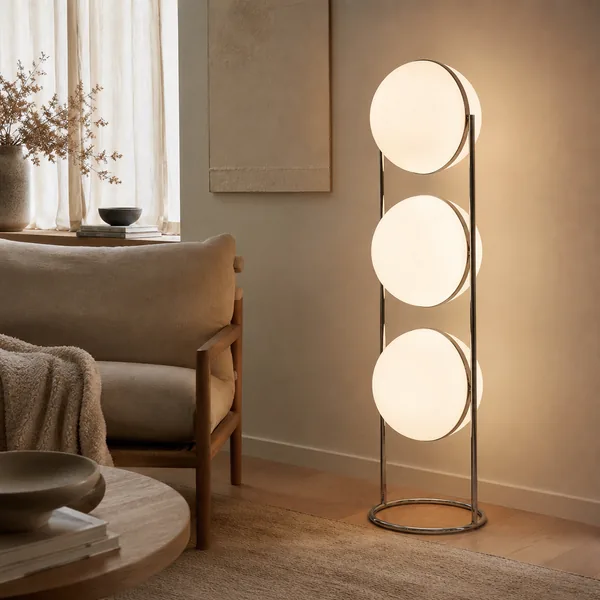
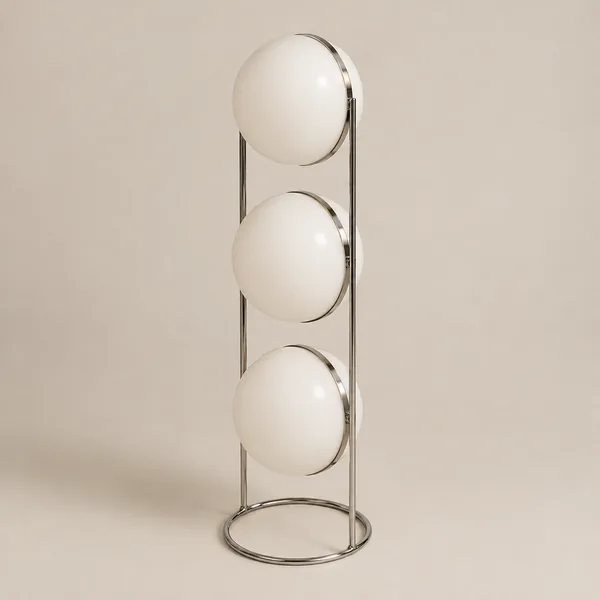 Save $150.00
Kulglod Bauhaus Chrome Acrylic Globe Floor Lamp
 Save $230.00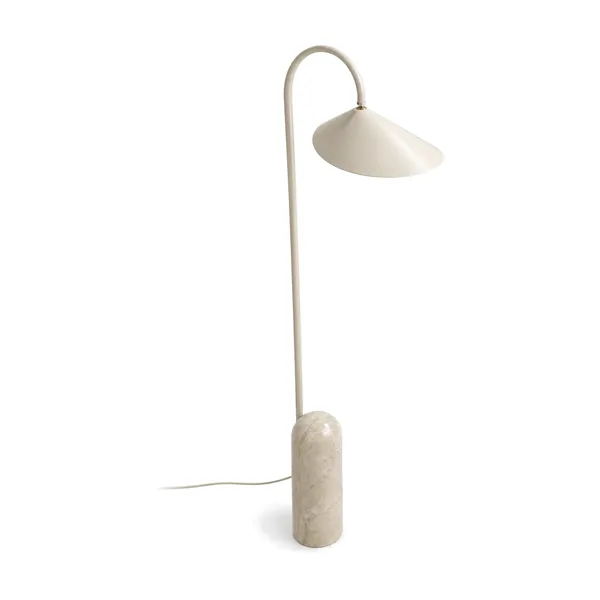
 2 options
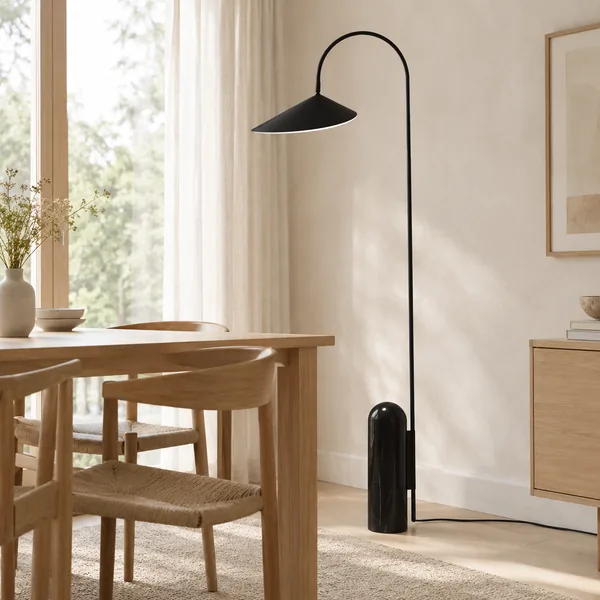
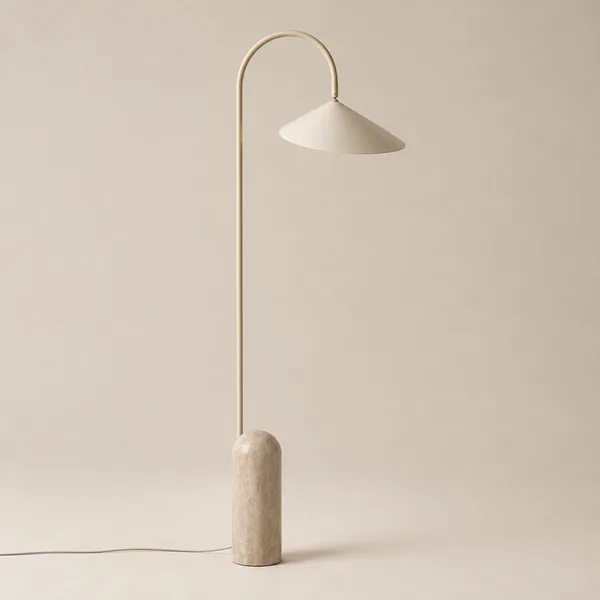
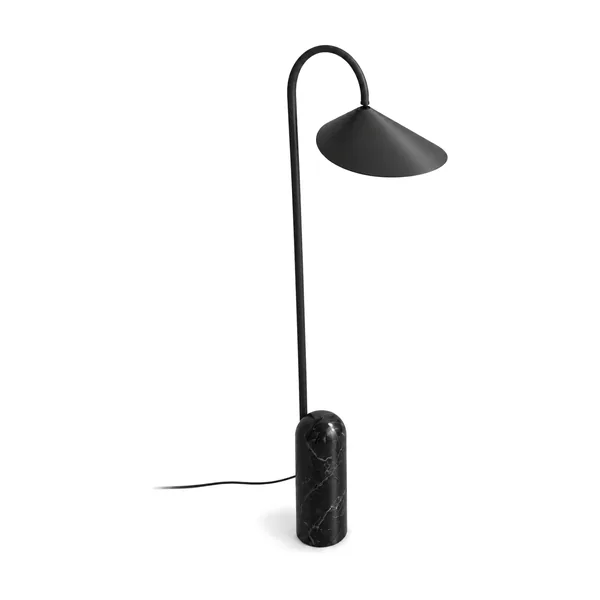
Velbue Marble Base Arc Floor Lamp Danish Design
 Save $210.00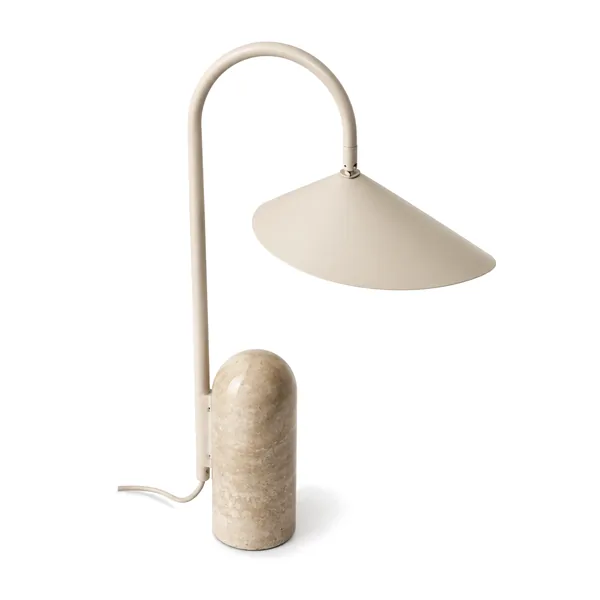
 2 options
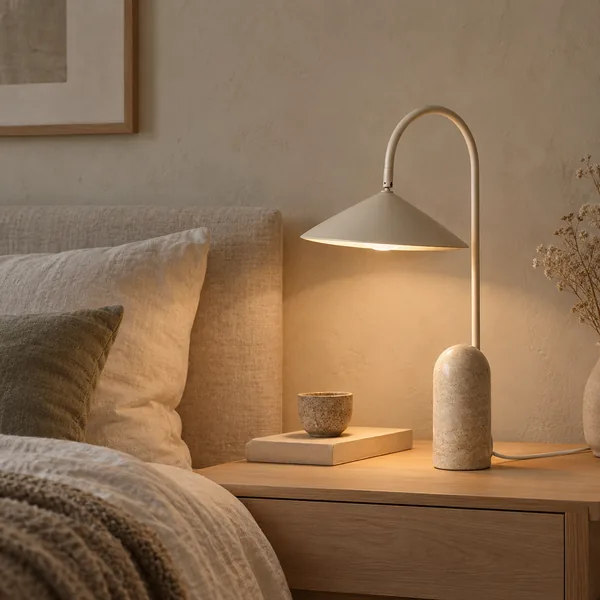
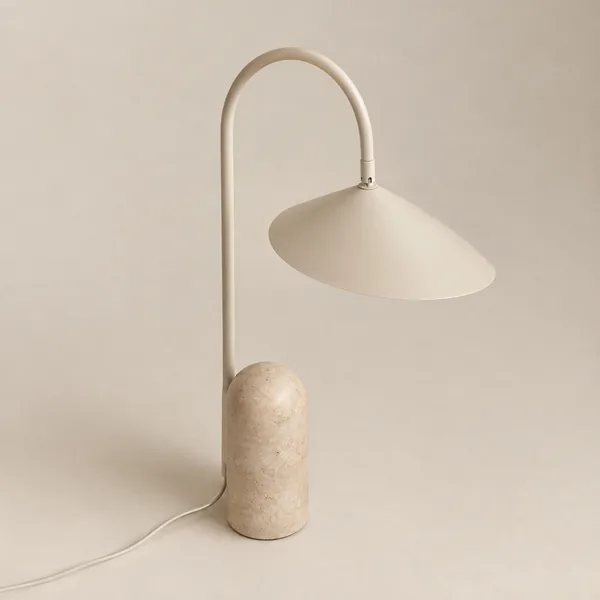
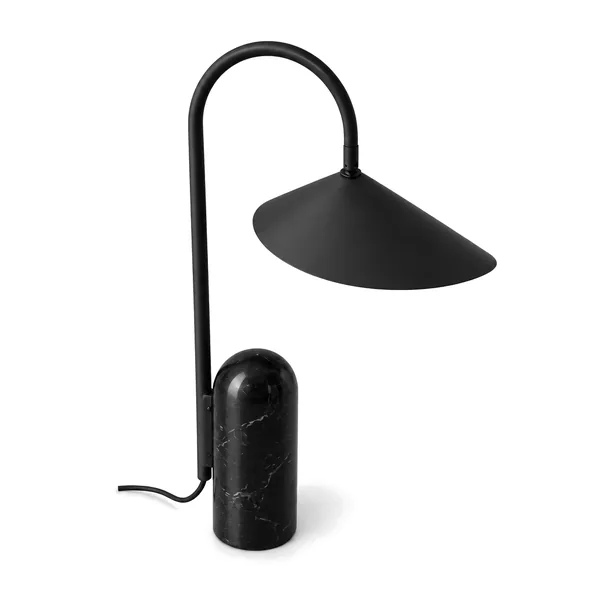
Solvei Danish Minimalist Arc Table Lamp Marble
Conclusion: Creating Your Sage Green Sanctuary
Sage green interior design offers a rare combination of visual tranquility and design versatility. Whether you choose to bathe entire rooms in this calming hue or introduce it through carefully curated accents, the result is invariably sophisticated and welcoming. The key lies in balancing color with texture, and statement pieces with quiet moments of simplicity.
At Skonne, we believe that the right lighting transforms good design into extraordinary spaces. Our curated collection of Scandinavian-inspired fixtures—including the Leireld Artisan Ceramic Pottery Table Lamp, Grönlia Elegant Glass Pendant Light, and Grenvid Green Marble LED Wall Light—provides the perfect finishing touches for your sage green interior. Each piece is selected to enhance the hygge atmosphere that makes a house truly feel like home.
Related Article
Feng Shui Interior Design: How to Arrange Your Home for Harmony & FlowLearn how to apply feng shui interior design principles to create a harmonious, balanced home that supports your wellbeing and encourages positive energy flow.