
Gothic Chandeliers: Dark, Dramatic Fixtures for Moody & Statement Interiors
Summary›
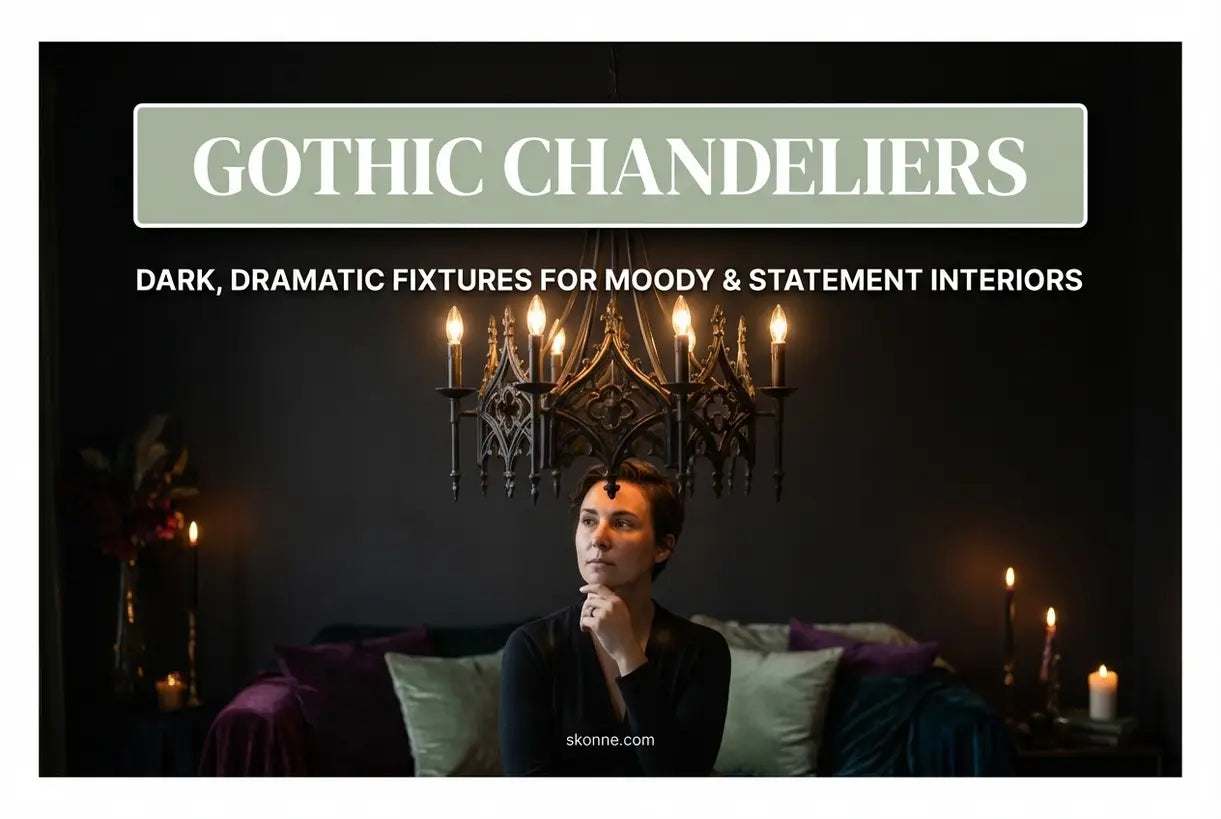
There's something undeniably magnetic about stepping into a room where light dances through shadow. A gothic chandelier doesn't merely illuminate—it commands attention, sets a mood, and transforms ordinary ceilings into architectural storytelling moments. Whether you're drawn to the romantic drama of Victorian estates or the stark confidence of modern black fixtures, dramatic lighting has become essential for homeowners seeking interiors with soul and atmosphere.
At Skonne, we believe the most compelling spaces emerge from intentional contrasts: the interplay of darkness and warmth, heritage craftsmanship and Scandinavian simplicity. This guide explores how moody lighting and dark chandeliers can anchor your interior vision— marrying medieval inspiration with contemporary design sensibilities.
Understanding Gothic Style: Beyond the Macabre
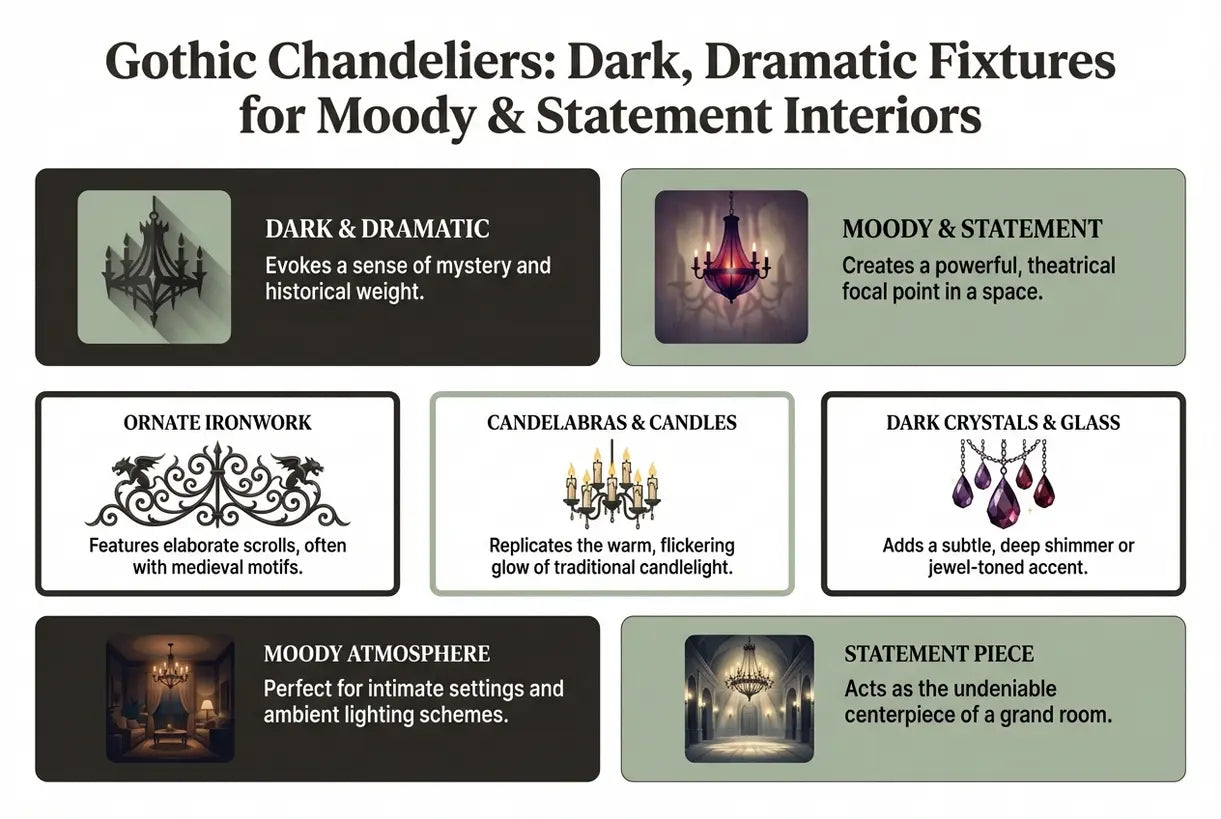
When homeowners ask, "What is gothic style?" they often imagine crumbling cathedrals or horror film aesthetics. In truth, Gothic design represents something far more sophisticated: a celebration of verticality, intricate craftsmanship, and atmospheric mood that emerged during the 12th through 16th centuries.
True Gothic architecture introduced pointed arches, ribbed vaults, and flying buttresses—elements designed to inspire awe and draw eyes upward. These same principles translate beautifully to contemporary statement chandeliers, where dramatic silhouettes and cascading forms create visual interest that transforms everyday rooms into curated experiences.
Modern Gothic interiors embrace this heritage while maintaining liveable warmth. The trend aligns perfectly with Scandinavian design philosophy, where atmospheric lighting creates intimacy and hygge moments. For those seeking to explore more options, our Glass Lighting collection offers a curated selection of pieces that capture dramatic elegance through artisanal craftsmanship.
The Medieval Origins of Dramatic Lighting
Understanding what medieval chandeliers looked like provides valuable context for today's designs. Original medieval lighting consisted of simple wooden wheels or iron rings suspended from ceilings, holding candles or oil lamps. These functional fixtures prioritized light distribution over decoration.
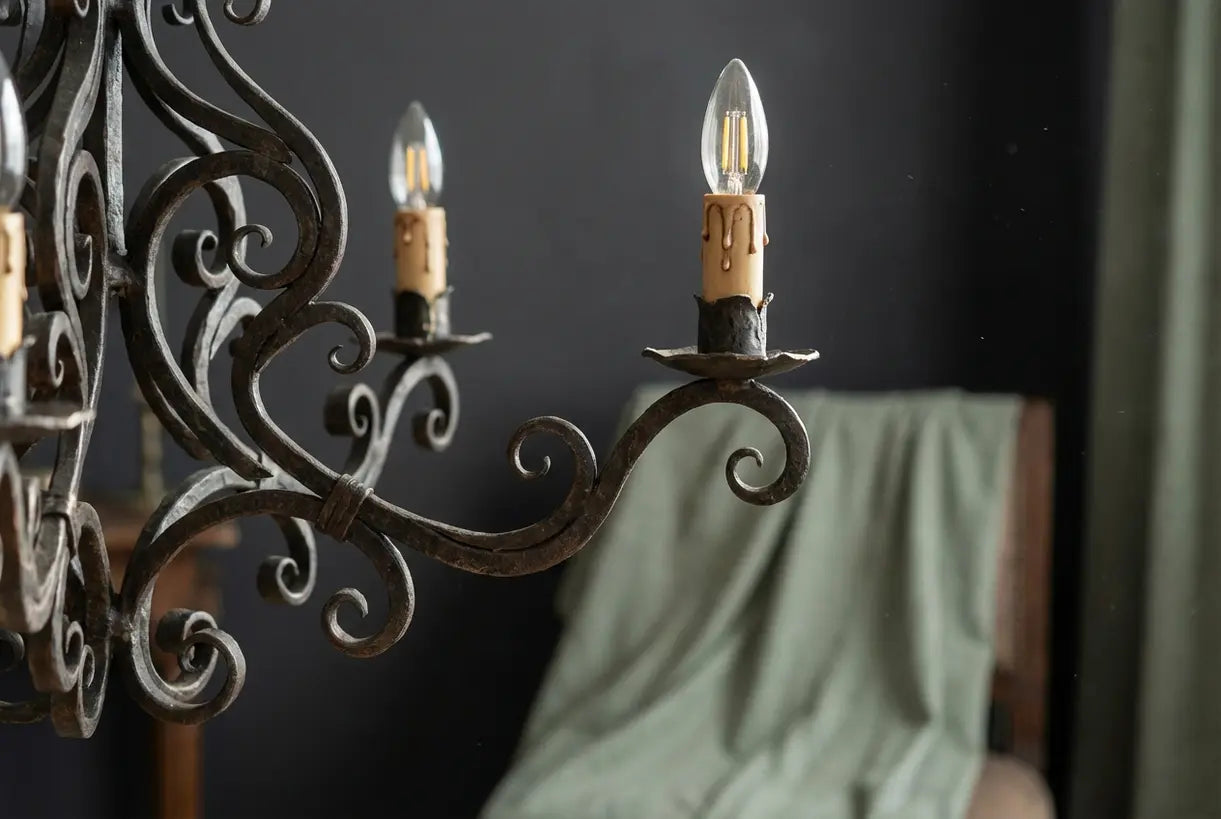
As Gothic architecture evolved through the Victorian era, chandeliers became increasingly ornate. Wrought iron craftsmen developed elaborate scrollwork, crystal accents transformed light into prismatic displays, and brass fixtures gained dark patinas that aged beautifully over centuries. Today's wrought iron chandeliers and black gothic chandeliers draw directly from this evolution—honoring heritage while serving modern lifestyles.
Chandeliers
Shop all Chandeliers
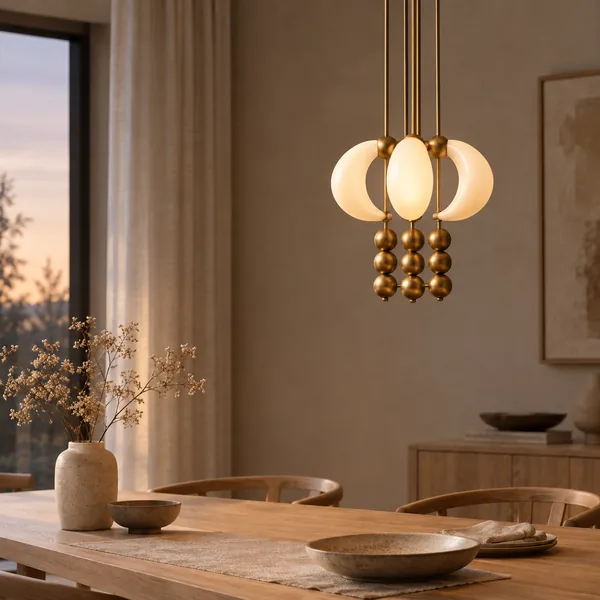
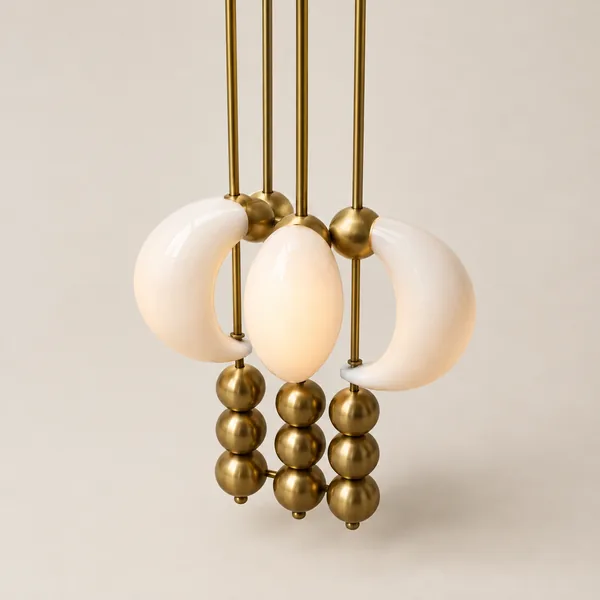

Types of Gothic Chandeliers for Contemporary Spaces
The beauty of gothic lighting today lies in its diversity. From faithful reproductions to minimalist interpretations, there's a dramatic fixture for every interior personality:
Victorian Gothic Chandeliers
Victorian gothic chandeliers embrace maximalism: ornate castings, cascading crystals, and rich metal finishes like oil-rubbed bronze or antique brass. These pieces work beautifully in formal dining rooms, entryways with high ceilings, or bedrooms where romantic drama feels appropriate. Look for details like fleur-de-lis motifs, gargoyle-inspired accents, and layered tiers that create visual depth.
Modern Gothic & Dark Academia
The emerging modern gothic chandelier movement strips away excess while amplifying impact. Matte black finishes, geometric silhouettes, and industrial materials like raw steel or smoked glass define this aesthetic. Perfect for contemporary homes, loft spaces, or anyone drawn to "dark academia" vibes without full commitment to ornate traditionalism.
Handcrafted Stained Glass Statement Pieces
Artisanal gothic chandelier options featuring stained or blown glass panels offer the most atmospheric lighting effects. Warm amber, deep ruby, or moody violet tones transform ordinary illumination into immersive color experiences that shift throughout the day.
For those seeking exceptional handcrafted warmth, the Ravglo Handcrafted Amber Stained Glass Chandelier represents the pinnacle of artisanal statement chandeliers. Its panels cast honeyed, intimate light that feels simultaneously ancient and thoroughly modern—perfect for dining rooms, reading nooks, or any space where atmosphere matters more than mere brightness.
The video above demonstrates how moody lighting creates transformative atmospheres, a concept central to both Gothic and Scandinavian design philosophies where light quality shapes emotional experience.
Sizing Rules and Placement Fundamentals
A statement chandelier only achieves its potential when properly scaled to your space. Understanding proportion prevents the common mistake of choosing fixtures that overwhelm rooms or disappear visually.
General Sizing Guidelines
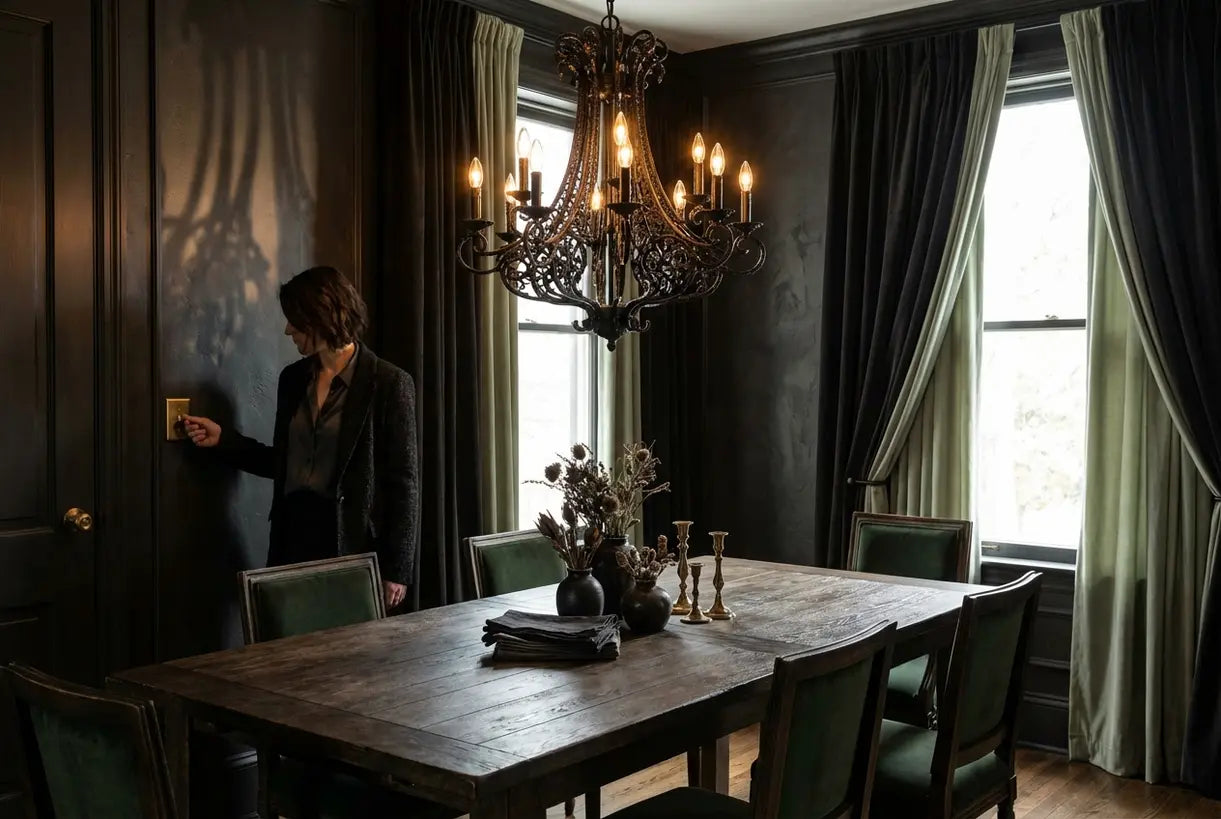
For dining rooms, add your room's length and width in feet, then convert that number to inches for your ideal chandelier diameter. A 12x14 foot dining room suggests a 26-inch wide fixture. For ceilings over 10 feet, add 2-3 inches to accommodate the additional vertical space.
Height positioning matters equally: in dining rooms, suspend your dark chandelier 30-36 inches above the table surface. In entryways or rooms with standard 8-foot ceilings, maintain at least 7 feet of clearance from the floor to the fixture's lowest point.
What Is the Rule for Chandeliers in Bedrooms?
Bedrooms present unique opportunities for gothic lighting drama. However, what is the rule for chandeliers in bedrooms? primarily concerns scale and practicality over the dining room variants.
In bedrooms, position your statement chandelier centrally if the bed is the clear focal point, or above a seating area for reading nooks. Maintain at least 7 feet clearance above floor level, or if hung directly above the bed, ensure adequate headroom when sitting upright. For rooms under 150 square feet, select fixtures between 17-20 inches in diameter. Larger bedrooms can accommodate 24-36 inch pieces without overwhelming the space.
Consider dimmer switches essential for bedroom gothic chandelier installations—the ability to modulate dramatic lighting creates versatile atmospheres from intimate evenings to functional task lighting.
Pro Tip: Install dimmer switches with every dark chandelier to transform your space from dramatic dinner party ambiance to subdued evening reading light with effortless adjustment.
Pendant Lights
Shop all Pendant Lights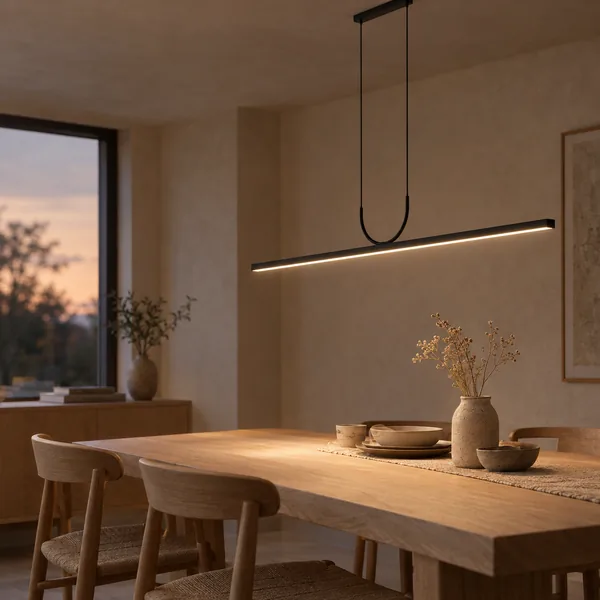
 Save $140.00
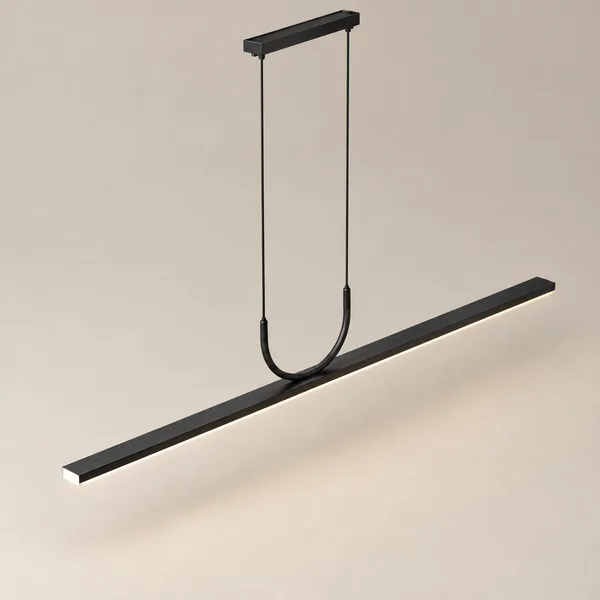
Linné Minimalist Linear Black LED Pendant Light
 Save $60.00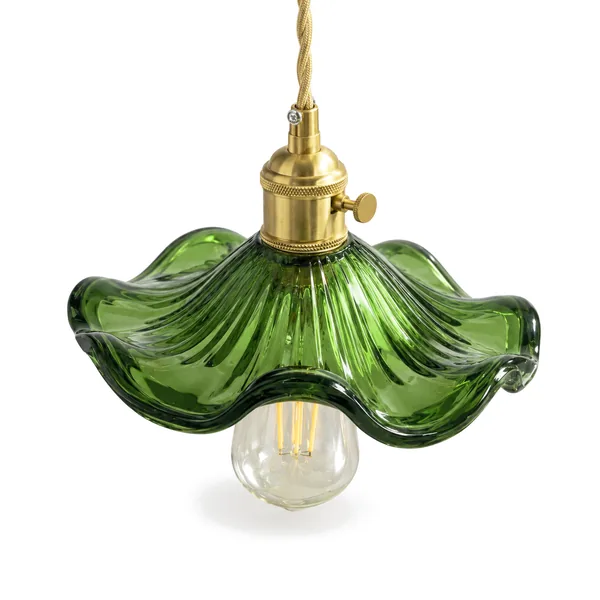
 3 options
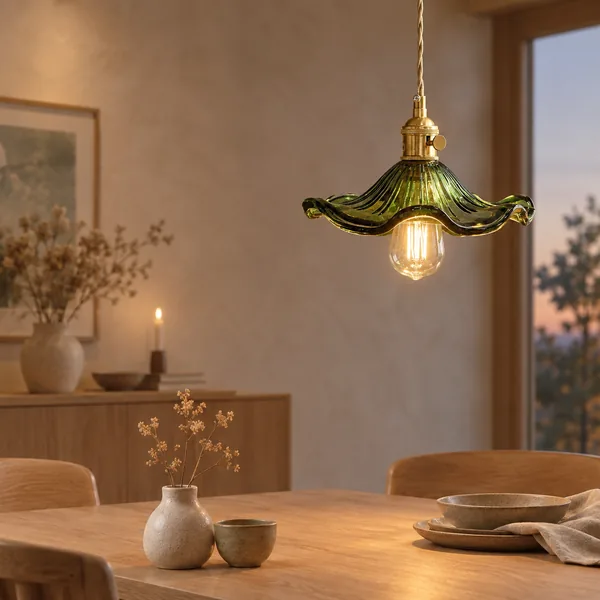
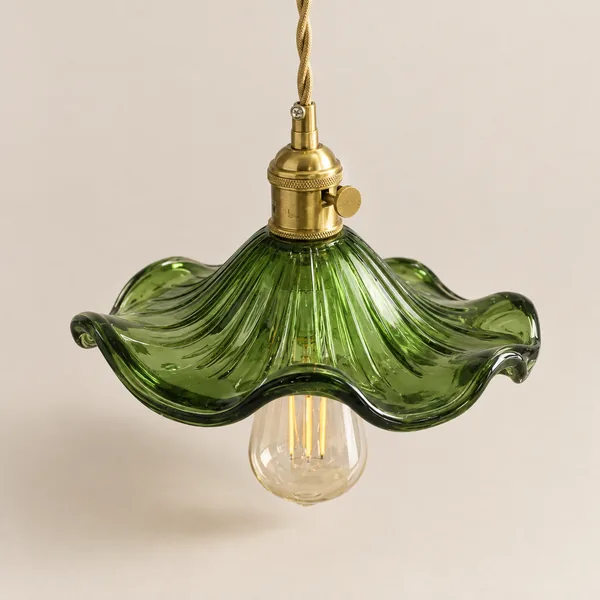
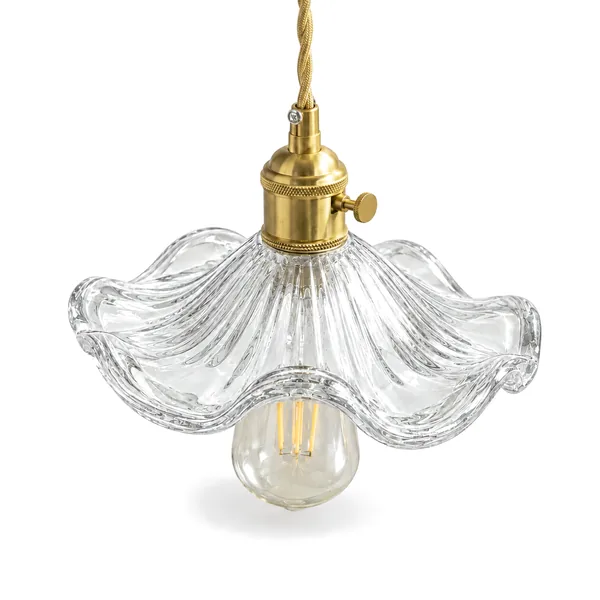
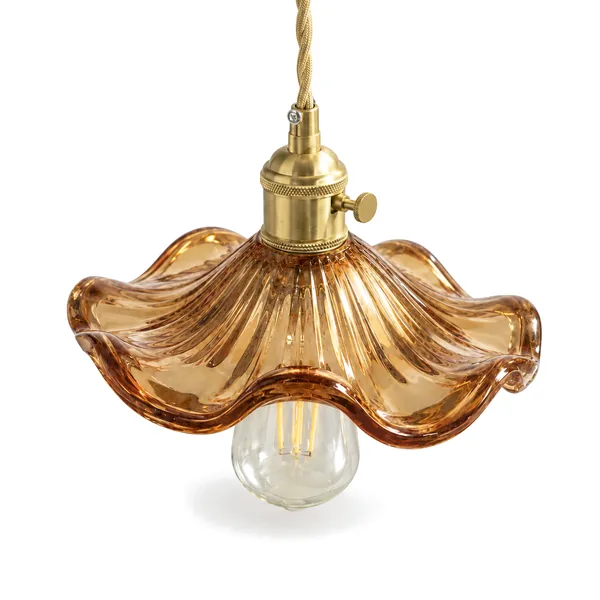
Glora Nordic Glass Pendant Light with Copper
 Save $120.00
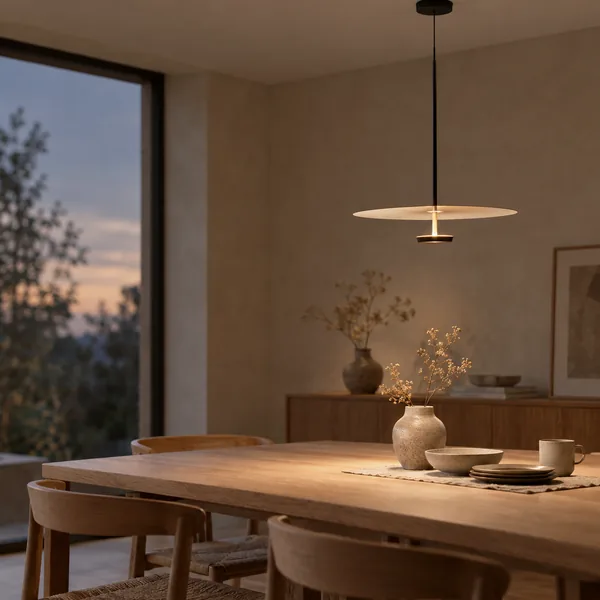
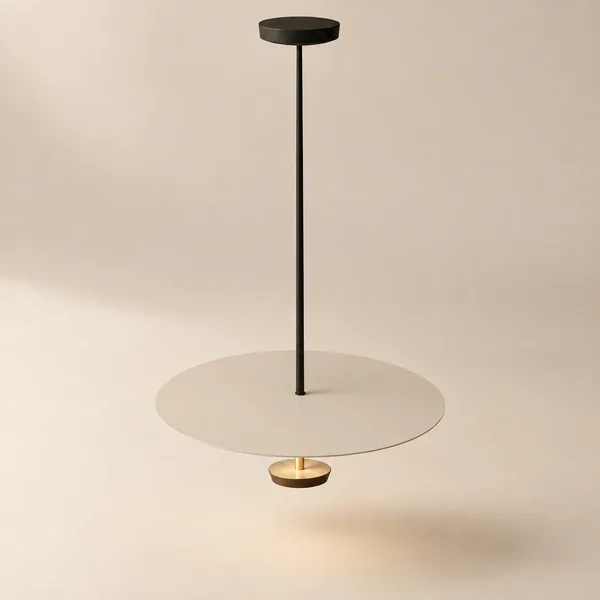
Skiva Nordic Saucer Ceiling Pendant Light LED
Materials, Finishes, and Modern Interpretations
The materiality of your gothic chandelier determines its character, longevity, and light quality. Understanding these elements helps you select fixtures that align with both aesthetic goals and practical needs.
Wrought Iron and Dark Metal Finishes
Wrought iron chandeliers remain the most authentic choice for Gothic interiors. Hand-forged scrollwork develops unique patinas over time, while the material's weight conveys permanence and heritage quality. Modern powder-coated black finishes offer similar visual impact with easier maintenance—ideal for busy households.
Black gothic chandeliers in matte or satin finishes have surged in popularity for their chameleon-like ability to complement diverse interior styles, from industrial lofts to traditional homes. These fixtures function as sculptural elements even when unlit, adding architectural interest that painted or polished alternatives cannot match.
Glass, Crystal, and Contemporary Alternatives
The question "Are shades on chandeliers outdated?" deserves nuance. Traditional fabric shades can feel dated in Gothic contexts, but modern interpretations—smoked glass, laser-cut metal shades, or parchment diffusers—offer sophisticated light control without sacrificing mood.
Clear crystals amplify drama through refraction, casting rainbow patterns across walls while maintaining the moody lighting essential to Gothic aesthetics. Clear glass or open-cage designs preserve the raw silhouette of metal frameworks, ideal for showcasing exceptional craftsmanship.
How to Choose a Gothic Chandelier for Your Home
How to choose a gothic chandelier for my home? This question integrates every consideration discussed above. Start by defining your dominant aesthetic: are you drawn to faithful Victorian reproductions, industrial-modern hybrids, or minimalist dark statements?
Assess your space's existing architecture. High ceilings with ornate moldings welcome elaborate multi-tier fixtures, while modern spaces with clean lines often benefit from streamlined statement chandeliers that provide single focal points. Consider your current color palette—bronze and brass finishes warm cooler spaces, while matte black anchors rooms with abundant natural light.
For lighting enthusiasts seeking modern interpretations of gothic lighting that honor Nordic design principles, two exceptional options balance dramatic presence with Scandinavian restraint:
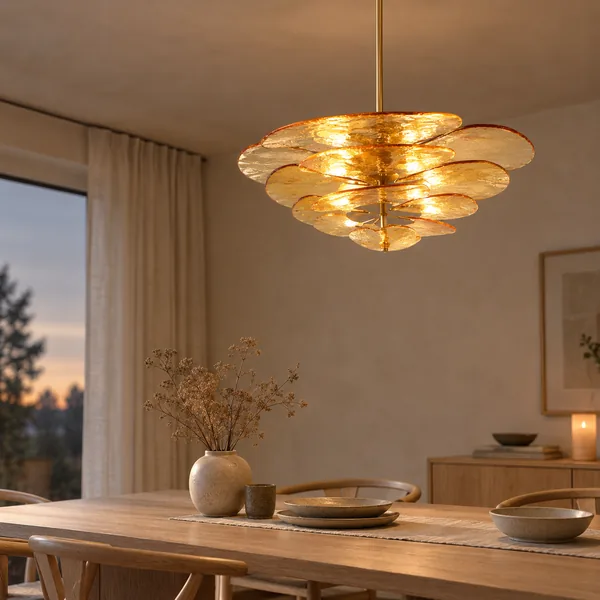 Ravglo Handcrafted Amber Stained Glass Chandelier$899.00$1,389.00
The Rekke Aluminum Linear LED Pendant Light Black bridges Gothic drama with Scandinavian simplicity. Its architectural black linear form creates dramatic presence ideal for kitchen islands or dining tables, delivering the moody aesthetic through minimalist means.
Meanwhile, the Skiva Saucer Nordic LED Pendant Ceiling Light showcases how dark chandeliers can be simultaneously understated and commanding. The matte black saucer silhouette floats serenely overhead, proving that gothic lighting need not be ornate to be powerful.
Modern Gothic Lighting Essentials
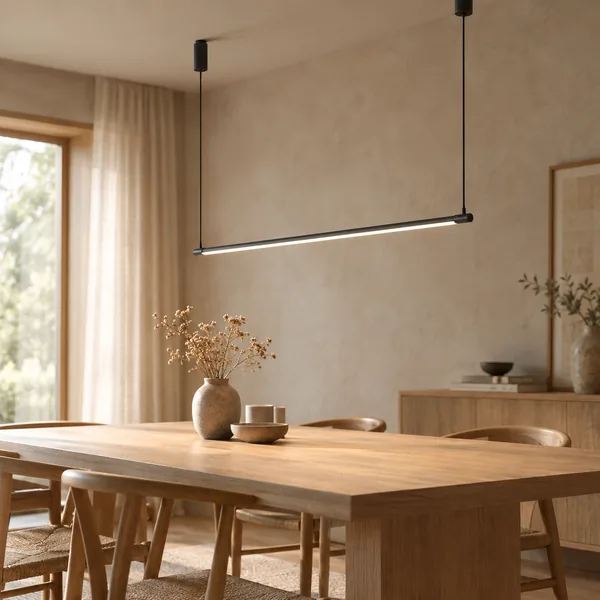 Rekke Aluminum Linear LED Pendant Light Black$229.00$359.00
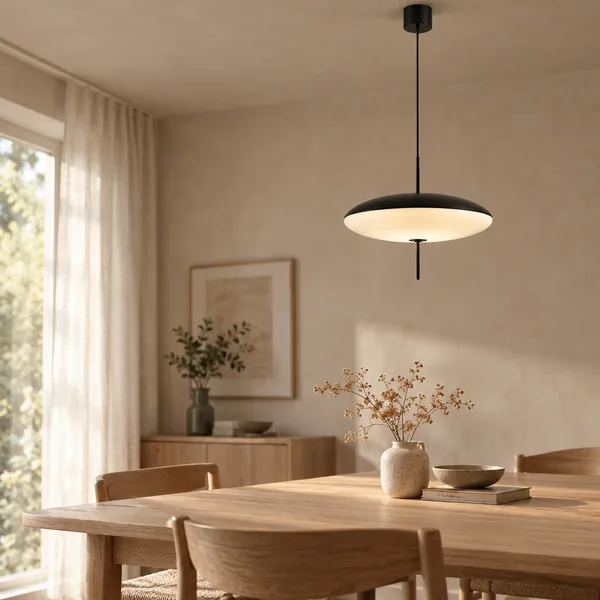 Skiva Saucer Nordic LED Pendant Ceiling Light$179.00$219.00
For further reading on creating atmospheric interiors, Architectural Digest's comprehensive chandelier guide offers additional professional insights on fixture placement and sizing across various home styles.
Creating Atmosphere: The Final Layer
A gothic chandelier represents more than lighting—it's an investment in daily experience. These fixtures transform mundane moments into atmospheric events: morning coffee bathed in amber glow, dinner parties illuminated by dramatic shadows and sculptural light patterns, quiet evenings where darkness and illumination create sanctuary.
The intersection of Gothic design principles with Scandinavian intentionality creates spaces that feel simultaneously dramatic and liveable. At Skonne, we curate statement chandeliers and moody lighting solutions that honor this balance—pieces dramatic enough to anchor rooms yet refined enough for contemporary life.
Whether you choose the handcrafted warmth of stained glass, the architectural confidence of linear black fixtures, or the heritage appeal of wrought iron, your dark chandelier becomes the exclamation point in your interior narrative. Select with intention, install with care, and let light transform your space into something truly extraordinary.
Related Article
French Country Chandeliers: Romantic, Provincial Fixtures for Elegant InteriorsPractical advice on choosing and styling pendant lights for living rooms, including height guidelines, sizing tips, and product recommendations to create mood and function.