
How to Hang a Pendant Lamp: Heights, Hooks & Installation Tips
Summary›
- Why Proper Pendant Height Matters
- The Essential Measurements: Rules of Thumb for Every Space
- Understanding Mounting Systems and Hook Types
- DIY vs. Professional Installation: Making the Right Choice
- Step-by-Step Pendant Light Installation
- Spacing Multiple Pendants Over Kitchen Islands
- Troubleshooting Common Installation Issues
- Final Thoughts: Creating Intentional Light
Learning how to hang a pendant lamp is one of the most transformative skills any homeowner or renter can master. Whether you're illuminating a kitchen island for meal prep, creating intimacy over a dining table, or adding warmth to an entryway, the height and placement of your pendant lighting makes all the difference between harsh, unflattering glare and that coveted Scandinavian hygge glow.
At Skonne, we believe that beautiful lighting shouldn't require an engineering degree to install. This guide walks you through everything you need to know about pendant lamp installation—from the essential measurements that prevent common mistakes to the hook systems that work for any ceiling type. By the end, you'll understand not just the mechanics of hanging a light, but how to choose fixtures designed for flexibility, like our Dropa Glass Drop Pendant Light, ensuring your installation looks intentional and professional from day one.
Why Proper Pendant Height Matters
The difference between a pendant light that simply exists and one that transforms a room often comes down to just a few inches. Hang your fixture too high, and it becomes an ineffective ceiling ornament that fails to illuminate your workspace. Too low, and you'll find yourself ducking under it or squinting against exposed bulbs during dinner conversation.
Scandinavian design philosophy emphasizes intentional placement—every element should serve both function and beauty. A properly hung pendant lamp creates visual interest while casting downward task lighting where you need it most. The good news? The math behind perfect placement is surprisingly simple once you know the rules.
The Essential Measurements: Rules of Thumb for Every Space
Before you pick up a drill, you need to understand the fundamental measurements that interior designers rely on. These guidelines have been refined across thousands of installations to create balanced, proportional lighting.
Kitchen Island Pendant Height
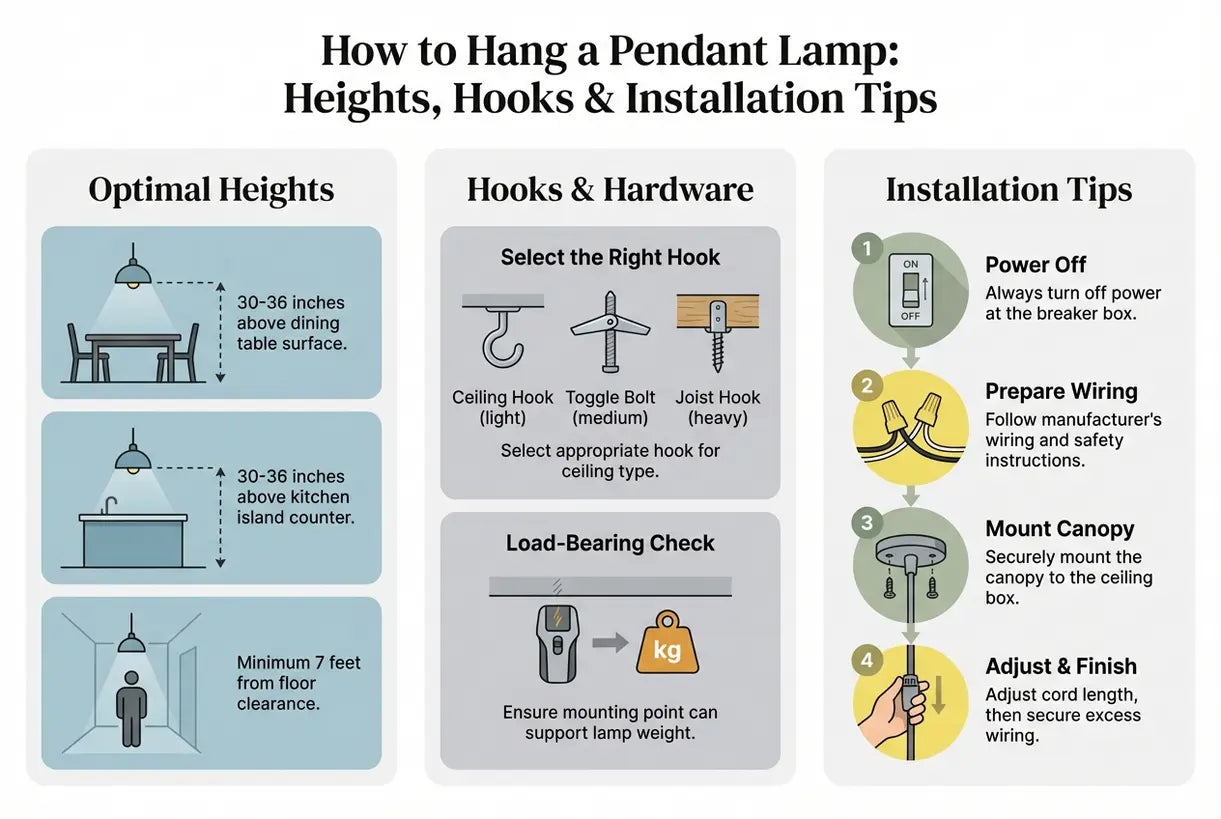
Over kitchen islands, the standard rule is to hang pendant lights 30 to 36 inches above the countertop surface. This height positions the light source low enough to illuminate food preparation tasks without interfering with sightlines across the kitchen. If you have especially tall household members or plan to entertain frequently, lean toward the higher end of this range.
Dining Room Pendant Light Height
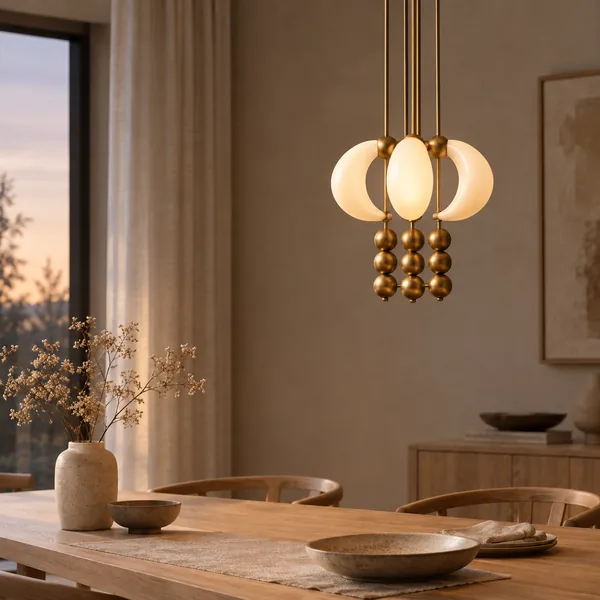
For dining tables, maintain a clearance of 30 to 32 inches between the bottom of the pendant and the tabletop. This creates intimate, downward-focused lighting that flatters faces during meals while leaving enough headroom for guests to stand comfortably. For those looking to explore more options, our Dining Room Lighting collection offers curated pieces designed specifically for these proportions.
Entryway and General Space Clearance
In entryways, hallways, or any area where people will walk beneath the fixture, maintain a minimum clearance of 7 feet from the floor to the bottom of the pendant. This ensures safe passage while still positioning the light low enough to create that welcoming pool of illumination that greets guests.
Pendant Lights
Shop all Pendant Lights
 Save $140.00
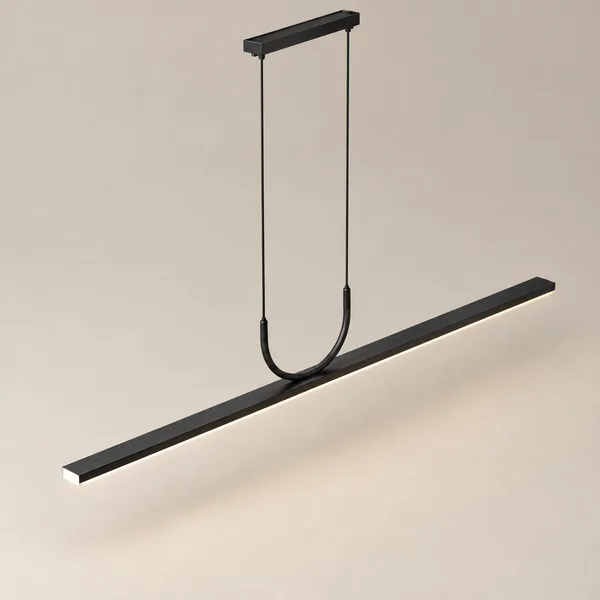
Linné Minimalist Linear Black LED Pendant Light
 Save $60.00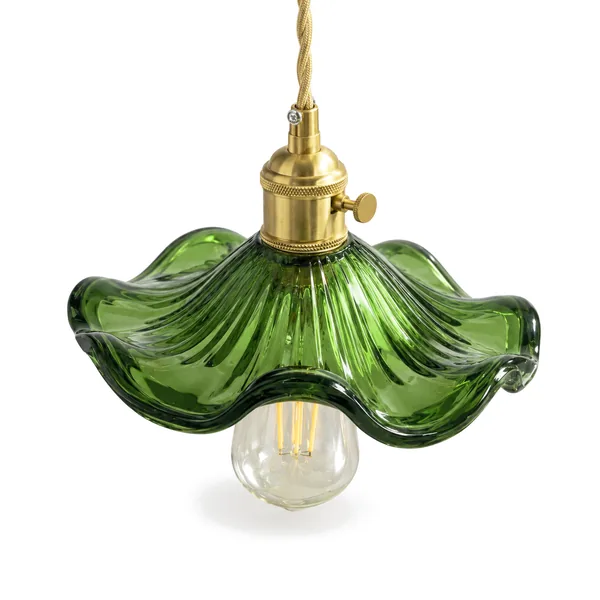
 3 options
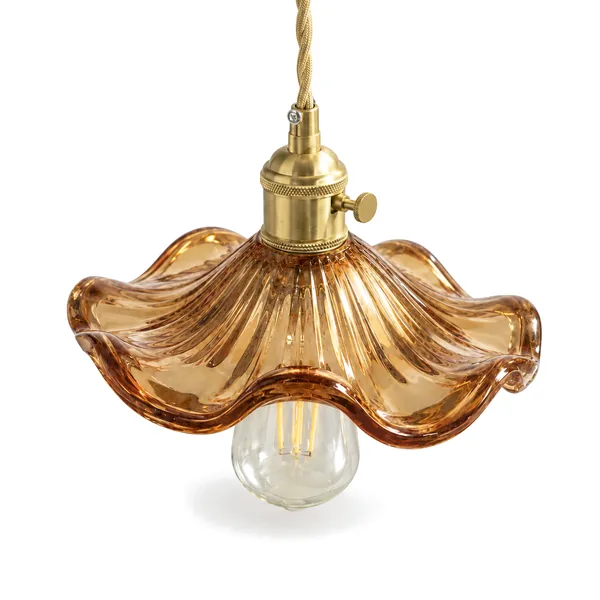
Glora Nordic Glass Pendant Light with Copper
 Save $120.00
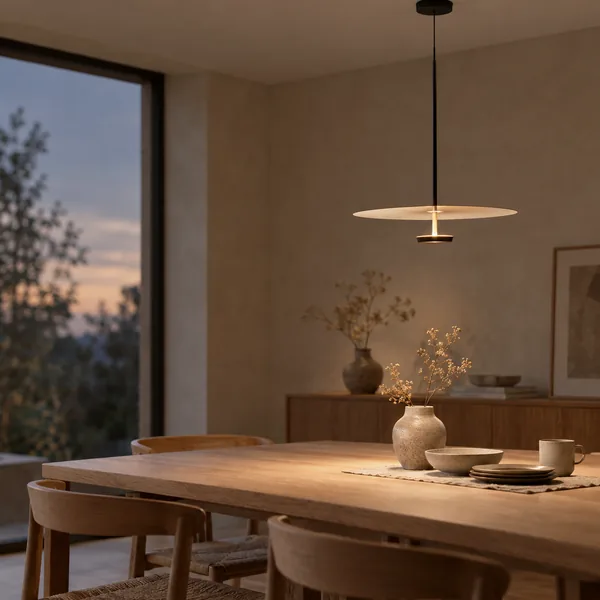
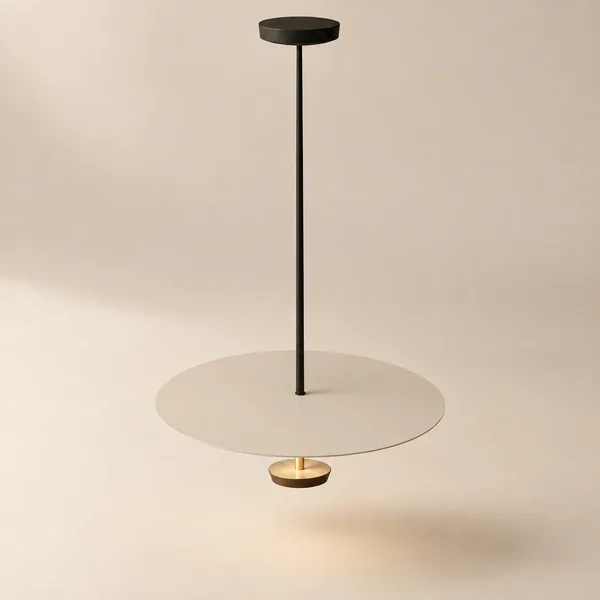
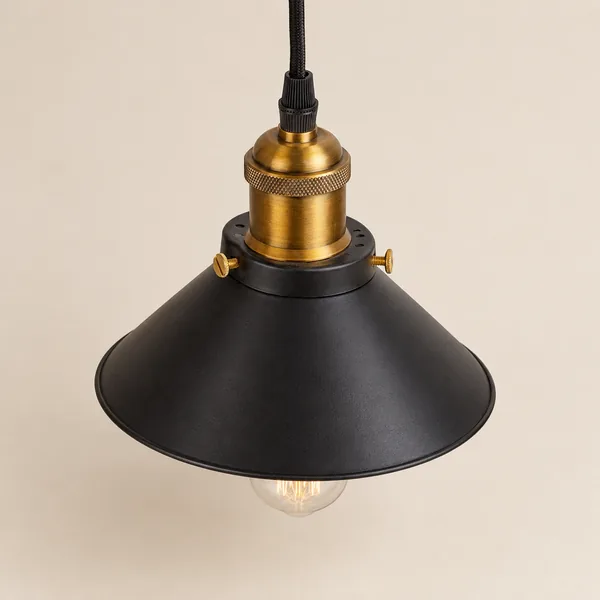
Skiva Nordic Saucer Ceiling Pendant Light LED
Understanding Mounting Systems and Hook Types
The hardware you use to secure your pendant lamp matters as much as the fixture itself. Different ceiling types and living situations require different mounting approaches.
Standard Canopy Mounts
Most pendant lights include a canopy—a decorative cover that sits flush against the ceiling to hide the electrical box and wiring. These work beautifully in homes with existing junction boxes and standard drywall or plaster ceilings. The canopy provides a clean, finished look that conceals all the technical elements.
Swag Hooks for Flexibility
If your ideal lighting location doesn't align with an existing electrical box, swag hooks offer an elegant solution. These hooks screw into ceiling joists and allow you to drape the pendant cord to reach the nearest outlet, creating graceful curves in the cord that become part of the design aesthetic.
Renter-Friendly Alternatives
For those asking how to hang a pendant light from the ceiling without drilling holes, tension-mounted systems and heavy-duty adhesive hooks rated for substantial weight offer temporary solutions. However, these should be viewed as short-term fixes—nothing beats properly anchored hardware for safety and longevity.
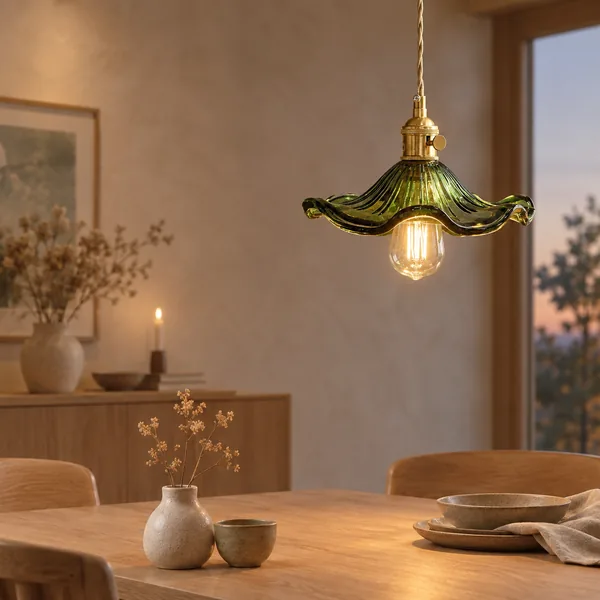
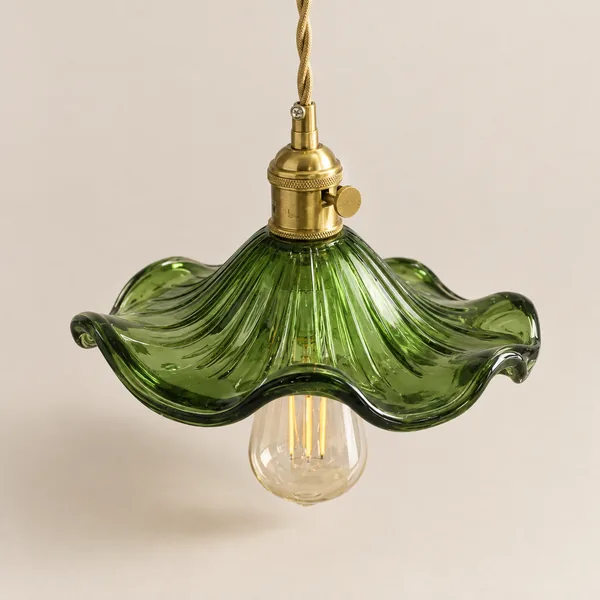
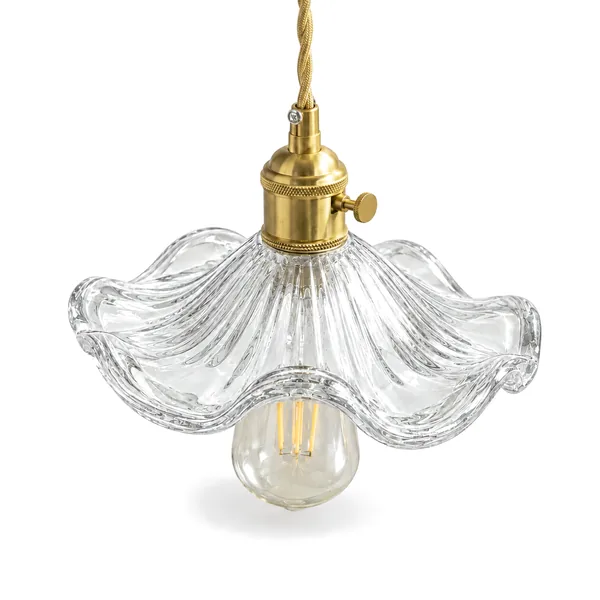
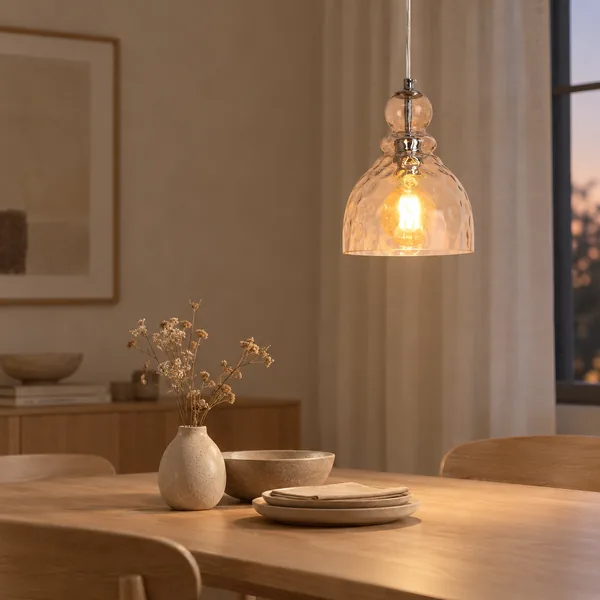 Dropa Glass Drop Pendant Light for Kitchen Dining$79.00$119.00
DIY vs. Professional Installation: Making the Right Choice
One of the most common questions we hear is whether you need to hire an electrician or if pendant light installation falls within the realm of capable DIY.
When You Can Install Yourself
If you're replacing an existing light fixture and the junction box is already in place, pendant lamp installation is genuinely accessible to most homeowners with basic tool skills. The process typically involves turning off power at the breaker, disconnecting the old fixture, connecting the new pendant's wires (black to black, white to white, ground to ground), and securing the canopy. Most installations take under an hour.
When to Call an Electrician
However, certain situations absolutely require professional expertise. Call a licensed electrician if:
- You're installing a pendant where no previous fixture or junction box exists
- Your home has aluminum wiring (common in houses built 1965-1973)
- You need to run new wiring through walls or ceilings
- The electrical box feels loose or you're unsure about load-bearing capacity
- You're installing multiple pendants that require new switching
Safety should always outweigh cost savings. A professional installation ensures your beautiful new fixture meets code requirements and maintains your home's safety.
Chandeliers
Shop all Chandeliers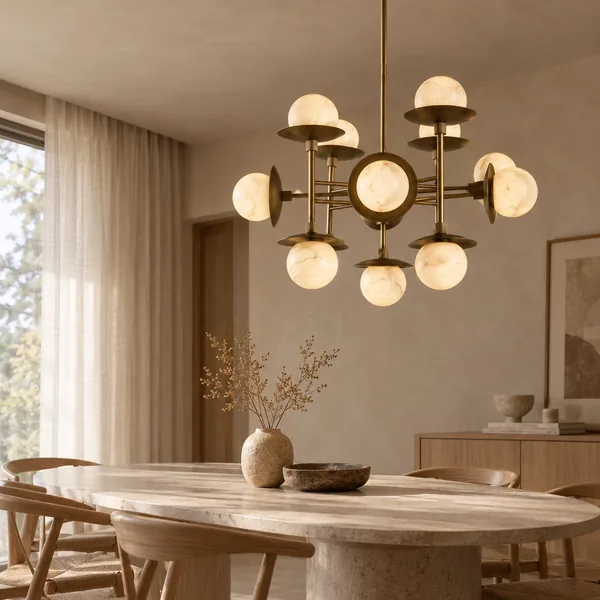
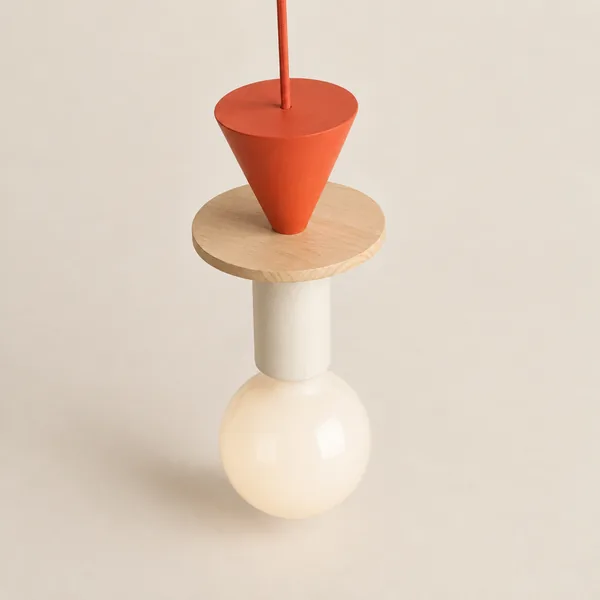
Step-by-Step Pendant Light Installation
For those ready to tackle their own installation, here's the methodical approach that yields professional results.
Preparation and Safety
Begin by turning off power at the circuit breaker—not just the wall switch. Use a voltage tester to confirm the wires are dead before touching anything. Lay down a drop cloth to catch debris and have a helper ready to hold the fixture while you work.
Measuring and Marking
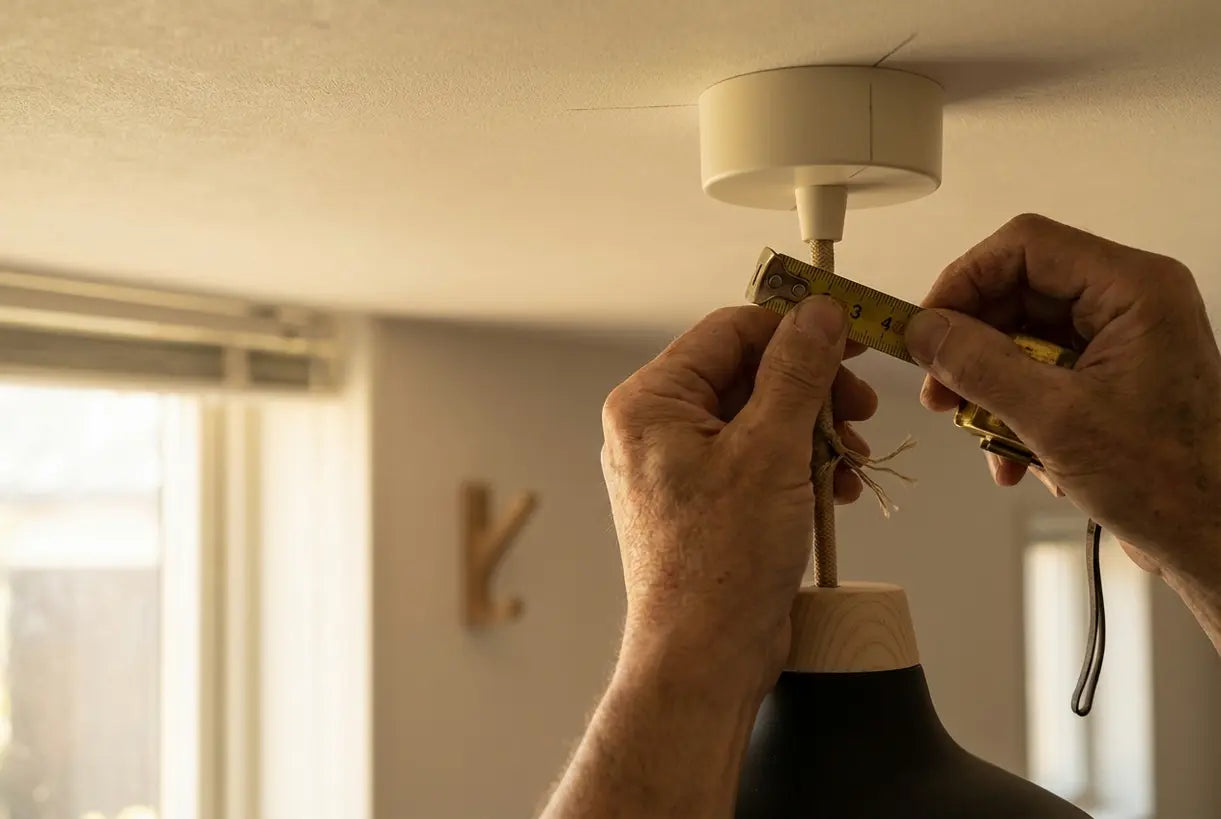
Before anything else, determine your desired hanging height and measure twice. Mark the cord length with tape, accounting for the distance between the canopy and the ceiling. Remember: you can always trim more cord, but you can't add it back.
The Installation Process
Watch this detailed demonstration for visual guidance through the entire process:
Fine-Tuning the Height
Once installed, live with the height for a few days before making final adjustments. The way light falls changes throughout the day and with different activities. Many Skonne pendants feature adjustable cords or chains specifically for this reason—allowing you to refine placement as you settle into the space.
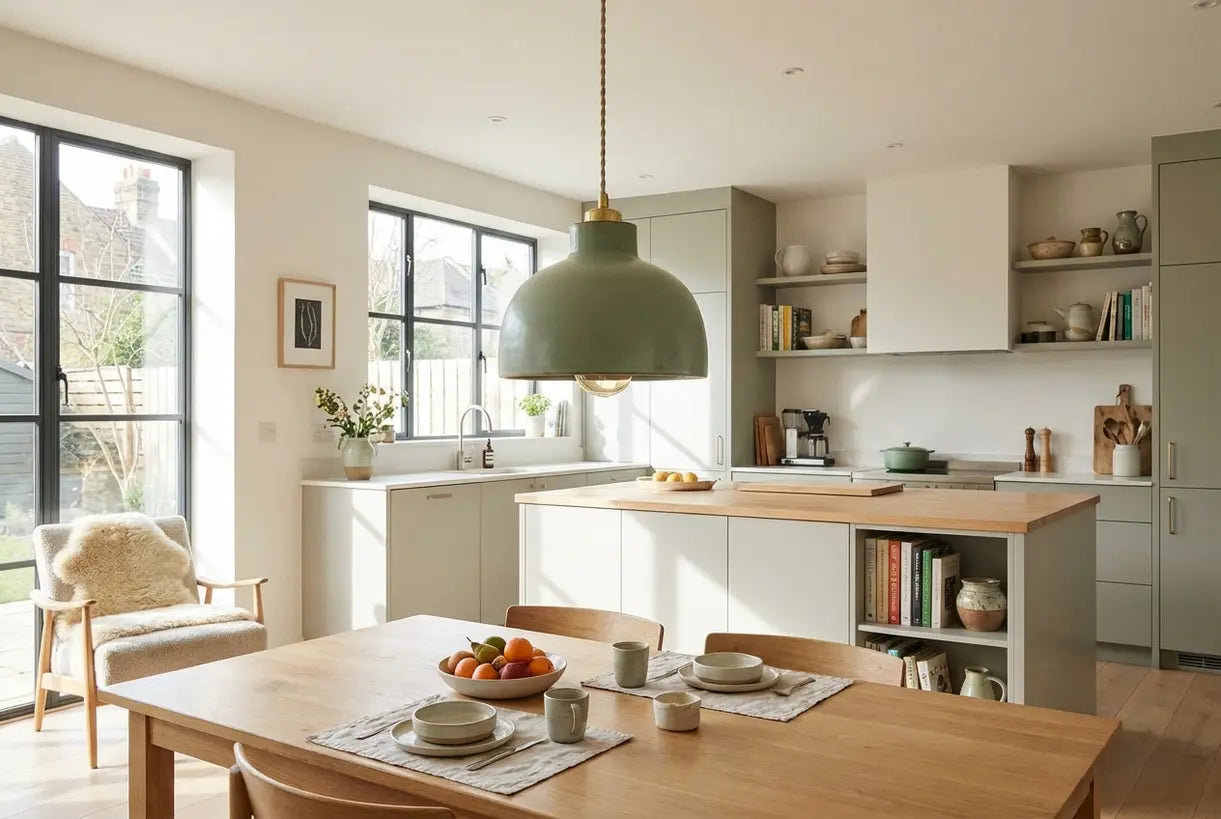 Pro Tip: When installing multiple pendants over a kitchen island, space them evenly (typically 24-30 inches apart) and ensure they hang at identical heights for visual harmony. Use a laser level to align the bottom edges perfectly.
Spacing Multiple Pendants Over Kitchen Islands
A single pendant works beautifully over small dining tables or reading nooks, but kitchen islands often demand multiple fixtures for even light distribution. The key is maintaining both individual pendant height and group spacing.
As a general rule, space pendant lights 24 to 30 inches apart over an island, measuring from the center of each fixture. For islands longer than 6 feet, three pendants often create the most balanced look. Ensure each pendant remains 30-36 inches above the countertop, and position the outer fixtures at least 6 inches in from the island's edge to avoid crowding.
Adjustable Pendant Solutions for Every Space
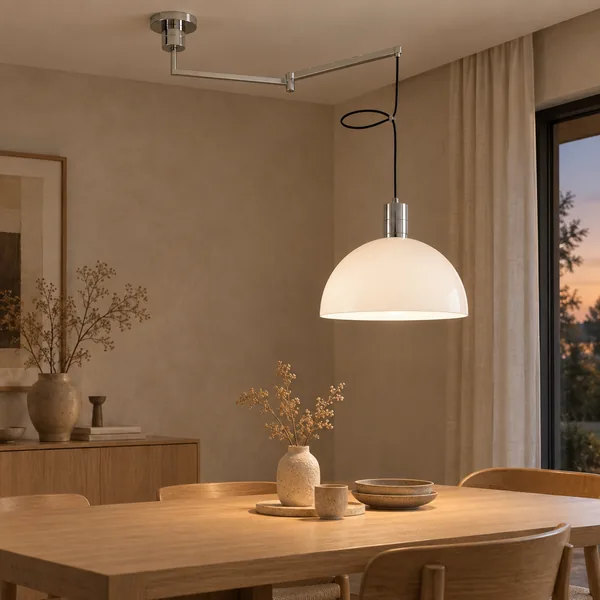 Svinga Nordic Adjustable Swing-Arm Pendant Light$289.00$459.00
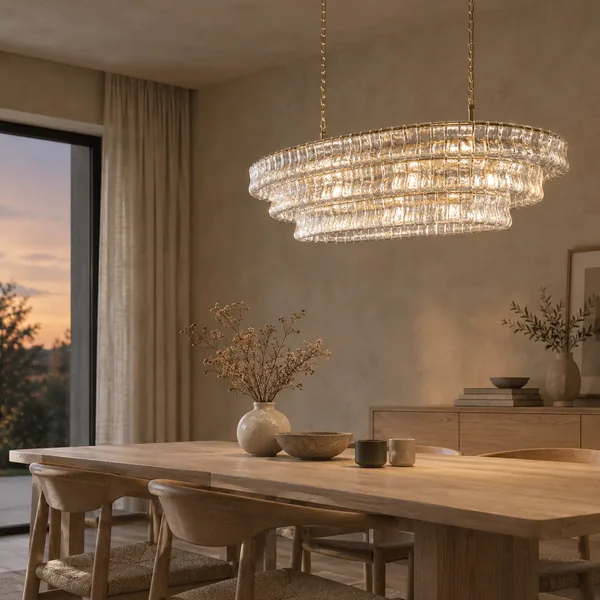 Stjerna Vintage French Clear Glass Chandelier$1,799.00$2,259.00
Troubleshooting Common Installation Issues
Even with careful planning, pendant light installation occasionally presents challenges. Here's how to address the most frequent issues.
The Fixture Hangs Crooked
This typically occurs when the ceiling canopy isn't perfectly level or the cord length isn't equal on all sides. Most canopies have adjustable mounting screws—loosen them slightly, level the fixture, then retighten. For adjustable cords, ensure you've locked the mechanism at identical positions.
Insufficient Brightness
If your newly installed pendant feels dimmer than expected, the issue usually isn't the height—it's the bulb. Scandinavian design emphasizes warm, ambient lighting. Consider upgrading to a higher-lumen bulb or choosing a pendant with multiple bulbs or wider shade openings to distribute more light.
Cord Length Anxiety
Many homeowners hesitate to cut pendant cords, fearing they'll need the length later. The solution? Choose fixtures with adjustable cord systems like the Svinga Nordic Adjustable Swing-Arm Pendant or chain-mounted options like our Stjerna Vintage French Clear Glass Chandelier, which eliminate the need for permanent modifications while allowing precise height customization.
Final Thoughts: Creating Intentional Light
Mastering how to hang a pendant lamp opens up endless possibilities for transforming your living spaces. The measurements we've covered—30-36 inches over islands, 24-30 inches between multiple fixtures, 7-foot clearance in walkways—represent decades of design wisdom distilled into actionable guidance.
But the true magic happens when you pair this knowledge with fixtures designed for flexibility. At Skonne, our Scandinavian-inspired collection prioritizes adjustable heights, quality materials, and timeless aesthetics that adapt as your needs evolve. Whether you're illuminating a cozy breakfast nook or a grand dining room, the right pendant—installed at the right height—creates that warm, intentional atmosphere that makes a house truly feel like home.
Explore our complete collection of pendant lights to find the perfect fixture for your next installation project.
Related Article
Art Deco Pendant Lights: Glamorous, Geometric Fixtures for Bold, Vintage-Inspired InteriorsExplore glamorous art deco pendant lights with geometric designs and vintage charm. Transform your interior with bold, 1920s-inspired statement fixtures.