
Home Decor: The Complete Guide to Decorating Every Room with Style
Summary›
- Understanding Popular Home Decor Styles
- How to Choose Home Decor for Every Room
- The Art of Layered Lighting
- Creating Visual Interest with Decor Accessories
- Incorporating Color Into Your Home Decor
- Sustainable Home Decor Options
- Essential Tips for Decorating Any Home
- Conclusion: Creating Spaces That Feel Like Home
Transforming a house into a home requires more than just furniture placement. Home decor is the art of creating spaces that reflect your personality while providing comfort and functionality. Whether you're moving into a new space or refreshing your current one, understanding the principles of interior styling helps you make intentional choices that stand the test of time.
This guide explores everything you need to know about decorating every room with intention. From selecting the perfect lighting to curating meaningful accessories, we'll walk through practical strategies for creating cohesive, beautiful interiors. Along the way, you'll discover how thoughtfully chosen pieces—like those crafted with Scandinavian sensibility—can anchor your vision and bring warmth to daily life.
Understanding Popular Home Decor Styles
Before selecting individual pieces, it's helpful to identify which aesthetic resonates with you. Today's most sought-after home decor styles blend functionality with beauty, creating spaces that feel both curated and livable.
Scandinavian home decor remains a dominant influence, characterized by clean lines, natural materials, and a neutral palette accented with warm woods and soft textiles. This approach prioritizes hygge—the Danish concept of cozy contentment—making spaces feel inviting rather than stark.
Japandi merges Japanese wabi-sabi principles with Scandinavian minimalism, embracing imperfection and natural aging of materials. Organic Modern incorporates curved silhouettes, earthy tones, and sustainable materials for a softer take on contemporary design. Meanwhile, Modern Farmhouse continues to evolve, moving away from rustic clichés toward refined, heritage-inspired pieces with a fresh perspective.
How to Choose Home Decor for Every Room
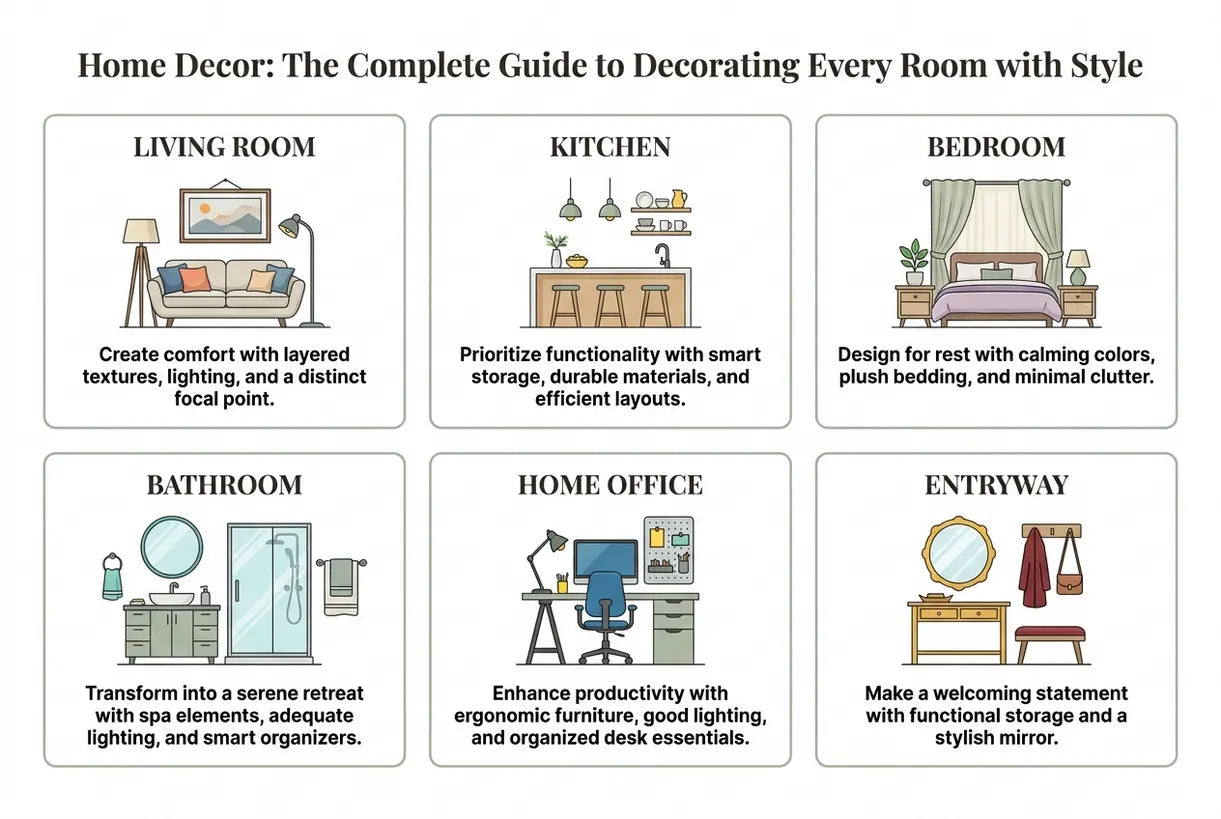
Each room in your home serves a distinct purpose, and your decor choices should support those functions while maintaining visual harmony throughout your space.
In the living room, focus on creating a welcoming gathering place. Layered lighting is essential—combine ambient overhead fixtures with task lighting and accent pieces. For those looking to explore more options, our Living Room Lighting offers a curated selection designed to create the perfect atmosphere.
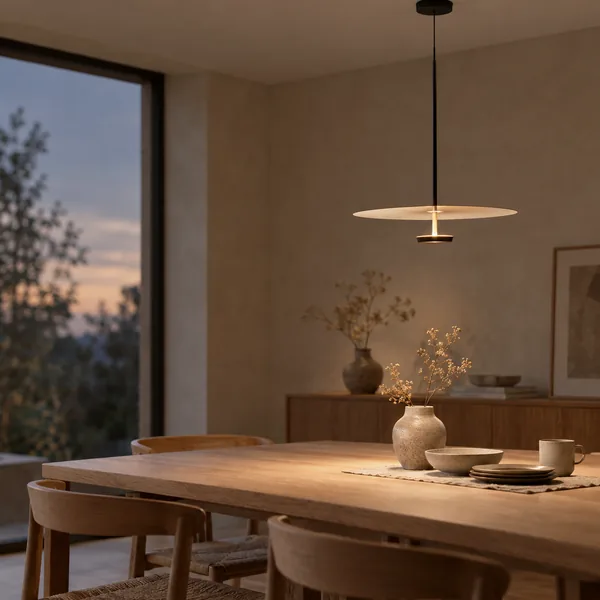
Your bedroom should prioritize rest and relaxation. Choose calming color palettes, invest in quality bedding, and include soft, diffused lighting options that help you wind down. In the dining room, consider pieces that spark conversation—a statement pendant above the table sets the mood for memorable meals.
Entryways and hallways often get overlooked, yet they set the tone for your entire home. A well-placed mirror, a sculptural vase, or a thoughtfully chosen table lamp can transform these transitional spaces into intentional design moments.
Home Decor
Shop all Home Decor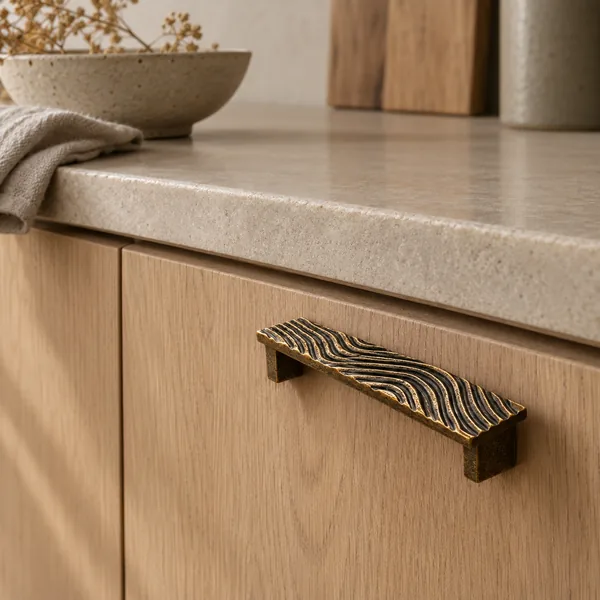
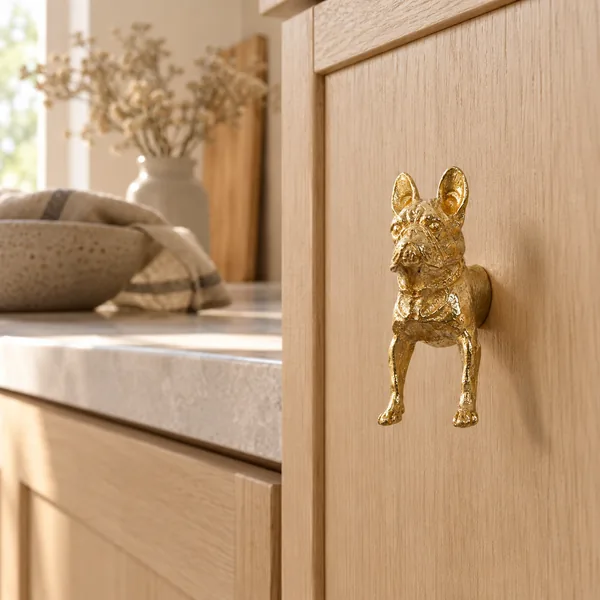
 Save $44.50
 2 options
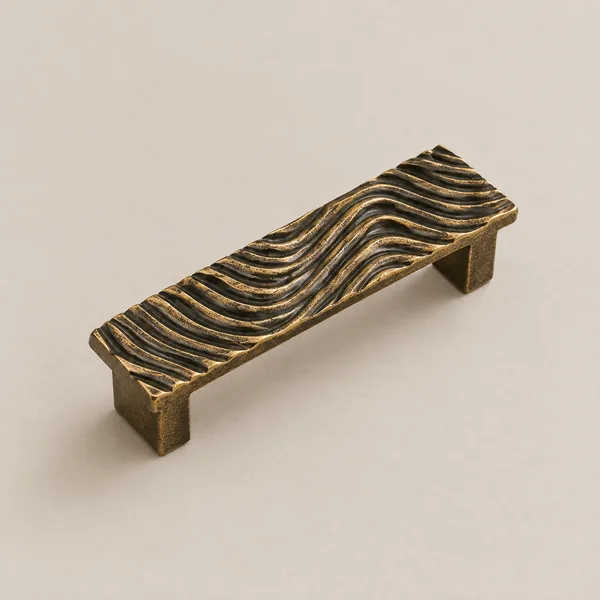
Tassa Polished Brass Dog Cabinet Pull Handle
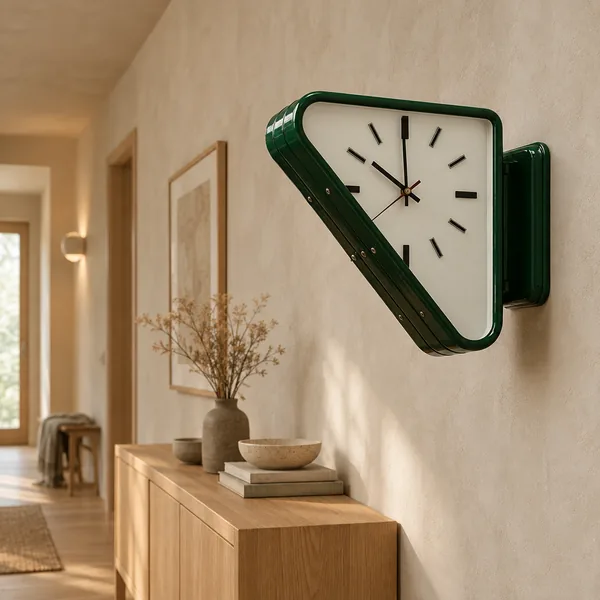
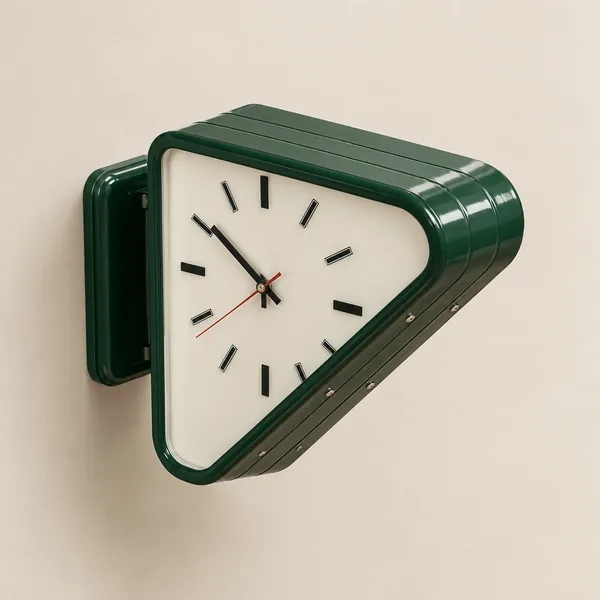 Save $110.00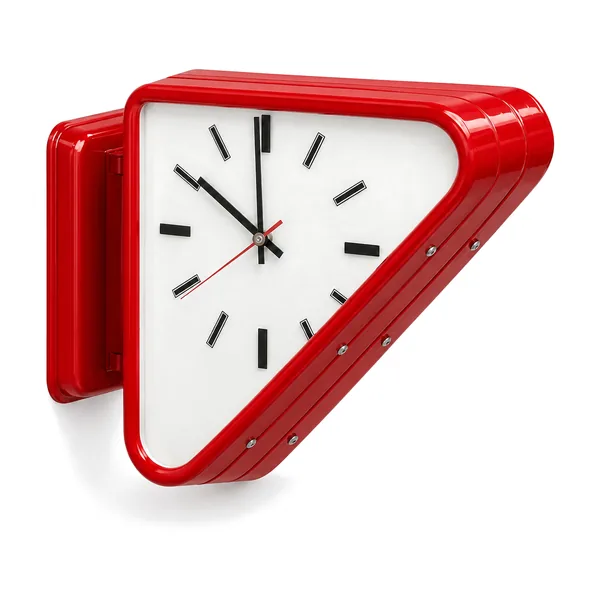
 +15 options
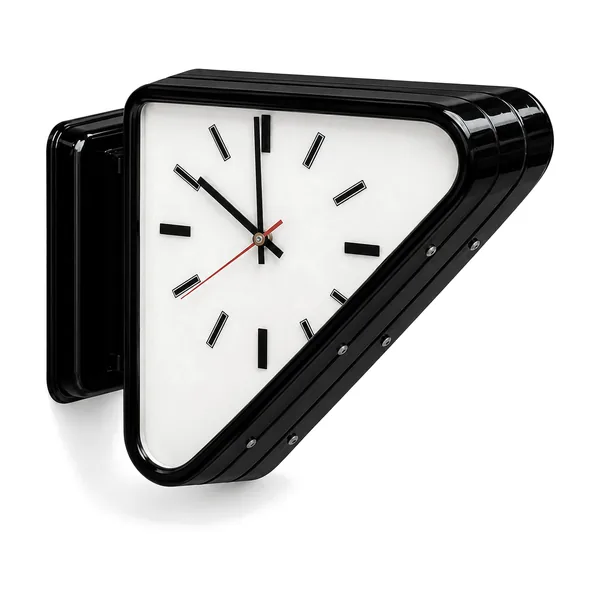
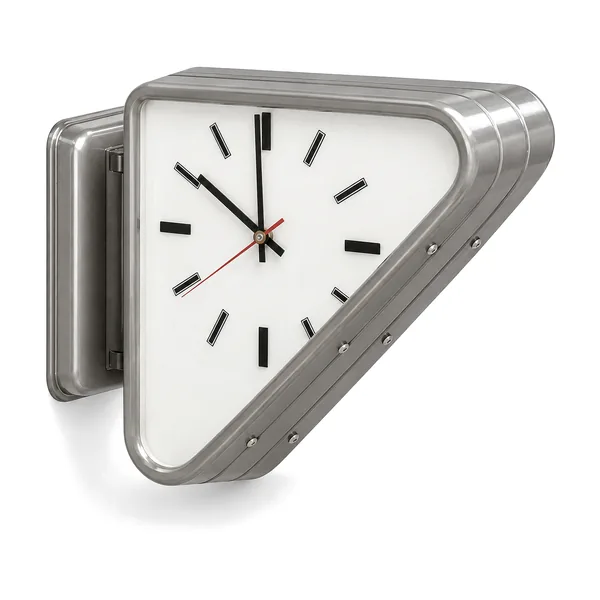
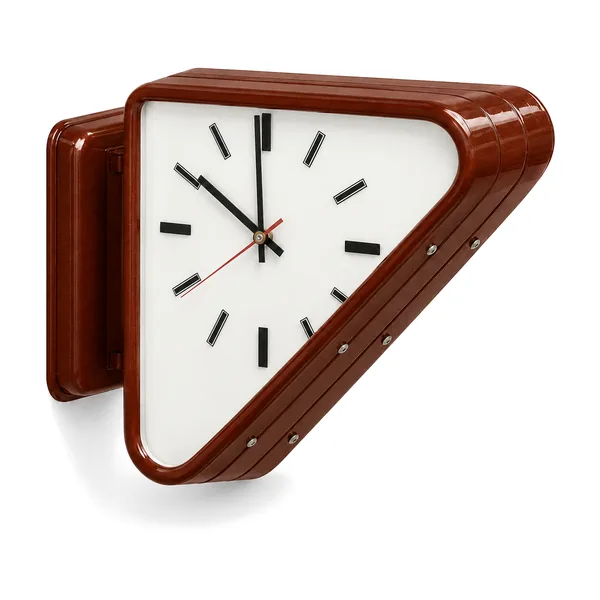
Tvilling Dual-Sided Geometric Metal Wall Clock
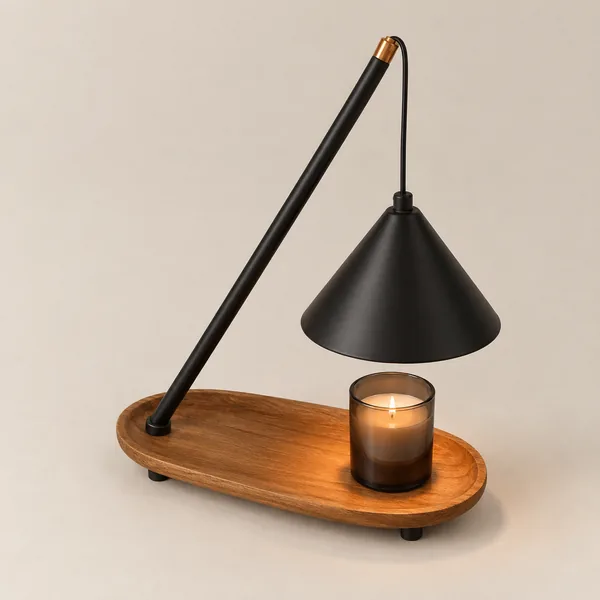
The Art of Layered Lighting
Lighting is perhaps the most transformative element in home decor, yet it's frequently treated as an afterthought. The most inviting spaces employ three layers: ambient lighting for overall illumination, task lighting for specific activities, and accent lighting to highlight architectural features or artwork.
A common frustration is finding fixtures that provide adequate brightness without compromising on style. The solution lies in selecting pieces that function as both light sources and sculptural objects—elements that draw the eye even when switched off.
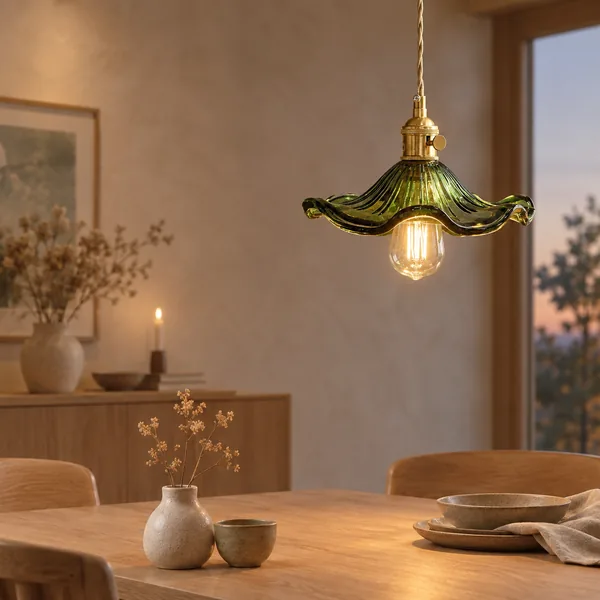
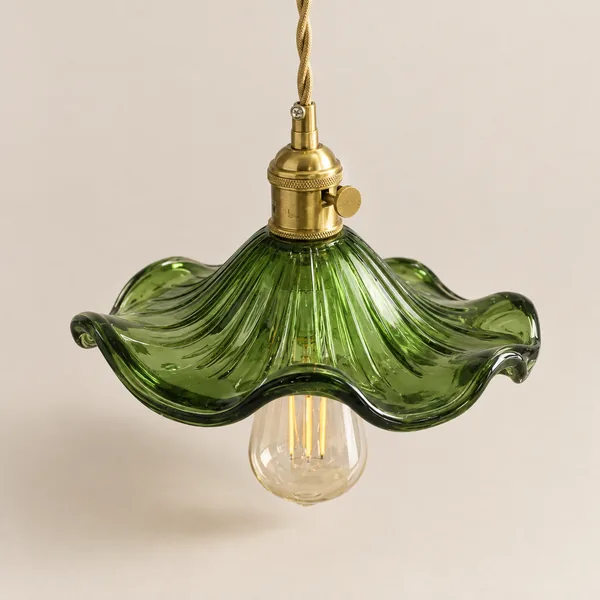
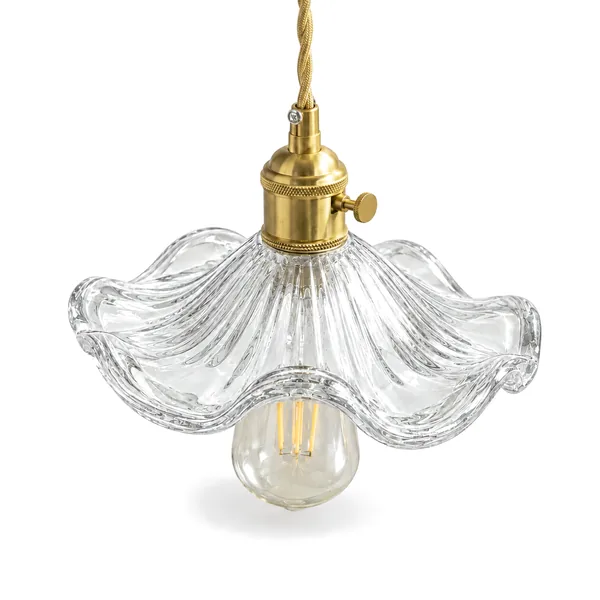
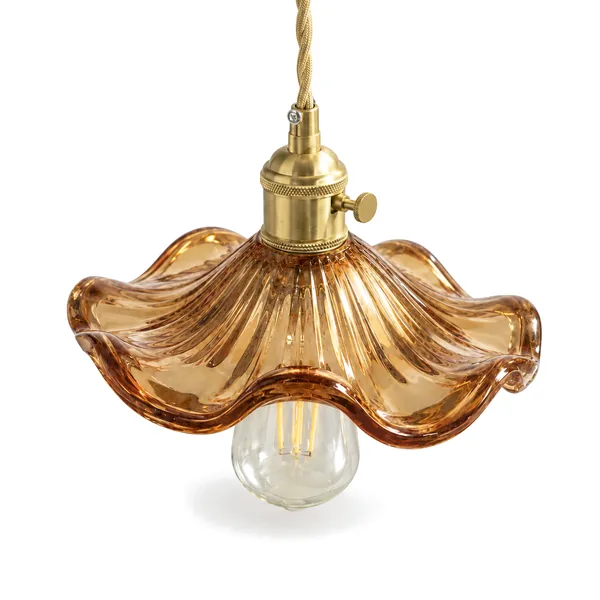
The exemplifies this philosophy. Its handcrafted glass diffuses light beautifully while serving as a striking focal point above dining areas or in living spaces. When lit, it bathes the room in warm, ambient glow. Unlit, it remains a conversation-worthy art piece.
Creating Visual Interest with Decor Accessories
Accessories are where personality truly shines in home decor. The challenge many homeowners face is avoiding cluttered surfaces while still creating visually engaging vignettes. The key is intentionality: select fewer, higher-quality pieces that tell a story.
Consider the interplay of textures. A smooth ceramic vase against weathered wood shelves. The soft glow of rice paper beside cool metal accents. These contrasts create depth and dimension without overwhelming the eye.
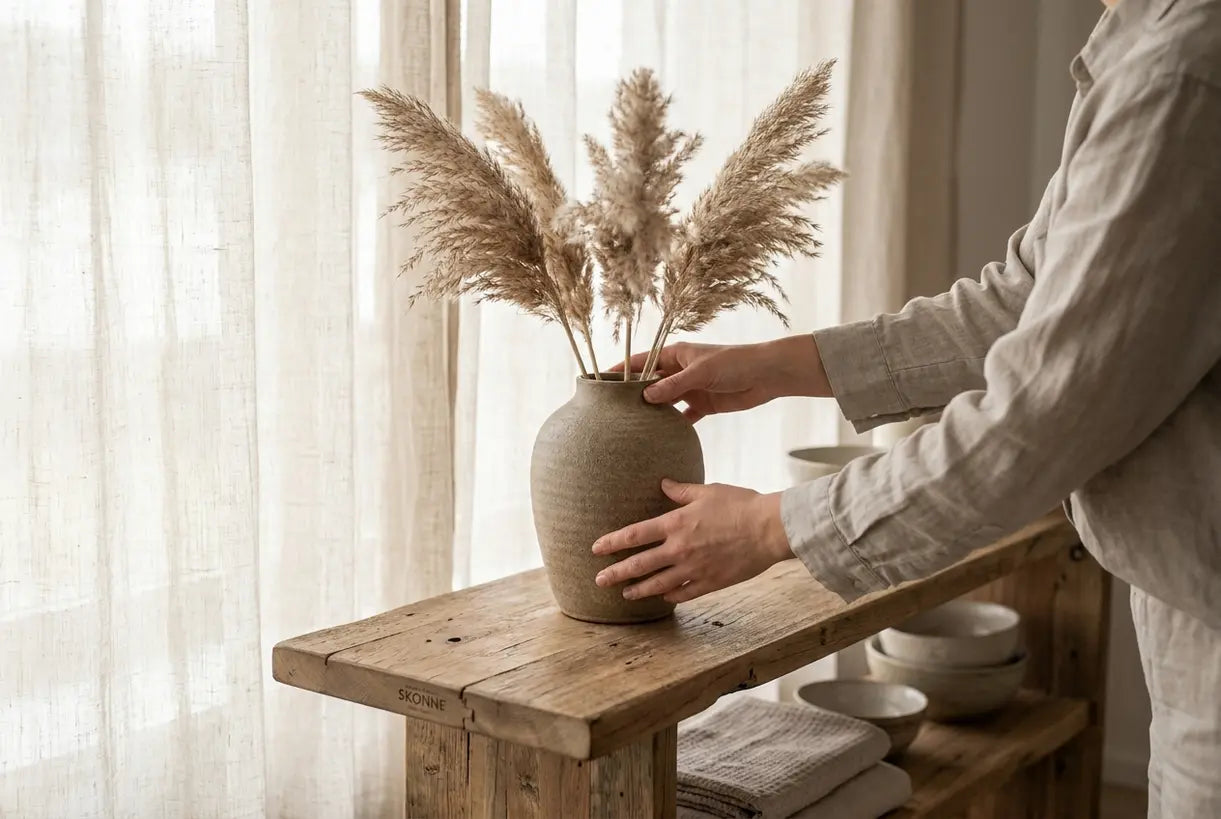
The video below demonstrates how professional designers approach room styling from concept to completion, offering valuable insights into furniture selection and spatial planning:
Curated Accessories for Every Space
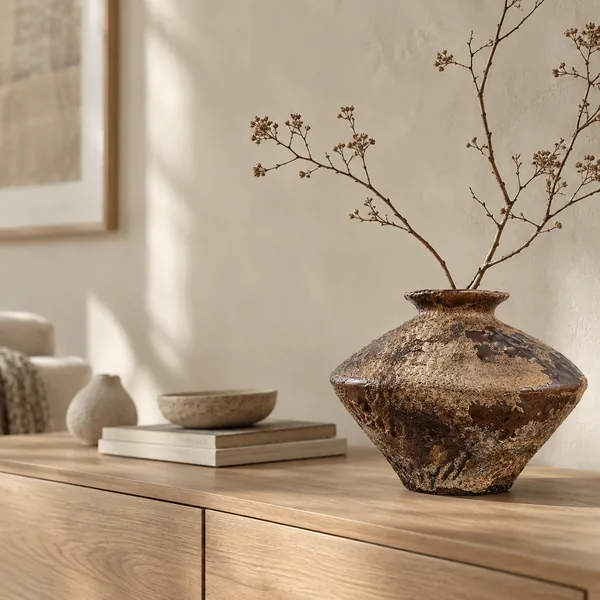 Jorde Handmade Rustic Ceramic Vase Home Decor$129.00$189.00
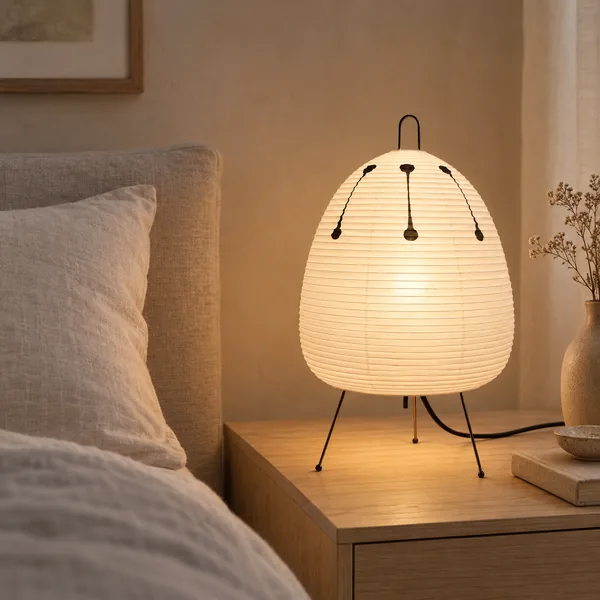 Shiro Rice Paper Table Lamp Nordic Minimalist$119.00$199.00
The Jorde Handmade Rustic Ceramic Vase Home Decor brings organic warmth to shelves and mantels, its artisan character grounding modern spaces with handcrafted authenticity. Pair it with the Shiro Rice Paper Table Lamp Nordic Minimalist for bedroom reading nooks or side tables, where gentle, diffused light creates the perfect environment for unwinding.
Incorporating Color Into Your Home Decor
One of the most common questions in interior design is how to introduce color without overwhelming a space. The Scandinavian approach offers an elegant solution: begin with a neutral foundation of whites, warm grays, and natural woods, then layer in color through carefully chosen accents.
Consider incorporating color through:
- Textiles: Throw pillows, blankets, and rugs in muted jewel tones or earthy terracottas
- Artwork: A single statement piece can anchor an entire room's palette
- Natural elements: Fresh greenery, dried botanicals, or flowers bring life and subtle color
- Books and ceramics: Curated collections in complementary hues add personality
The key is restraint. Choose two to three accent colors maximum, and distribute them evenly throughout the space for visual balance. This approach allows you to refresh your living room decor seasonally without replacing major furnishings.
Sustainable Home Decor Options
Today's conscious consumers increasingly seek sustainable home decor that minimizes environmental impact without sacrificing style. This shift represents more than a trend—it's a fundamental rethinking of how we inhabit our spaces.
Sustainable decorating begins with material selection. Prioritize home decor products crafted from renewable resources like FSC-certified wood, organic cotton, and recycled glass. Look for artisan-made pieces that support traditional craftsmanship and ensure fair labor practices.
Quality over quantity is the guiding principle. Investing in well-made pieces designed to last decades—rather than disposable items that require replacement every season—reduces waste and often proves more economical long-term. Natural materials like untreated wood, linen, and wool age beautifully, developing character that synthetic alternatives cannot replicate.
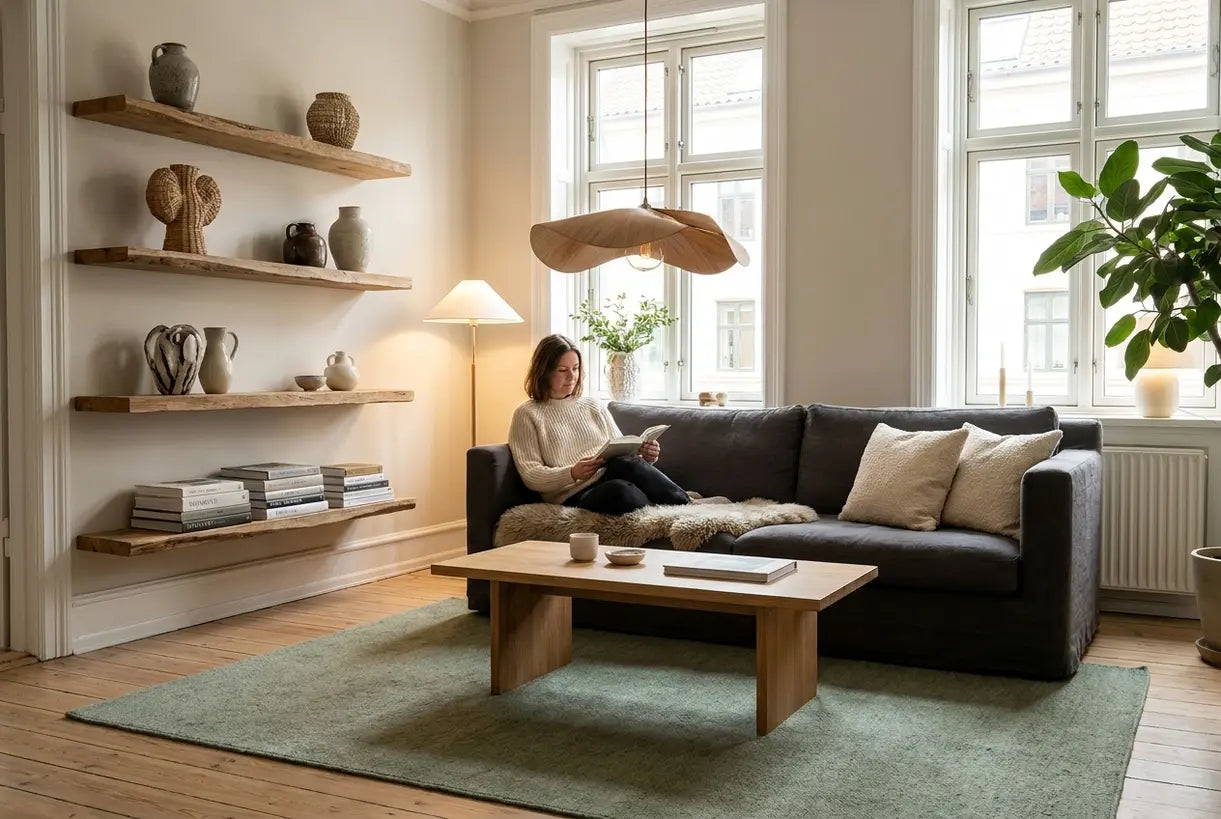
Design Philosophy: Scandinavian design has long championed sustainability through simplicity—creating pieces that transcend trends and remain relevant across generations. This approach to modern home decor proves that environmental responsibility and elevated aesthetics naturally complement each other.
Pendant Lights
Shop all Pendant Lights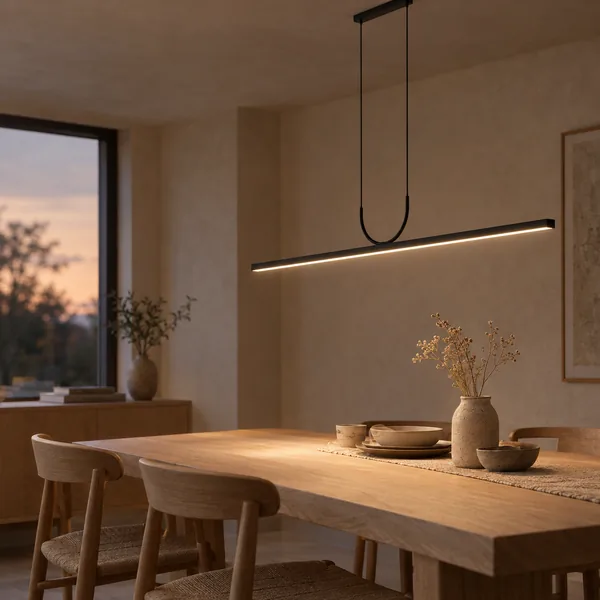
 Save $140.00
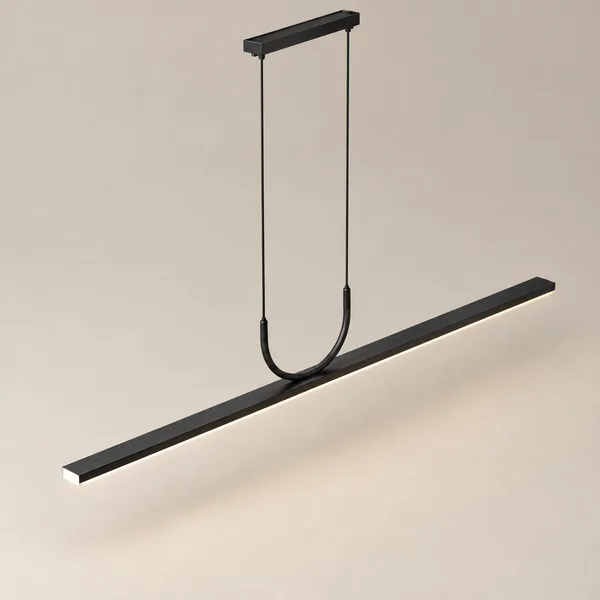
Linné Minimalist Linear Black LED Pendant Light
 Save $60.00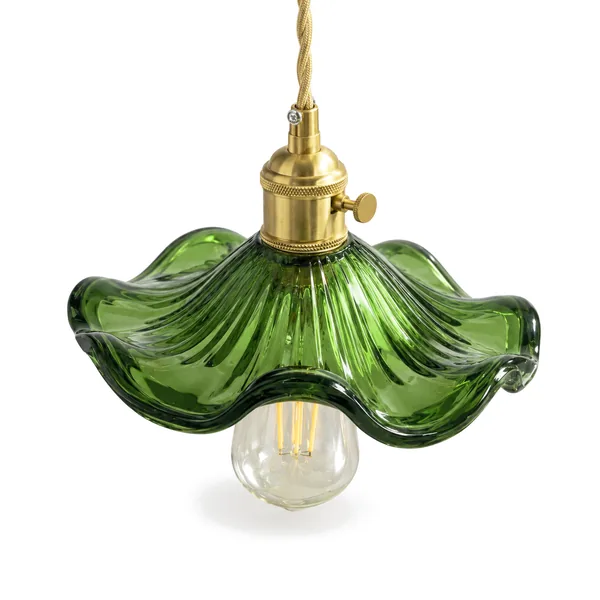
 3 options
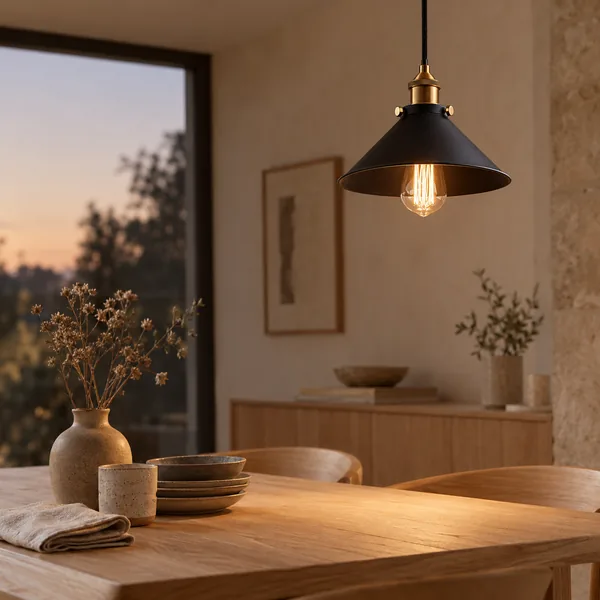
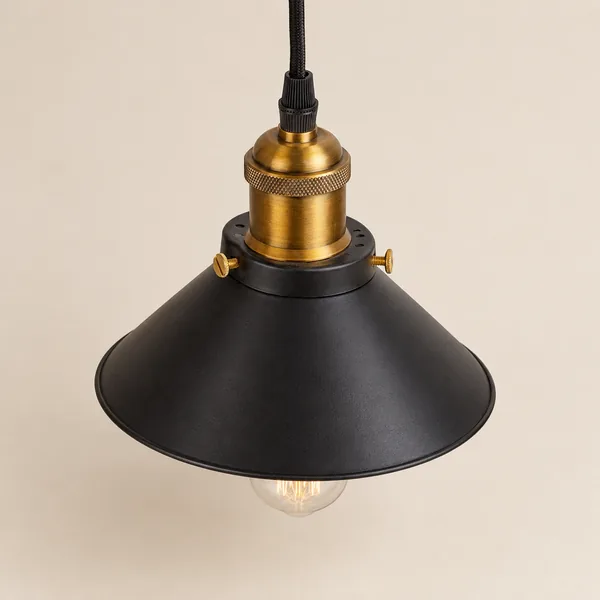
Glora Nordic Glass Pendant Light with Copper
 Save $120.00
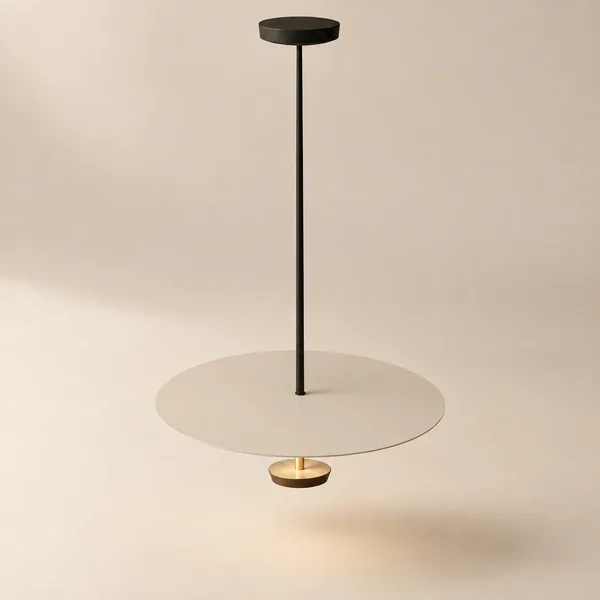
Skiva Nordic Saucer Ceiling Pendant Light LED
Essential Tips for Decorating Any Home
Regardless of your preferred style or budget, certain principles apply universally to successful home decor:
- Start with lighting. Before purchasing accent pieces, ensure your space has adequate, well-placed illumination. Poor lighting undermines even the most carefully curated interiors.
- Measure twice. Scale is everything in interior design. A too-small rug or oversized sofa can throw off an entire room's proportions.
- Create focal points. Every room needs a visual anchor—a fireplace, statement light fixture, or gallery wall that draws the eye and organizes the space.
- Layer textures. Combine smooth and rough, matte and shiny, soft and hard surfaces for depth and interest.
- Edit ruthlessly. Negative space is as important as the objects you display. Step back regularly and remove anything that doesn't serve the overall composition.
Remember that decorating tips are guidelines, not rules. The most compelling interiors reflect the people who inhabit them. Trust your instincts and choose pieces that genuinely resonate with you.
Conclusion: Creating Spaces That Feel Like Home
Thoughtful home decor transforms mere shelter into sanctuary. By understanding popular styles, mastering the fundamentals of lighting and layout, and selecting quality pieces that speak to your aesthetic, you create environments that nurture daily life.
At Skonne, we believe beautiful spaces emerge from intentional choices—lighting that sets the mood, accessories that tell stories, and furnishings designed to be lived with for years. Our curated collection of Scandinavian-inspired furniture and home decor offers everything you need to bring your vision to life, from statement pendant lights to artisan ceramics that add soul to every shelf.
Whether you're beginning a complete home refresh or seeking that one perfect piece to complete a room, the journey of creating your ideal space should be joyful. Start with what moves you, build thoughtfully, and trust that a well-loved home evolves beautifully over time.
Related Article
Decorative Sand Clocks & Hourglasses: The Best Designs for Stylish, Functional DecorDiscover the best decorative sand clock designs for stylish, functional home decor. From minimalist hourglasses to sculptural timepieces that blend art with function.