
How to Choose the Perfect Pendant Lights for Your Home
Summary›
- Understanding Pendant Light Fundamentals
- Choosing the Right Size for Your Space
- Height and Placement Guidelines
- Pendant Lights vs. Chandeliers: Understanding the Difference
- Room-by-Room Pendant Light Applications
- How Many Pendant Lights Do You Need?
- Style Selection: Modern vs. Traditional Interiors
- Energy Efficiency and Bulb Selection
- Finish and Color Temperature Considerations
- Visual Guide to Pendant Lighting
- Creating Your Perfect Lighting Scheme
There's something undeniably captivating about the way light transforms a room. Whether you're gathering around the kitchen island for morning coffee or hosting an intimate dinner, the right illumination creates that warm, intentional atmosphere we all crave in our homes. Nordic scandinavian design has long understood this connection between light and living—prioritizing fixtures that don't merely brighten spaces, but elevate them.
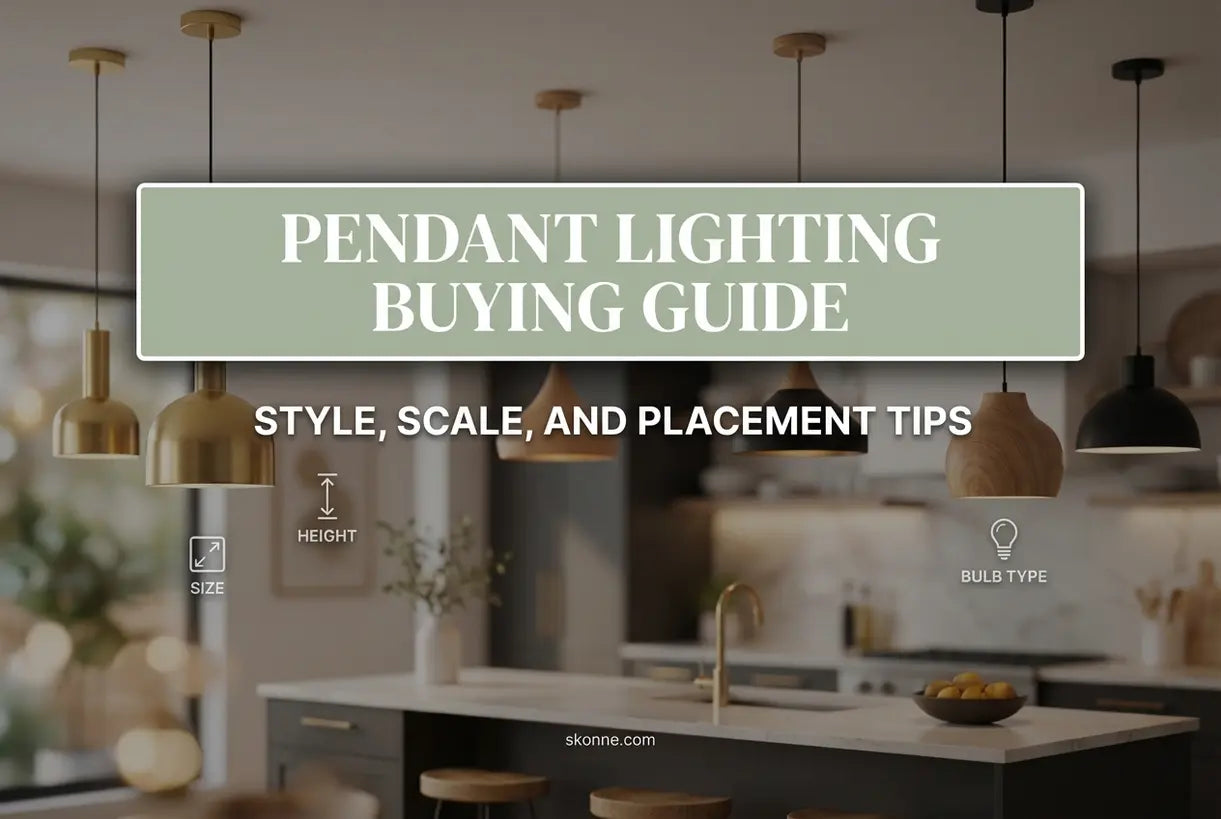
Pendant lights have become the cornerstone of modern interiors, offering both practical task lighting and sculptural beauty that anchors your design vision. But here's the challenge: with countless shapes, sizes, and configurations available, how do you select the perfect fixtures for your specific space? In this guide, we'll walk through everything you need to know about pendant light size, placement, and style selection—helping you create that curated, elevated feeling that defines truly thoughtful interiors. Along the way, we'll introduce you to solutions we've designed specifically for the way you actually live.
Understanding Pendant Light Fundamentals
Before diving into measurements and technical details, let's clarify what makes pendant lighting so essential in contemporary homes. Unlike flush-mount fixtures that blend into the ceiling, pendants descend into your living space, creating visual interest while directing light exactly where you need it. They're the jewelry of your room—functional art that draws the eye upward and establishes spatial hierarchy.
In scandinavian-inspired interiors, pendant lights serve an additional purpose: they embody the principle of hygge—that Danish concept of cozy contentment. The right fixtures create pools of warm, diffused light that invite lingering conversations and quiet moments alike. For those beginning their lighting journey, our Pendant Lights collection offers a curated starting point of thoughtfully designed options.
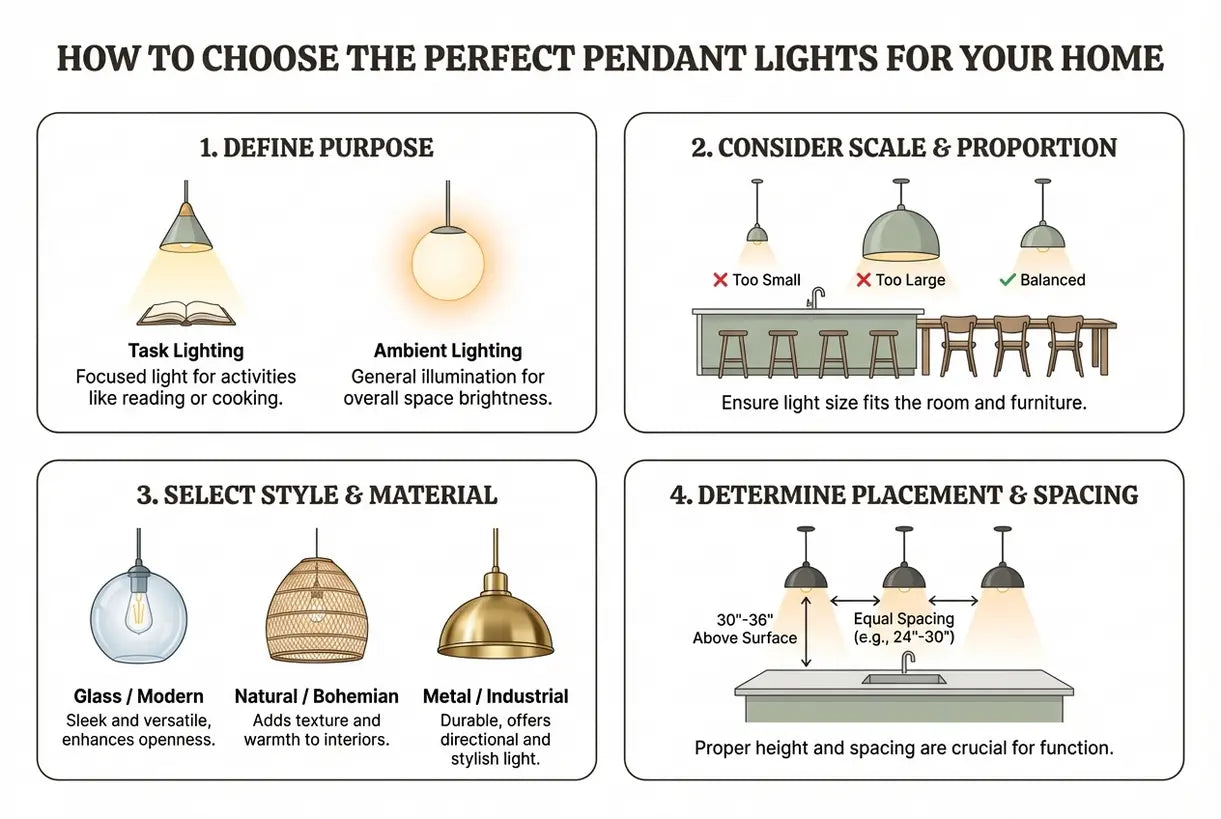
Modern pendant designs range from sleek mini pendants perfect for compact spaces to dramatic cluster arrangements that make bold statements. Adjustable pendant lights offer versatility as your needs evolve, while linear suspensions provide consistent illumination across long surfaces. Understanding these categories helps you narrow down which approach best serves your space.
Choosing the Right Size for Your Space
Scale is arguably the most critical element in pendant selection, yet it's where many homeowners stumble. A fixture that's too small disappears; one that's too large overwhelms. The good news? There's a simple formula that takes the guesswork out of sizing.
For kitchen island pendant lights, measure the length of your island in inches. Your combined pendant diameters should total roughly one-third to two-thirds of that measurement. For example, a 72-inch island comfortably accommodates two pendants between 12 and 18 inches each, or three pendants in the 8 to 12-inch range. This proportion creates visual balance without crowding the space.
When considering individual fixtures, a helpful rule of thumb is to add the room's length and width in feet, then use that sum as your ideal pendant diameter in inches. So a 10-by-12-foot dining room suggests a pendant around 22 inches wide. These aren't rigid requirements—rather, they're starting points that ensure your pendant light placement feels intentional rather than accidental.
Height and Placement Guidelines
The vertical positioning of your pendants dramatically affects both functionality and ambiance. Hang them too high, and they become ineffective task lights; too low, and they obstruct sightlines and movement.
Recommended Heights: Over kitchen islands, aim for 30-36 inches above the countertop surface. For dining tables, position pendants 28-34 inches above the table surface. In entryways or open spaces, maintain at least 7 feet of clearance from the floor.
For dining applications specifically, how high should pendant lights hang over a dining table depends on your ceiling height and the fixture's scale. Standard 8-foot ceilings typically work best with pendants hung around 30 inches above the table, while higher ceilings allow for slightly lower placement. The goal is warm, intimate illumination that doesn't glare into seated guests' eyes.
Horizontal spacing matters equally. When installing multiple pendants, maintain equal distance between each fixture—typically 24-30 inches apart for kitchen island pendant lights. This creates rhythm and ensures even light distribution across your work surface.
Pendant Lights
Shop all Pendant Lights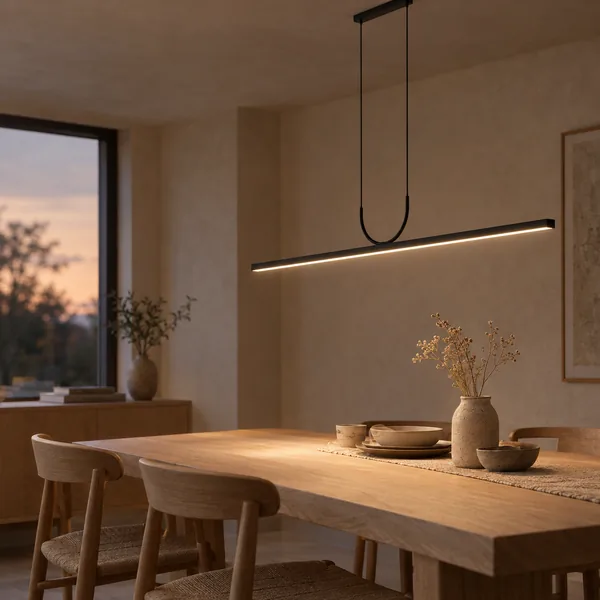
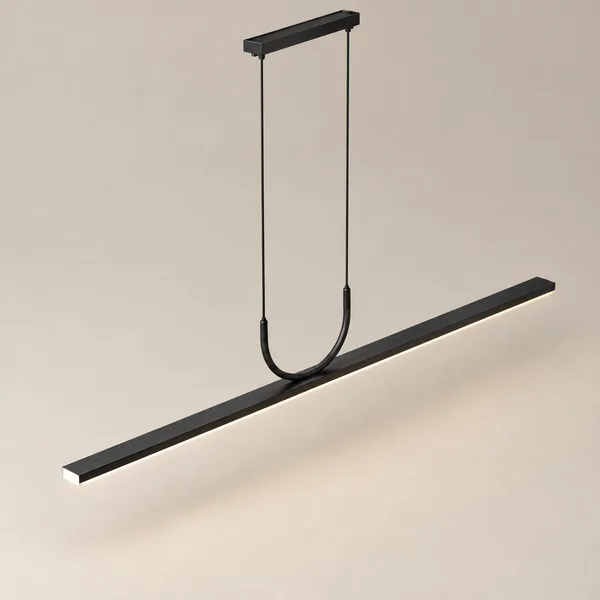 Save $140.00
Linné Minimalist Linear Black LED Pendant Light
 Save $60.00
 3 options
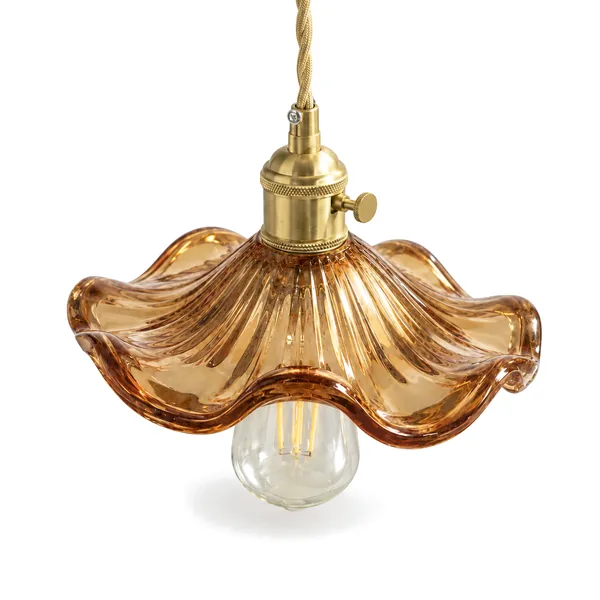
Glora Nordic Glass Pendant Light with Copper
 Save $120.00
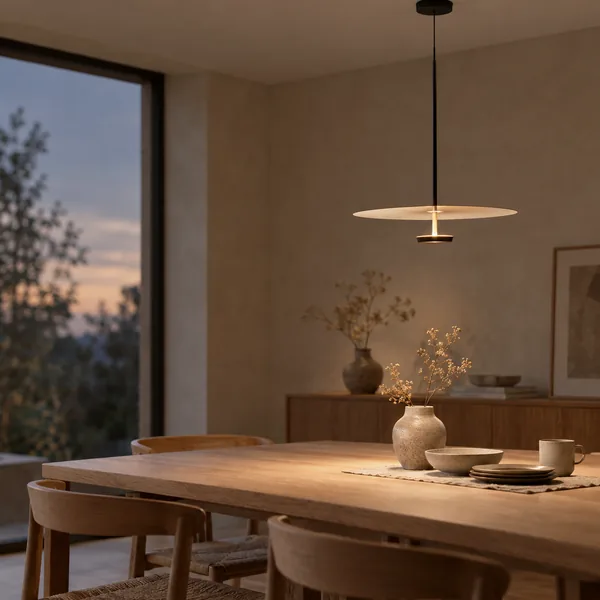
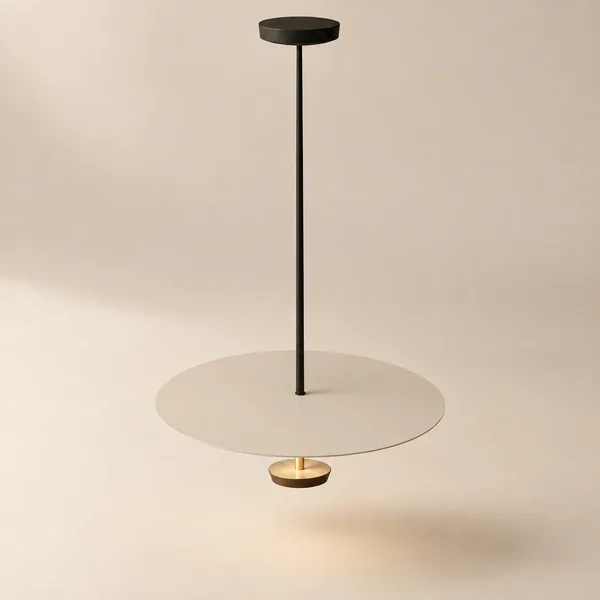
Skiva Nordic Saucer Ceiling Pendant Light LED
Pendant Lights vs. Chandeliers: Understanding the Difference
A common question we hear is about the distinction between pendant lights and chandeliers. While both hang from the ceiling and provide ambient or task lighting, their applications and visual impact differ significantly.
Pendant lights feature a single light source suspended by a cord, chain, or rod. They're modular—ideal for arranging in multiples over islands or clustering creatively in corners. Their streamlined profile works beautifully in modern and scandinavian interiors where clean lines predominate.
Chandeliers, by contrast, incorporate multiple arms with several bulbs, creating a more substantial visual presence. They're natural focal points suited to formal dining rooms or grand entryways. While traditional chandeliers lean ornate, contemporary designs have embraced scandinavian minimalism, offering pared-down silhouettes that bridge the gap between the two categories.
Your choice depends on the room's scale and your desired atmosphere. For intimate, flexible lighting, pendants win. For dramatic, ceremonial spaces, chandeliers may serve better. Many homes benefit from both—pendants in working areas and chandeliers in formal spaces.
Room-by-Room Pendant Light Applications
Kitchen Islands and Breakfast Bars
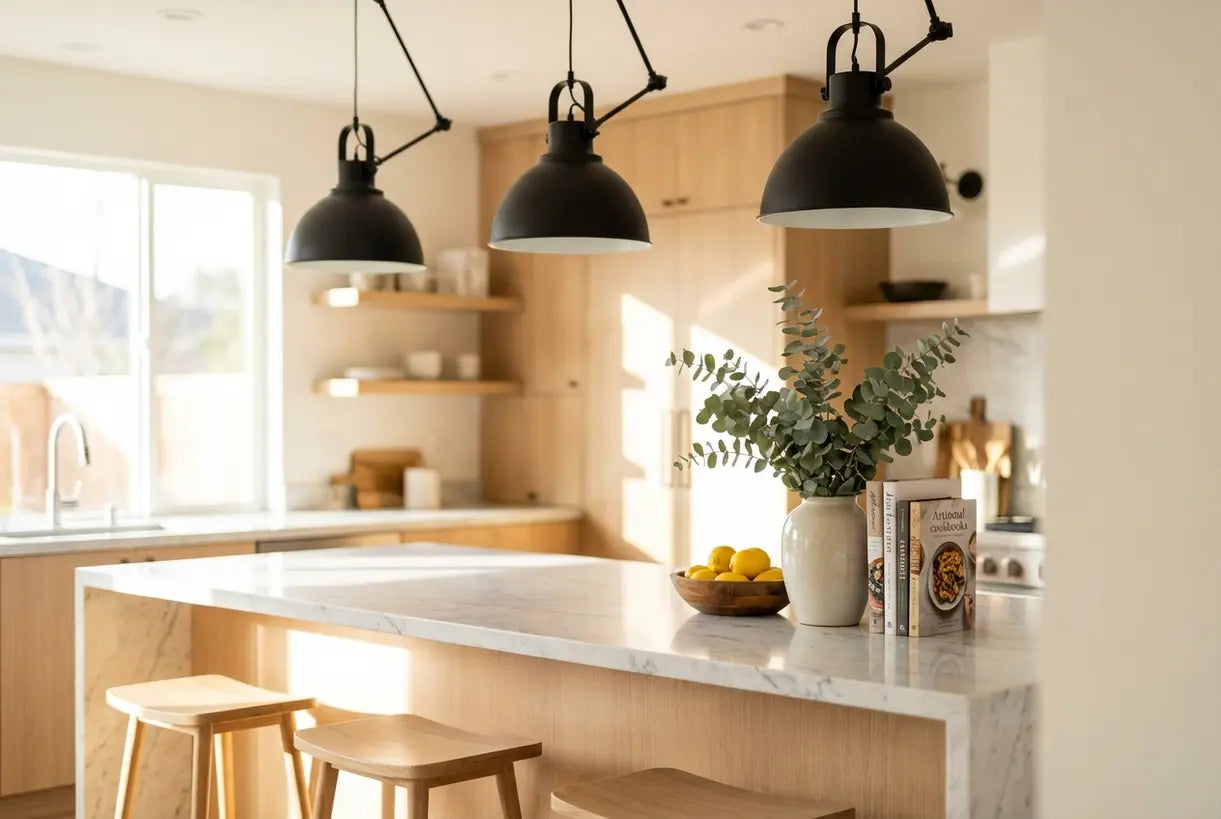
The kitchen island has become the heart of modern homes—a place for meal prep, homework, and casual entertaining. Lighting this space requires fixtures that deliver bright, shadow-free task lighting while contributing to the room's overall aesthetic.
For islands under 6 feet, two properly-sized pendants typically suffice. Longer islands may need three or more fixtures to prevent dark spots. Adjustable pendant lights are particularly valuable here, allowing you to fine-tune height as tasks change throughout the day.
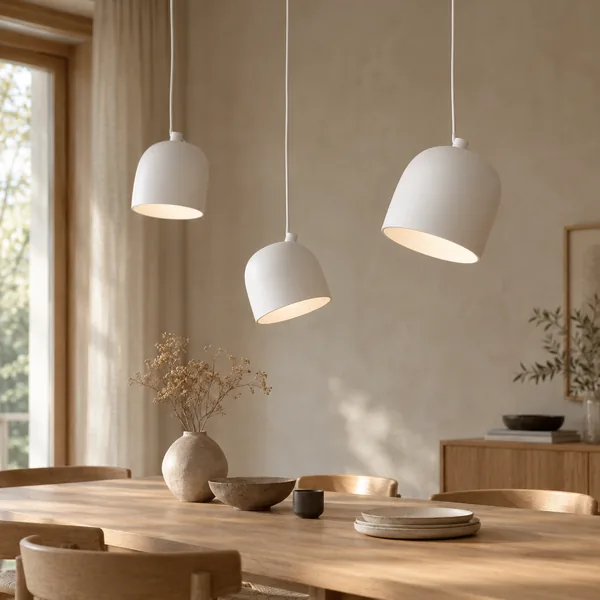 Driva Modern White Aluminum Drum Pendant Light$209.00$359.00
The Aria Matte Black Mini Pendant exemplifies the ideal kitchen island pendant light solution. Its adjustable height accommodates varying ceiling heights and task requirements, while the set of three creates perfect visual rhythm over standard island dimensions. The matte finish integrates seamlessly into scandinavian-inspired kitchens, and the dimmable feature allows you to transition from bright task lighting to ambient evening glow.
Dining Rooms
Dining room pendants should create intimacy—warm pools of light that encourage conversation and make food look appetizing. Here, scale becomes even more important. A fixture that's too small feels lost; too large, and it dominates the table uncomfortably.
For rectangular tables, consider linear suspension lights that distribute illumination evenly across the entire surface. Round tables often benefit from a single statement pendant or a carefully arranged cluster of mini pendants.
Bathrooms and Powder Rooms
Can pendant lights work in bathrooms? Absolutely—with caveats. Areas above sinks or vanities face strict electrical codes requiring appropriate damp or wet ratings. Always verify that your chosen fixtures carry the necessary certifications for bathroom installation.
In powder rooms without bathing facilities, standard-rated pendants can add sophisticated accent lighting beside mirrors or in corners. The key is positioning them outside splash zones while creating flattering, shadow-free illumination for grooming tasks.
Living Rooms and Bedrooms
Beyond task lighting, pendants serve beautifully as ambient fixtures in living spaces. Consider cluster pendant lighting at varying heights to create visual interest and layered illumination. In bedrooms, pendant lights flanking the bed free up nightstand space while providing soft reading light.
How Many Pendant Lights Do You Need?
Determining quantity requires balancing functional needs with aesthetic preferences. Start by calculating your space's square footage and the desired foot-candles (illumination level) for the activities performed there. Kitchen islands typically need 300-500 lux for food preparation, while dining areas can function comfortably at 150-200 lux.
Beyond calculations, trust your eye. Stand in the space and visualize light coverage. Dark spots indicate you need additional fixtures or more powerful bulbs. Remember that multiple smaller pendants often create more flattering, diffused light than a single large source—part of why mini pendant lights have become so popular in contemporary design.
Style Selection: Modern vs. Traditional Interiors
Your pendant choice should converse with your existing décor rather than compete with it. In modern interiors characterized by clean lines and minimal ornamentation, look for fixtures with geometric shapes, metallic finishes, and unfussy silhouettes. Glass globe pendants, linear suspensions, and matte black fixtures align beautifully with scandinavian aesthetics.
Traditional spaces with richer materials and decorative details can accommodate more elaborate pendant designs—think seeded glass, aged brass, or fixtures with subtle ornamental elements. The key is complementing, not copying, your existing style. A completely contemporary pendant in an ultratraditional room creates jarring contrast, while a fixture that echoes traditional motifs in modern materials bridges old and new elegantly.
For transitional spaces—the majority of American homes—a middle path works best. Look for modern pendant lights with warm finishes like brass or copper, or traditional shapes rendered in contemporary materials. This approach ensures your lighting remains timeless as trends evolve.
Glass Pendant Lights
Shop all Glass Pendant Lights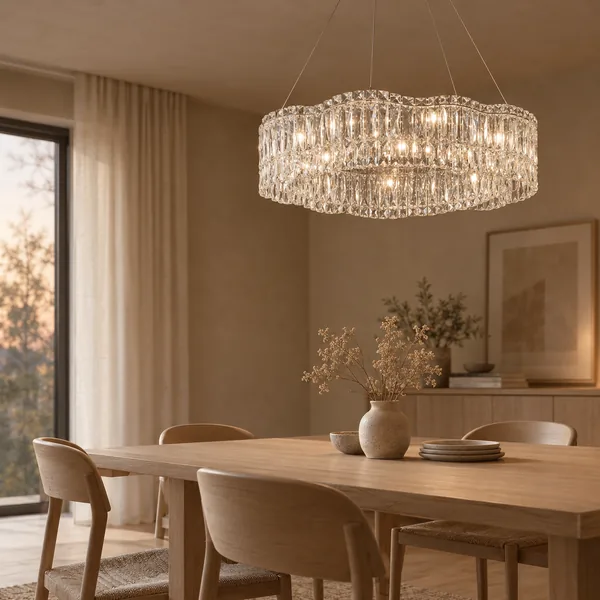
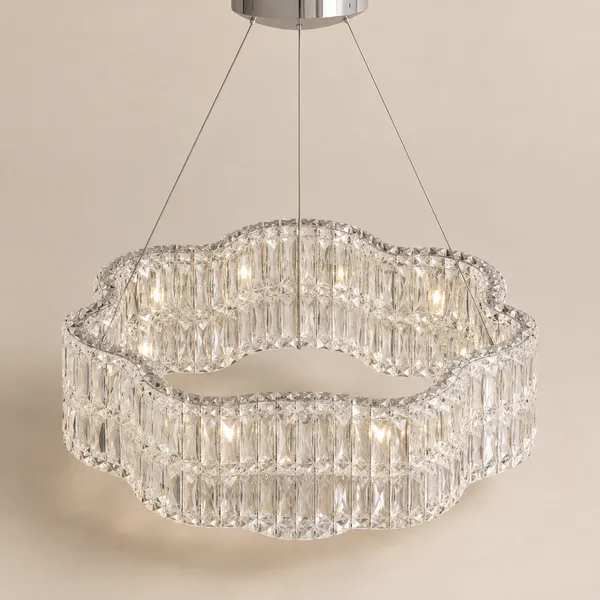 Save $200.00
Halvring K9 Crystal Halo LED Chandelier Light
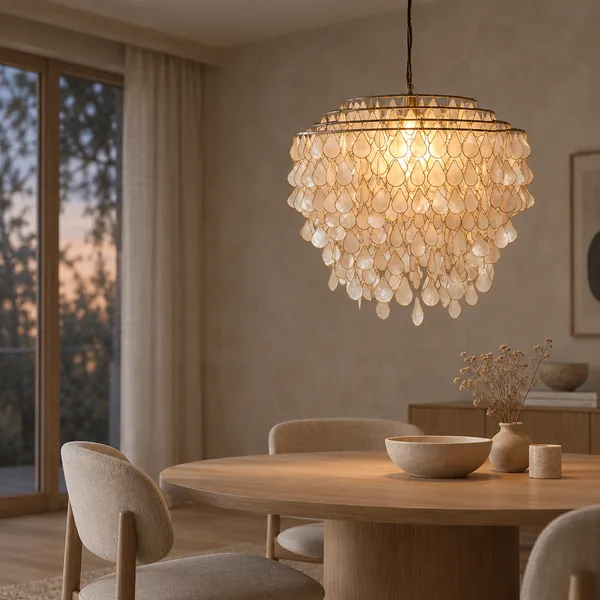
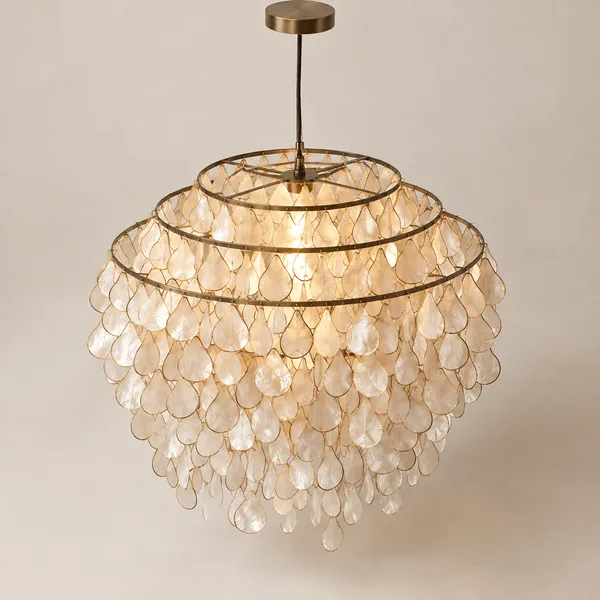 Save $370.00
Skjelva Nordic Retro Shell Pendant Chandelier
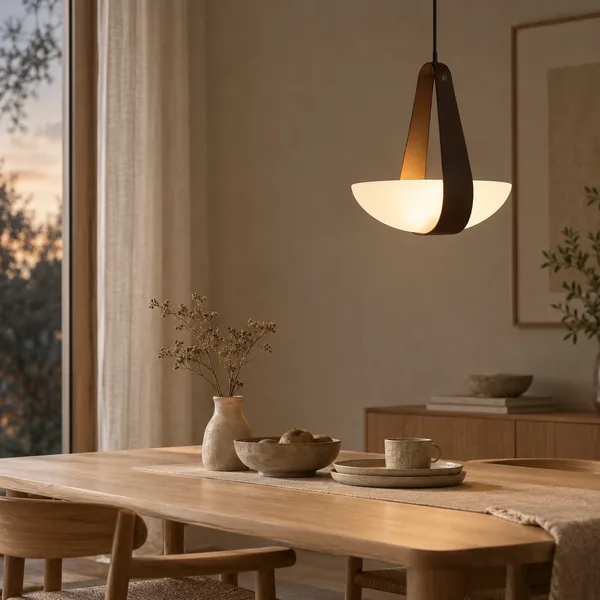
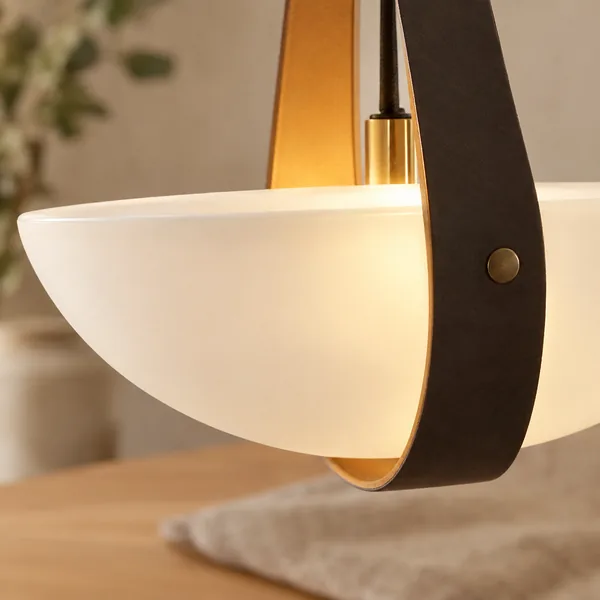
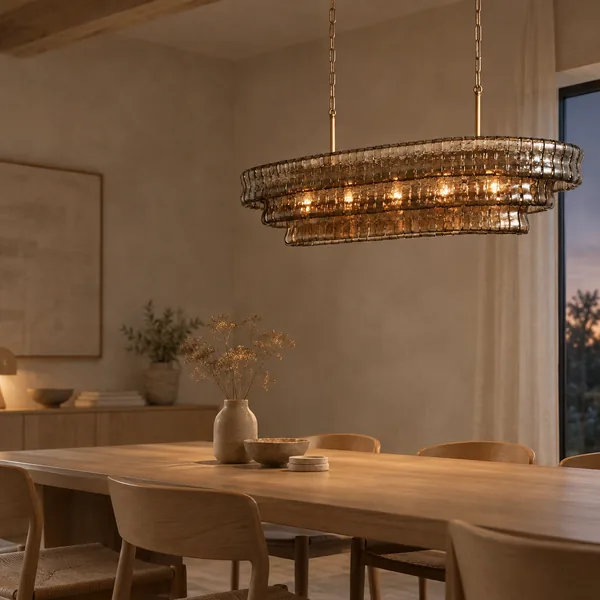
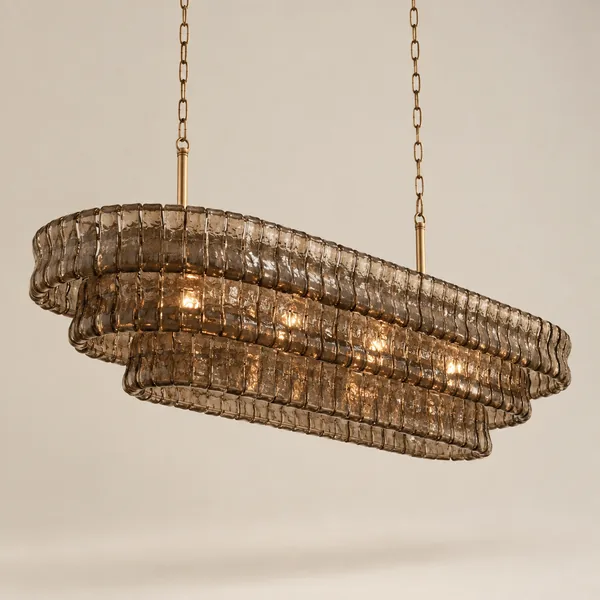 Save $460.00
Dimma Smoky Gray Glass Chandelier Dining Room
Energy Efficiency and Bulb Selection
Modern lighting isn't just about aesthetics—it's also about responsibility and long-term value. Today's LED pendant fixtures offer remarkable efficiency compared to incandescent predecessors, using up to 75% less energy while lasting years longer. This translates to lower utility bills and reduced maintenance.
When selecting bulbs (or integrated LED fixtures), consider three factors: brightness (measured in lumens), color temperature (measured in Kelvin), and color rendering index (CRI). For residential spaces, 2700K to 3000K creates warm, inviting light akin to traditional incandescent bulbs. Higher temperatures (above 3500K) feel clinical and cool—appropriate for task-heavy areas like laundry rooms but generally too harsh for living spaces.
CRI measures how accurately colors appear under a light source. Aim for CRI above 80 for general living spaces; 90+ for areas where color accuracy matters, such as food preparation zones. Quality LED pendant lights specify these ratings clearly, helping you make informed choices.
Elevated Lighting Solutions for Every Space
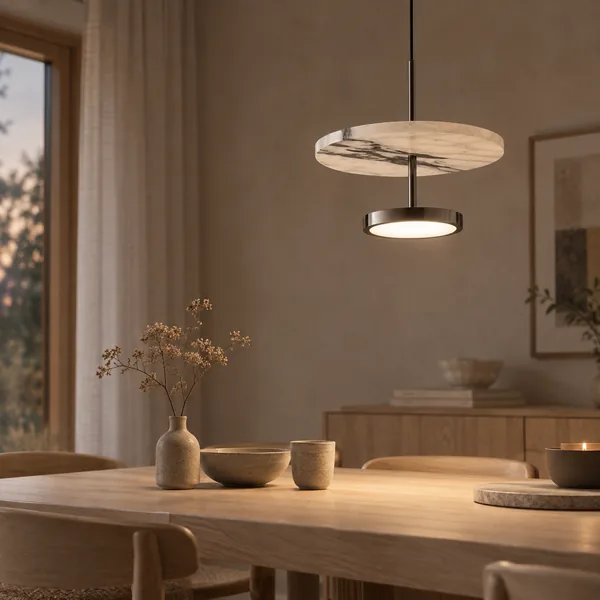 Fjella Black Round Natural Stone Pendant Lamp$329.00$479.00
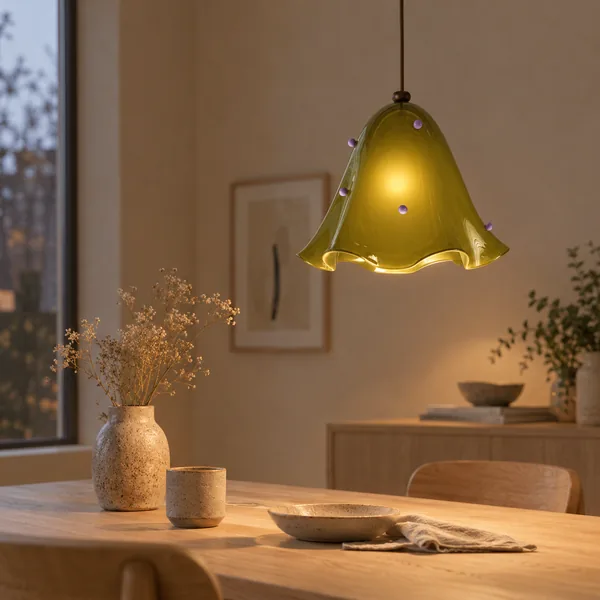 Farglys Colorful Glass Art Deco Pendant Light$299.00$469.00
The Cora Glass Globe Pendant demonstrates the beauty of hand-crafted glass diffusion—perfect for dining areas where warm, flattering light matters most. For expansive surfaces, the Linea Linear Suspension Light provides consistent LED illumination across its entire length, eliminating the dark spots that plague multiple-fixture installations.
Finish and Color Temperature Considerations
The final layer of pendant selection involves finish and light quality—details that separate adequate lighting from exceptional design. Metal finishes should coordinate with your hardware, faucets, and other fixtures. Matte black offers contemporary versatility; brass and bronze add warmth; chrome and nickel feel crisp and modern.
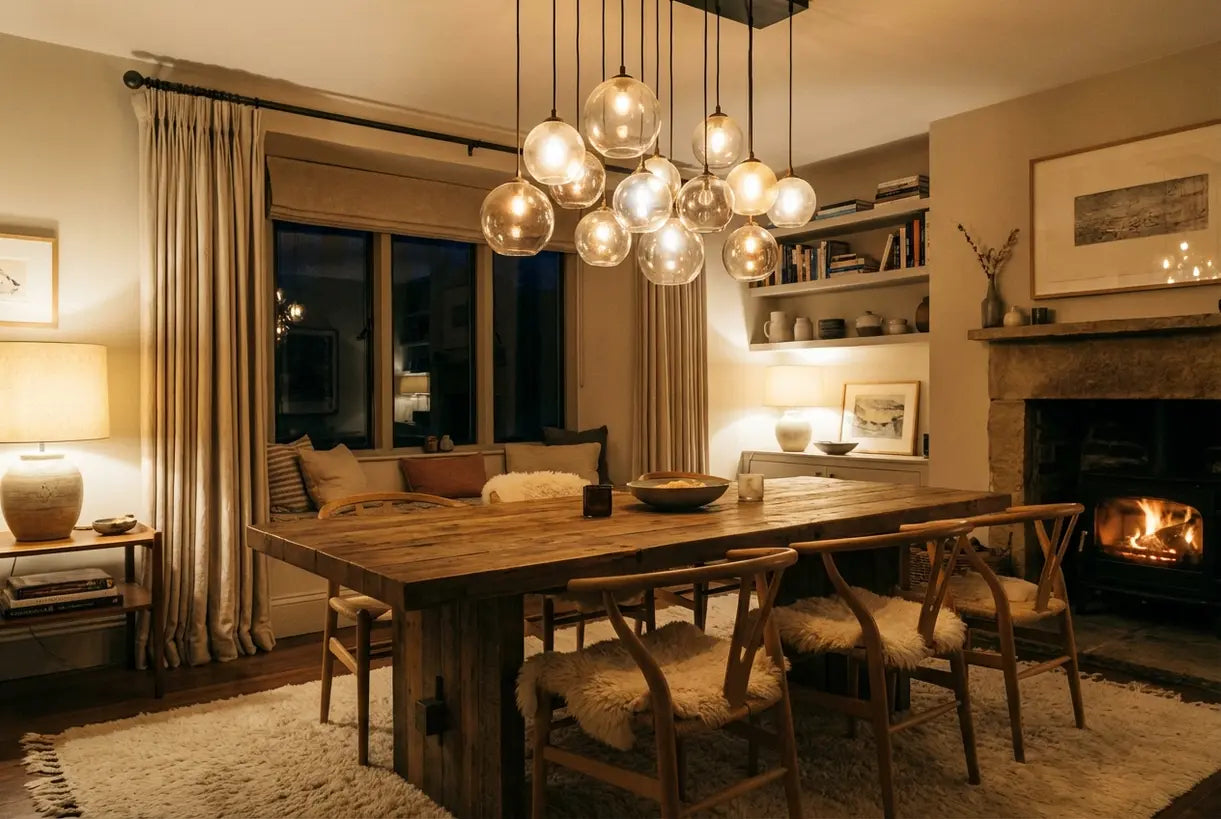
Beyond the fixture itself, consider how your bulb's color temperature interacts with wall colors and materials. Warm light (2700K) enhances woods and earth tones; cooler light (3000K) complements whites and grays. Most scandinavian interiors benefit from warmer temperatures that enhance the natural materials so central to Nordic design philosophy.
Visual Guide to Pendant Lighting
Sometimes seeing concepts in action simplifies decision-making. This comprehensive video walks through real-world pendant installations, demonstrating scale relationships and placement techniques that bring these principles to life:
Creating Your Perfect Lighting Scheme
Choosing pendant lights isn't merely a technical exercise—it's an opportunity to define how your spaces feel and function. The right fixtures create that hygge atmosphere central to scandinavian living: warm, welcoming, and quietly beautiful. They transform ordinary rooms into intentional environments where life's moments—big and small—unfold naturally.
At Skonne, we believe lighting should serve your life without complicating it. That's why every piece in our collection balances aesthetic sophistication with practical functionality. Whether you're illuminating a compact apartment kitchen or a sprawling open-concept home, our curated selection offers solutions designed specifically for the way modern families actually live.
Remember: the perfect pendant isn't just about measurements and specifications. It's about finding that piece that makes you pause when you walk into the room—that quietly signals you've created something meaningful in your space.
Related Article
Scandinavian Home Design: Architecture, Exteriors & House StylesExplore Scandinavian home design: minimalist architecture, natural materials, and timeless house styles from Sweden, Denmark, and Norway.