
Japanese Home Decor: Minimalist, Zen-Inspired Style for a Calm & Balanced Interior
Summary›
- Understanding Japanese Home Decor Philosophy
- The Principles That Define Japanese Interior Design
- Japandi Style: Where Japanese Meets Scandinavian
- Creating Tranquility with Japanese Lighting
- Embracing Wabi-Sabi in Your Home
- Japanese Home Decor Ideas for Every Room
- Curating Authentic Japanese Pieces
- Conclusion: Creating Your Japanese-Inspired Sanctuary
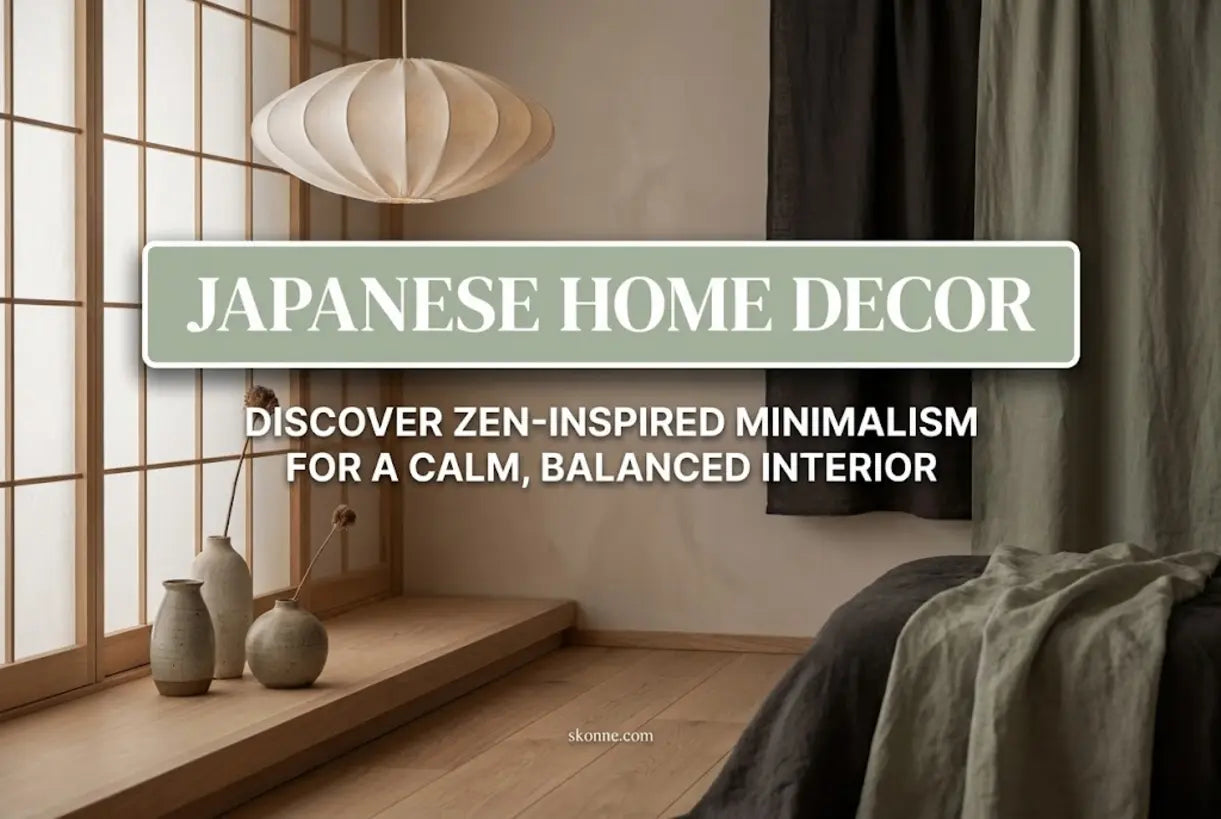
In a world that often feels chaotic and overwhelming, the allure of Japanese home decor lies in its remarkable ability to create spaces that breathe, soothe, and restore. This design philosophy invites us to slow down, embrace simplicity, and find beauty in the everyday. Whether you're drawn to the clean lines of minimalist Japanese interior spaces or the warm imperfection of wabi-sabi decor, bringing this aesthetic into your home is about crafting an environment that supports mindful living.
At Skonne, we believe extraordinary spaces begin with intentional choices. Our curated Scandinavian-inspired collections beautifully complement Japanese design principles, offering lighting and decor that honor both simplicity and craftsmanship. Throughout this guide, you'll discover how to cultivate the serene atmosphere you crave—and find the perfect elements to bring your vision to life.
Understanding Japanese Home Decor Philosophy
Japanese home decor is far more than a trend—it's a way of thinking about space that has evolved over centuries. At its foundation lies a deep respect for nature, asymmetry, and impermanence. Unlike Western interiors that often prioritize filling space, Japanese design celebrates what remains unsaid, the gaps between objects, and the poetry of empty walls.
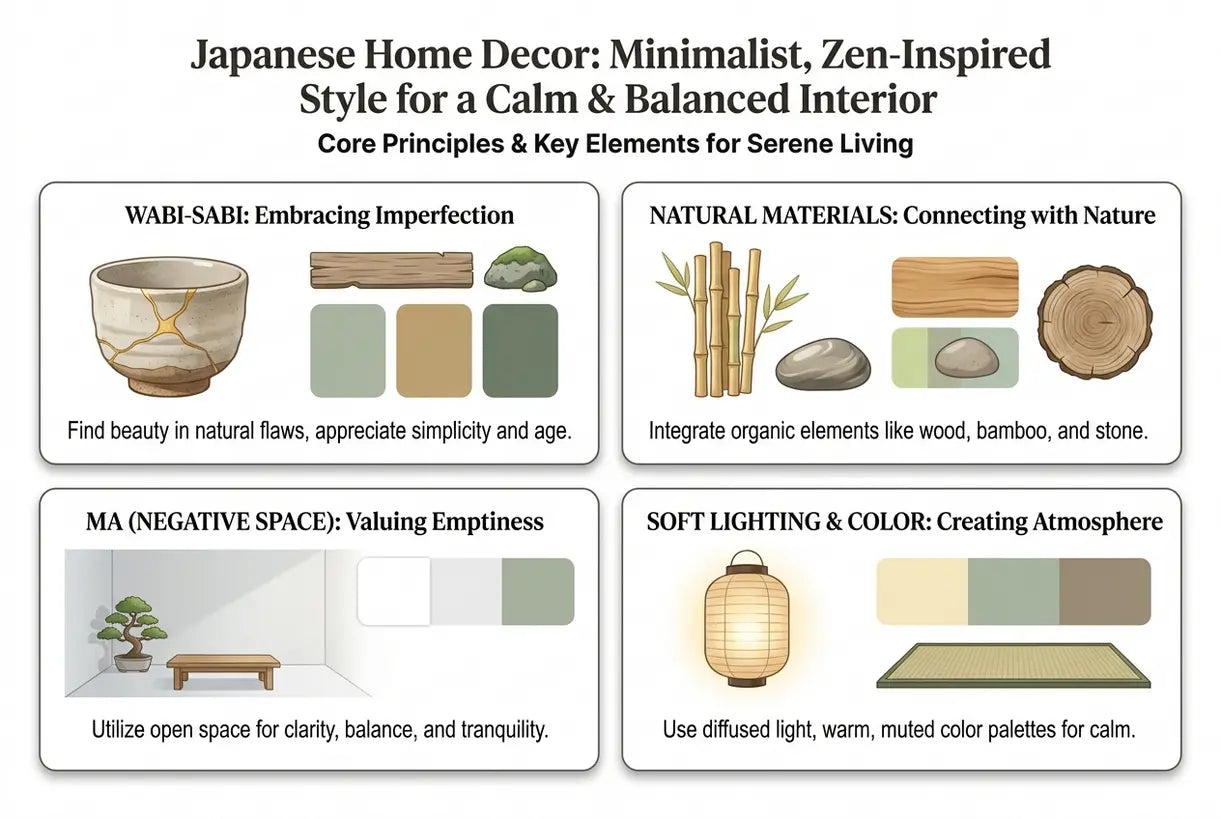
The philosophy centers on several interconnected concepts:
- Ma — The art of negative space, honoring the importance of emptiness between elements
- Kanso — Eliminating clutter and embracing absolute simplicity
- Seijaku — Achieving stillness and tranquility through minimalism
- Nature integration — Bringing the outside world indoors through organic materials and motifs
These principles resonate deeply with those seeking refuge from modern demands. When you embrace japanese minimalist decor, you're not just redesigning a room—you're creating a sanctuary that nurtures wellbeing and encourages presence over distraction.
The Principles That Define Japanese Interior Design
What distinguishes authentic Japanese interiors from other minimalist styles? It's the intentional approach to materials, light, and arrangement that creates spaces feeling both lived-in and serene.
Natural materials take precedence—think raw wood, unbleached linen, hand-formed ceramics, and stone. These elements age gracefully, developing character rather than requiring replacement. Every piece serves a purpose, eliminating visual noise that might disturb your peace.
Color palettes remain restrained, typically featuring soft neutrals, warm earth tones, and the occasional deep accent. This restraint allows the eye to rest and the mind to settle. For those exploring modern japanese home decor, contemporary interpretations maintain these principles while incorporating updated forms and subtle innovations.
Functionality reigns supreme. Japanese homes typically feature flexible furnishings and multi-purpose rooms, reflecting a culture that values practicality over excess. Storage is concealed, not displayed, maintaining clean sightlines and uncluttered surfaces.
Japandi Lighting
Shop all Japandi Lighting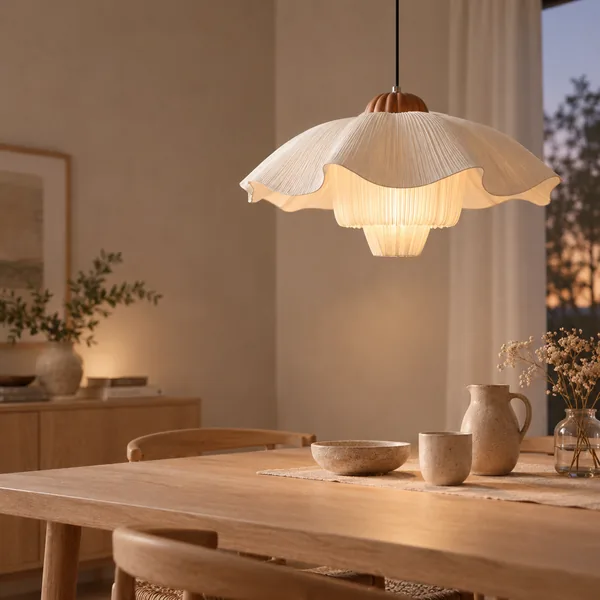
 Save $80.00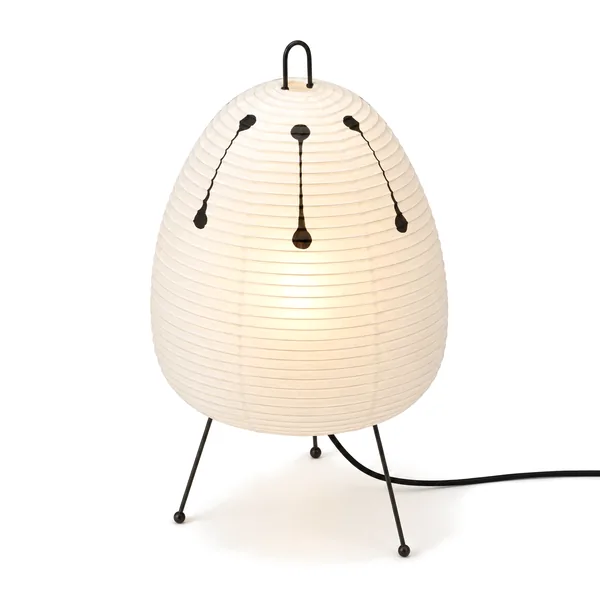
 +37 options
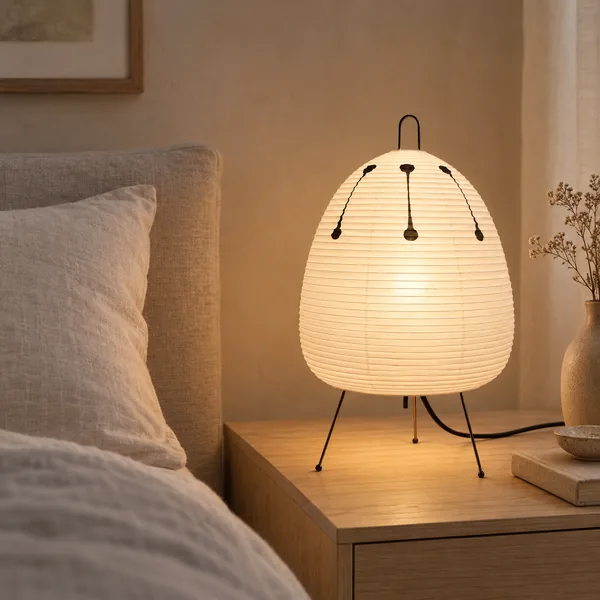
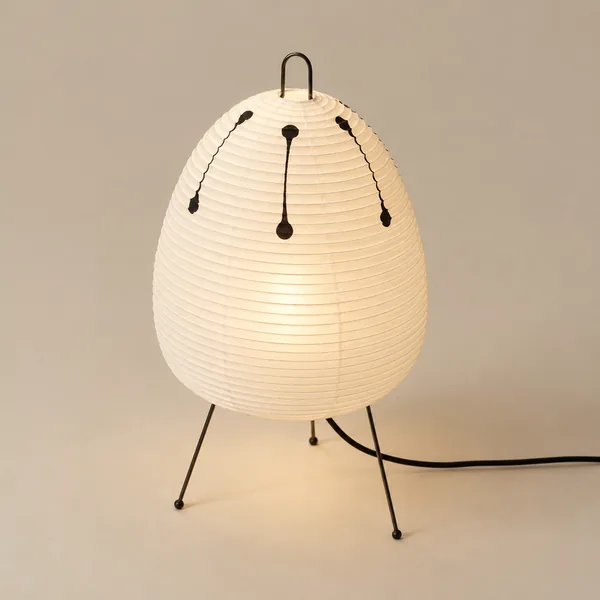
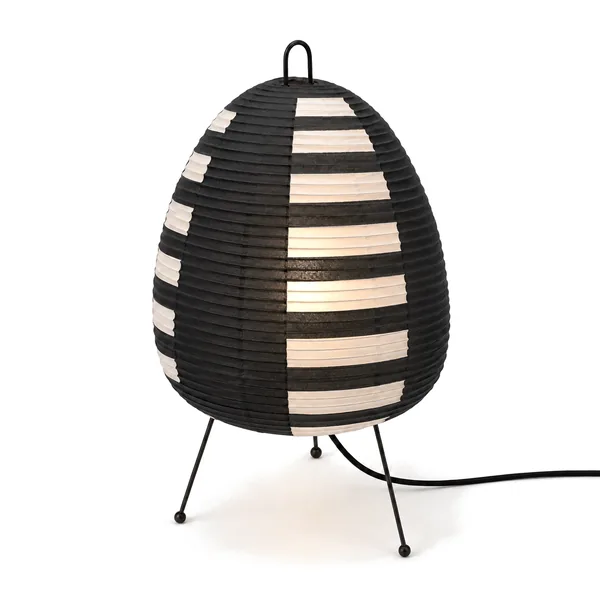
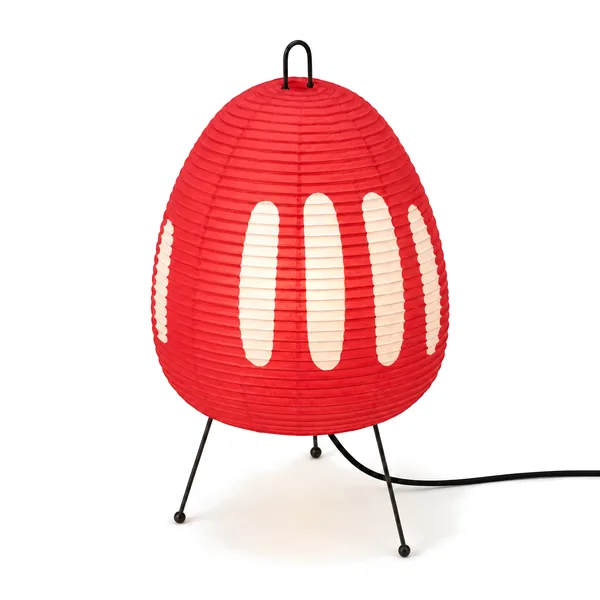
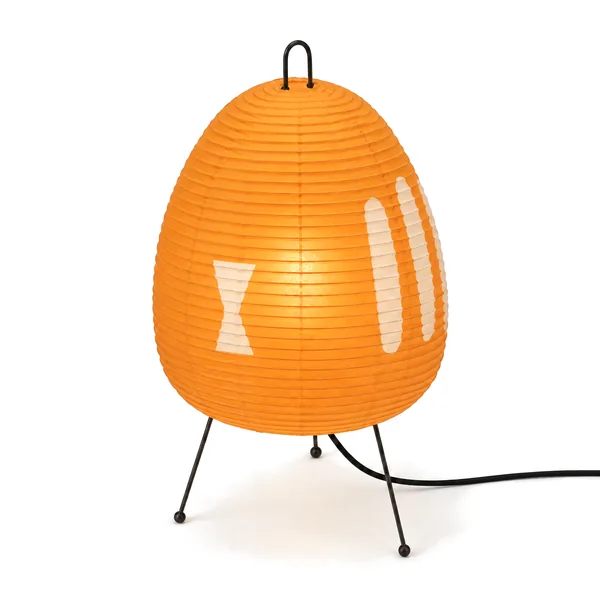
Shiro Rice Paper Table Lamp Nordic Minimalist
 Save $102.00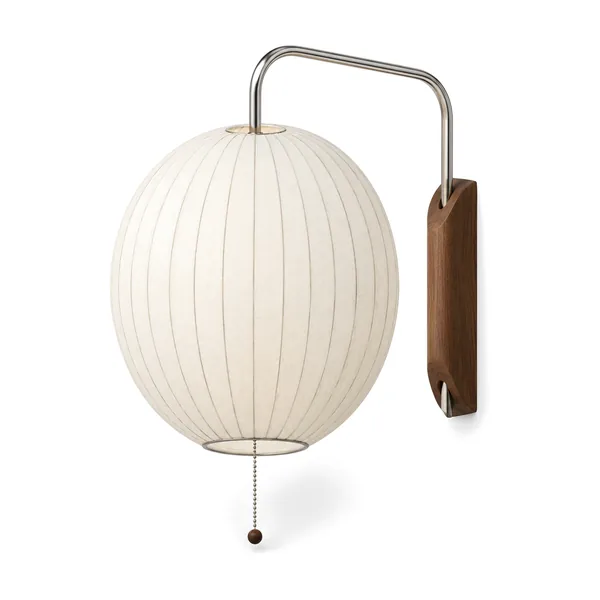
 4 options
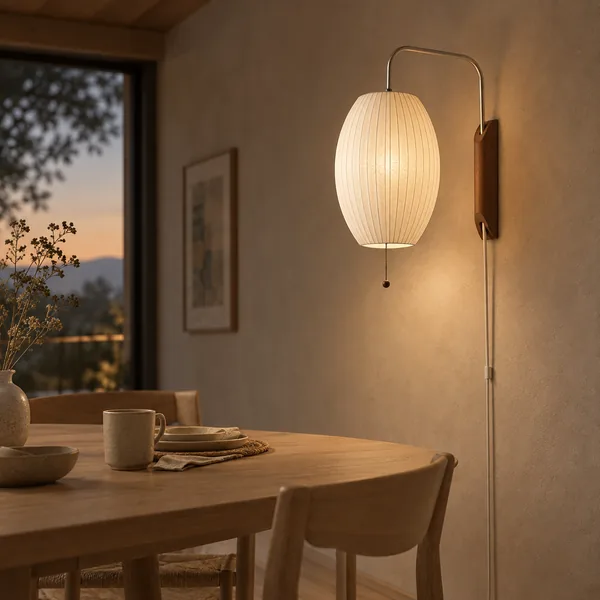
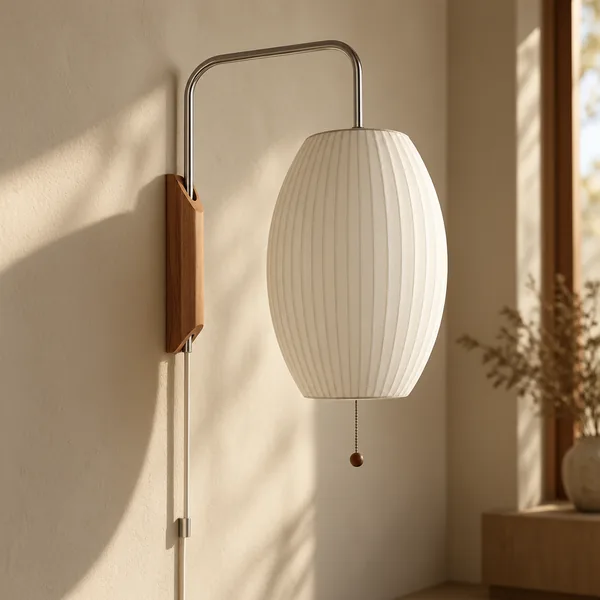
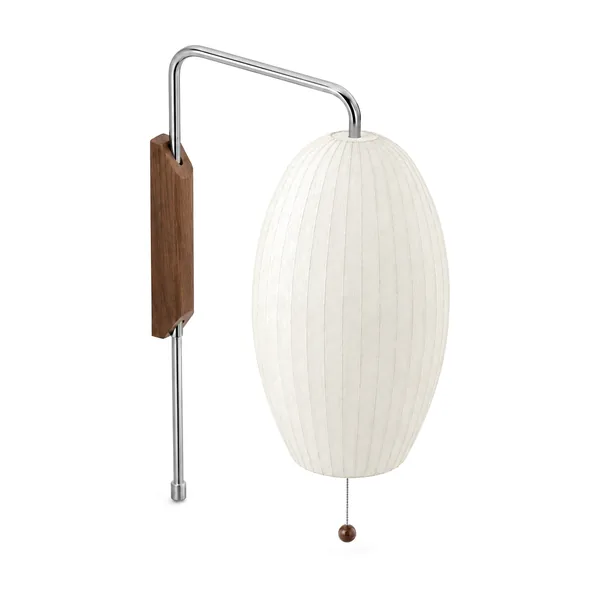
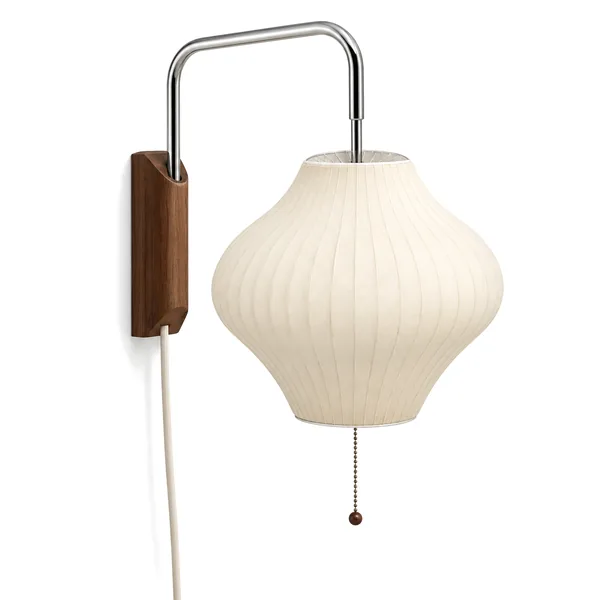
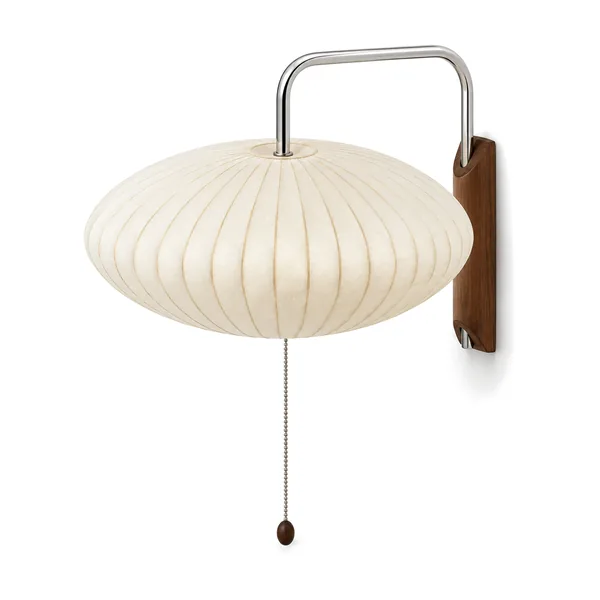
Solvei Minimalist Silk Wall Lamp for Bedroom
 Save $290.00
 3 options
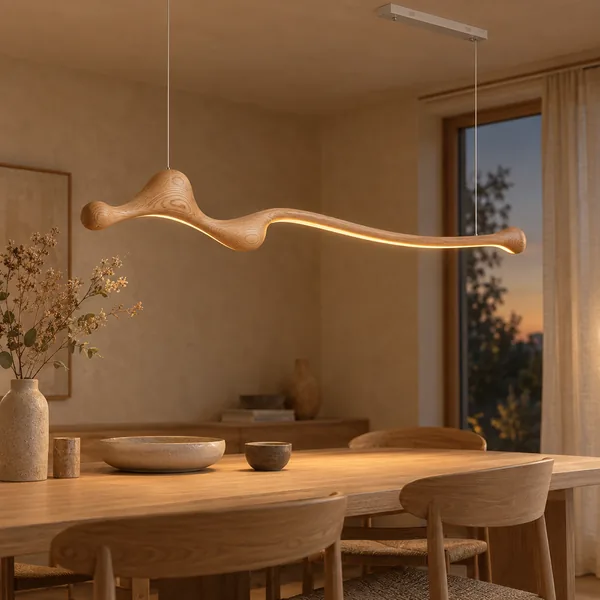
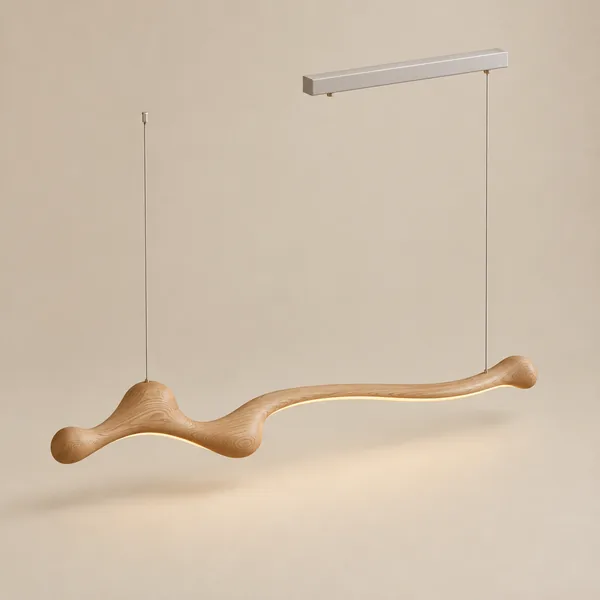
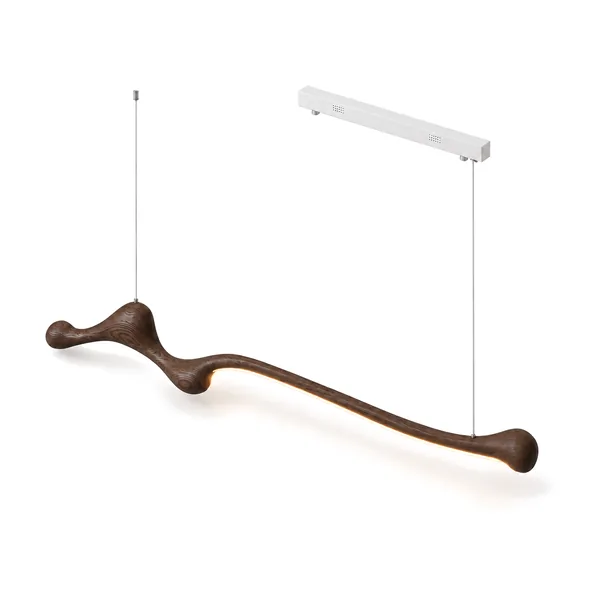
Skoglyn Dimmable Ash Wood Linear Pendant Light
The connection to seasonal change also matters enormously. Japanese interiors often rotate elements—a different scroll on the alcove wall, a seasonal flower in a simple vessel—celebrating time's passage rather than resisting it.
Japandi Style: Where Japanese Meets Scandinavian
Perhaps the most exciting evolution in japanese home decor ideas today is Japandi style—the harmonious fusion of Japanese and Nordic design traditions. Both cultures share values of simplicity, craftsmanship, and nature appreciation, making their marriage surprisingly seamless.
Where Japanese design embraces darker woods and asymmetry, Scandinavian style balances with lighter finishes and warmth. Together, they create spaces that feel both grounded and airy, imperfect yet polished. This hybrid aesthetic has captured the imagination of design lovers worldwide, particularly those seeking spaces that feel authentically personal rather than catalog-perfect.
For those looking to explore more options, our Bedroom Lighting & Decor offers a curated selection of pieces that beautifully bridge Japanese and Scandinavian sensibilities.
The Japandi approach feels particularly accessible to Western homes because it softens traditional Japanese minimalism with Scandinavian comfort. You might find a low-profile wooden sofa with clean lines, layered with tactile natural fiber textiles, or a restrained palette punctuated by just one carefully chosen ceramic vessel.
Creating Tranquility with Japanese Lighting
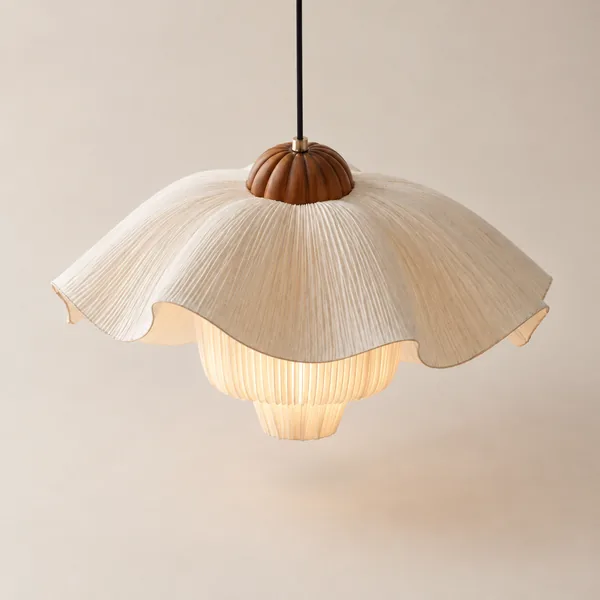
Lighting plays an essential role in zen home decor, shaping atmosphere more dramatically than perhaps any other element. Japanese interiors favor soft, diffused illumination over harsh overhead lighting—lamp shades that glow rather than expose, paper lanterns that cast gentle shadows, and fixtures that feel like sculptural art even when switched off.
The right lighting transforms a room from merely functional to genuinely restorative. The Driva Linen Lantern Pendant Light Warm Ambiance exemplifies this philosophy beautifully, bringing organic warmth through its woven linen shade that creates an utterly tranquil atmosphere for mindful living.
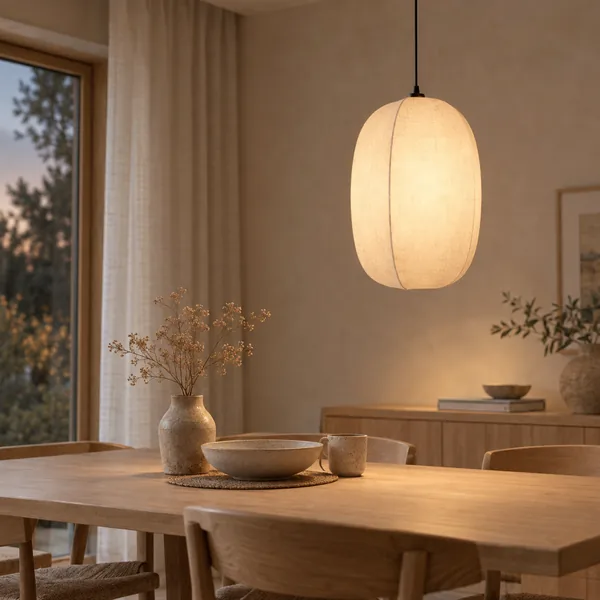 Driva Linen Lantern Pendant Light Warm Ambiance$189.00$299.00
Available in three sizes, this pendant allows you to maintain visual cohesion throughout your home while adapting to the specific needs of each space—whether casting a warm glow over your dining table or creating an intimate reading corner. The natural linen diffuses light softly, eliminating harsh shadows and contributing to that signature serene atmosphere central to Japanese design.
In Japanese lighting philosophy, darkness holds as much importance as light. Thoughtful placement of fixtures creates pools of illumination within surrounding shadow, mimicking the natural interplay of sunlight filtering through trees. This chiaroscuro effect adds depth and mystery to otherwise simple spaces.
Embracing Wabi-Sabi in Your Home
Central to mastering wabi sabi decor is understanding that imperfection is not a flaw to hide but a quality to celebrate. A crack in a ceramic bowl becomes more precious, not less. The asymmetry of a hand-thrown vessel tells a story that machine-perfect pottery cannot. Weathered wood, faded textiles, and uneven edges—these become treasures that honor time's passage rather than deny it.
This philosophy offers profound relief in our pursuit of aesthetic perfection. Your home need not be picture-perfect to be beautiful. Instead, it should feel authentic—accumulated thoughtfully over time, displaying the gentle wear of real use, celebrating the handmade over the mass-produced.
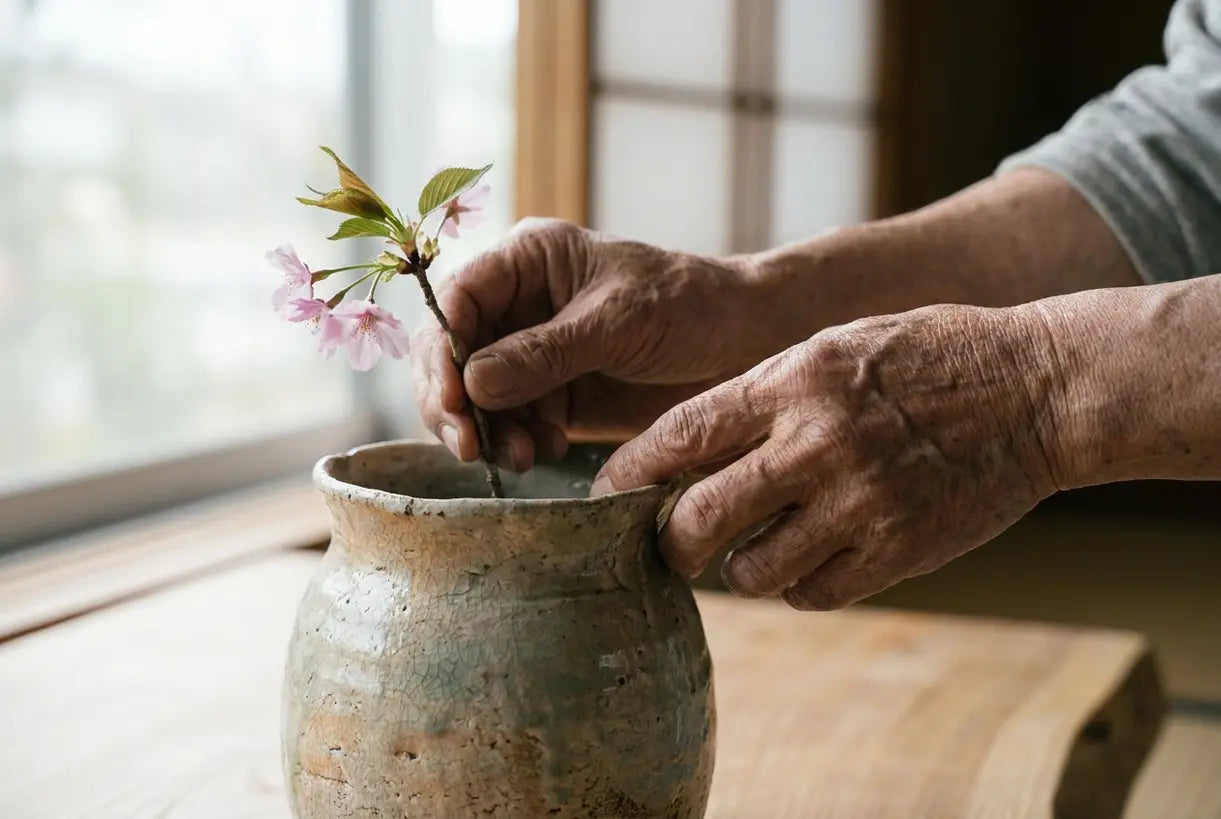
The Stille Small Jingdezhen Ceramic Wabi-Sabi Vase perfectly embodies this ethos. Handcrafted by skilled artisans in Jingdezhen, China's porcelain capital, this vase embraces deliberate imperfection that honors ancient wabi-sabi philosophy. Whether displaying a single seasonal branch or standing alone as a sculptural accent, it brings authentic craftsmanship and meditative beauty to any surface.
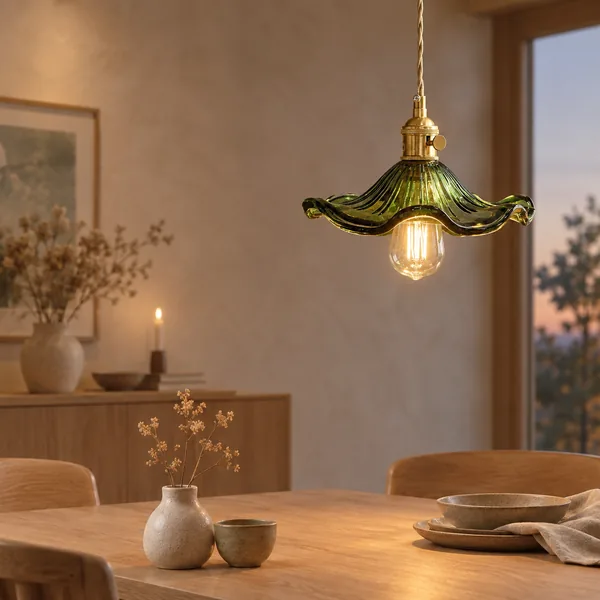
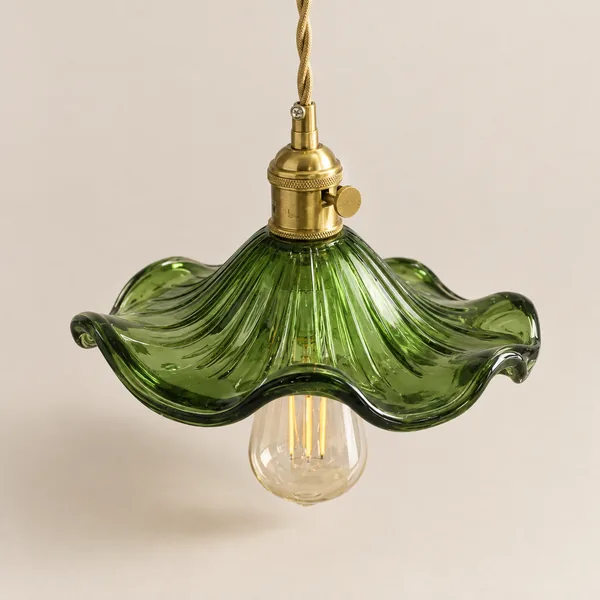
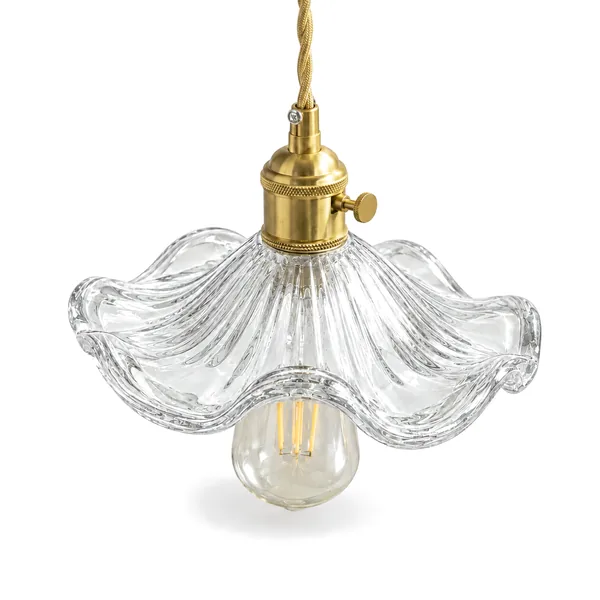
Similarly, the Dropa Glass Drop Pendant Light for Kitchen Dining demonstrates how minimalist Japanese design translates to contemporary lighting. Its elegant glass form creates soft, diffused illumination that transforms everyday spaces into calm, welcoming environments—perfect for those seeking understated Zen elegance in their dining or living areas.
Curated Pieces for Authentic Japanese Style
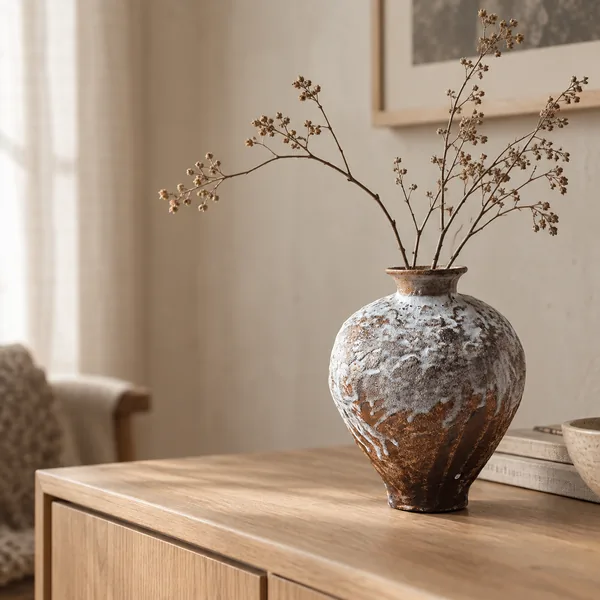 Stille Small Jingdezhen Ceramic Wabi-Sabi Vase$129.00$189.00
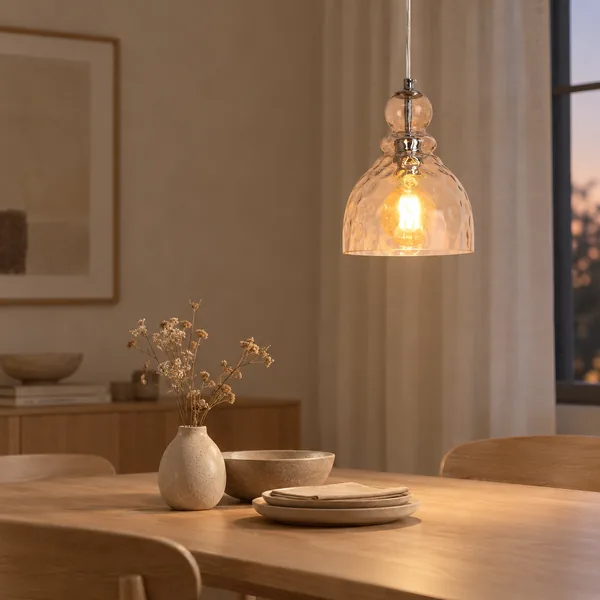 Dropa Glass Drop Pendant Light for Kitchen Dining$79.00$119.00
When curating wabi-sabi pieces, look for handmade items, natural materials with visible grain or texture, and objects that tell stories through their making rather than their branding. These elements bring soul to your space in ways that perfectly manufactured goods simply cannot.
Japanese Home Decor Ideas for Every Room
Integrating Japanese design principles into your home need not mean complete renovation. Small, thoughtful choices in each room create cumulative impact, gradually transforming your environment into a true sanctuary.
In the living room: Replace overstuffed furniture with lower, cleaner-lined pieces. Remove wall clutter in favor of one meaningful artwork or calligraphy scroll. Add a simple ceramic vessel with a seasonal branch. These changes immediately reduce visual noise and invite contemplation.
In the bedroom: Create a true retreat through restraint. Choose natural fiber bedding in soft, muted tones. Eliminate visible storage where possible, maintaining surfaces clear. Consider a single pendant light rather than bedside lamps to free nightstand space.
In the dining area: Honor the ritual of eating with unadorned wooden surfaces and simple, well-made tableware. Create intimate lighting zones that encourage lingering conversation. Keep table styling minimal—perhaps one small arrangement in a sculptural vase.
In entryways: Japanese genkan traditions inspire us to create transition spaces. Remove shoes, hang outerwear out of sight, and establish a clear boundary between outside chaos and interior calm. Even a small entry can establish this psychological shift.
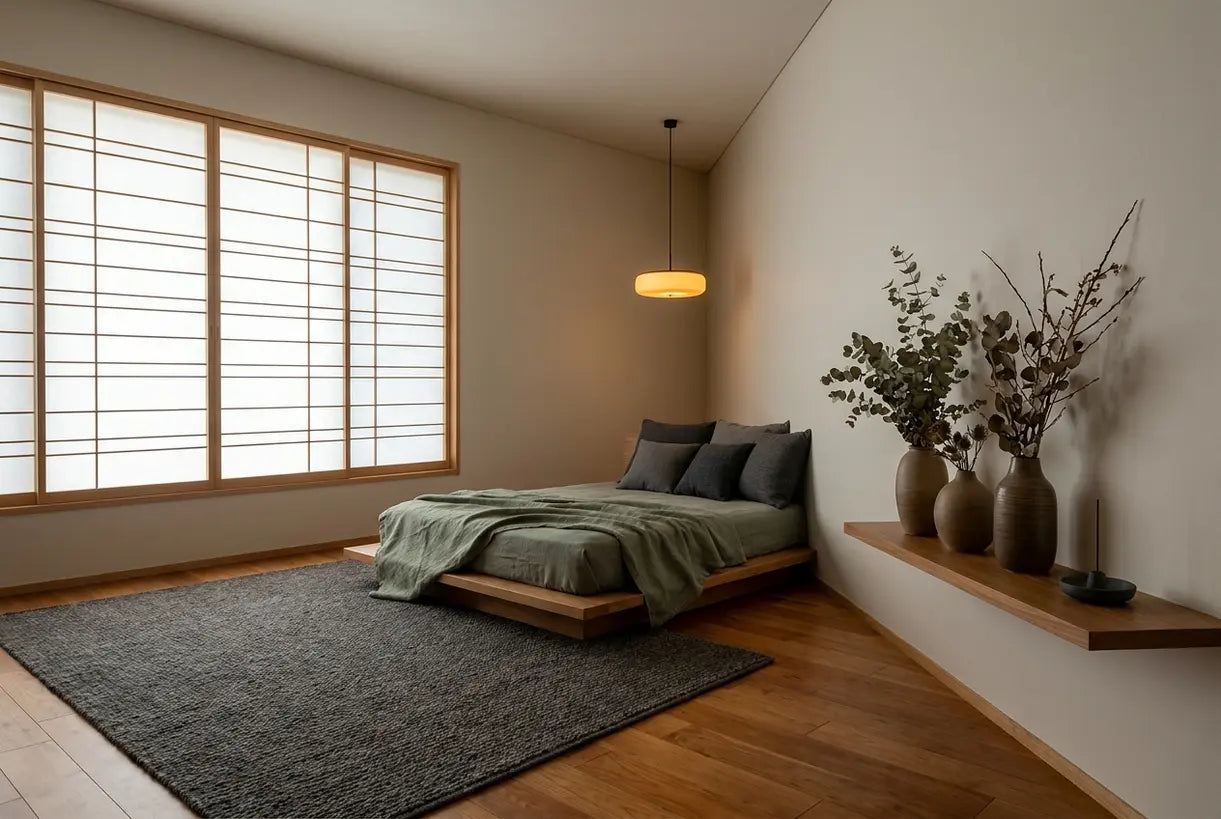
The key across all spaces: choose fewer, better things. Quality over quantity, meaning over accumulation, intention over impulse. For additional inspiration on creating elevated, intentional spaces, explore the principles discussed in this guide from Architectural Digest covering mindful home design approaches.
Curating Authentic Japanese Pieces
The marketplace offers countless items marketed as "Japanese style," but discerning authentic quality requires attention to materials, craftsmanship, and provenance. Genuine pieces honor tradition while serving contemporary needs—never sacrificing function for form.
When selecting Japanese-inspired decor, prioritize:
- Natural materials that will age beautifully—raw woods, hand-thrown ceramics, woven textiles, cast metals
- Understated forms that feel found rather than forced, allowing the material itself to speak
- Proportions and scales that create negative space and visual breathing room
- Quality construction over trend-based disposability—invest in pieces meant to last generations
This curated approach may mean acquiring fewer items, but each carries more meaning. Your home becomes a collection of intentional choices rather than accumulated stuff.
Pendant Lights
Shop all Pendant Lights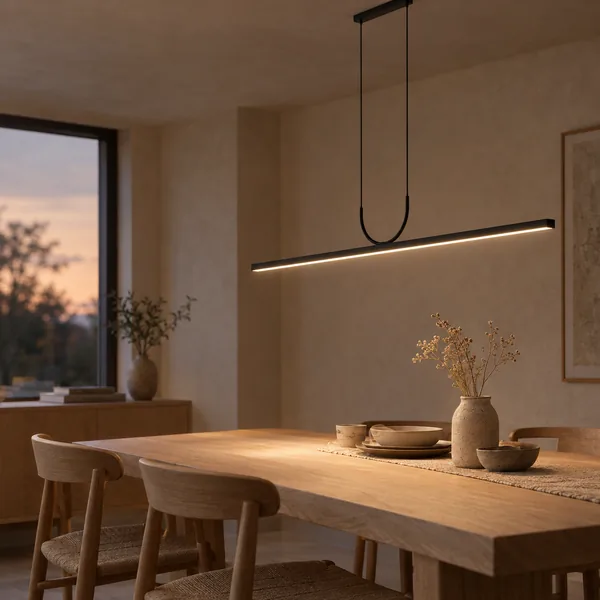
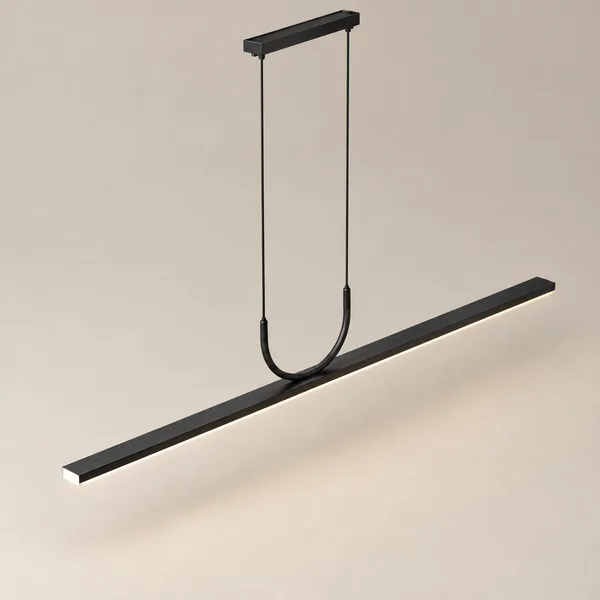 Save $140.00
Linné Minimalist Linear Black LED Pendant Light
 Save $60.00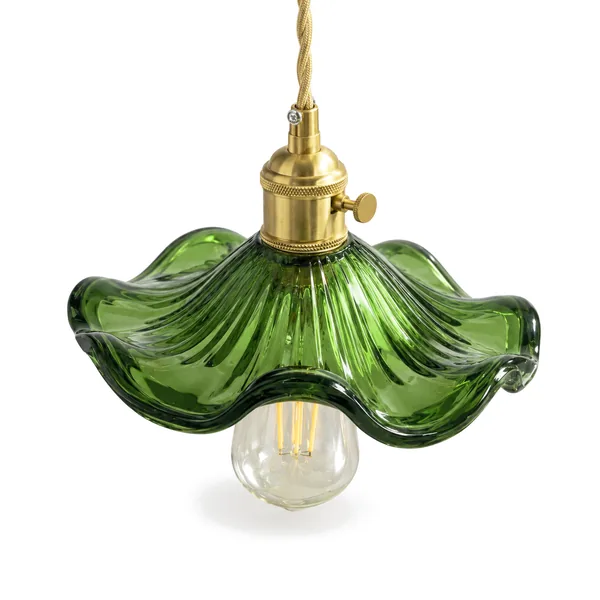
 3 options
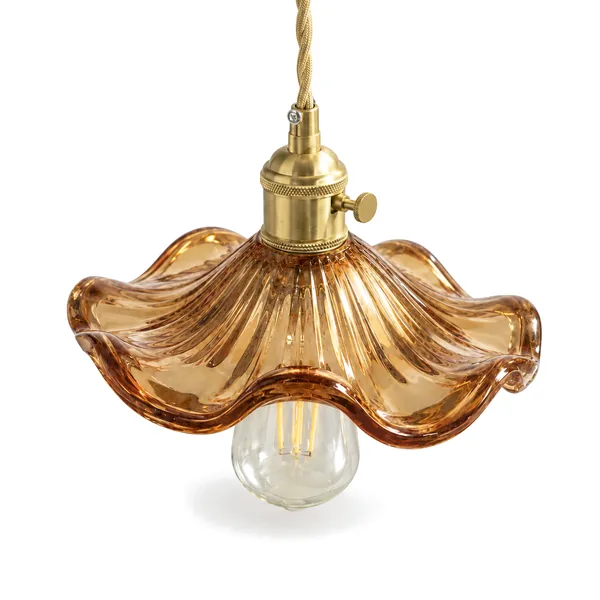
Glora Nordic Glass Pendant Light with Copper
 Save $120.00
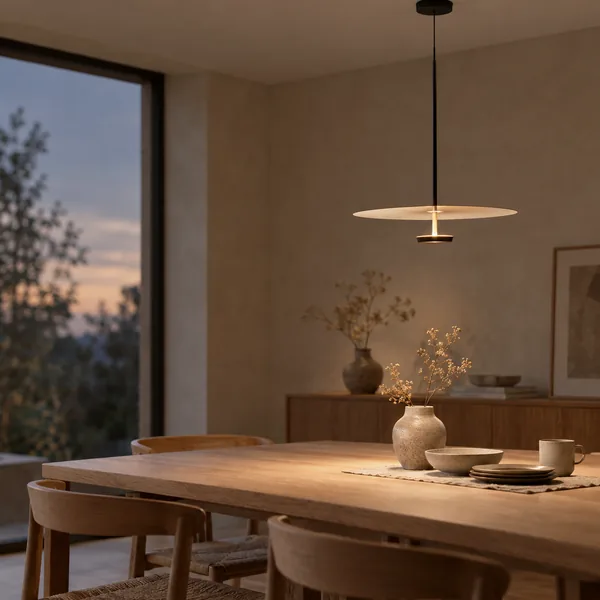
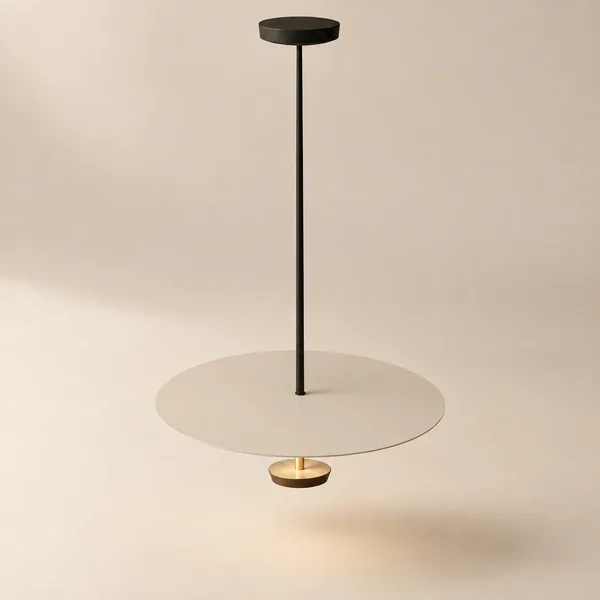
Skiva Nordic Saucer Ceiling Pendant Light LED
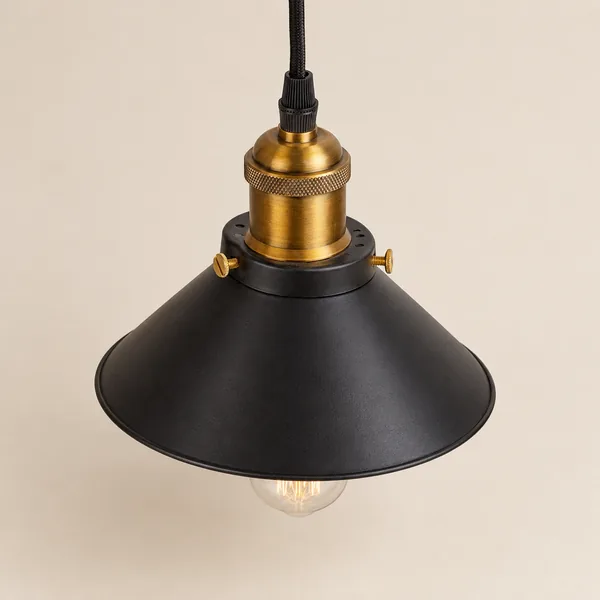
Building a traditional japanese home decor aesthetic also means respecting cultural origins while adapting to contemporary living. Study the principles deeply, then interpret them through your own space constraints and lifestyle needs. The goal isn't replication but thoughtful translation.
Remember that Japanese design values the relationship between spaces and objects—how a light falls on a wall, how a vase anchors a table, how a hallway prepares you for entering a room. Consider these relationships as carefully as individual pieces themselves.
Conclusion: Creating Your Japanese-Inspired Sanctuary
The journey toward Japanese home decor is ultimately a journey toward intentionality. By embracing minimalism, honoring imperfection, and connecting with natural materials, you create spaces that support rather than demand—environments that restore your energy instead of depleting it.
This philosophy asks us to slow down, to be present, to find profound satisfaction in simplicity. In a world designed for constant stimulation and endless consumption, choosing restraint becomes a radical act of self-care. Your home becomes a daily reminder of what truly matters—beauty, peace, and mindful living.
At Skonne, we understand that achieving this vision requires pieces worthy of the aspiration. Our Scandinavian heritage gives us natural alignment with Japanese design values, and our curated collections bring together craftsmanship, natural materials, and timeless forms that honor both traditions. Whether you're drawn to our Driva linen pendant casting gentle light, the wabi-sabi ceramic vase celebrating imperfection, or the minimalist elegance of our Dropa glass pendant, each piece is selected to help you build that sanctuary you deserve.
Begin with one thoughtful choice. Then another. Before long, you'll find your space transformed—not through accumulation, but through intentional curation. That's the true art of Japanese home decor.
Related Article
Decorative Home Decor Accessories: Sculptures, Statues, Crystals & Accent ObjectsDiscover how to style decorative home accessories including sculptures, statues, crystals, and accent objects to create an elevated, intentional living space.