
Interior Design Styles: Every Major Style Explained & How to Find Yours
Summary›
- Why Understanding Interior Design Styles Matters
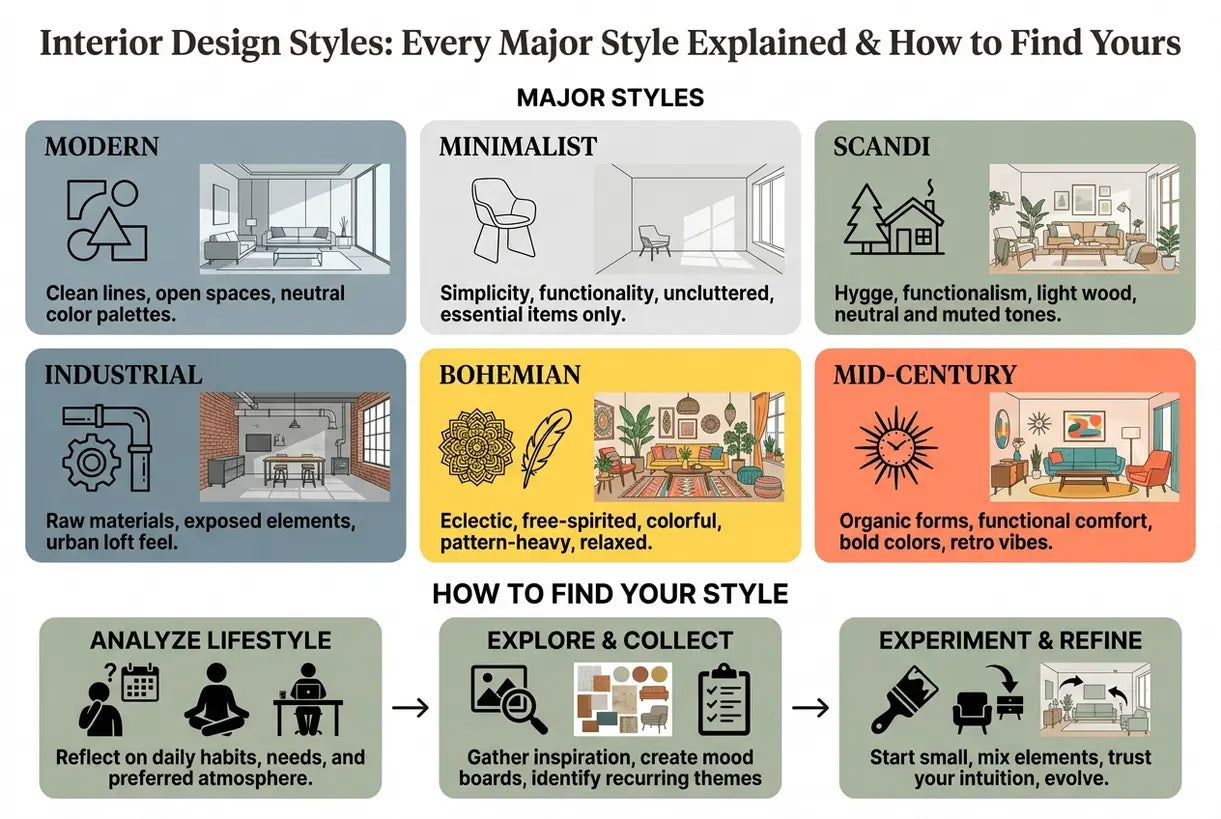
- Major Interior Design Styles Explained
- Modern vs Contemporary: Understanding the Difference
- How to Find Your Interior Design Style
- Creating Cohesive Spaces: Mixing Styles Successfully
- Curated Lighting and Accents for Every Style
- Visual Inspiration: 50 Interior Design Styles Explained
- Conclusion: Your Style Journey Begins Here
Walking into a beautifully designed room should feel like coming home to yourself. Yet for many homeowners and renters, the journey to creating that perfect space begins with a single, overwhelming question: which interior design style speaks to me? With so many different interior design styles circulating on Pinterest, Instagram, and design magazines, it's easy to feel paralyzed by choice.
This comprehensive guide demystifies the most popular interior design styles, from timeless Scandinavian aesthetics to bold contemporary expressions. Whether you're refreshing a single corner or planning a complete home transformation, understanding these foundational styles will help you curate spaces that feel authentically yours. And as you'll discover, achieving that curated, intentional look isn't just about inspiration—it's about having access to the right pieces that bring your vision to life.
Why Understanding Interior Design Styles Matters
Before diving into specific aesthetics, let's explore why familiarity with types of interior design styles serves as your foundation for successful home curation. When you understand the principles behind each style, you gain confidence in making cohesive decisions about furniture, lighting, color palettes, and accessories.
Think of design styles as visual languages. Just as speaking a language fluently allows you to express nuanced thoughts, understanding a design style enables you to create sophisticated, layered spaces rather than rooms that feel disjointed or fleetingly trendy. This knowledge becomes especially valuable when mixing elements from multiple styles—a skill that transforms good interiors into truly memorable ones.
Design Tip: The most successful homes often blend 2-3 complementary interior design styles rather than adhering rigidly to one. The key is understanding the rules before you thoughtfully break them.
Major Interior Design Styles Explained
Let's explore the defining characteristics of today's most influential design movements, from Nordic simplicity to industrial edge.
Scandinavian Interior Design: Hygge Meets Function
Perhaps no style captures the essence of intentional living quite like scandinavian interior design. Born from the Nordic climate's darkness and cold, this aesthetic prioritizes light, warmth, and uncluttered spaces that nurture wellbeing.
Key characteristics include:
- Light wood tones (birch, ash, pine) and white or cream walls that maximize natural light
- Clean lines without harsh edges—think organic curves and gentle silhouettes
- Textural layering through natural fibers: wool, linen, ceramic, and glass
- Functional beauty where every object serves a purpose
For those seeking to embrace this aesthetic, our Glass Pendant Lights collection offers exquisite pieces that exemplify Nordic craftsmanship while bringing that coveted ethereal glow to dining rooms and living spaces.
Modern Interior Design: Clean and Intentional
Often confused with contemporary design (which we'll clarify shortly), modern interior design emerged in the early-to-mid 20th century with roots in the Bauhaus movement and mid-century modern pioneers. This style celebrates:
- Minimal ornamentation and open floor plans
- Natural materials like wood, leather, and stone
- Neutral color palettes accented by bold geometric forms
- The philosophy that form follows function
A well-executed modern space feels edited rather than sparse—every piece earns its place through beauty and utility.
Minimalist Design Style: Less Is More
Taking modern principles to their essence, the minimalist design style strips away everything non-essential to reveal pure form and function. This isn't about stark emptiness; rather, it's about creating breathing room where each carefully chosen object receives the attention it deserves.
Minimalism works beautifully in smaller homes or for anyone seeking a calming sanctuary from our overstimulated world.
Japandi Interior Style: East Meets North
One of the most compelling interior design styles to emerge in recent years, japandi interior style represents a harmonious marriage of Japanese wabi-sabi philosophy and Scandinavian hygge principles. Both cultures value simplicity, natural materials, and honoring imperfection—but they express these values differently.
Japandi spaces feature:
- A muted, earthy color palette (sage, charcoal, sand, warm grey)
- Craftsman-quality pieces with visible handwork
- Asymmetrical arrangements that feel organic rather than rigid
- A focus on quality over quantity
Industrial Design Aesthetic: Raw and Refined
Inspired by converted warehouses and factories, industrial design aesthetic embraces exposed brick, steel beams, concrete floors, and weathered leather. This style balances rawness with sophistication, creating spaces that feel authentic and lived-in rather than manufactured.
Bohemian Home Style: Collected and Curated
Where minimalism edits, bohemian style accumulates—but with intention. This aesthetic celebrates global influences, vintage finds, vibrant patterns, and layered textiles. A true bohemian space tells stories through its objects, collected over time from travels, markets, and meaningful exchanges.
Traditional Interior Design: Timeless Elegance
For those who appreciate classical proportions, rich wood tones, and comfortable sophistication, traditional interior design offers enduring appeal. This style draws from 18th and 19th-century European interiors, featuring symmetrical arrangements, antique-inspired furnishings, and refined color palettes.
Scandinavian Lighting
Shop all Scandinavian Lighting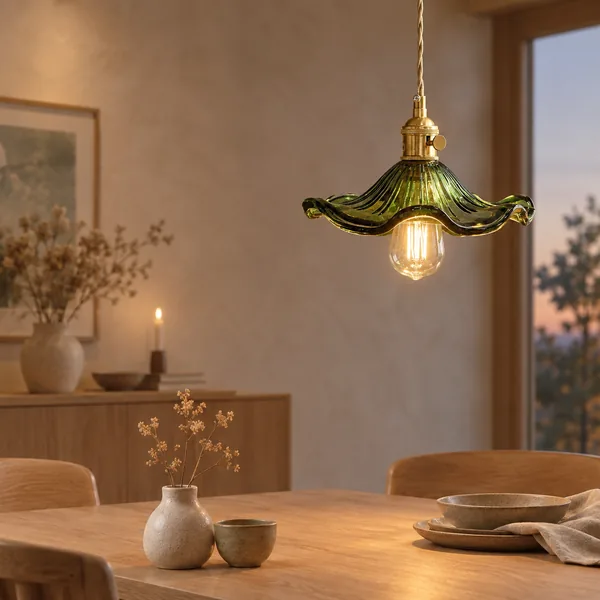
 Save $60.00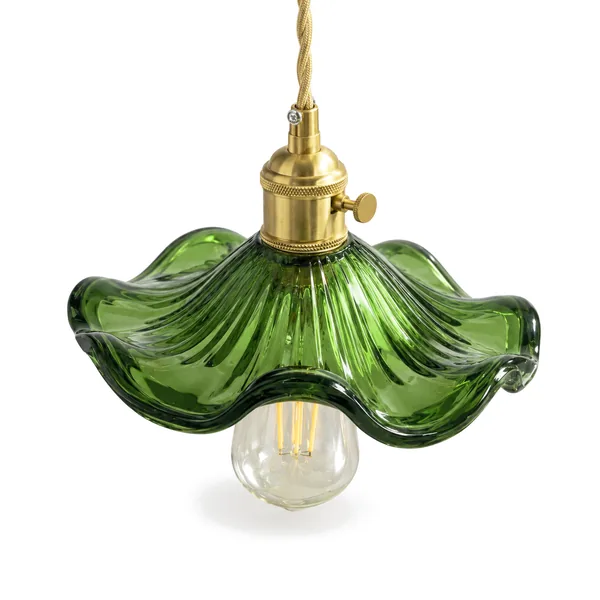
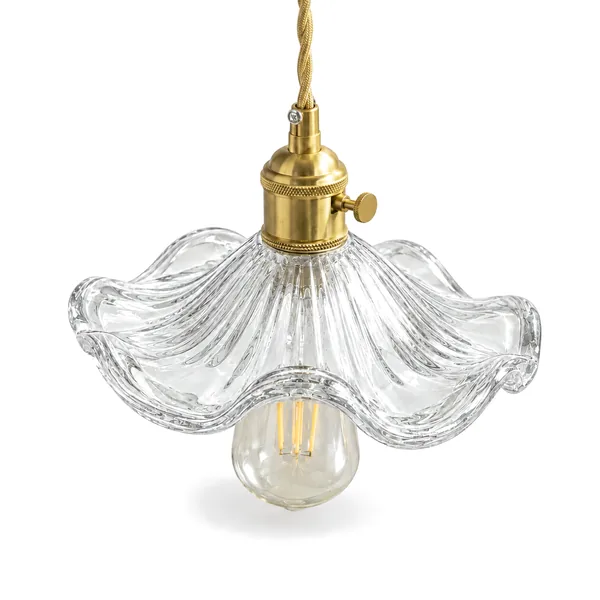
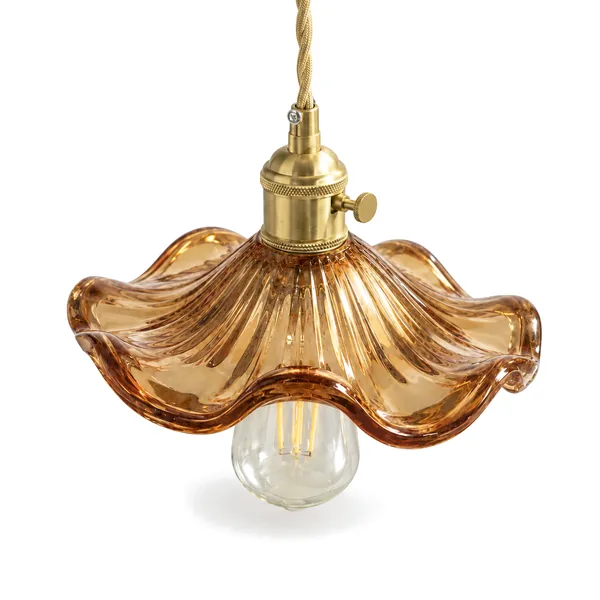 3 options
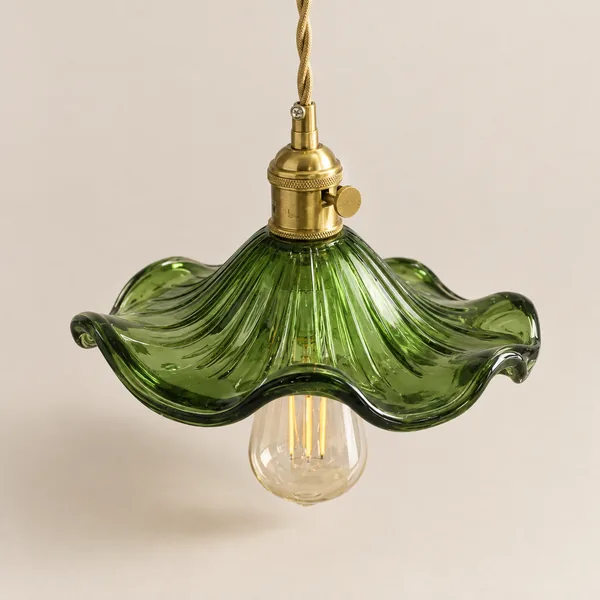
Glora Nordic Glass Pendant Light with Copper
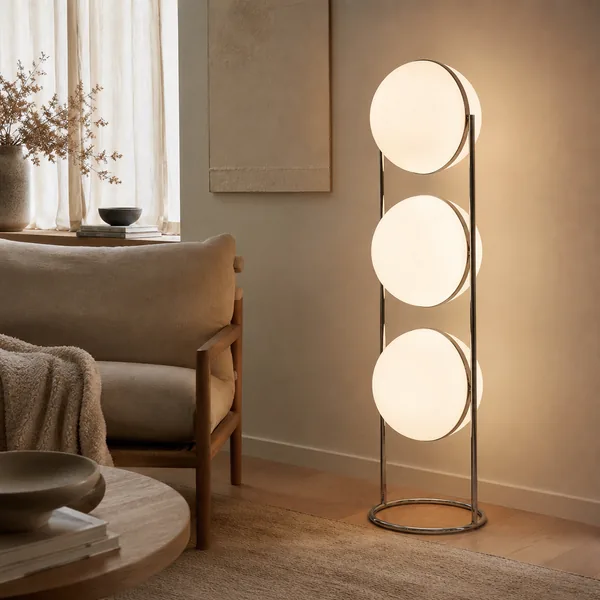
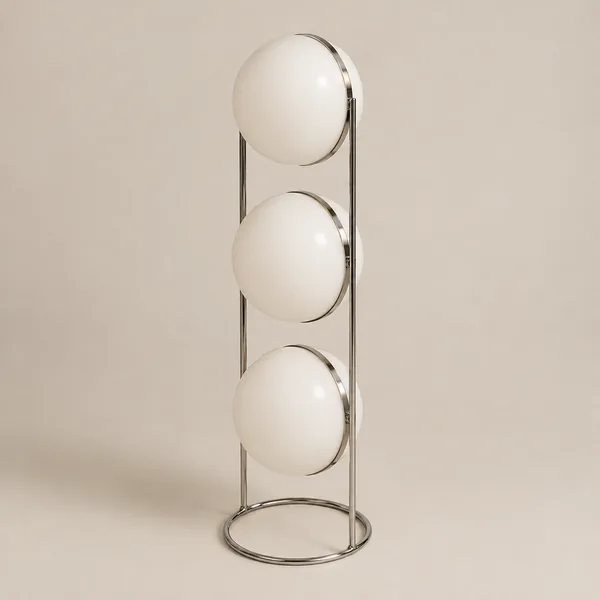 Save $150.00
Kulglod Bauhaus Chrome Acrylic Globe Floor Lamp
 Save $230.00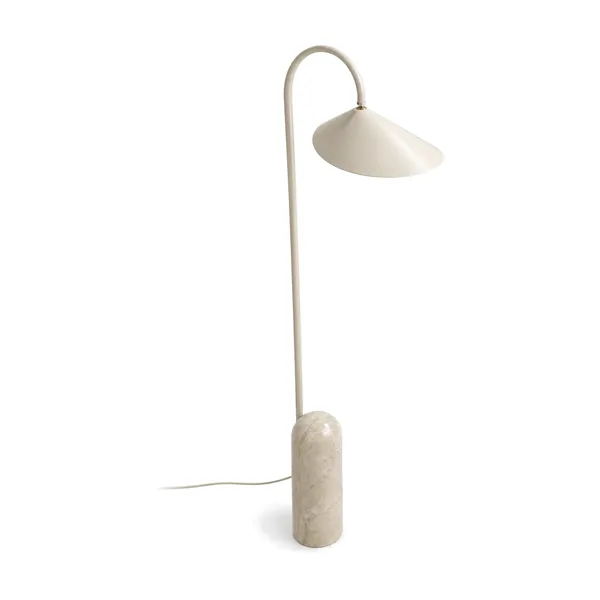
 2 options
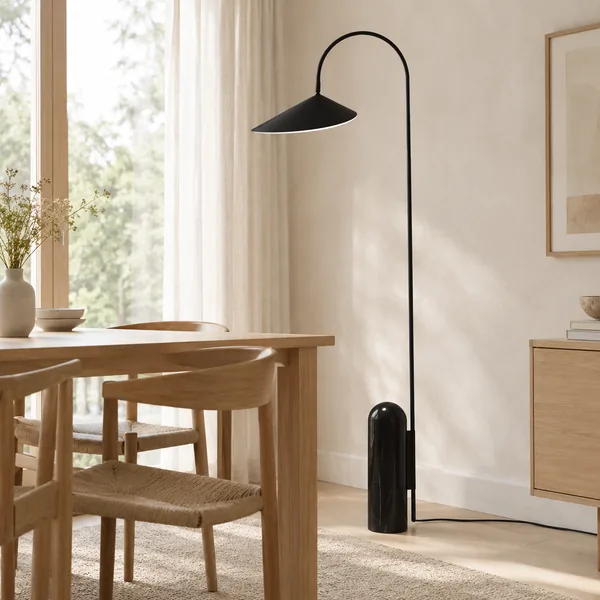
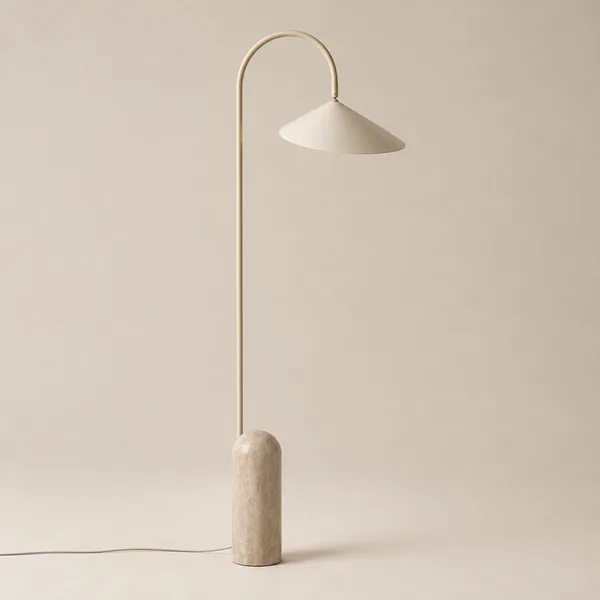
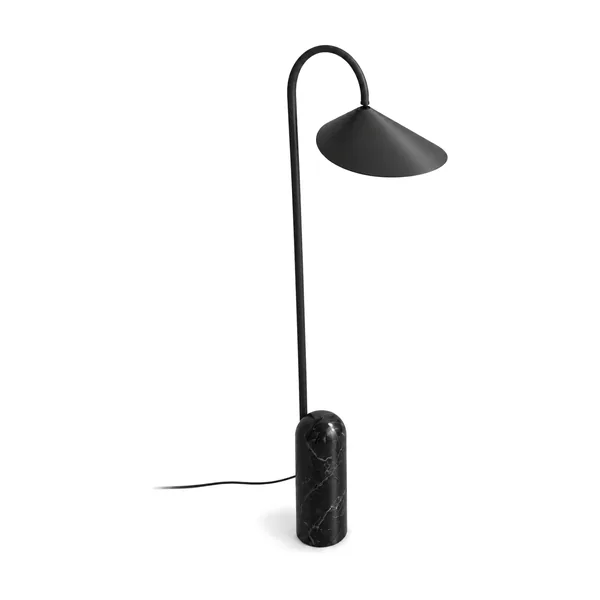
Velbue Marble Base Arc Floor Lamp Danish Design
 Save $210.00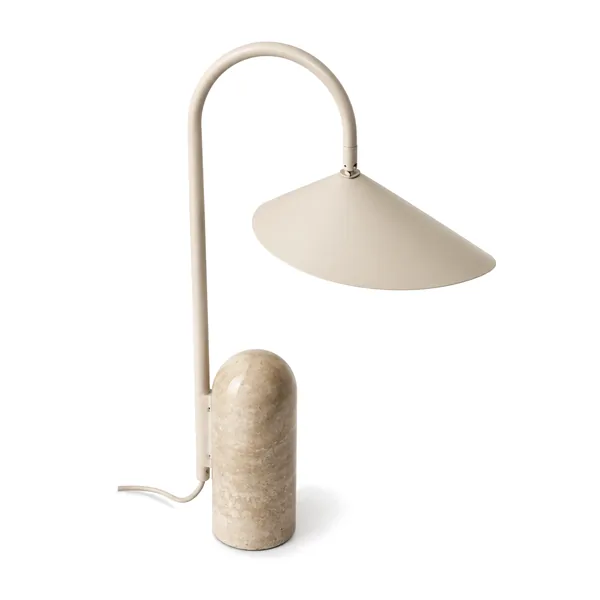
 2 options
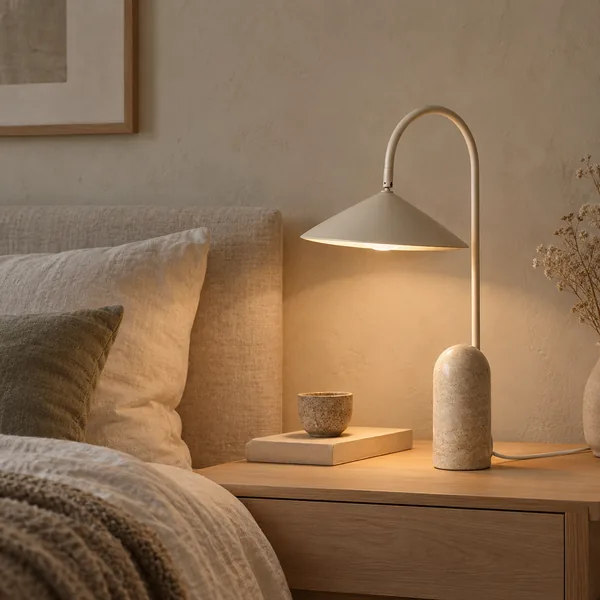
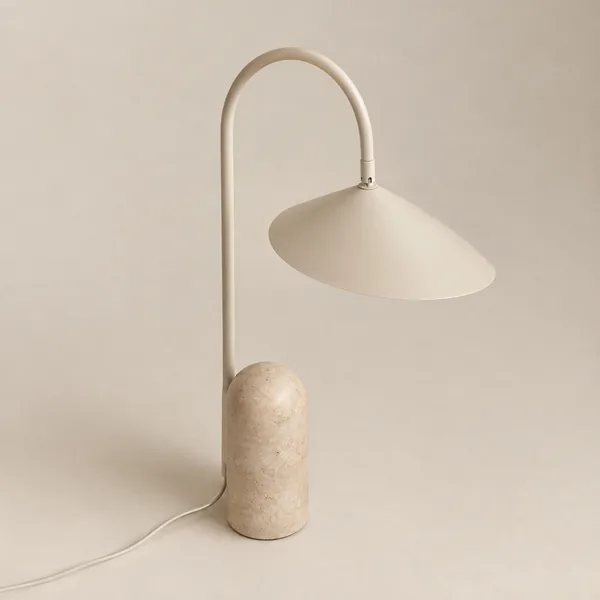
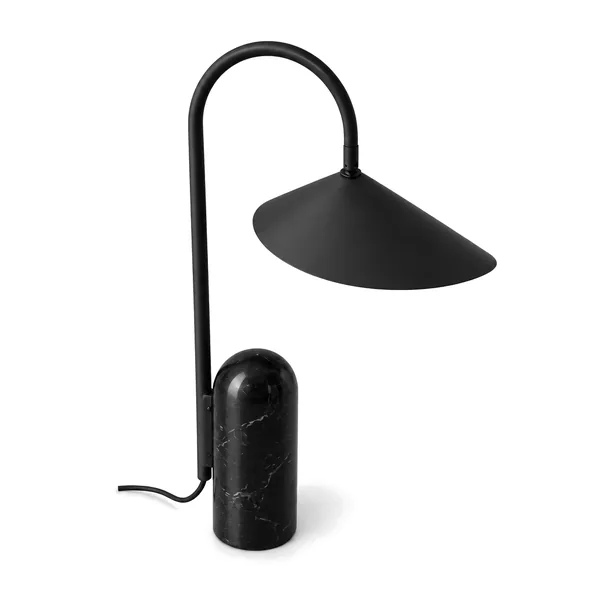
Solvei Danish Minimalist Arc Table Lamp Marble
Modern vs Contemporary: Understanding the Difference
One of the most frequent questions we encounter involves distinguishing between two seemingly similar terms. So what is the difference between modern and contemporary design?
Modern design refers to a specific historical period and aesthetic movement that emerged in the early 1900s and flourished through the mid-century. It has defined principles that remain constant—think Eames chairs, clean lines, and natural materials.
Contemporary design, conversely, describes what's happening right now. It's fluid, ever-evolving, and reflects current trends. Today's contemporary spaces might incorporate sustainable materials, smart home technology, and global influences. What feels contemporary in 2025 will differ from what felt contemporary a decade ago.
When shopping for your space, understanding this distinction helps you make intentional choices. If you're drawn to mid-century silhouettes and organic woods, you're gravitating toward modern. If you prefer cutting-edge materials and current color trends, contemporary speaks to you.
How to Find Your Interior Design Style
Perhaps you're reading this guide wondering: But which one is right for me? Finding your interior design style is less about adopting a label and more about uncovering what genuinely resonates with your lifestyle, values, and daily rituals.
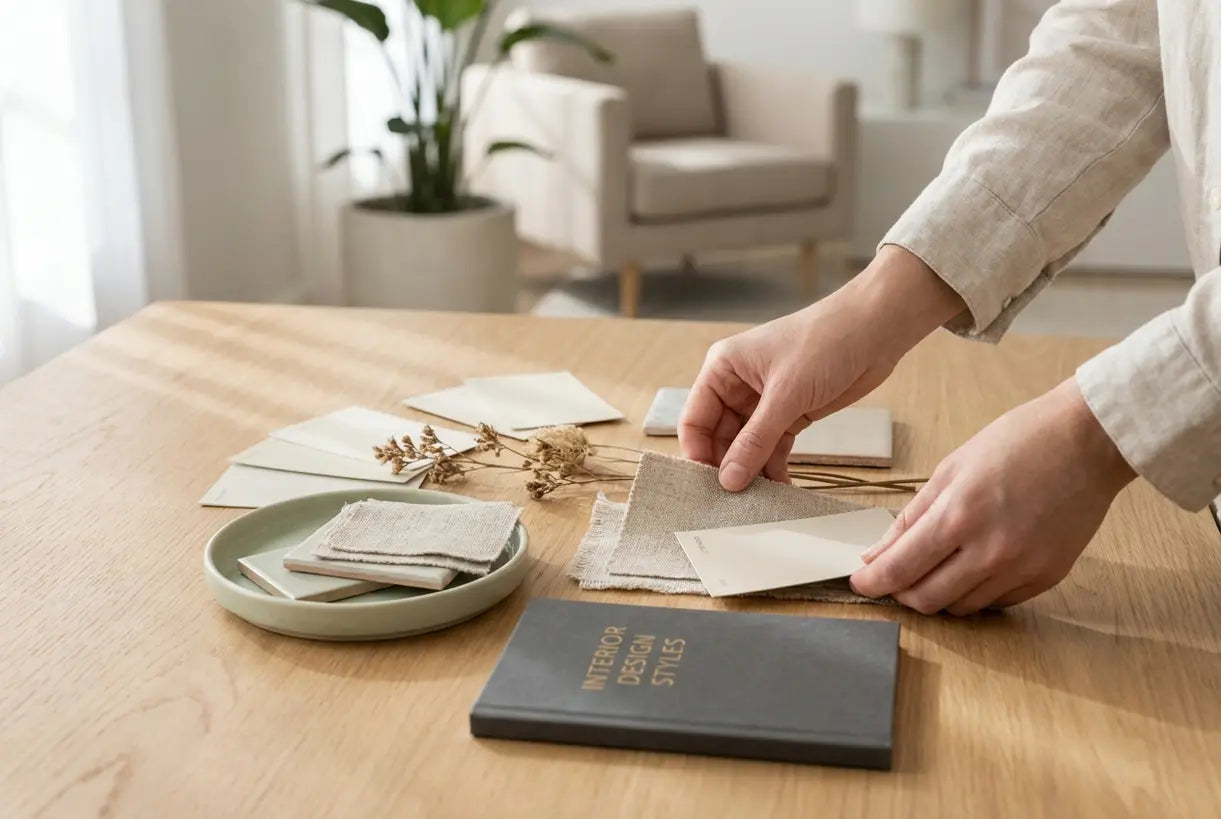
Begin your exploration with these practical steps:
- Create a visual collection. Spend 30 minutes browsing Pinterest, design magazines, or Instagram, saving any room that stops your scroll. Don't analyze yet—just collect.
- Look for patterns. After collecting 20-30 images, review them together. Do you see recurring colors? Materials? Do you prefer rooms with abundant natural light or cozy, dimly lit atmospheres?
- Consider your lifestyle. The most beautiful room fails if it doesn't support how you actually live. Do you entertain frequently? Need durability for children or pets? Crave a meditation space?
- Start small. Rather than committing to an entire home renovation, experiment with one room or even one corner. This low-stakes approach lets you test-drive a style.
The perfect lighting can anchor your entire aesthetic vision. For those drawn to ethereal, cloud-like forms that work beautifully in modern and minimalist interiors, the Driva Sculptural Cloud Pendant Light in Glass brings that coveted Nordic warmth while making an unforgettable sculptural statement over dining spaces.
Trusting Your Instincts Over Trends
While staying current with design trends offers inspiration, your personal style should transcend temporary fashions. The most enduring homes feel collected over time rather than decorated to a trend. When you choose pieces that genuinely move you—whether that's a vintage ceramic vessel or a sculptural glass pendant—you create spaces that age gracefully alongside you.
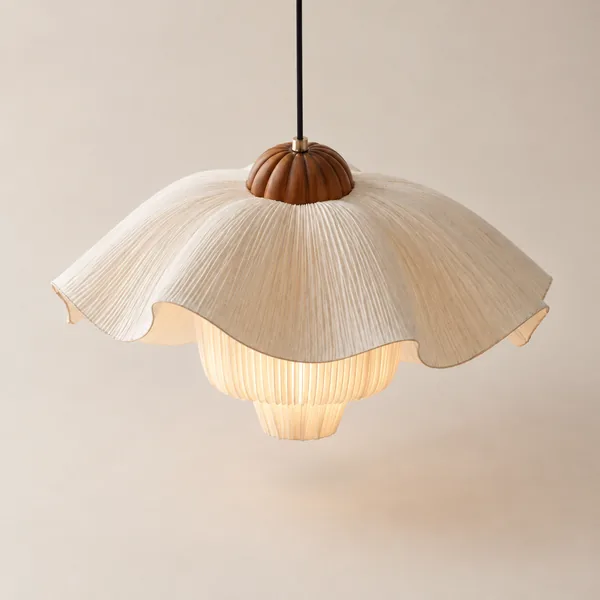
Japandi Lighting
Shop all Japandi Lighting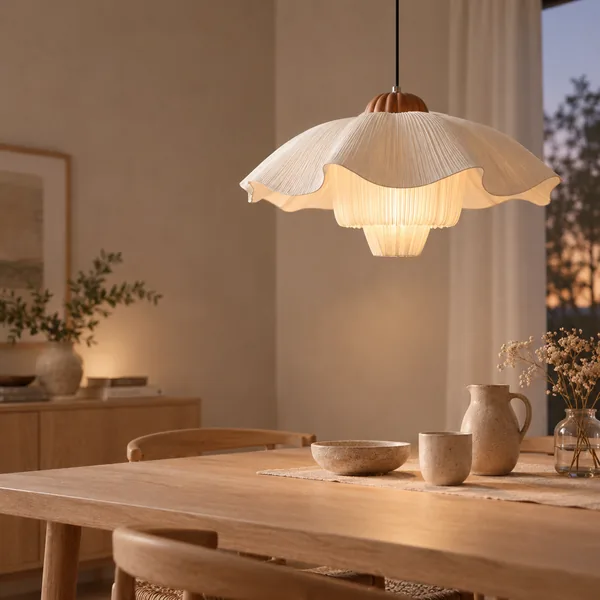
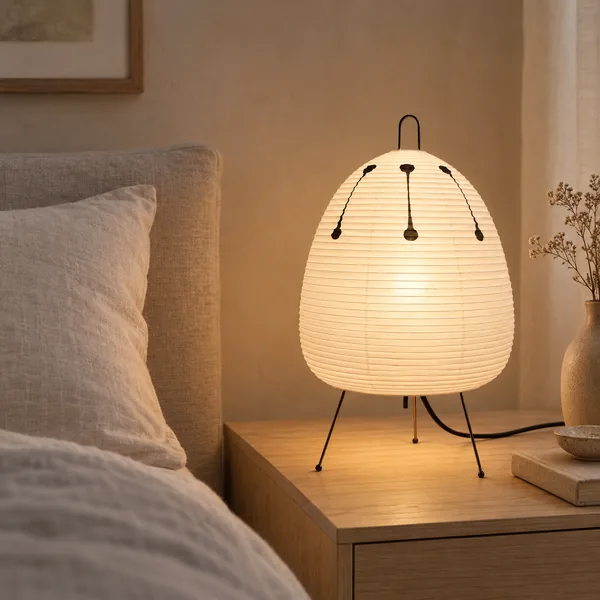
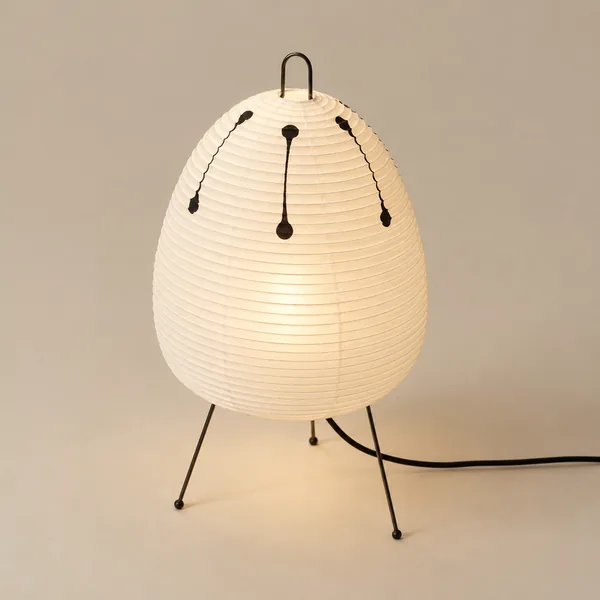 Save $80.00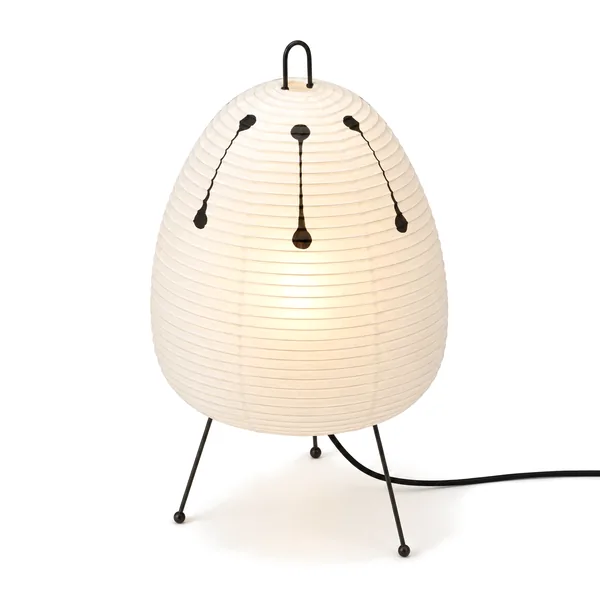
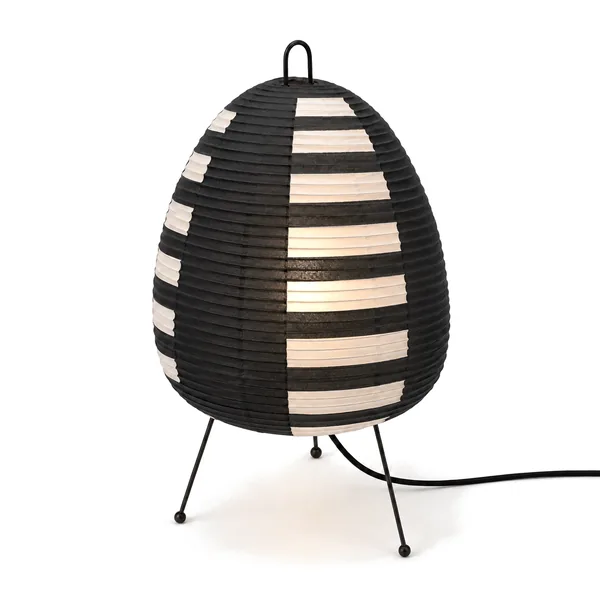
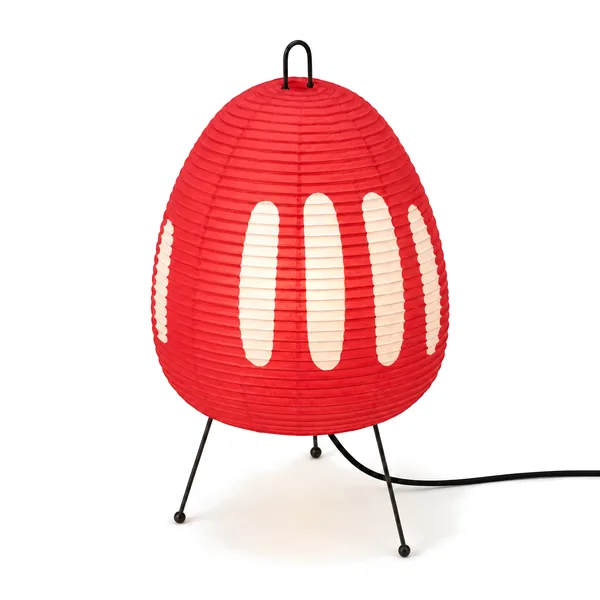
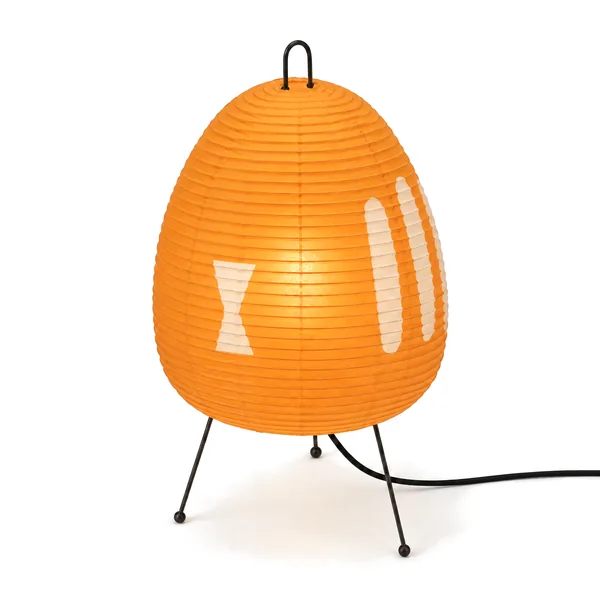 +37 options
Shiro Rice Paper Table Lamp Nordic Minimalist
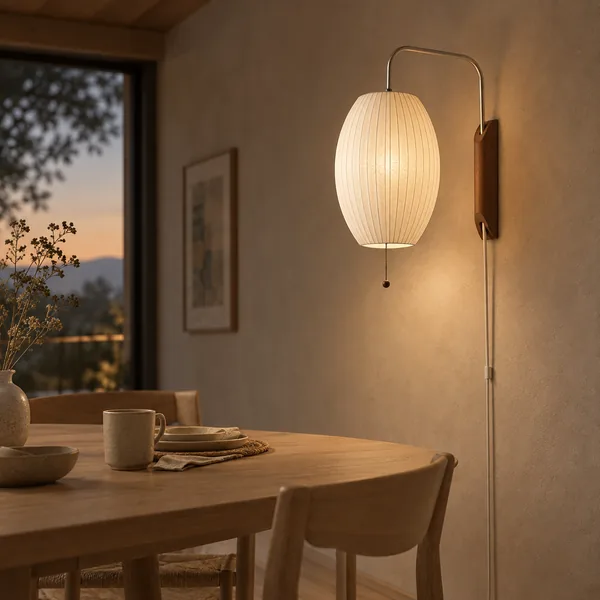
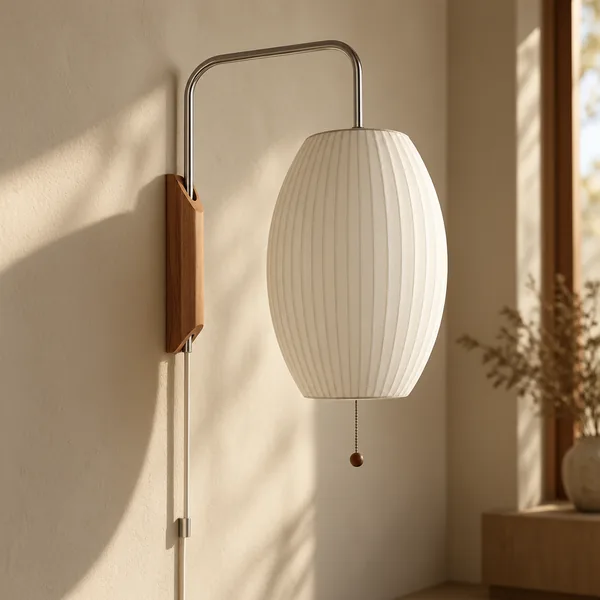 Save $102.00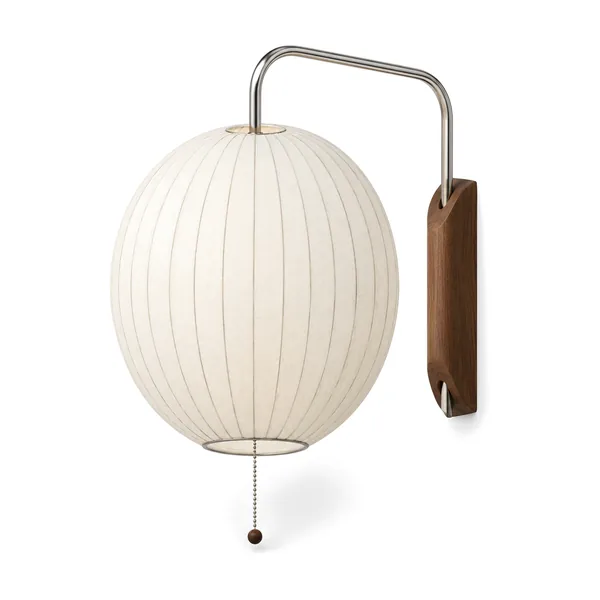
 4 options
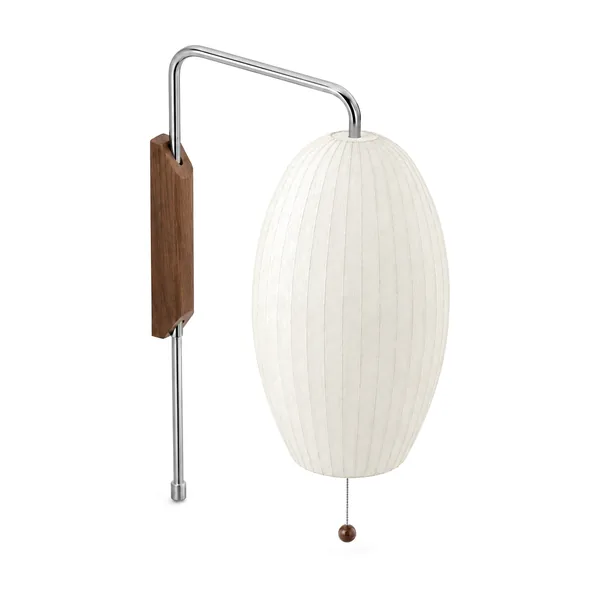
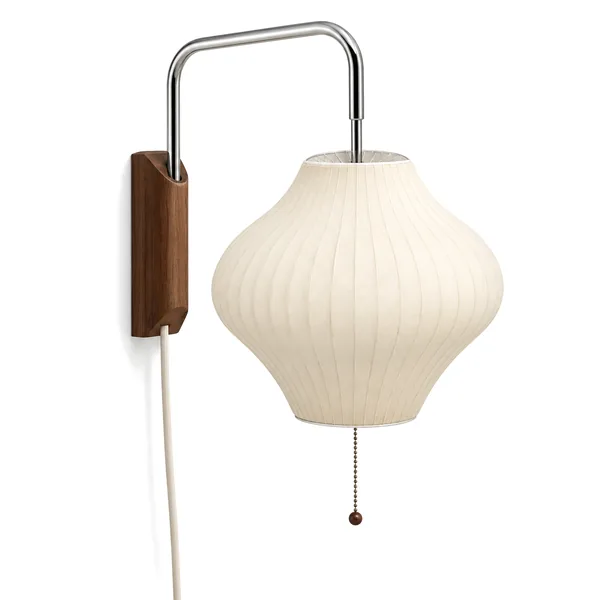
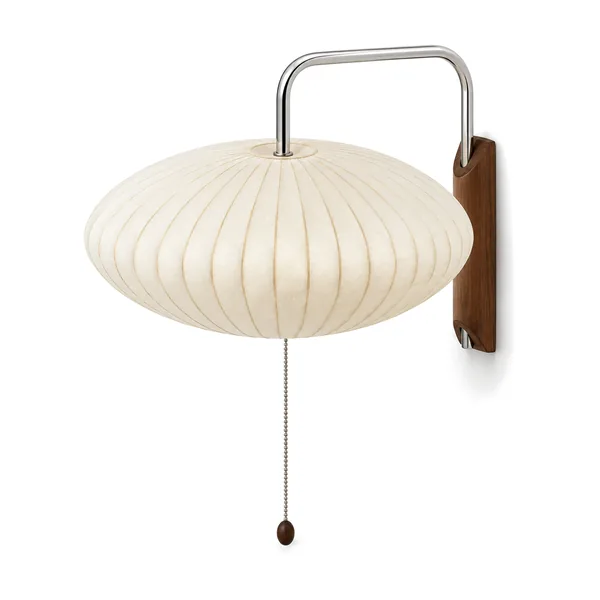
Solvei Minimalist Silk Wall Lamp for Bedroom
 Save $290.00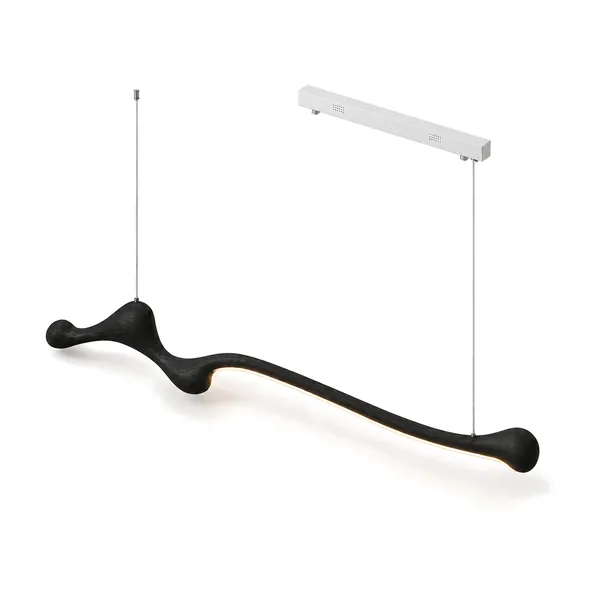
 3 options
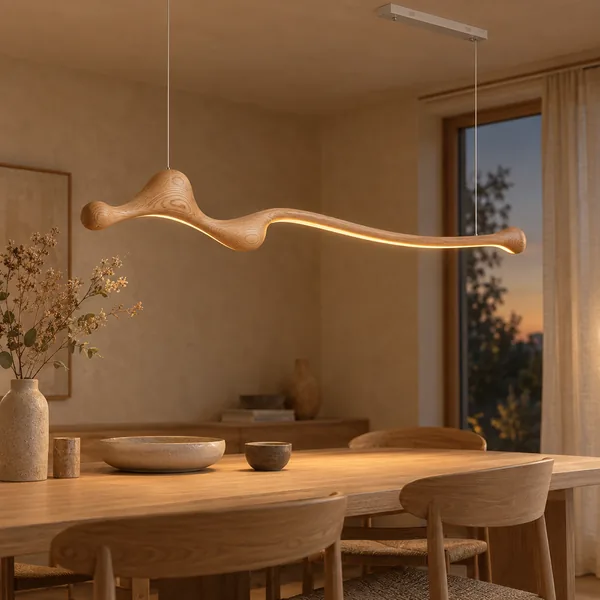
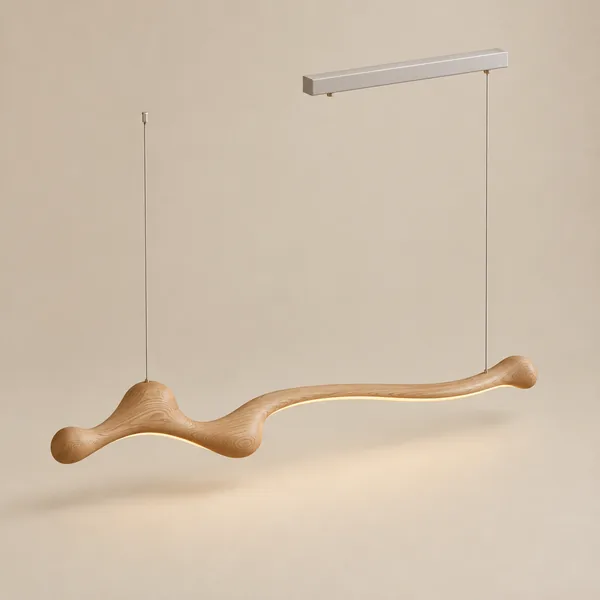
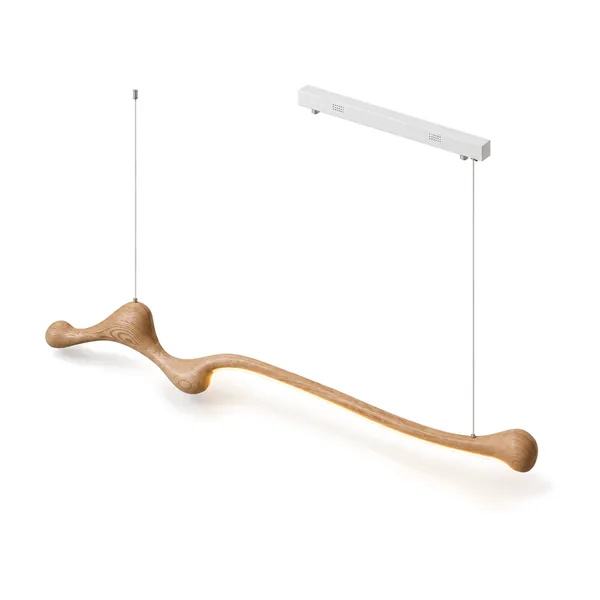
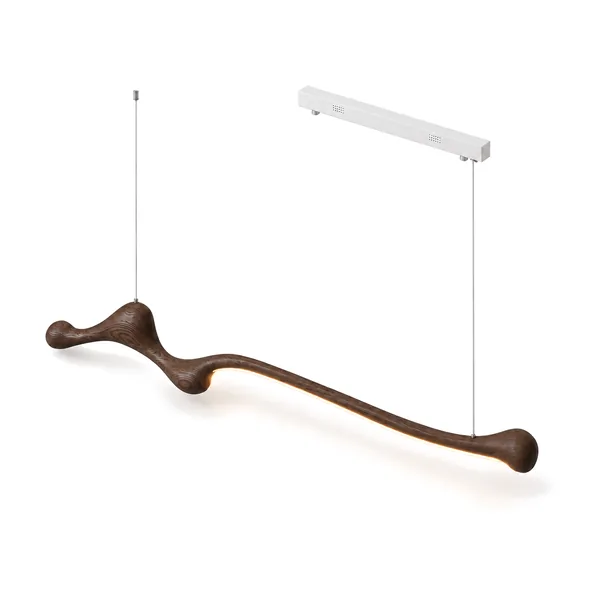
Skoglyn Dimmable Ash Wood Linear Pendant Light
Creating Cohesive Spaces: Mixing Styles Successfully
Rarely does a home benefit from rigid adherence to a single design vocabulary. Instead, the most interesting spaces blend complementary styles intentionally. A Scandinavian foundation might welcome industrial accents for edge, while a traditional room could embrace minimalist principles to avoid heaviness.
Successful mixing follows a few guiding principles:
- Establish a dominant style (approximately 70%) that sets the room's tone
- Introduce a secondary style (approximately 20%) for contrast and interest
- Add accents (the remaining 10%) from a third style for depth and personality
- Unify through color and texture even when mixing furniture styles
For authoritative guidance on current aesthetics, House Beautiful's design inspiration archives offer extensive visual examples of successful style blending.
Curated Lighting and Accents for Every Style
The right accessories transform a room from simply furnished to thoughtfully designed. Lighting, in particular, serves as both functional necessity and sculptural art—capable of defining spaces and creating atmosphere. Meanwhile, ceramics and vases add organic warmth and provide opportunities to showcase seasonal botanicals or stand alone as art objects.
For versatile pieces that transcend single-style categorization, consider these thoughtfully designed options from our collection:
Lighting and Decor for Style-Fluid Spaces
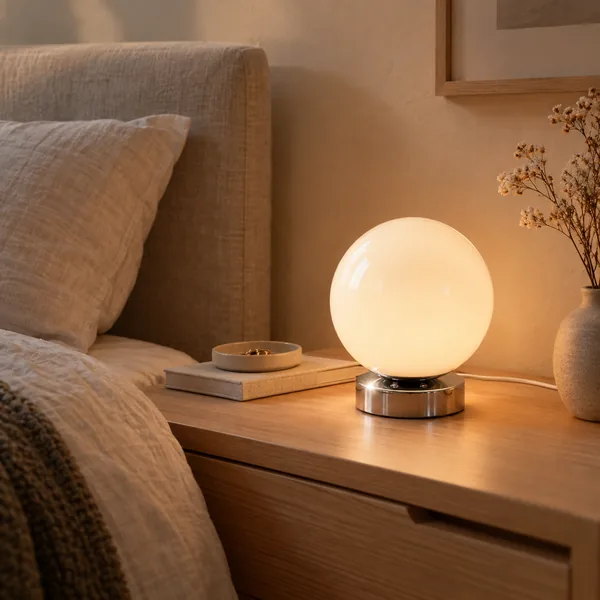 Kula Touch Dimmable Vintage Glass Table Lamp$99.00$139.00
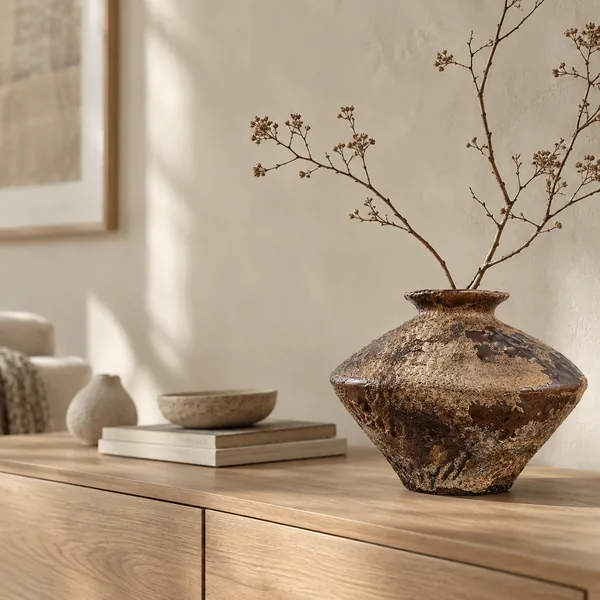 Jorde Handmade Rustic Ceramic Vase Home Decor$129.00$189.00
Pro Insight: The Jorde Handmade Rustic Ceramic Vase exemplifies wabi-sabi principles where imperfection becomes beauty. Its organic character grounds contemporary spaces while harmonizing beautifully with farmhouse and Japandi aesthetics.
Visual Inspiration: 50 Interior Design Styles Explained
Sometimes the best way to understand design terminology is through visual examples. This comprehensive video tour through 50 distinct house interior design styles offers abundant inspiration while demonstrating how subtle variations create entirely different atmospheres.
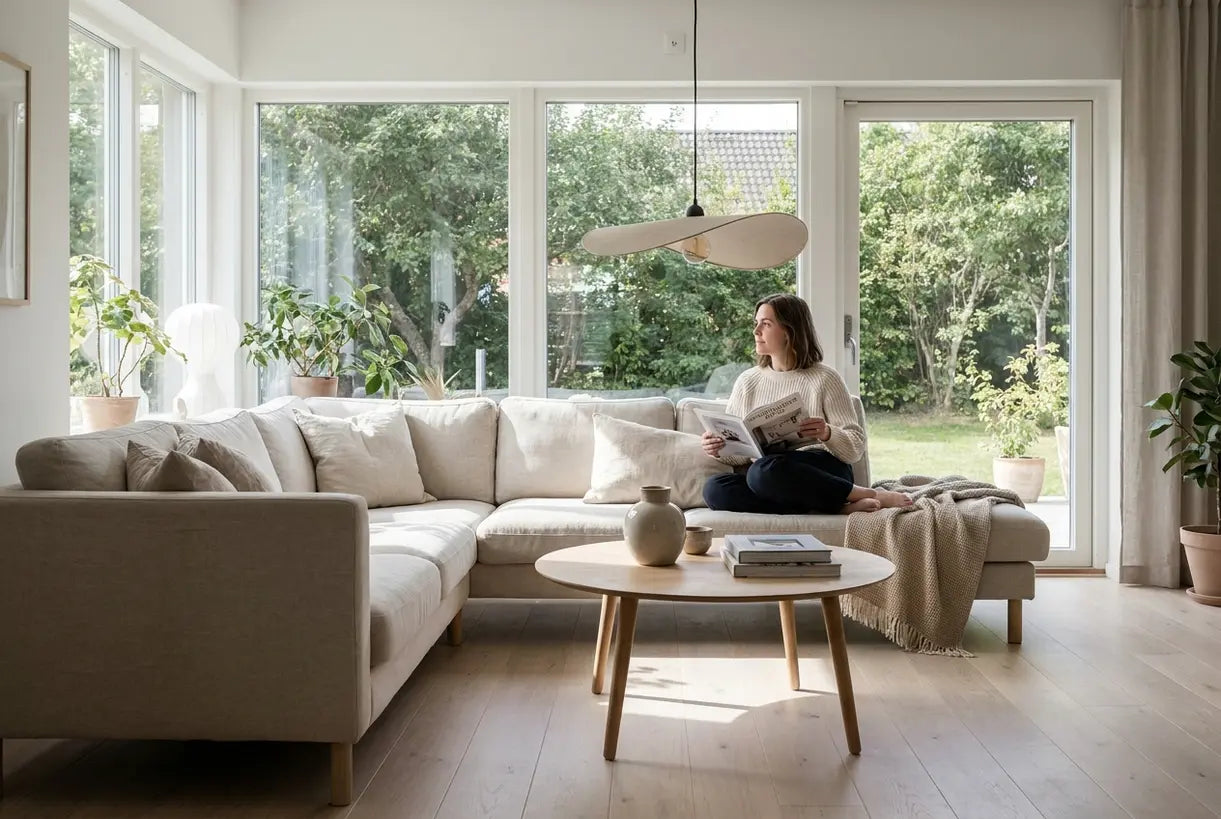
As you explore these various expressions of home, remember that the most successful interiors always balance aesthetic appeal with livability. For additional expert perspectives, HGTV's Design 101 resources offer practical advice complementing the style foundations covered here.
Conclusion: Your Style Journey Begins Here
Understanding different interior design styles empowers you to make intentional choices that transform houses into homes reflecting your unique story. Whether you're drawn to the serene simplicity of minimalist design style, the warm functionality of scandinavian interior design, or the collected character of bohemian home style, the key lies in thoughtful curation rather than rigid adherence.
At Skonne, we believe that exceptional lighting and decor should feel both aspirational and attainable. Our collection of handcrafted glass pendant lights, artisanal ceramics, and thoughtfully designed accessories supports your journey toward creating spaces that nurture, inspire, and truly feel like yours.
Begin with understanding. Continue with intention. And let every piece you choose bring you closer to a home that welcomes you back to yourself.
Related Article
Interior Design Trends: The Biggest Looks Shaping Homes Right NowDiscover the top interior design trends shaping homes in 2025-2026. From warm wood tones and sculptural lighting to wabi-sabi aesthetics, find inspiration to transform your space.