
Natural Elements in Interior Design: How to Bring the Outdoors In
Summary›
- Understanding Natural Elements in Interior Design
- The Core Materials That Transform Your Space
- Biophilic Design: The Science Behind Natural Interiors
- The Art of Natural Lighting and Fixtures
- Room-by-Room Natural Design Guide
- Curating Natural Accents: Beyond the Basics
- Bringing Nature Indoors Without Plants
- Harmonizing Natural Elements with Modern Decor
- Color Palettes That Complement Natural Materials
- A Natural Approach to Home Design
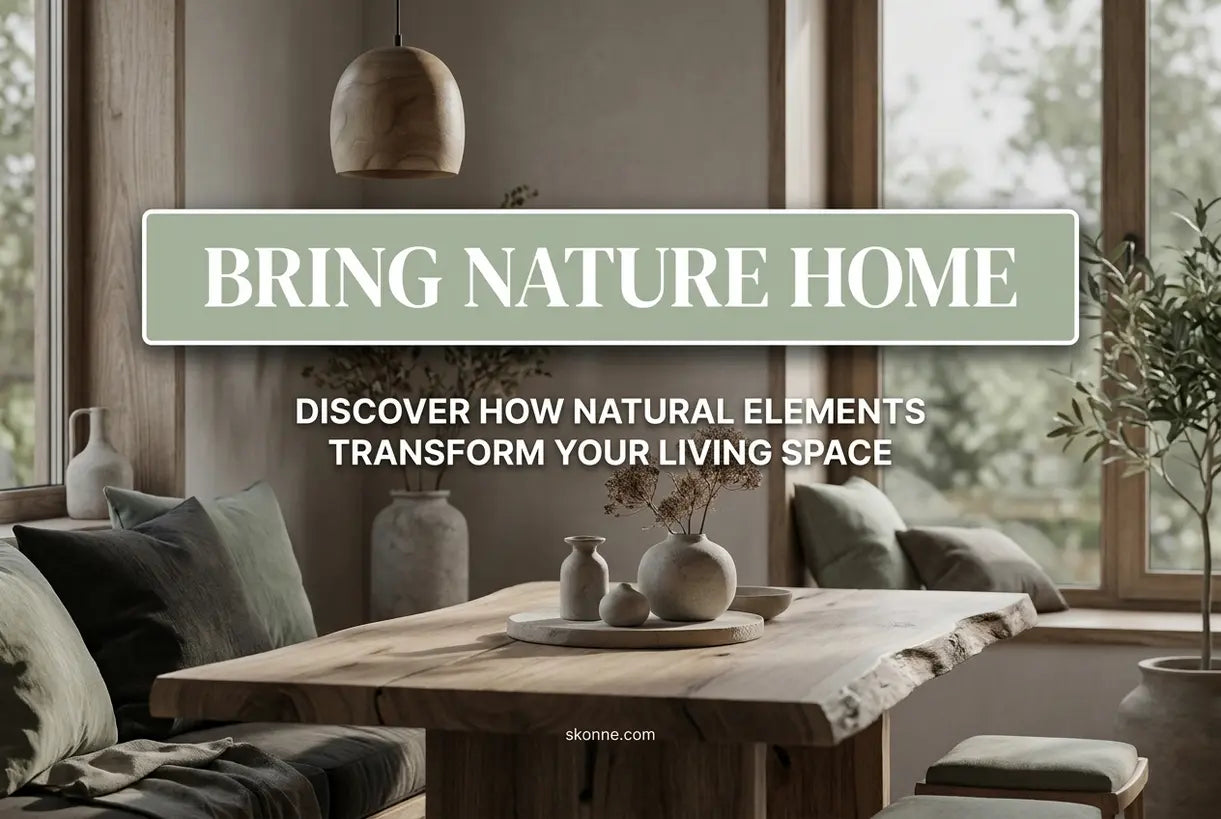
Your home should feel like a sanctuary. A place where you can breathe deeply, slow down, and reconnect with what matters most. Yet too often, modern interiors leave us surrounded by synthetic materials, harsh lighting, and surfaces that feel cold and disconnected. The solution isn't complicated: it's about embracing natural elements interior design—a philosophy that transforms sterile spaces into warm, intentional environments where you actually want to linger.
At Skonne, we believe that natural home decor isn't just a trend—it's a return to our fundamental need for connection with the natural world. Whether you're refreshing a single room or reimagining your entire home, bringing nature indoors through thoughtful material choices, organic textures, and biophilic principles creates spaces that feel alive and restorative. This guide explores how to incorporate natural materials into every corner of your home, from grounding stone and warm wood to lighting that mimics the gentle glow of sunset.
Understanding Natural Elements in Interior Design
The concept of incorporating nature into interiors transcends simply adding a houseplant or two. True natural elements interior design is about creating an ecosystem within your living space—one that honors organic materials, celebrates imperfection, and fosters that unmistakable sense of calm we associate with time spent outdoors.
The Scandinavian design tradition, which lies at the heart of Skonne's philosophy, offers a particularly refined approach to this practice. Rather than overwhelming a space with competing natural elements, Scandinavian natural design focuses on curation and restraint. A single handcrafted walnut pendant. A ceramic vessel with an intentionally irregular glaze. Textiles woven from untreated wool and linen that soften and develop character over time.
This approach aligns beautifully with biophilic interior design principles, which research demonstrates can reduce stress, improve focus, and enhance overall wellbeing. By thoughtfully selecting pieces that bring genuine organic presence into our homes, we create environments that nurture rather than deplete.
The Core Materials That Transform Your Space
When considering natural materials home design, certain elements form the foundation of spaces that feel genuinely connected to nature:
- Wood: From structural beams to accent furniture, wood introduces warmth, texture, and organic variation. Each grain pattern tells a story of growth and time.
- Stone and ceramics: These elements ground a space with their substantial presence. The cool weight of marble, the rustic honesty of terracotta, or the imperfect beauty of handmade ceramics all contribute to sensory richness.
- Natural textiles: Linen, wool, jute, cotton, and hemp soften interiors while maintaining authentic, unpretentious character. Their tactile qualities invite touch and interaction.
- Organic textures: Woven baskets, natural fiber rugs, and raw-edged materials add visual interest without overwhelming minimalist sensibilities.
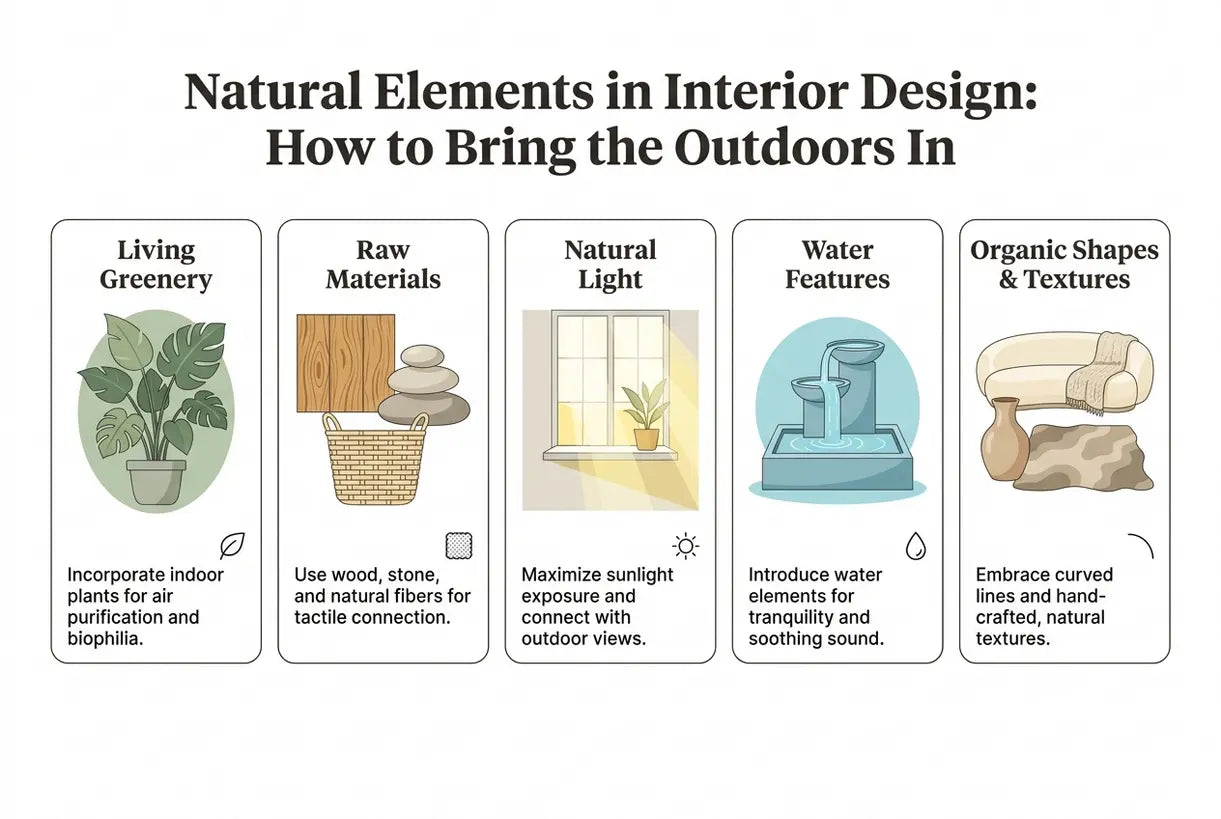
The key insight from Scandinavian design philosophy is that material quality matters more than quantity. A few exceptional pieces crafted from honest materials will create more impact than a collection of mass-produced nature-inspired items.
Pendant Lights
Shop all Pendant Lights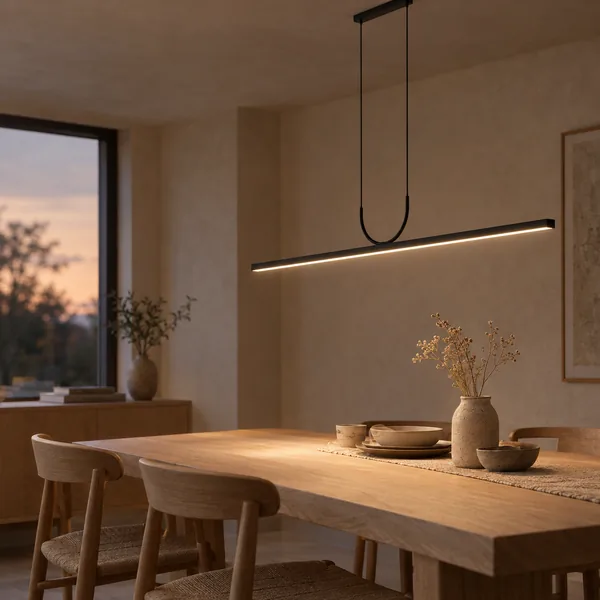
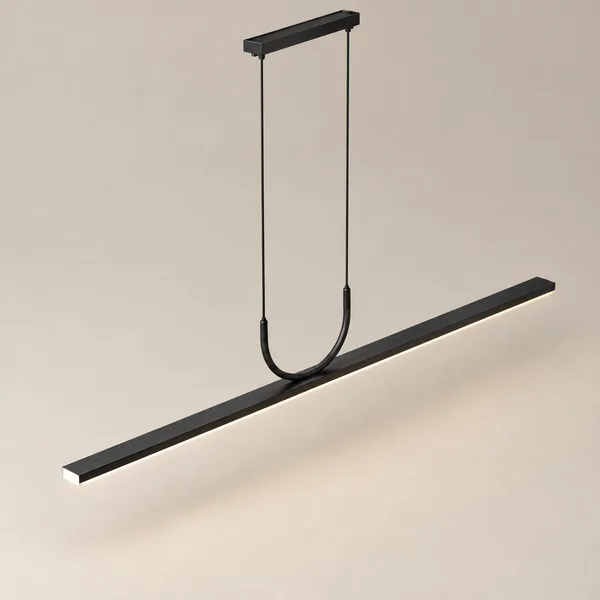 Save $140.00
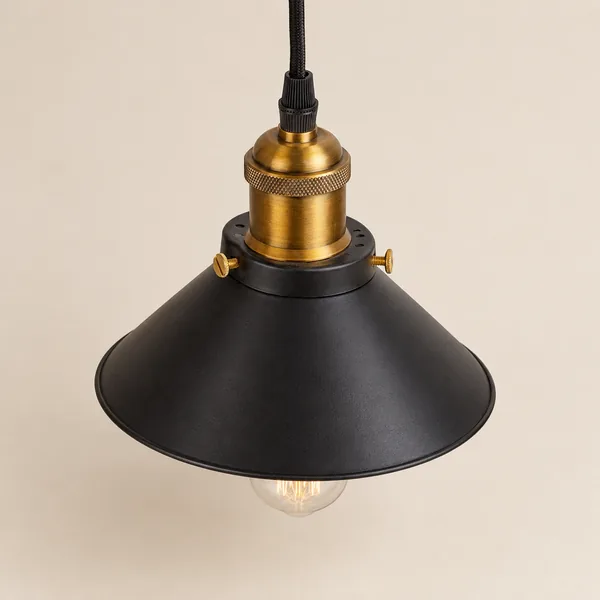
Linné Minimalist Linear Black LED Pendant Light
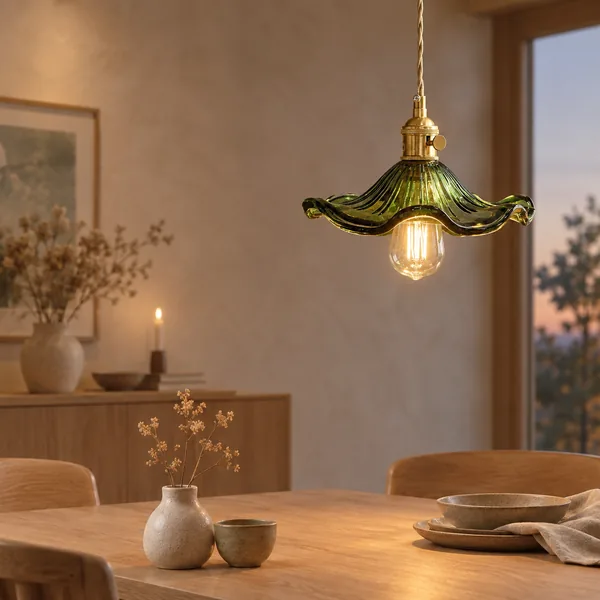
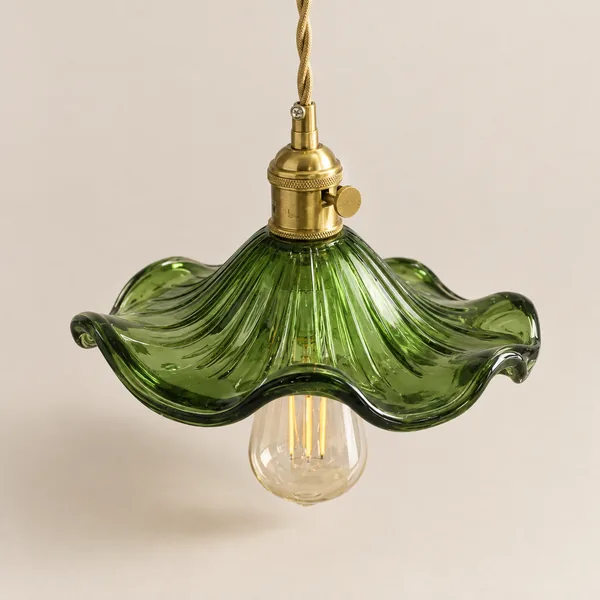 Save $60.00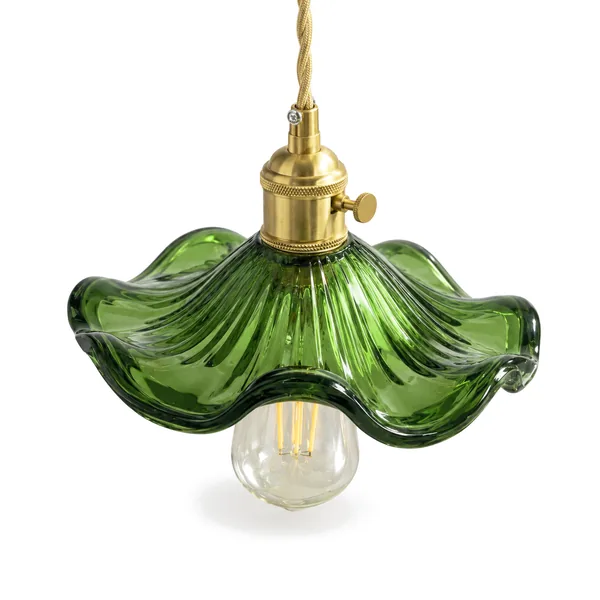
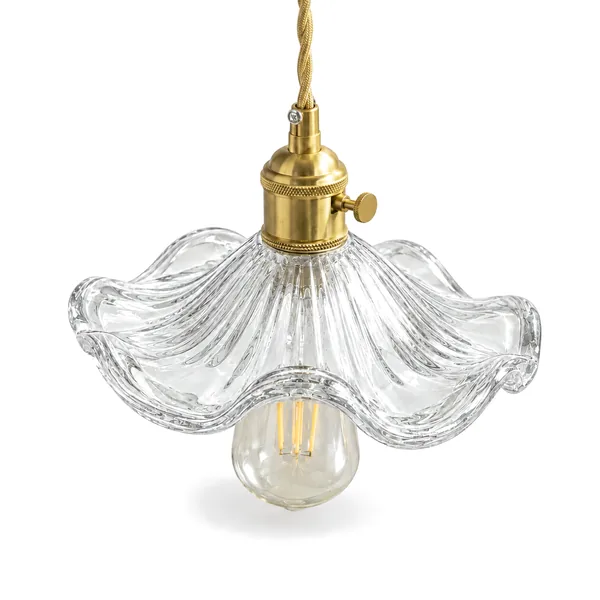
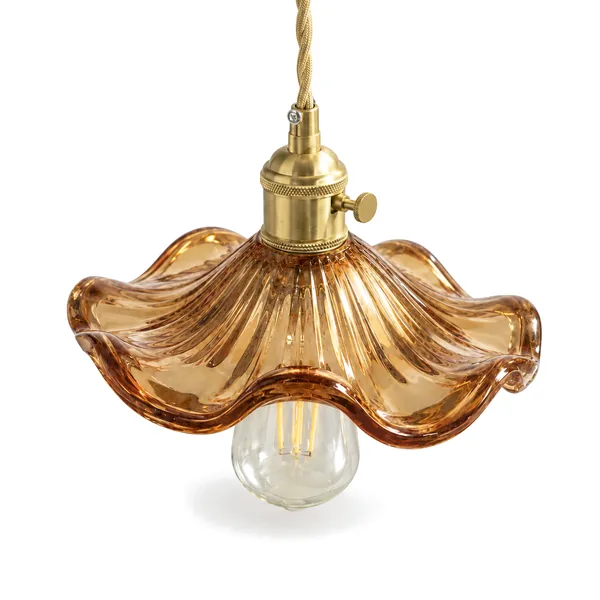 3 options
Glora Nordic Glass Pendant Light with Copper
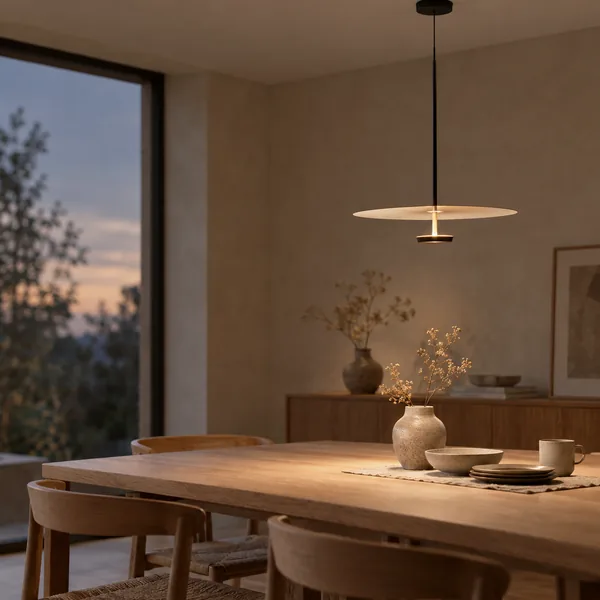
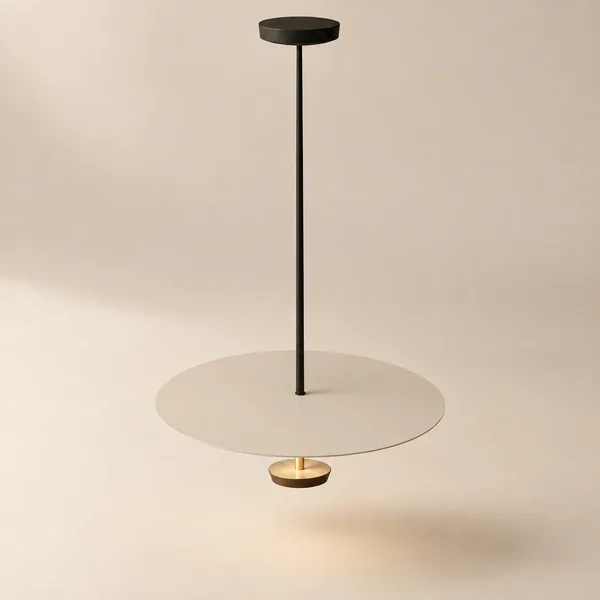 Save $120.00
Skiva Nordic Saucer Ceiling Pendant Light LED
Biophilic Design: The Science Behind Natural Interiors
What is biophilic interior design? At its core, biophilia suggests that humans have an innate tendency to seek connections with nature and other forms of life. When applied to interiors, this translates to design strategies that satisfy our deep-seated need for natural elements.
According to research from institutions like the TERRA BRIGHT GREEN, biophilic design can reduce stress, improve cognitive function, and enhance creativity. These aren't abstract benefits—they translate into better sleep in bedrooms designed with organic principles, more engaging dinner parties in dining rooms lit with warm natural materials, and greater productivity in home offices that incorporate elements of the outdoors.
The video above demonstrates practical applications of these principles. Notice how the focus isn't on replicating nature's grandeur, but rather on selecting materials and designing experiences that evoke its essence.
The Art of Natural Lighting and Fixtures
Perhaps the most overlooked element of organic modern interior design is lighting. Harsh, overly bright artificial illumination strips spaces of their natural character, creating environments that feel clinical rather than calming.
The challenge lies in finding fixtures that honor natural materials while delivering functional illumination. Metal-heavy lighting can feel cold and industrial. Plastic fixtures lack the soul of genuine craftsmanship. What you need are pieces that bring wood's warmth, glass's translucency, and organic form into your daily experience of light.
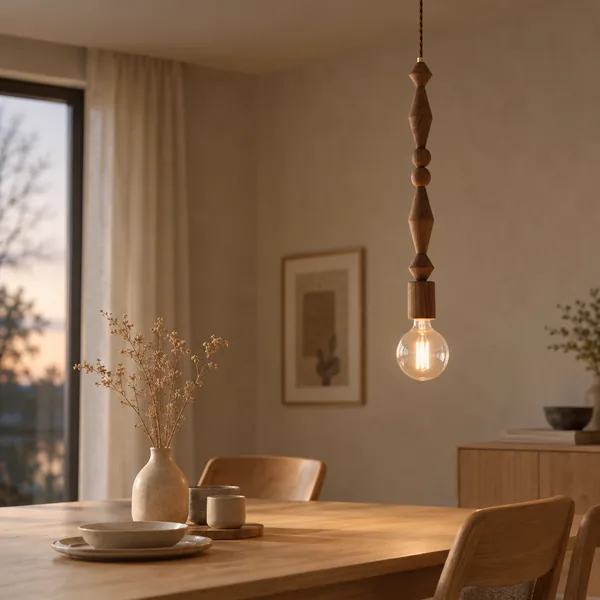 Vedra Wood and Glass Pendant Light Nordic Style$299.00$509.00
The Vedra Wood and Glass Pendant Light Nordic Style offers precisely this solution. Its handcrafted solid wood construction and glass elements create a natural elements interior design focal point that doesn't just illuminate—it transforms the atmosphere of dining spaces and living areas. The wabi-sabi inspired design ensures no two pieces are identical, with unique wood grain patterns that testify to the material's genuine origins. As light filters through the glass and warm wood, it creates the golden, dappled quality we associate with late afternoon sun streaming through forest canopies.
Room-by-Room Natural Design Guide
Translating earthy interior design elements into practical application looks different across your home:
Living Room: Focus on textural layering. Combine a natural fiber rug with linen upholstery and wooden accent tables. Consider statement lighting that serves as functional sculpture—the overhead fixture that introduces wood's warmth while providing illumination.
Bedroom: This is your sanctuary space. Prioritize organic textiles for bedding, natural wood or stone for nightstands, and lighting that can be dimmed to mimic sunset's progression. The goal is creating an environment that signals your nervous system to rest.
Dining Room: This gathering space benefits from materials that age gracefully. A wooden table that develops patina, ceramic serveware with artisanal imperfections, and pendant lighting that casts the warm glow essential for intimate conversation.
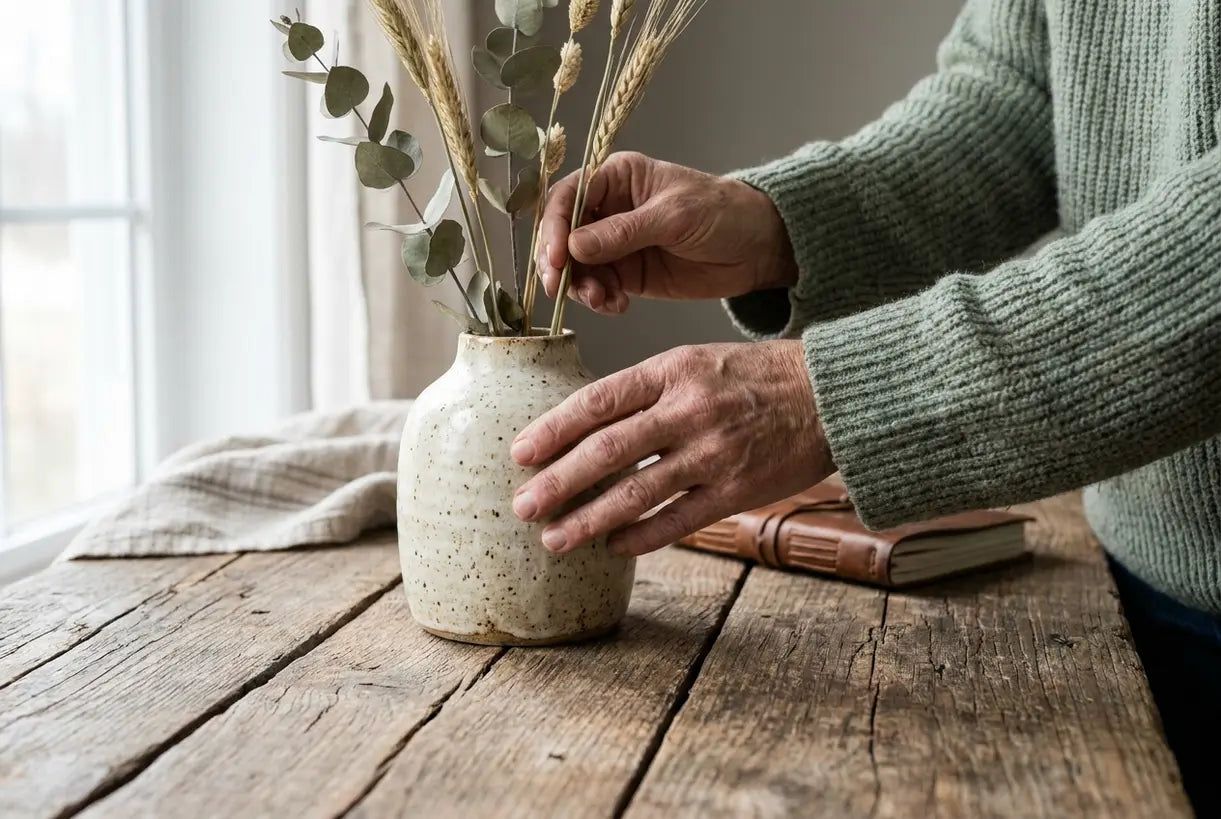
In each space, remember that organic textures in home decor engage more than just sight. They invite interaction, encouraging us to run fingers across warm wood grain or appreciate the cool weight of ceramic. These sensory experiences ground us in the present moment—the essence of hygge.
Lamps
Shop all Lamps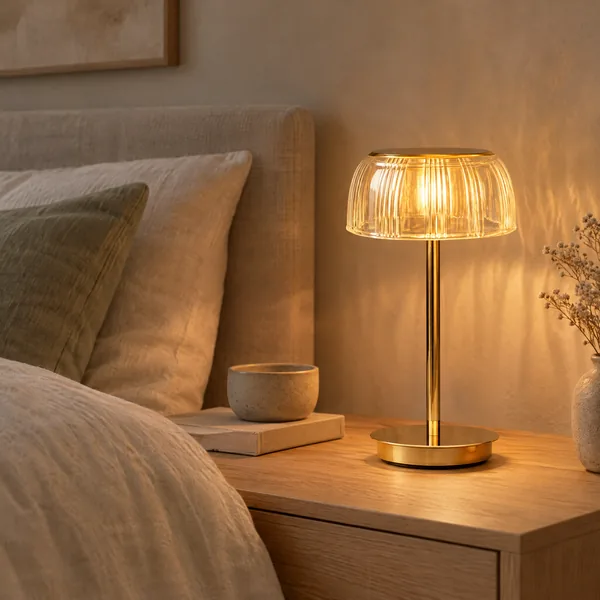
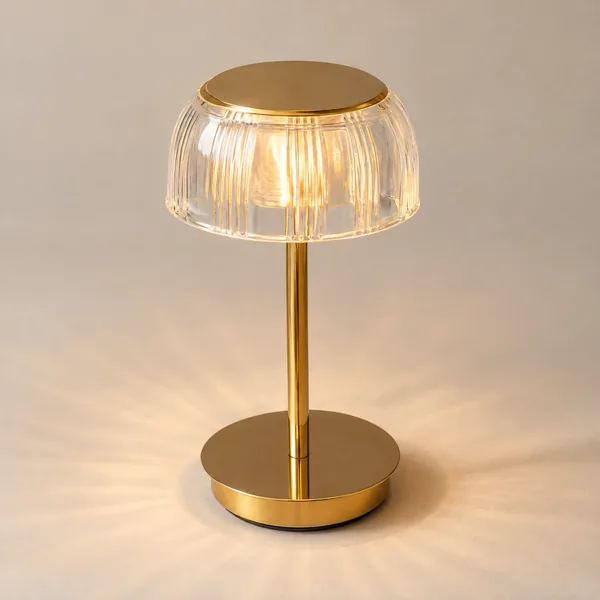 Save $30.00
Kvalla Jellyfish LED Rechargeable Table Lamp
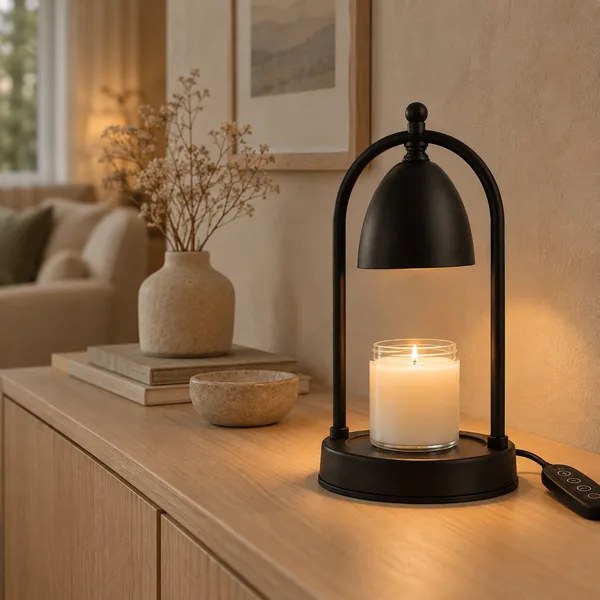
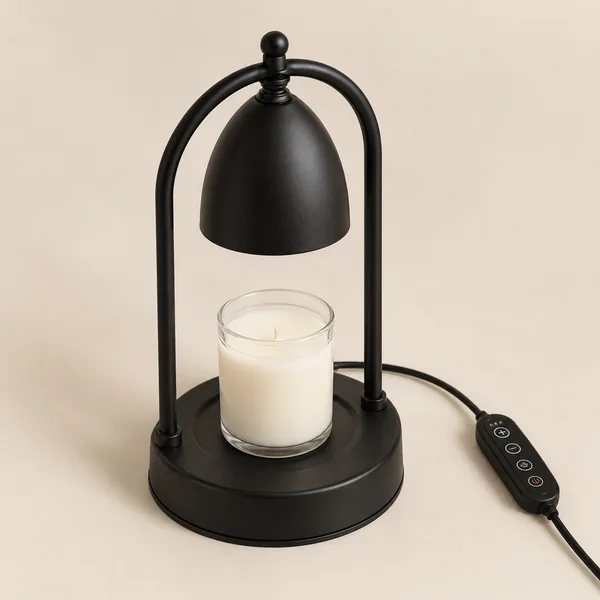 Save $140.00
Linné Minimalist Linear Black LED Pendant Light
Save $60.003 optionsGlora Nordic Glass Pendant Light with Copper
Curating Natural Accents: Beyond the Basics
Once you've established the foundation of natural materials in your larger pieces, the details distinguish a house from a curated home. The challenge many face is finding accents that feel authentic rather than performative—pieces that genuinely carry nature's character rather than merely mimicking it.
The Japanese wabi-sabi philosophy offers guidance here. Rather than seeking perfection, embrace objects that celebrate natural variation, honest materials, and the passage of time. A ceramic vessel with an intentionally irregular glaze. Wood that shows the marks of its growth and crafting. These pieces bring soul to minimal spaces.
Nature-Inspired Lighting and Accents for Organic Spaces
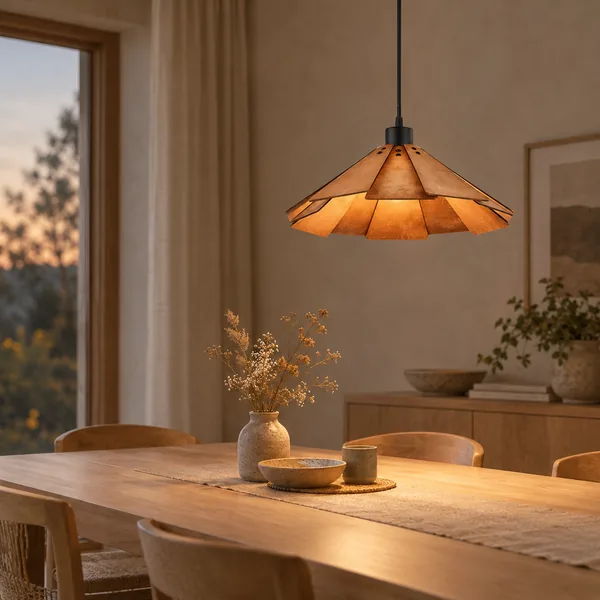 Kveldro Nordic Wabi-Sabi Walnut Pendant Light$159.00$239.00
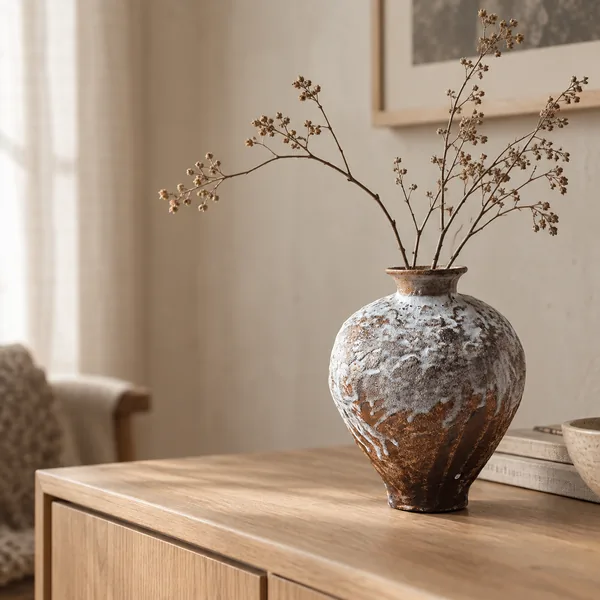 Stille Small Jingdezhen Ceramic Wabi-Sabi Vase$129.00$189.00
The Kveldro Nordic Wabi-Sabi Walnut Pendant Light and Stille Small Jingdezhen Ceramic Wabi-Sabi Vase embody this philosophy precisely. The Kveldro pendant celebrates organic walnut wood with its natural imperfections, creating intimate dining moments bathed in warm golden light. Meanwhile, the Stille vase brings authentic nature-inspired artistry to shelves and tables through its deliberate irregularities—each piece a unique testament to the human hand working with earthy materials. Together, they represent how Japandi natural materials unite Scandinavian functionality with Japanese reverence for imperfection.
Bringing Nature Indoors Without Plants
Not everyone has a green thumb or the light conditions for thriving plants. Fortunately, how to bring nature indoors without plants has countless solutions that create equally powerful connections to the natural world:
- Natural material lighting: Wood, rattan, and linen-shaded fixtures cast the warm, dappled quality of forest light.
- Artisanal ceramics and stone objects: These bring earthy weight and organic form without maintenance.
- Natural fiber textiles: Linen curtains that filter light like leaves, wool throws with the warmth of animal presence, jute rugs that reference meadow grasses.
- Wood accents: From sculptural bowls to functional furniture, wood introduces living nature's legacy into interiors.
- Natural light maximization: Consider how lighting design can mimic daylight's progression, creating spaces that feel attuned to natural rhythms.
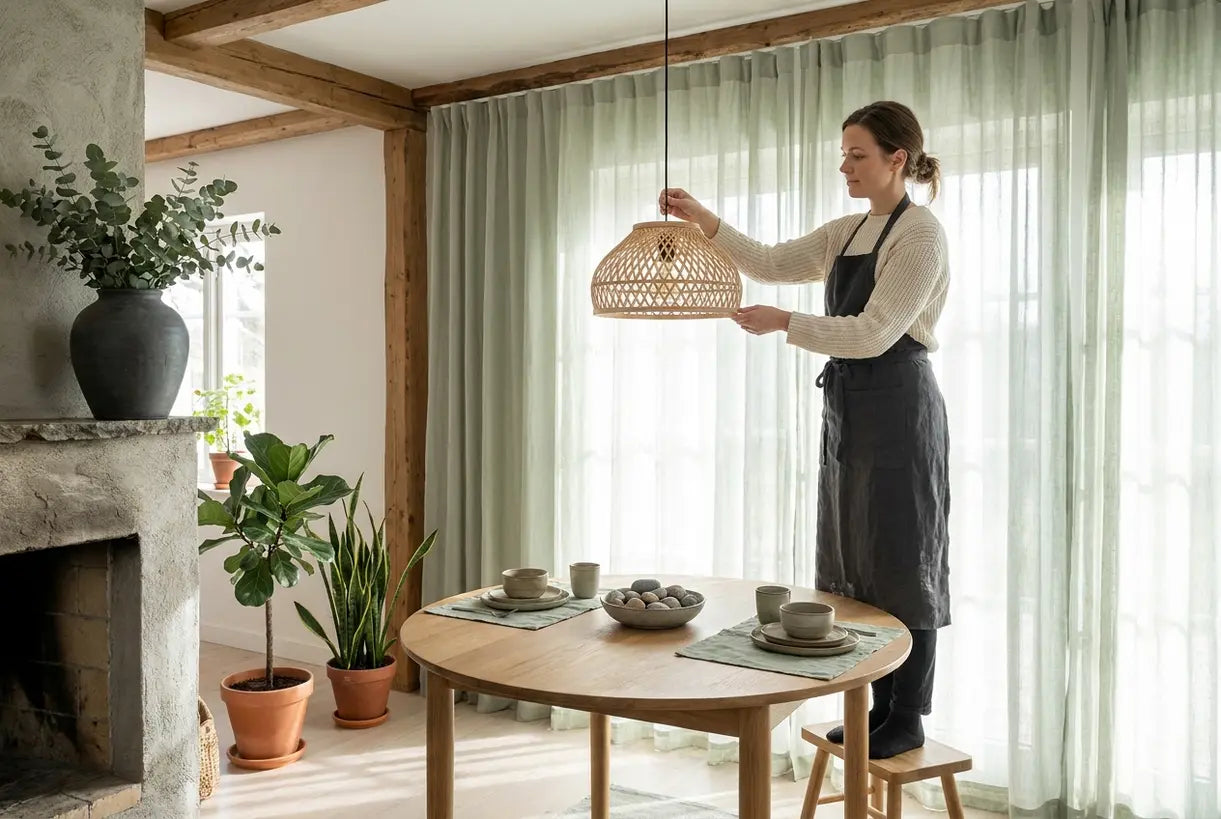
The beauty of these alternatives is their permanence. Unlike plants that require care and sometimes fail, quality natural objects develop character over time, becoming more beautiful as they age.
Harmonizing Natural Elements with Modern Decor
A common concern is whether natural elements interior design can coexist with contemporary aesthetics. The answer is an emphatic yes—the organic modern interior design movement specifically addresses this marriage.
The key principle is contrast and balance. Sleek modern lines actually highlight the organic warmth of natural materials. A minimalist white sofa becomes more inviting atop a jute rug. Streamlined cabinetry gains soul when paired with wooden pendant lighting and ceramic vessels.
The Japandi aesthetic—merging Japanese wabi-sabi with Scandinavian hygge—offers a particularly successful framework for this harmony. Both traditions value simplicity, natural materials, and intentional living. Together, they create spaces that feel curated rather than decorated, timeless rather than trendy.
Color Palettes That Complement Natural Materials
The colors surrounding your natural elements either elevate or diminish their impact. What colors work best with natural elements in home design? The palette depends on your desired atmosphere:
Earthy Foundations: Warm whites, soft grays, and gentle taupes provide the perfect backdrop for wood's natural tones. These neutrals allow organic materials to become the focal points they deserve.
Earthy Accents: Terracotta, sage green, warm ochre, and deep forest tones amplify natural elements without competing. Used sparingly on textiles or accent walls, they echo the outdoor world.
Scandinavian Brightness: Cool whites and pale naturals with black accents create the high-contrast, light-filled environments that make natural materials sing while maintaining a contemporary edge.
Regardless of your chosen palette, the goal is ensuring your walls and larger surfaces recede while your carefully selected natural materials command attention.
A Natural Approach to Home Design
Transforming your space through natural elements interior design isn't about following rules—it's about listening to what makes you feel grounded and at peace. The spaces we inhabit should restore us, connecting us to the natural world we've too often left behind in our pursuit of modern convenience.
Whether you're drawn to the warmth of handcrafted wood lighting, the honesty of ceramic imperfections, or the layered textures of natural textiles, each element you choose builds toward an environment that feels genuinely habited rather than merely occupied. At Skonne, we curate pieces that honor this philosophy: lighting fixtures crafted from solid wood and glass, ceramic vessels that celebrate wabi-sabi principles, and the kind of Scandinavian design heritage that reminds us beauty exists in simplicity.
The outdoors isn't just something to view through windows—it's a feeling we can cultivate within our walls. Start with a single honest material, a warm light source, a ceramic piece that bears the mark of human hands. Build slowly, choose intentionally, and create the sanctuary you deserve.
Related Article
Interior Design Styles: Every Major Style Explained & How to Find YoursDiscover every major interior design style explained with tips to find your perfect aesthetic. From Scandinavian minimalism to Japandi warmth, define your personal style.