
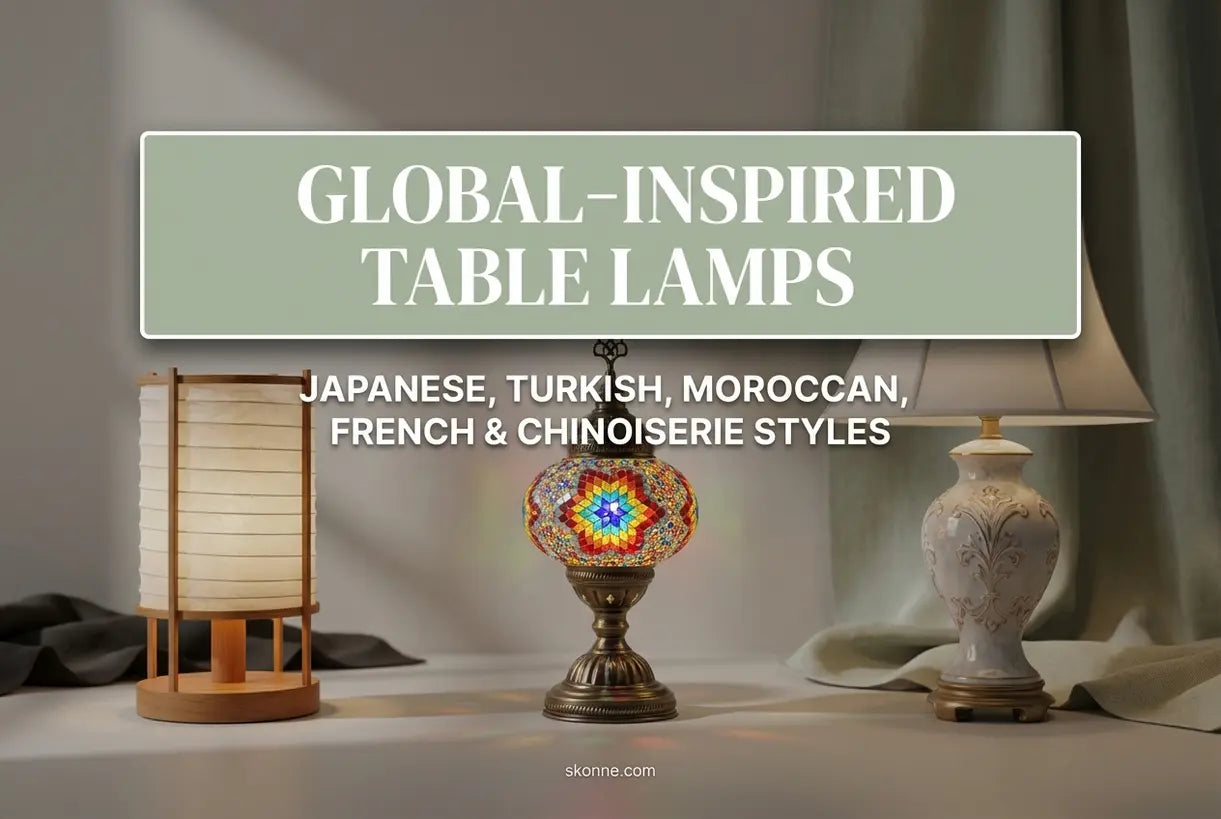
Global-Inspired Table Lamps: Japanese, Turkish, Moroccan, French & Chinoiserie Styles
Summary›
- Understanding Global Table Lamp Styles
- The Serenity of Japanese Table Lamps
- Bringing Wabi-Sabi Home: The Skonne Approach
- The Artistry of Turkish and Moroccan Table Lamps
- The Elegance of French and Chinoiserie Designs
- Curating Your Global Lighting Collection
- How to Choose the Right Global Table Lamp for Your Home
- Conclusion: Illuminating Your Story
Lighting is more than mere illumination—it's the soul of your interior, casting mood, defining spaces, and telling stories about who you are. In today's design landscape, global-inspired table lamps have emerged as a powerful way to infuse your home with character, craftsmanship, and cultural sophistication. Whether you're drawn to the quiet meditation of Japanese minimalism or the vibrant warmth of Moroccan mosaics, the right japanese table lamp or international piece can transform an ordinary room into an extraordinary sanctuary.
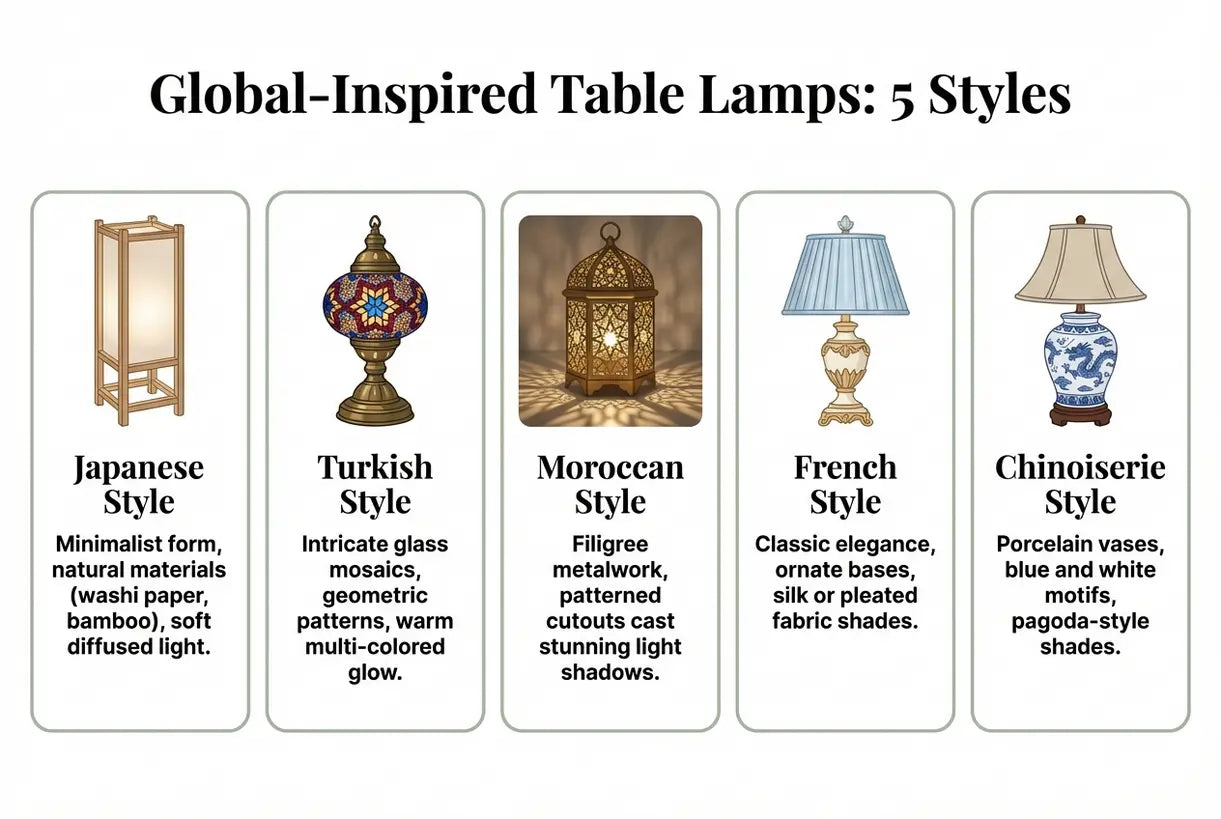
At Skonne, we understand that choosing lighting is deeply personal. Our curated collection bridges Scandinavian sensibilities with global design traditions, helping you discover pieces that resonate with your aesthetic while honoring authentic craftsmanship. This guide explores five distinctive global lighting styles—Japanese, Turkish, Moroccan, French, and Chinoiserie—revealing what makes each unique and how to incorporate them into your home with intention.
Understanding Global Table Lamp Styles
The world of interior lighting offers an incredible diversity of expressions, each rooted in cultural traditions and material heritage. From the wabi sabi lighting philosophy of Japan to the intricate metalwork of Turkish craftsmanship, global table lamps bring more than beauty—they carry stories of artisan techniques passed through generations.
Modern homeowners increasingly seek lighting that reflects their travels, values, and appreciation for authentic design. The appeal lies not just in aesthetics but in the tactile experience of natural materials: rice paper that softens light into a gentle glow, hand-cut glass that creates dancing patterns, or ceramic glazes that age gracefully over time. These elements create what we at Skonne call "intentional lighting"—fixtures chosen with purpose rather than impulse.
The Serenity of Japanese Table Lamps
Japanese lighting philosophy centers on ma—the meaningful space between objects—and shibui, the beauty of understated elegance. A japanese table lamp embodies these principles through clean lines, organic materials, and a reverence for imperfection that defines wabi-sabi aesthetics.
The hallmark of japanese rice paper lamp designs is their ability to transform harsh artificial light into a soft, ambient glow reminiscent of traditional shoji screens. Unlike Western lighting that often dominates a space, Japanese fixtures recede, allowing the quality of light itself to become the focal point. This approach aligns beautifully with Scandinavian hygge, creating spaces that feel simultaneously curated and comfortable.
Materials Commonly Used in Japanese Table Lamps
The authenticity of Japanese lighting comes from its materials. Wash—traditional Japanese paper made from mulberry bark—remains the gold standard for lamp shades, offering durability alongside its distinctive texture. Bamboo and hinoki cypress provide structural elements that bring warmth without heaviness. Modern interpretations might incorporate ceramic bases with deliberately irregular glazes or washi paper blends that offer increased durability for contemporary lifestyles.
For those seeking to create a cohesive Japanese-inspired corner, consider how lighting interacts with other elements. Our collection includes complementary accessories that pair beautifully with paper lamps to complete your mindful space.
Table Lamps
Shop all Table Lamps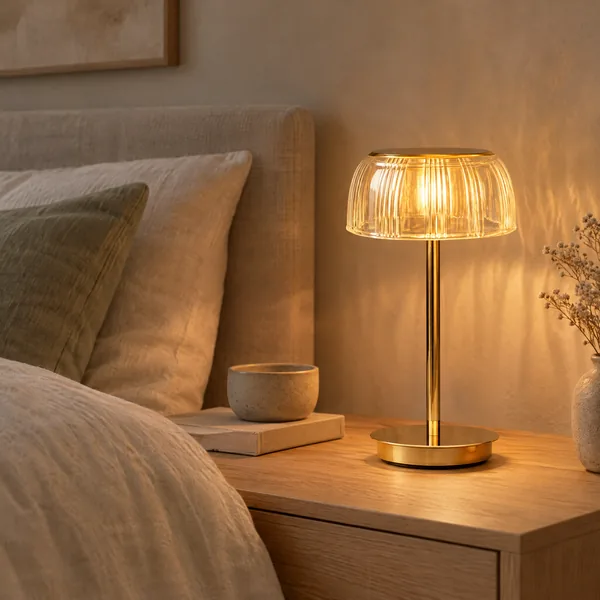
 Save $30.00
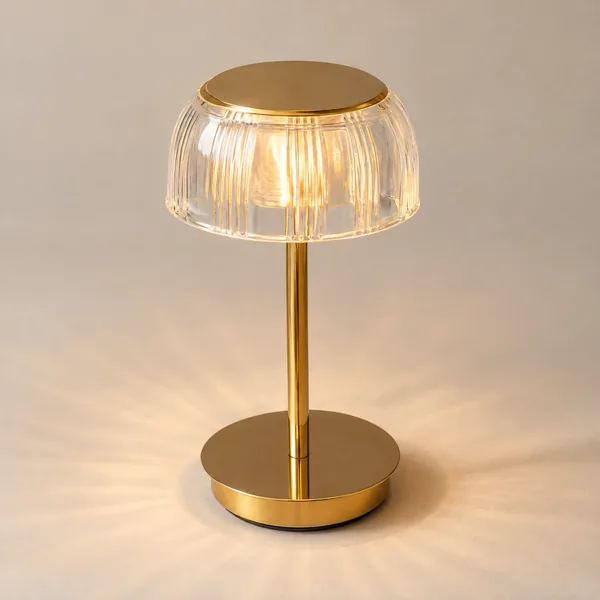
Kvalla Jellyfish LED Rechargeable Table Lamp
 Save $60.00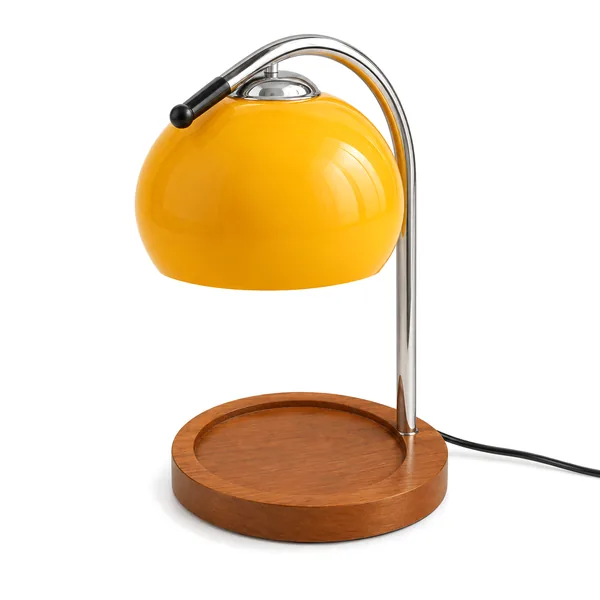
 3 options
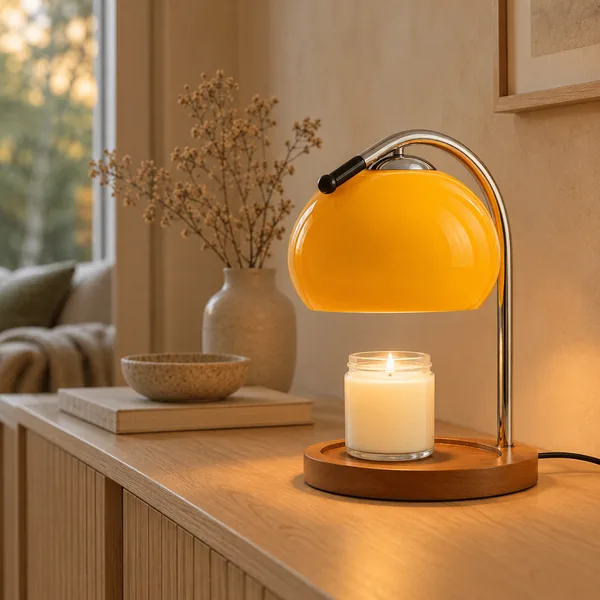
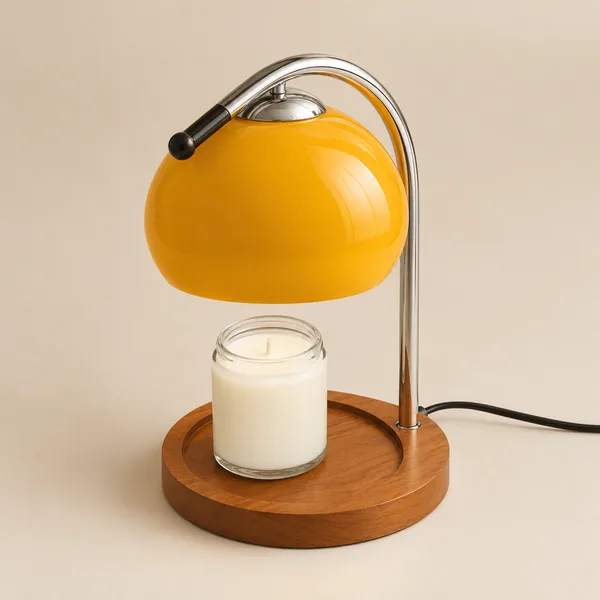
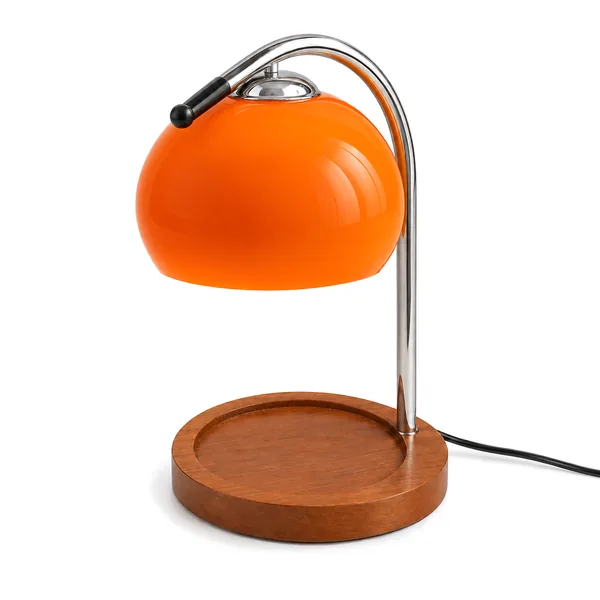
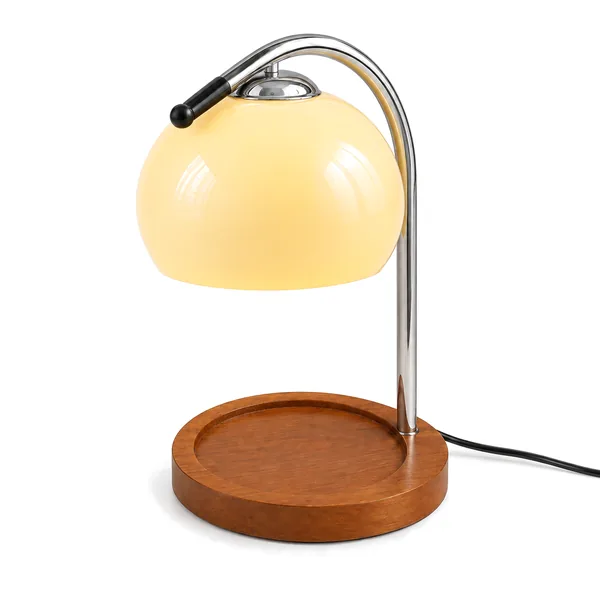
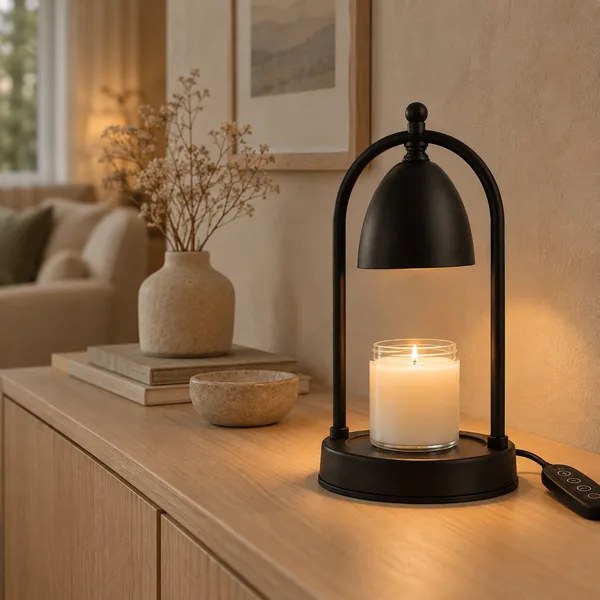
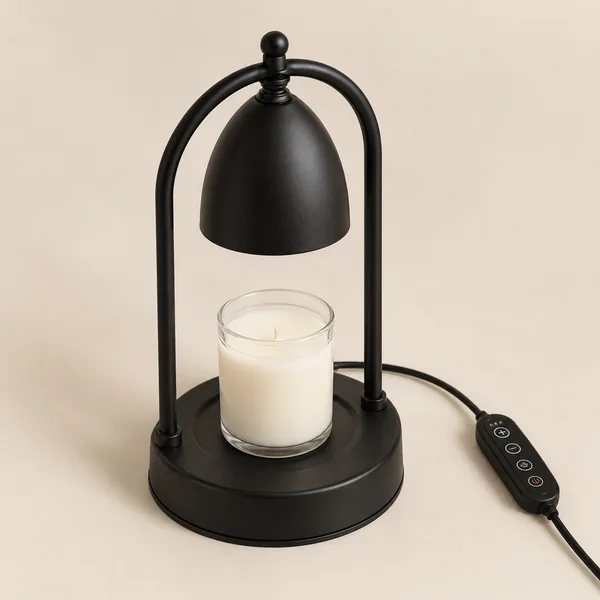
Solvarm Stained Glass Candle Warmer Table Lamp
 Save $220.00
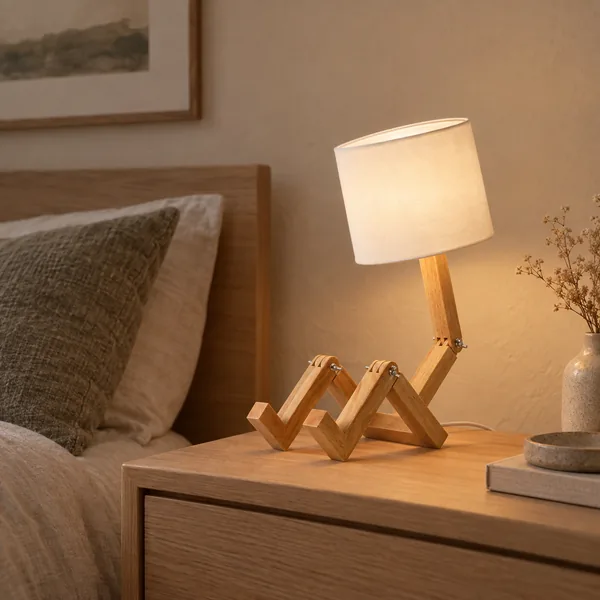
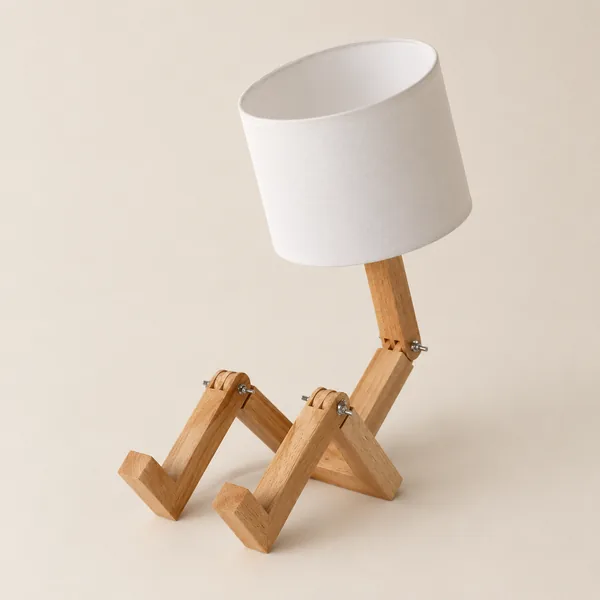
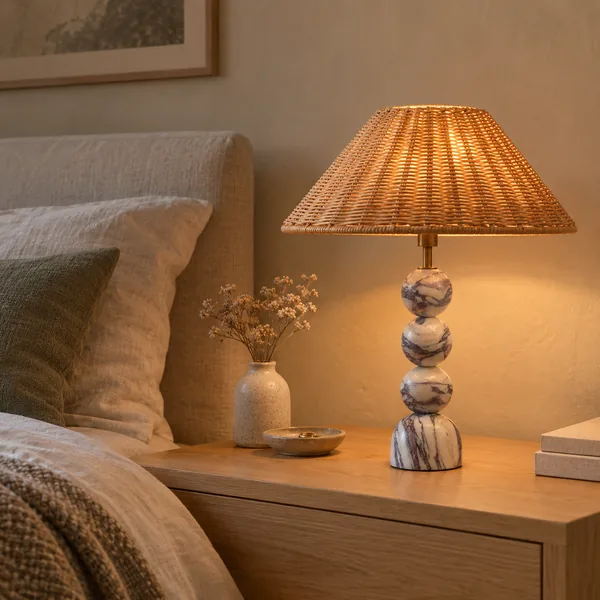
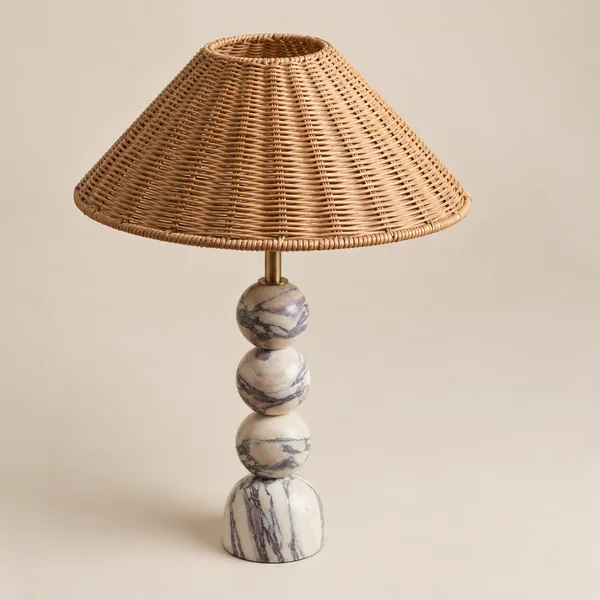
Stenglo Nordic Marble Table Lamp Rattan Shade
Bringing Wabi-Sabi Home: The Skonne Approach
The challenge with authentic Japanese lighting often lies in finding pieces that honor traditional craftsmanship while fitting seamlessly into modern American homes. This is where thoughtful curation becomes essential. The japandi table lamp movement—blending Japanese wabi-sabi with Scandinavian functionality—has emerged as an elegant solution, offering designs that feel timeless rather than trend-driven.
When selecting a Japanese-inspired piece, consider the scale of your space. Unlike ornate French or Moroccan styles that command attention, Japanese lamps work through subtlety. They're best placed where you want to encourage contemplation: beside a reading chair, on a meditation altar, or as a gentle nightlight that won't disrupt your circadian rhythm.
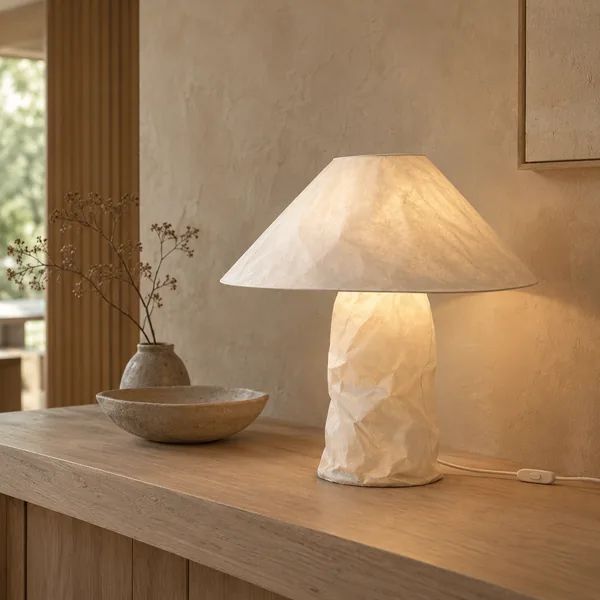 Stilla Nordic Paper Table Lamp Wabi-Sabi Style$399.00$669.00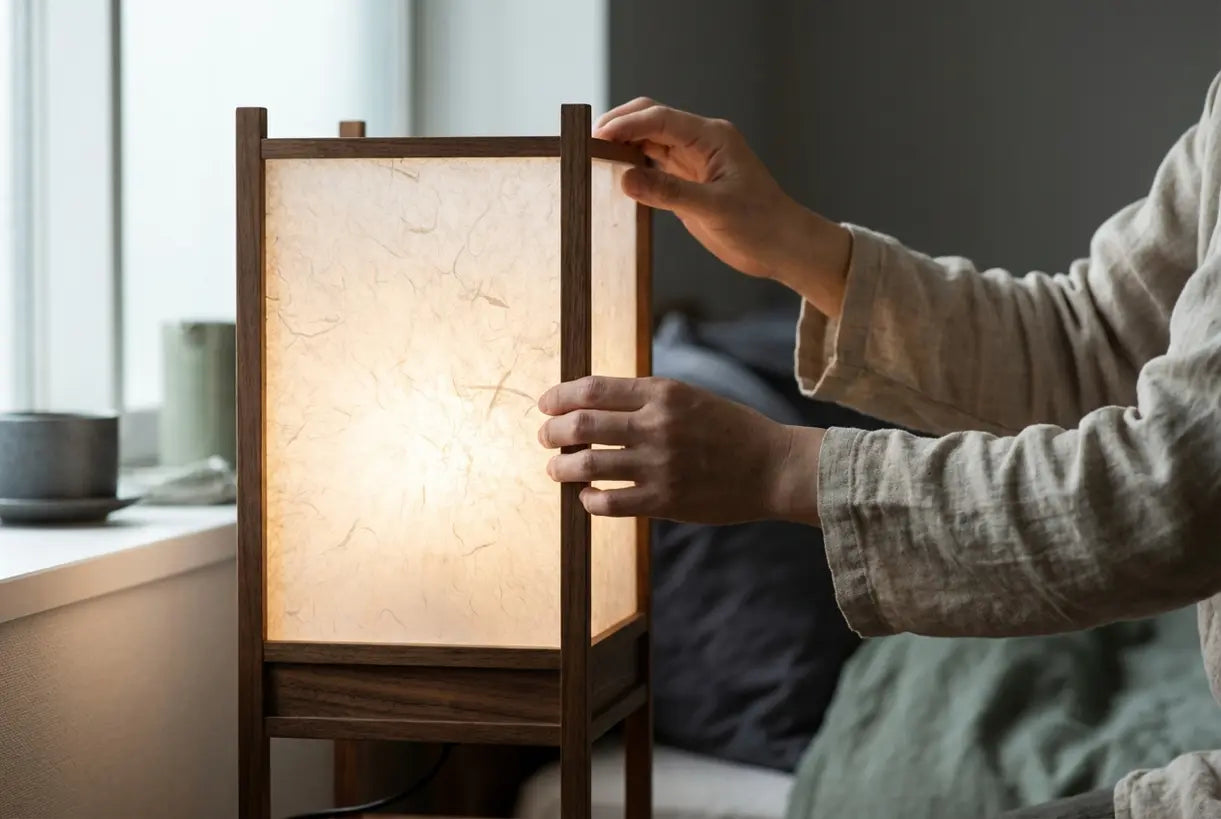
The Artistry of Turkish and Moroccan Table Lamps
While Japanese lighting whispers, Turkish table lamp and moroccan table lamp designs sing. These styles share a heritage of intricate mosaic work, yet each carries distinct regional characteristics that appeal to different design sensibilities.
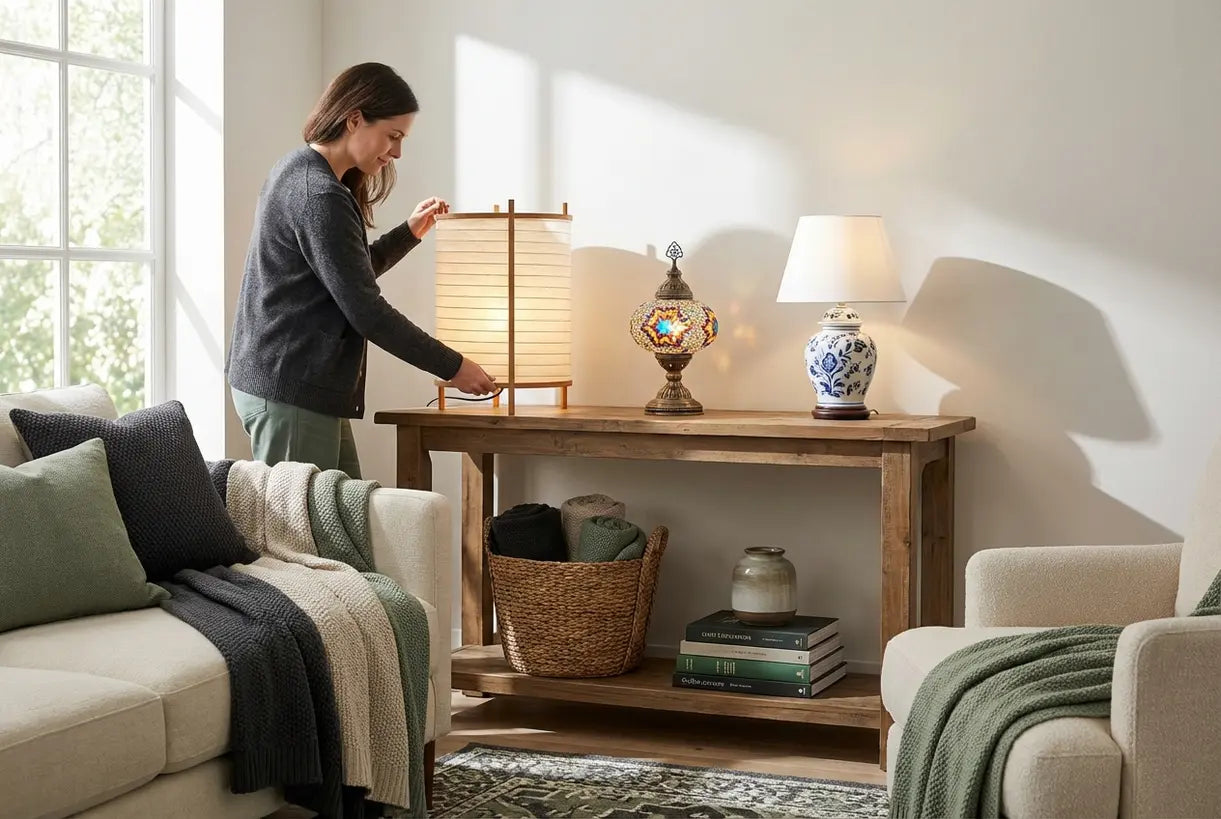
Turkish mosaic lamps, particularly those from Istanbul's Grand Bazaar tradition, feature hand-cut glass pieces arranged in geometric patterns inspired by Byzantine and Ottoman artistry. The craftsmanship involves careful placement of each glass fragment onto a spherical form, creating fixtures that cast jewel-toned shadows across walls and ceilings. A turkish mosaic lamp typically features warmer color palettes—amber, ruby, and sapphire—creating intimate, romantic atmospheres.
How Turkish and Moroccan Table Lamps Differ
The distinction between these two styles becomes apparent upon closer inspection. Moroccan table lamp designs often draw from Berber and Moorish influences, featuring pierced metalwork alongside glass elements. Moroccan fixtures tend toward more complex metal filigree patterns and may incorporate leather or brass elements that reflect the country's diverse craft traditions. The light diffusion differs too: while Turkish lamps emphasize colorful projection, Moroccan styles often create intricate shadow patterns through carefully designed cutouts.
For those seeking to explore more options, our Pendant Lights collection offers additional global-inspired designs that work beautifully in coordination with your table lamp selections.
The Elegance of French and Chinoiserie Designs
Moving from the warmth of North African and Middle Eastern styles to European sophistication, french table lamp and chinoiserie lighting represent the height of decorative artistry. These styles appeal to those who view lighting as jewelry for the room—statement pieces that command attention and spark conversation.
French provincial lamp designs draw from 18th-century countryside estates, featuring ceramic bases with hand-painted floral motifs, gilded bronze accents, and pleated silk shades. These pieces work beautifully in traditional homes or as contrast elements in modern spaces, adding a touch of ancien régime elegance.
Chinoiserie style in lighting represents a fascinating East-meets-West phenomenon. Originating in 17th-century Europe's fascination with Asian art, Chinoiserie lighting features pagoda silhouettes, intricate hand-painted scenes, and ginger jar-shaped bases. Unlike authentic Asian designs, Chinoiserie embraces excess—more color, more detail, more drama. A chinoiserie table lamp becomes an instant focal point, ideal for entryways or living spaces where you want to make a sophisticated impression.
Lamps
Shop all LampsSave $30.00Kvalla Jellyfish LED Rechargeable Table Lamp
 Save $140.00
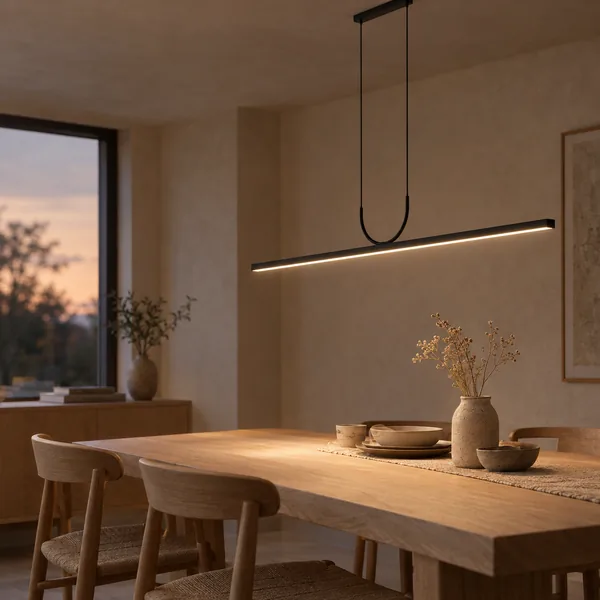
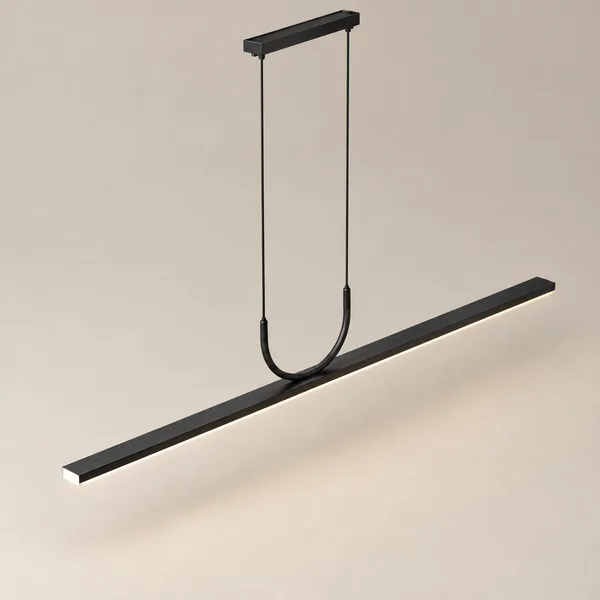
Linné Minimalist Linear Black LED Pendant Light
 Save $60.00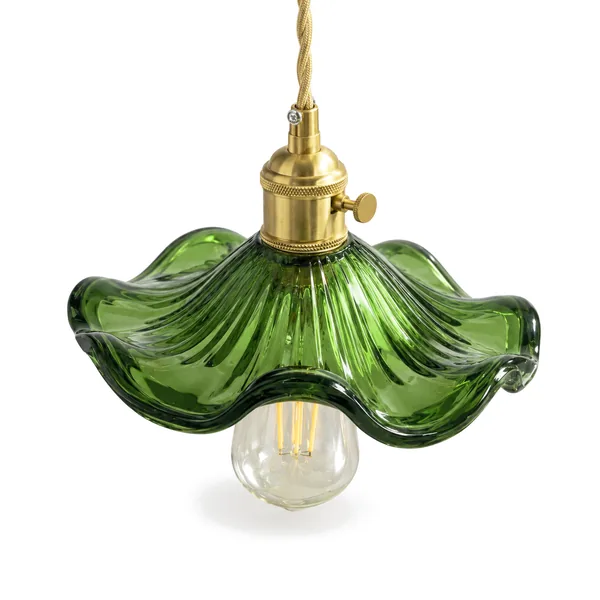
 3 options
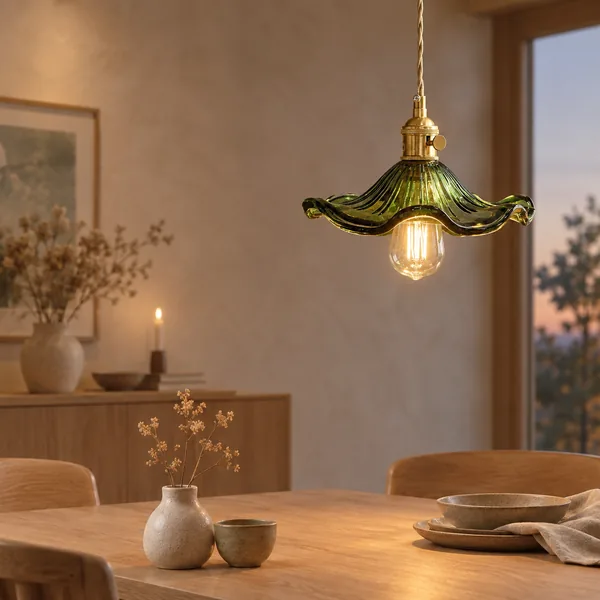
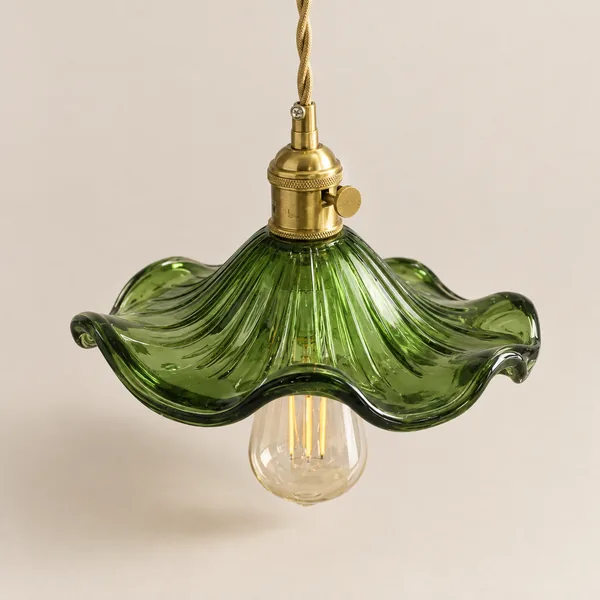
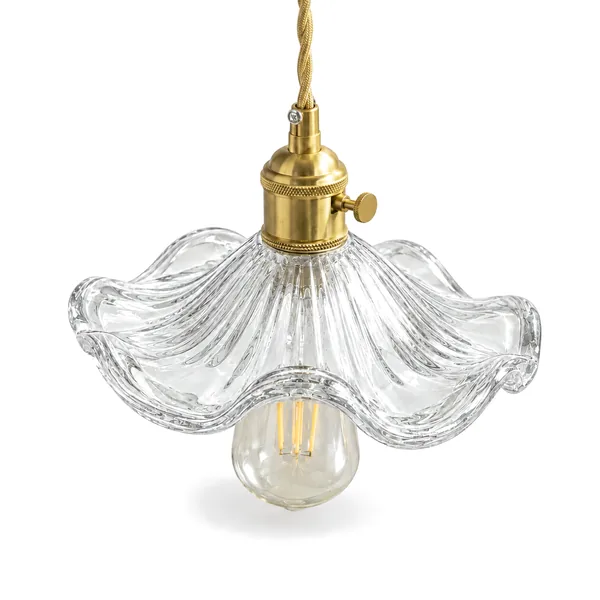
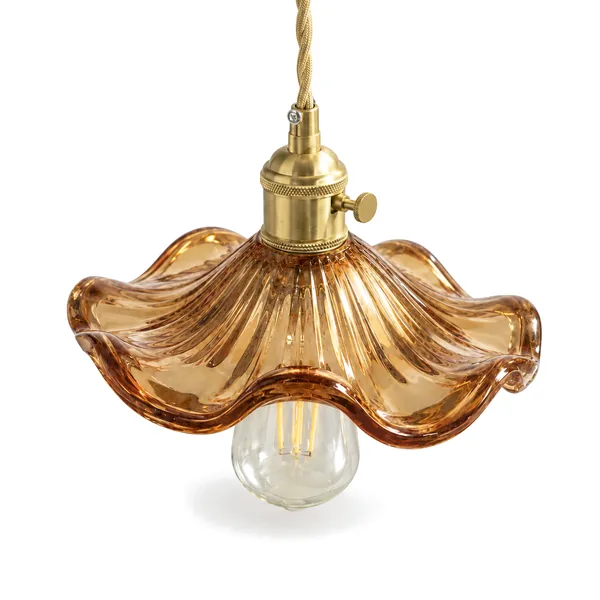
Glora Nordic Glass Pendant Light with Copper
Curating Your Global Lighting Collection
Creating a cohesive lighting scheme with global influences requires balance. The key lies in identifying your primary aesthetic—whether that's the asian table lamp styles you gravitate toward or the European elegance you prefer—then layering complementary pieces that create dialogue rather than competition.
Consider the following principles when mixing global styles:
- Material consistency: Pair Moroccan brass with Japanese ceramic, or unite different styles through a common color palette
- Scale variation: Use smaller Japanese lamps on bedside tables while making a Turkish mosaic lamp the centerpiece of your living room
- Lighting temperature: Match warm Edison bulbs across different fixture styles to create visual harmony
- Cultural respect: Choose authentic pieces that honor craftsmanship rather than mass-produced imitations
Choose these items that blend global and Scandinavian styles
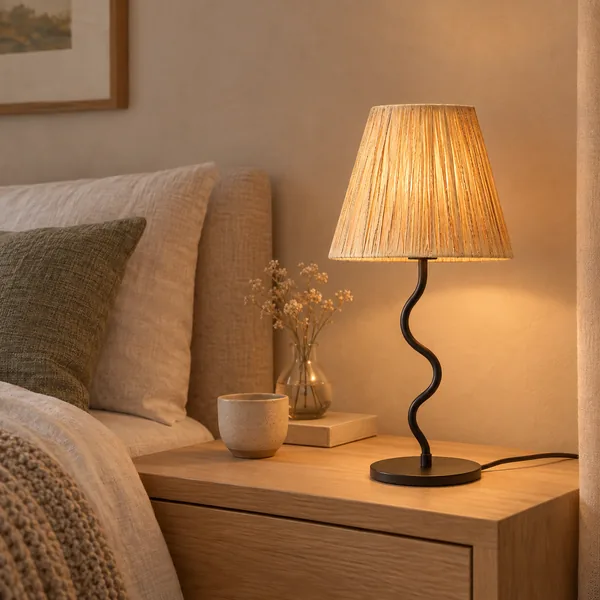 Fletta Sculptural Paper Rope Table Lamp Black$129.00$189.00
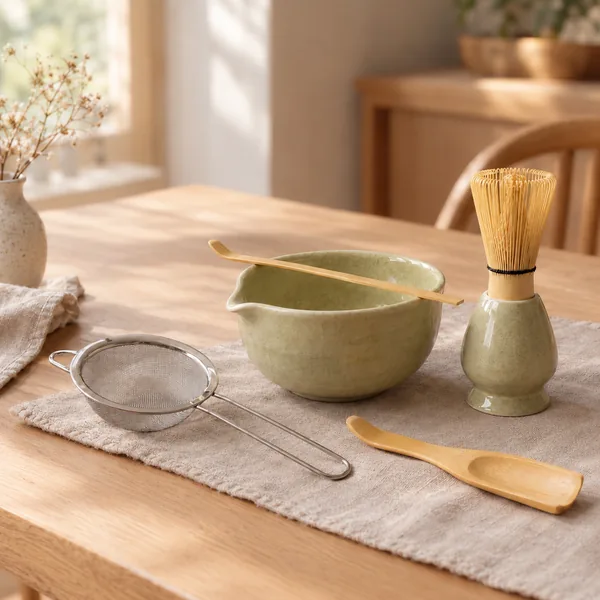 Stille 6-Piece Ceramic Japanese Matcha Tea Set$99.00$139.00
How to Choose the Right Global Table Lamp for Your Home
Selection begins with understanding your space and lifestyle. Ask yourself: Do you need task lighting for reading, ambient lighting for entertaining, or accent lighting to highlight artwork? A french table lamp with an opaque shade directs light downward, making it ideal for side tables where you read. Conversely, a japanese table lamp with paper diffusion creates ambient glow perfect for bedrooms and meditation spaces.
Consider maintenance as well. Mosaic and filigree styles require occasional dusting in their intricate patterns, while paper shades need protection from high humidity. The best choice balances beauty with practicality for your specific environment.
Pro Tip: Layer your lighting by combining a Japanese table lamp for ambiance with a Turkish mosaic piece for accent lighting. This creates depth and allows you to adjust the mood throughout the day.
Conclusion: Illuminating Your Story
Global-inspired lighting offers more than functional illumination—it provides an opportunity to bring world-class craftsmanship into your daily life. Whether you're drawn to the meditative calm of a japanese table lamp, the exotic romance of a moroccan table lamp, or the refined elegance of chinoiserie lighting, these pieces transform your home into a curated collection of experiences.
At Skonne, we believe that every light fixture should spark joy while honoring the traditions that inspired it. Our collection of global inspired lighting has been selected to help you create spaces that feel both international and intimate—rooms that welcome you home with warmth and wonder. Explore our curated lighting collection today, and discover how the right table lamp can become the centerpiece of your personal sanctuary.
Related Article
Scandinavian Table Lamps: Nordic-Inspired Designs for Hygge-Filled InteriorsExplore Nordic-inspired table lamps that bring hygge warmth to your home. Discover Scandinavian designs in wood, ceramic, and paper for cozy interiors.