
Kitchen Lighting: The Complete Guide to Illuminating Every Corner of Your Kitchen
Summary›
- The Three Layers of Kitchen Lighting Every Home Needs
- Kitchen Lighting Types and Fixtures Explained
- How to Choose the Right Color Temperature for Kitchen Lighting
- Kitchen Island Lighting: Creating a Focal Point
- Kitchen Lighting Placement Rules and Common Mistakes
- Scandinavian Kitchen Lighting Design Principles
- Current Kitchen Lighting Trends to Consider
- Kitchen Lighting Cost Considerations and Budget Planning
- Creating Your Kitchen Lighting Plan
- Conclusion: Illuminating Your Kitchen with Intention
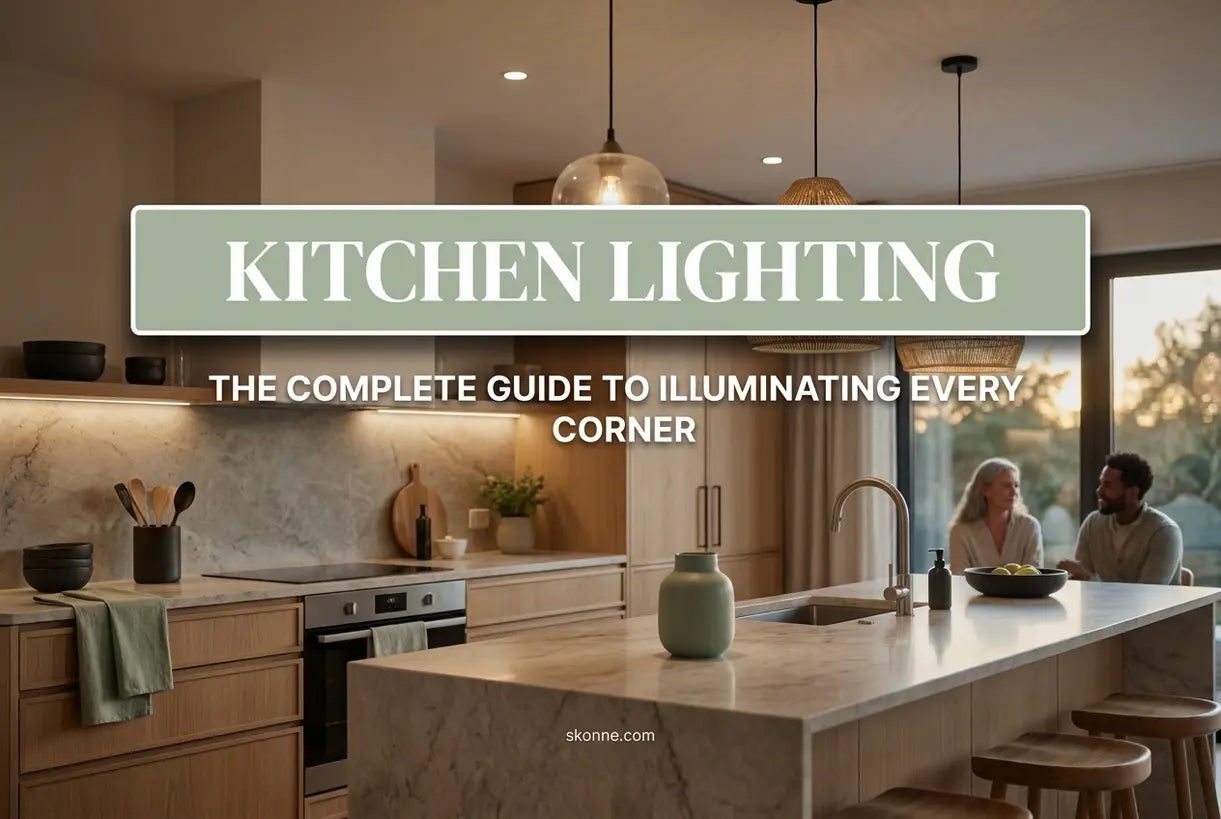
Creating the perfect kitchen requires more than beautiful cabinets and countertops—it demands thoughtful illumination that transforms your space from functional to extraordinary. Whether you're renovating your entire kitchen or simply refreshing your fixtures, understanding the nuances of kitchen lighting is essential for achieving that coveted Scandinavian hygge atmosphere while maintaining practical functionality.
Your kitchen serves as the heart of your home: a place for morning coffee rituals, evening meal preparations, and intimate gatherings with loved ones. The right lighting scheme doesn't just help you see—it creates mood, defines zones, and elevates your everyday experiences. In this comprehensive guide, we'll explore everything you need to know about illuminating every corner of your kitchen, from understanding the three essential layers of light to selecting fixtures that embody timeless Nordic design principles.
The Three Layers of Kitchen Lighting Every Home Needs
Professional designers agree that effective kitchen lighting relies on three distinct layers working in harmony. Understanding these layers helps you create depth, eliminate shadows, and ensure your kitchen feels welcoming at any hour.
Ambient Lighting: The Foundation Layer
Ambient lighting provides overall illumination and sets the baseline brightness for your kitchen. This layer typically comes from ceiling fixtures like recessed downlights, flush mounts, or semi-flush mounts. In Scandinavian design, ambient lighting emphasizes soft, diffused glow rather than harsh overhead beams that create unflattering shadows.
When planning your ambient layer, aim for even distribution across the entire kitchen area. Calculate approximately 2,000-4,000 lumens for a standard-sized kitchen, adjusting based on ceiling height and natural light availability. The goal is creating a gentle wash of light that allows safe navigation while establishing a warm, inviting foundation.
Task Lighting: Precision Where You Need It
Task lighting focuses intense, shadow-free illumination on work surfaces where you perform detailed activities. Under-cabinet LED strips, puck lights, and directional recessed lights serve this purpose brilliantly. The kitchen demands superior task lighting at countertops, stoves, sinks, and islands where food preparation occurs.
Position task lights to eliminate shadows cast by your body while working. Under-cabinet fixtures should sit near the front edge of upper cabinets, directing light toward the back splashes and countertops. LED technology excels here, offering bright, energy-efficient illumination that lasts years without replacement.
Accent Lighting: The Decorative Layer
Accent lighting adds visual interest and highlights architectural features, artwork, or open shelving displays. Picture lights, toe-kick lighting, and interior cabinet lighting fall into this category. While often considered optional, accent lighting distinguishes professionally designed kitchens from basic installations, adding that curated Scandinavian touch.
Kitchen Lighting Types and Fixtures Explained
Choosing among the many kitchen lighting fixtures available requires balancing aesthetics with functionality. Each fixture type serves specific purposes and contributes uniquely to your overall design scheme.
Pendant lights reign supreme over kitchen islands and dining areas, offering both task illumination and decorative impact. Chandeliers and linear suspensions make dramatic statements in larger kitchens, while flush and semi-flush mounts suit spaces with lower ceilings. Recessed can lights provide subtle ambient illumination, and track systems offer flexibility for evolving layouts.
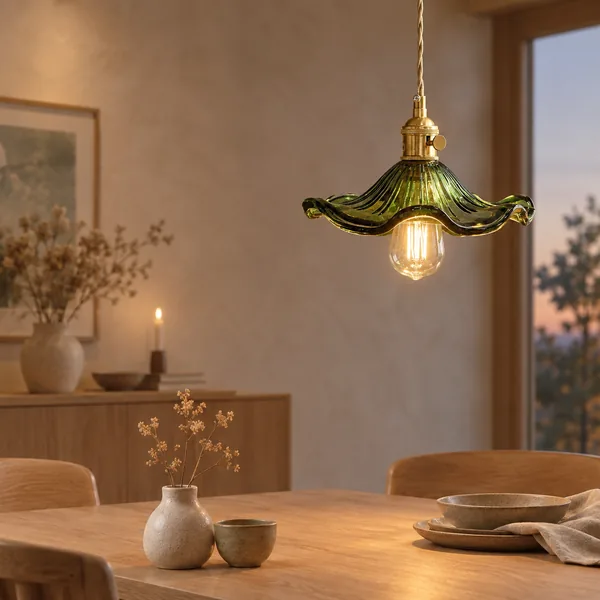
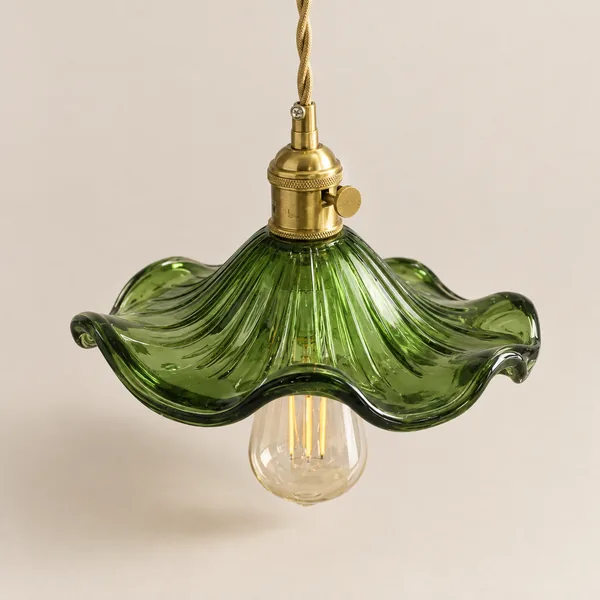
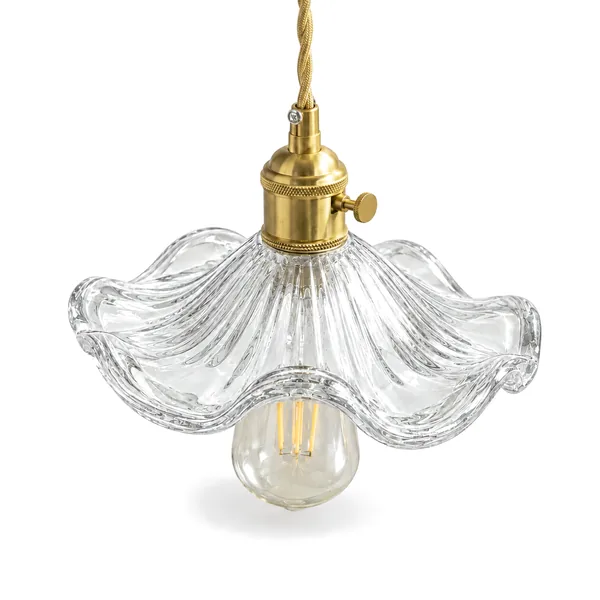
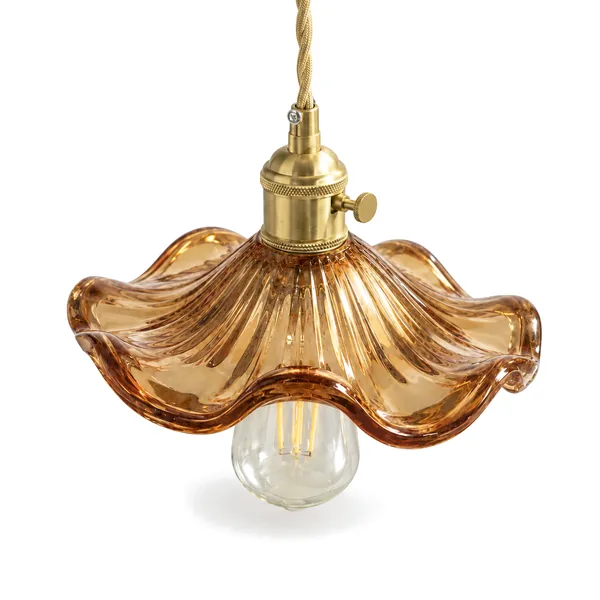
Glass Pendant Lights represent a particularly versatile choice, offering the transparency that maintains visual flow while casting beautiful, diffused illumination throughout Scandinavian-inspired spaces.
Pendant Lights
Shop all Pendant Lights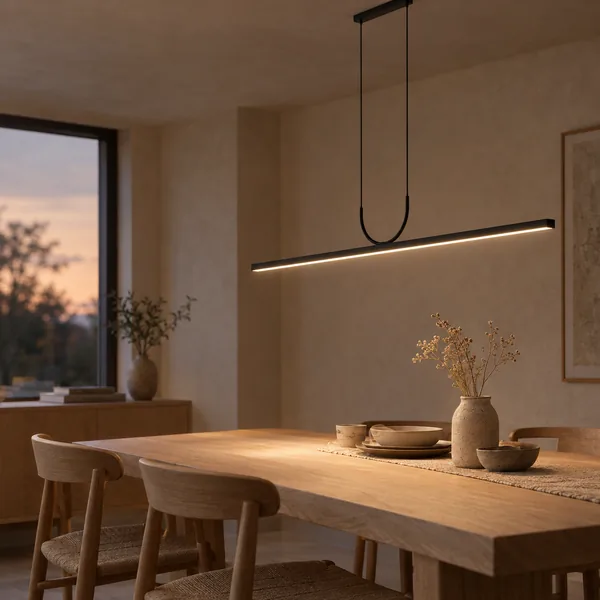
 Save $140.00
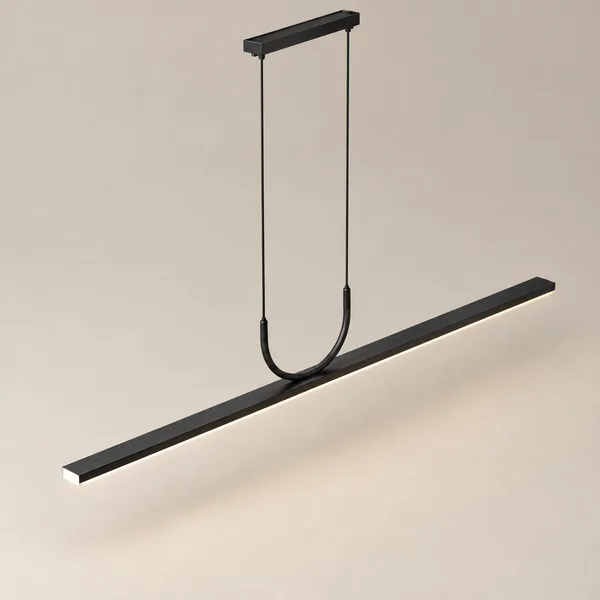
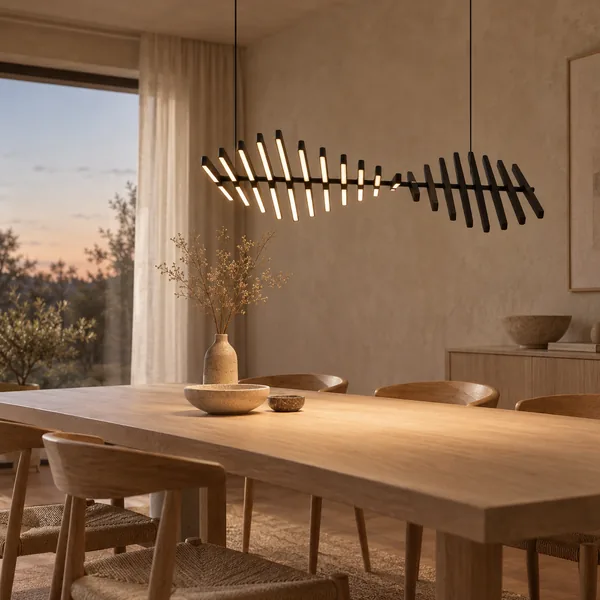
Linné Minimalist Linear Black LED Pendant Light
 Save $60.00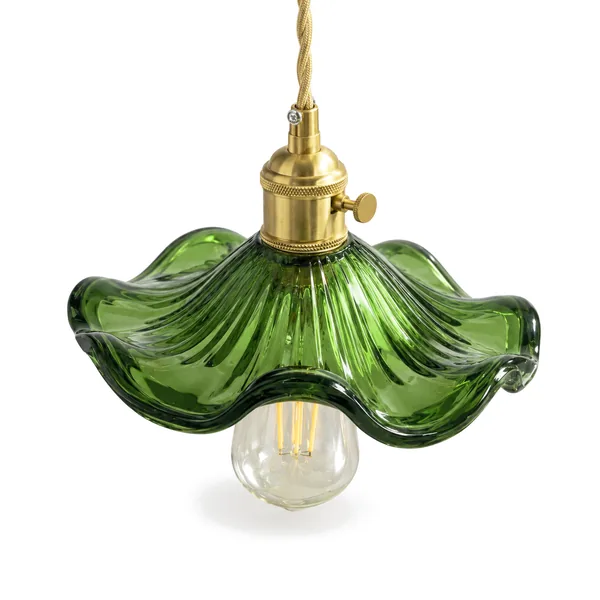
 3 options
Glora Nordic Glass Pendant Light with Copper
 Save $120.00
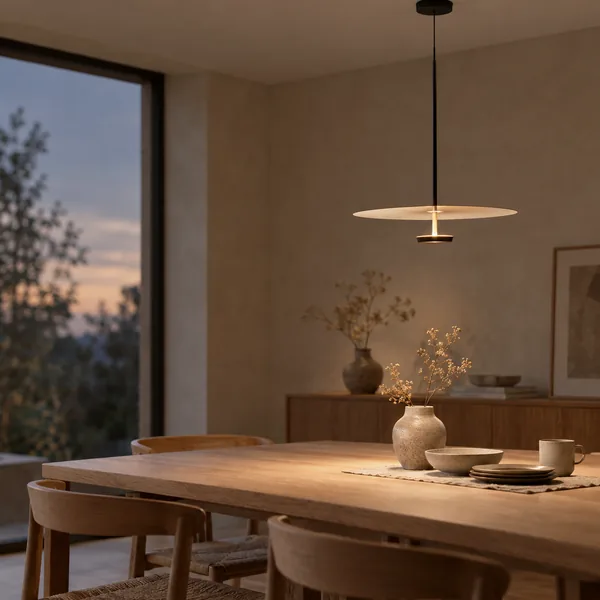
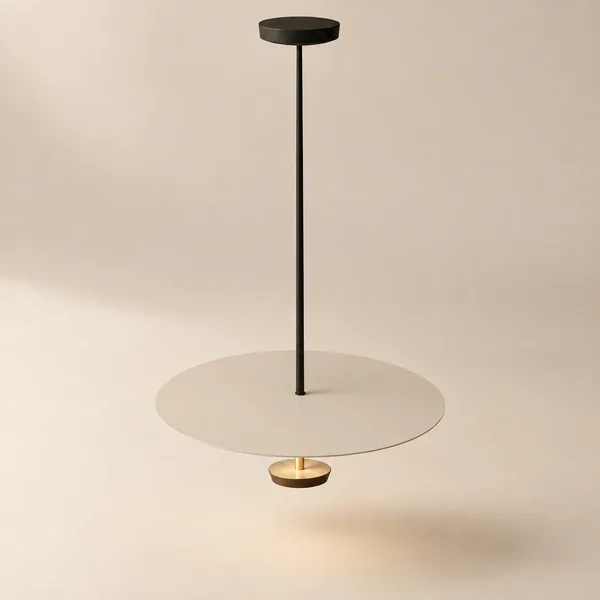
Skiva Nordic Saucer Ceiling Pendant Light LED
How to Choose the Right Color Temperature for Kitchen Lighting
Color temperature dramatically impacts how your kitchen feels and functions. Measured in Kelvin (K), this specification determines whether light appears warm (yellowish) or cool (bluish).
For residential kitchens, designers recommend warm color temperatures between 2700K and 3000K. This range mimics natural daylight and incandescent warmth, creating the cozy atmosphere central to hygge design philosophy. Warmer temperatures (2700K-2800K) excel in ambient and accent lighting, promoting relaxation and comfort. Slightly cooler temperatures (3000K-3500K) suit task lighting, enhancing visibility and color accuracy for food preparation.
Avoid temperatures above 4000K in residential kitchens, as these clinical, blue-toned lights feel harsh and institutional. The exception: if your kitchen features abundant natural wood tones and warm cabinetry, cooler lighting can provide pleasing contrast. Always test bulbs in your actual space before committing, as surrounding materials affect perceived color temperature.
Kitchen Island Lighting: Creating a Focal Point
The kitchen island often serves as the room's visual and functional centerpiece, making its illumination particularly important. Island lighting must balance task-oriented brightness with aesthetic appeal, often through carefully selected pendant fixtures.
When selecting island lighting, consider your island's dimensions. A general rule suggests spacing pendants 30-36 inches apart and maintaining 28-34 inches between the countertop and fixture bottom. For longer islands (6+ feet), linear suspensions or multiple pendants create proportional balance. Shorter islands may suit a single statement pendant or compact chandelier.
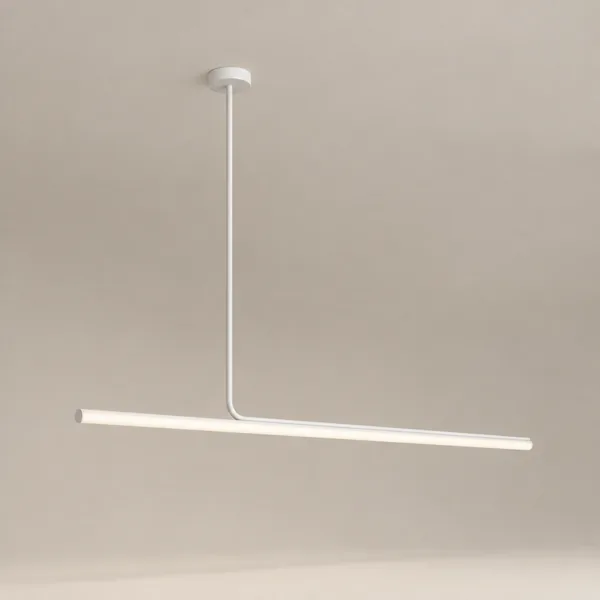
The Rekke Aluminum Linear LED Pendant Light Black exemplifies perfect island illumination through its sleek architectural profile. This versatile fixture brings Nordic elegance to contemporary kitchens with adjustable height functionality and warm LED output. The linear design distributes light evenly across expansive island surfaces, eliminating dark spots while maintaining clean sightlines. Its aluminum construction reflects Scandinavian material honesty, offering durability without visual heaviness.
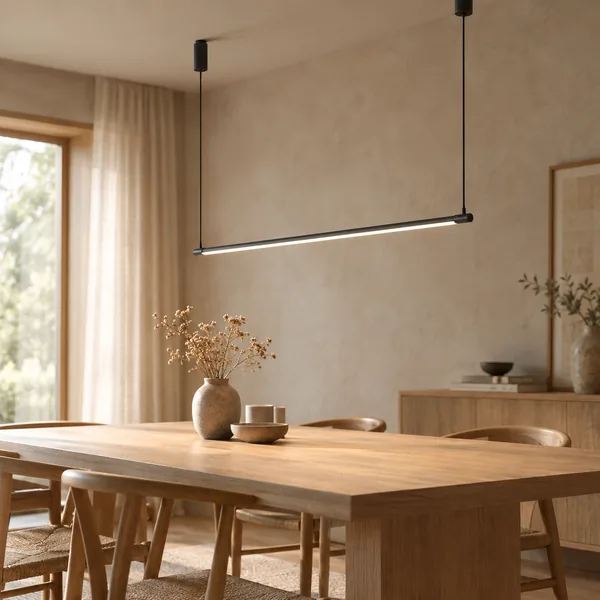 Rekke Aluminum Linear LED Pendant Light Black$229.00$359.00
Scale matters significantly with island lighting. Oversized fixtures overwhelm modest kitchens, while diminutive pendants disappear in grand spaces. Measure your island carefully and select fixtures whose visual weight complements rather than dominates the composition.
Kitchen Lighting Placement Rules and Common Mistakes
Even the most beautiful fixtures fail when improperly positioned. Understanding fundamental placement rules ensures your kitchen lighting ideas translate into functional reality.
Recessed ambient lighting should follow a consistent grid pattern, typically spaced 4-6 feet apart depending on ceiling height. Position first rows approximately 3 feet from walls to avoid harsh shadow lines. Under-cabinet task lighting belongs near the front of upper cabinets, directing illumination toward the backsplash rather than toward the back wall.
Common mistakes include installing only overhead lighting (creating unflattering shadows on faces), neglecting dimmer switches (limiting mood flexibility), and mismatching color temperatures between fixtures (creating visual discord). Another frequent error: placing pendant lights too high, which disperses task illumination ineffectively, or too low, obstructing sightlines across the island.
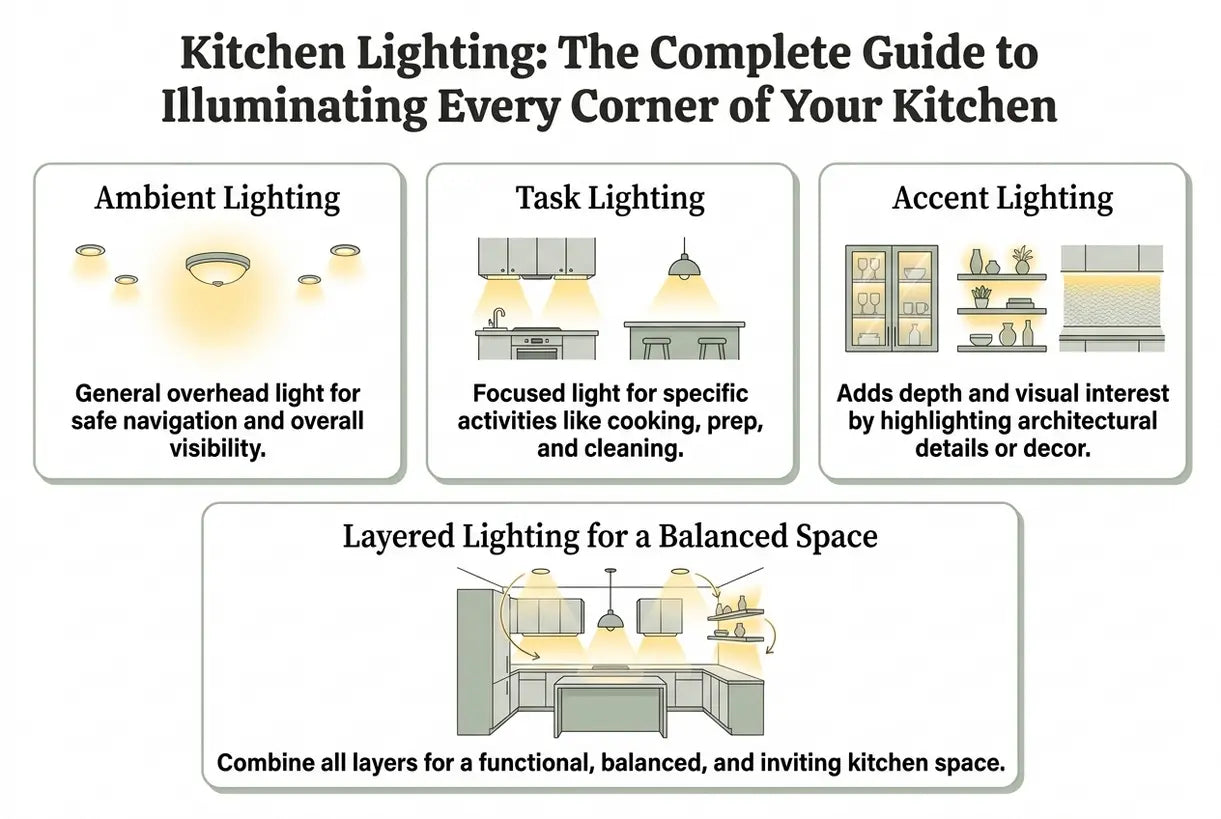
Consider your kitchen's work triangles when planning lighting placement. The sink, refrigerator, and primary cooking surface form the kitchen's functional core—ensure each point receives adequate task illumination. Don't forget the spaces between; pathway lighting prevents accidents during midnight snack expeditions.
Scandinavian Kitchen Lighting Design Principles
Scandinavian design philosophy prioritizes 功能与美学的平衡—the balance between function and aesthetics. When applied to kitchen lighting, this manifests through several distinctive characteristics that elevate ordinary spaces into serene, intentional environments.
Natural material honesty defines Nordic lighting choices. Fixtures crafted from aluminum, brass, glass, and wood connect occupants to organic elements while providing lasting durability. Clean lines and uncomplicated silhouettes prevent visual clutter, allowing the quality of light itself to become the focal point rather than ornate decoration.
Layering plays an essential role in achieving hygge—that untranslatable Danish concept of cozy contentment. Rather than relying on single bright sources, Scandinavian kitchens employ multiple dimmable layers that adjust throughout the day. Morning might bring full brightness for coffee preparation, while evening entertaining dims to warm, intimate glows.
Connection to nature influences fixture selection and placement. Scandinavian homes maximize natural light during dark winter months, supplementing with warm artificial sources that mimic sunset hues. Consider how your artificial lighting complements rather than competes with windows and skylights.
Current Kitchen Lighting Trends to Consider
While timeless design principles provide foundation, understanding current kitchen lighting trends helps your space feel contemporary and considered.
Statement pendants continue dominating island lighting, with oversized singular fixtures replacing symmetrical rows of smaller pendants. Warm metals—particularly brushed brass and matte black—complement Scandinavian aesthetics while adding subtle luxury. Integrated LED technology advances rapidly, offering unprecedented longevity and energy efficiency with increasingly sophisticated dimming capabilities.
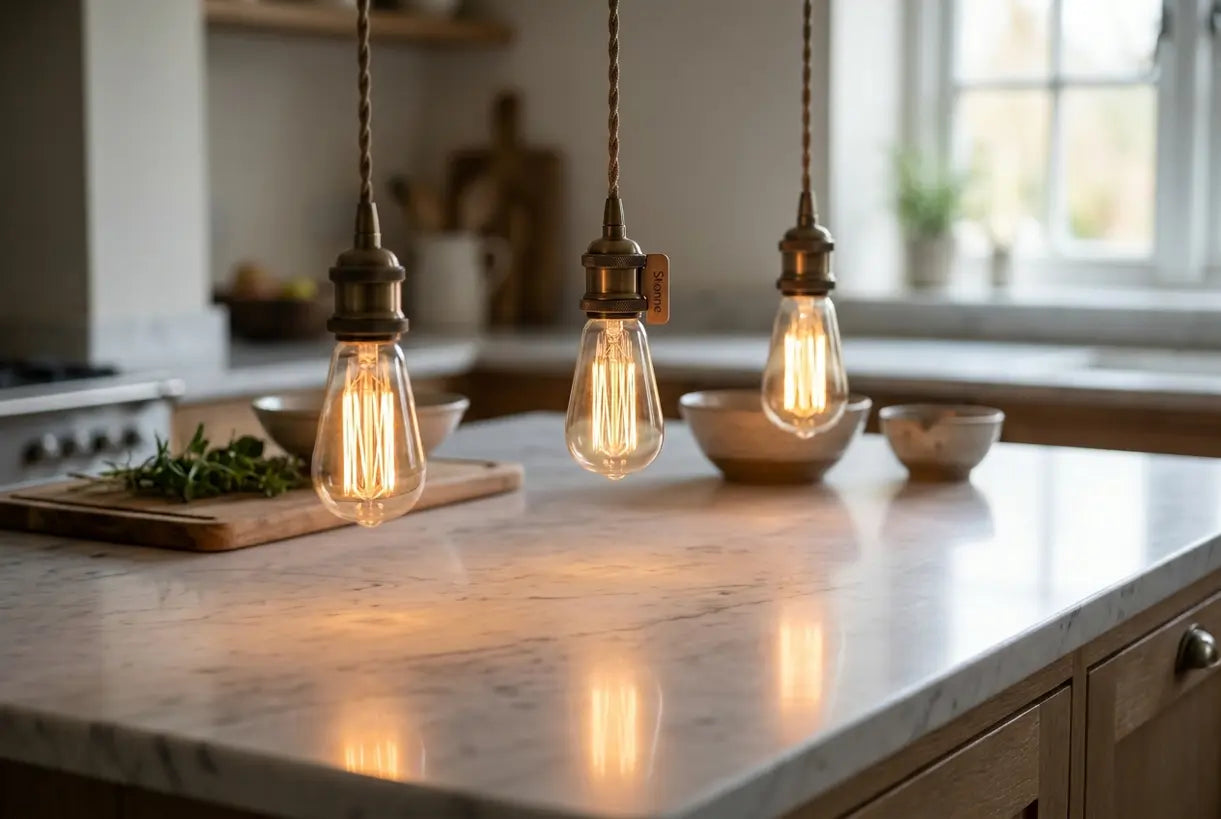
Smart lighting systems gain popularity, allowing smartphone or voice control over color temperature and intensity. These systems prove particularly valuable in multifunctional kitchens serving as offices, entertaining spaces, and culinary workshops throughout the day. However, prioritize intuitive manual controls for everyday convenience.
Sustainable materials and manufacturing processes increasingly influence purchasing decisions. LED technology's energy efficiency pairs beautifully with responsibly sourced materials for lighting that aligns with environmental values.
Kitchen Lighting Cost Considerations and Budget Planning
Understanding realistic kitchen lighting costs helps you allocate resources effectively across your renovation or refresh project. While prices vary dramatically based on quality and complexity, general guidelines help establish reasonable expectations.
Quality fixtures typically range from $100-$450 per piece, representing the sweet spot between mass-market disposable options and ultra-luxury designer pieces. Budget-conscious renovators can find attractive flush mounts and simple pendants in the $100-$200 range, while those seeking statement pieces should anticipate $300-$800 for distinctive designs with superior materials and LED technology.
Installation costs add significantly to overall investment, particularly for new construction or renovations requiring electrical work. Budget $150-$300 per fixture for professional installation, with complex chandeliers or linear suspensions commanding premium rates due to structural mounting requirements.
Scandinavian Pendant Lights for Every Kitchen Style
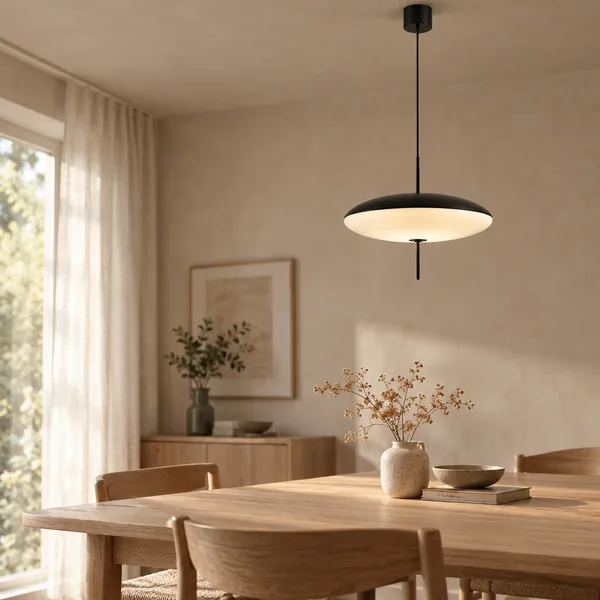 Skiva Saucer Nordic LED Pendant Ceiling Light$179.00$219.00
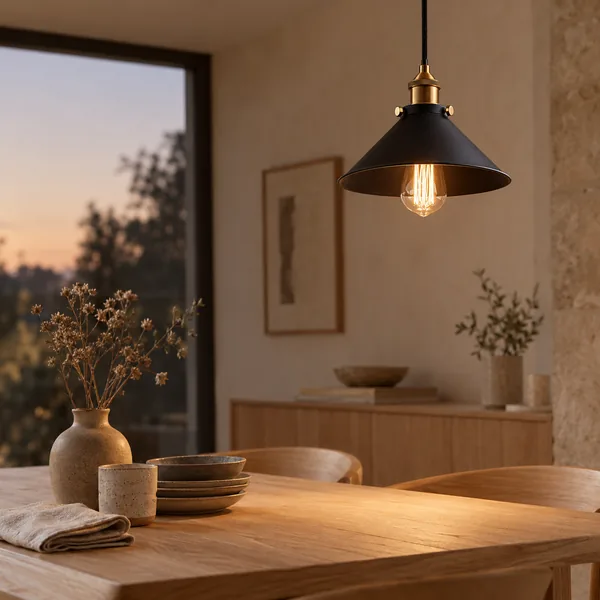
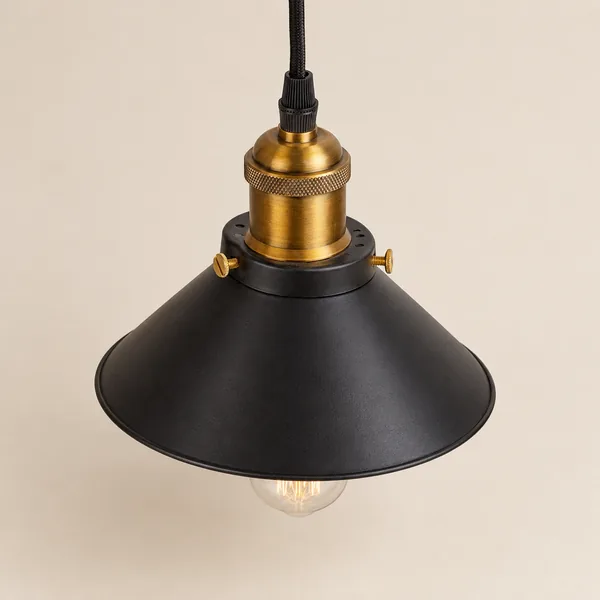
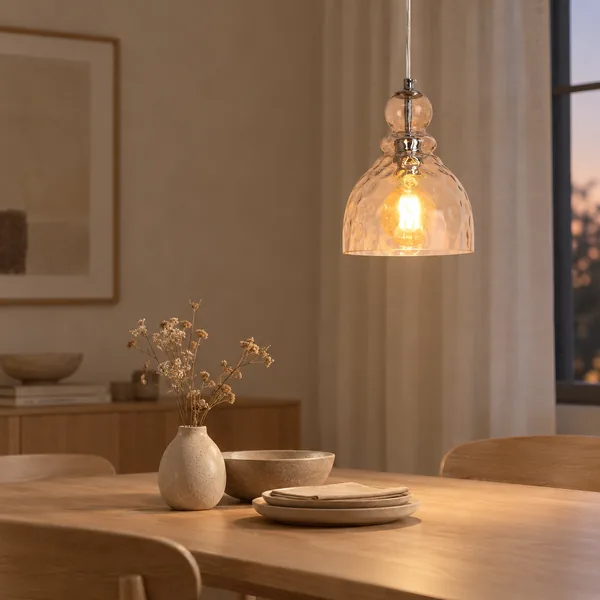 Dropa Glass Drop Pendant Light for Kitchen Dining$79.00$119.00
The Skiva Saucer Nordic LED Pendant Ceiling Light offers exceptional value within this investment range, delivering clean Scandinavian aesthetics with energy-efficient LED technology. For budget-conscious designers, the Dropa Glass Drop Pendant Light for Kitchen Dining provides affordable elegance with its softly diffused warm glow and adjustable 59-inch cord, perfect for rental kitchens or first-time homeowners building their design vocabulary.
Linear Pendant Lights
Shop all Linear Pendant Lights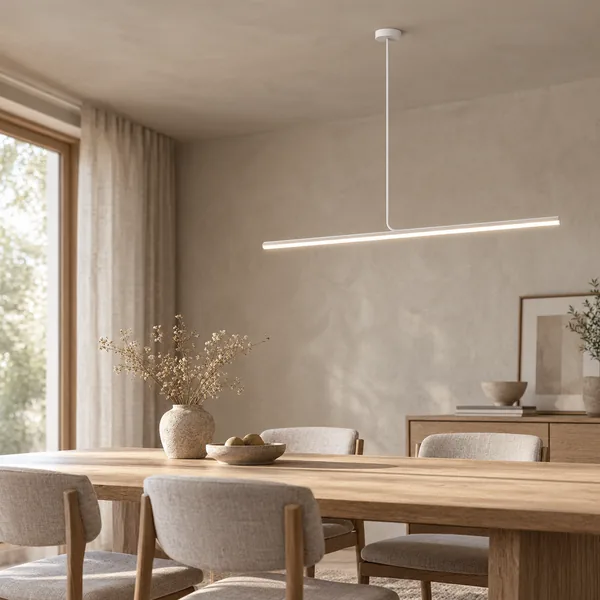
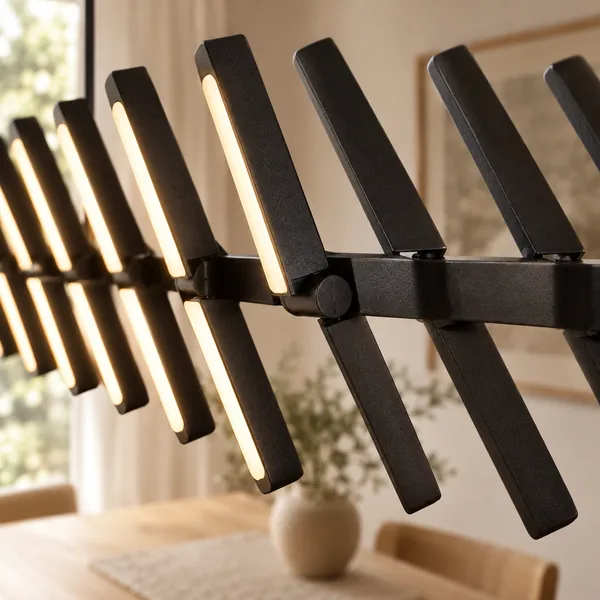
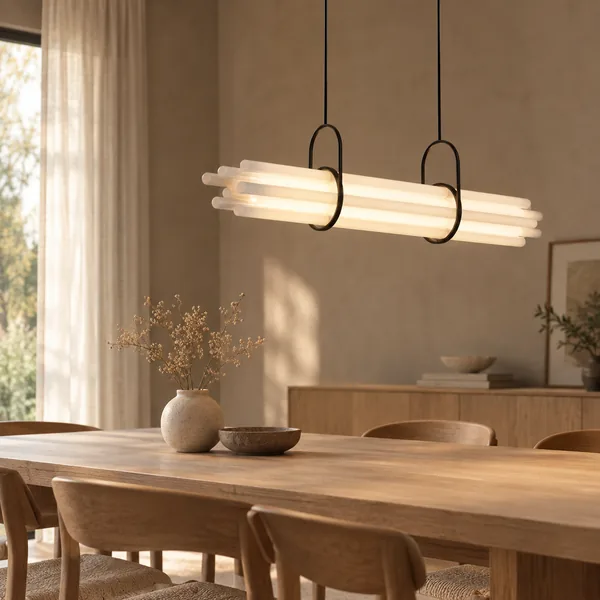
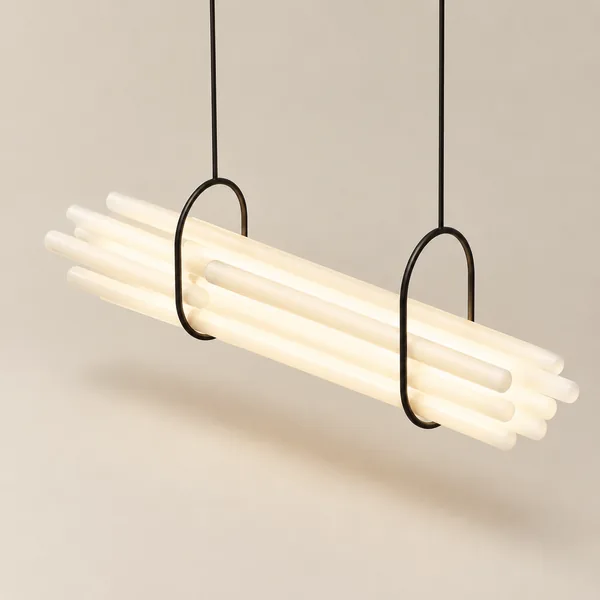
Remember that lighting represents a long-term investment in your daily experience. Quality fixtures last decades, making the per-year cost surprisingly modest compared to frequent replacements of inferior alternatives.
Creating Your Kitchen Lighting Plan
Implementing everything discussed requires systematic planning. Begin by documenting your kitchen's dimensions, ceiling height, and existing electrical locations. Identify work zones requiring task lighting and architectural features deserving accent attention.
Develop a lighting schedule listing each fixture's location, type, wattage/lumens, and color temperature. This document guides installation and ensures cohesive design. Consult with a lighting designer or electrician early in renovation planning—moving junction boxes after drywall installation proves expensive and messy.
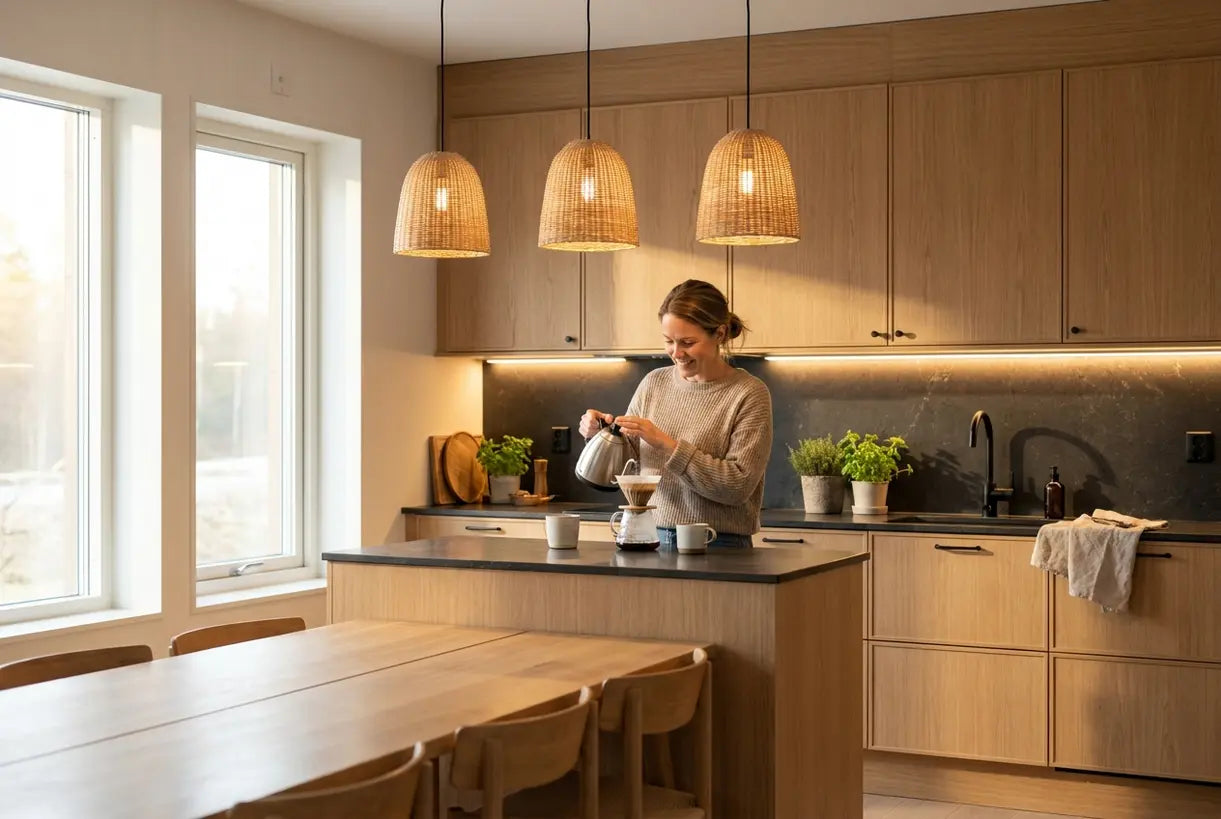
Test your plan using portable lamps or temporary bulbs before finalizing purchases. This practical verification reveals shadow patterns and brightness levels impossible to predict from drawings alone.
Conclusion: Illuminating Your Kitchen with Intention
Thoughtful kitchen lighting transforms cooking from chore to meditation and gathering from casual to memorable. By understanding the three essential layers—ambient, task, and accent—you create spaces that adapt to every moment of your day with appropriate warmth and functionality.
The principles of Scandinavian design offer timeless guidance: prioritize natural materials, embrace simplicity, and always consider how light affects human experience. Whether you select the architectural precision of the Rekke Linear Pendant, the floating elegance of the Skiva Saucer, or the approachable charm of the Dropa Glass Drop, your choices should reflect both practical needs and aesthetic values.
At Skonne, we curate lighting collections that honor these principles—fixtures designed not merely to illuminate, but to elevate daily life through intentional, beautiful design. Explore our complete kitchen lighting collection to discover pieces that will transform your kitchen into the warm, welcoming heart of your home.
Related Article
Cottage Dining Room Lighting: Charming, Cozy Fixtures for a Romantic Cottage-Style Dining SpaceCreate a warm, inviting cottage dining room with carefully chosen lighting fixtures. From vintage chandeliers to cozy pendant lights, discover how to bring romantic charm to your dining space.