
Living Room Accent Lighting: How to Use Uplights, Spotlights & Corner Lights for Drama
Summary›
- What Makes Accent Lighting Transformative
- Uplighting: The Secret to Dramatic Walls
- Spotlighting: Precision Drama for Your Space
- Corner Lighting: The Forgotten Focal Point
- The Layered Approach to Living Room Drama
- Current Trends and the Art of Intentional Illumination
- Avoiding Common Accent Lighting Mistakes
- Creating Your Dramatic Living Room Sanctuary
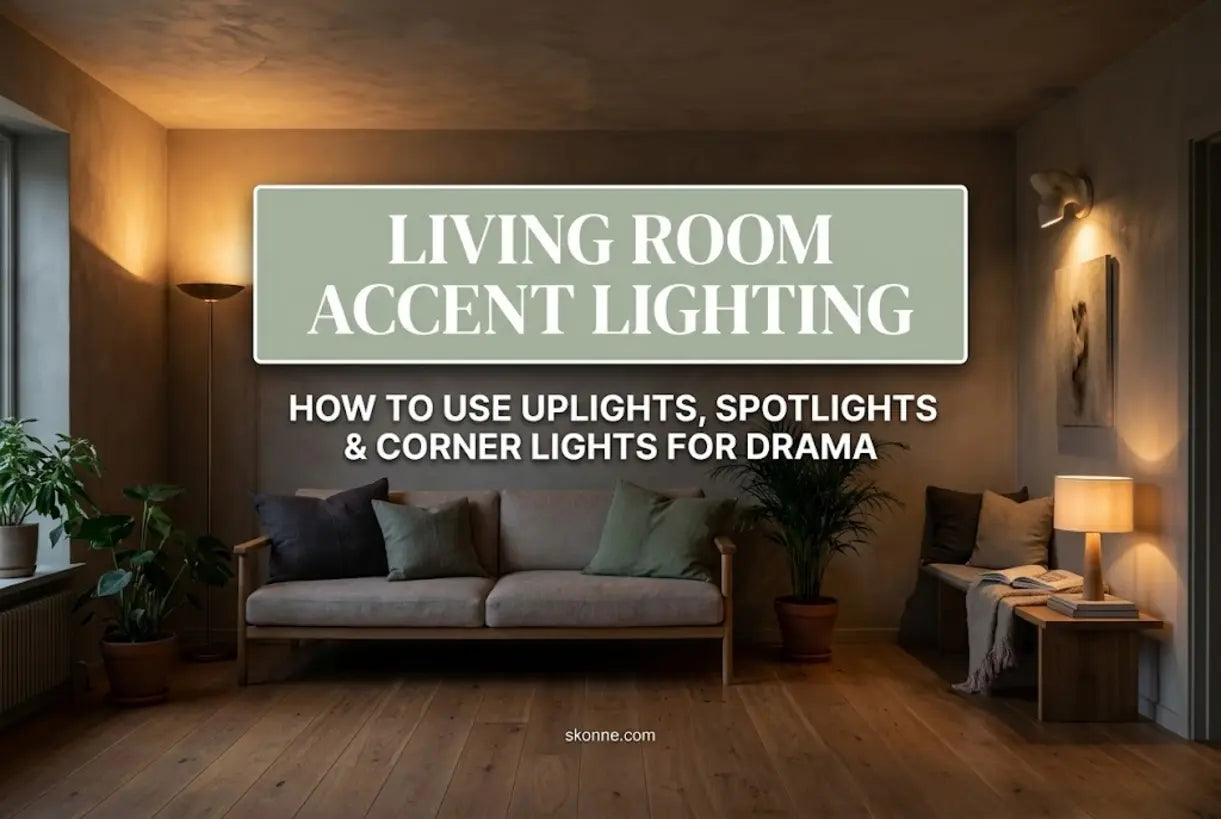
Your living room deserves more than a single overhead fixture casting flat, uninspired light. Living room accent lighting is the design secret that transforms ordinary spaces into curated, atmospheric sanctuaries. By strategically placing uplights, spotlights, and corner lights, you create layers of illumination that add depth, highlight architectural features, and evoke that coveted Scandinavian hygge feeling.
Whether you are refreshing a rental or redesigning your forever home, understanding how to use accent lighting effectively allows you to craft drama without complexity. In this guide, you will discover how to move beyond basic overhead lighting and create a space that feels intentionally designed, warm, and unmistakably personal.
What Makes Accent Lighting Transformative
Accent lighting serves a different purpose than ambient or task lighting. While ambient light provides general visibility and task light helps you read or work, accent lighting draws attention to what matters. It washes walls with subtle glow, emphasizes textured surfaces, carves out cozy nooks, and creates visual pathways through your space.
The magic of accent lighting lies in its ability to manipulate perception. A well-placed uplight can make ceilings feel higher. A precisely aimed spotlight can turn an overlooked piece of art into a gallery-worthy focal point. Corner lighting transforms dead zones into inviting retreats. These techniques do not require complicated installations or renovation budgets. They simply require intention and the right fixtures.
Uplighting: The Secret to Dramatic Walls
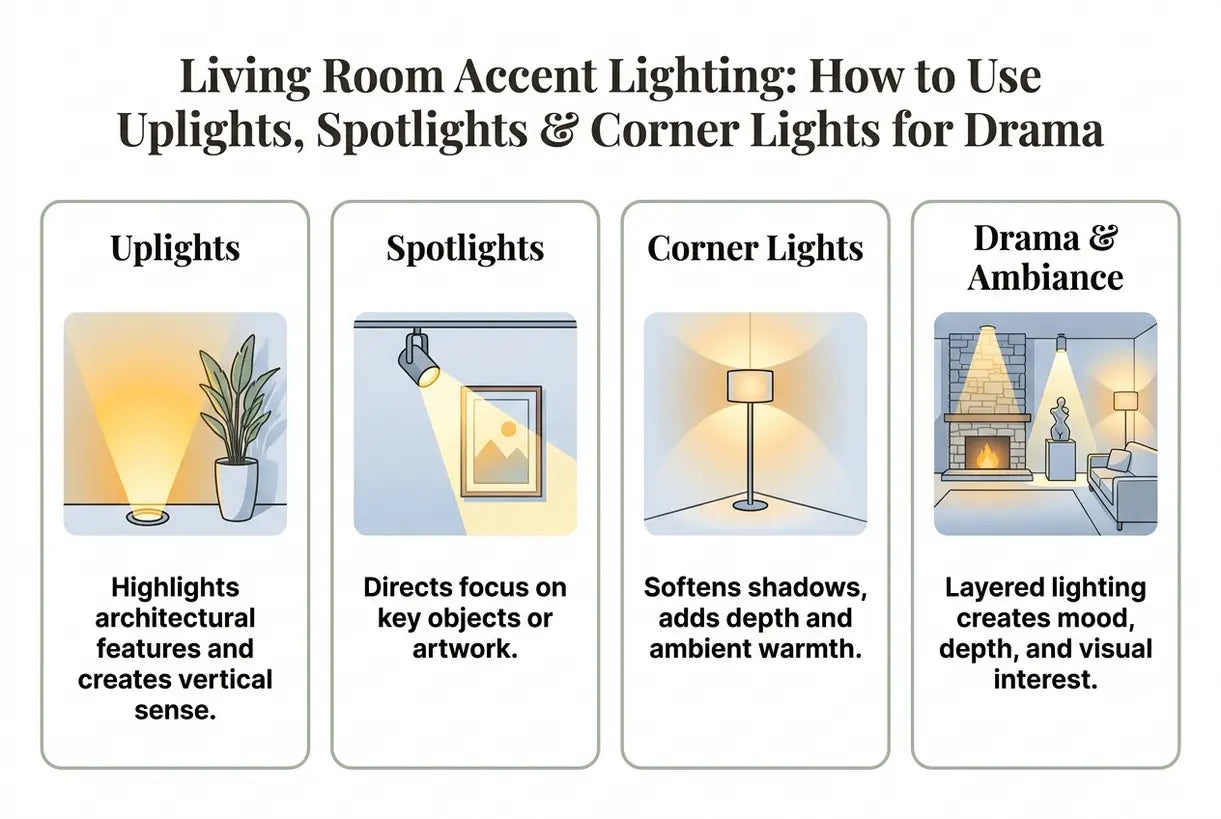
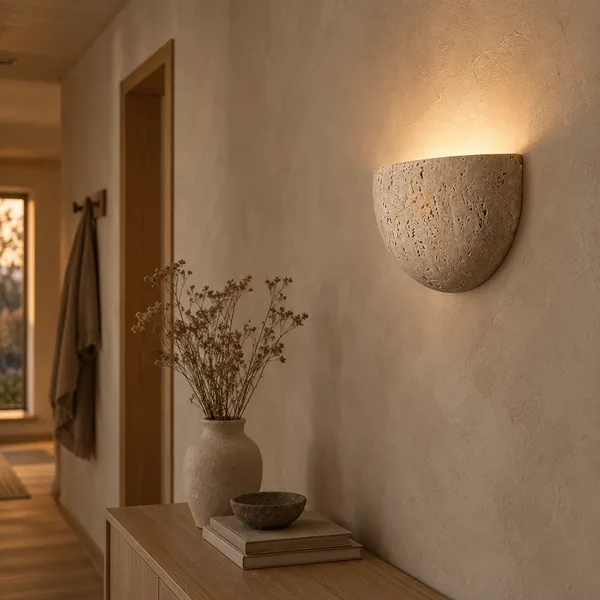
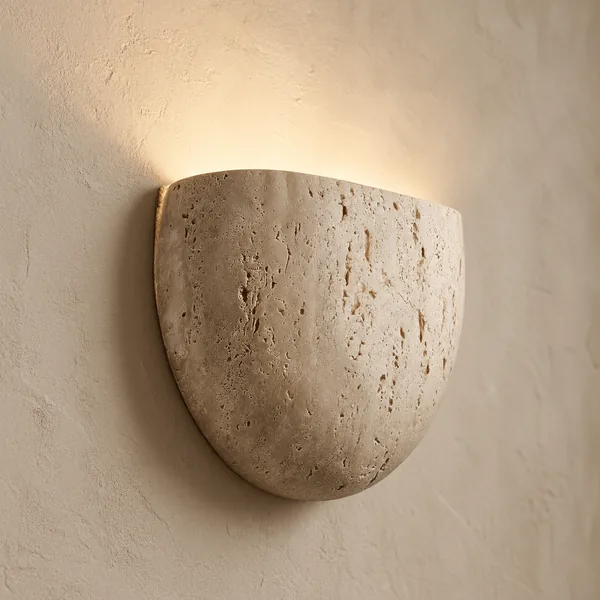
Uplighting directs illumination upward, creating a soft wash of light that grazes wall surfaces and bounces gently into the room. This technique works beautifully in living rooms with interesting textures like exposed brick, wood paneling, or subtle plaster finishes. The upward direction eliminates harsh shadows while making spaces feel larger and more open.
To achieve effective uplighting in your living room:
- Position floor lamps 12-18 inches from walls to allow light to spread evenly without hot spots
- Choose fixtures with upward-facing shades in materials like rice paper, fabric, or frosted glass for diffusion
- Create symmetry by placing matching uplights on either side of a fireplace or media console
- Experiment with dimmable options to adjust drama levels from bright and social to soft and intimate
The result is wall washing that transforms flat surfaces into dimensional backdrops. Unlike downward pendant lights or harsh ceiling fixtures, uplighting feels organic and calming.
Spotlighting: Precision Drama for Your Space
Where uplighting creates atmosphere, spotlighting creates focus. Spotlights direct concentrated beams toward specific elements, drawing the eye exactly where you want it. In a living room, this might mean highlighting a statement bookshelf, an indoor plant collection, or sculptural wall art.
Modern spotlighting has evolved beyond track lighting. Today, adjustable wall sconces, picture lights, and directional floor lamps offer sophisticated ways to add precision drama. The key is restraint. Select two or three focal points maximum per sightline. Over-spotlighting creates visual chaos and eliminates the sophisticated layering that makes accent lighting effective.
When positioning spotlights, consider the angle of incidence. Light hitting artwork or objects at 30-degree angles minimizes glare while maximizing texture and depth. This thoughtful placement elevates ordinary objects into intentional design moments.
Living Room Lighting
Shop all Living Room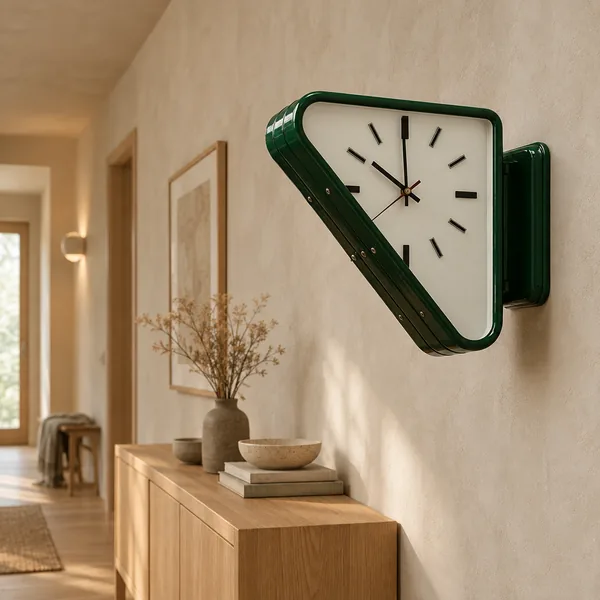
 Save $110.00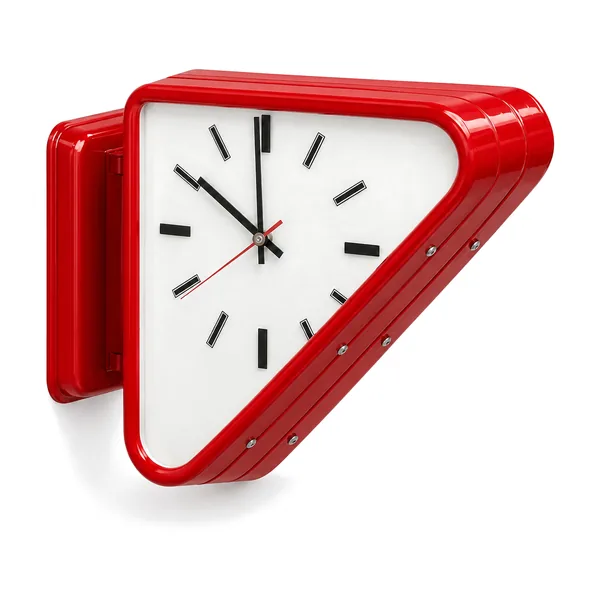
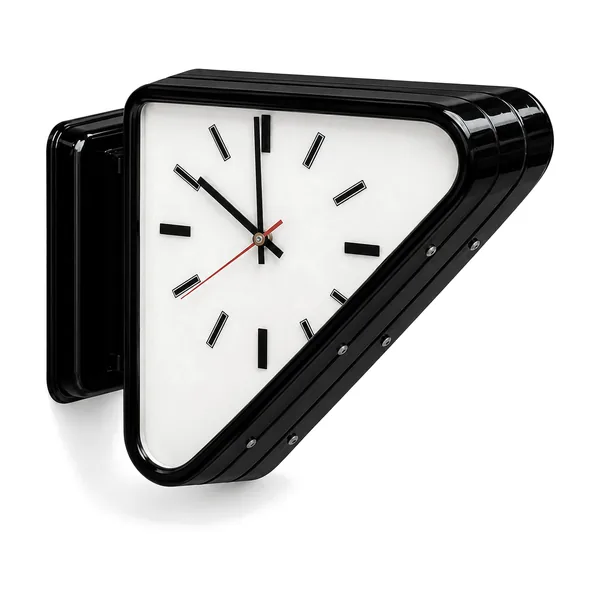
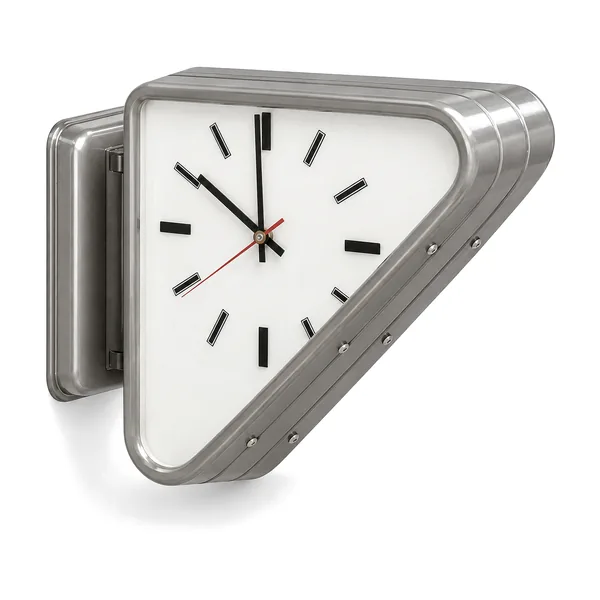
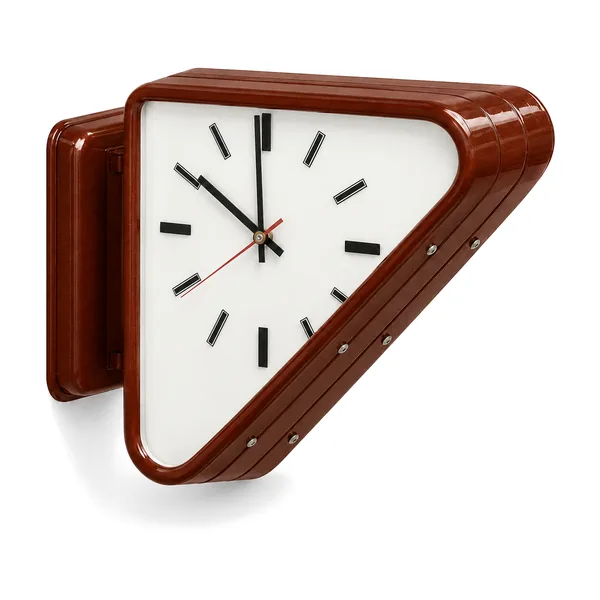 +15 options
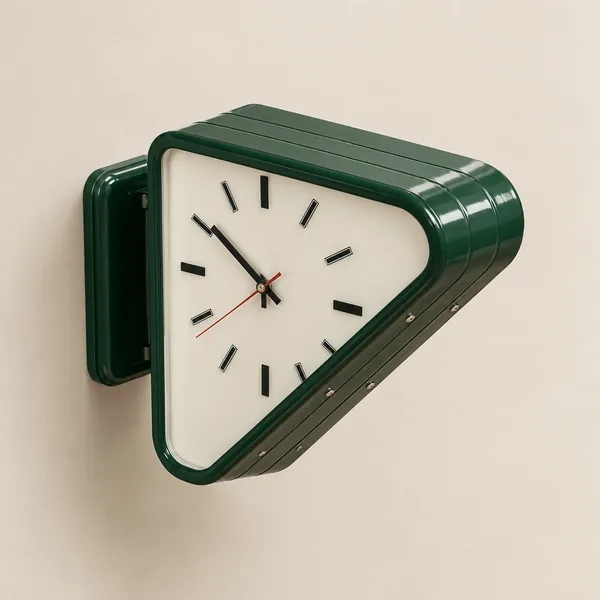
Tvilling Dual-Sided Geometric Metal Wall Clock
 Save $70.00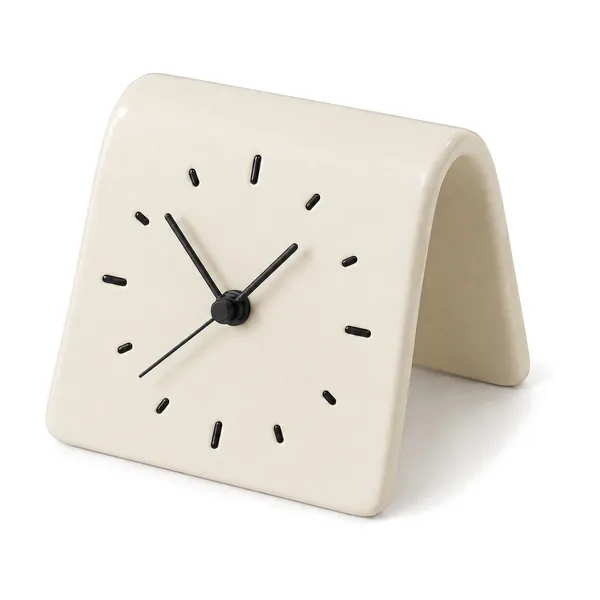
 +37 options
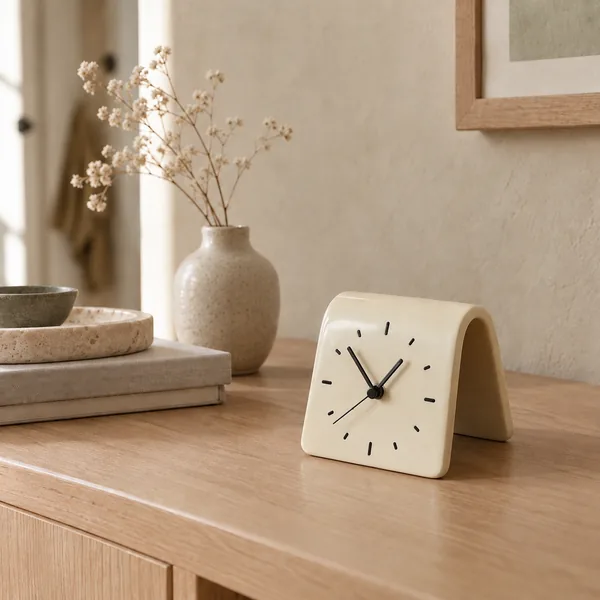
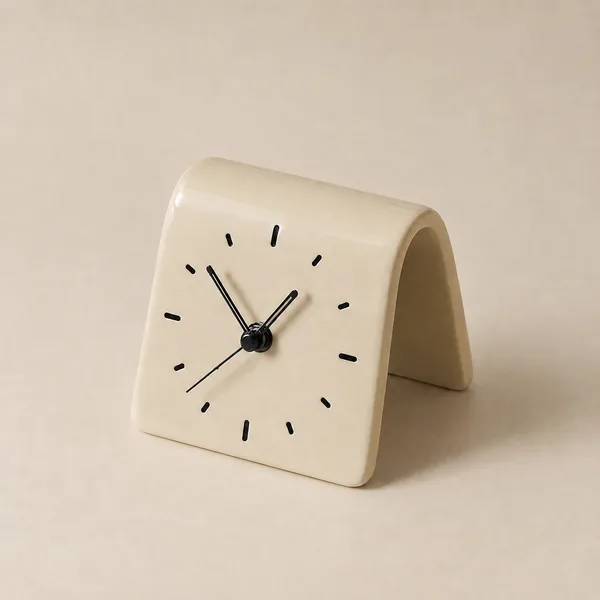
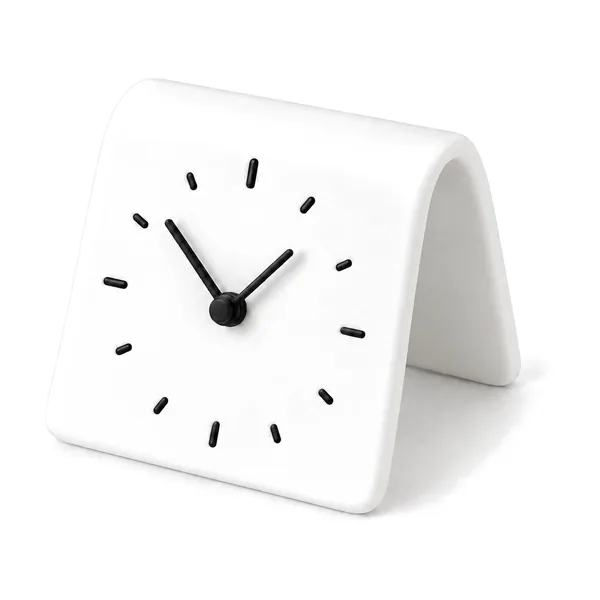
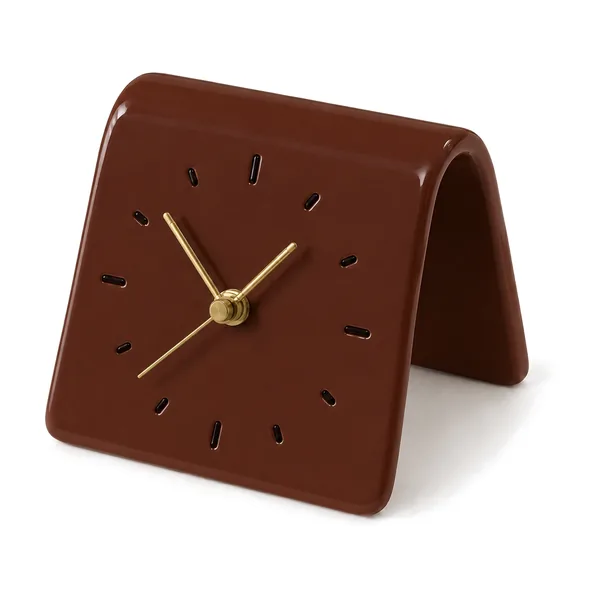
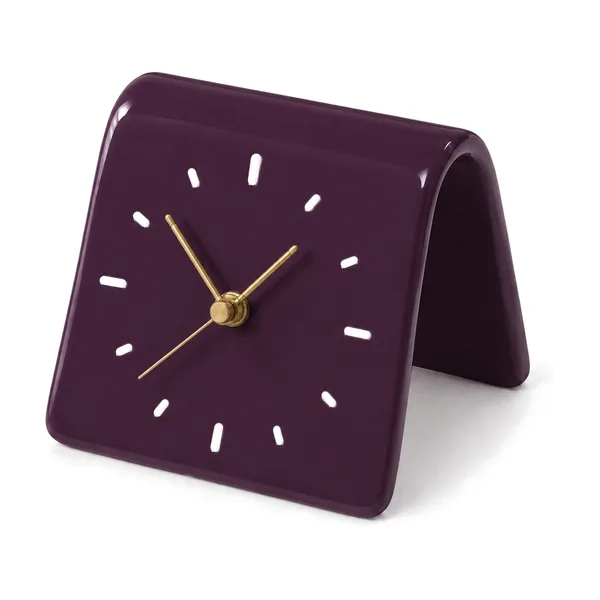
Tilje Silent Ceramic Desk Clock for Modern Homes
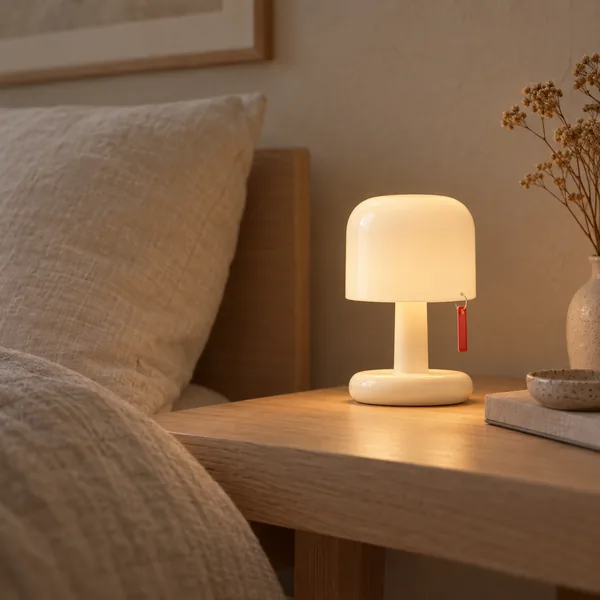
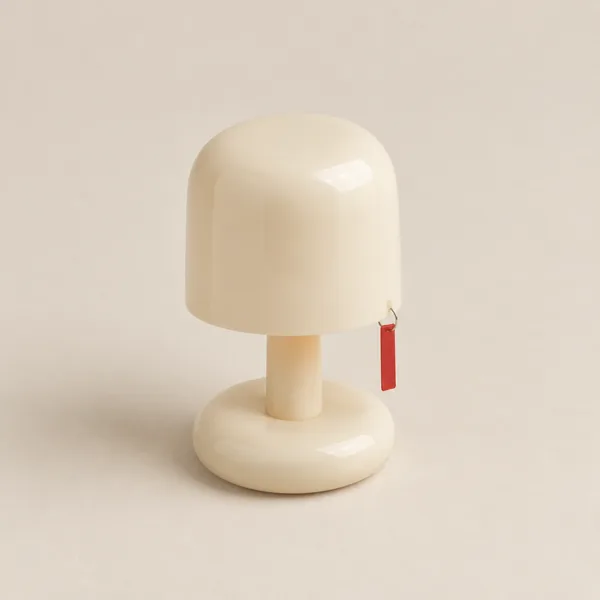
Corner Lighting: The Forgotten Focal Point
Corners often become wasted space in living rooms, collecting forgotten furniture or remaining empty and underutilized. Strategic corner lighting changes this narrative entirely. By placing ambient fixtures in room corners, you create pools of warm light that expand perceived space and establish cozy gathering zones.
Corner uplights work particularly well because they bounce light off two adjacent walls simultaneously, creating a soft, enveloping glow that eliminates harsh shadows. This technique makes rooms feel larger during the day and incredibly intimate at evening hours. The interplay of light on perpendicular surfaces adds architectural interest even to the simplest rooms.
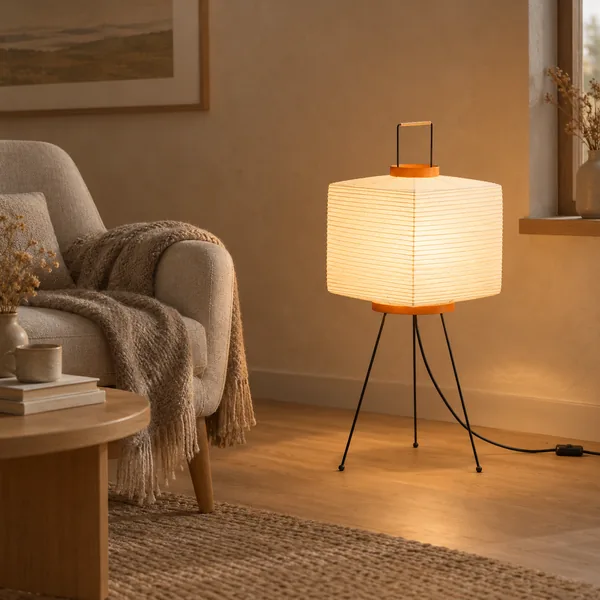 Papira Handcrafted Rice Paper Ambient Floor Lamp$159.00$249.00
The Papira Handcrafted Rice Paper Ambient Floor Lamp exemplifies the perfect corner lighting solution. Its rice paper shade diffuses light upward and outward, creating that coveted enveloping glow while maintaining the minimalist Scandinavian aesthetic. Positioned in a forgotten corner, it transforms dead space into a quiet refuge where you actually want to spend time.
The Layered Approach to Living Room Drama
True lighting mastery comes from layering multiple techniques. The most inviting living rooms combine uplighting, spotlighting, and corner illumination at varying heights and intensities. This layered approach creates visual hierarchy, defines zones within open spaces, and ensures your room feels dynamic rather than flat.
Consider your living room in zones. The primary seating area might feature a floor lamp for uplighting behind the sofa, paired with table lamps at eye level for intimate conversation lighting. A reading nook in the corner benefits from a focused spotlight or an accent table lamp. Wall-mounted sconces can graze textured surfaces or provide directional pools of light.
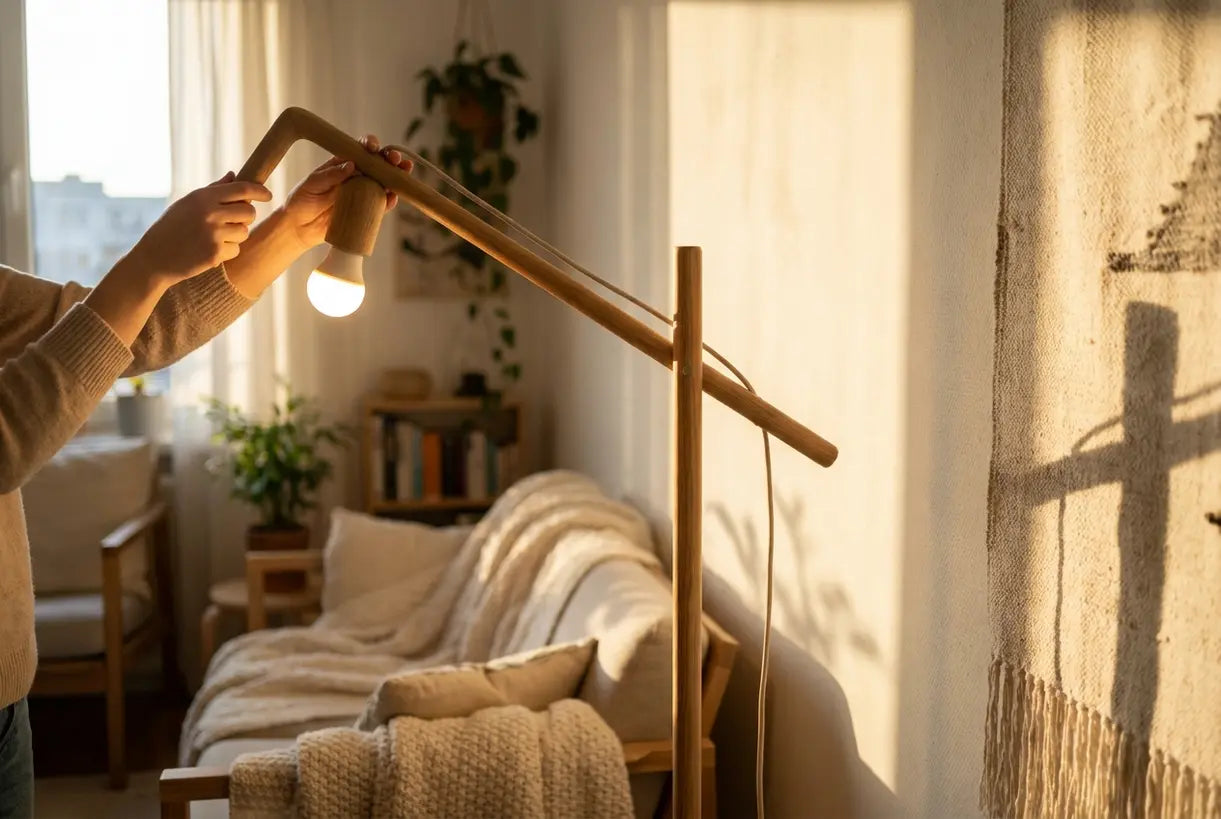
Modern living room accent lighting succeeds when you mix fixture types and heights. Combine floor-level uplights with mid-height table lamps and eye-level wall sconces. This variation prevents the monotony that comes from relying solely on ceiling fixtures and creates the dimensional drama that defines sophisticated spaces.
Accent Lighting Solutions for Layered Living Rooms
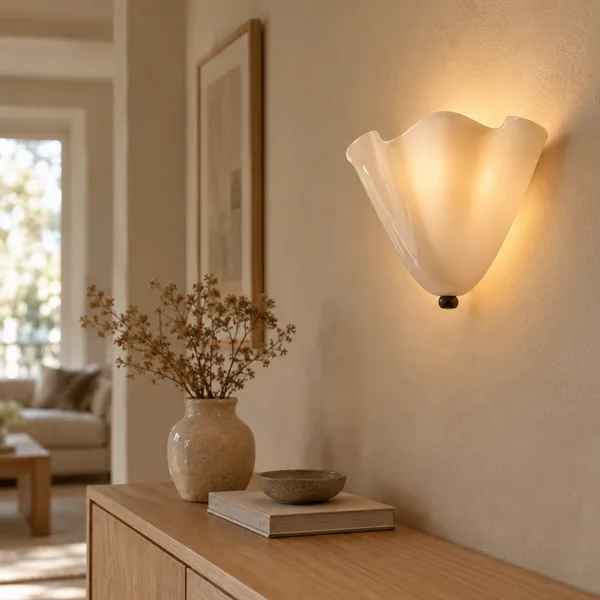 Glodsten Handcrafted Glass Stone LED Wall Light$259.00$319.00
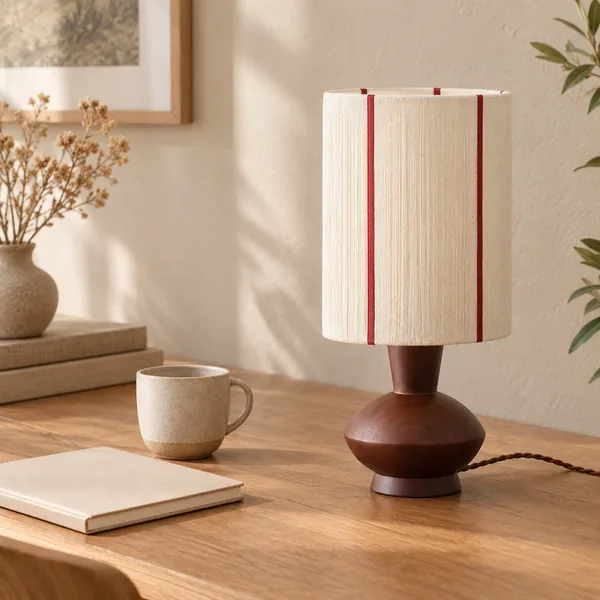 Vedra Solid Wood Vintage Table Lamp with Rope$299.00$509.00
The Glodsten Handcrafted Glass Stone LED Wall Light brings sculptural drama to vertical surfaces, creating dimensional radiance that changes character throughout the evening. Pair it with the Vedra Solid Wood Vintage Table Lamp, which casts a cozy amber halo perfect for accentuating reading nooks or side table vignettes. Together, these fixtures demonstrate how combining spotlight and ambient techniques creates cohesive, dramatic spaces.
Current Trends and the Art of Intentional Illumination
Today's lighting trends favor warmth, layering, and sculptural presence over purely functional fixtures. The movement away from overhead-only lighting reflects a broader shift toward spaces designed for living rather than mere existing. Younger generations particularly embrace this philosophy, seeking environments that feel intimate and personalized.
The 5-7 light rule has gained traction among interior designers as a guideline for creating properly layered living rooms. This principle suggests incorporating five to seven distinct light sources at varying heights throughout a space. The count includes everything from floor lamps and table lamps to wall sconces and candles. The goal is not rigid adherence to a number, but rather ensuring multiple light sources eliminate the flatness that comes from single-point illumination.
For enhanced flexibility, consider exploring our Adjustable Wall Lights, which allow you to redirect light as your needs evolve. These versatile fixtures adapt from accent lighting to task lighting, extending the functionality of your layered design.
Sculptural fixtures have emerged as another significant trend. Lighting that doubles as art, whether through organic materials like rice paper and wood or through geometric glass forms, adds visual interest even when unlit. This approach aligns perfectly with Scandinavian design principles, where every object should be both beautiful and functional.
Avoiding Common Accent Lighting Mistakes
Even with the best intentions, accent lighting can fall flat if certain pitfalls are not avoided. The most common mistake remains relying exclusively on overhead ceiling fixtures. This creates unflattering shadows, eliminates depth, and makes spaces feel institutional rather than inviting.
Color temperature errors rank high among lighting mistakes. Mixing warm and cool tones within the same sightline creates visual dissonance. For cohesive living room accent lighting, maintain consistent warmth (2700K-3000K) across all fixtures. LED accent lighting options now provide excellent color rendering while offering energy efficiency and longevity.
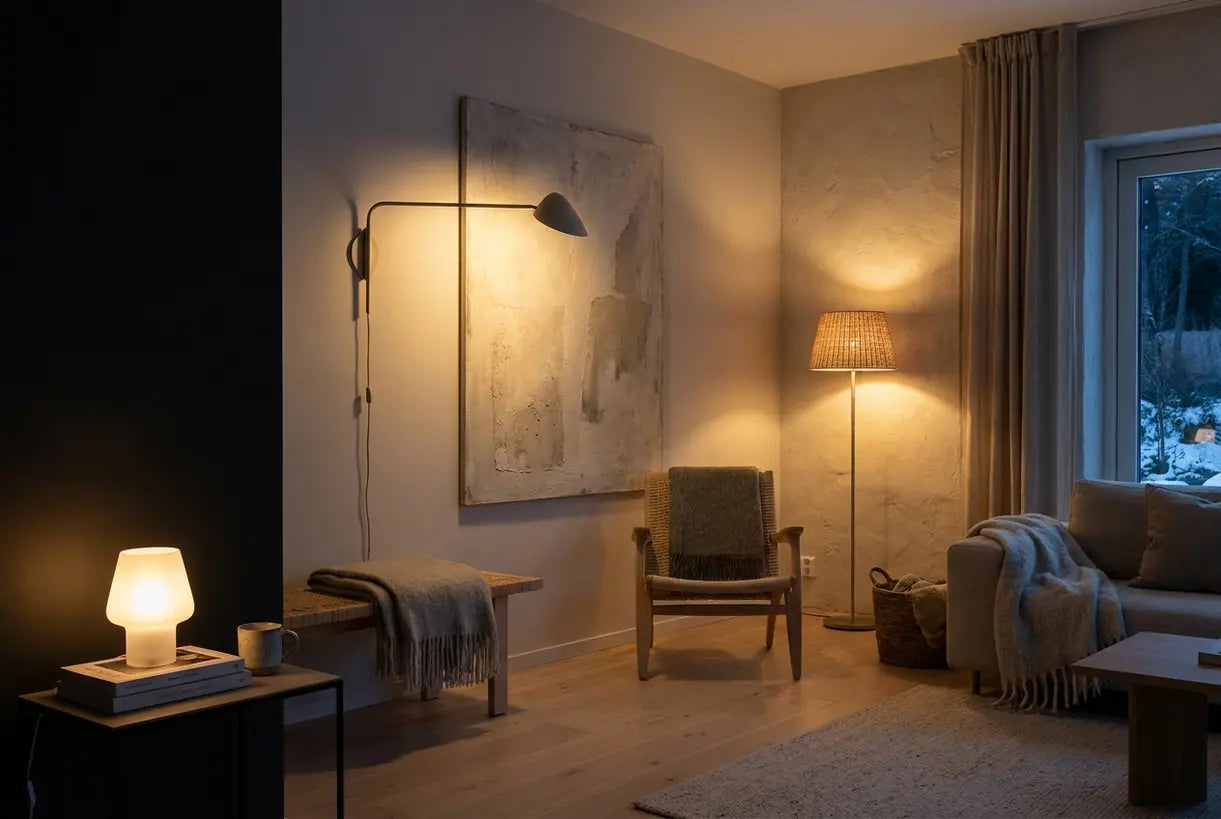
Over-illumination poses another frequent challenge. More light does not always equal better lighting. Strategic shadows and darker corners actually enhance the drama and coziness of well-designed spaces. Allow some areas to remain dimly lit while highlighting focal points with intention.
Placement height matters significantly with uplighting and spotlighting. Fixtures positioned too close to walls create harsh hot spots. Those placed too far away lose impact. Experiment with positioning before committing to permanent installation, and remember that dimmable options provide flexibility for different moods and occasions.
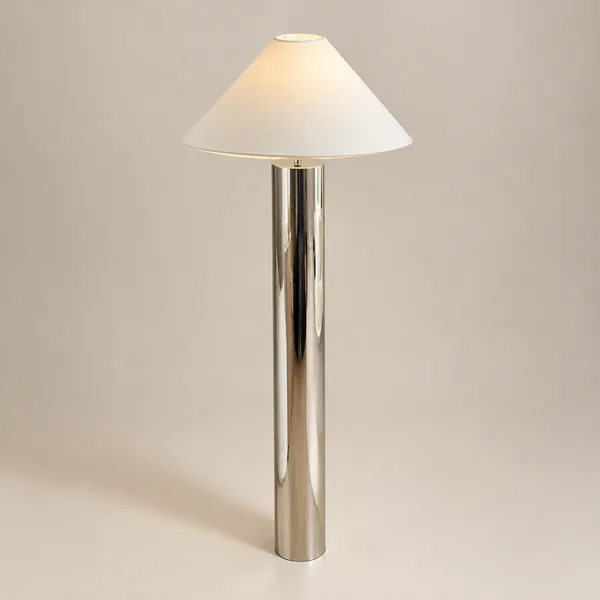
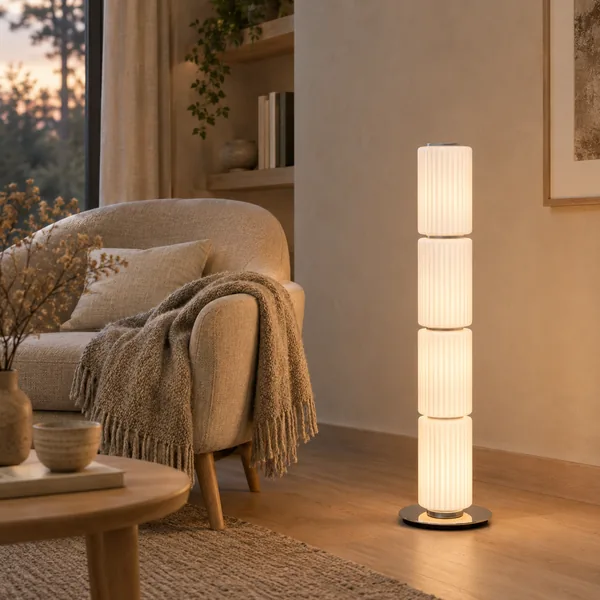
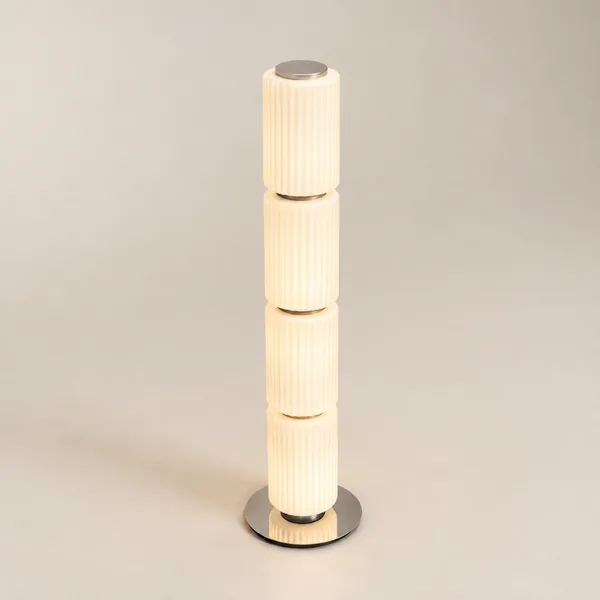
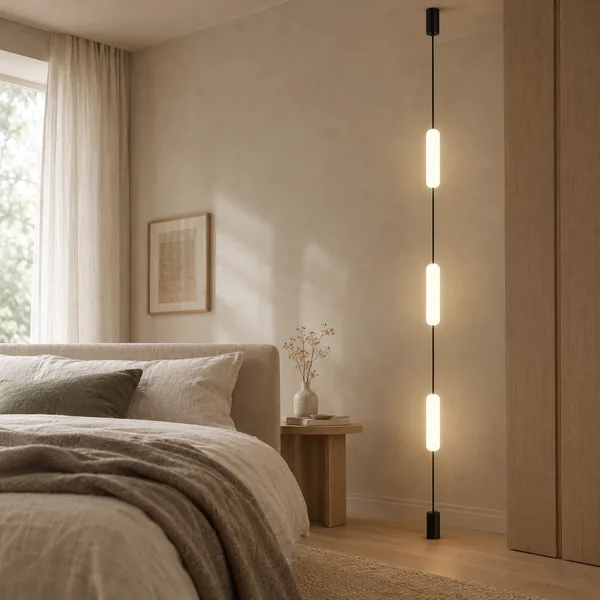
Floor Lamps
Shop all Floor Lamps
Creating Your Dramatic Living Room Sanctuary
Transforming your living room through accent lighting begins with observation. Walk through your space at different times of day, noting where natural light falls and where shadows pool. Identify architectural features worth highlighting and neglected corners begging for attention. This assessment reveals where uplights, spotlights, and corner lighting will have maximum impact.
Start with one technique rather than attempting everything simultaneously. Perhaps begin with corner uplighting to establish ambient warmth, then add spotlighting for focal points. Layer gradually, evaluating how each addition changes the room's character. The goal is creating a space that feels designed over time, not decorated in a weekend.
The right fixtures make this journey effortless. Look for pieces that align with your aesthetic while offering the technical capabilities needed for your vision. Scandinavian-inspired designs excel at this intersection, combining organic materials and thoughtful silhouettes with practical functionality.
At Skonne, we curate lighting that honors the principles of intentional design. Each piece in our collection serves dual purposes: providing beautiful illumination while serving as sculptural elements that elevate your space. From rice paper uplights that cast dreamy glows to glass sconces that create dimensional radiance, our fixtures help you achieve the dramatic living room you have envisioned.
Accent lighting transforms not just rooms, but how we experience them. By embracing uplights, spotlights, and strategic corner illumination, you create spaces that welcome, inspire, and comfort. The drama you seek lies not in complexity, but in the thoughtful layering of light.
Related Article
Ambient Lighting for the Living Room: How to Create Mood, Warmth & AtmosphereLearn how to create the perfect ambient lighting for your living room with warm, layered lights that transform any space into a cozy Scandinavian-inspired retreat.