
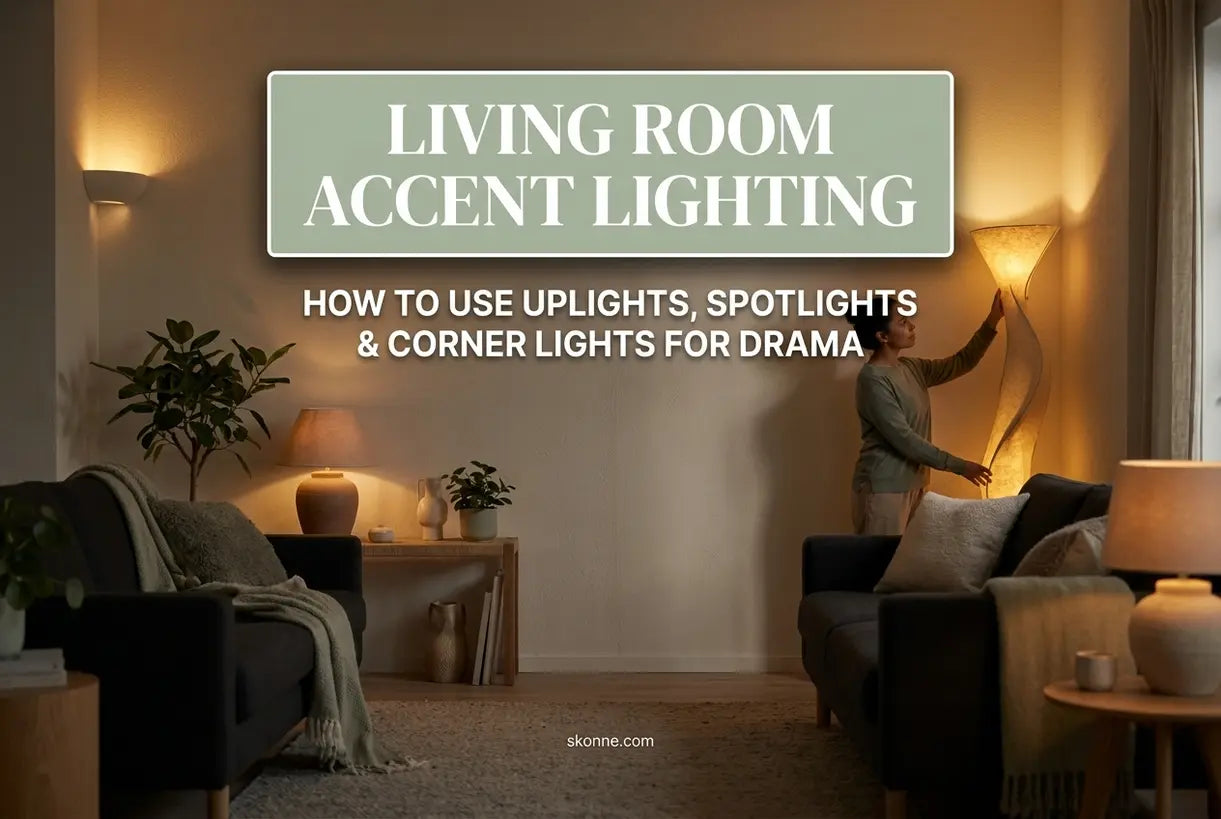
Living Room Accent Lighting: How to Use Uplights, Spotlights & Corner Lights for Drama
Summary›
- The Three Pillars of Dramatic Accent Lighting
- Uplighting: The Art of Indirect Illumination
- Spotlighting: Creating Visual Focal Points
- Corner Lighting: The Forgotten Canvas
- The 5-7 Light Rule: A Scandinavian Approach
- Hygge Through Light: Creating the Nordic Glow
- Putting It All Together: Your Lighting Symphony
The Three Pillars of Dramatic Accent Lighting
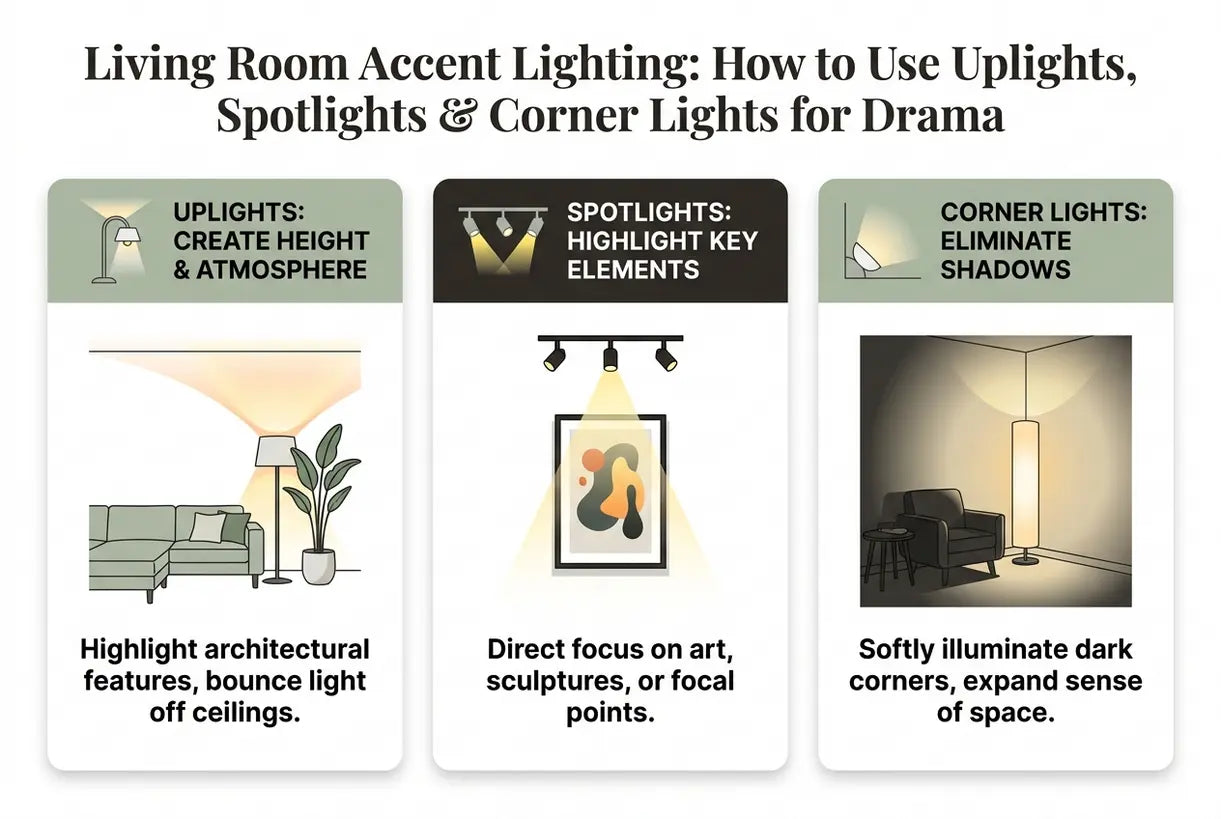
Creating ambiance through lighting isn't about adding random lamps. It's a curated practice of layering three distinct techniques that work in harmony: uplighting, spotlighting, and corner lighting. Each serves a unique purpose, and together they create the dimensional depth that transforms flat spaces into lived-in environments.
Uplighting transforms the way we perceive ceiling height and room volume. By casting light upward, you draw the eye skyward, making spaces feel larger while creating a warm, enveloping glow. It mimics the natural quality of sunset—a light source that exists somewhere in the periphery rather than glaring down from above.
Spotlighting, when used with restraint, becomes a curator's tool. It directs attention to what matters: a beloved piece of art, architectural molding, or that reading nook where you disappear into novels. Unlike harsh overhead fixtures, strategic spot lighting creates focal points without flooding the entire room.
Corner lighting addresses the most neglected zones in living rooms. Those shadowy alcoves where furniture meets wall often feel like energy drains rather than usable space. Illuminating corners softens boundaries and makes rooms feel intentionally finished rather than forgotten.
Living Room Lighting
Shop all Living Room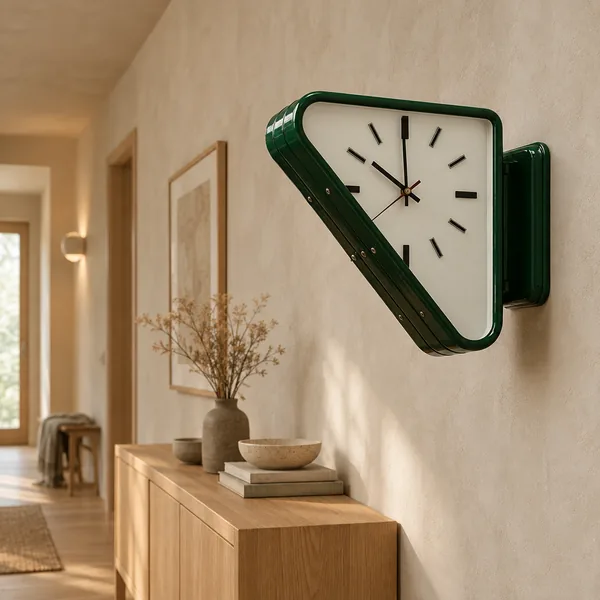
 Save $110.00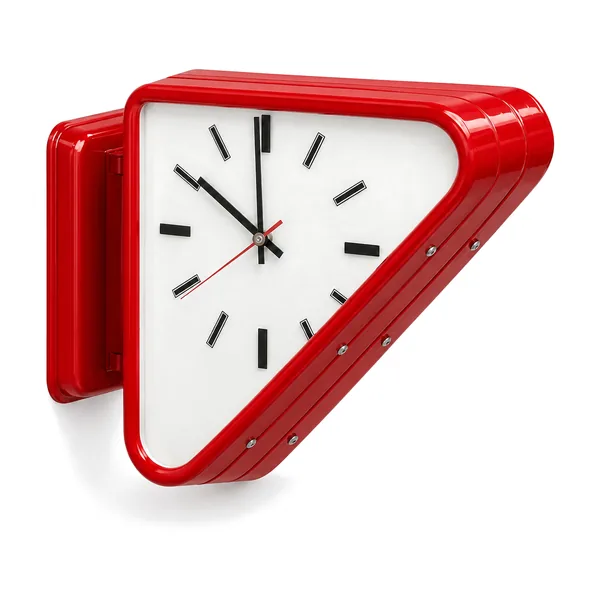
 +15 options
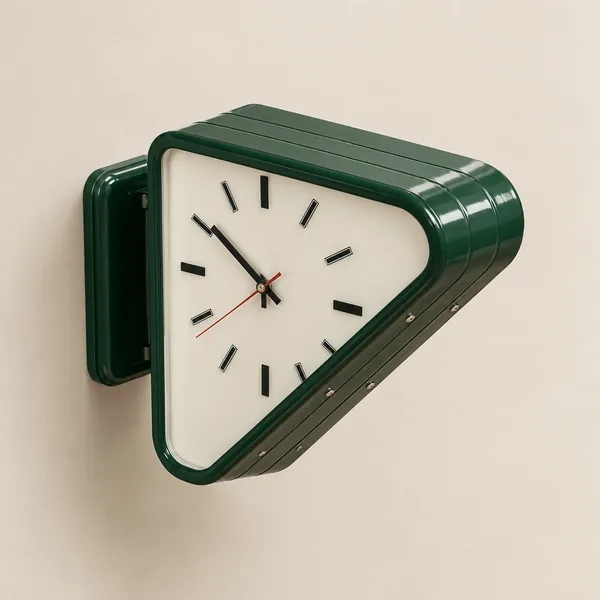
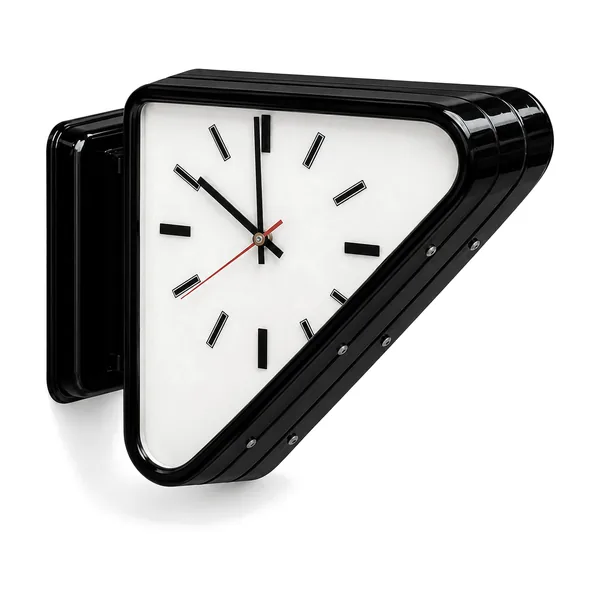
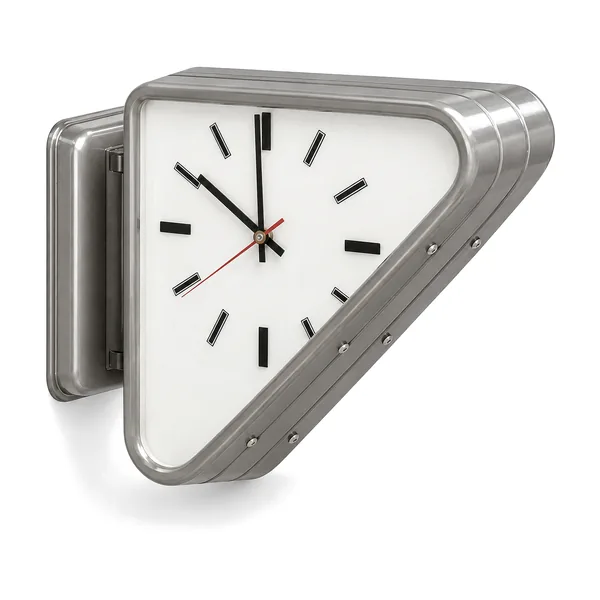
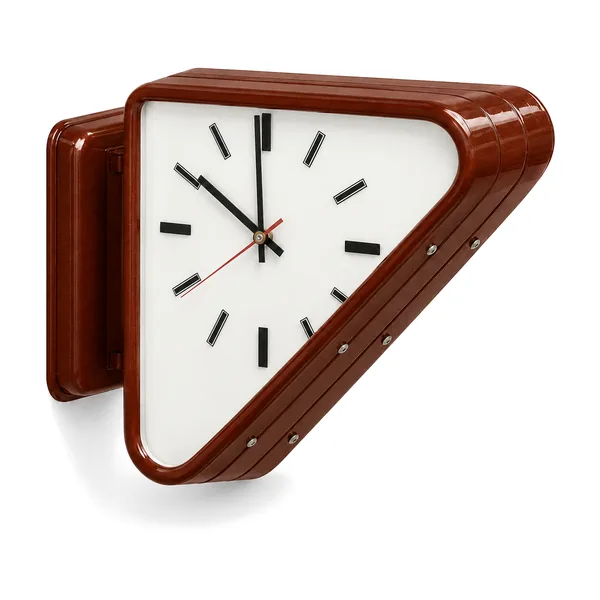
Tvilling Dual-Sided Geometric Metal Wall Clock
 Save $70.00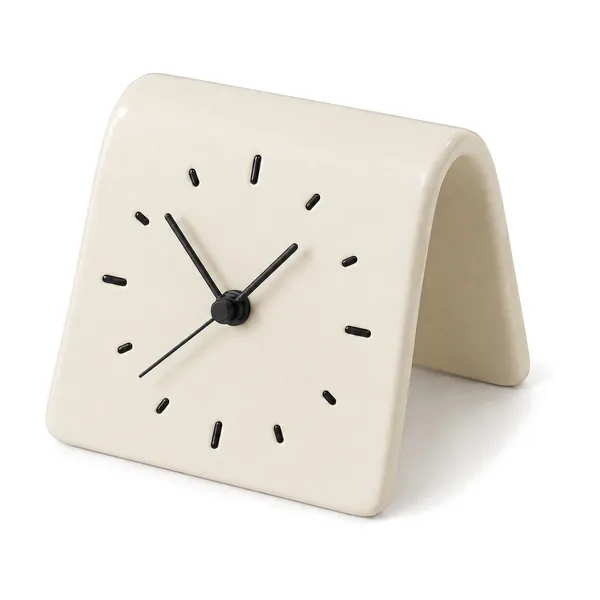
 +37 options
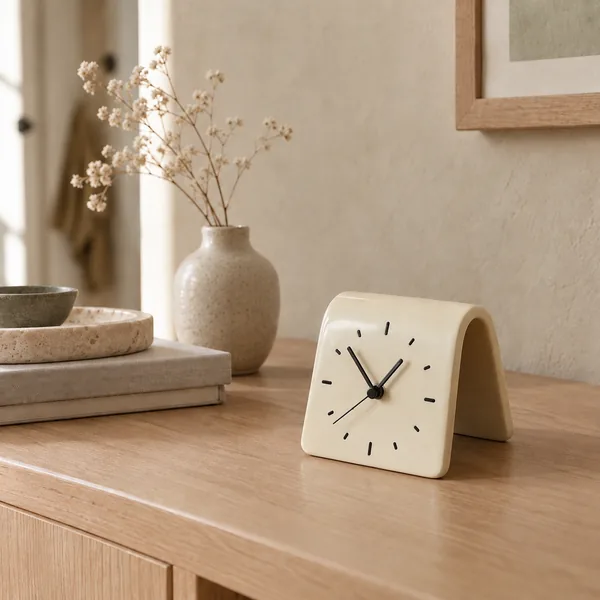
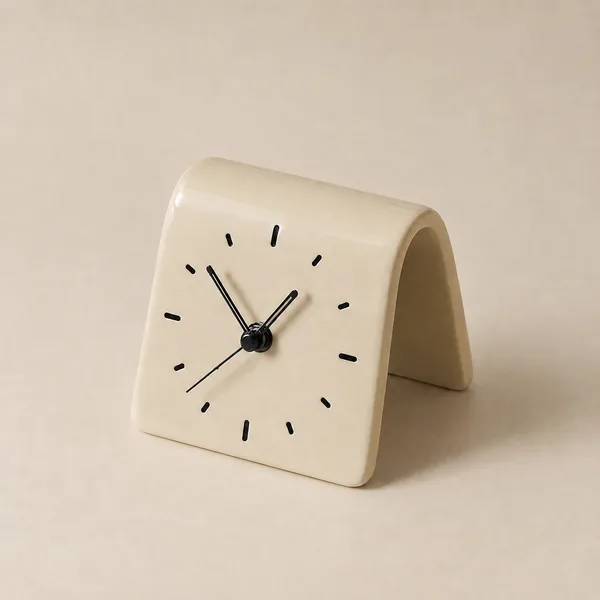
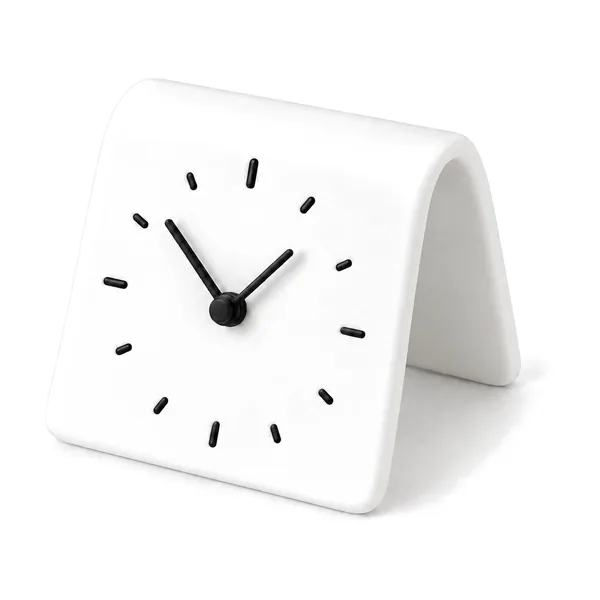
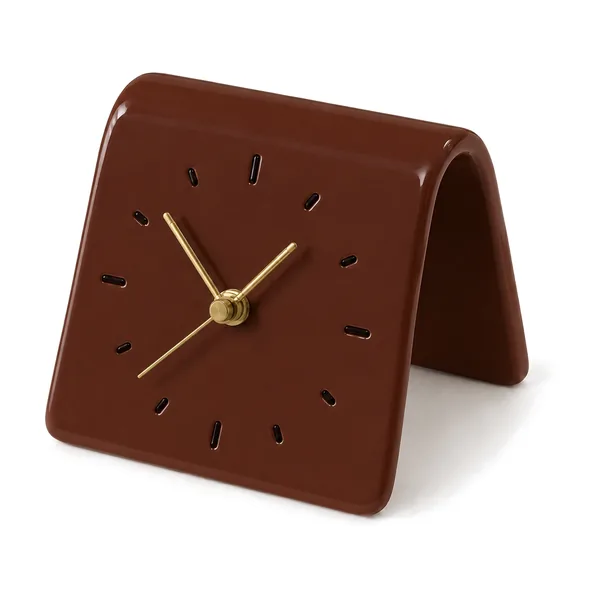
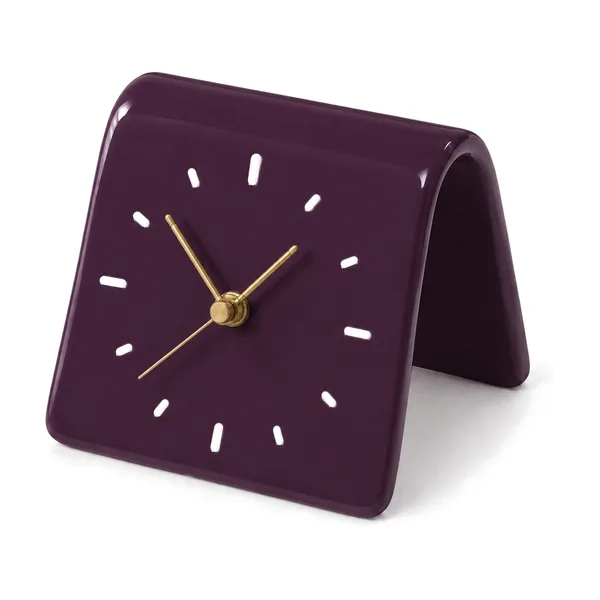
Tilje Silent Ceramic Desk Clock for Modern Homes
Uplighting: The Art of Indirect Illumination
Among the most sophisticated living room accent lighting techniques is uplighting—the practice of directing light upward rather than downward. This technique mimics natural light sources like dappled sunlight through trees or the gentle glow of dusk. When properly executed, uplighting creates soft, indirect illumination that feels organic and welcoming.
The key to effective uplighting lies in placement. Position floor lamps in corners or against walls where their glow can bounce upward and outward, creating a wash of ambient light. This approach is particularly valuable for rooms with standard ceiling heights, as it visually expands the space while avoiding the cavernous feeling that overhead fixtures can create.
For renters and homeowners alike, uplighting offers a design-forward solution that doesn't require electrical work. Freestanding fixtures can be repositioned as your needs or seasons change, allowing your lighting scheme to evolve with your life. The Stille Japanese Wabi-Sabi Solid Wood Floor Lamp exemplifies this principle—its sculptural solid wood design casts a warm, ambient uplight that transforms neglected corners into sanctuaries of calm.
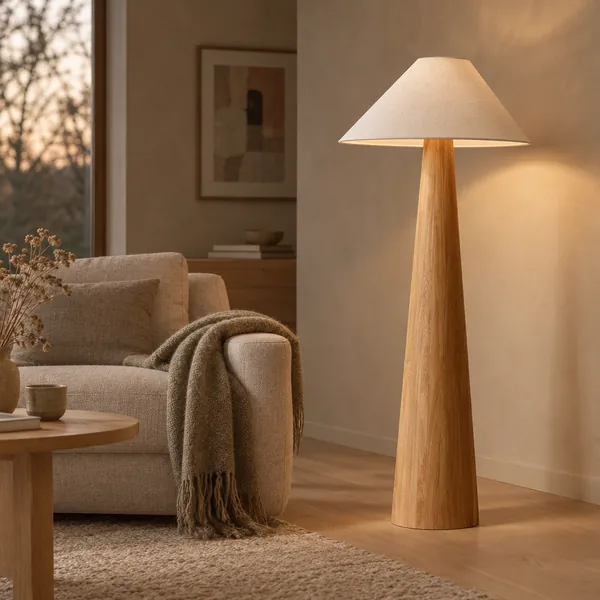 Stille Japanese Wabi-Sabi Solid Wood Floor Lamp$399.00$699.00
Spotlighting: Creating Visual Focal Points
While uplighting creates atmosphere, spotlighting directs attention. The best living room spot lighting doesn't resemble theatrical stage lights—it's subtle, intentional, and warmly diffused. Think of it as choosing what deserves your attention in a room full of beautiful possibilities.
Track lighting and adjustable wall sconces excel at this task. By mounting fixtures that can be pivoted or angled, you gain flexibility to highlight different elements as your decor evolves. Seasonal art, a cherished collection, or a reading chair can become the star of the room with nothing more than a gentle adjustment of your lighting.
One emerging trend among design-conscious homeowners is using sculptural lighting as the art itself. Rather than spotlighting objects within the room, owners are selecting fixtures with such presence that they become the focal point. This approach works beautifully in Scandinavian-inspired spaces, where minimalism celebrates both form and function in equal measure.
Corner Lighting: The Forgotten Canvas
The corners of your living room are often where lighting plans go to die—or where magic happens. Those 90-degree angles where walls meet floor represent pure potential for living room corner lighting ideas. When illuminated properly, corners stop being negative space and start being destinations.
Standing lamps designed for corners do more than provide light; they anchor your room's composition. A well-chosen corner fixture adds vertical interest, draws the eye through the space, and creates pools of glow that make a room feel infinitely cozier. For those exploring more options, our Adjustable Wall Lights collection offers a curated selection of pivotable sconces perfect for corner accent illumination.
The secret to successful corner lighting is choosing fixtures with presence. A lamp crammed awkwardly into a corner reads as an afterthought. One that commands the space, that you walk past and pause to appreciate—that's the hallmark of intentional design.
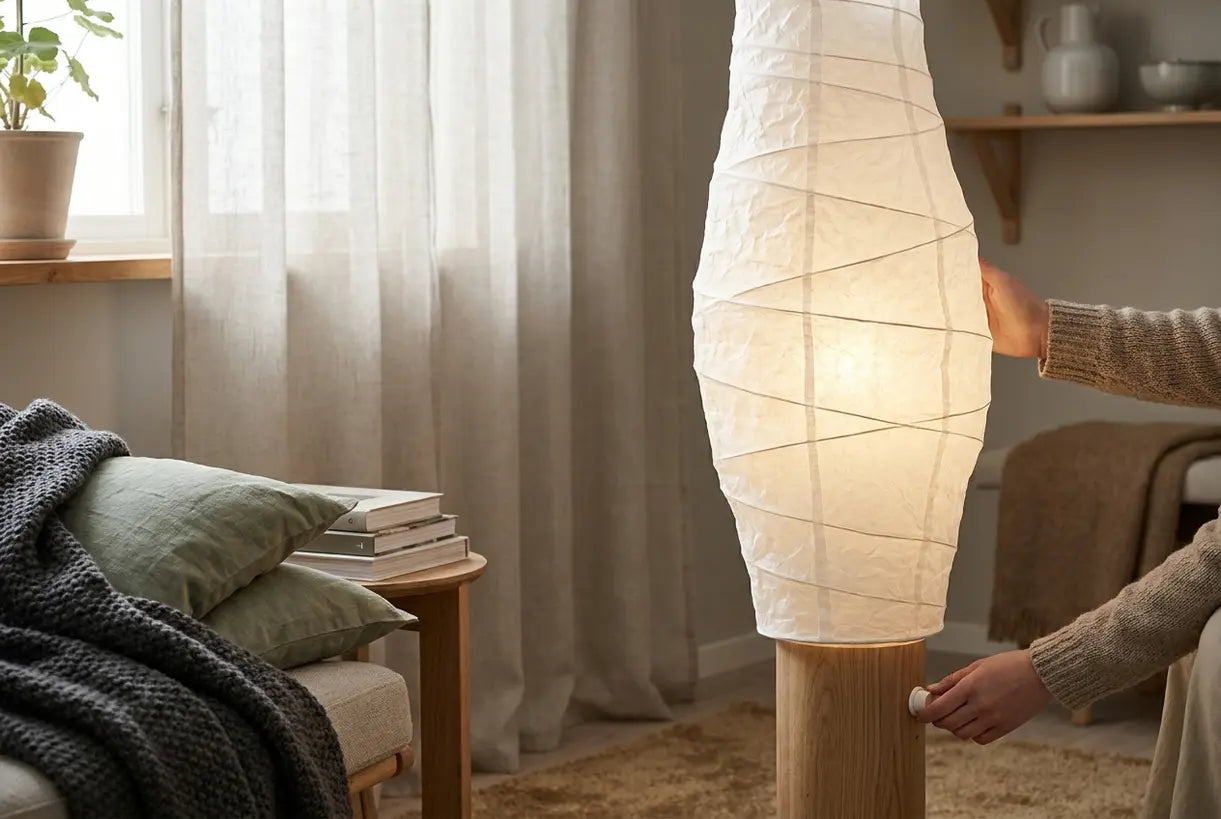
The Papira Handcrafted Rice Paper Ambient Floor Lamp demonstrates this principle beautifully. Its rice paper construction diffuses LED light into a gentle, enveloping glow that's ideal for corner placement. Rather than disappearing into the shadows, it becomes a sculptural presence that transforms your corner into a cozy retreat.
For wall-mounted solutions, consider the Lysring Circular LED Wall Light Wabi-Sabi Style. This sculptural wall sconce casts a soft circular halo—a perfect alternative to harsh overhead fixtures, bringing Nordic elegance to your accent lighting scheme.
Sculptural Accent Pieces for Your Living Room
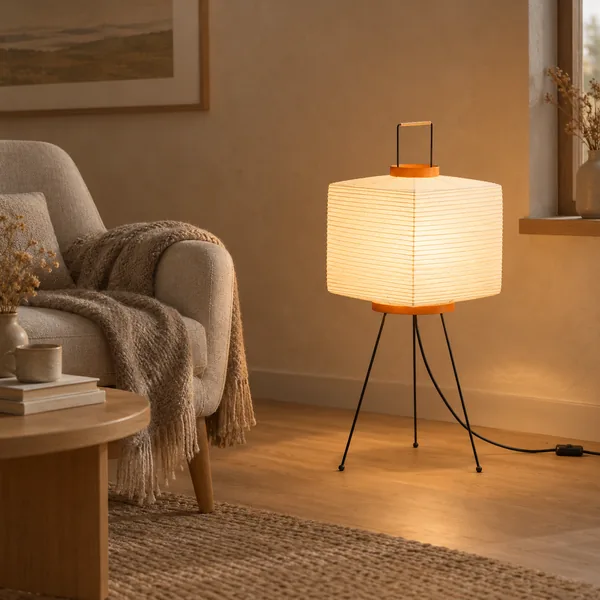 Papira Handcrafted Rice Paper Ambient Floor Lamp$159.00$249.00
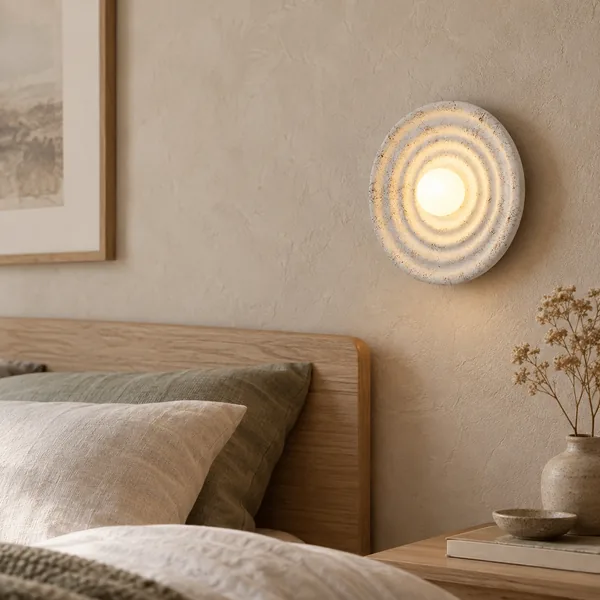 Lysring Circular LED Wall Light Wabi-Sabi Style$169.00$229.00
The 5-7 Light Rule: A Scandinavian Approach
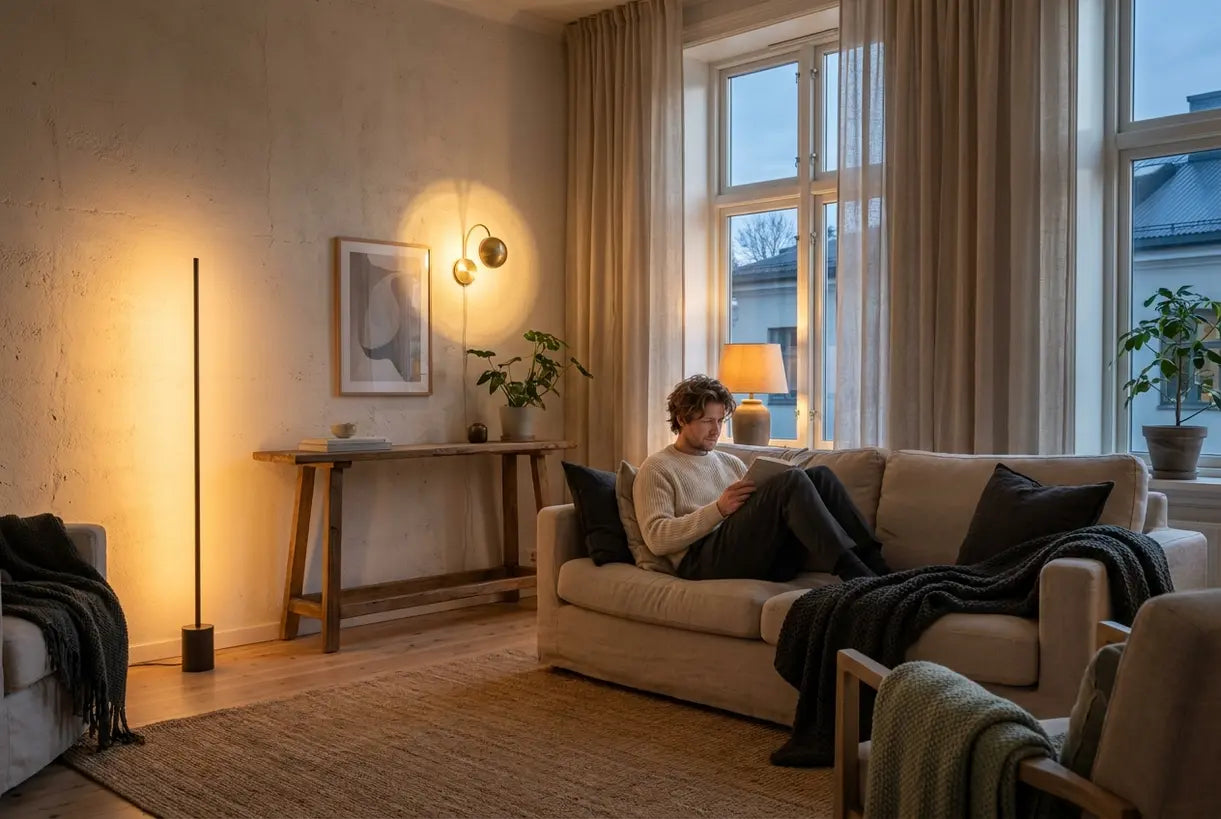
You may have heard designers reference the 5-7 light rule, and it's revolutionizing how we think about living room accent lighting. This principle suggests that a well-lit living room needs between five and seven distinct light sources, each serving a different purpose.
This doesn't mean buying seven lamps and sprinkling them randomly throughout your space. Rather, it means layering: perhaps one floor lamp for uplighting, a pair of sconces for wall washing, table lamps for task and ambient light, and accent lights for drama. Some sources might be subtle—candles count—while others, like statement floor lamps, anchor the room.
According to lighting research published by the Lighting Research Center at Rensselaer Polytechnic Institute, layered lighting schemes improve perceived comfort and reduce eye strain compared to single-source illumination. This scientific validation supports what Scandinavian designers have practiced for generations: light should work with our biology, not against it.
Floor Lamps
Shop all Floor Lamps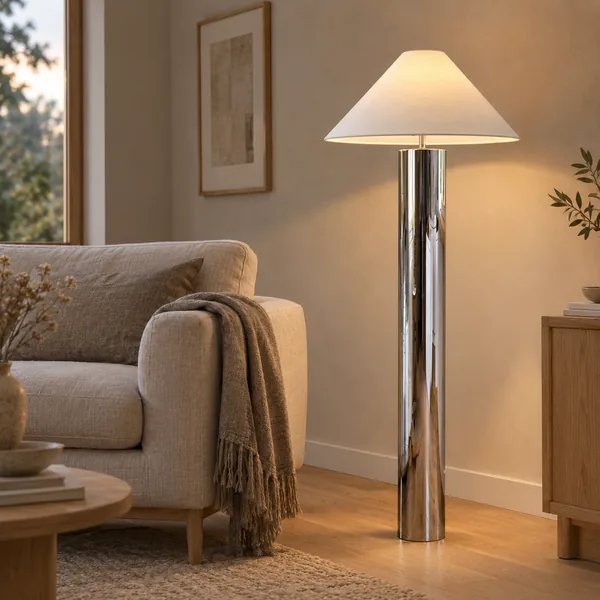
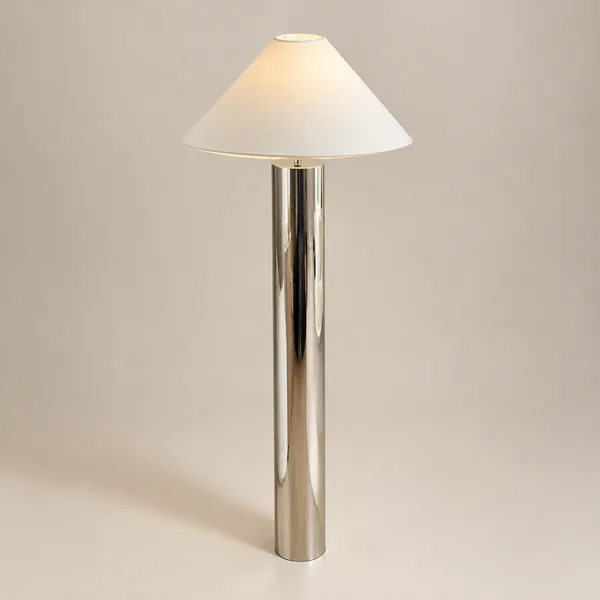
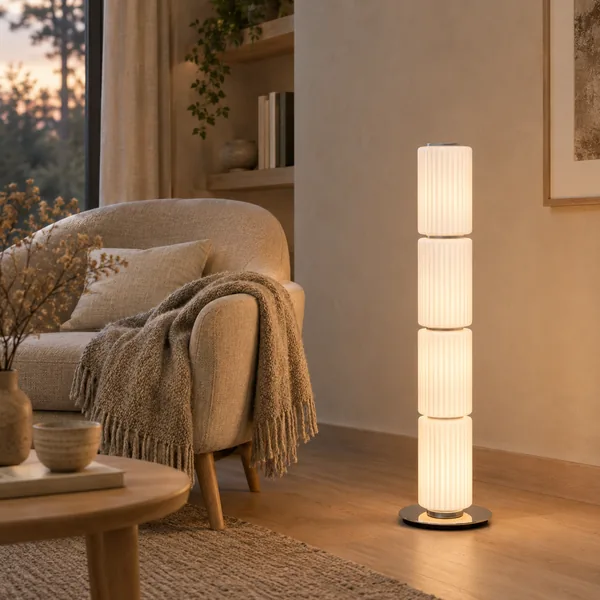
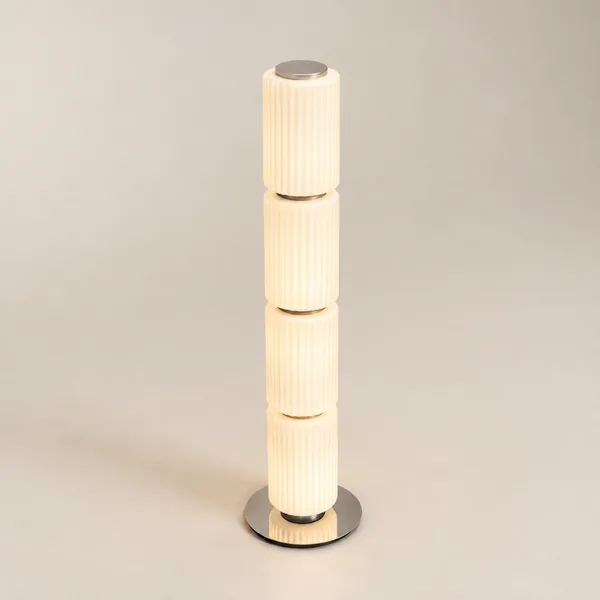
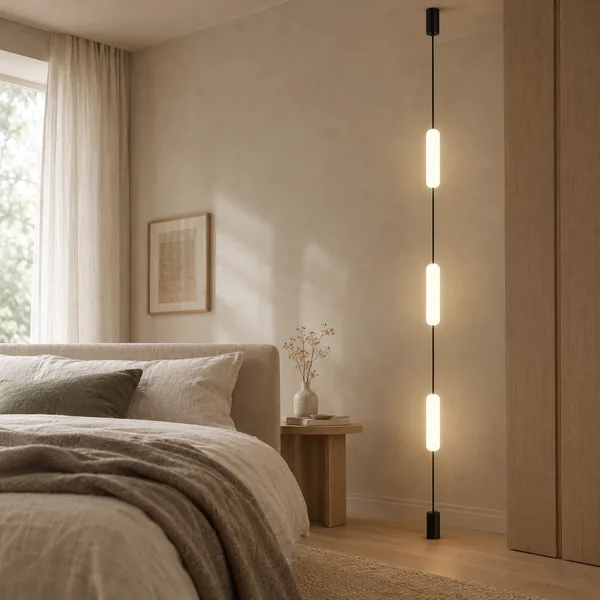
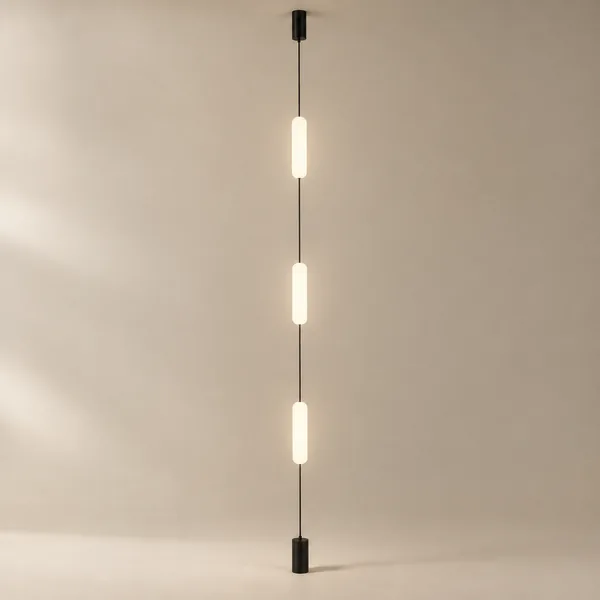
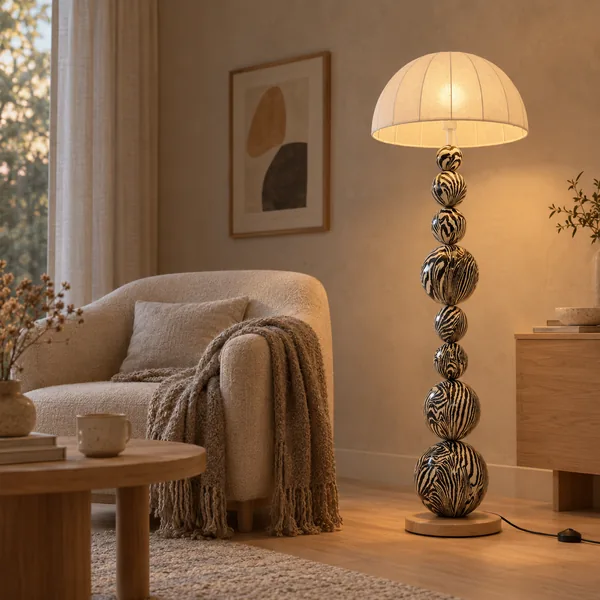
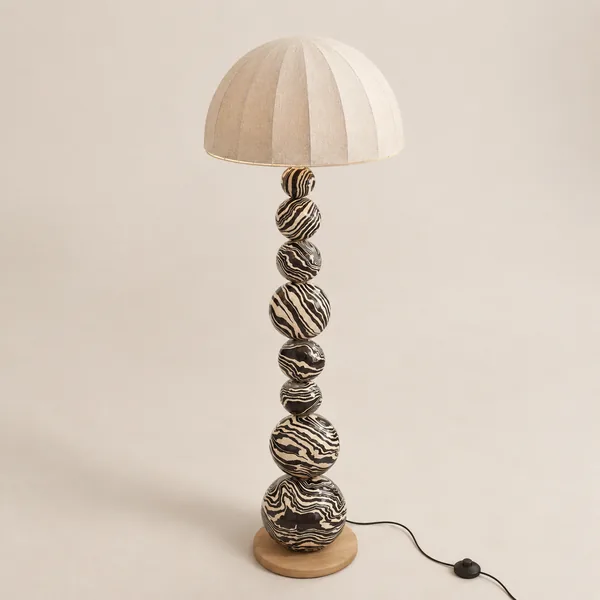
Hygge Through Light: Creating the Nordic Glow
The Danish concept of hygge—that untranslatable feeling of cozy contentment—begins with light. In Scandinavia, where winter nights stretch long, lighting isn't an afterthought; it's survival and soul-craft. The Nordic glow is warm (2700K-3000K), indirect, and intentionally varied throughout the day.
Indirect lighting in living rooms achieves this effect by bouncing light off walls and ceilings rather than directing it straight at occupants. The result is illumination that feels like natural daylight filtered through clouds—soft, forgiving, and infinitely comfortable. Wall sconces angled upward, floor lamps positioned behind furniture, and under-cabinet strips all contribute to this layered, indirect approach.
The modern trend of avoiding "the big light"—that harsh, centrally located ceiling fixture—aligns perfectly with Scandinavian wisdom. Why illuminate the floor when you want to illuminate faces, art, and the textures of your home? By keeping overhead lights off and letting accent pieces do the work, you create spaces that feel human-scaled and intimate.
Lighting Tip: Experiment with unplugging your overhead fixture entirely for one evening. Rely only on uplights, sconces, and candles. Notice how conversations deepen and how the room feels more like a retreat than a display?
Putting It All Together: Your Lighting Symphony
Mastering living room accent lighting isn't about perfection on your first attempt—it's about building a vocabulary of light. Start with one uplight in a neglected corner. Add wall sconces that create drama on your most interesting wall. Layer in spotlights for the pieces you want to celebrate.
Each layer should communicate with the others. Your uplight might wash the ceiling while your sconce grazes a textured surface, while your corner lamp creates a cozy reading pool. Together they orchestrate a space that feels designed rather than decorated—a room with depth, warmth, and intentionality.
At Skonne, we curate lighting that honors the Scandinavian commitment to beauty through simplicity. Our collection of floor lamps, wall sconces, and accent pieces are selected specifically for their ability to create the layered, hygge-inspired atmosphere that transforms houses into homes. Whether you're beginning your journey with living room accent lighting or refining an existing scheme, the right pieces await those who understand that light is the most powerful design tool of all.
Related Article
Ambient Lighting for the Living Room: How to Create Mood, Warmth & AtmosphereLearn how to create mood and warmth with ambient lighting for living room. Discover Scandinavian-inspired layering techniques, bulb tips, and hygge lighting ideas.