
Scandinavian Office Design: A Productive, Beautiful Nordic Workspace
Summary›
- Understanding the Core Principles of Scandinavian Design
- The 70/30 Rule and Balanced Composition
- Lighting: The Foundation of a Productive Nordic Workspace
- Selecting Furniture for Scandinavian Functionality
- Creating Hygge in Your Workspace
- Small Scandinavian Office Solutions
- Color Psychology and Productivity
- Essential Lighting Choices for Your Scandinavian Office
- Building Your Ideal Nordic Workspace
Creating a workspace that balances productivity with aesthetic serenity isn't just a design trend—it's a necessity for modern professionals seeking harmony in their daily routines. Scandinavian office design has emerged as the gold standard for those looking to transform their home office from a utilitarian corner into an inspiring sanctuary of focus and creativity.
Rooted in the Nordic principles of hygge (comfort), lagom (balance), and intentional minimalism, this design approach proves that beautiful spaces can also be deeply functional. In this guide, you'll discover how to craft a beautiful nordic workspace that not only looks stunning but actively supports your well-being and productivity. From lighting strategies that eliminate eye strain to furniture choices that promote better posture, we'll explore every element that makes Scandinavian workspaces so effective—including the thoughtfully designed pieces that bring these principles to life.
Understanding the Core Principles of Scandinavian Design
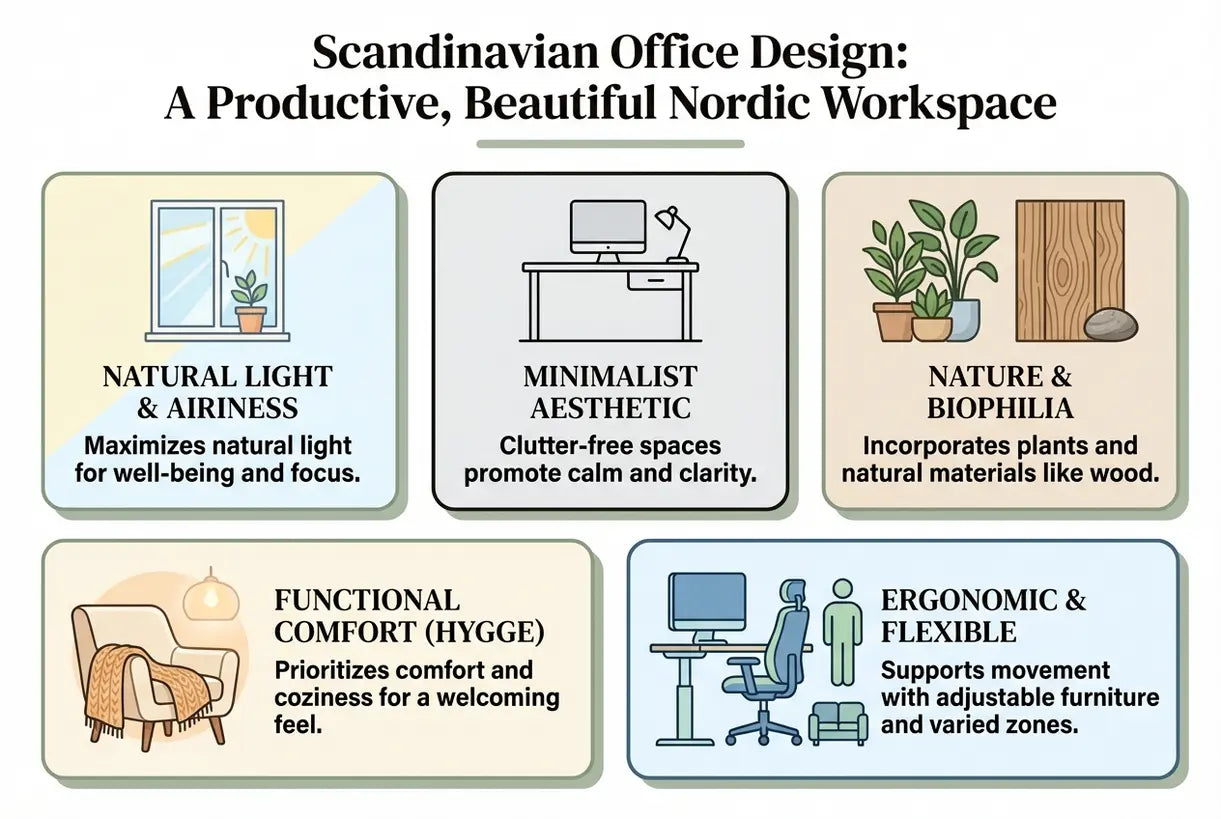
Before transforming your workspace, it's essential to understand what makes Nordic design so distinctive. At its heart, Scandinavian aesthetics embrace "less is more"—but this minimalism isn't about deprivation. It's about curating spaces where every object serves a purpose and brings joy.
The fundamental rules of Scandinavian design revolve around:
- Functionality over ornamentation: Every piece must earn its place through utility
- Natural materials: Wood, linen, wool, and stone create tactile warmth
- Light maximization: A reverence for natural light drives layout and color choices
- Biophilic connection: Bringing elements of nature indoors to support mental clarity
- Neutral palettes with purpose: Whites, greys, and earth tones reduce visual clutter
These principles work together to create environments that feel both calming and energizing—a perfect combination for sustained productivity. When applied to office spaces, they help eliminate distractions while surrounding you with materials that feel nurturing rather than sterile.
The 70/30 Rule and Balanced Composition
You may have encountered the 70/30 rule in scandinavian interior design discussions. This guideline suggests balancing your foundational elements (70% neutral, timeless pieces) with accent pieces that add personality (30%). In an office context, this translates to investing in quality, versatile furniture and lighting as your foundation, then layering in personal touches that inspire without overwhelming.
The 3-5-7 rule—another composition principle—refers to arranging objects in odd numbers for visual interest. In your workspace, this might mean clustering three ceramic vessels on a shelf, grouping five books, or creating vignettes with seven small accessories. These subtle groupings create rhythm and intentionality that elevate the entire space.
For those looking to explore more options, our Scandinavian Lighting collection offers a curated selection of pieces that perfectly embody these balanced design principles.
Lighting: The Foundation of a Productive Nordic Workspace
In Nordic countries, where winter days are short and precious, lighting isn't decorative—it's essential for well-being. This reverence for illumination translates into scandinavian workspace design that prioritizes layered lighting strategies.
Your office lighting should incorporate three layers: ambient illumination for general brightness, task lighting for focused work, and accent lighting to create depth and warmth. This approach eliminates harsh shadows that cause eye strain while providing the flexibility to adjust brightness throughout the day.
The importance of quality desk lighting cannot be overstated. A thoughtfully designed lamp doesn't just illuminate your tasks—it becomes a focal point that anchors your workspace aesthetic. Blomly Petal Table Lamp exemplifies this philosophy perfectly, featuring a handcrafted petal-shaped linen shade that diffuses light beautifully while adding organic warmth to your desk.
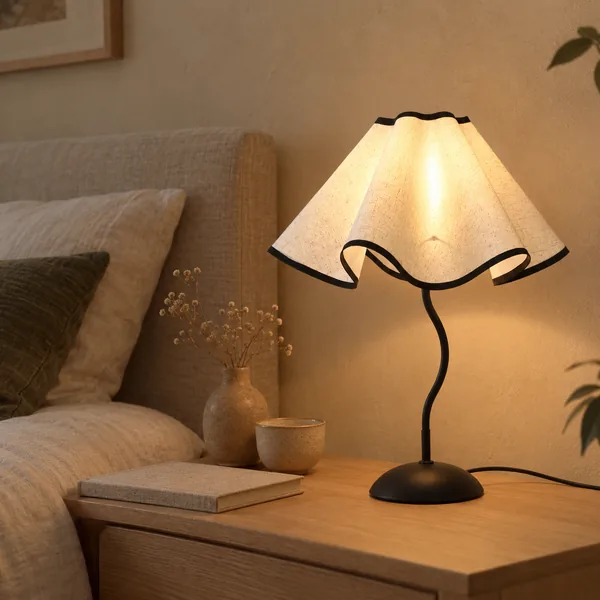 Blomly Petal Table Lamp Handcrafted Nordic LED$89.00$139.00
The tri-color LED settings allow you to adjust from cool white for analytical tasks to warm ambient for creative work, supporting your natural circadian rhythms throughout the day.
Home Office Lighting
Shop all Home Office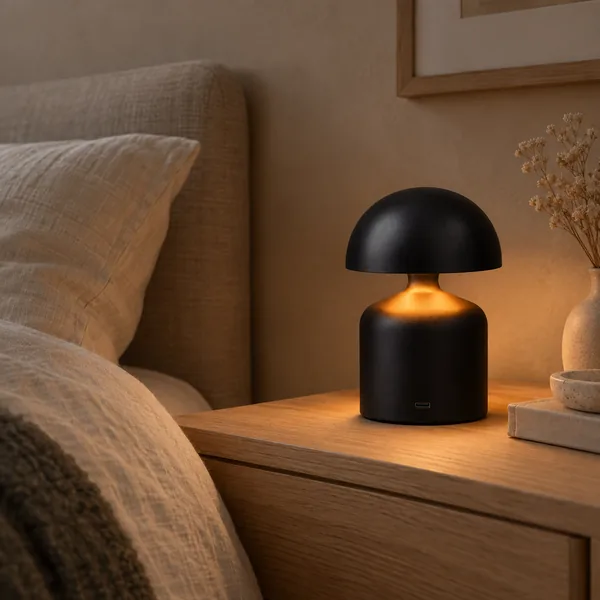
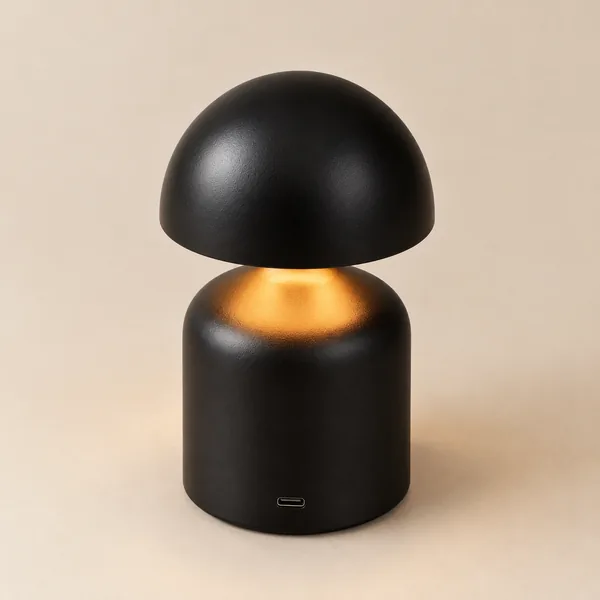 Save $40.00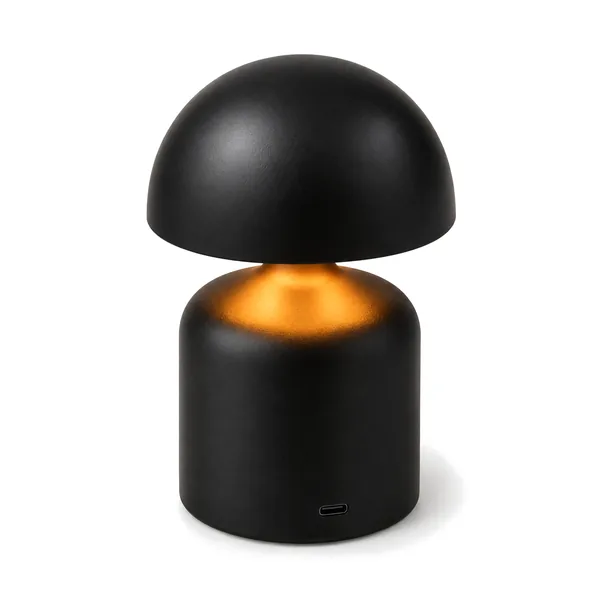
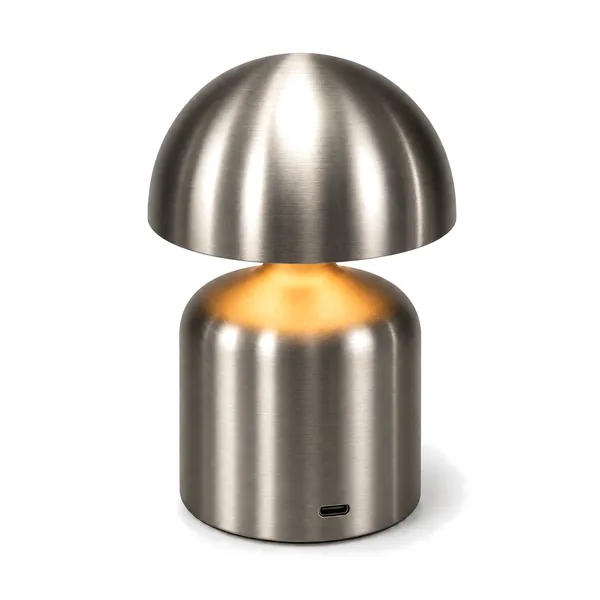
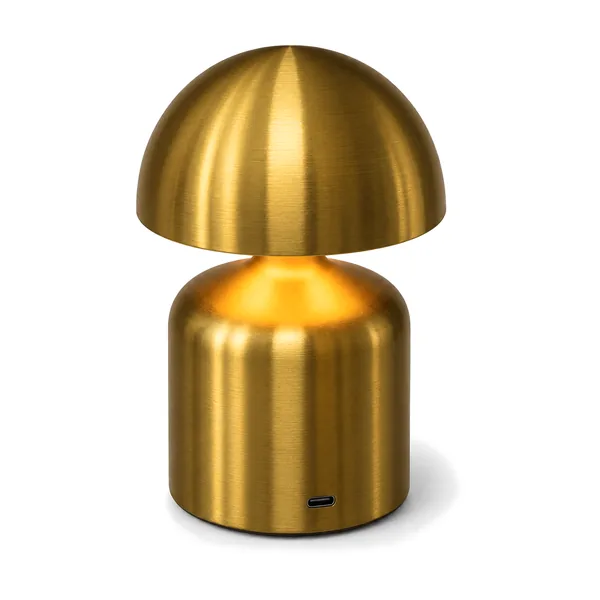 3 options
Kveld Cordless Touch Lamp with 3 Color Modes
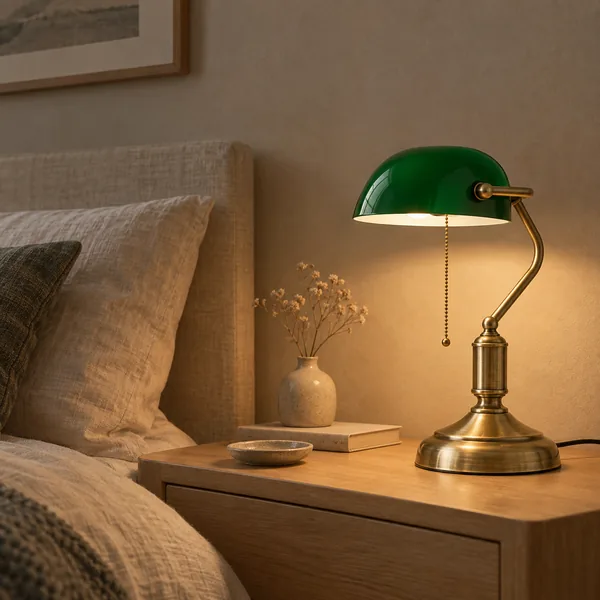
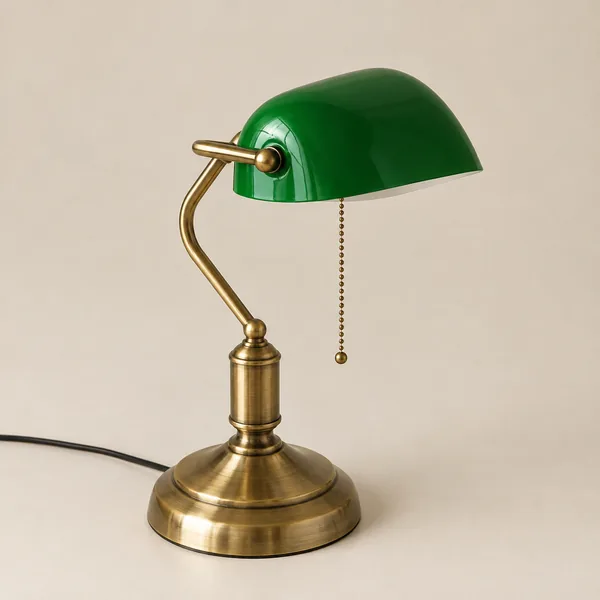
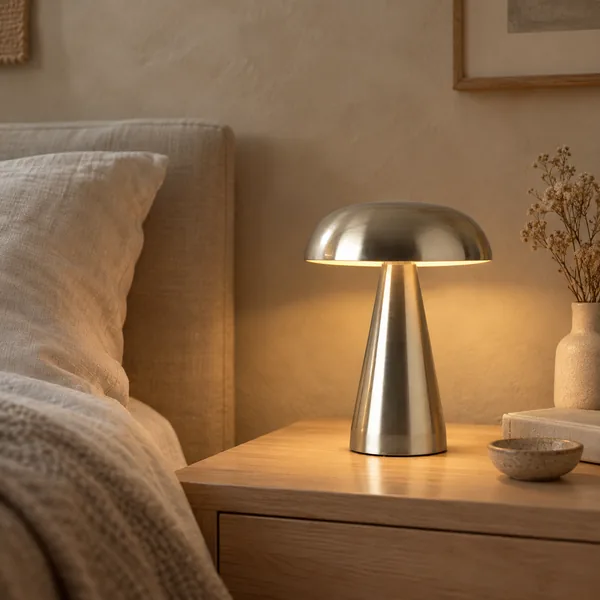
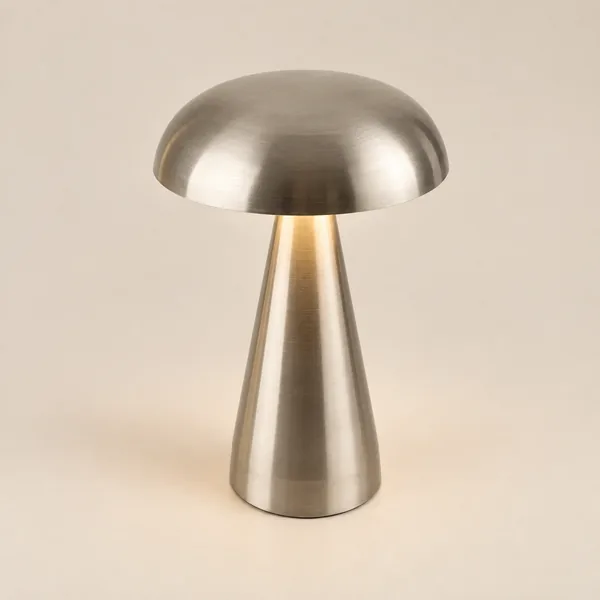 Save $50.00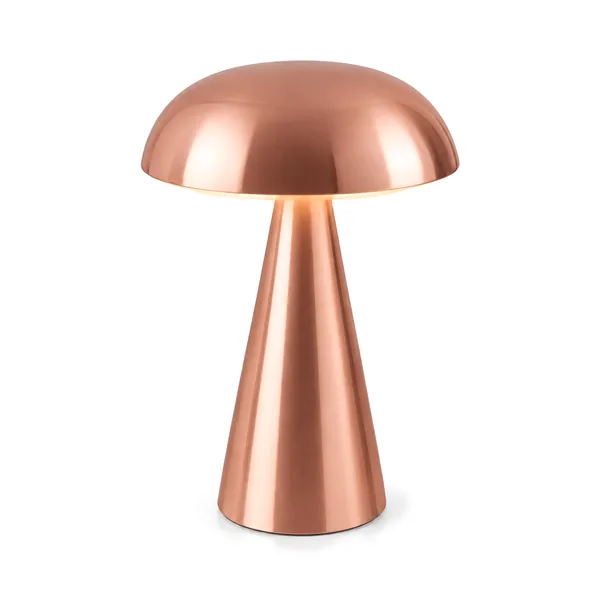
 +15 options
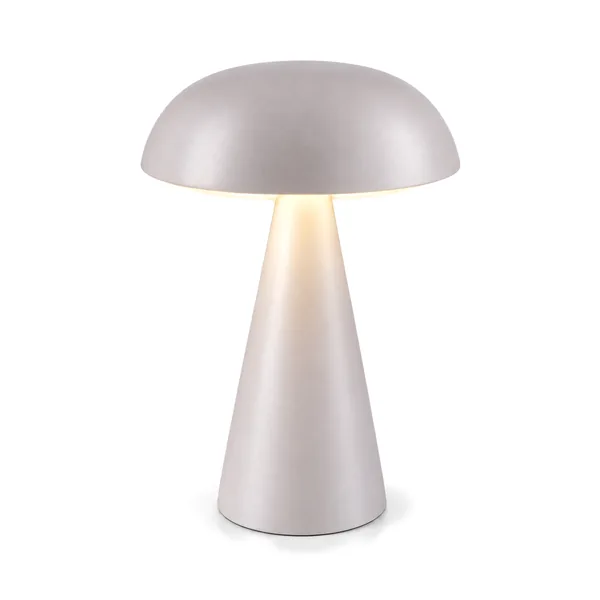
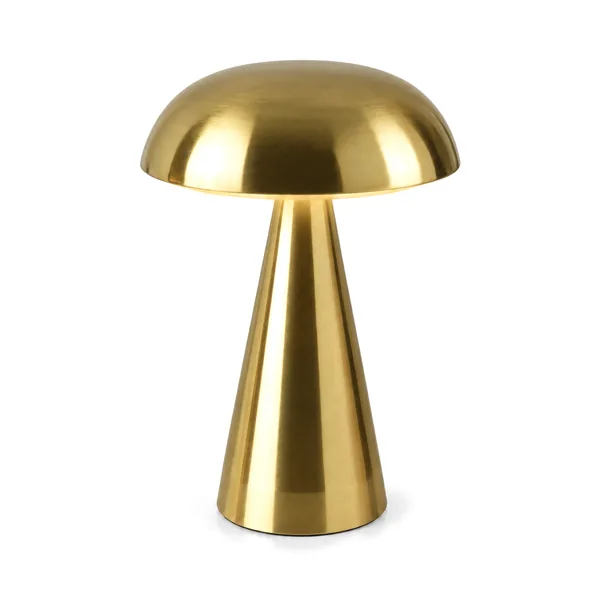
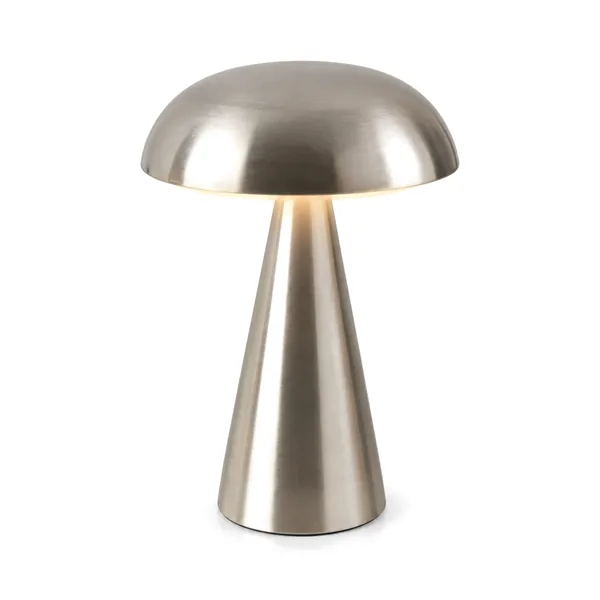
Solglo Rechargeable Retro Mushroom Table Lamp
 Save $230.00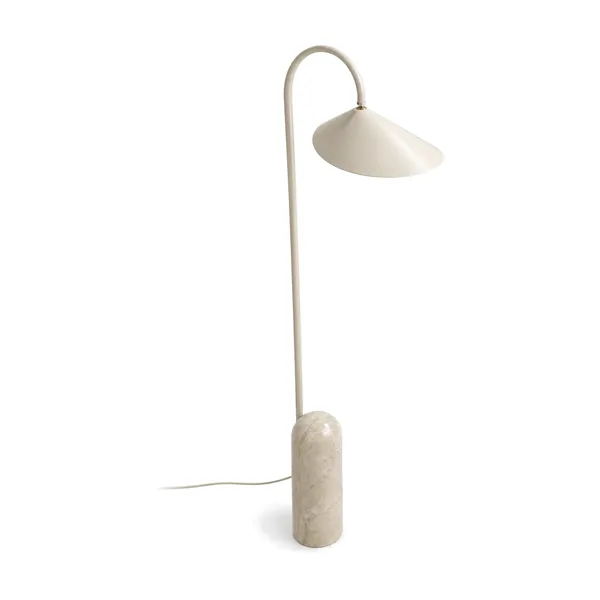
 2 options
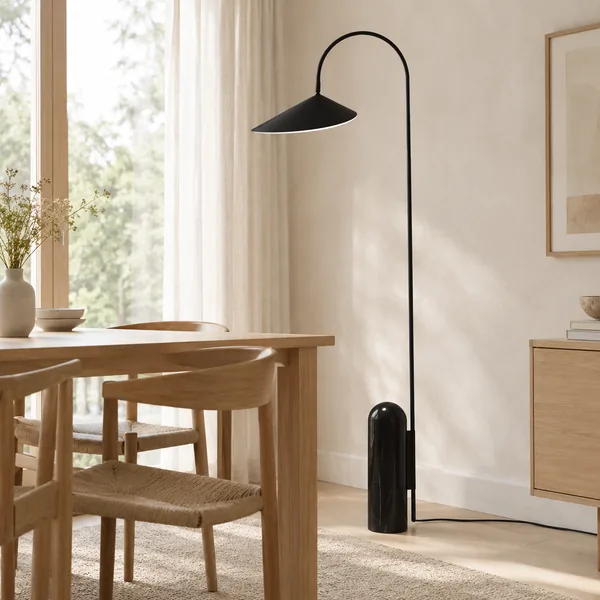
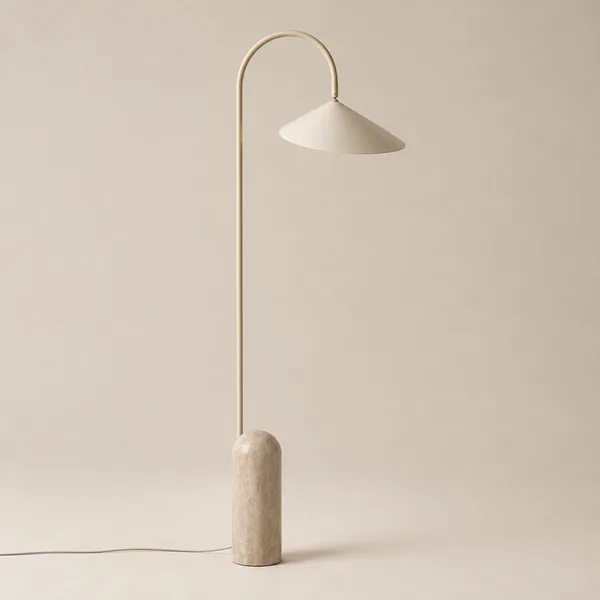
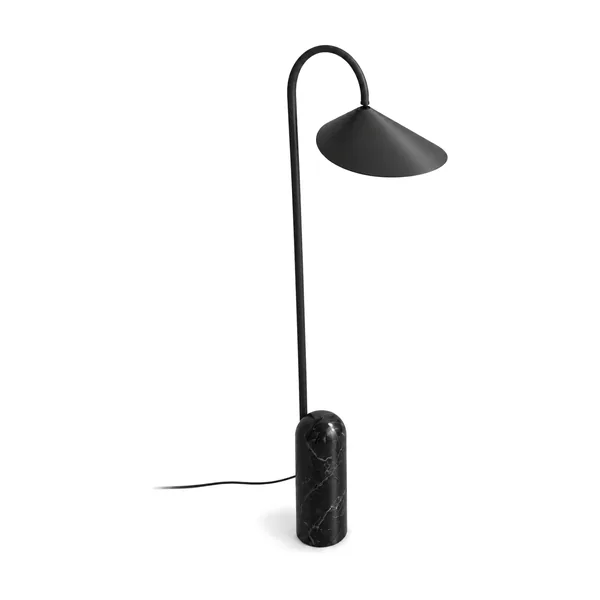
Velbue Marble Base Arc Floor Lamp Danish Design
Selecting Furniture for Scandinavian Functionality
When furnishing your Nordic office, prioritize pieces that embody the Scandinavian commitment to honest craftsmanship and ergonomic support. Look for desks with clean lines crafted from light oak, birch, or ash—woods that bring warmth without heaviness.
Your chair is perhaps the most critical investment. Scandinavian design champions active sitting and ergonomic support that follows the natural curve of your spine. Choose breathable natural fabrics like wool or linen over synthetic materials that trap heat.
Storage follows the same minimalist principles. Open shelving maintains the airy feel while forcing intentional curation of displayed items. Closed storage in light wood tones keeps necessary supplies accessible but invisible, maintaining the uncluttered aesthetic that supports mental clarity.
Creating Hygge in Your Workspace
Hygge office design transforms sterile work environments into nurturing spaces. This Danish concept of cozy contentment translates beautifully to home offices through thoughtful textural contrasts and personal touches.
Integrate softness through wool throws draped over chair backs, linen desk mats that warm your workspace, and ceramic vessels holding dried botanicals. These elements engage your senses and remind you that productivity and comfort coexist beautifully.
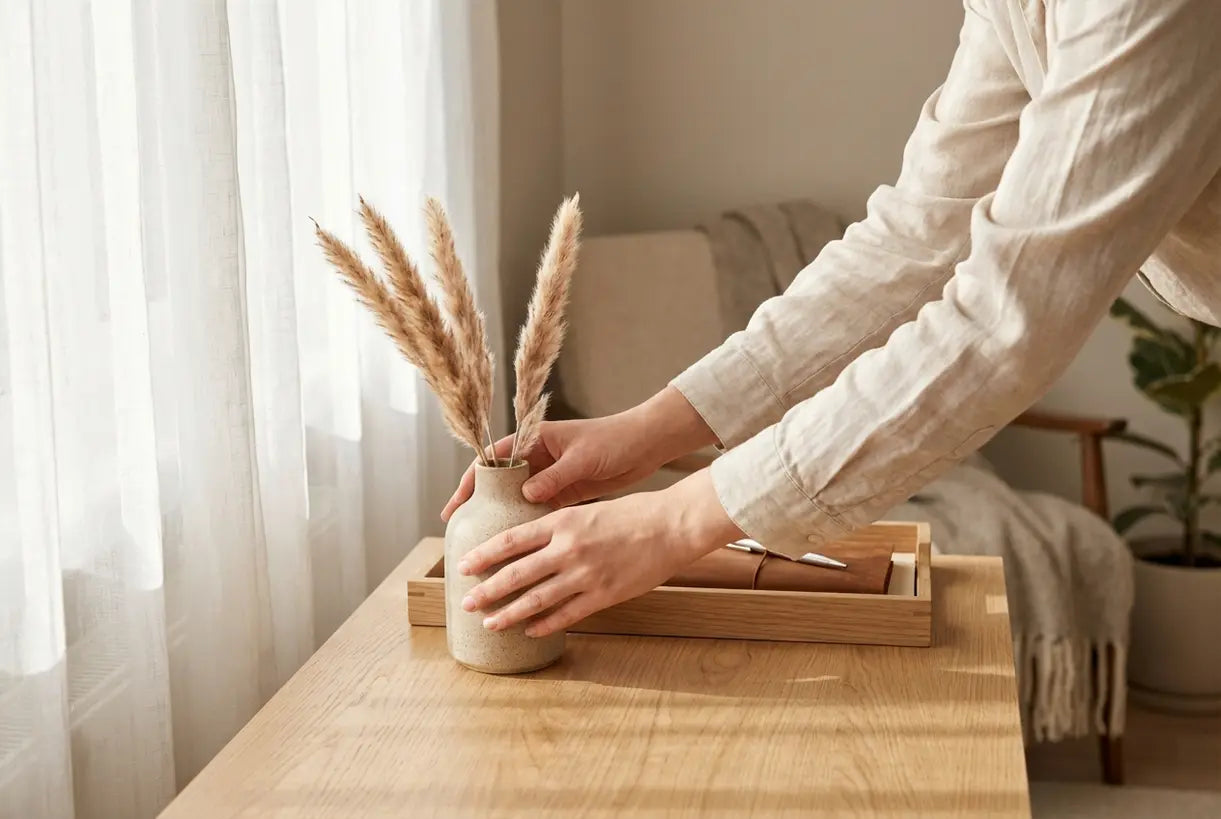
The key is restraint—each element should feel chosen rather than accumulated. A single hand-thrown mug, a small stack of inspiring books, a living plant that purifies your air. These become touchstones throughout the workday, moments of visual rest that restore focus.
Watch this exploration of minimalist workspace styling for practical inspiration:
Small Scandinavian Office Solutions
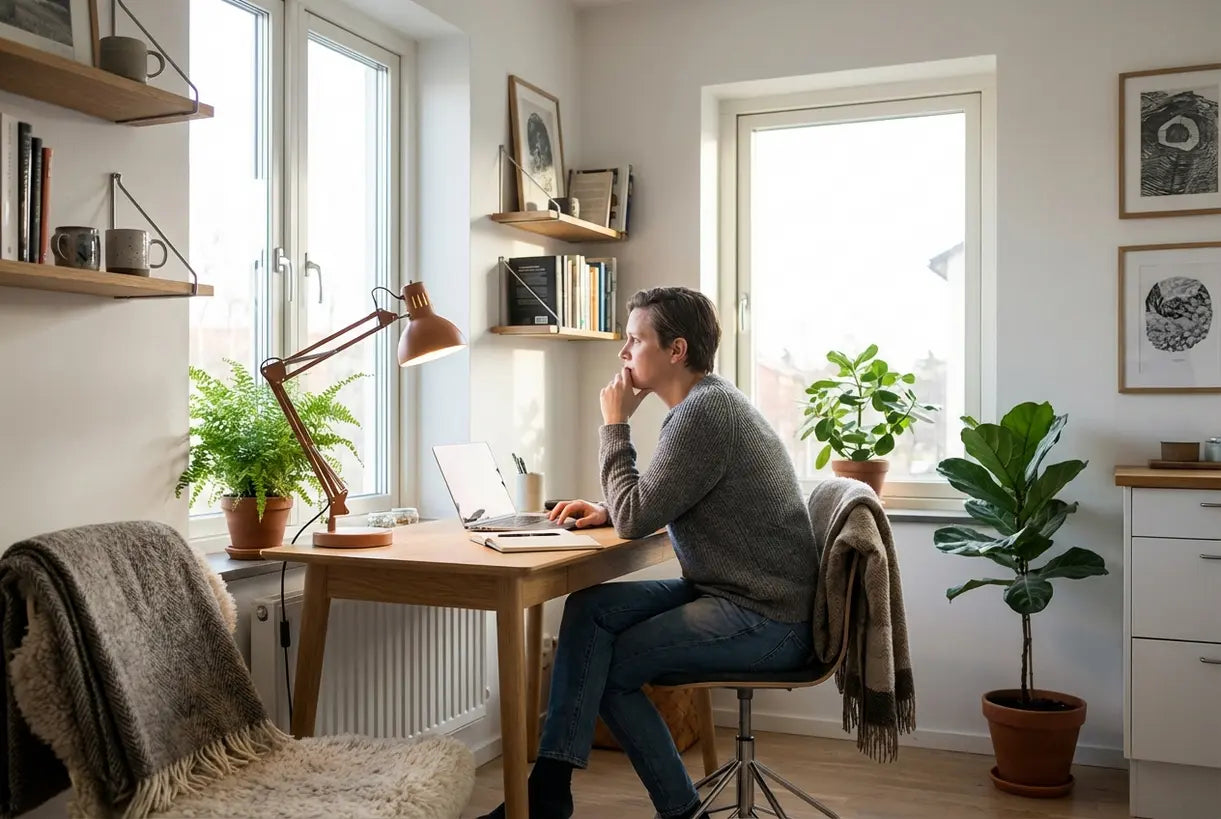
Not everyone has the luxury of a dedicated room for their home office. The beauty of scandinavian design home office principles is their adaptability to compact spaces. A corner, a wall, even a closet can become a functional workspace with the right approach.
When square footage is limited, wall-mounted desks and floating shelves maximize floor space while maintaining the clean aesthetic. Mirrors strategically placed reflect natural light and create the illusion of spaciousness. Multi-functional furniture—a storage ottoman that doubles as seating, a desk with integrated cable management—keeps essentials within reach without visual chaos.
Lighting becomes even more critical in small spaces. Cordless, rechargeable options eliminate the need for nearby outlets while providing flexibility to reposition your illumination. The Stenvei Marble Touch Table Lamp and Glöra Dimmable Minimalist LED Touch Table Lamp both excel in these environments—one offering integrated USB charging to eliminate cord clutter, the other providing rechargeable portability.
Color Psychology and Productivity
Color profoundly impacts our cognitive performance and emotional state, making palette selection crucial for productive spaces. Scandinavian offices typically favor:
Anchoring Neutrals: Soft whites, warm greys, and earthy beiges form the foundation, reducing visual fatigue and creating a sense of spaciousness.
When you do introduce color, draw from nature's muted palette—sage greens that recall Nordic forests, dusty blues that echo the sea, terracotta accents that warm without overwhelming. These subtle chromatic shifts add personality while maintaining the serene atmosphere essential for deep work.
Plants bridge the gap between color and texture, literally bringing life into your workspace. A single statement fiddle leaf fig or a cluster of trailing pothos satisfies the biophilic design principles central to Nordic aesthetics while improving air quality.
Desk Lamps
Shop all Desk Lamps
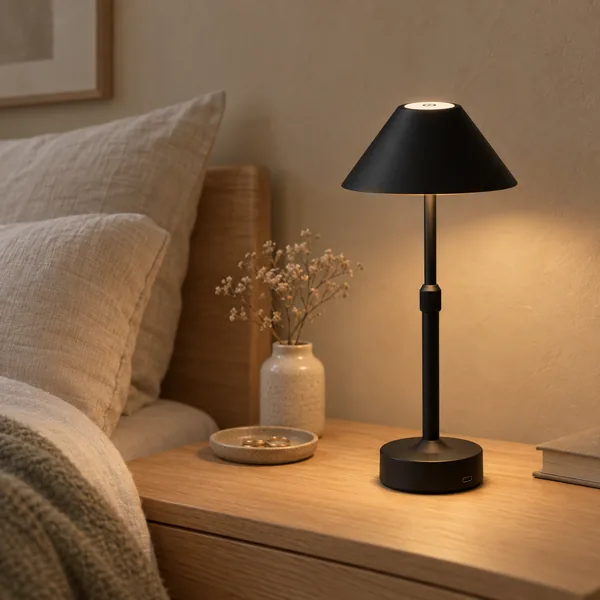
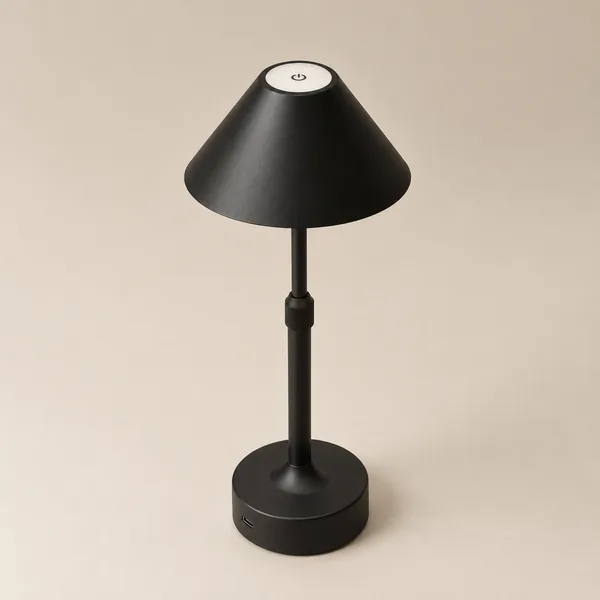 Save $50.00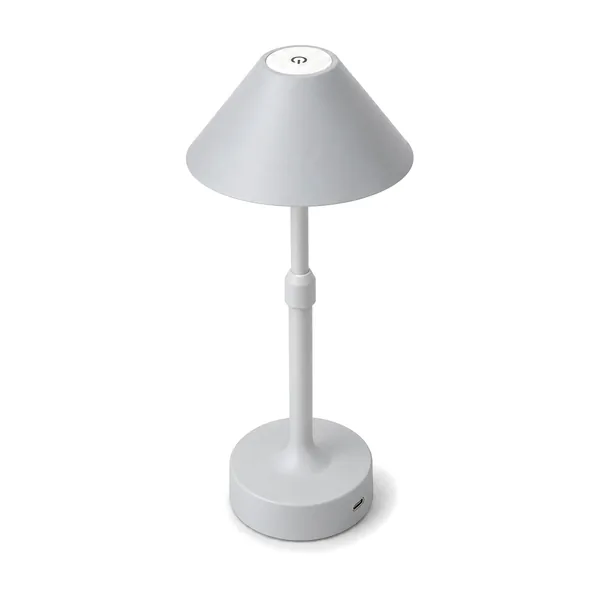
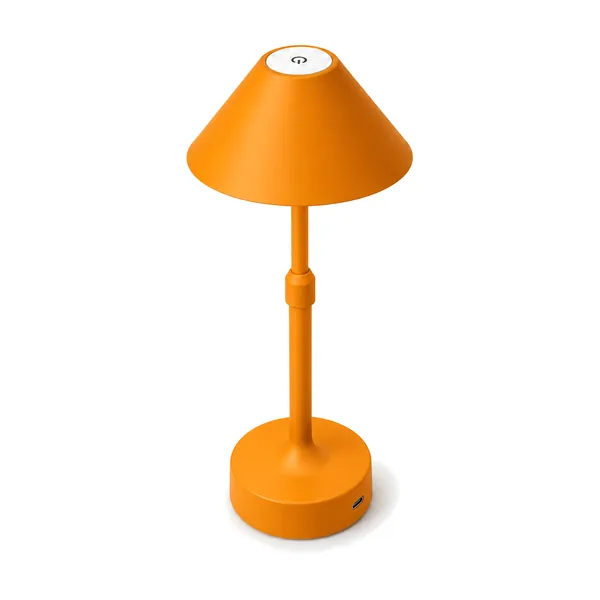
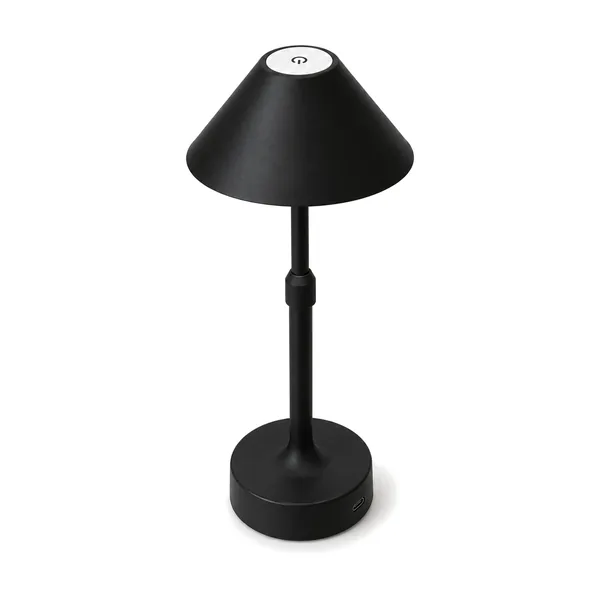
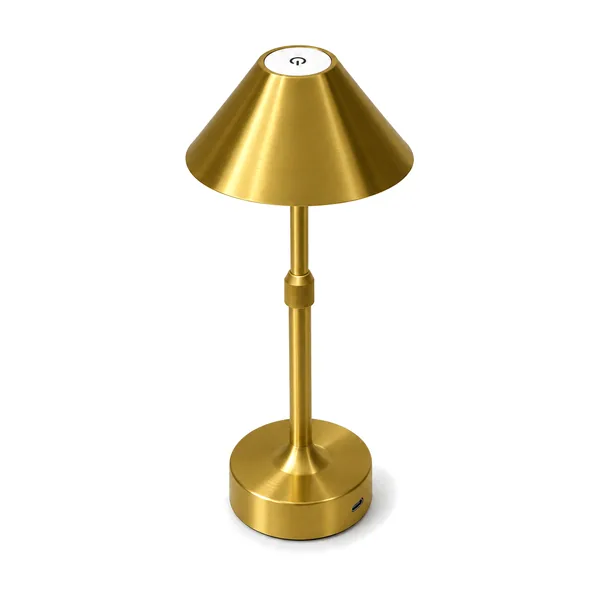 4 options
Solra Telescopic Cordless Dimmable Table Lamp
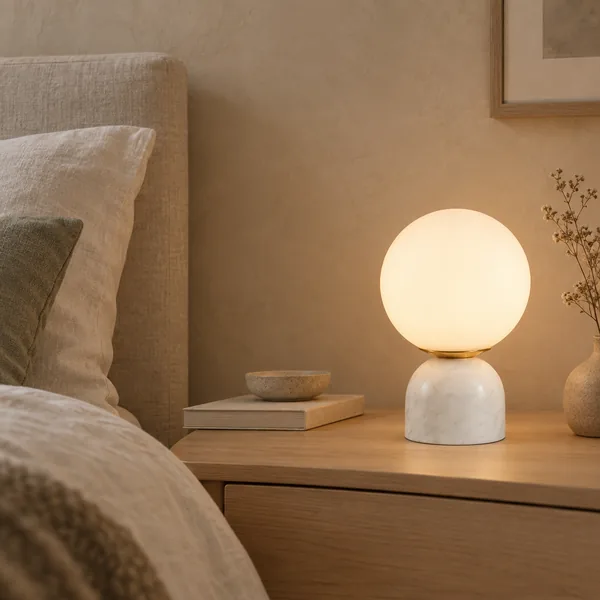
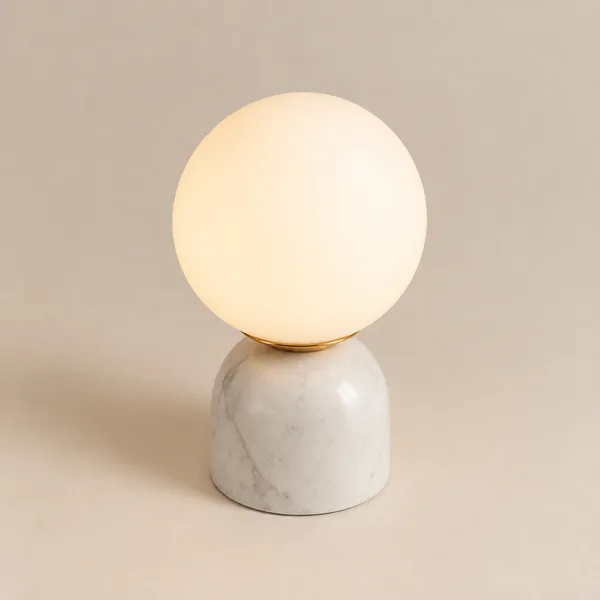 Save $140.00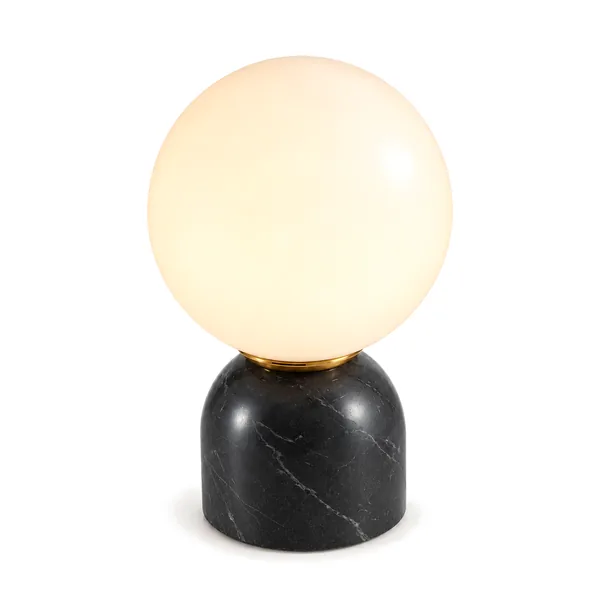
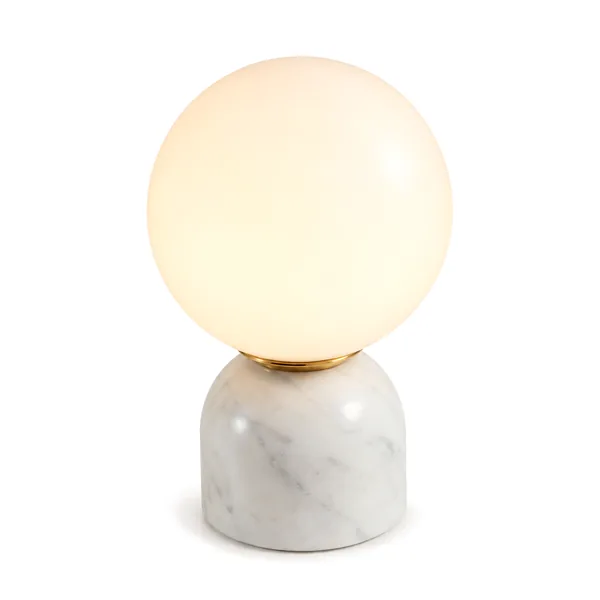
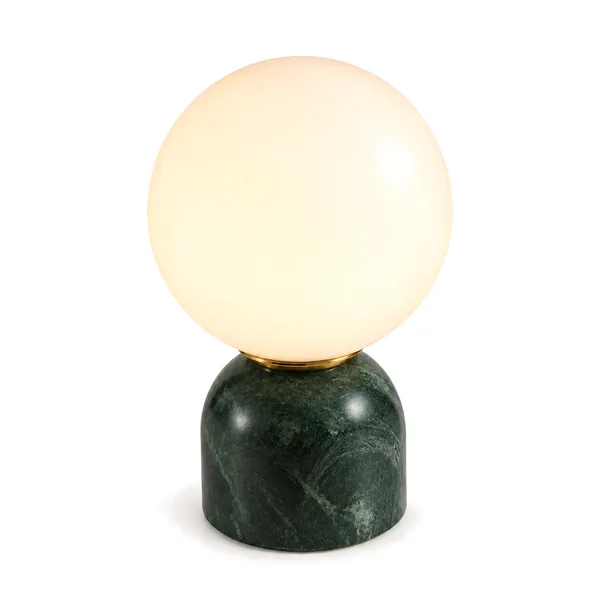 3 options
Marvei Marble Globe Table Lamp Nordic Minimalist
Essential Lighting Choices for Your Scandinavian Office
The right lighting transforms how you experience your workspace throughout the day. Here are three exceptional options that embody Nordic design principles while addressing different office needs:
Curated Lighting for Nordic Workspaces
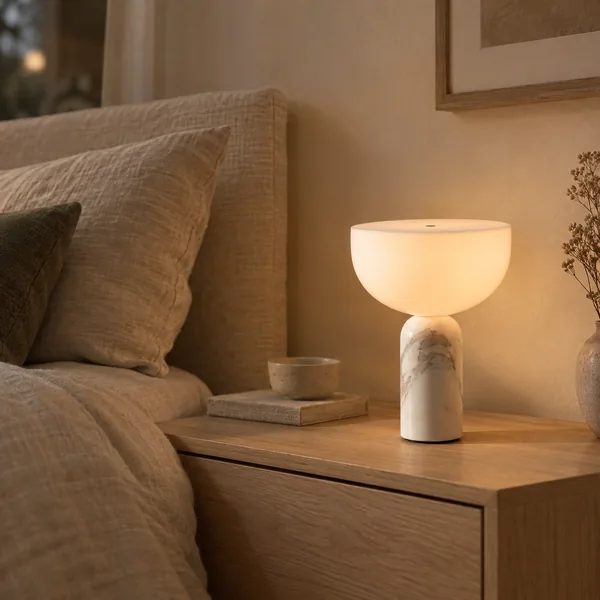 Stenvei Marble Touch Table Lamp USB Charging$319.00$359.00
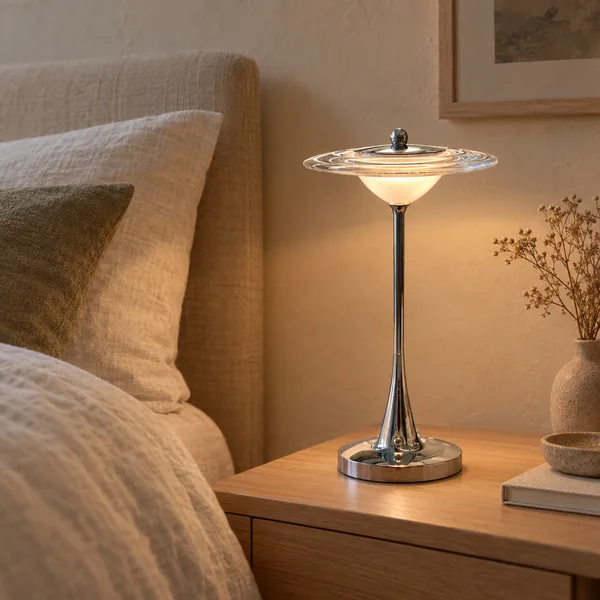 Glöra Dimmable Minimalist LED Touch Table Lamp$109.00$179.00
Each of these pieces demonstrates how functional office lighting can double as sculptural art, proving that Scandinavian design never sacrifices beauty for utility.
Building Your Ideal Nordic Workspace
Creating a scandinavian office design that truly enhances your productivity requires patience and intentionality. Start with your foundational elements—a quality desk, ergonomic seating, and layered lighting that eliminates harsh shadows. Build slowly, adding only pieces that serve both aesthetic and functional purposes.
Remember that Nordic design is never about perfection; it's about creating spaces that feel honest, livable, and supportive of your daily life. Your office should evolve with your needs, accumulating meaning through carefully chosen objects rather than trendy acquisitions.
At Skonne, we believe that the objects surrounding us while we work profoundly impact our creativity and well-being. Every lamp, every textural detail contributes to an environment that either depletes or replenishes our energy. By choosing pieces crafted with intentional design and honest materials, you're investing not just in aesthetics, but in the quality of your working life.
Ready to transform your workspace into a beautiful nordic sanctuary? Explore our complete collection of Scandinavian-inspired lighting and decor designed specifically for mindful professionals seeking the perfect balance of form and function.
Related Article
Scandinavian Floral Design: Nature-Inspired Patterns & Botanical DecorDiscover how scandinavian floral design brings nature indoors with botanical patterns, organic motifs and timeless Nordic decor aesthetics.