
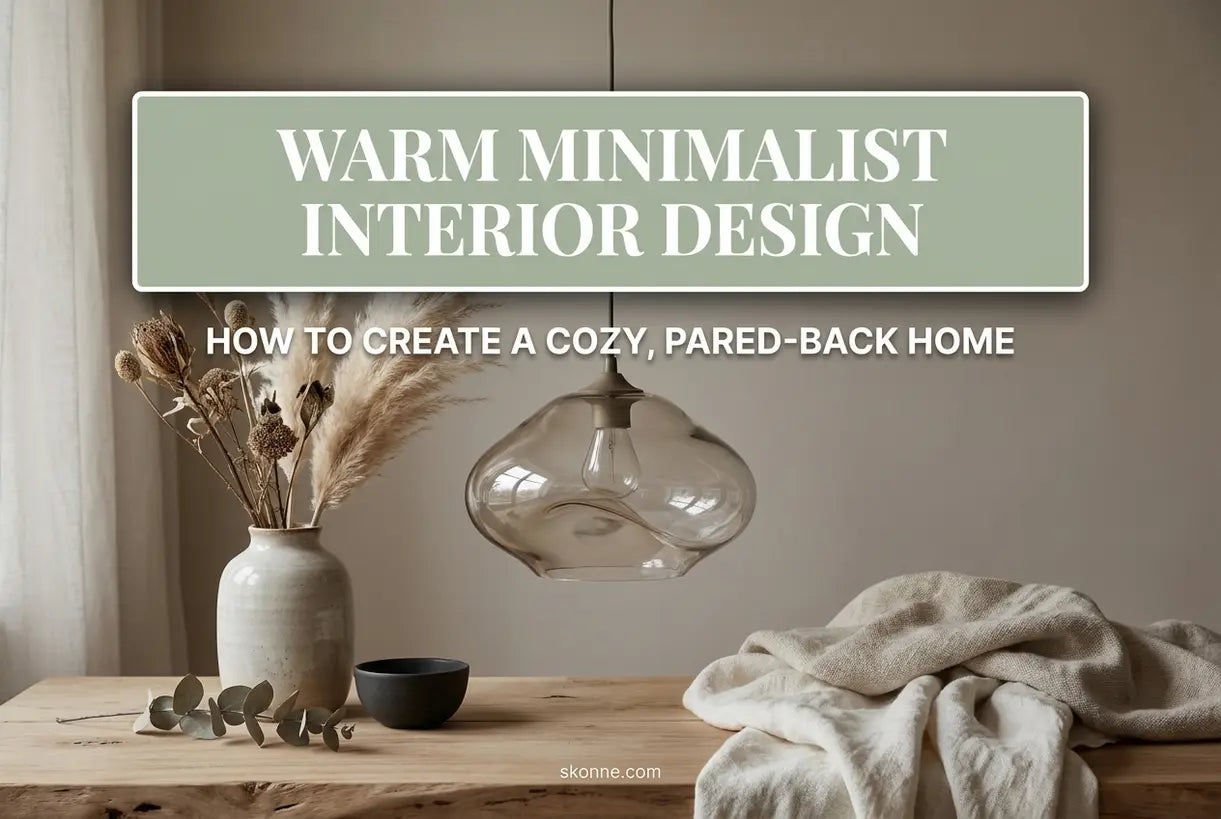
Warm Minimalist Interior Design: How to Create a Cozy, Pared-Back Home
Summary›
- What is Warm Minimalist Interior Design?
- Choosing a Warm Minimalist Color Palette
- Natural Materials: The Heart of Warm Minimalism
- Creating Cozy Corners in Minimalist Spaces
- Warm Minimalism vs. Japandi: Understanding the Distinction
- Room-by-Room Warm Minimalist Guidelines
- Conclusion: The Freedom of Warm Minimalism
There's a quiet revolution happening in our homes. After years of stark white walls, rigid geometry, and spaces that felt more like galleries than places to live, warm minimalist interior design has emerged as the antidote to cold, sterile minimalism. This Scandinavian-inspired approach proves that living with less doesn't mean sacrificing comfort—that thoughtful curation can coexist with the cozy embrace of home.
If you've ever walked into a minimalist space and felt it lacked soul, or struggled to create that coveted hygge feeling without accumulating clutter, this guide is for you. We'll explore how to craft a cozy minimalist home that calms the mind while nurturing the spirit, and we'll show you how the right Scandinavian minimalism lighting and decor can transform any space into a sanctuary.
What is Warm Minimalist Interior Design?
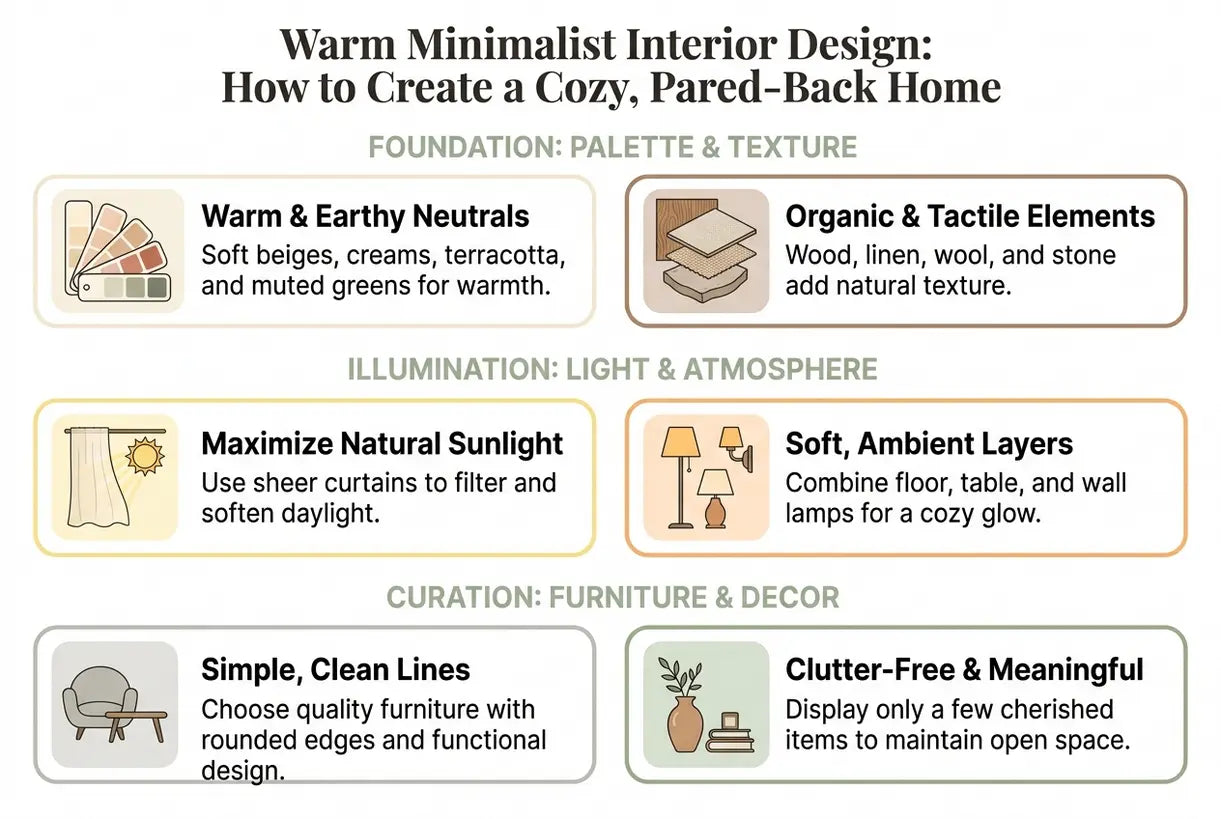
Warm minimalism is an evolution of traditional minimalism that prioritizes emotional comfort alongside visual simplicity. While cold minimalism strips spaces bare in pursuit of absolute reduction, warm minimalist interior design embraces natural materials interior elements, soft textures, and earthy color palettes to create environments that feel both curated and lived-in.
The philosophy centers on pared-back interior design—removing the unnecessary while celebrating materials and forms that have intrinsic beauty. Think of a Danish living room with just a few furniture pieces, but each one crafted from solid oak and draped with handwoven wool. The space isn't empty; it's intentionally filled with meaningful, textural objects.
The Three Pillars of Warm Minimalism
Understanding warm minimalism requires grasping its three foundational principles:
- Neutral palette warm tones: Move beyond stark white toward creamy oatmeal, soft beige, warm greige, and gentle clay hues
- Texture over pattern: Instead of busy prints, create visual interest through layered natural textures—linen against wood, ceramic beside wool
- Sculptural forms: Every object should earn its place through beautiful, organic shapes that serve and delight
These principles work together to establish a natural materials interior environment that breathes and evolves with you. When selecting lighting for these spaces, look for fixtures that themselves become sculptural art—pieces like the Driva Sculptural Cloud Pendant Light demonstrate how illumination can double as aesthetic focal points.
Pendant Lights
Shop all Pendant Lights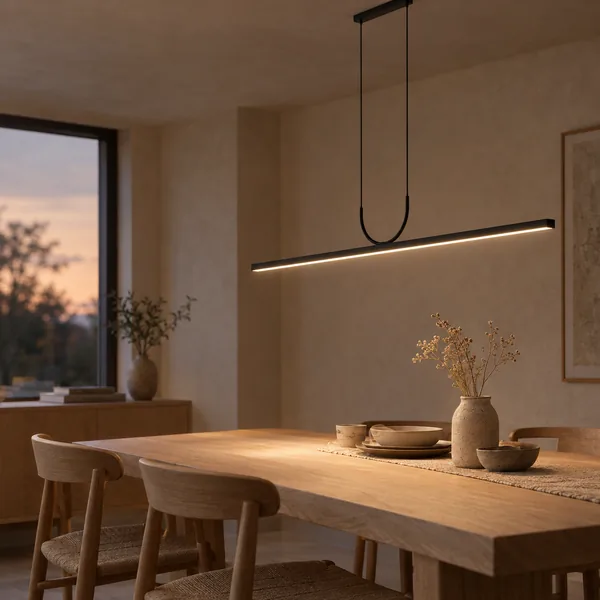
 Save $140.00
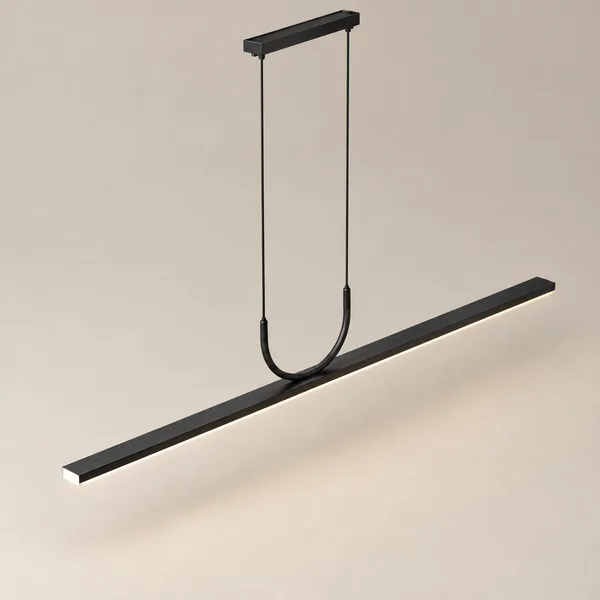
Linné Minimalist Linear Black LED Pendant Light
 Save $60.00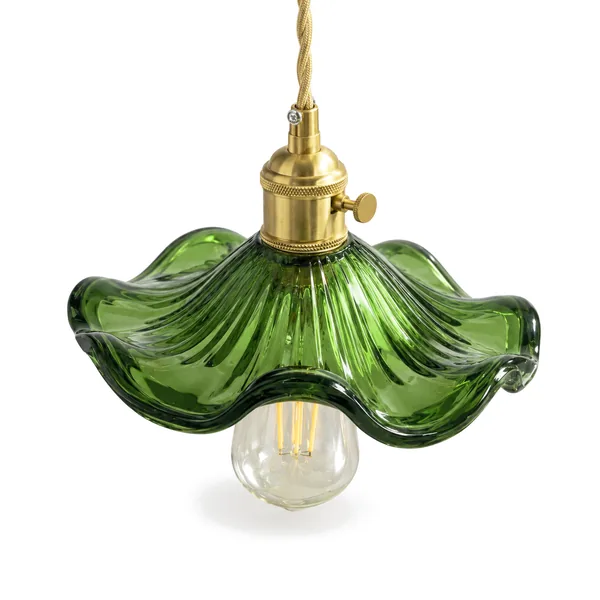
 3 options
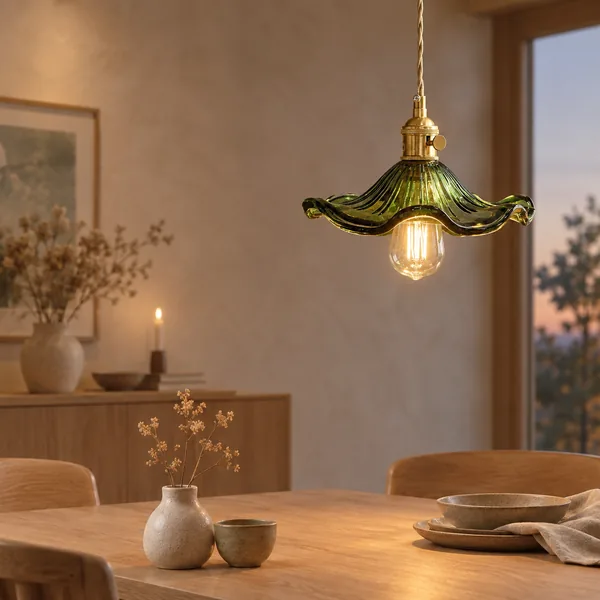
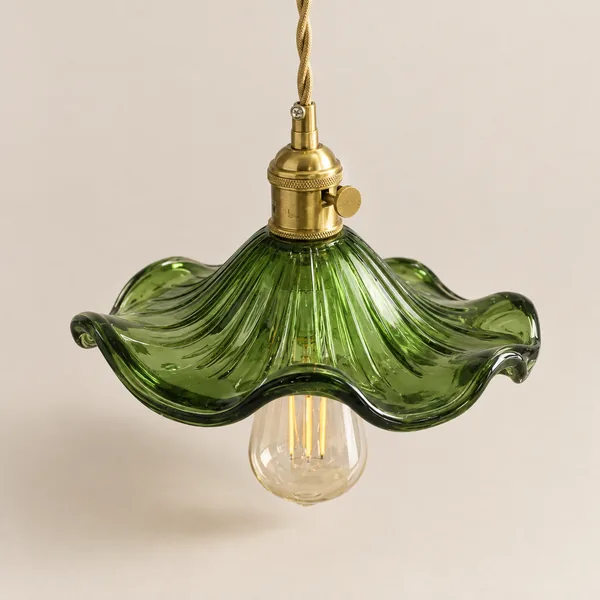
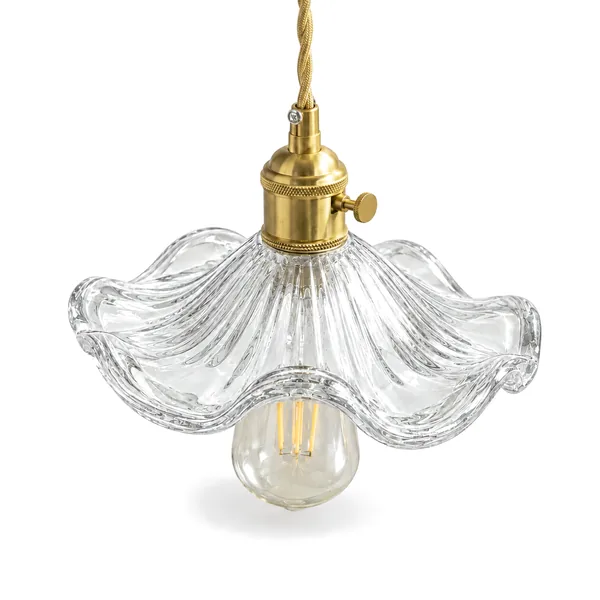
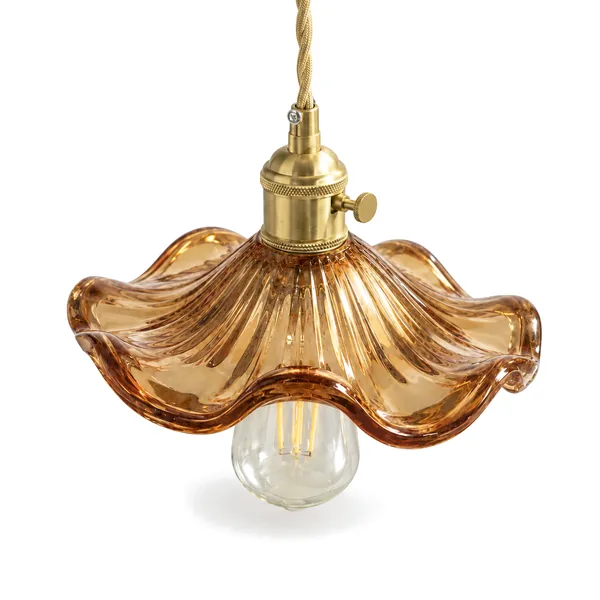
Glora Nordic Glass Pendant Light with Copper
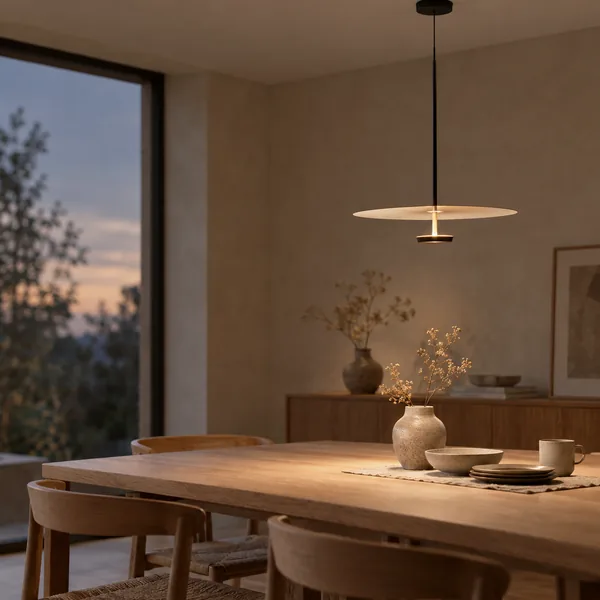
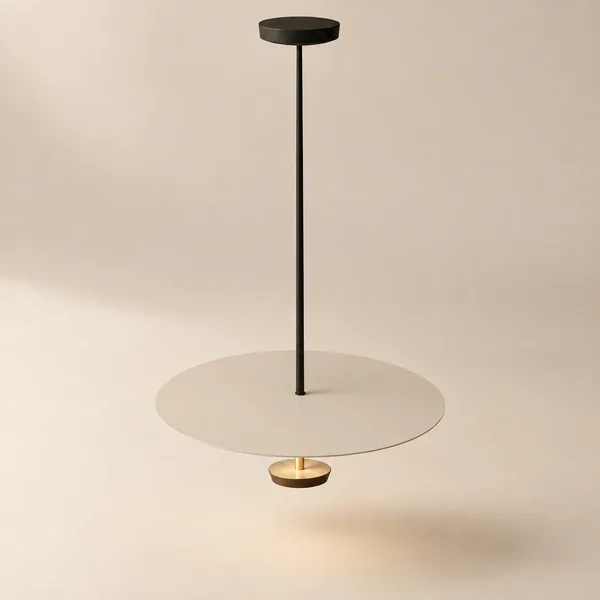 Save $120.00
Skiva Nordic Saucer Ceiling Pendant Light LED
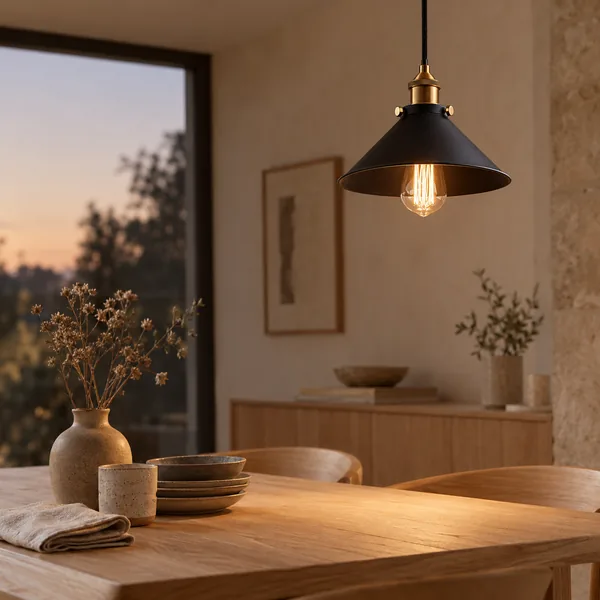
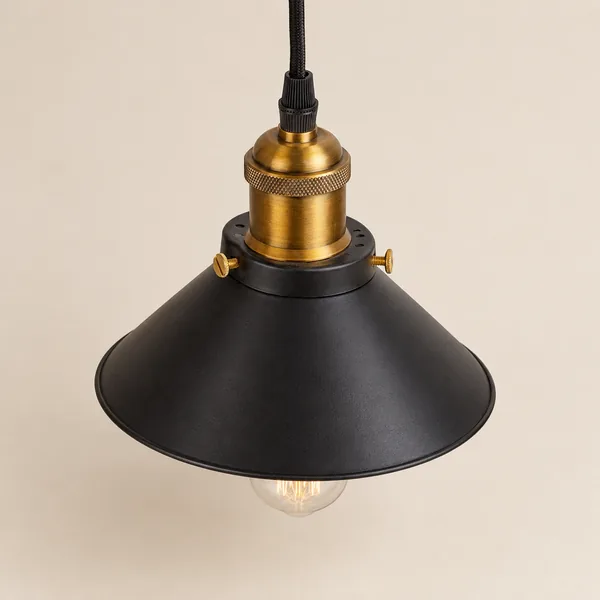
Choosing a Warm Minimalist Color Palette
Color is arguably the most transformative element in warm minimalism. The palette sets the emotional temperature of your space before any object enters the room. Instead of the clinical whites of traditional minimalism, warm minimalist interiors build upon earth-derived tones that echo natural landscapes.
Foundation Colors
Start with walls and large surfaces in these grounding shades:
- Alabaster white: A softened, creamy white that avoids the blue undertones that read as cold
- Oatmeal: The perfect bridge between beige and gray—neutral but undeniably warm
- Clay and terracotta: Muted earth tones that bring organic energy without overwhelming
- Warm greige: The sophisticated meeting point of gray and beige
These neutral palette warm tones create a cohesive backdrop that allows your carefully chosen objects to shine. When every surface already carries warmth, you need fewer accessories to achieve that inviting feeling.
Accent Strategies
Warm minimalism does embrace color—just selectively. Consider these textural layers design approaches:
Rust, ochre, and deep camel work beautifully in textiles like throw blankets and cushions. Forest green and soft navy can anchor larger furniture pieces. The key is choosing nature-inspired tones that harmonize with wood, stone, and ceramic rather than competing with them.
Natural Materials: The Heart of Warm Minimalism
If color sets the mood, materials provide the soul. Natural materials interior choices define warm minimalist spaces more than any other element. These materials age beautifully, improve with patina, and connect us to the tactile world in an increasingly digital existence.
Essential Materials for Every Room
Consider these textural investments for your organic minimalist style home:
- Unglazed ceramics – Vases and vessels with reactive glazes that carry the hand of the maker
- Solid wood – Oak, walnut, and ash with visible grain and matte finishes
- Linen and wool – Undyed or naturally dyed textiles with visible weave structure
- Hand-blown glass – Slight imperfections that catch and diffuse light in organic ways
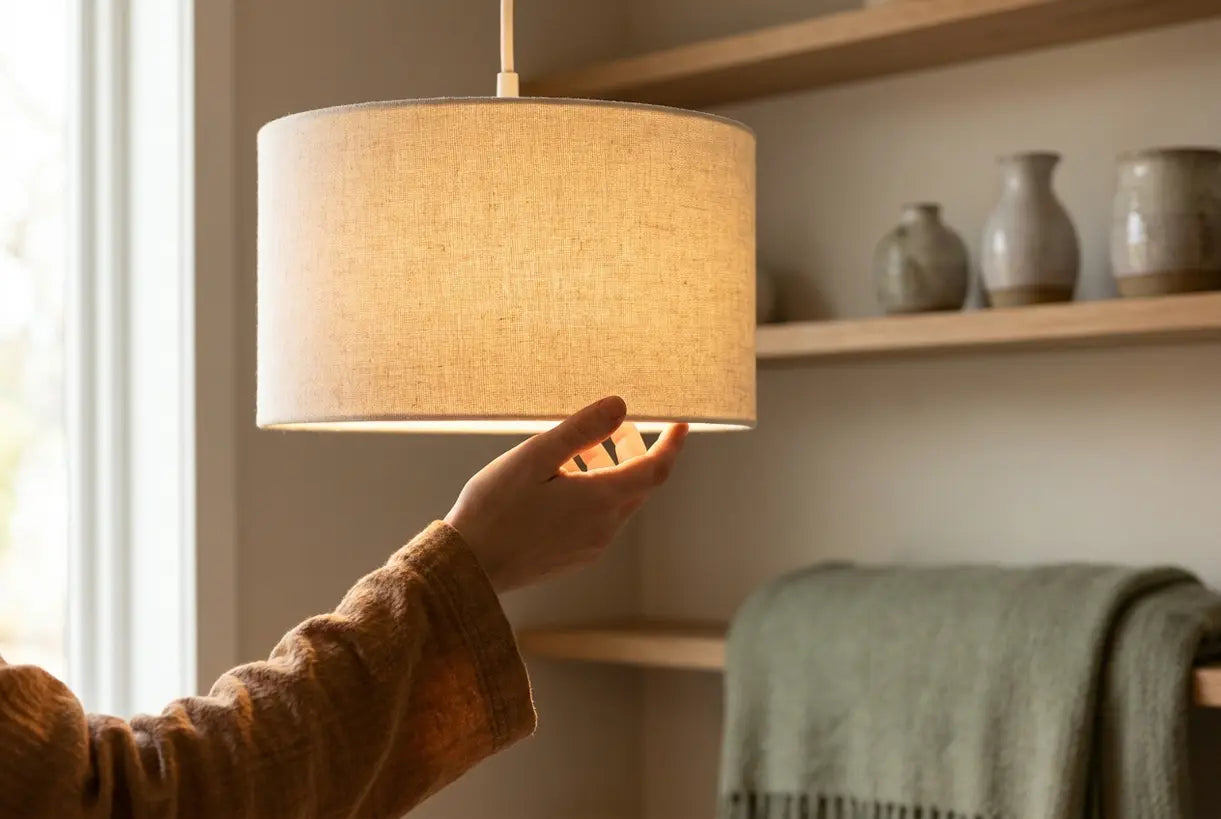
The beauty of these materials lies in their honesty. A ceramic bowl shows every finger impression. Linen wrinkles and softens with use. Wood develops character marks. This acceptance of natural imperfection is central to the minimalist cozy home philosophy—spaces should welcome living, not demand pristine preservation.
Lighting as Material
In warm minimalist design, lighting fixtures themselves become material statements. Rice paper diffusers, hand-blown glass pendants, and linen shades transform functional objects into sculptural anchors. The interplay of light through these natural mediums creates the atmospheric warmth that defines truly inviting spaces.
Table Lamps
Shop all Table Lamps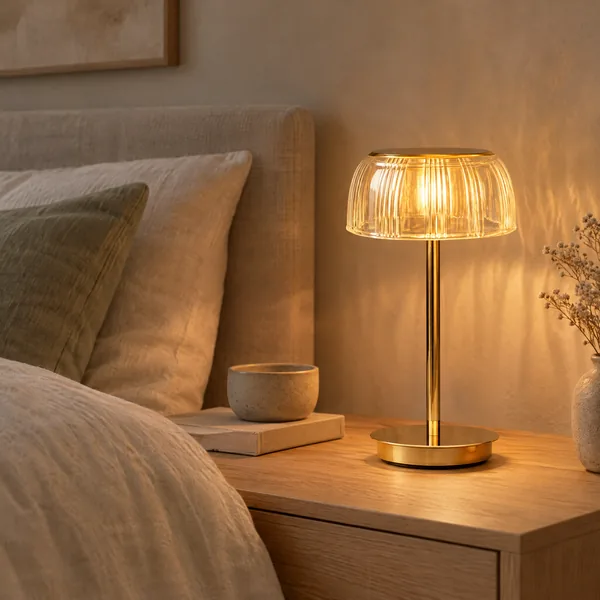
 Save $30.00
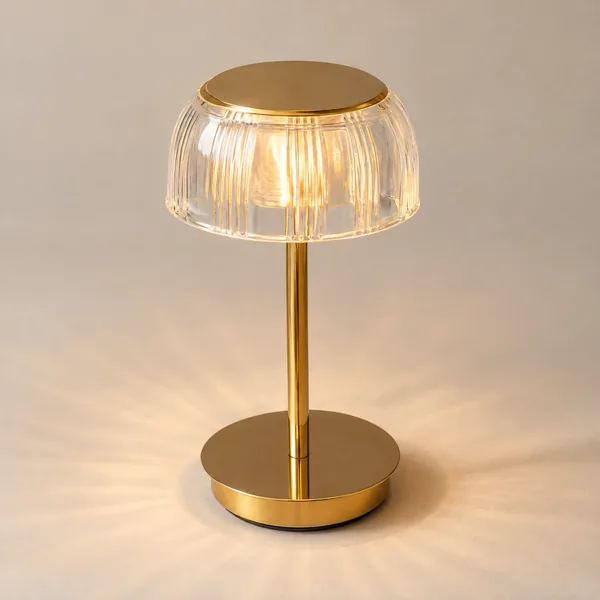
Kvalla Jellyfish LED Rechargeable Table Lamp
 Save $60.00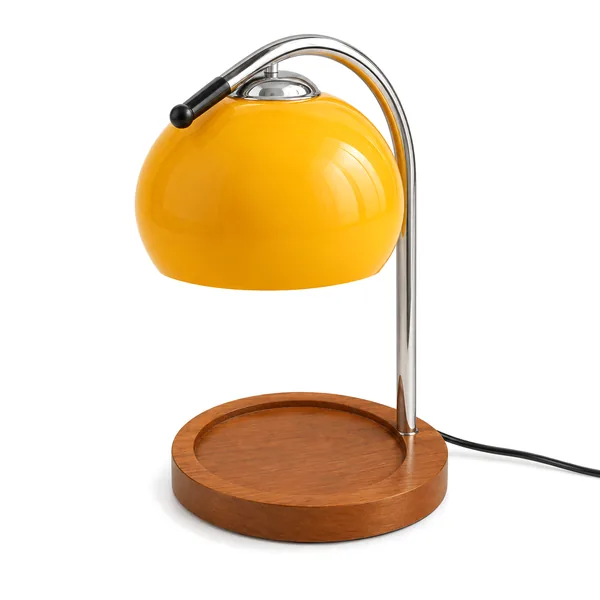
 3 options
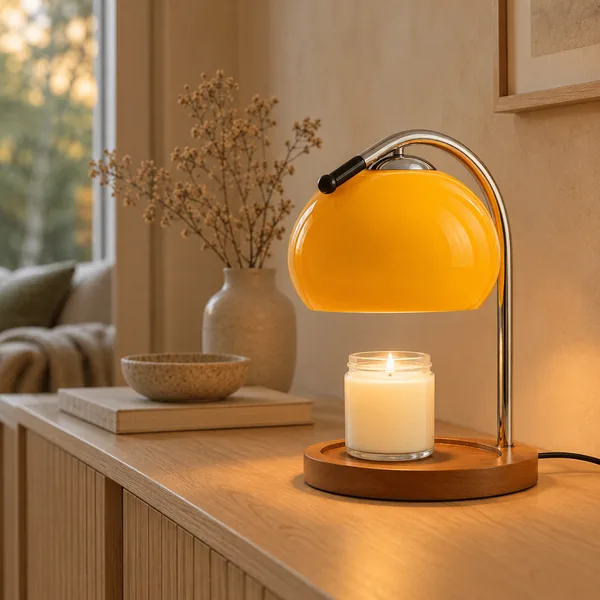
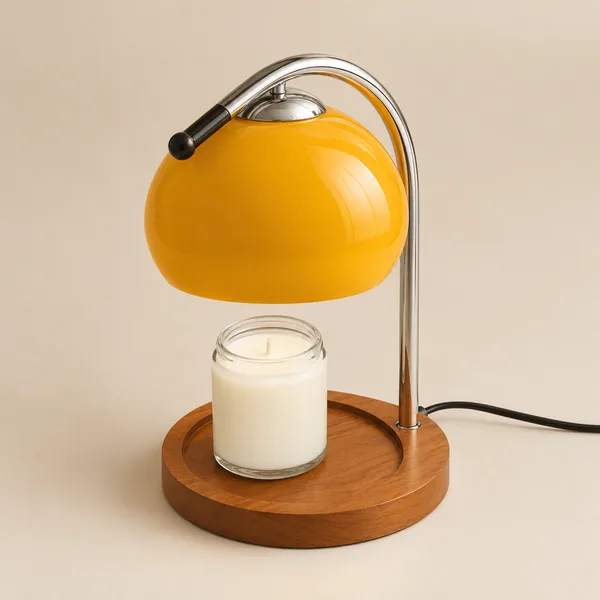
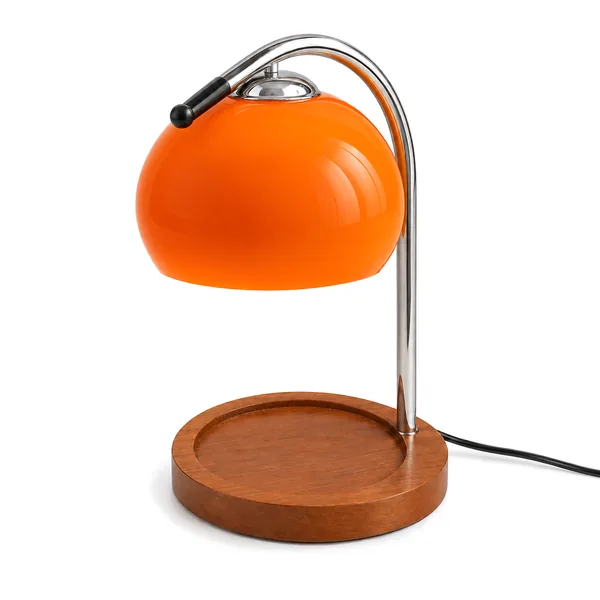
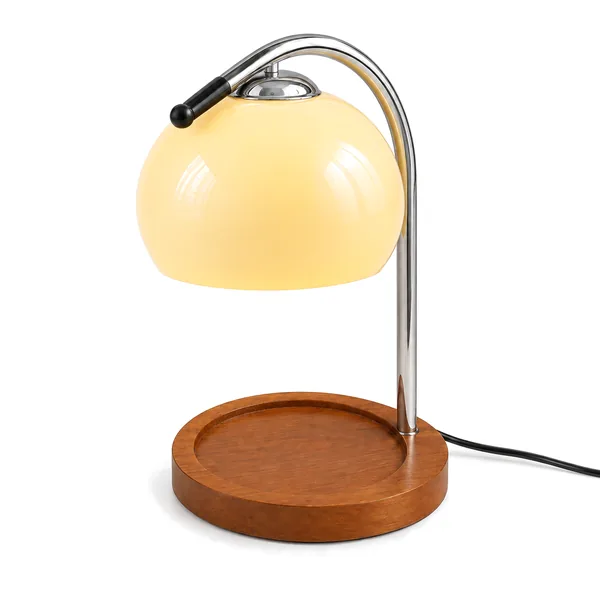
Solvarm Stained Glass Candle Warmer Table Lamp
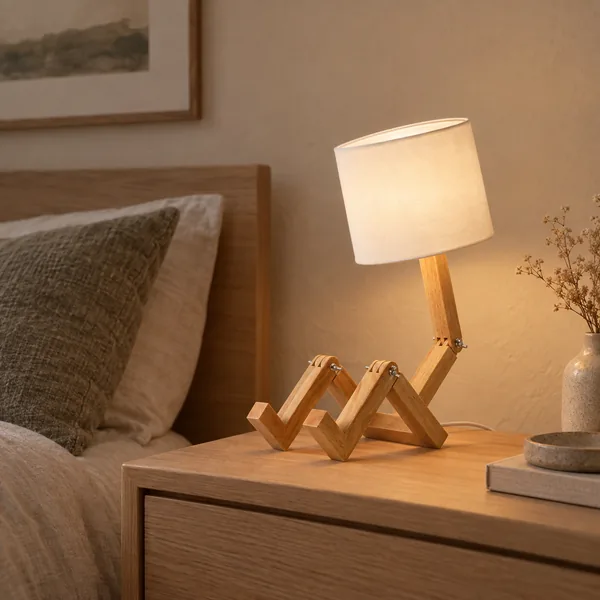
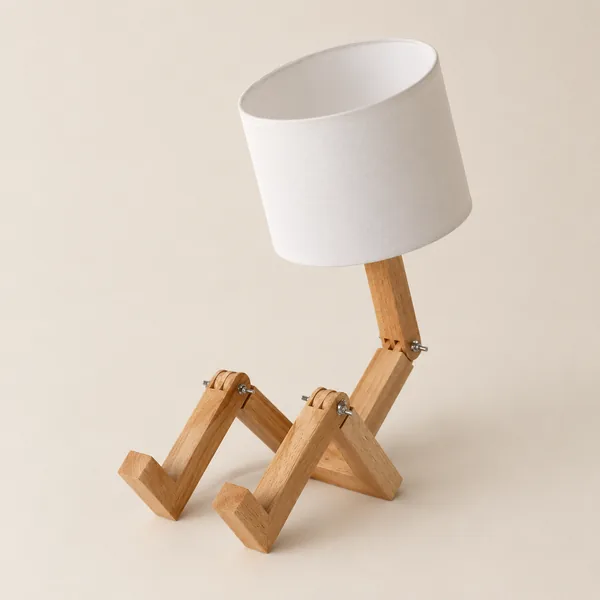
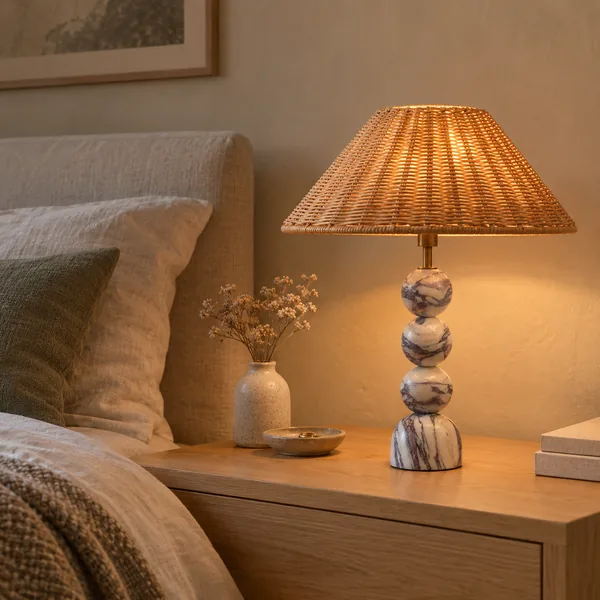
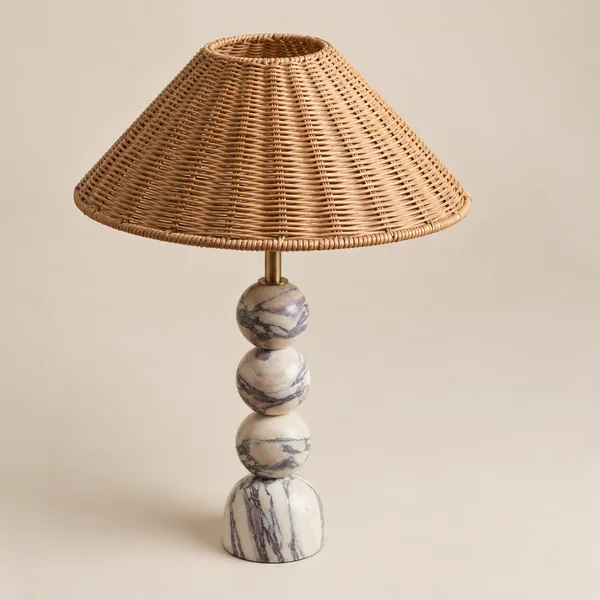 Save $220.00
Stenglo Nordic Marble Table Lamp Rattan Shade
Creating Cozy Corners in Minimalist Spaces
The greatest challenge in warm minimalism is balancing spacious openness with intimate comfort. How do you avoid the "furniture showroom" feeling without filling every corner?
The answer lies in Scandinavian warm minimalism: dedicate a few intentional spaces to layered coziness. A reading corner with a single sculptural chair, a folded wool throw, and a thoughtfully designed table lamp creates an island of warmth within an airy room.
Consider the Shiro Rice Paper Table Lamp for these intimate moments—its handcrafted shade diffuses light in a way that instantly softens any corner. Pair it with organic objects like the Jorde Handmade Rustic Ceramic Vase to introduce textural layers design that rewards close inspection without adding visual clutter.
Crafted for Cozy Corners
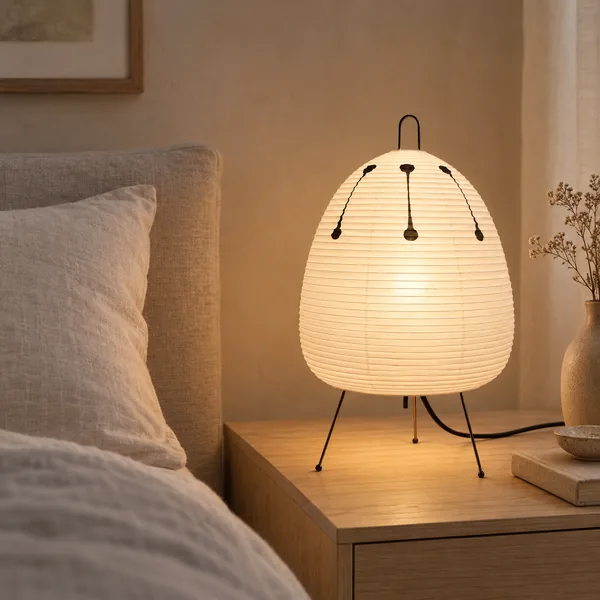 Shiro Rice Paper Table Lamp Nordic Minimalist$119.00$199.00
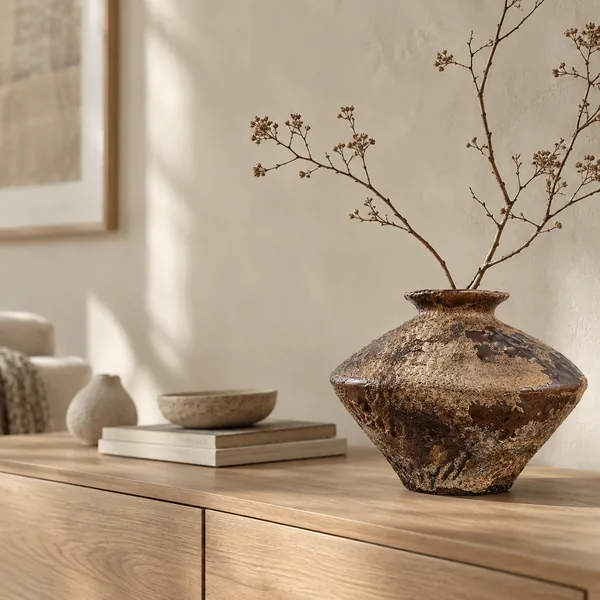 Jorde Handmade Rustic Ceramic Vase Home Decor$129.00$189.00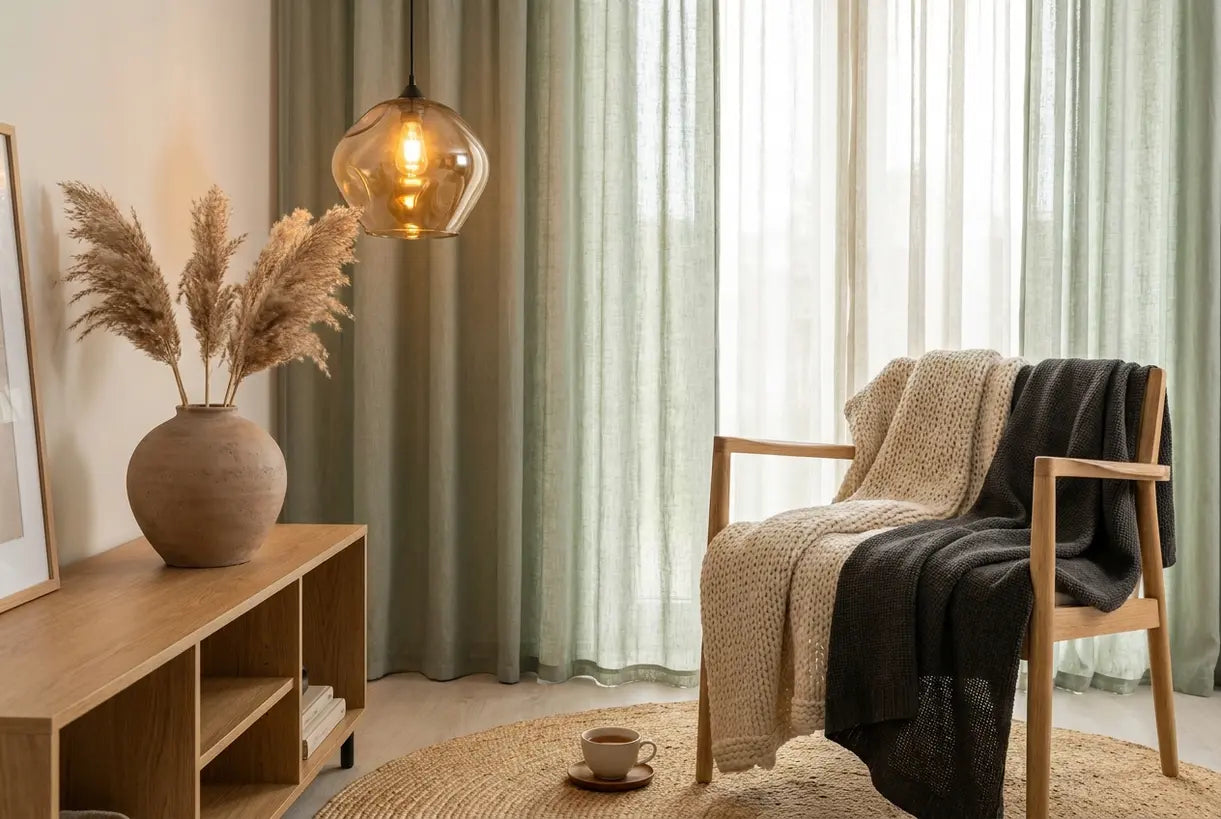
The Art of Curated Display
Warm minimalism embraces display—but with discipline. Group objects in odd numbers of three or five. Vary heights and materials. Place a tall ceramic vase beside a low wooden bowl and a sculptural light source. This creates visual rhythm without the chaos of excessive decoration.
Warm Minimalism vs. Japandi: Understanding the Distinction
As Scandinavian minimalism evolves, it increasingly overlaps with Japandi—the fusion of Japanese wabi-sabi and Scandinavian functionality. Both celebrate simplicity, natural materials, and craftsmanship. But important distinctions exist.
Warm minimalism draws primarily from Danish and Norwegian design heritage, emphasizing brightness, warmth, and social connection. Japandi incorporates more Japanese elements: darker tones, lower furniture heights, and deliberate asymmetry. While both value craftsmanship, warm minimalism tends toward lighter woods and airier spaces.
For those drawn to this intersection, exploring Japandi Lighting offers beautiful fixtures that bridge both aesthetics—pieces that honor organic materials while honoring the clean lines both traditions share.
Room-by-Room Warm Minimalist Guidelines
Applying these principles throughout your home ensures cohesive tranquility. Here's how warm minimalism translates to different spaces:
Living Room
Focus on a single statement light fixture—perhaps suspended over a low-profile coffee table. Layer one or two textural throws in complementary neutrals. A single bookshelf styled with ceramic vessels and wooden objects adds personality without overwhelming.
Bedroom
Invest in quality linen bedding in oatmeal or soft stone tones. A single sculptural pendant or bedside lamp with a natural shade creates intimate evening light. Keep surfaces clear except for one meaningful ceramic piece.
Kitchen
Open shelving displays handmade ceramics and wooden utensils. Matte stone or clay-toned cabinetry maintains the neutral palette. Pendant lights with organic shapes—perhaps hand-blown glass—elevate task lighting into art.
Conclusion: The Freedom of Warm Minimalism
Warm minimalist interior design offers something profound: the permission to live beautifully without excess. It proves that spaciousness and coziness aren't opposites, that natural materials grow more precious with age, and that a carefully chosen few objects bring more joy than overwhelming abundance.
Creating your cozy minimalist home doesn't require starting from scratch. Begin with one room. Replace one cold light fixture with something sculptural and warm. Introduce a single ceramic piece that carries the maker's hand. Layer one textural throw over your sofa. These small, intentional choices accumulate into spaces that feel both elevated and embraceable.
At Skonne, we curate lighting and decor specifically for those seeking this balance—pieces that honor Scandinavian minimalism while radiating the warmth of genuine materials and thoughtful craftsmanship. Each object in our collection exists to earn its place in your intentionally designed home.
Related Article
Natural Elements in Interior Design: How to Bring the Outdoors InLearn how to incorporate natural elements into your interior design, from wood and stone to organic textures, creating a calming home that connects you to nature.