
Paper Floor Lamps: Japanese-Inspired, Noguchi & Akari Designs for Organic Interiors
Summary›
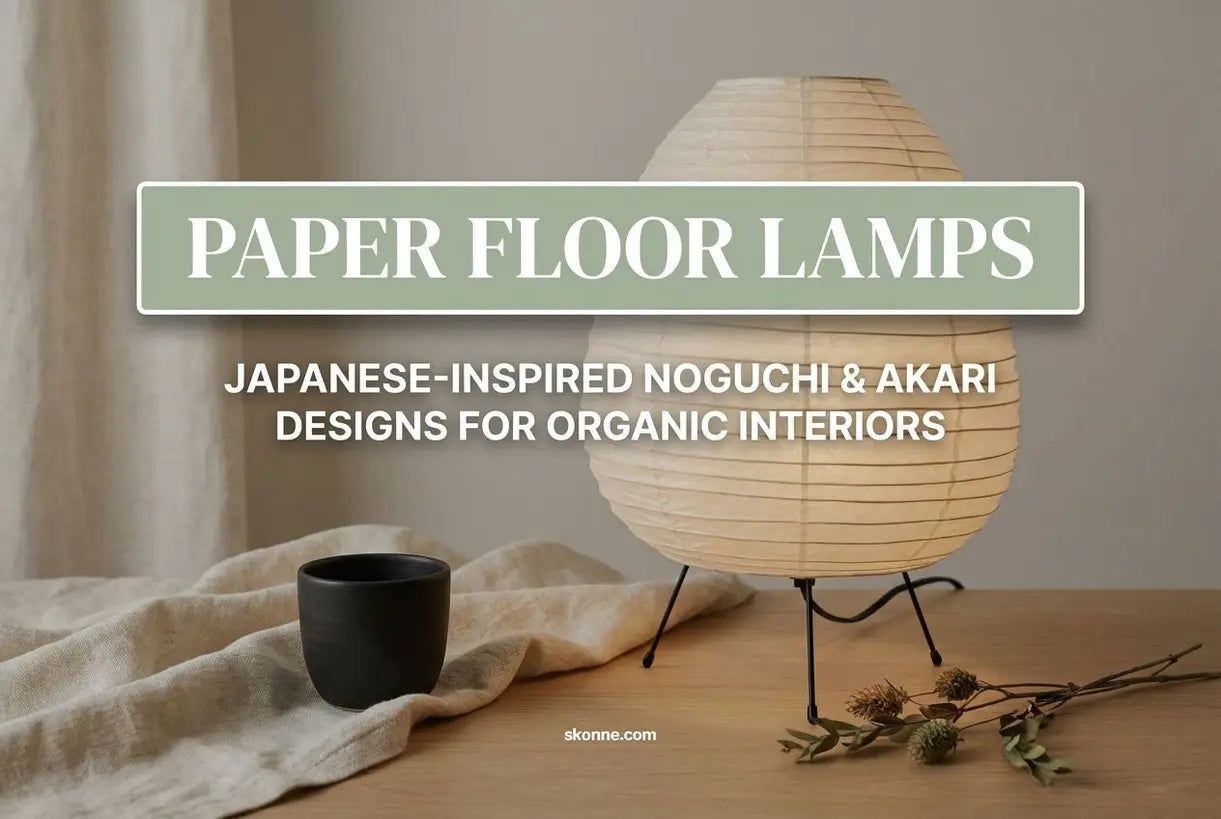
There's something undeniably captivating about the soft, diffused glow of a paper floor lamp. In a world of harsh LED screens and clinical overhead lighting, these sculptural pieces offer a return to organic warmth—illuminating your space with the gentle embrace of filtered light. Whether you're curating a Japandi-inspired sanctuary or seeking the perfect accent for a minimalist bedroom, understanding the artistry behind Japanese rice paper lamps can transform how you think about interior lighting.
The appeal extends far beyond aesthetics. From the iconic works of Isamu Noguchi to contemporary wabi-sabi interpretations, paper floor lamps represent a harmonious marriage of traditional craftsmanship and modern design sensibility. In this guide, we'll explore the rich heritage of these luminous sculptures, examine their practical benefits, and reveal why they've become essential fixtures in organic interiors around the world.
The Legacy of Japanese Paper Lighting
The story of the paper floor lamp is inseparable from the Akari light sculptures created by Japanese-American artist Isamu Noguchi in 1951. During a transformative visit to Gifu, Japan—a city renowned for its paper lanterns and nighttime fishing tradition—Noguchi discovered the magic of washi paper illuminated from within.
This encounter sparked a decades-long exploration of light as sculpture. Noguchi's Akari designs, whose name derives from the Japanese words for "light" and "illumination," elevated humble paper lanterns into museum-worthy art pieces. Today, these designs remain the gold standard for what we call the Noguchi floor lamp, inspiring countless interpretations that bring that same poetic quality into contemporary homes.
The Making of Akari: Artistry in Motion
Understanding the craftsmanship behind these pieces deepens our appreciation. The traditional process involves stretching handmade washi paper over delicate bamboo ribbing, creating a lightweight yet remarkably durable form that seems to float in space.
This video reveals the meditative precision required to create authentic Akari-style pieces. Each lamp requires the steady hands of skilled artisans who understand how tension, paper thickness, and rib placement affect the quality of light diffusion. The result isn't just a light source—it's a functional sculpture that transforms throughout the day as natural and artificial light interact with its translucent surfaces.
Washi Paper: The Soul of Japanese Lighting
The secret to a truly exceptional rice paper floor lamp lies in its material. Washi paper, traditionally crafted from mulberry bark, produces a uniquely warm, organic glow that synthetic alternatives cannot replicate. Unlike standard paper, washi possesses remarkable strength despite its delicate appearance, resisting tearing and maintaining its shape over years of use.
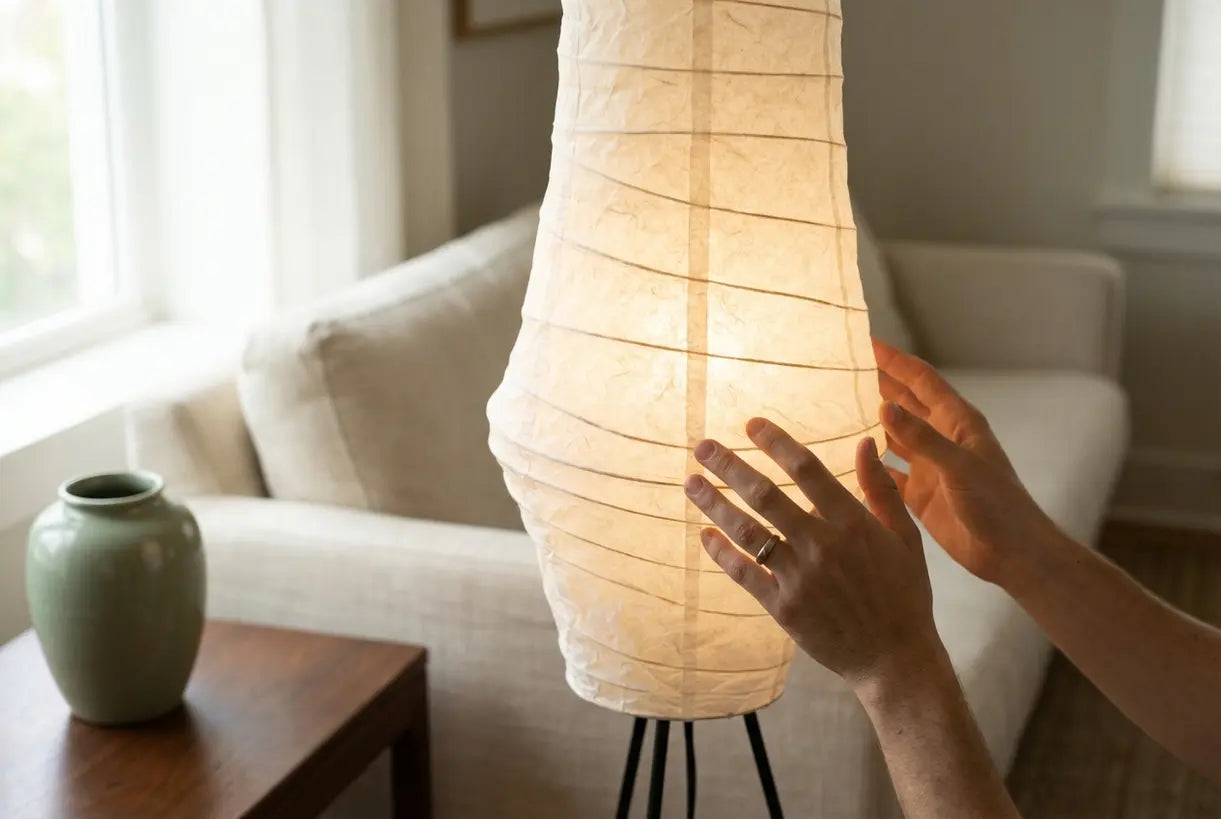
When illuminated, quality washi creates a layered effect—bright near the bulb, gradually softening toward the edges. This gradation eliminates harsh shadows and creates the ambient atmosphere that makes japanese floor lamp designs so beloved for living spaces, bedrooms, and meditation areas.
Why Choose Paper Floor Lamps for Your Home
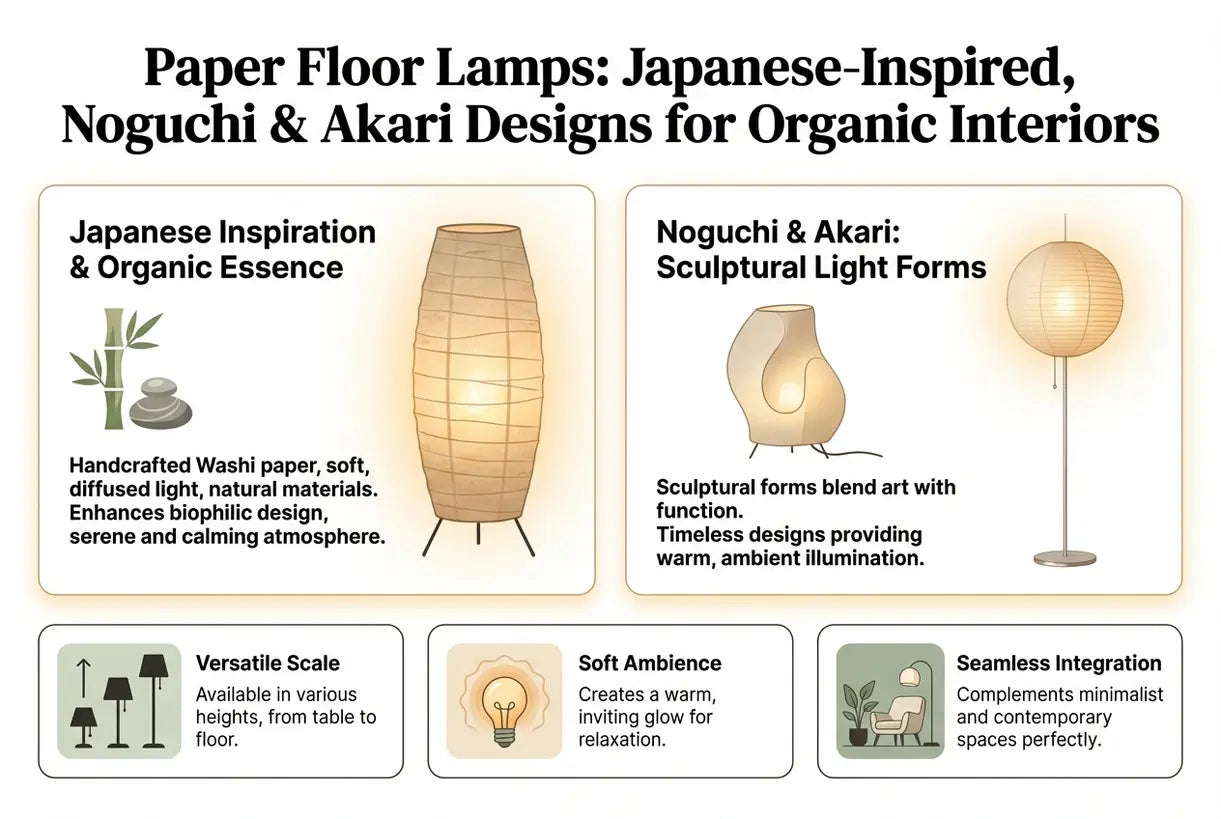
Beyond their visual poetry, paper floor lamps offer practical advantages that explain their enduring popularity among interior designers and homeowners alike:
- Exceptional Light Quality: Rice paper diffuses light evenly, reducing eye strain and creating a calming environment perfect for evening relaxation.
- Visual Lightness: Unlike heavy metal or glass fixtures, paper lamps occupy visual space without adding visual weight—ideal for smaller rooms or minimalist aesthetics.
- Versatile Styling: From Zen floor lamp designs for meditation spaces to sculptural statement pieces in contemporary lofts, paper lamps adapt to virtually any interior style.
- Organic Material Connection: Natural materials foster wellbeing by connecting our indoor environments to the natural world—a core principle of wabi sabi lighting.
- Timeless Appeal: While trends come and go, the fundamental beauty of paper lighting remains eternally relevant.
Japandi Lighting
Shop all Japandi Lighting
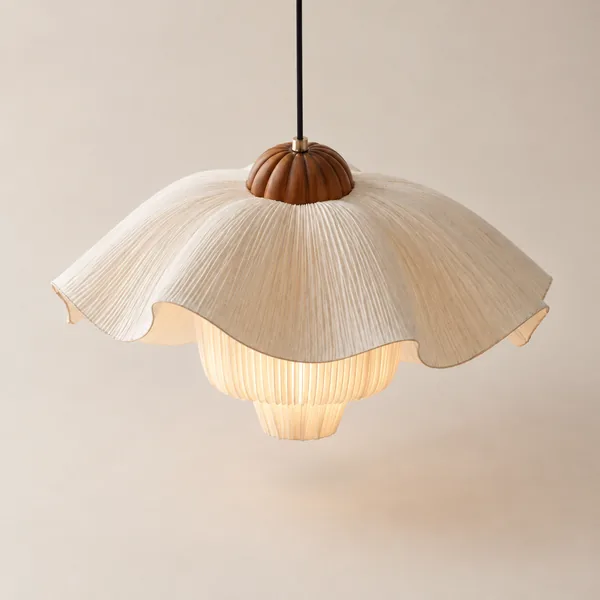
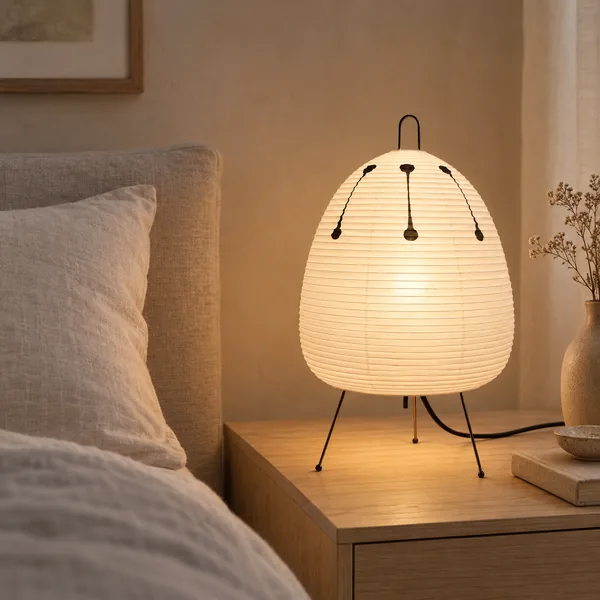
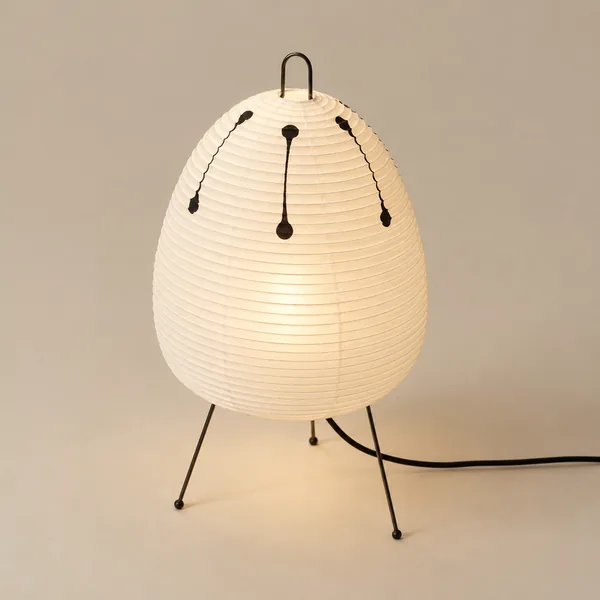 Save $80.00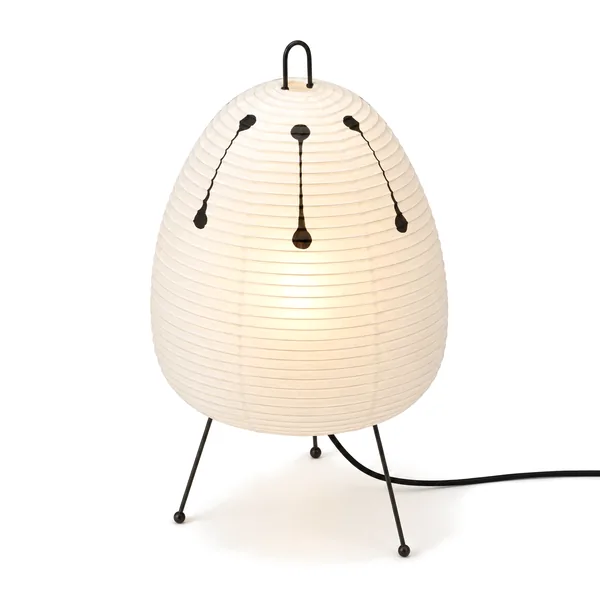
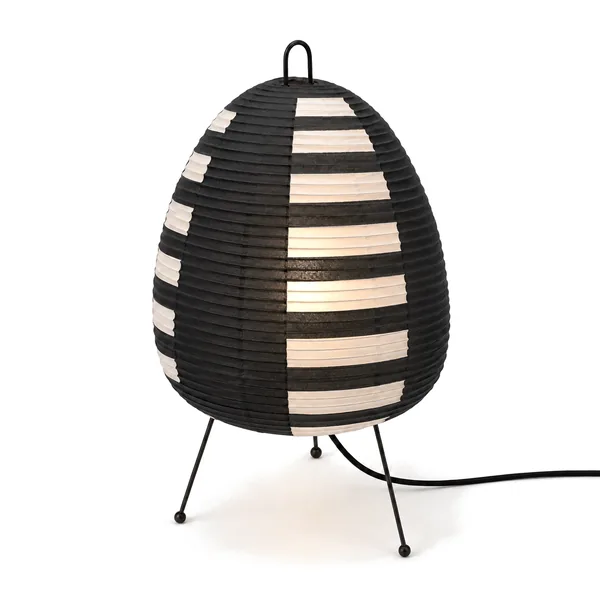
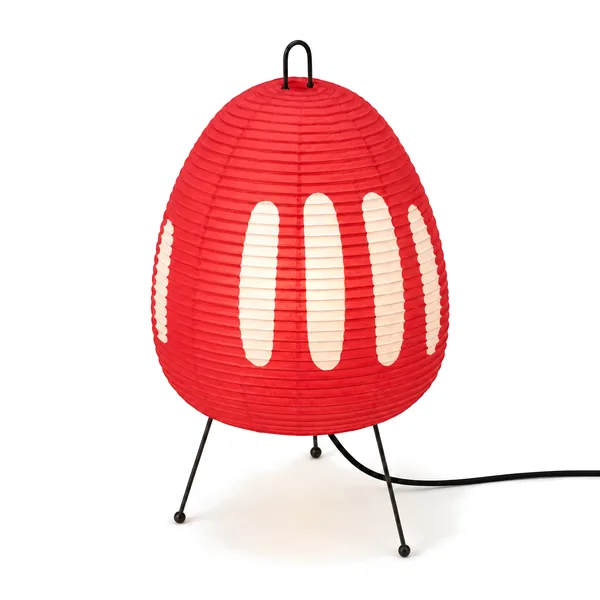
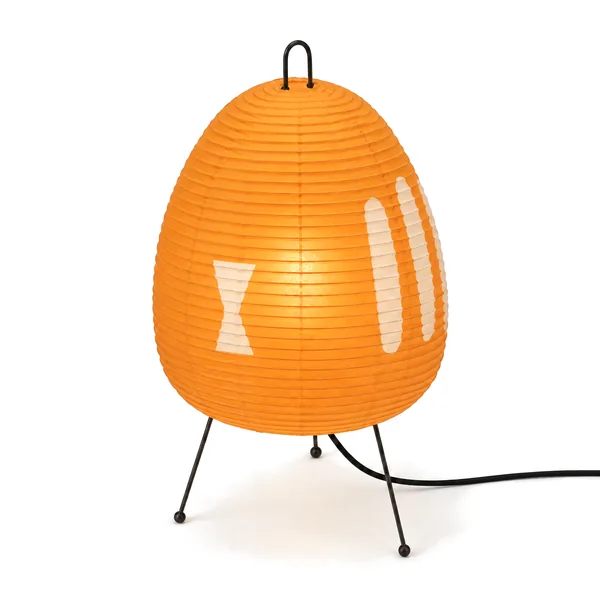 +37 options
Shiro Rice Paper Table Lamp Nordic Minimalist
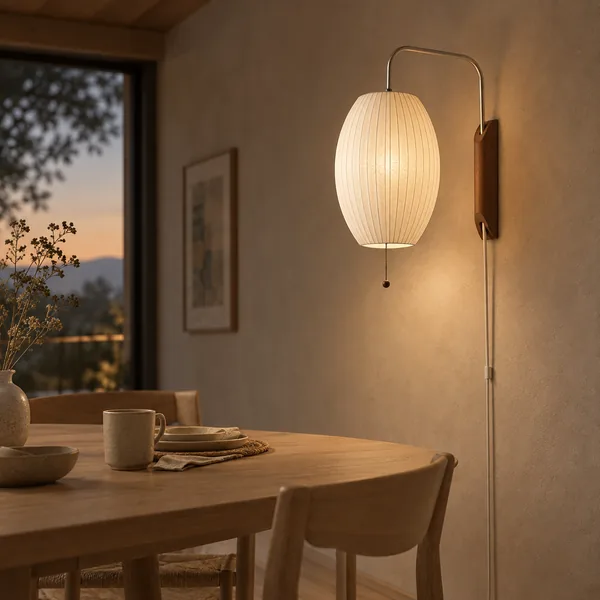
 Save $102.00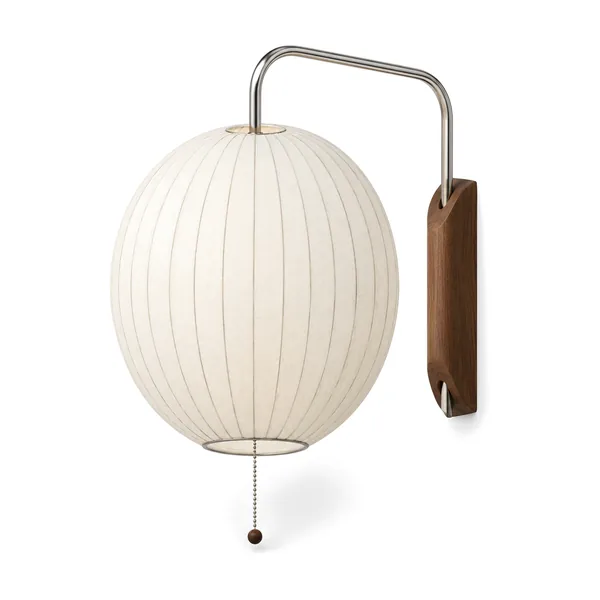
 4 options
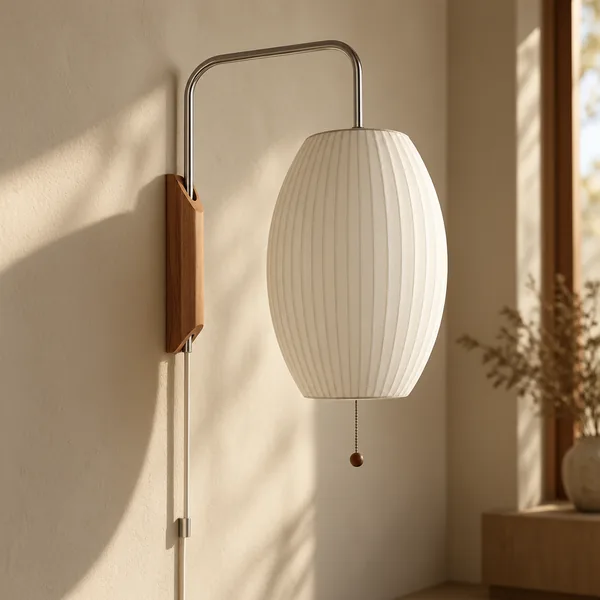
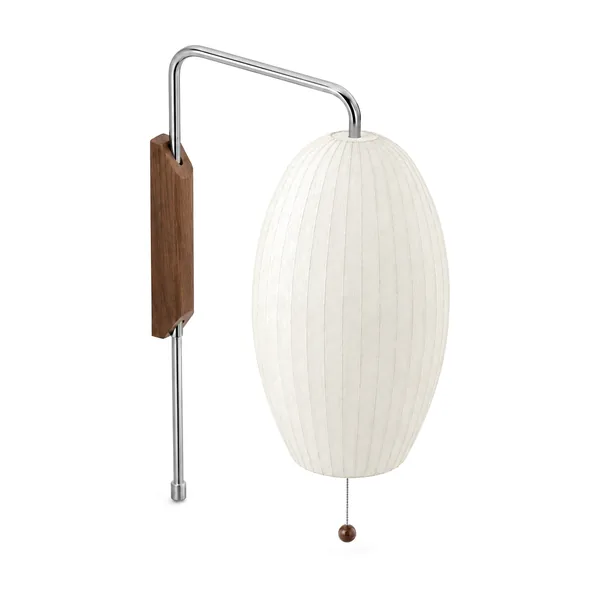
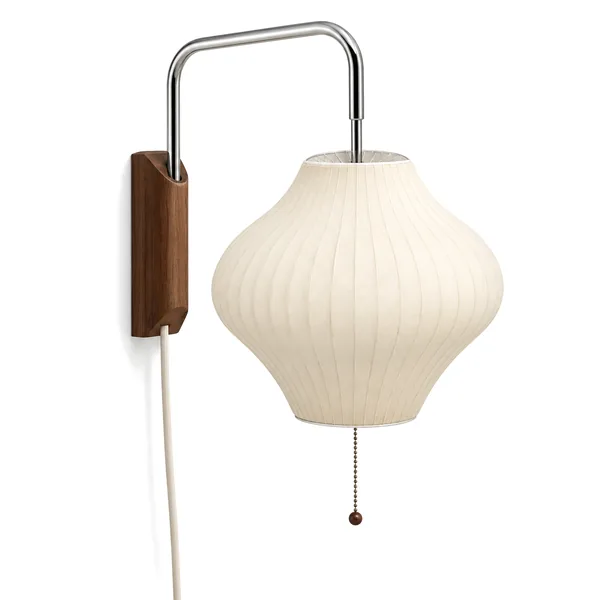
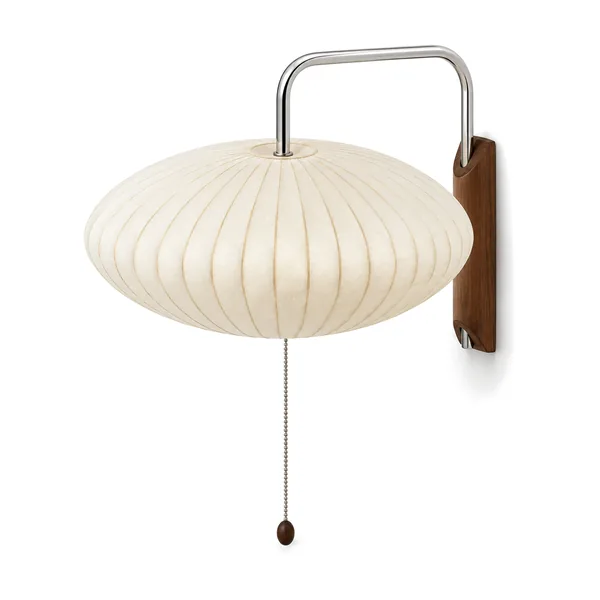
Solvei Minimalist Silk Wall Lamp for Bedroom
 Save $290.00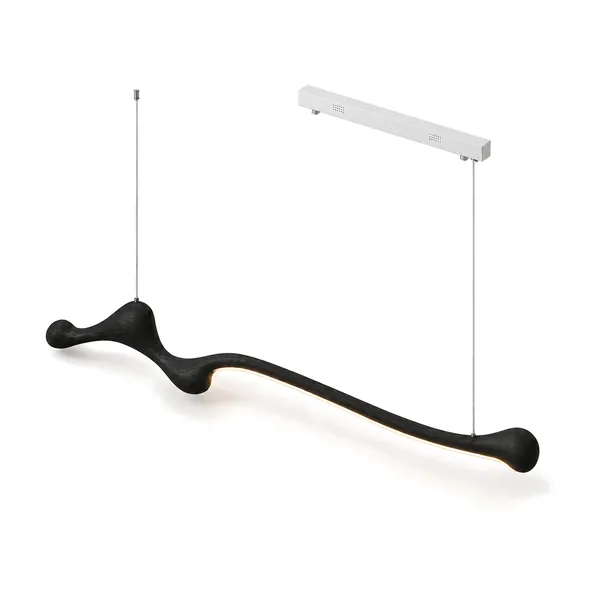
 3 options
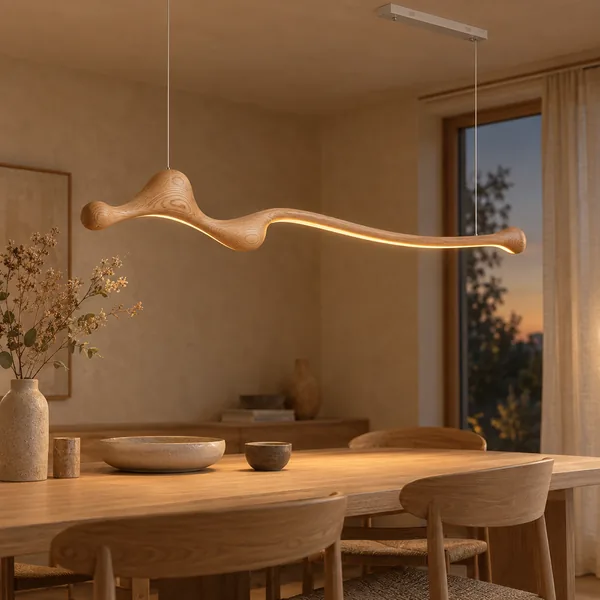
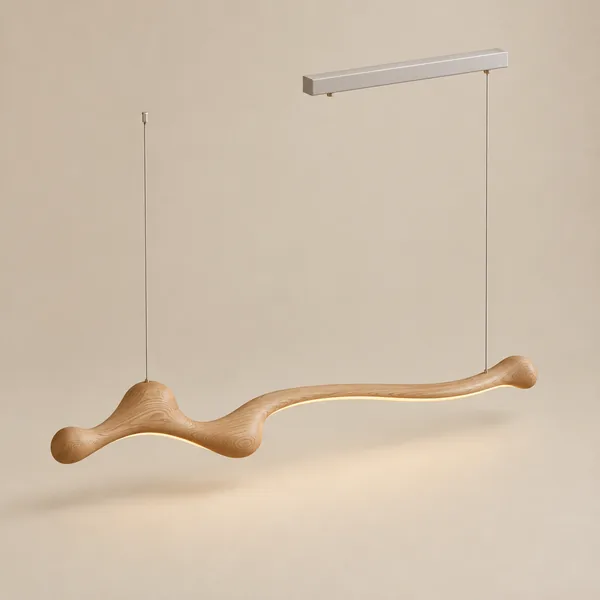
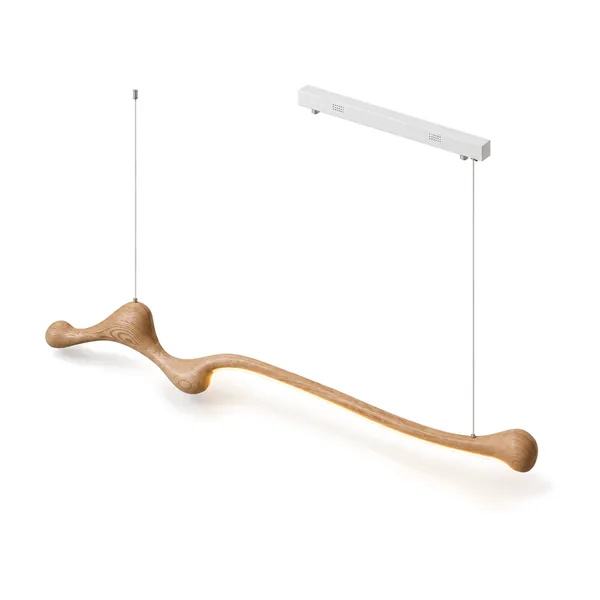
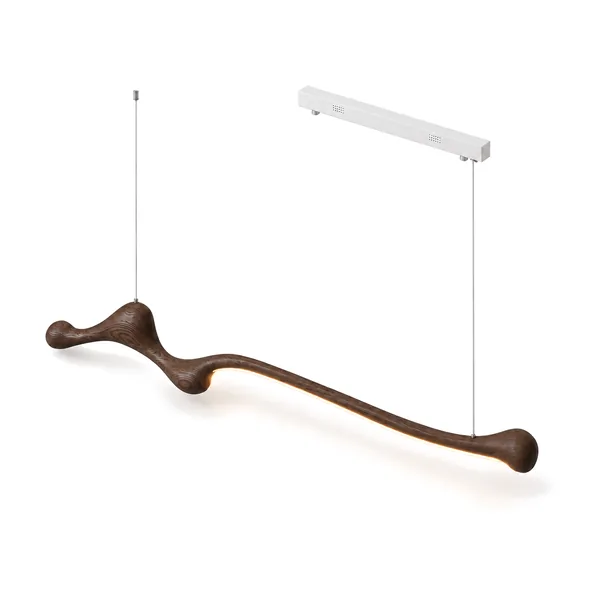
Skoglyn Dimmable Ash Wood Linear Pendant Light
Choosing Your Perfect Paper Floor Lamp
Selecting the right paper floor lamp requires balancing aesthetic vision with practical considerations. Scale matters tremendously—a delicate table-top piece will disappear in a spacious living room, while an oversized floor lamp might overwhelm a cozy reading nook.
For those drawn to authentic wabi sabi lighting principles, look for pieces that celebrate imperfection and natural material variation. The Stillvei Wabi-Sabi Rice Paper Floor Lamp embodies this philosophy perfectly.
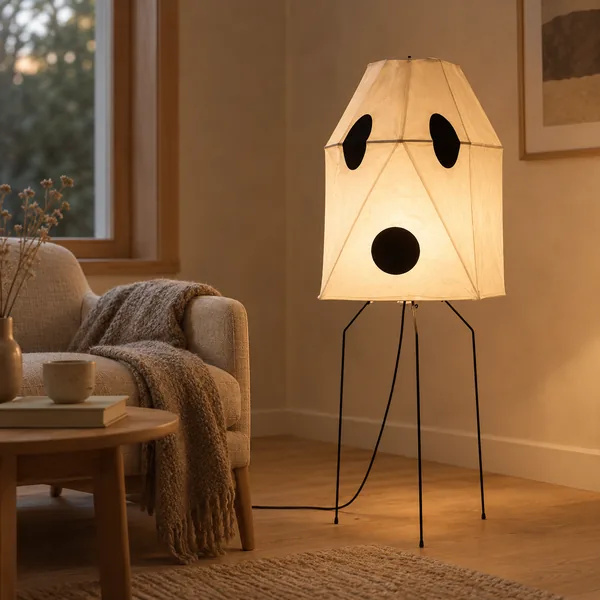 Stillvei Wabi-Sabi Rice Paper Floor Lamp 57in$389.00$529.00
Standing at 57 inches, this piece commands attention without dominating your space. The translucent shade casts organic, paper-filtered warmth that transforms any corner into a hushed, luminous retreat—perfect for those seeking to create intentional pockets of calm within busy homes.
Styling Paper Floor Lamps in Organic Interiors
The versatility of paper lighting shines in how seamlessly it integrates with various design movements. In Japandi floor lamp arrangements, these pieces bridge Japanese wabi-sabi principles with Scandinavian functionality—creating spaces that feel both refined and welcoming.
Consider placement carefully. Paper floor lamps excel as:
- Reading companions: Position beside your favorite armchair for task lighting that won't strain your eyes.
- Bedroom ambiance creators: The soft glow promotes relaxation and prepares your mind for restful sleep.
- Entryway statements: A sculptural paper lamp creates an immediate sense of intention when guests arrive.
- Dining area accents: In open-concept spaces, they help define zones while maintaining visual flow.
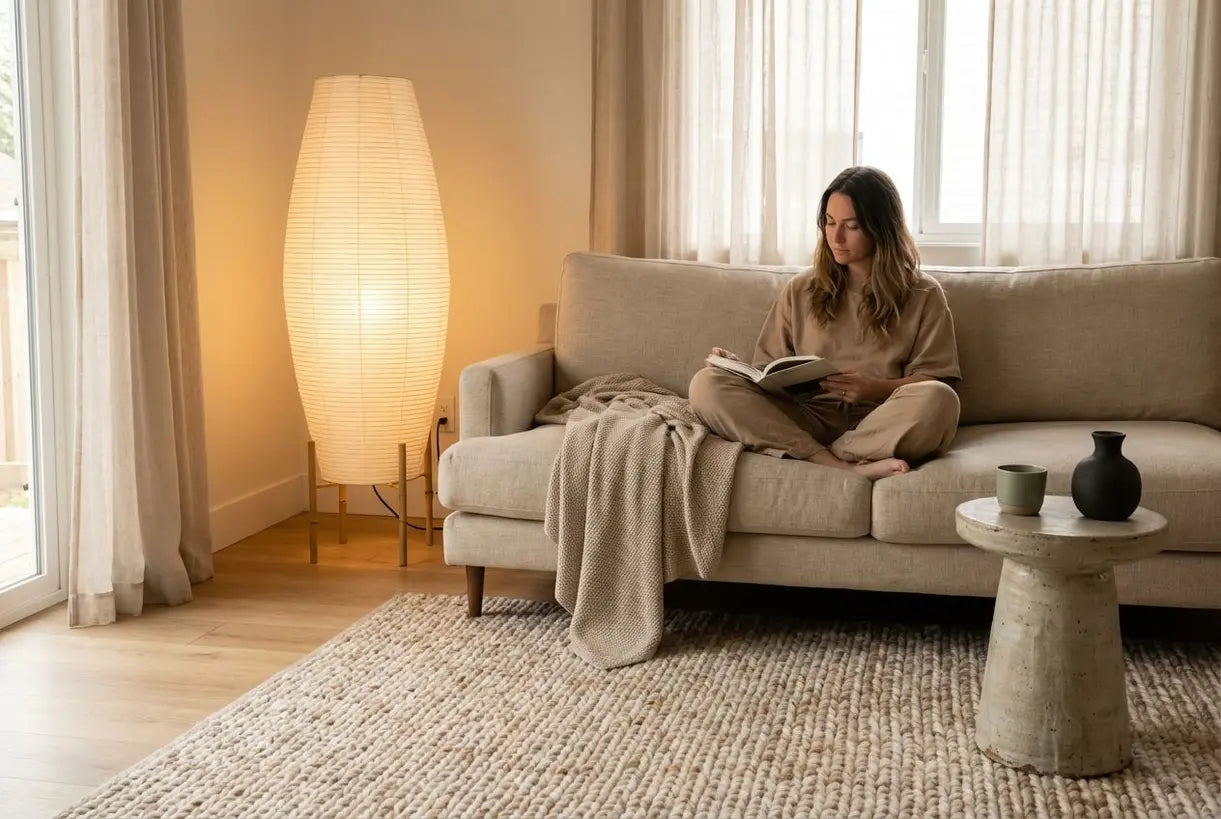
The atmosphere created by quality paper lighting is difficult to overstate. It invites slowing down, encourages presence, and transforms ordinary moments into small rituals of comfort. For those looking to explore more options that capture this feeling, our Scandinavian Lighting collection offers a curated selection of pieces that share this warm, intentional philosophy.
Understanding Safety and Practical Care
A common concern involves the practicality of paper lighting. Quality organic floor lighting fixtures are designed with modern safety standards in mind. LED bulbs generate minimal heat, making them perfectly safe for paper shades. Look for fixtures with proper ventilation and UL certification for peace of mind.
Maintenance is simpler than you might expect. Regular dusting with a soft, dry cloth or feather duster keeps your lamp looking pristine. For deeper cleaning, a gentle vacuum with brush attachment removes accumulated dust from creases and folds. Avoid moisture—washi paper and cellulose-based shades should never be wiped with wet cloths.
Floor Lamps
Shop all Floor Lamps
Curated Recommendations: Complete Your Lighting Vision
Building a cohesive lighting scheme often means combining different scales and functions. The following pieces complement traditional paper floor lamps while maintaining the warm, organic aesthetic that defines this design approach.
Complementary Organic Lighting
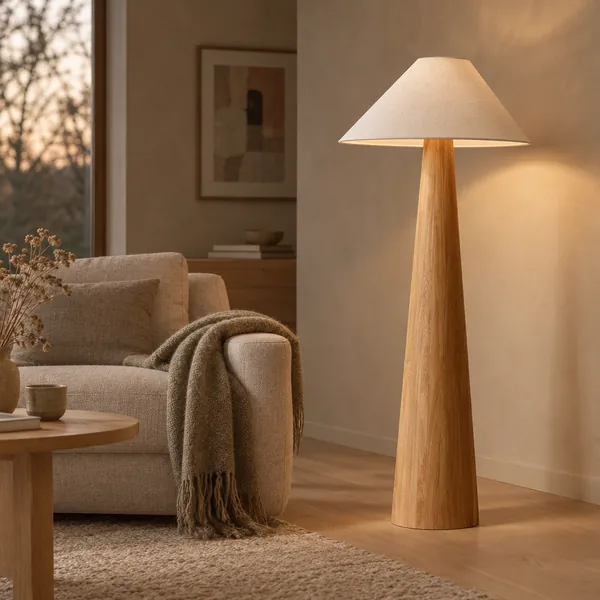 Stille Japanese Wabi-Sabi Solid Wood Floor Lamp$399.00$699.00Shiro Rice Paper Table Lamp Nordic Minimalist$119.00$199.00
The Stille Japanese Wabi-Sabi Solid Wood Floor Lamp pairs beautifully with rice paper pieces, offering a complementary natural material foundation. Its warm ambient glow softens hard edges and invites you to slow down in organic, calming interiors.
For bedside or accent lighting, the Shiro Rice Paper Table Lamp Nordic Minimalist brings the same handcrafted washi paper quality to a more intimate scale. Its gentle, layered glow makes any bedside or reading nook feel intentional—perfect for those seeking organic warmth at an accessible price point.
Embracing Light as a Design Element
The minimalist paper lamp represents more than a lighting purchase—it's an investment in atmosphere. These pieces teach us that illumination can be gentle, that materials can be both humble and sophisticated, and that the spaces we inhabit profoundly affect how we feel.
Whether you're drawn to the sculptural legacy of Noguchi, the warmth of traditional Japanese craftsmanship, or the clean lines of Scandinavian interpretation, paper floor lamps offer a pathway to more intentional living. They remind us to slow down, to notice how light falls across a room, and to curate our surroundings with the same care we apply to other aspects of our lives.
At Skonne, we believe that thoughtful lighting transforms houses into homes. Our curated collection of Japanese-inspired and Scandinavian Lighting brings together pieces that honor traditional craftsmanship while meeting the demands of contemporary life. Each lamp in our collection has been selected for its ability to create that coveted hygge feeling—the Danish concept of cozy contentment that emerges from warm, welcoming spaces.
Related Article
Floor Lamp Shades: How to Choose, Replace & Upgrade Your Standing Lamp's ShadeMaster the art of choosing floor lamp shades with our complete guide. Learn sizing, styles, and replacement tips to elevate your standing lamp.