
Vintage & Retro Wall Clocks: Antique-Inspired Designs for Classic Interiors
Summary›
- What Makes a Wall Clock "Vintage" vs "Antique" vs "Retro"?
- The Enduring Appeal of Antique-Inspired Clocks
- Different Styles of Vintage Wall Clocks
- How to Incorporate a Vintage Wall Clock into Modern Decor
- How to Identify an Authentic Vintage Wall Clock
- How to Restore a Vintage Wall Clock
- Building Timeless Interiors with Skonne
There's something undeniably special about a vintage wall clock gracing your wall. Whether it's the gentle tick that fills a quiet afternoon or the way antique-inspired details transform an ordinary room into a curated space, these timepieces carry stories that mass-produced modern clocks simply cannot replicate.
For homeowners and design enthusiasts seeking that perfect balance of functionality and character, vintage wall clocks offer more than just timekeeping—they provide warmth, intention, and a sense of hygge that makes a house feel like home. Throughout this guide, you'll discover how to identify authentic vintage styles, incorporate them seamlessly into contemporary settings, and find pieces that honor timeless design principles while complementing your lifestyle.
And while genuine antique clocks carry their own magic, thoughtfully designed vintage inspired wall clocks bring the same nostalgic charm with modern reliability—something we've thoughtfully curated for homes that value both heritage and practicality.
What Makes a Wall Clock "Vintage" vs "Antique" vs "Retro"?
The terminology around older timepieces can feel confusing, but understanding the distinctions helps you make more informed purchasing decisions. Each term carries specific implications about age, style, and authenticity.
An antique clock is technically defined as being at least 100 years old. These pieces are genuine artifacts of their era, often requiring restoration and commanding significant investment. They appeal to serious collectors willing to maintain mechanical movements and preserve historical integrity.
A vintage wall clock generally refers to timepieces manufactured between 20 and 99 years ago. This category spans mid-century modern sunburst designs, 1970s brown dial clocks, and 1980s minimalist styles. These clocks often possess authentic period details while still being young enough to function reliably with quartz movements.
The term "retro" describes clocks designed today that borrow aesthetics from past decades. A retro wall clock captures the visual language of vintage eras—think industrial metal finishes, art nouveau numerals, or mid-century geometric shapes—while incorporating modern silent movements and durable materials. For most contemporary homes, this category offers the ideal balance of character and practicality.
The Enduring Appeal of Antique-Inspired Clocks
Design trends may come and go, but the antique-inspired clock has maintained its popularity across generations. Why do these pieces resonate so deeply in modern interiors?
First, they serve as intentional grounding elements in increasingly digital spaces. In a world dominated by smartphone notifications and screen-based time displays, a physical wall clock demands attention. It slows our perception of time and serves as a tactile connection to craftsmanship.
Second, vintage aesthetics complement the Scandinavian design principles that emphasize clean lines mixed with textural warmth. An antique-inspired timepiece introduces patina, history, and visual interest without the clutter of excessive decoration. It's hygge embodied—creating cozy, lived-in atmospheres that feel collected rather than purchased.
For those looking to explore more options, our Home Decor collection offers a curated selection of pieces designed to work harmoniously together.
Different Styles of Vintage Wall Clocks
Understanding distinct vintage styles helps you select a clock that truly resonates with your personal aesthetic. Here are the most influential categories that continue to shape interior design today:
Mid-Century Modern Sunburst Clocks
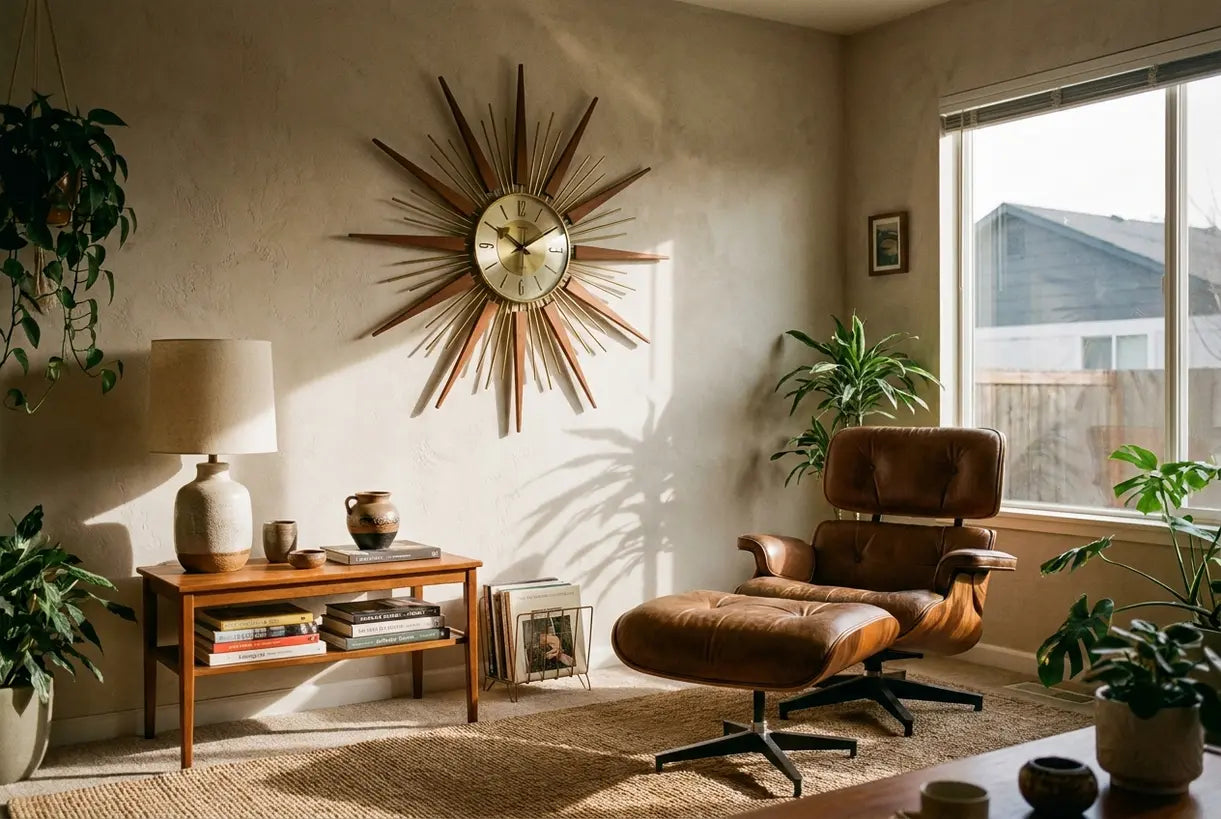
Perhaps the most iconic vintage style, these clocks feature radiating wooden or metal spokes surrounding a central dial. Popularized in the 1950s and 60s, sunburst clocks create dramatic focal points and work exceptionally well above fireplaces or as statement pieces in entryways.
Industrial and Railway Clocks
Inspired by factory and train station timepieces from the late 19th and early 20th centuries, these designs emphasize large numerals, metal casings, and visible gears. They bring masculine energy to spaces and pair beautifully with exposed brick, leather furniture, and warm wood tones.
Art Deco Geometric Designs
The roaring twenties introduced clocks with stepped shapes, sunburst motifs, and luxurious materials like brass and marble. Art Deco vintage styles add sophisticated glamour to interiors and work particularly well in formal dining rooms or home offices where visual elegance matters.
Scandinavian-Inspired Minimalist Clocks
While not "vintage" in the strictest sense, Nordic minimalism from the 1950s and 60s continues to influence contemporary design. These clocks feature simple dials, quality natural materials, and an emphasis on function over ornamentation.
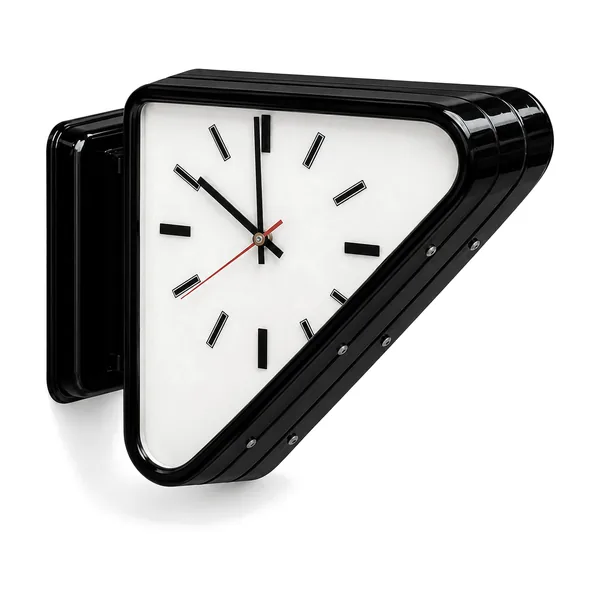
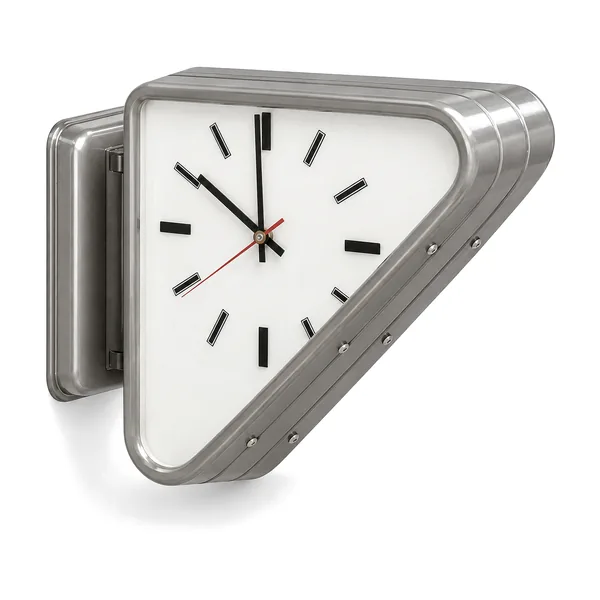
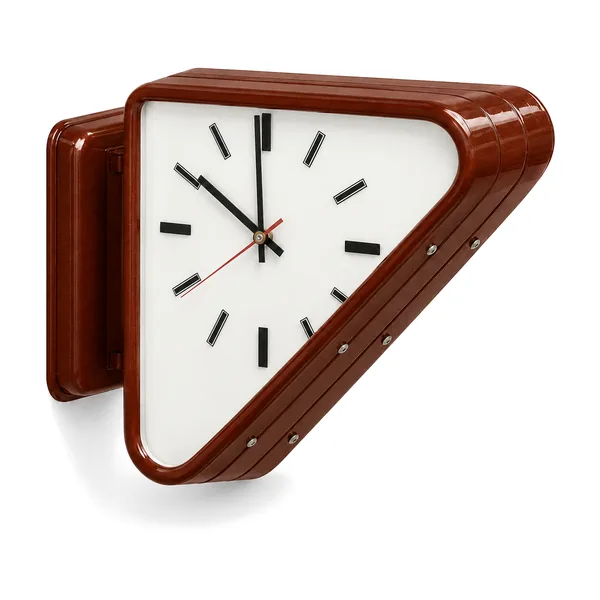
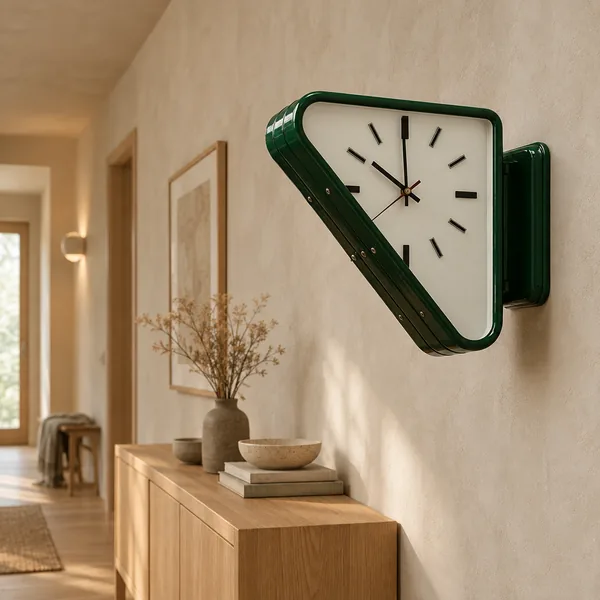 Tvilling Dual-Sided Geometric Metal Wall Clock$269.00$379.00
The Tvilling Dual-Sided Geometric Metal Wall Clock exemplifies how contemporary design can honor vintage principles while serving modern needs. Its sculptural presence and dual-sided functionality serve open-concept living spaces beautifully.
Decorative Wall Clocks
Shop all Wall Clocks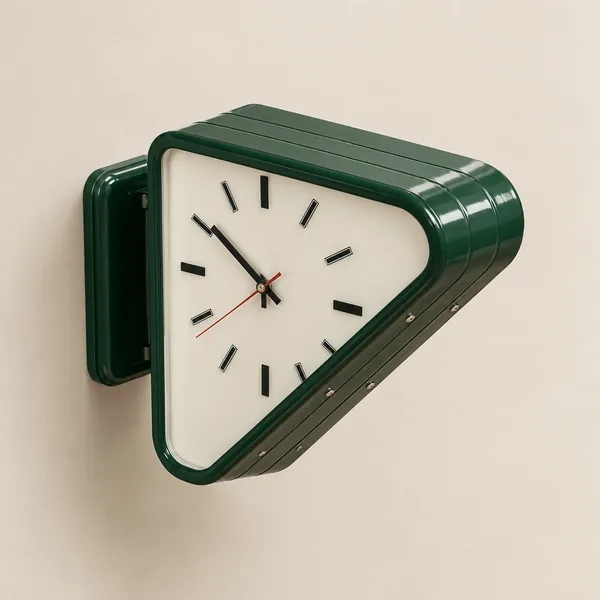 Save $110.00
 +15 options
Tvilling Dual-Sided Geometric Metal Wall Clock
 Save $70.00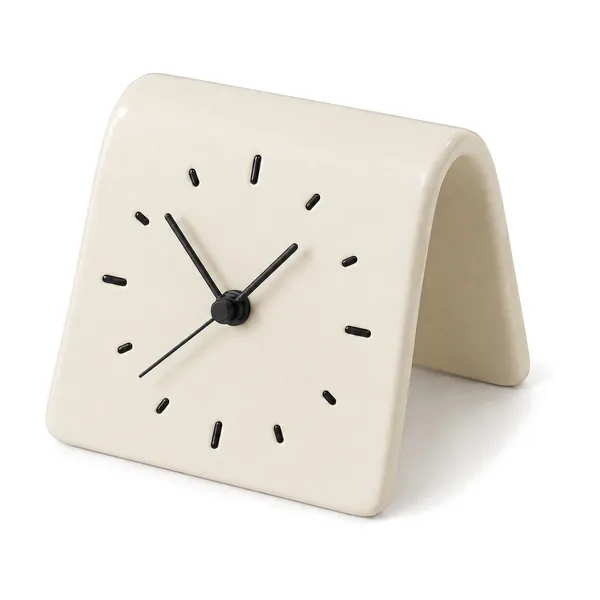
 +37 options
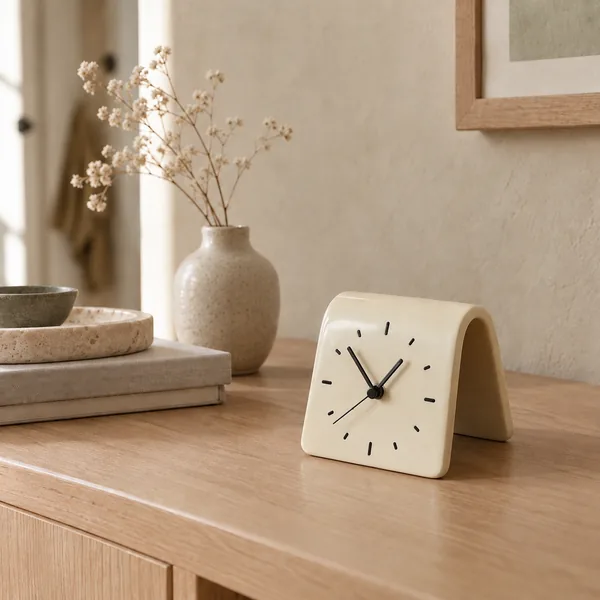
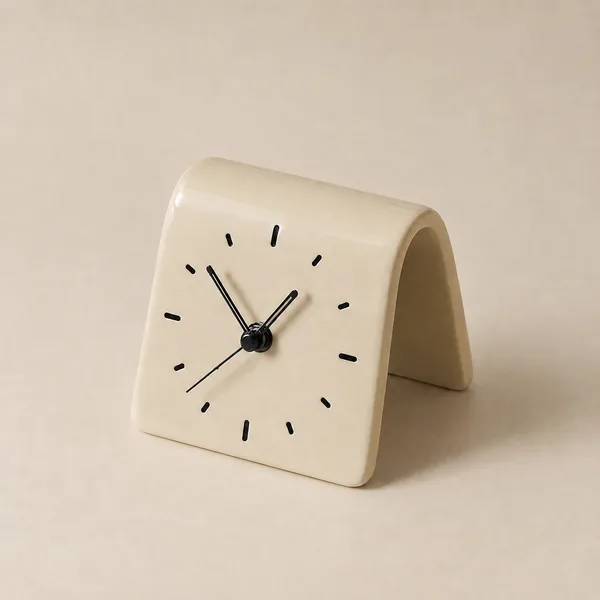
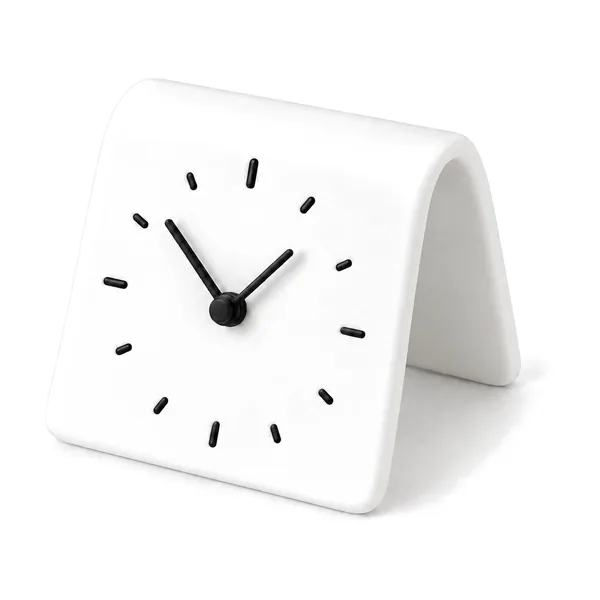
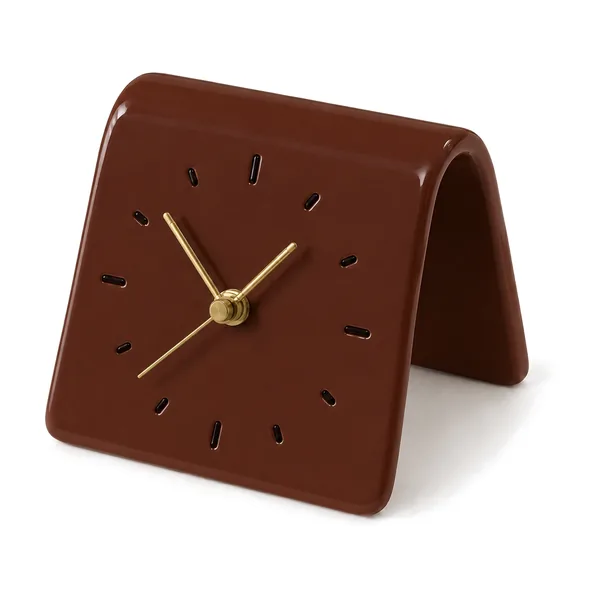
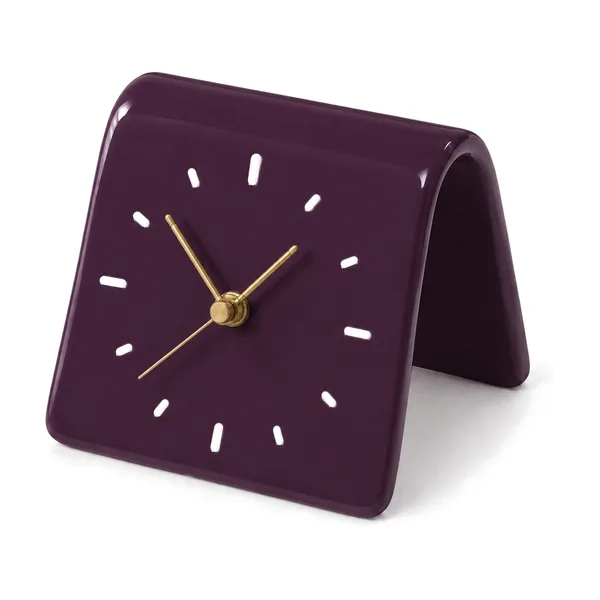
Tilje Silent Ceramic Desk Clock for Modern Homes
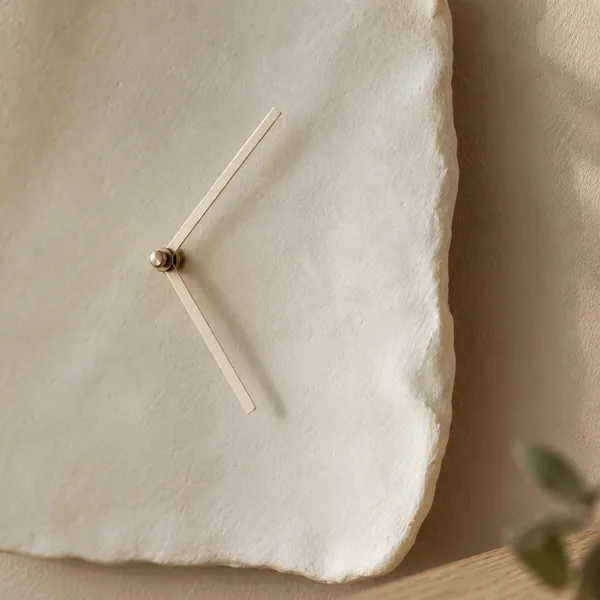 Save $120.00
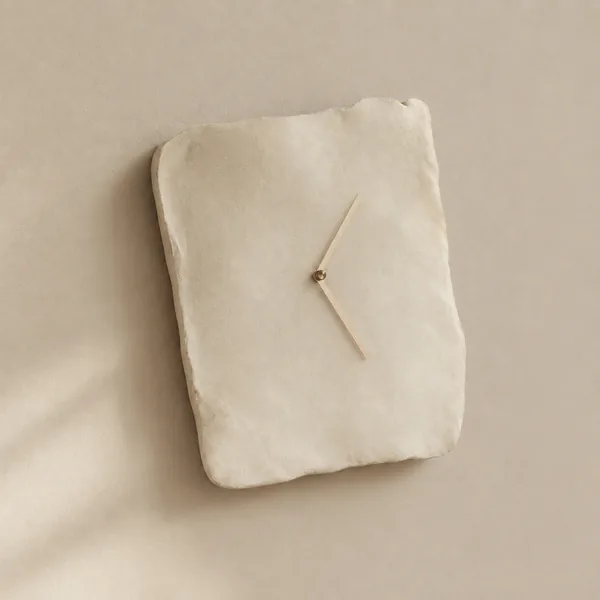
Stilla Silent Resin Wall Clock Nordic Minimalist
How to Incorporate a Vintage Wall Clock into Modern Decor
Successfully blending vintage style wall clock pieces with contemporary interiors requires intentional placement and thoughtful pairing. The goal is curated contrast—not clash.
1. Create a Gallery Wall Anchor: Position your vintage or antique-inspired clock as the centerpiece of a mixed-media gallery wall. Surround it with contemporary art prints, minimalist botanical illustrations, and clean-lined frames. The clock provides texture while the surrounding pieces maintain modern energy.
2. Contrasting Materials Work Best: If your home features sleek surfaces like polished concrete or glass, introduce warm wood and aged metal through your clock choice. Conversely, in rustic or farmhouse settings, a more refined vintage piece provides necessary sophistication.
3. Consider Scale and Proportion: Large vintage clocks command attention in open-plan living areas, while smaller antique-inspired pieces suit intimate spaces like reading nooks or powder rooms. A general rule: the clock should feel substantial enough to merit its wall placement without overwhelming adjacent furniture.
4. Functional Placement Matters: Beyond aesthetics, ensure your clock serves its timekeeping purpose. Position it where natural sightlines allow quick time checks—above kitchen counters, near home office desks, or in hallways you pass frequently.
Curated Silent Wall Clocks for Tranquil Spaces
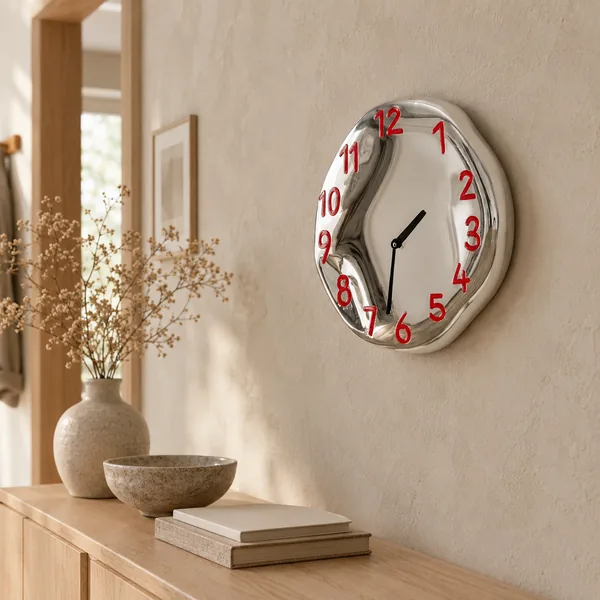 Glansa Chrome Ceramic Wall Clock Silent Quartz$329.00$479.00Stilla Silent Resin Wall Clock Nordic Minimalist$259.00$379.00
Both the Glansa Chrome Ceramic Wall Clock and Stilla Silent Resin Wall Clock demonstrate how vintage-inspired aesthetics can coexist with modern silent movements—offering the visual warmth of antique pieces without the audible ticking that disrupts focus in bedrooms and home offices.
Scandinavian Lighting
Shop all Scandinavian Lighting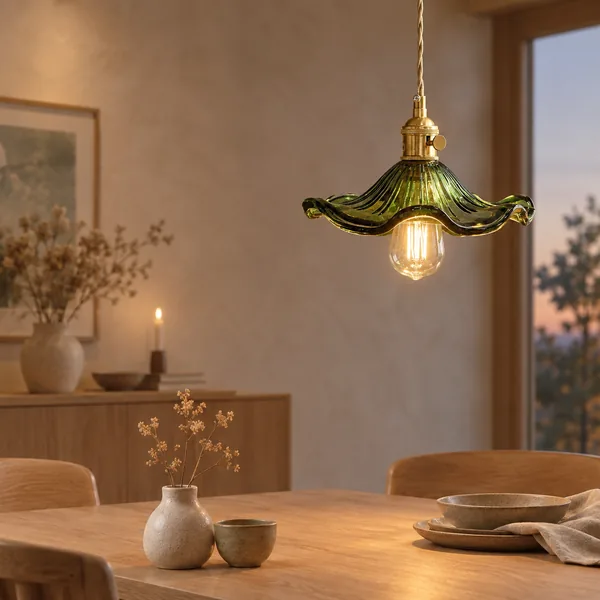
 Save $60.00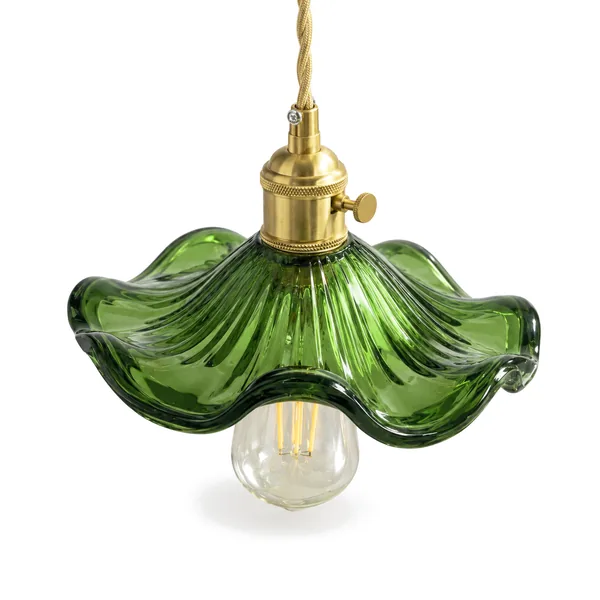
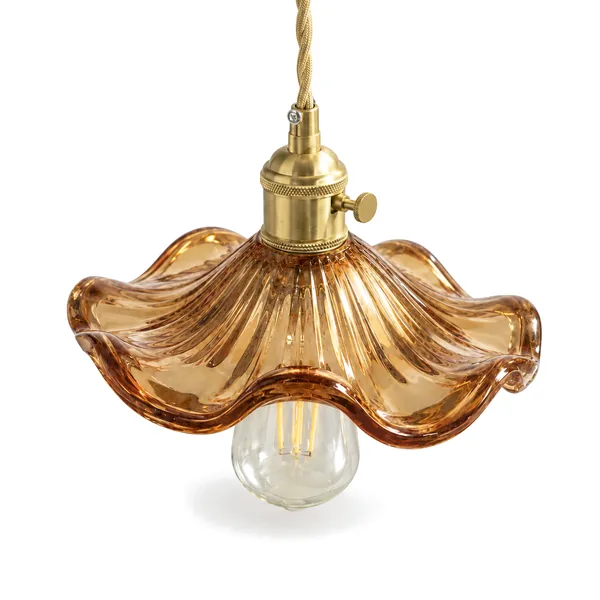 3 options
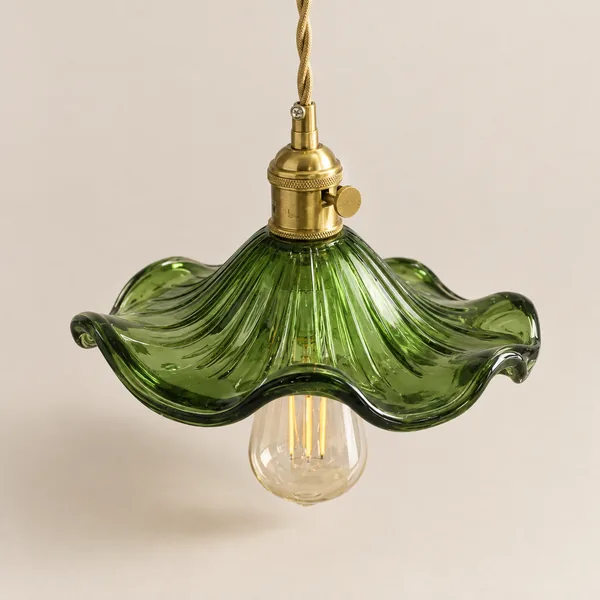
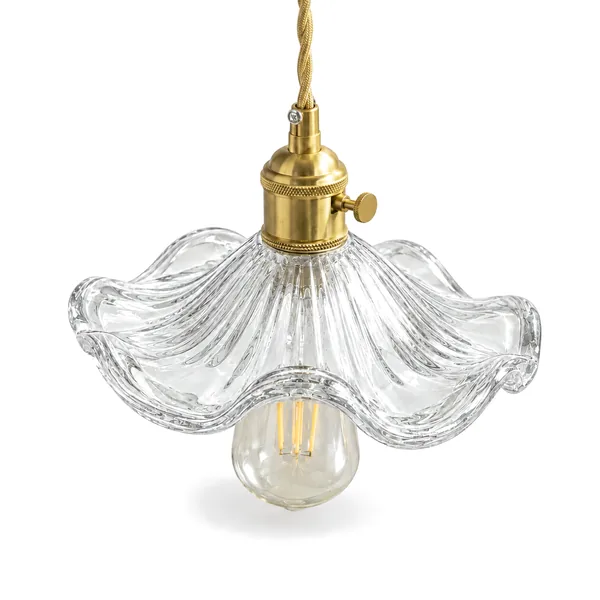
Glora Nordic Glass Pendant Light with Copper
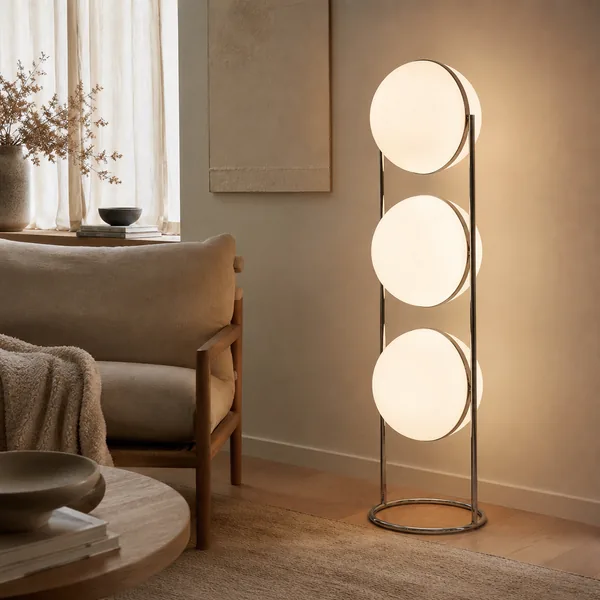
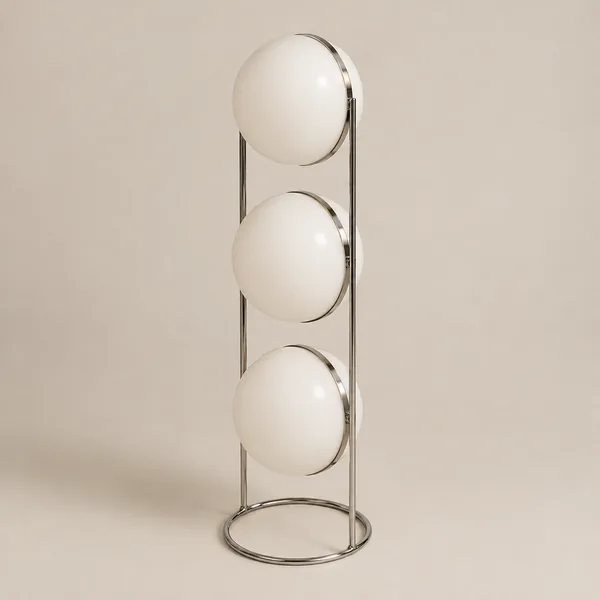 Save $150.00
Kulglod Bauhaus Chrome Acrylic Globe Floor Lamp
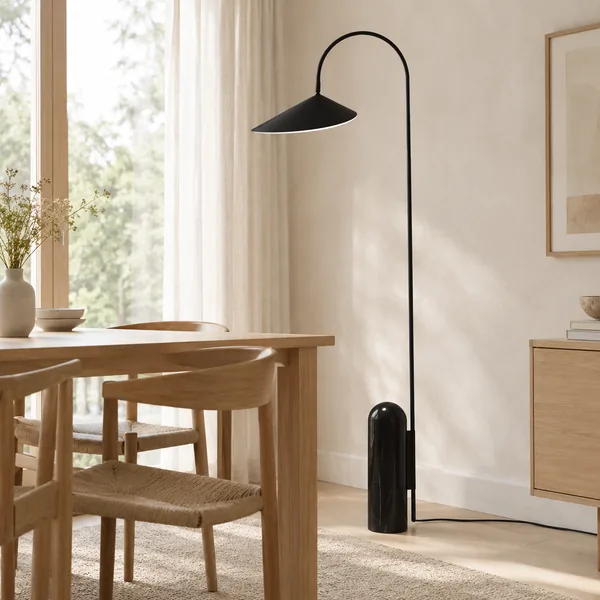
 Save $230.00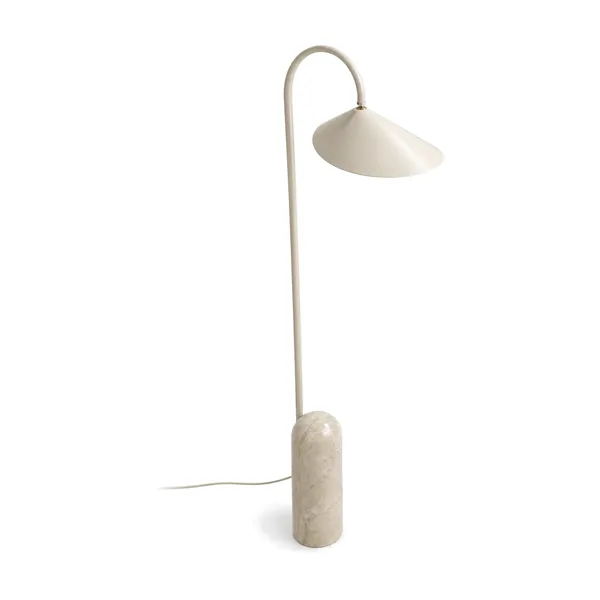
 2 options
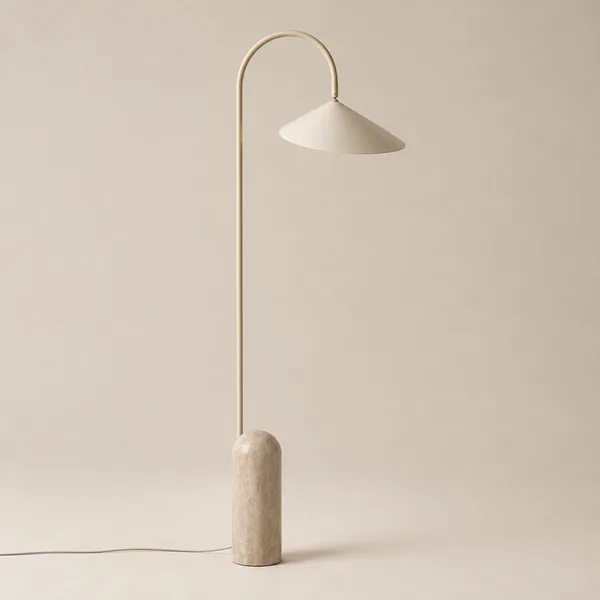
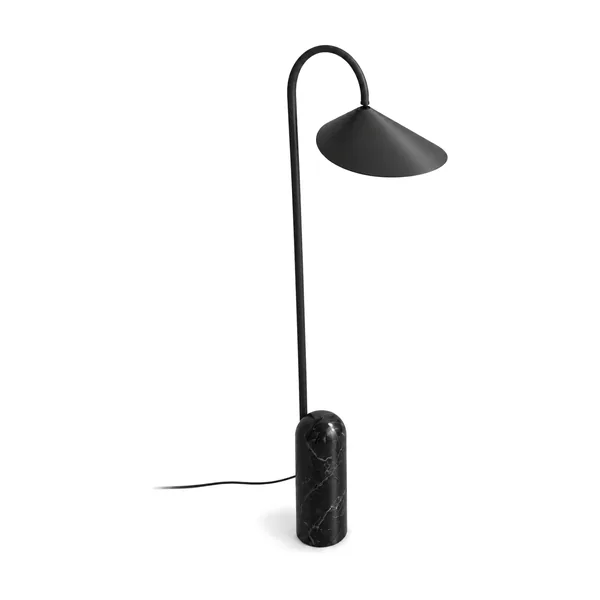
Velbue Marble Base Arc Floor Lamp Danish Design
 Save $210.00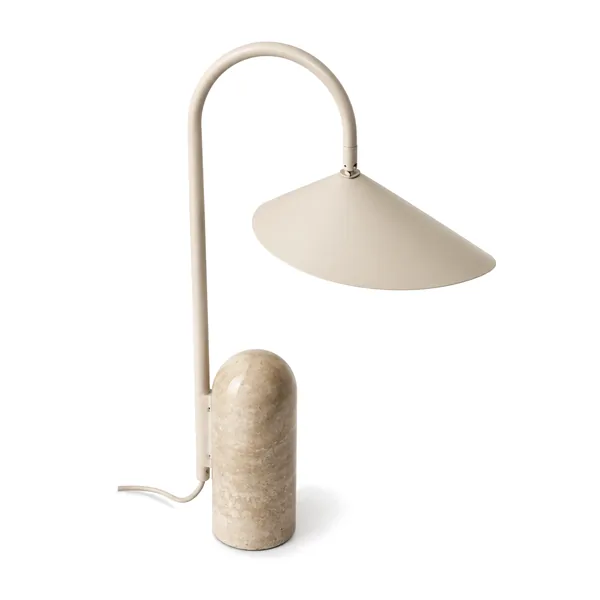
 2 options
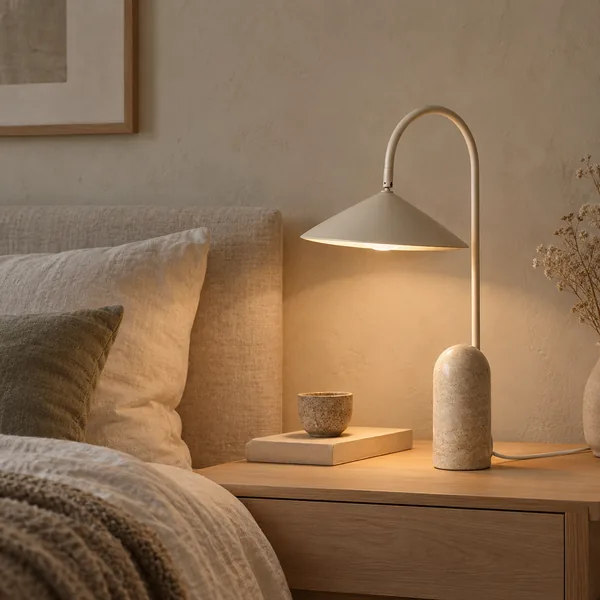
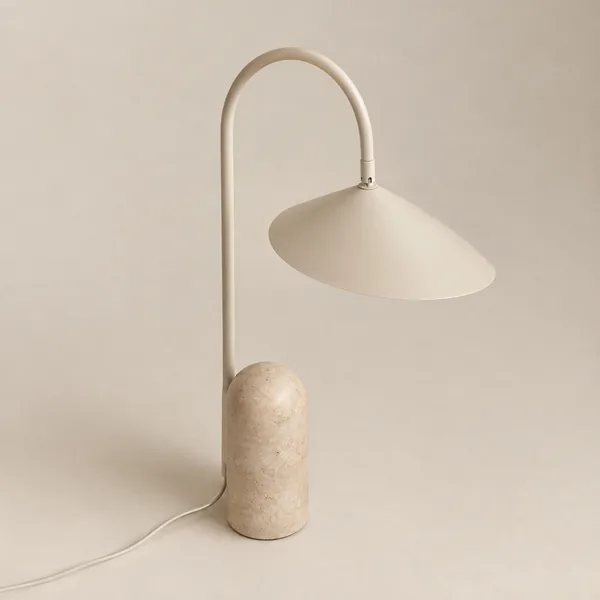
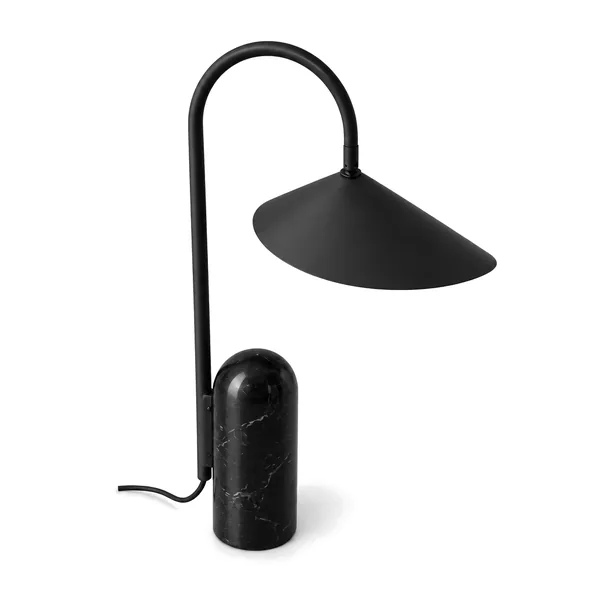
Solvei Danish Minimalist Arc Table Lamp Marble
How to Identify an Authentic Vintage Wall Clock
For collectors and enthusiasts, developing the eye to recognize genuine vintage pieces separates investment-grade finds from reproduction novelties.
Examine the Movement
Authentic vintage clocks from the mid-20th century forward often feature spring-driven or battery-powered quartz movements. Pre-1960s clocks typically use mechanical movements requiring regular winding. If a clock claims to be antique but contains a modern quartz movement, be skeptical.
Assess Material Quality
Vintage clocks showcase materials often absent from modern reproductions: solid wood (not veneer), genuine brass (not plated), hand-blown glass, and quality metal numerals with weight and patina. Look for signs of age-appropriate wear—minor scratches, subtle tarnishing, and worn finishes that indicate genuine use over decades.
Check Manufacturer's Marks
Many reputable vintage clockmakers stamped their names on the face, case back, or movement. Research these marks to verify authenticity and dating. Popular vintage manufacturers like Seth Thomas, Sessions, and Telechron have well-documented production histories that help confirm legitimacy.
Study the Numbers
Vintage numerical styles differ significantly across eras. Art Deco pieces often feature geometric numerals, mid-century designs favored simple sans-serif fonts, and Victorian-influenced pieces might use Roman numerals or ornate Arabic script.
How to Restore a Vintage Wall Clock
Acquiring a genuine vintage piece often means inheriting time and wear. Basic restoration preserves character while ensuring functionality.
Surface Cleaning: Use appropriate cleaners for each material—mild soap and water for painted surfaces, specialized metal polish for brass, and wood oil for timber cases. Never use harsh chemicals that might strip original finishes.
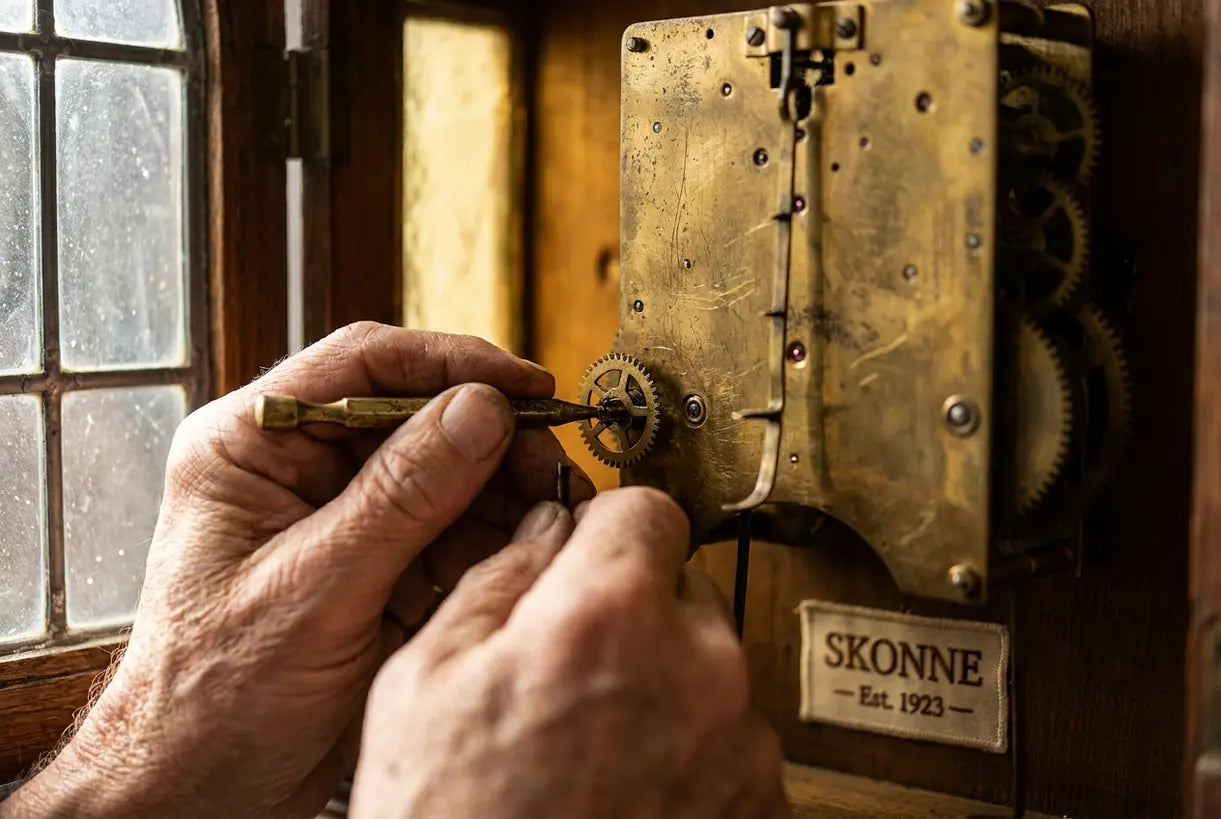
Movement Maintenance: Mechanical movements benefit from professional cleaning and oiling. Quartz movements can often be repaired with new batteries and occasional gear lubrication. For valuable pieces, consult a professional horologist rather than attempting complex repairs.
Glass Replacement: If crystal or glass faces are cracked or missing, seek period-appropriate replacements. Acrylic can substitute for glass in many affordable vintage clocks, but crystal demands authenticity.
Preservation Over Perfection: Remember that authentic patina adds value and character. Don't aggressively polish away decades of natural aging unless rust or deterioration threatens structural integrity.
Building Timeless Interiors with Skonne
The perfect vintage wall clock does more than tell time—it transforms spaces and tells stories. Whether you're drawn to the dramatic geometry of mid-century sunburst designs, the industrial honesty of railway clocks, or the quiet sophistication of Nordic minimalism, antique-inspired timepieces bring irreplaceable warmth and intention to contemporary homes.
At Skonne, we believe that investing in well-designed timepieces should never mean compromising on quality, silence, or functionality. Our curated collection honors vintage aesthetics while delivering the modern reliability your everyday life requires. Each piece reflects the Scandinavian principles we champion: clean lines, quality materials, and that essential hygge feeling that makes spaces truly livable.
Explore our full clock collection and discover how timeless design can anchor your interiors while bringing new meaning to every passing hour. Your walls deserve more than generic time—they deserve character that endures.
Related Article
Modern & Contemporary Wall Clocks: Sleek Designs for Today's InteriorsExplore our curated collection of modern and contemporary wall clocks designed to elevate today's interiors. From minimalist geometric timepieces to statement sculptural designs.