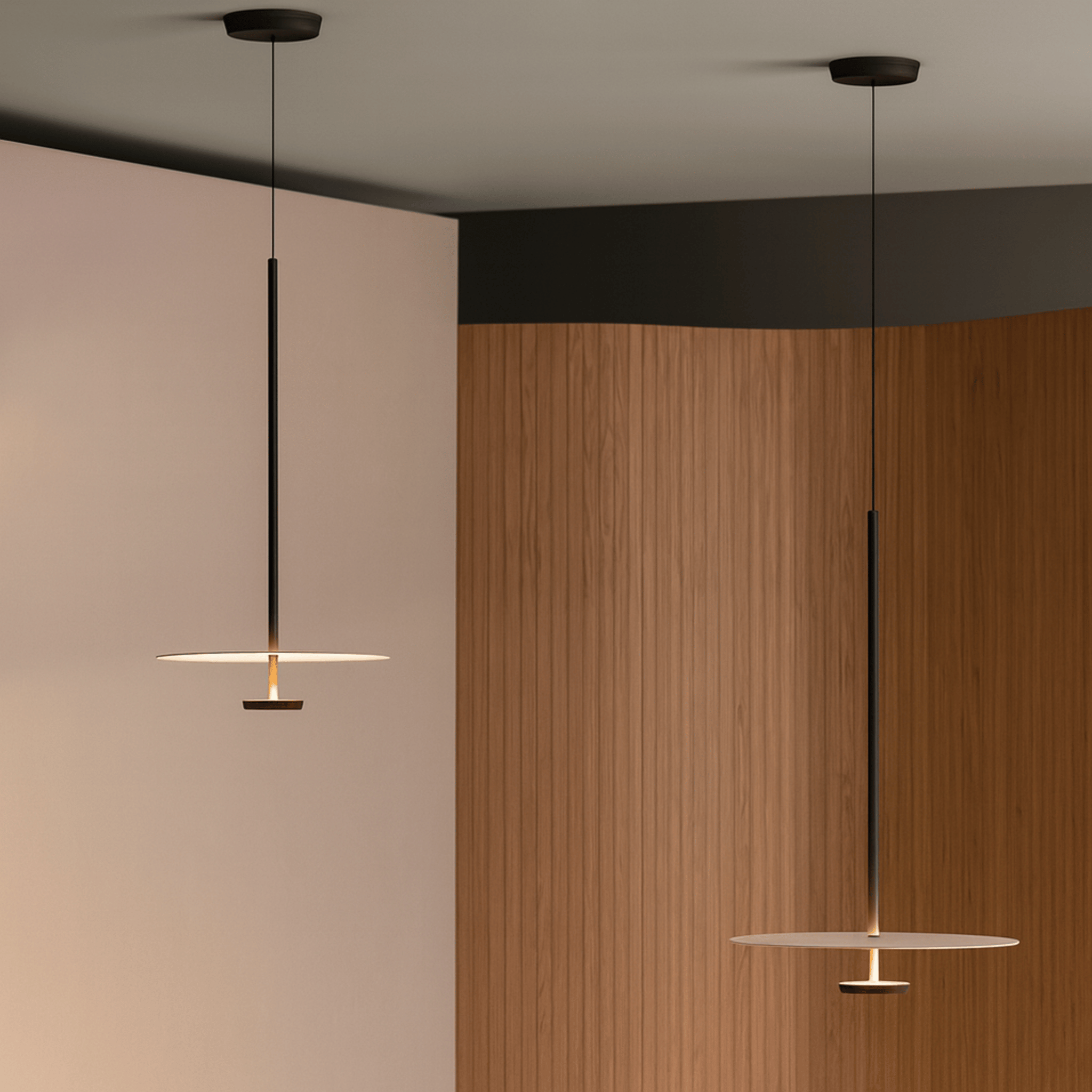
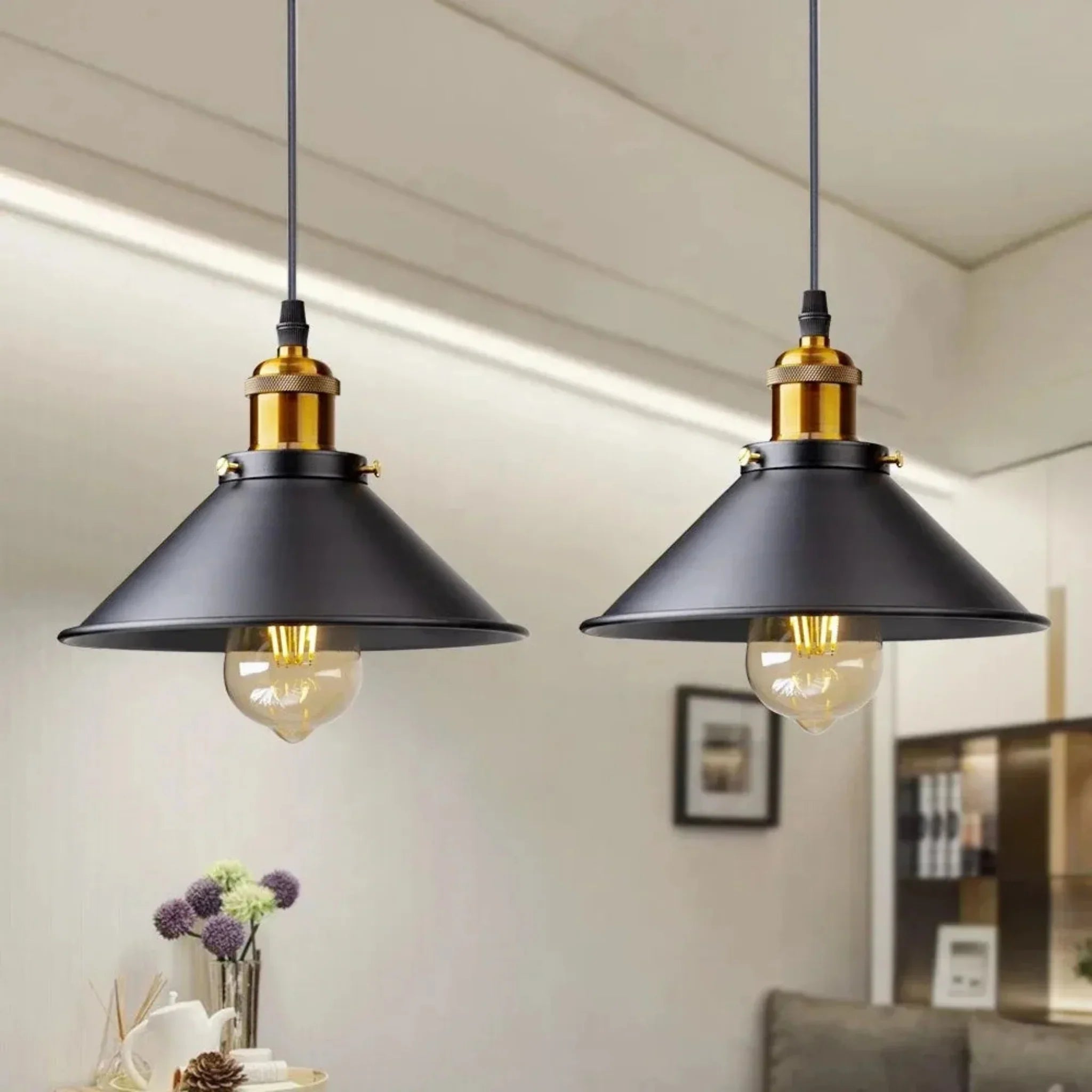
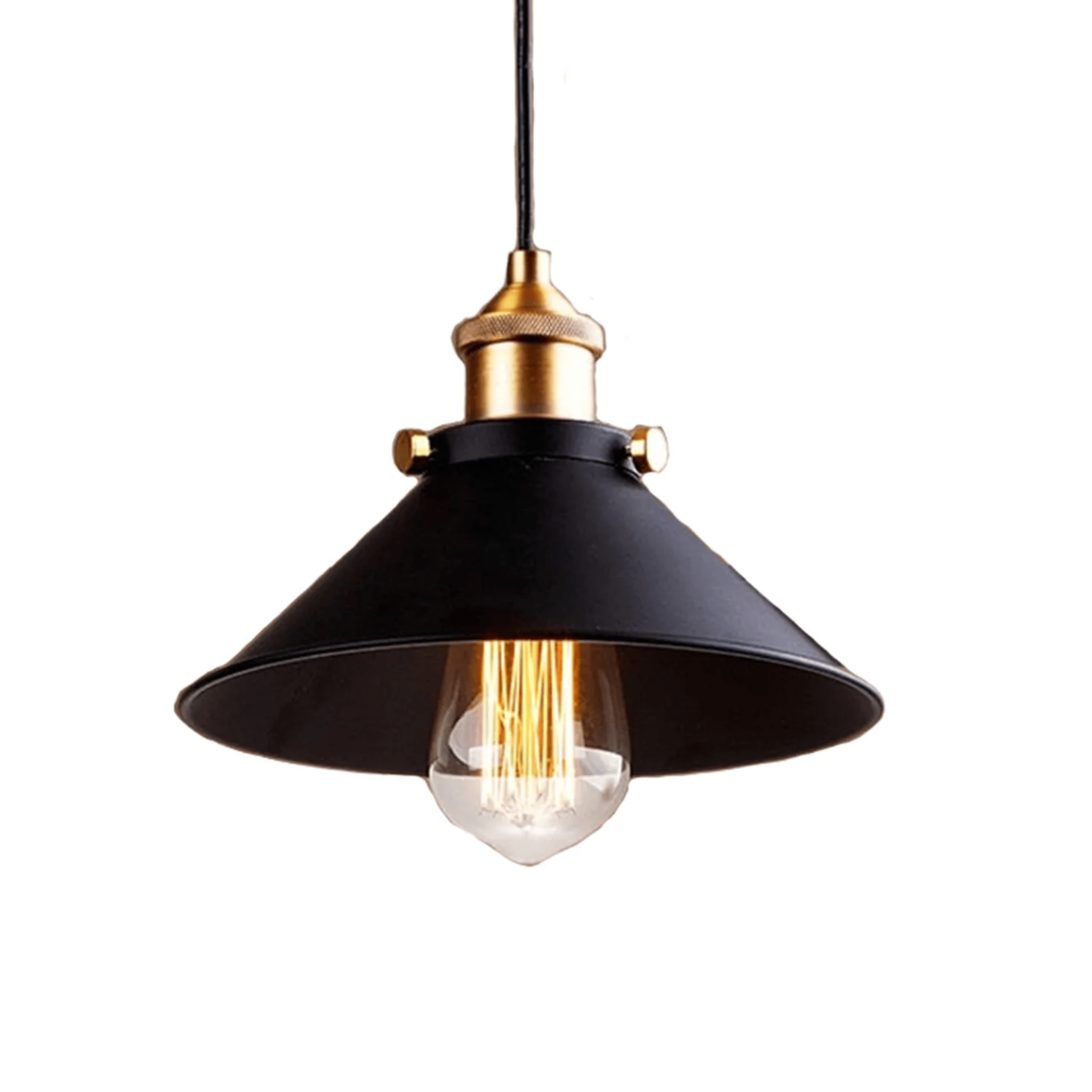
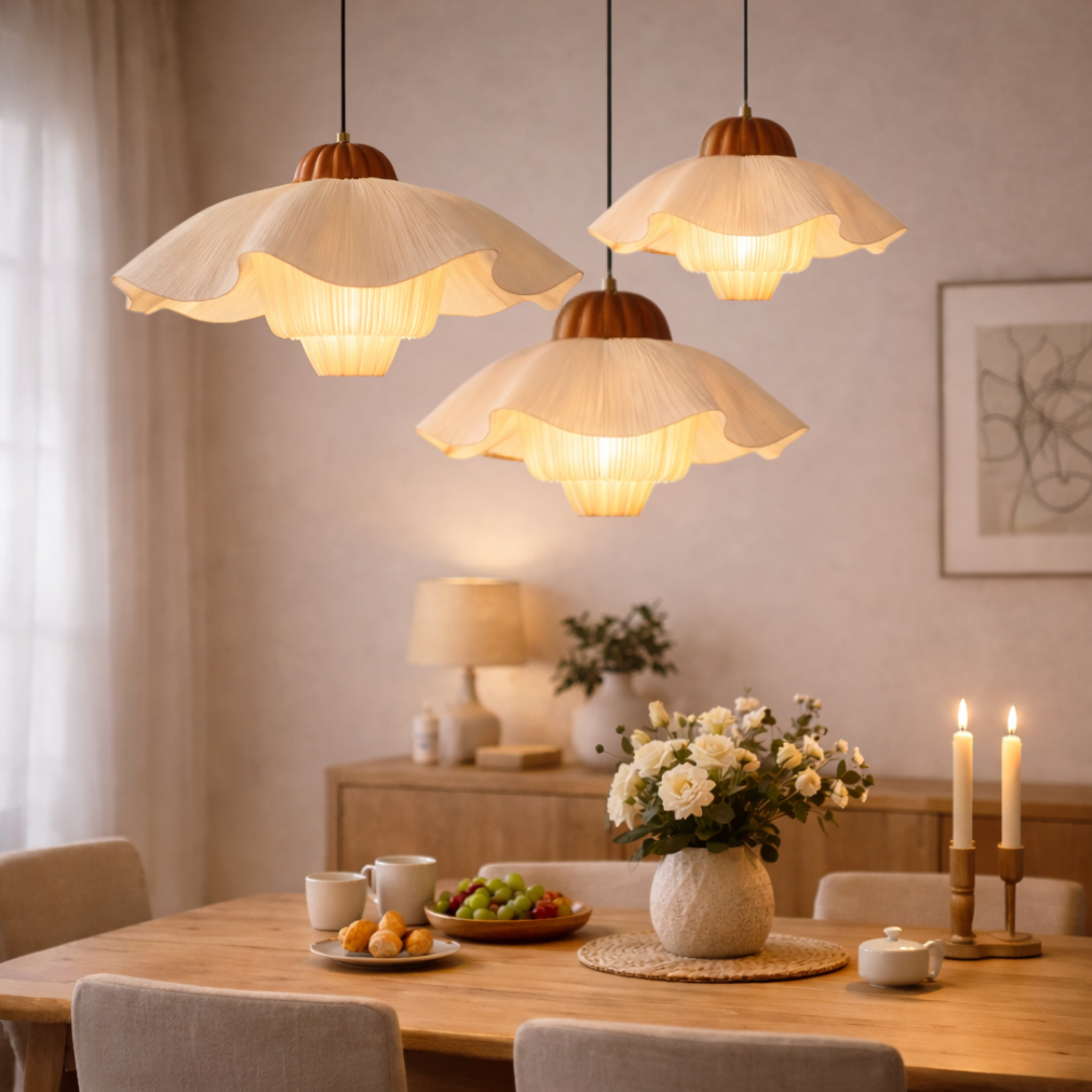
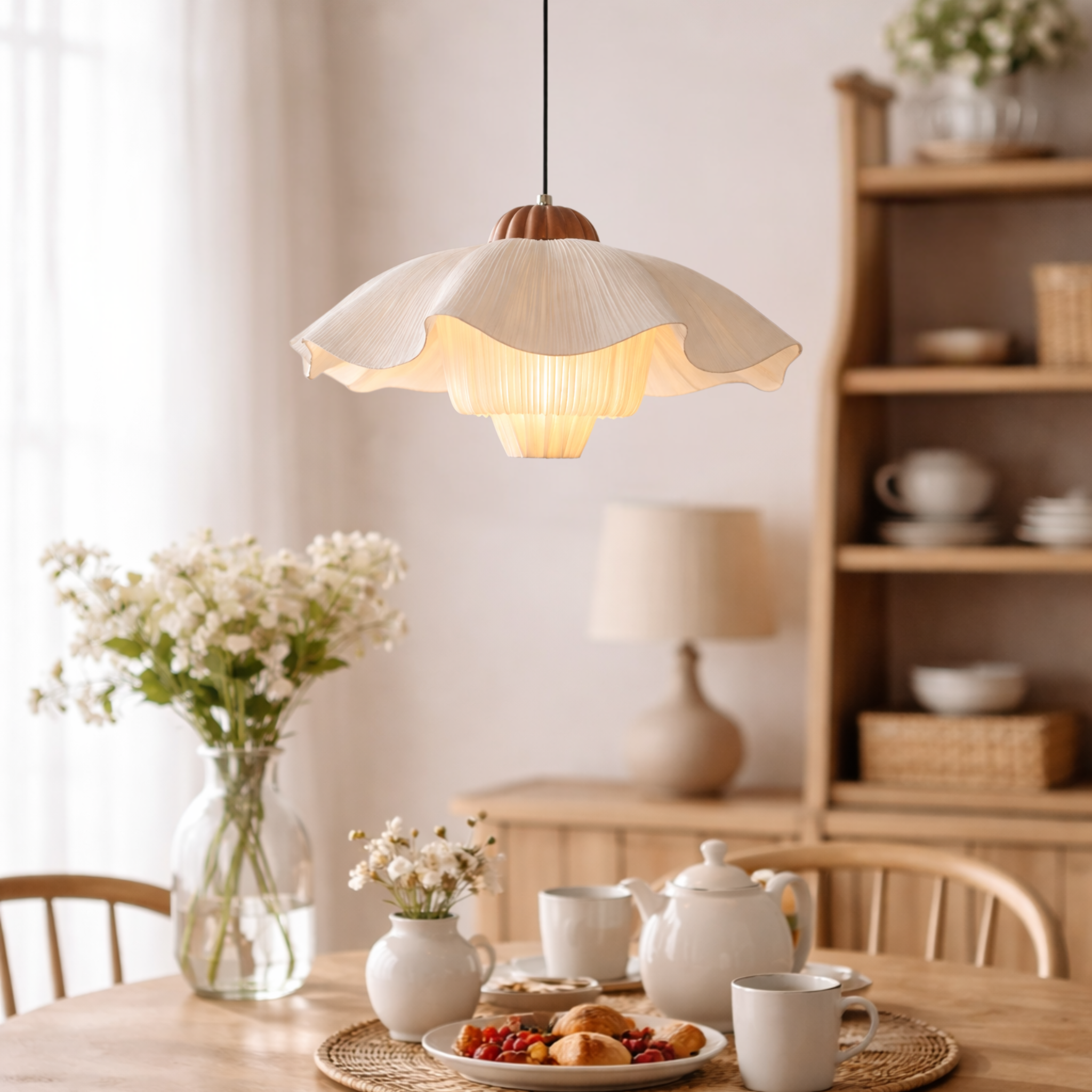
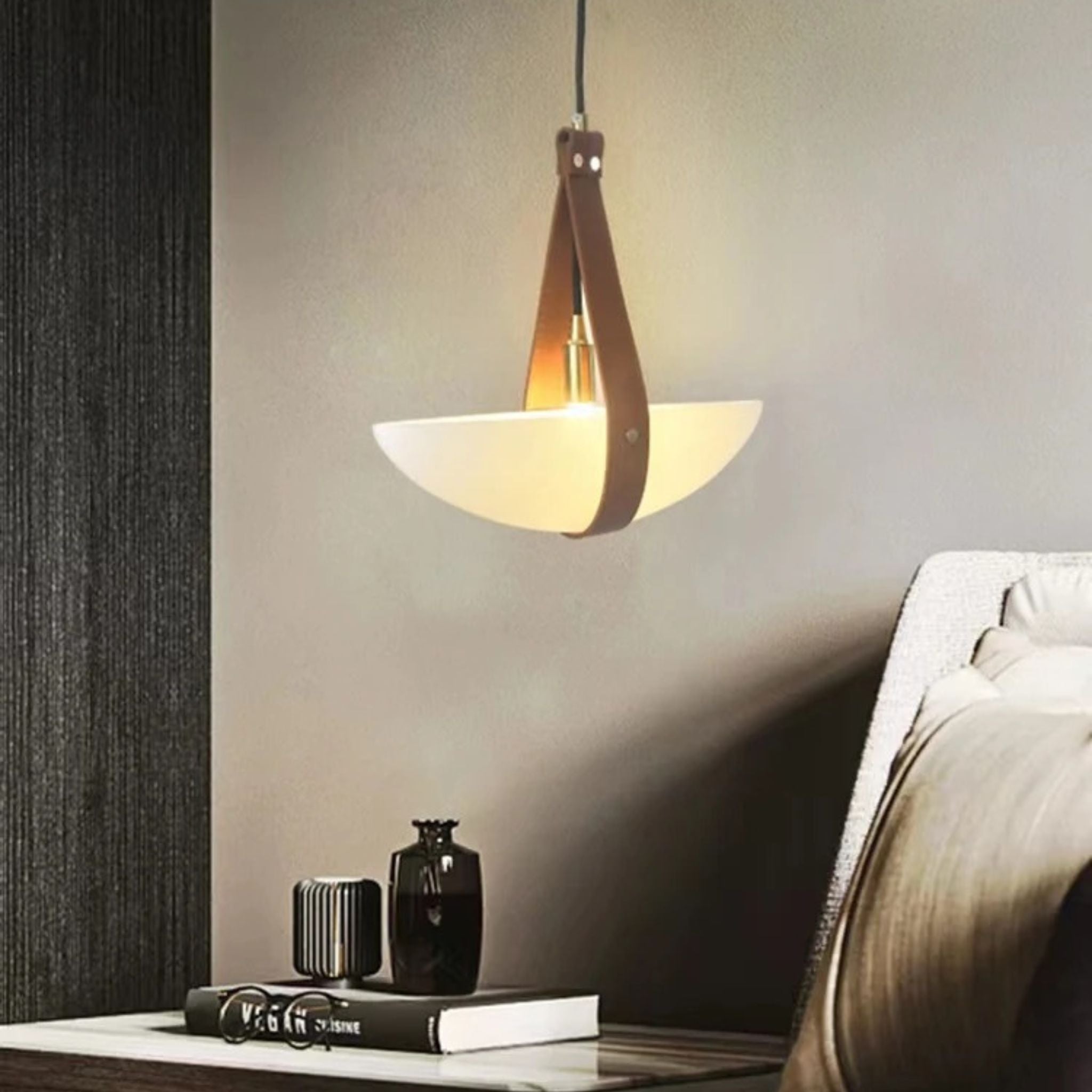
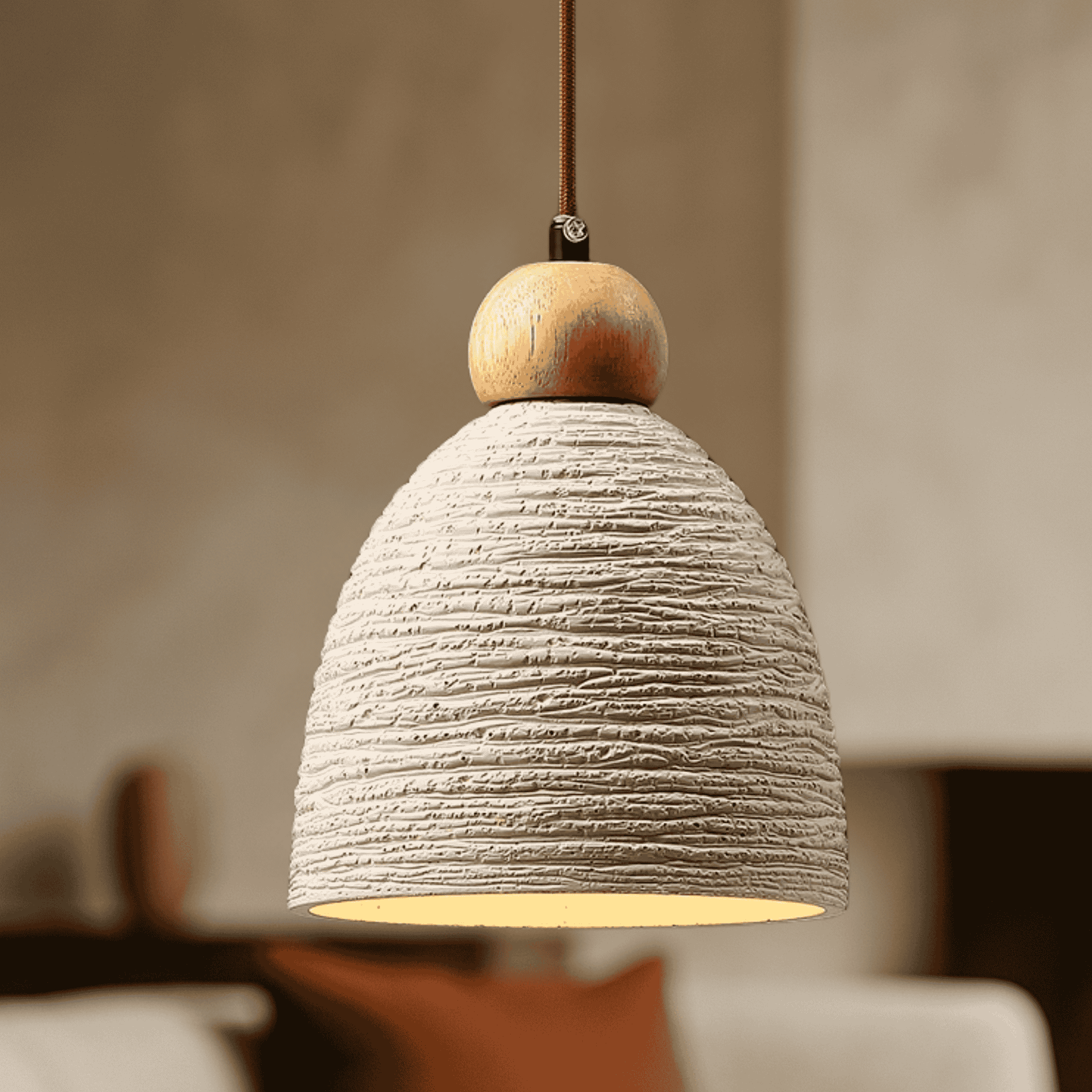
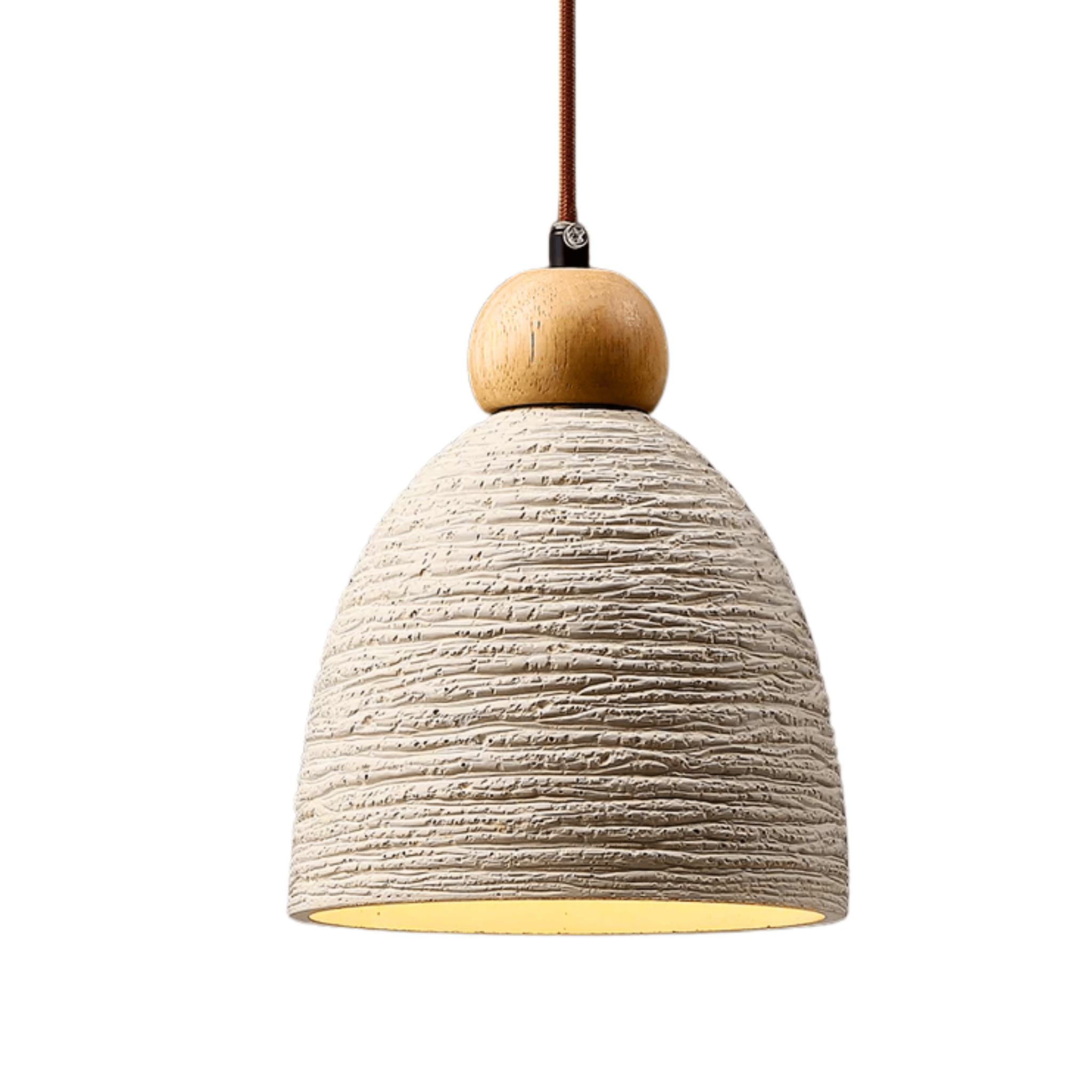
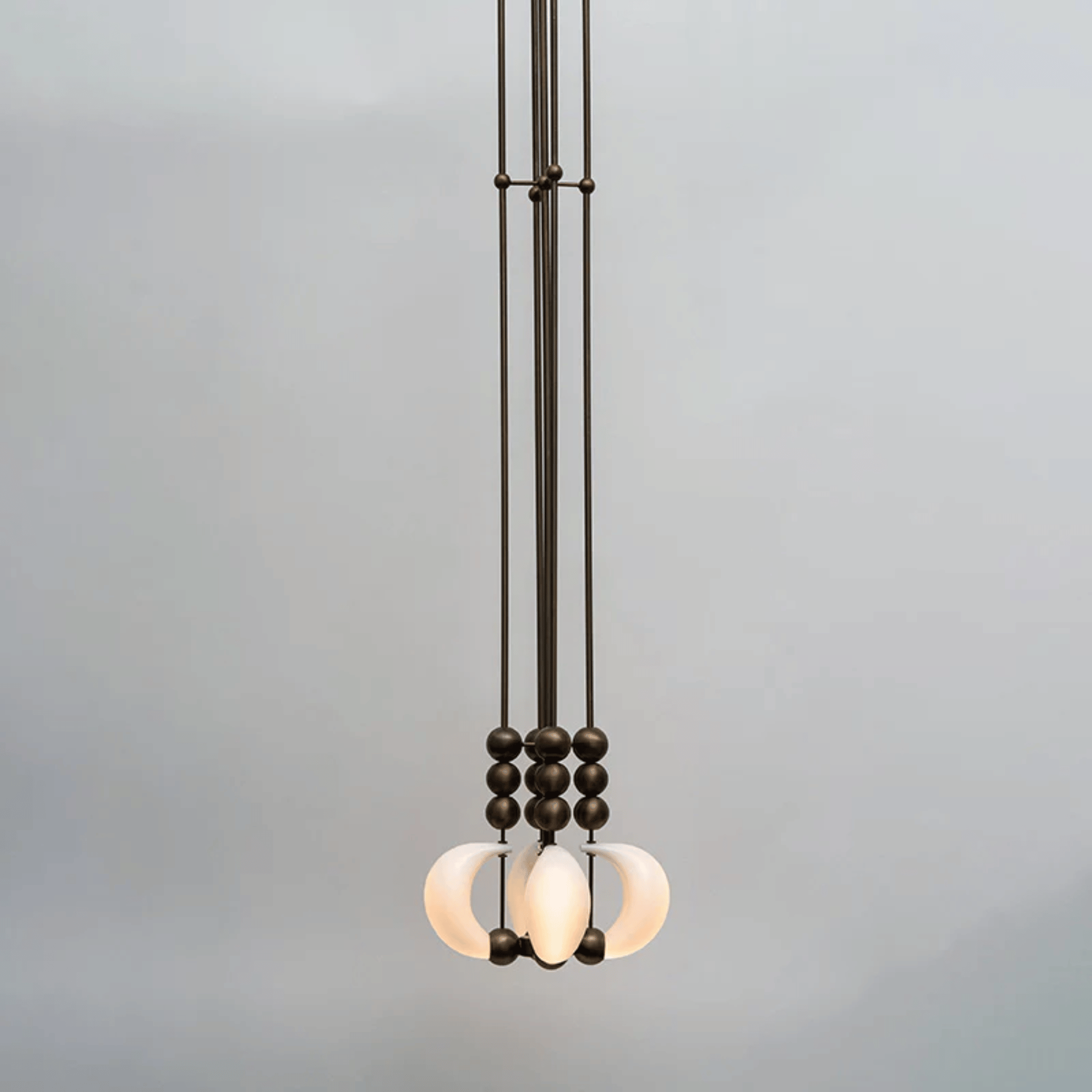
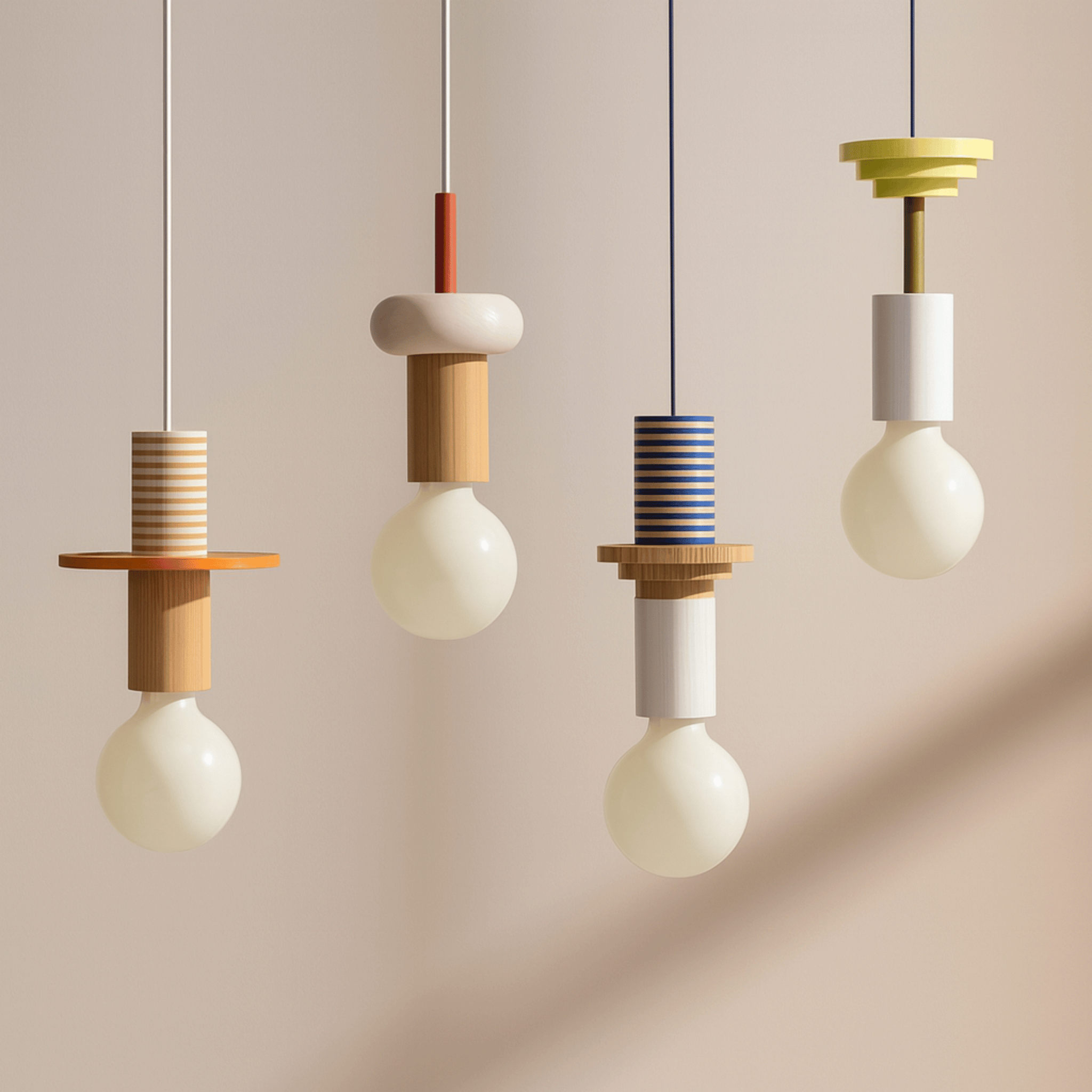
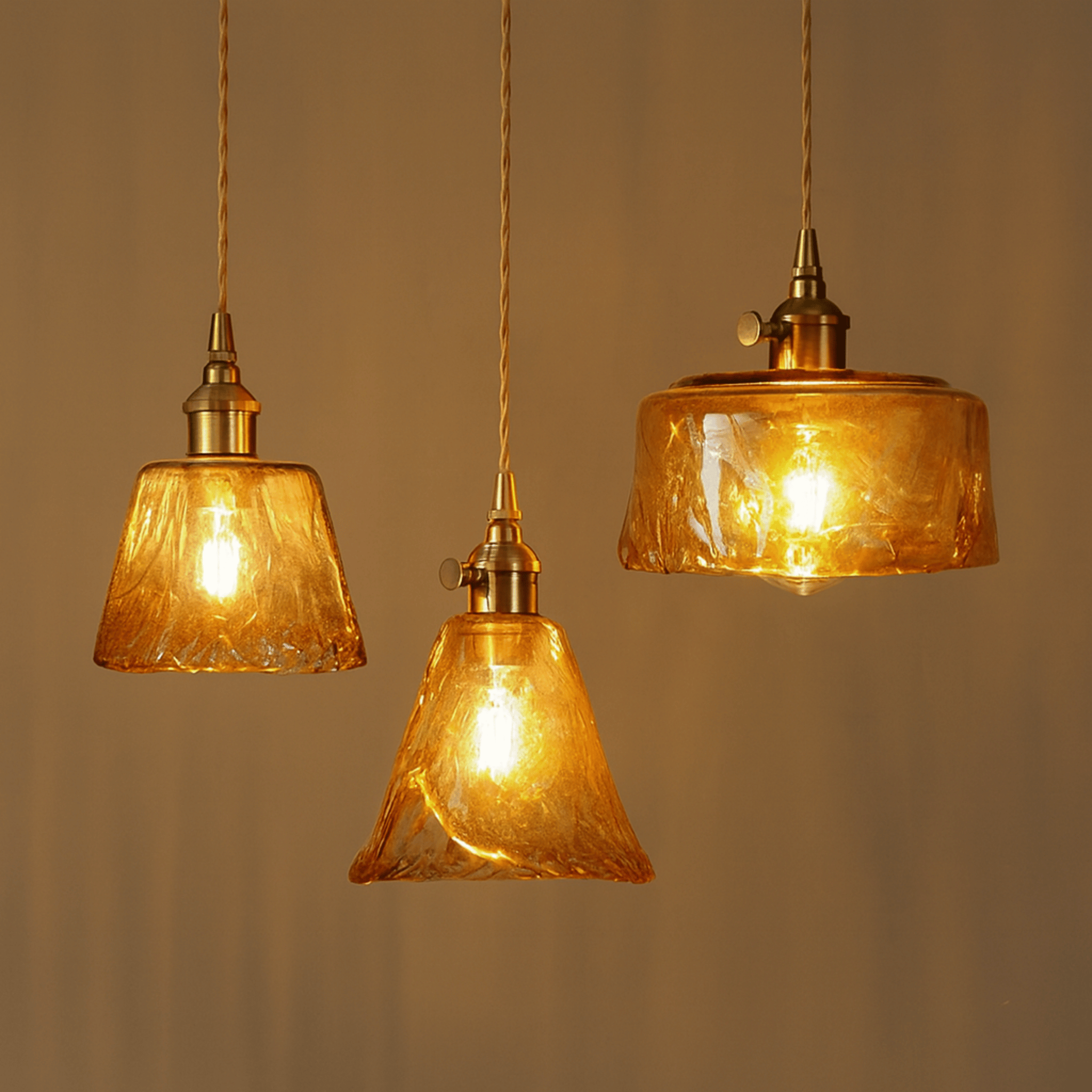
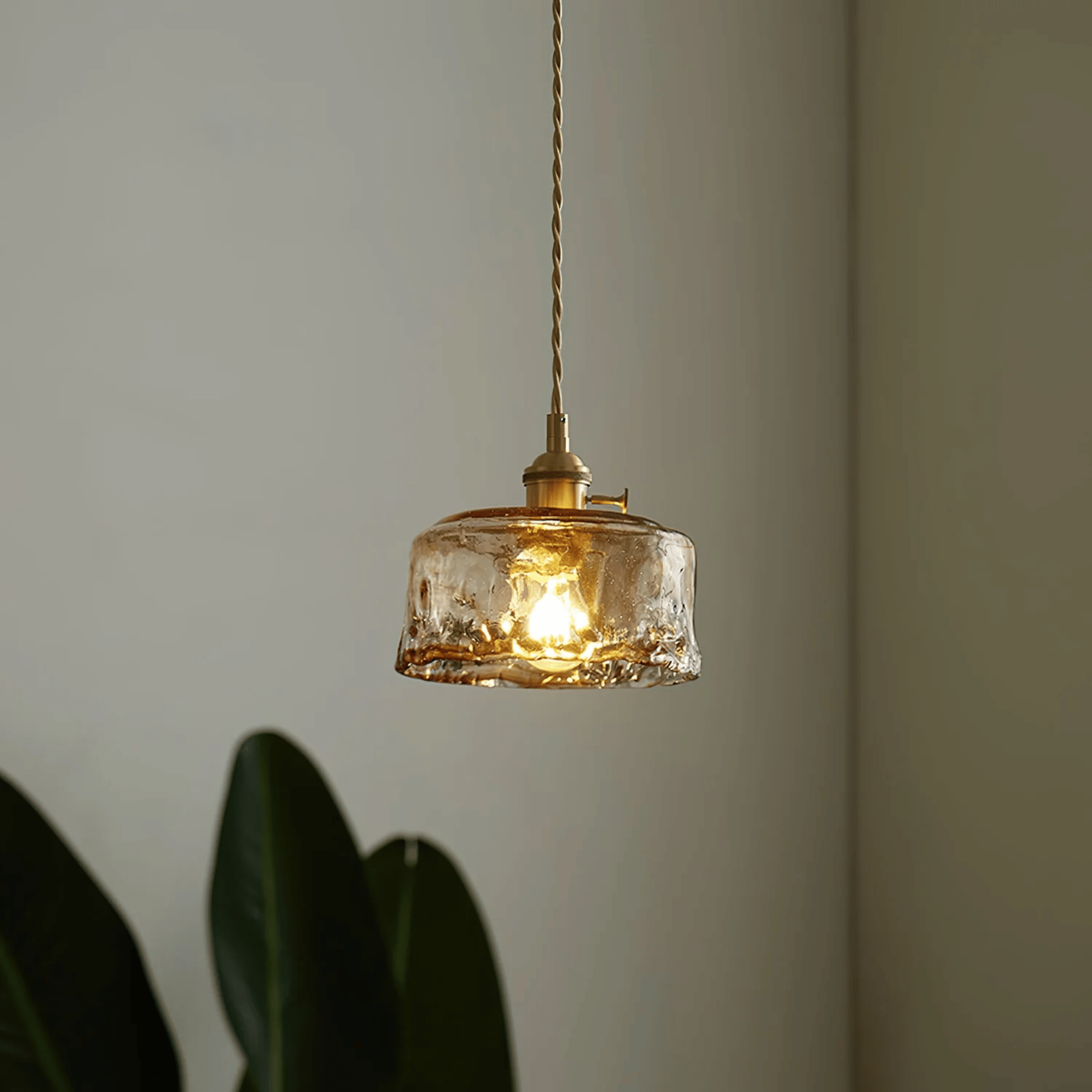
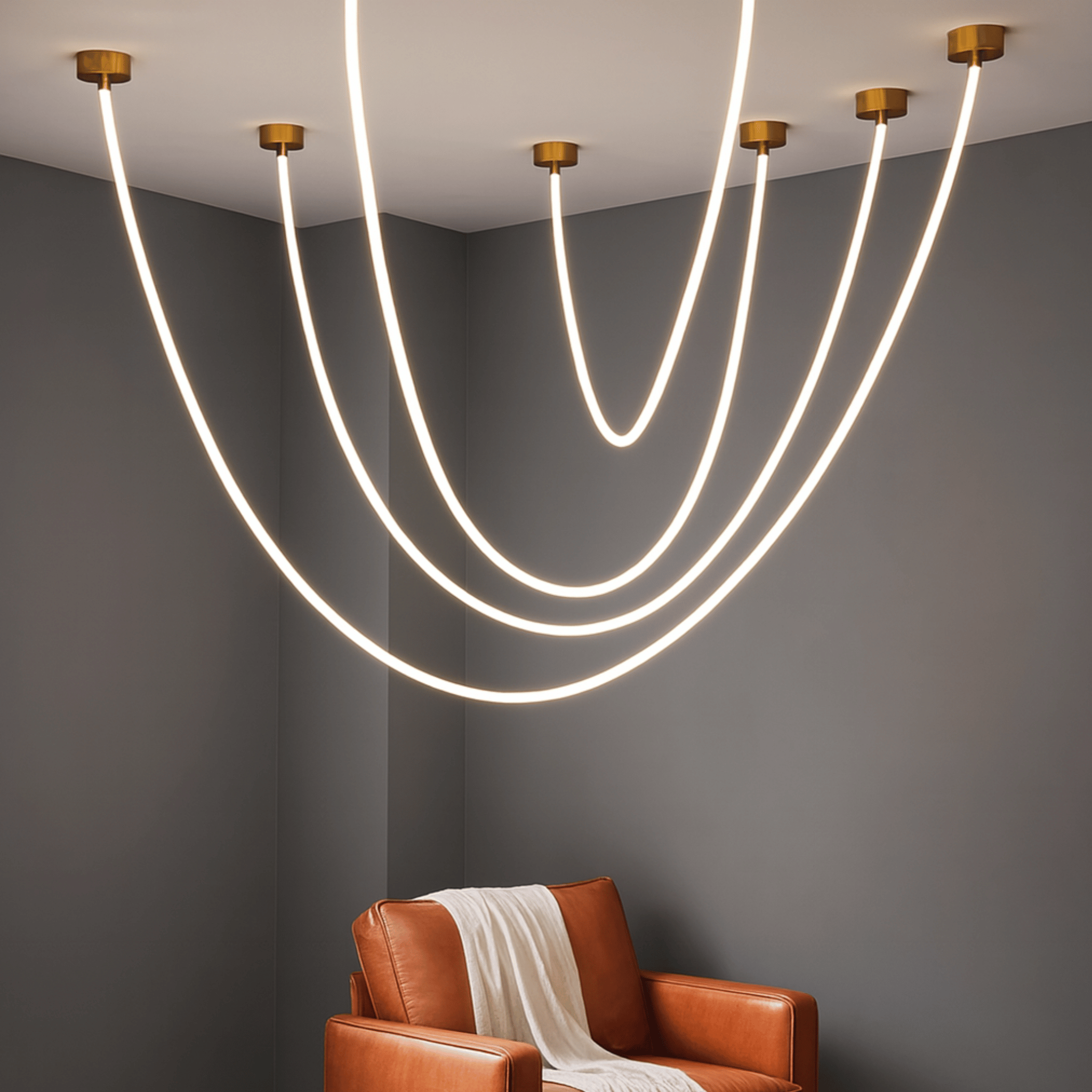
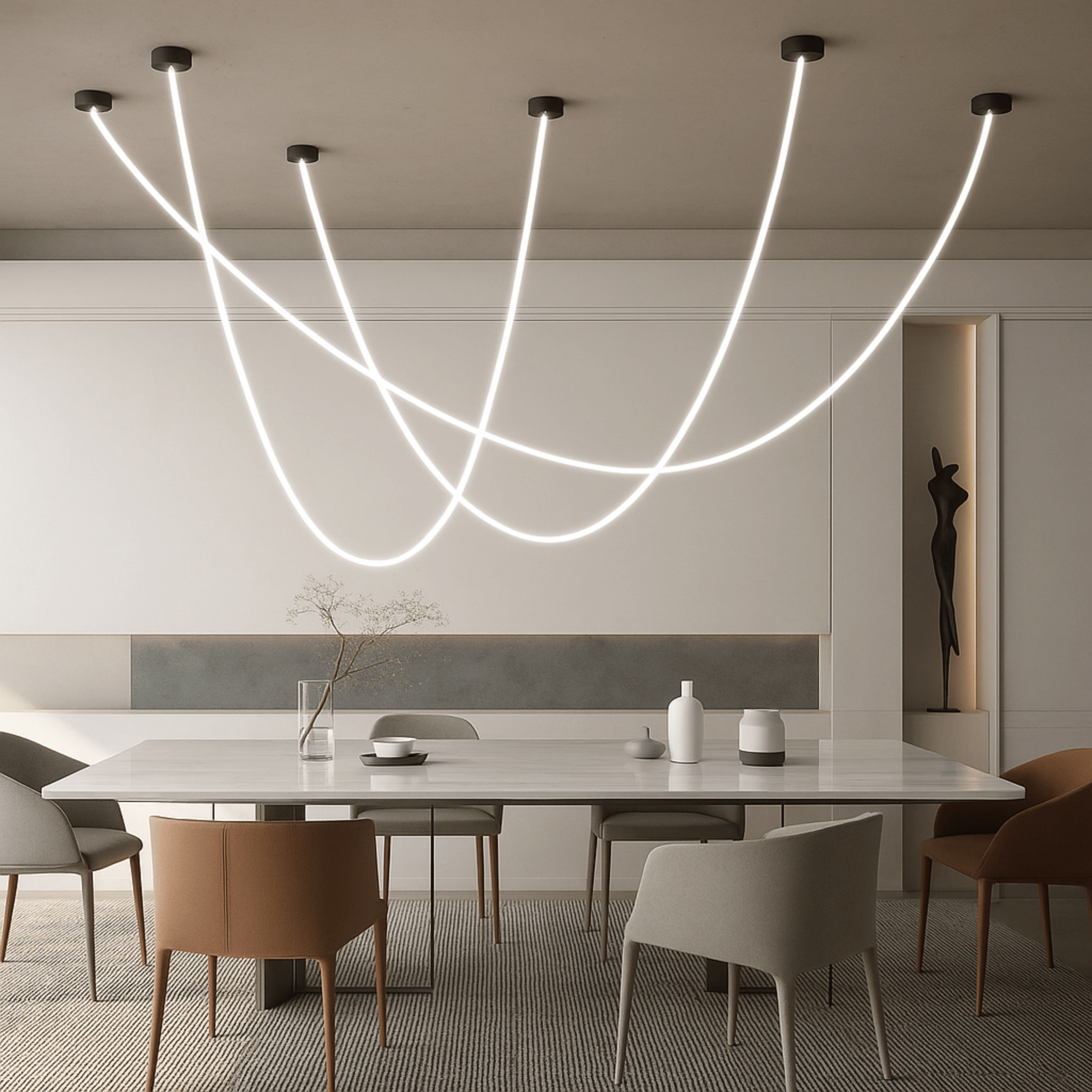
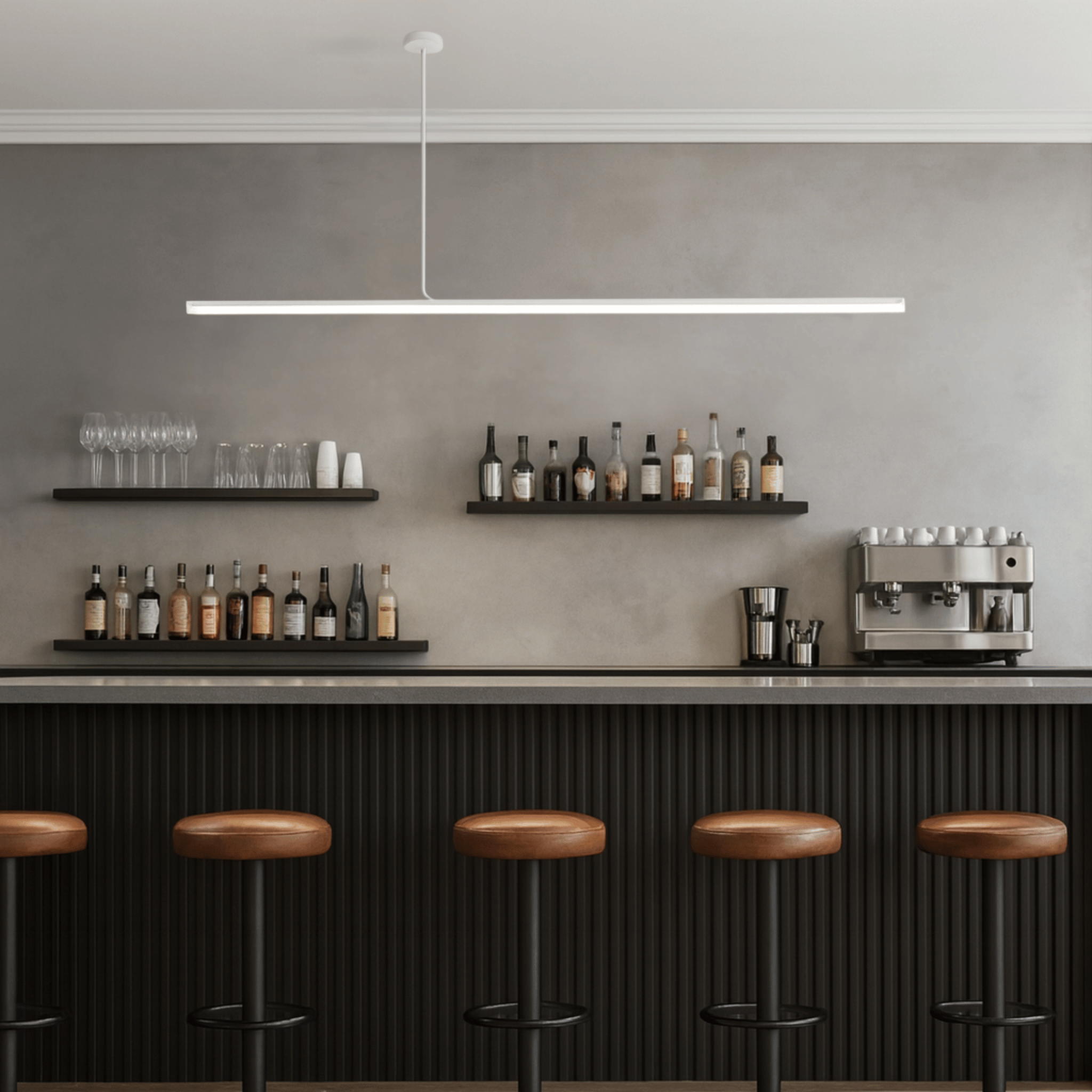
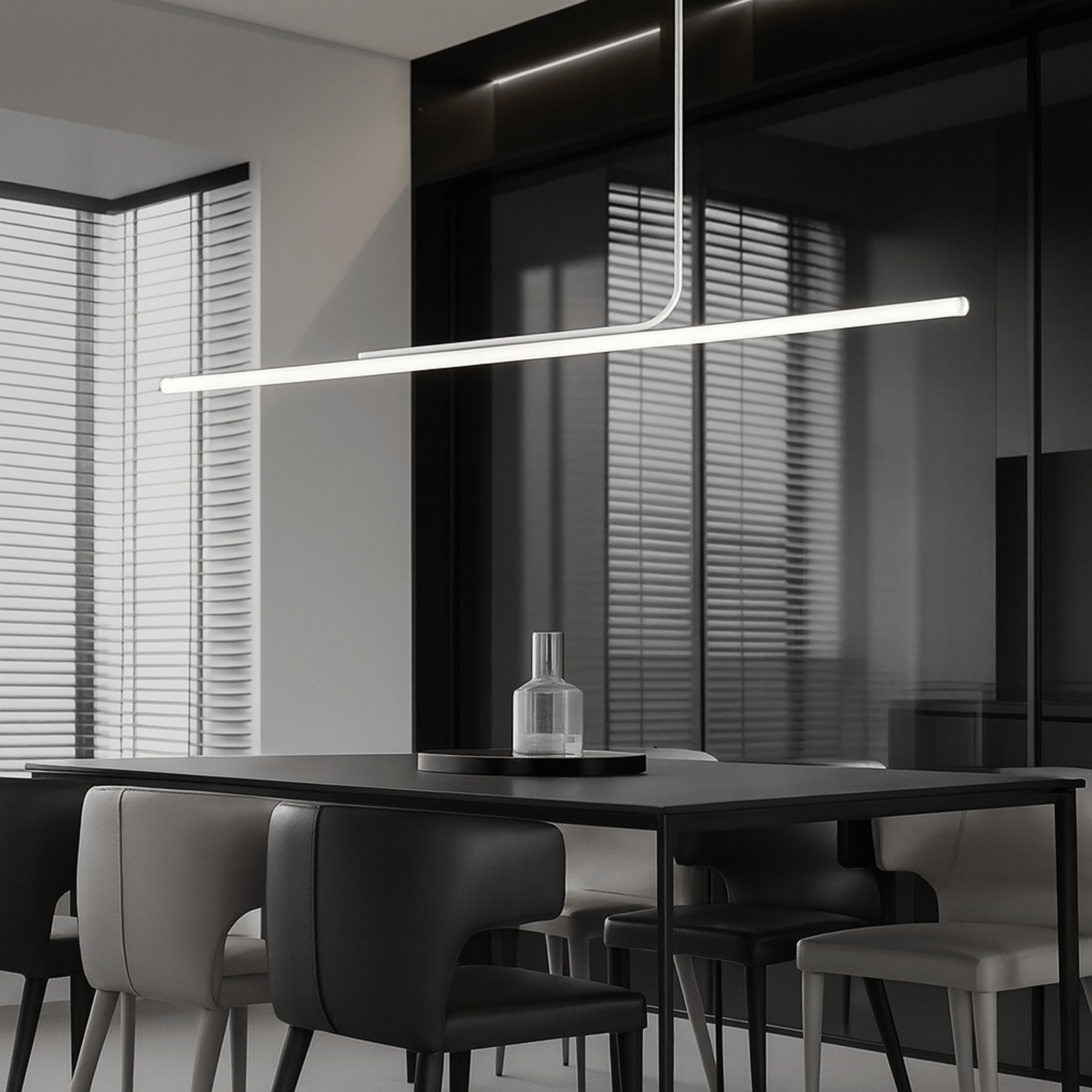
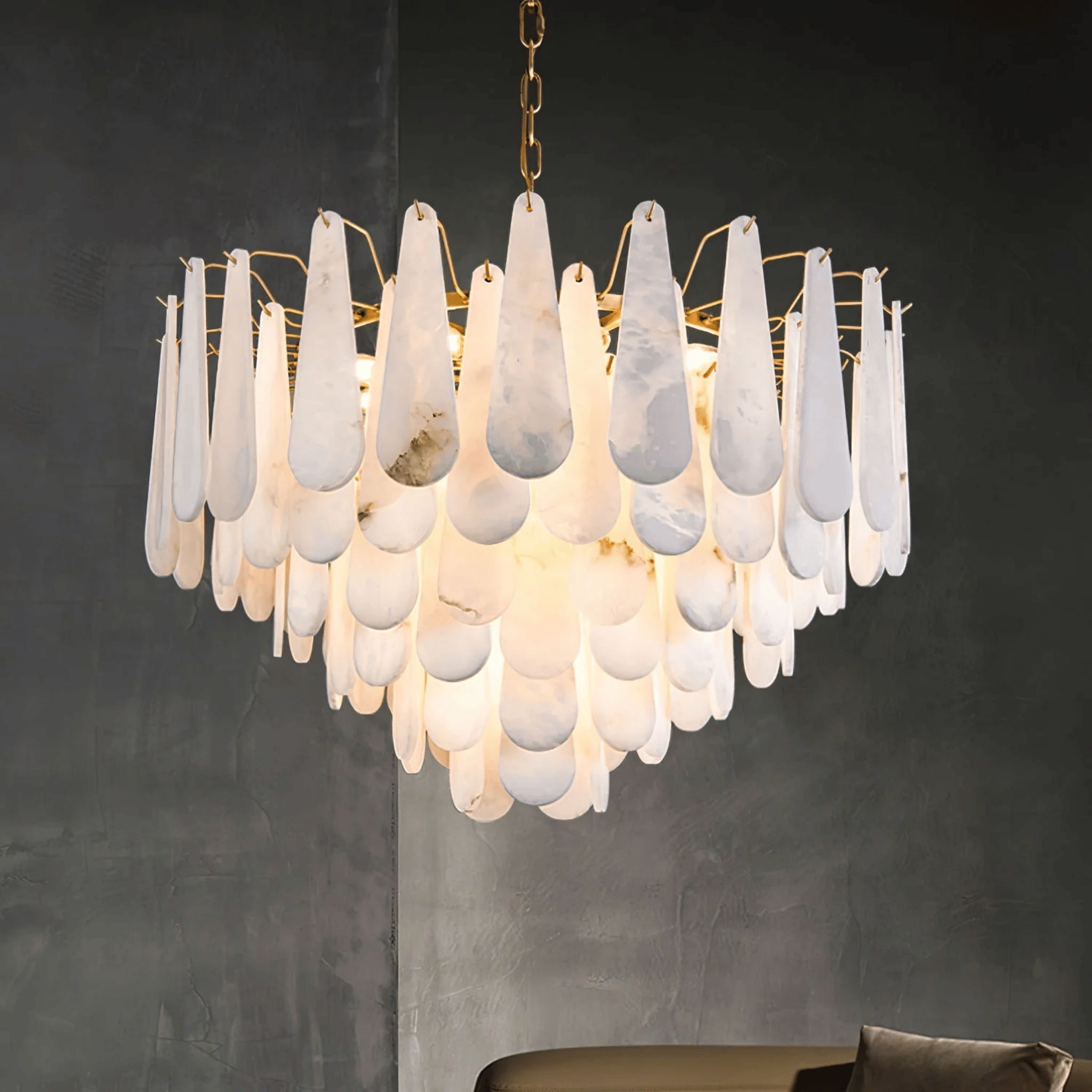
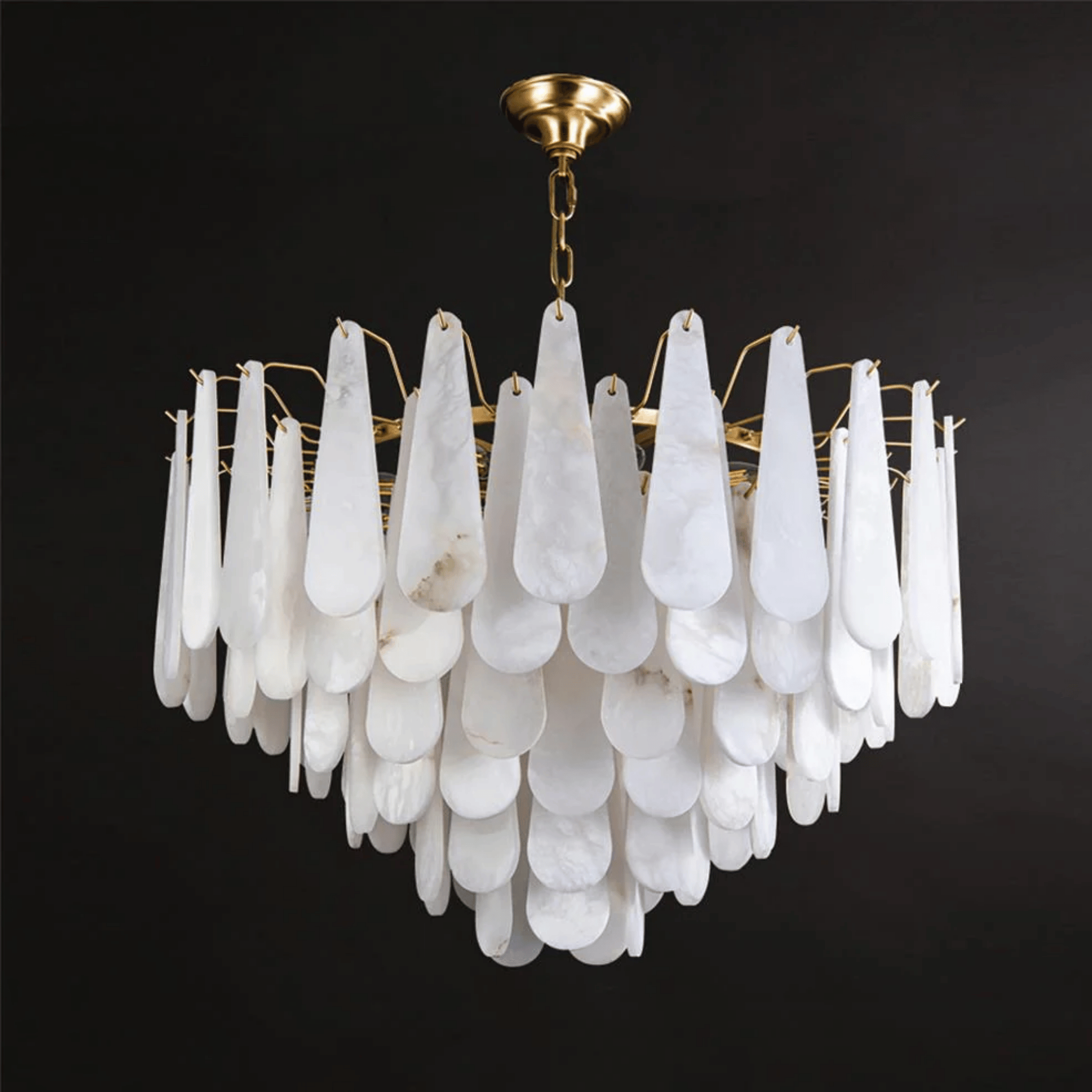
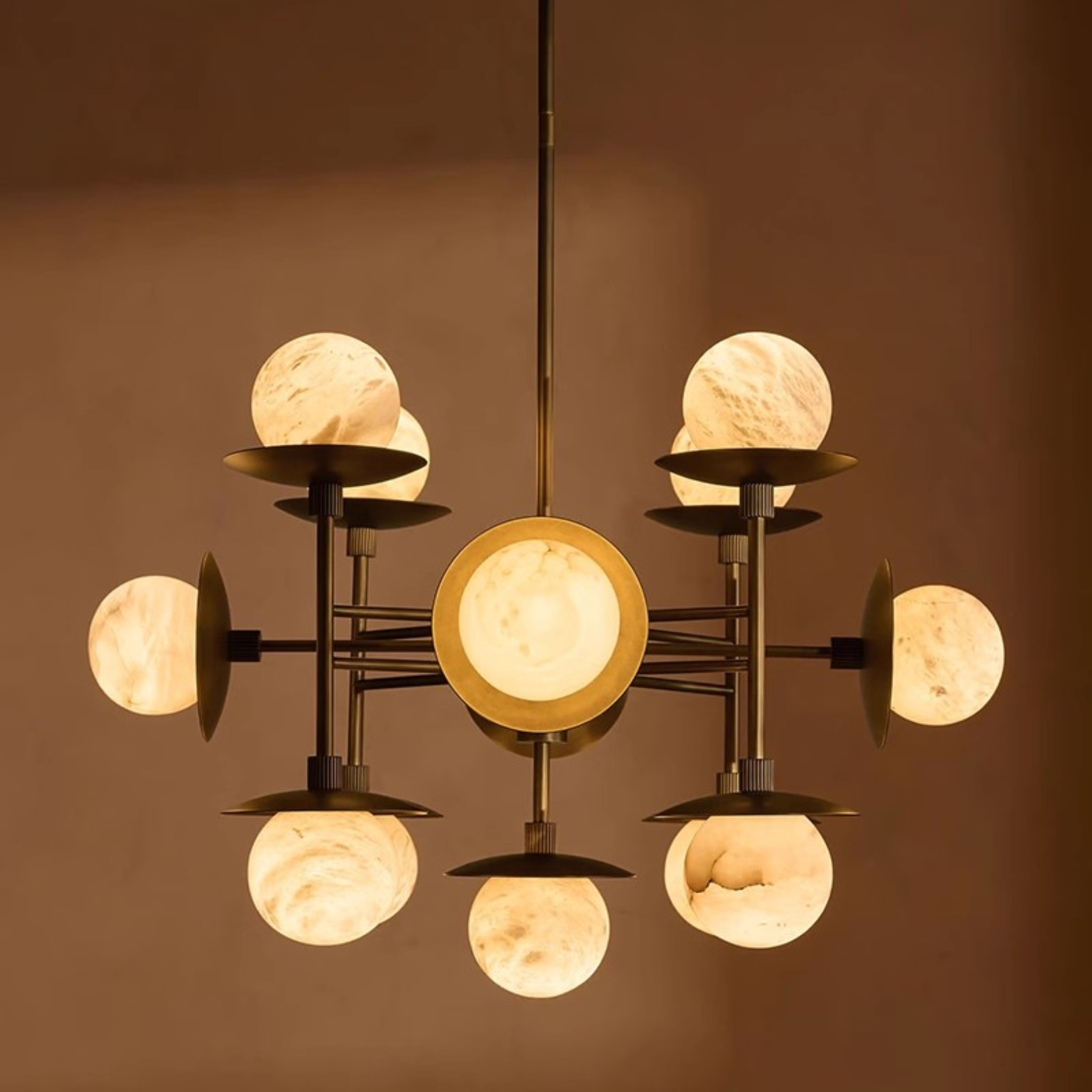
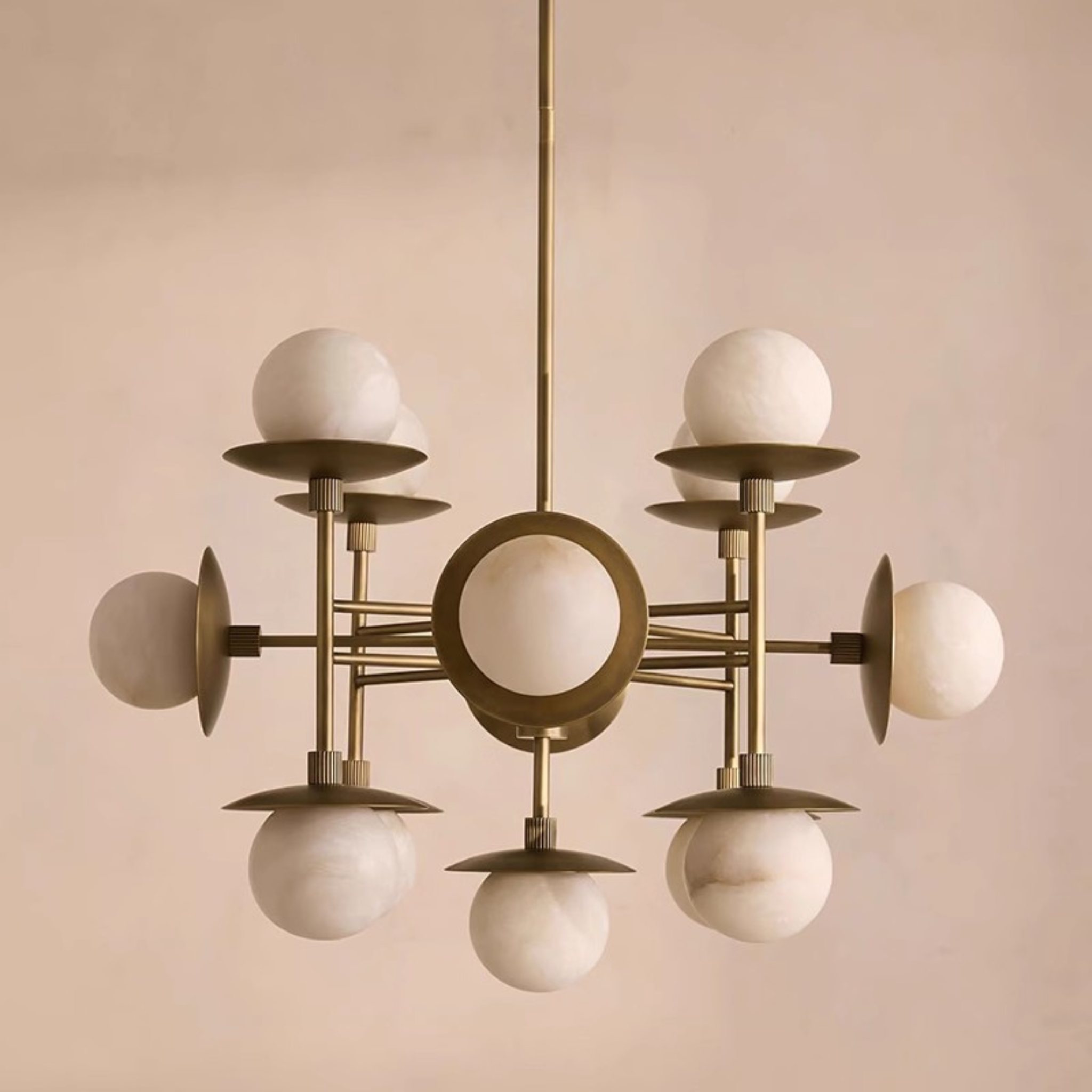
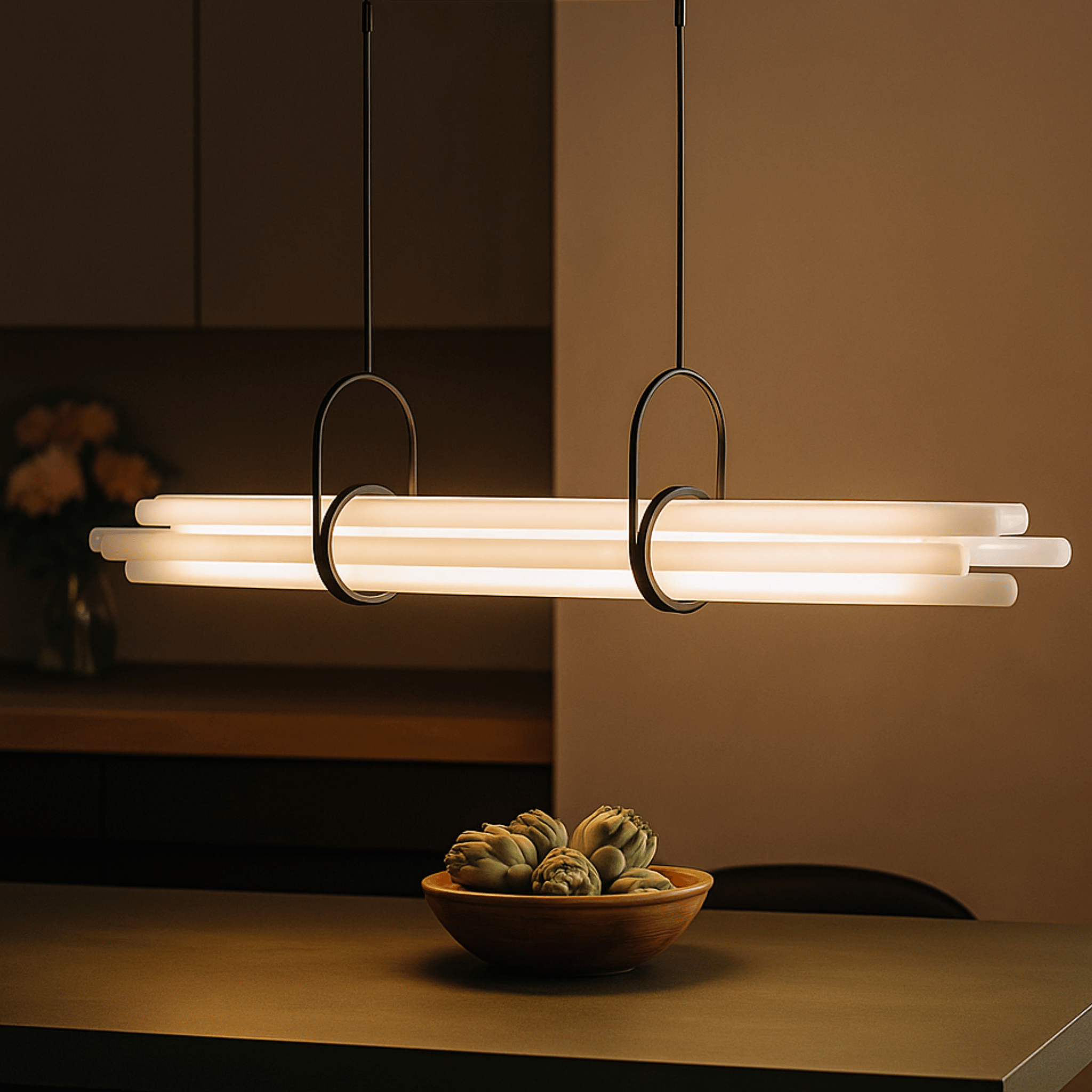
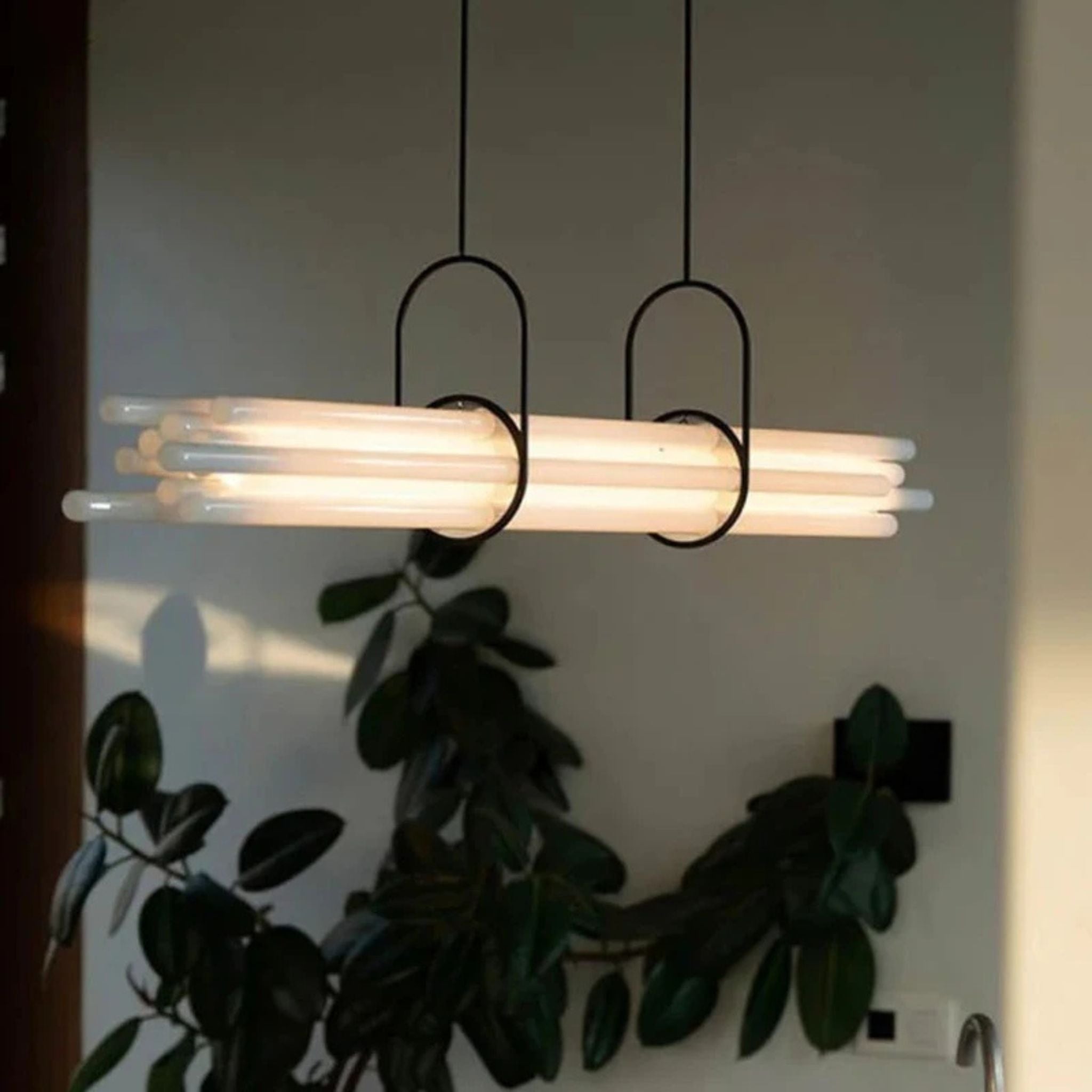
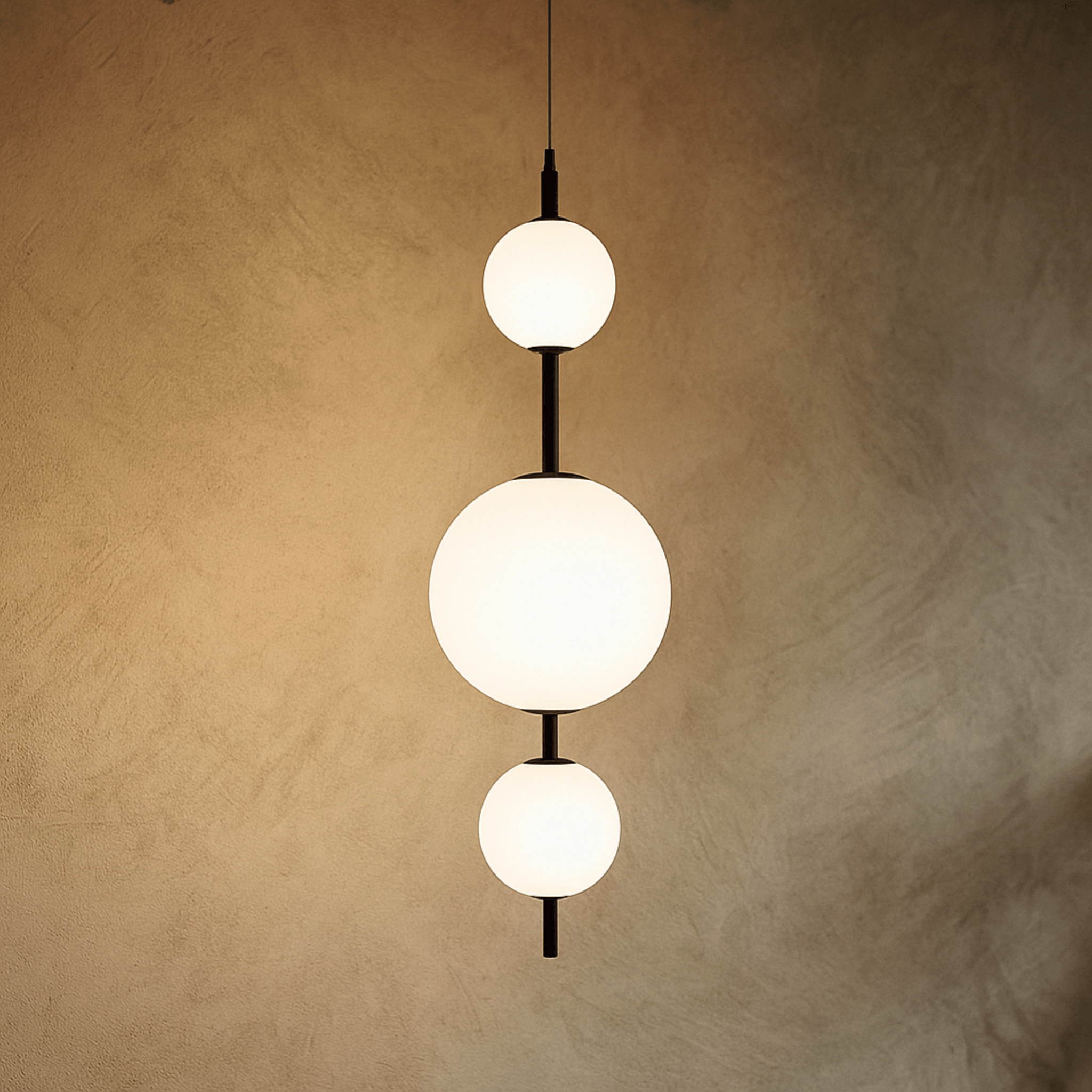
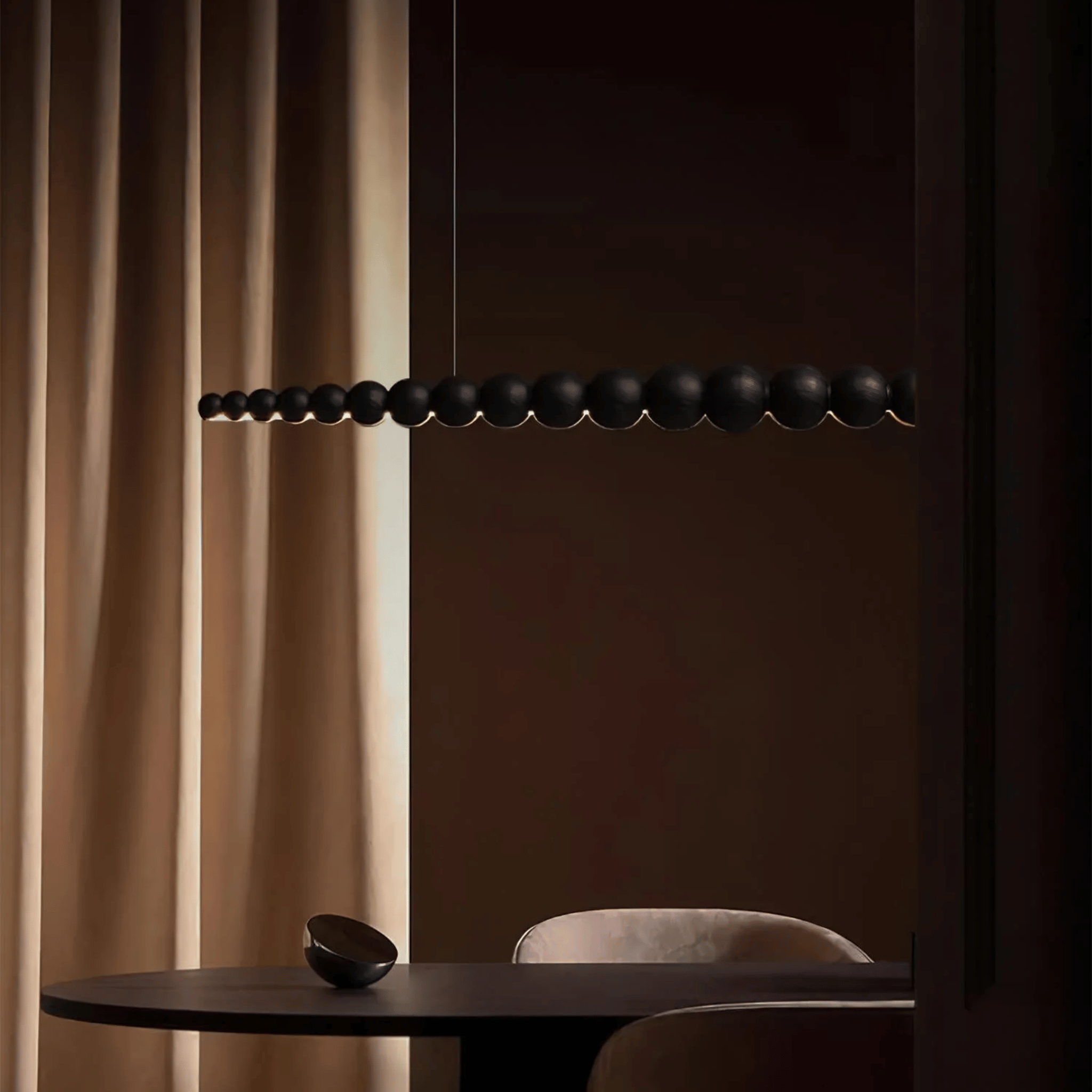
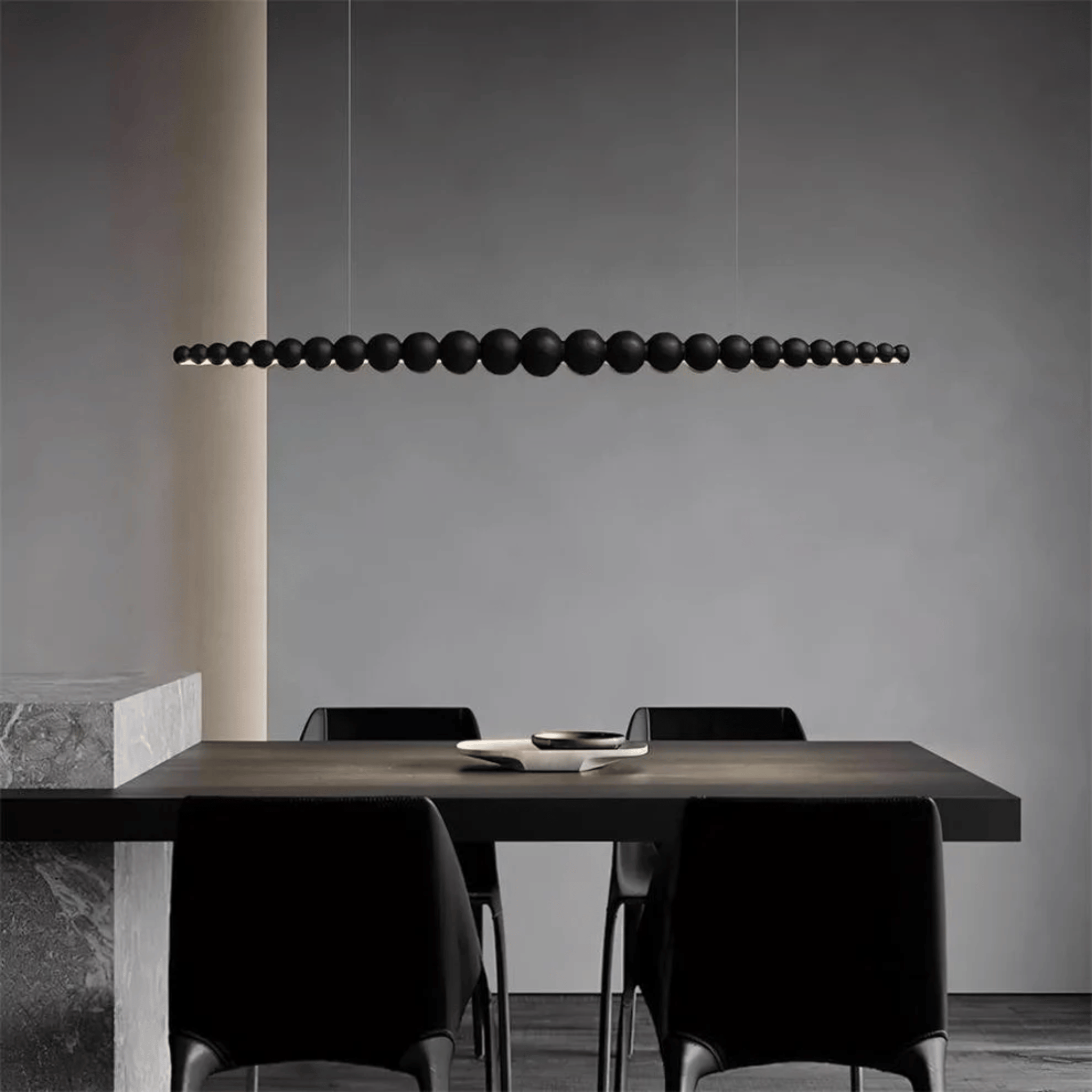
There is something quietly transformative about the right light hanging overhead. A single pendant light above a kitchen island can shift a room from functional to magnetic. A chandelier in an entryway can make every homecoming feel like an occasion. At Skonne, our Pendants & Chandeliers collection gathers designs rooted in Scandinavian tradition and contemporary Nordic craft — pieces that bring warmth, character, and intentional beauty to the spaces where life unfolds.
Whether you are drawn to a sculptural glass globe pendant for your dining nook or a grand multi-arm chandelier for a double-height foyer, every fixture here has been curated with the same philosophy: honest materials, timeless form, and that unmistakable sense of hygge that makes a house feel truly inhabited.
Why Scandinavian Pendant Lighting Feels Different
Nordic design has always understood that light shapes how we feel. In countries where winter darkness stretches for months, the quality of artificial light is not an afterthought — it is essential to wellbeing. That heritage is woven into every Scandinavian pendant lighting fixture we carry.
You will notice the difference immediately. Shades are designed to diffuse rather than glare. Proportions feel balanced even in small rooms. Materials like mouth-blown glass, turned oak, woven rattan, and brushed brass are chosen not for trend but for how they age, how they feel, and how they interact with light itself.
This is what sets the collection apart from mass-market alternatives. Each pendant and chandelier earns its place not by being loud, but by being deeply considered. The result is lighting that does not compete with your interior — it completes it.
Kitchen Island Pendant Light Ideas for Every Layout
The kitchen island has become the social heart of the modern home, and the right kitchen island pendant light does more than illuminate your countertop. It defines the zone, sets the mood for both cooking and conversation, and anchors the entire kitchen's aesthetic.
Choosing the Right Number of Pendants Over an Island
A standard island of six to seven feet typically looks best with two or three pendants spaced evenly, with at least 24 to 30 inches between each fixture. Shorter islands can be beautifully served by a single oversized pendant or a compact linear pendant lighting arrangement.
The key is visual weight. A cluster of smaller glass pendant lights creates an airy, almost jewellery-like effect. Two larger shades in a natural material like rattan or ribbed glass offer a bolder, more grounded statement. Both approaches work — the choice depends on your kitchen's scale and personality.
Height and Proportion Above the Counter
Hang your kitchen island pendants so that the bottom of the shade sits approximately 30 to 36 inches above the countertop surface. This keeps light focused on the work area without blocking sightlines across the room. If your ceiling is higher than standard eight feet, you can drop pendants slightly lower to maintain that sense of intimacy.
For vaulted or cathedral ceilings, longer cord or chain lengths paired with a canopy that mounts flush keeps everything looking intentional rather than lost in the vertical space.
Modern Pendant Light Designs That Stand the Test of Time
The phrase modern pendant light can mean many things, but in a Scandinavian context, modernity is less about sharp edges and more about refined simplicity. Clean geometric forms. Soft curves that reference organic shapes. A palette of materials that feels warm even when minimal.
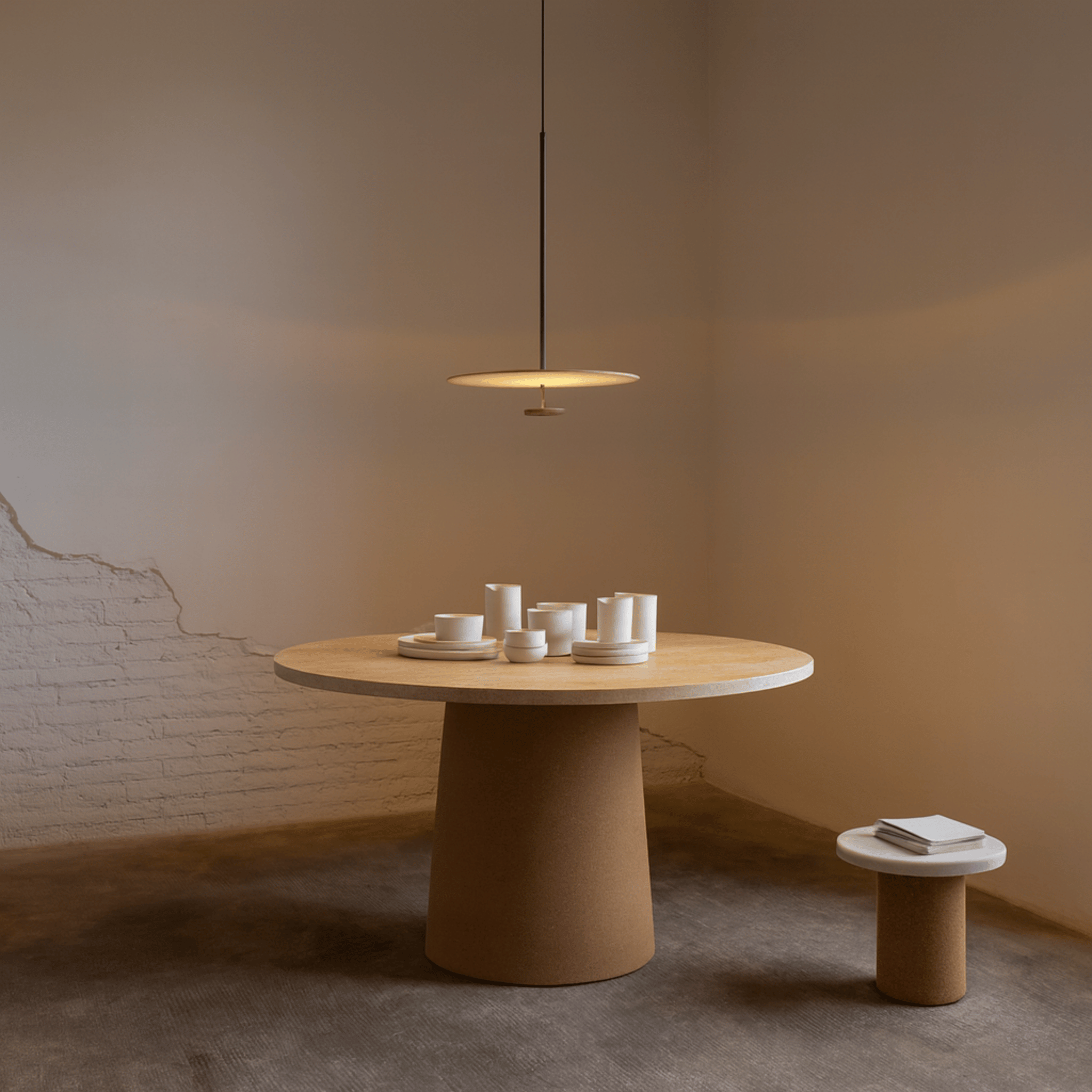
Our collection includes designs that range from mid century modern pendant light silhouettes — think tapered cones and mushroom-shaped diffusers — to thoroughly contemporary sculptural forms. What unites them is restraint. There is no unnecessary ornamentation, no design decision that exists solely to attract attention.
This is important because a modern pendant light should still feel relevant in ten or fifteen years. Trend-driven fixtures date quickly. Thoughtfully proportioned forms, executed in quality materials, only become more valued with time. That philosophy drives every selection in this collection.
Glass Pendant Lights and the Art of Diffused Glow
Few materials transform electric light as beautifully as glass. Glass pendant lights soften, scatter, and colour the light passing through them, creating an atmosphere that no opaque shade can replicate.
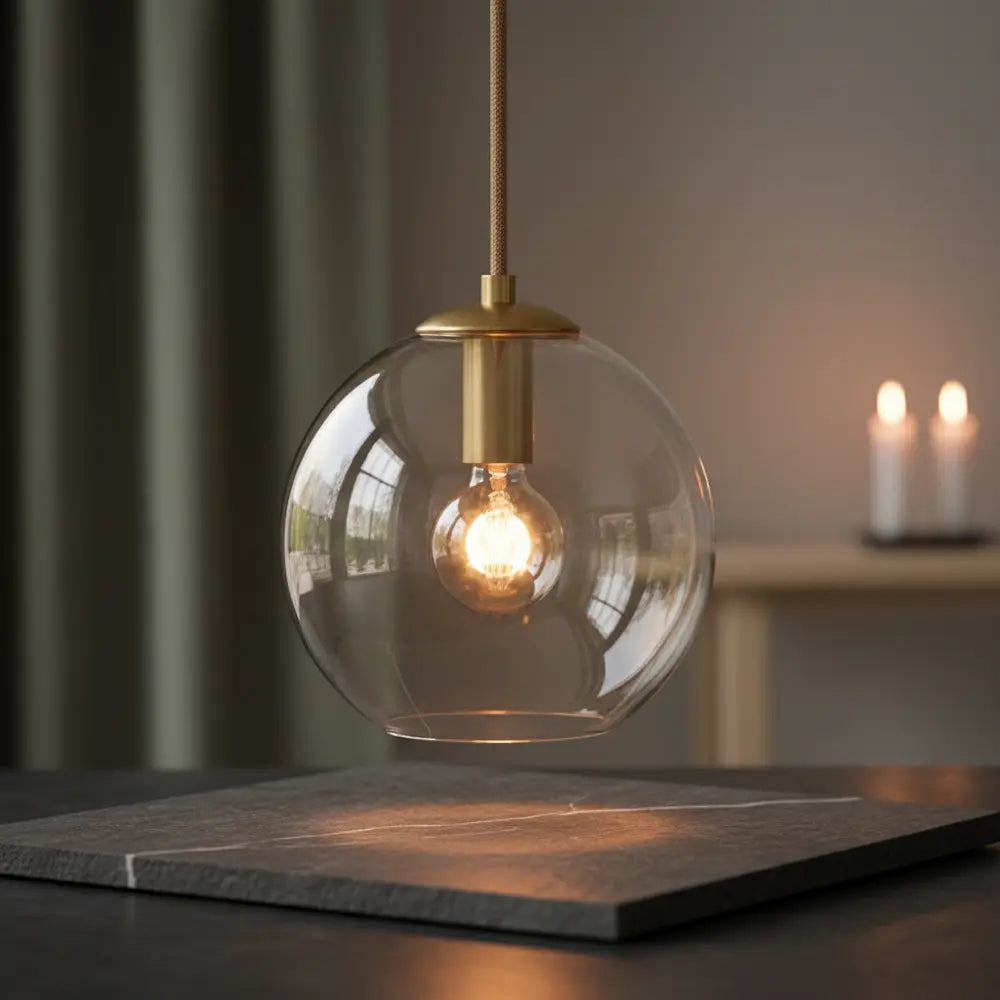
Within this collection you will find clear glass globes that let filament bulbs become a design feature, frosted glass cylinders that cast a perfectly even wash, and hand-blown art glass pieces where subtle colour shifts make every fixture genuinely unique.
Ribbed glass and fluted glass pendants are particularly at home in Scandinavian interiors. The texture adds visual interest without clutter, breaking light into soft patterns on surrounding surfaces. A glass globe pendant above a dining table creates an intimate pool of warm light that draws everyone closer.
For practical spaces like kitchens and bathrooms, glass also offers the advantage of being easy to clean — a small detail that matters when a fixture is part of your daily life.
The Pendant Chandelier and Statement Overhead Lighting
Where a single pendant provides focused illumination, a pendant chandelier commands a room. These multi-light fixtures blur the line between pendant and chandelier, often featuring several light sources arranged on a single mounting plate or framework.
This hybrid category is ideal for spaces that need both practical light coverage and visual drama — dining rooms, open-plan living areas, and entryways with generous ceiling heights. A well-chosen pendant chandelier can replace the need for multiple separate fixtures, simplifying your ceiling while adding a layer of sculptural beauty.
Our selection ranges from understated brass pendant light clusters to elaborate tiered chandeliers that feel like modern heirlooms. At Skonne, the spectrum runs from accessible entry pieces under two hundred dollars to investment-worthy statement chandeliers that reward those who value exceptional craft. Whatever your budget, the design integrity remains the same.
Plug-In Pendant Light Solutions for Flexible Spaces
Not every room has a ceiling junction box where you need it. A plug-in pendant light solves this gracefully, allowing you to hang beautiful overhead lighting in rentals, bedrooms, reading corners, and creative studios without any hardwiring.
The best plug-in pendants include a generous fabric-wrapped cord, an inline switch for easy control, and a hook or swag kit that lets you position the fixture exactly where you want it. The look is relaxed and intentional — not a compromise, but a design choice.
This style is especially popular as bedroom pendant lights, where a pair of plug-in pendants flanking the bed replaces traditional bedside lamps and frees up nightstand space. The result is a cleaner, more hotel-like aesthetic that is surprisingly simple to achieve.
Choosing a Pendant Light Style for Every Room
The beauty of pendant lighting is its versatility. A single design vocabulary can express itself differently across every room in your home, creating cohesion without monotony.
Dining Room and Living Area Pendants
These are your statement moments. A large single pendant or a chandelier centred over the dining table creates a natural gathering point. For living rooms, consider a boho pendant light in woven rattan or natural fibres to add texture and warmth above a seating area.
Scale matters here. The fixture should feel proportional to the table or zone beneath it — generally one-half to two-thirds the width of the surface it illuminates.
Hallway and Entryway Pendants
First impressions count. A single pendant in a hallway sets the tone for the entire home. Choose something that hints at your broader style — an alabaster pendant light for quiet luxury, an industrial pendant for loft-style character, or a simple Nordic hanging light for understated warmth.
Bathroom Pendant Lighting
Pendant lights in bathrooms are growing in popularity, particularly in larger or spa-inspired spaces. Ensure any fixture used near water sources carries an appropriate IP rating. Small glass pendants work particularly well here, adding elegance without overwhelming the room.
Coastal and Relaxed Interiors
If your aesthetic leans toward the shore, coastal pendant lights in natural materials — woven seagrass, whitewashed rattan, weathered wood — pair beautifully with the neutral palette of Scandinavian design. The overlap between Nordic and coastal sensibilities is a natural one: both value light, texture, and an unforced connection to the natural world.
Materials and Craftsmanship Behind Quality Pendants
Understanding materials helps you choose a pendant light that will look and perform beautifully for years. Here is what to look for across the most popular options in our collection.
Brass and metal finishes range from polished to antiqued, each ageing differently over time. A brushed brass pendant light develops a gentle patina that adds depth. Matte black and powder-coated finishes offer durability with a more contemporary edge.
Rattan and natural fibres bring an organic warmth that is characteristic of Scandinavian interiors. A well-made rattan pendant light casts beautiful shadow patterns and creates a focal point that is both striking and gentle. Look for tightly woven construction and a sturdy internal frame.
Mouth-blown and hand-finished glass ensures slight variations in each piece, a hallmark of genuine craft. These pendants interact with light in ways that machine-made alternatives simply cannot replicate.
At Skonne, we vet every maker and every material. Our promise is straightforward: authentic Scandinavian design, transparent quality, and a curated edit that saves you from the overwhelm of searching through thousands of undifferentiated options.
How to Think About Cost and Value in Pendant Lighting
Pendant lights and chandeliers span an enormous price range, and understanding what drives cost helps you invest wisely. Entry-level pendants in our collection start around nineteen dollars for simple, well-designed pieces — perfect for layering multiple fixtures in a kitchen or hallway.
Mid-range pendants, typically between one hundred and five hundred dollars, offer higher-grade materials, more refined finishes, and designs from established Nordic studios. This is the sweet spot for most homeowners seeking a balance of craft, beauty, and budget.
At the upper end, statement chandeliers and limited-edition artisan pendants can reach several thousand dollars. These are investment pieces: the kind of fixture that becomes a room's defining element and a conversation for decades. Whether you are browsing for your first apartment or specifying lighting for a custom home, the value lies in choosing the right piece for the right moment — and we are here to help you do exactly that.
Explore Our Pendants & Chandeliers Collection
To help you find exactly what you are looking for, we have organised this collection into focused categories. Each one is curated to match a specific style, material, or room application.
Pendant Lights: Our full range of single-point hanging fixtures, from minimalist Nordic designs to textured artisan pieces for every room in your home.
Chandeliers: Multi-arm and tiered lighting fixtures that bring drama and generous illumination to dining rooms, entryways, and grand living spaces.
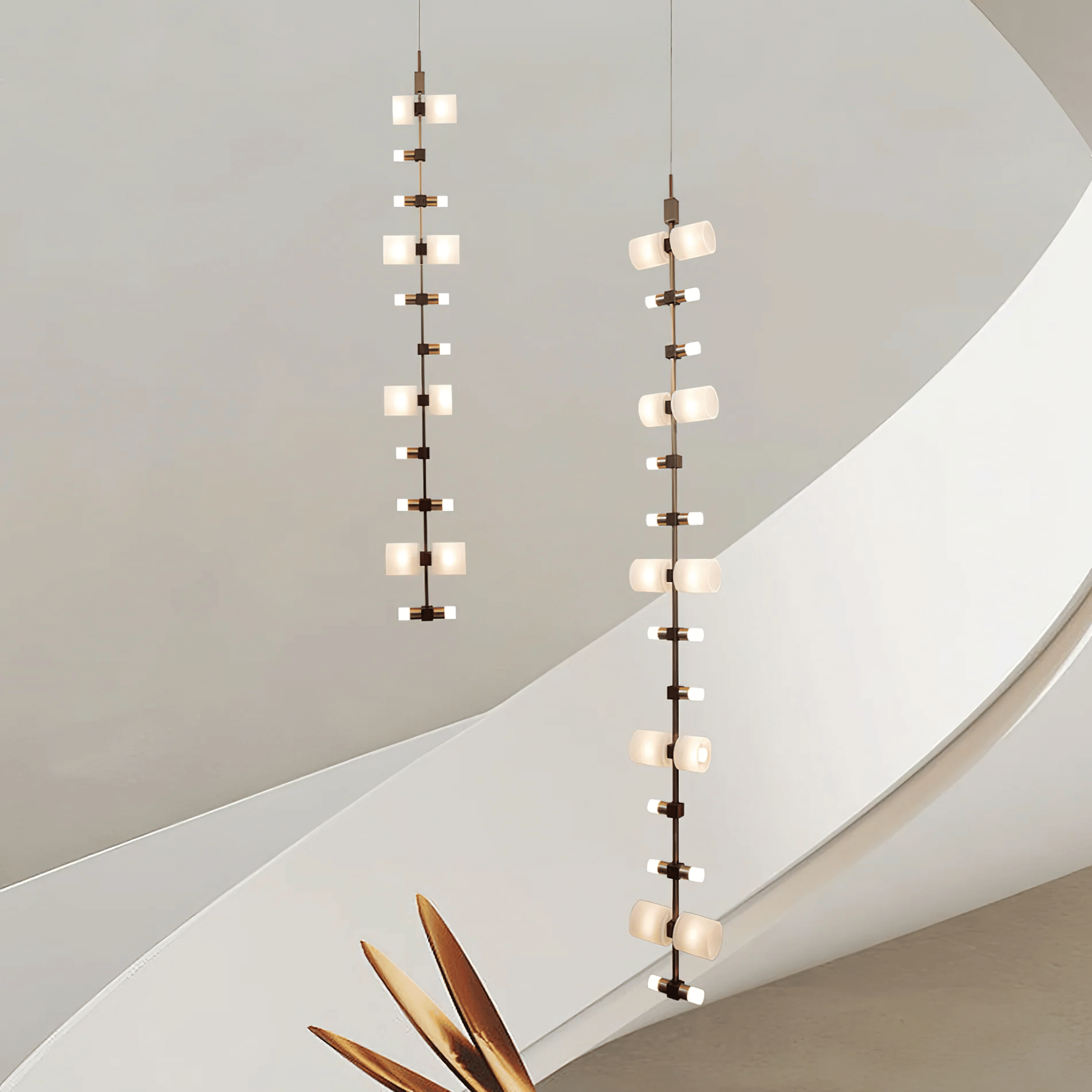
Glass Pendants: A dedicated selection of glass shade pendants — clear, frosted, ribbed, and hand-blown — for beautifully diffused light.
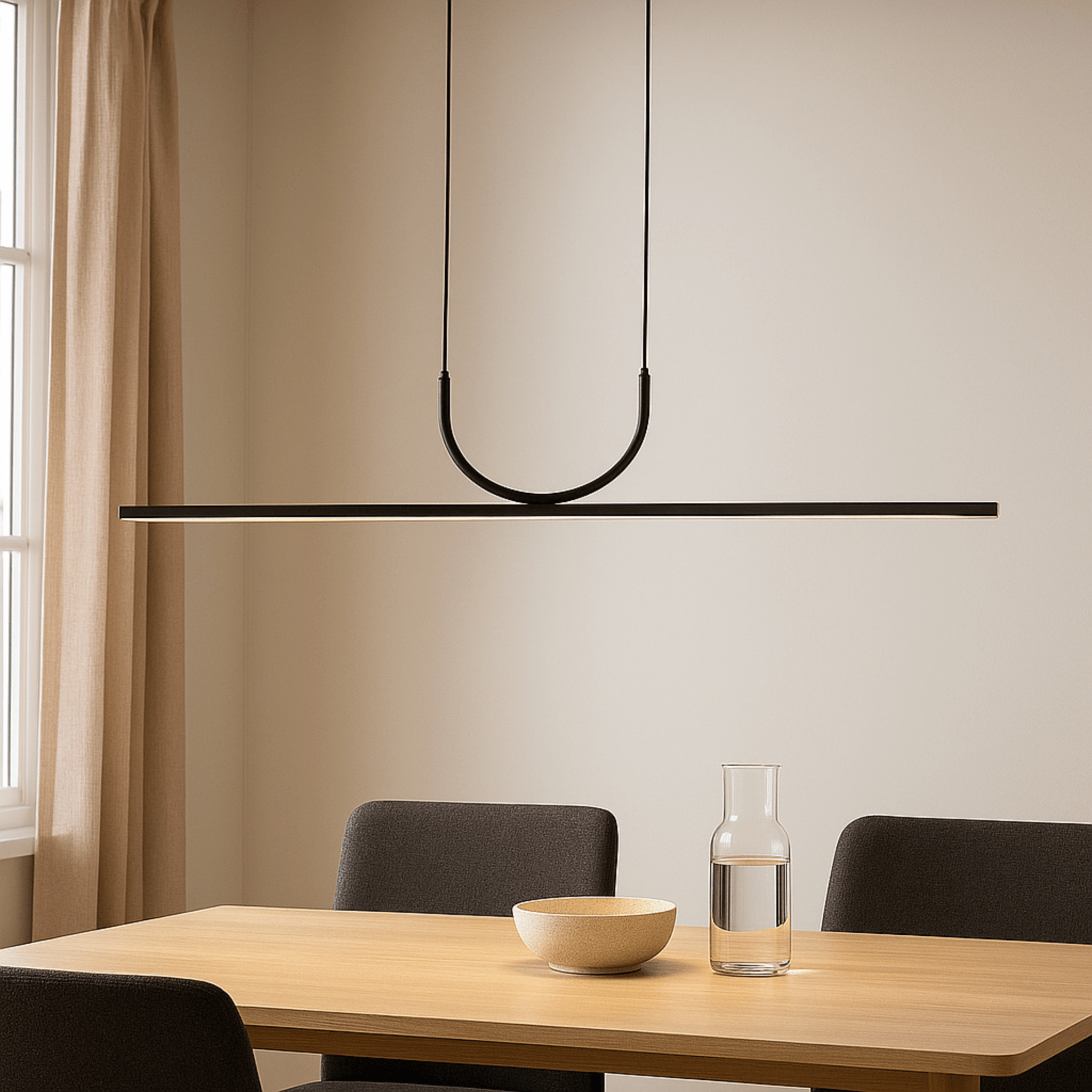
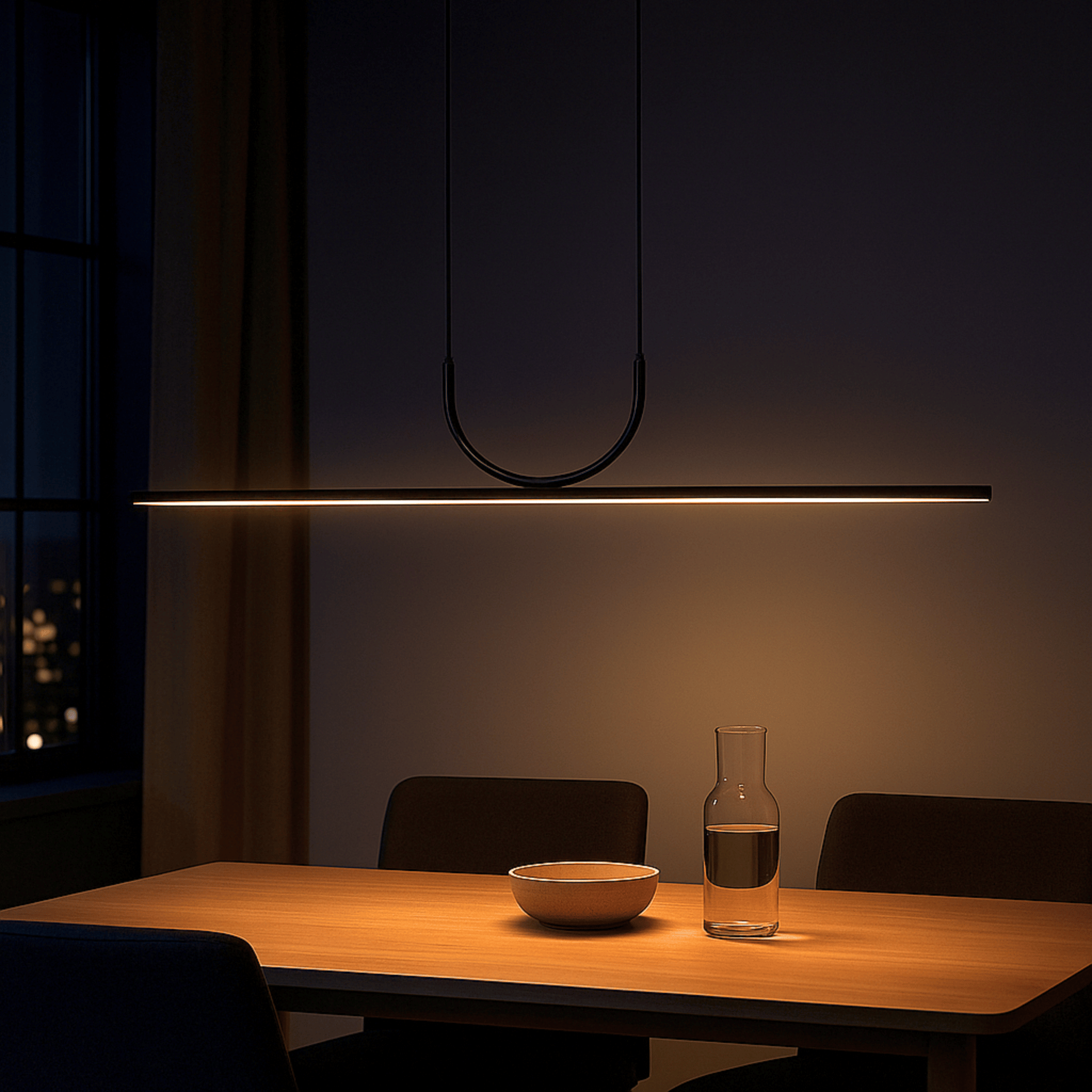
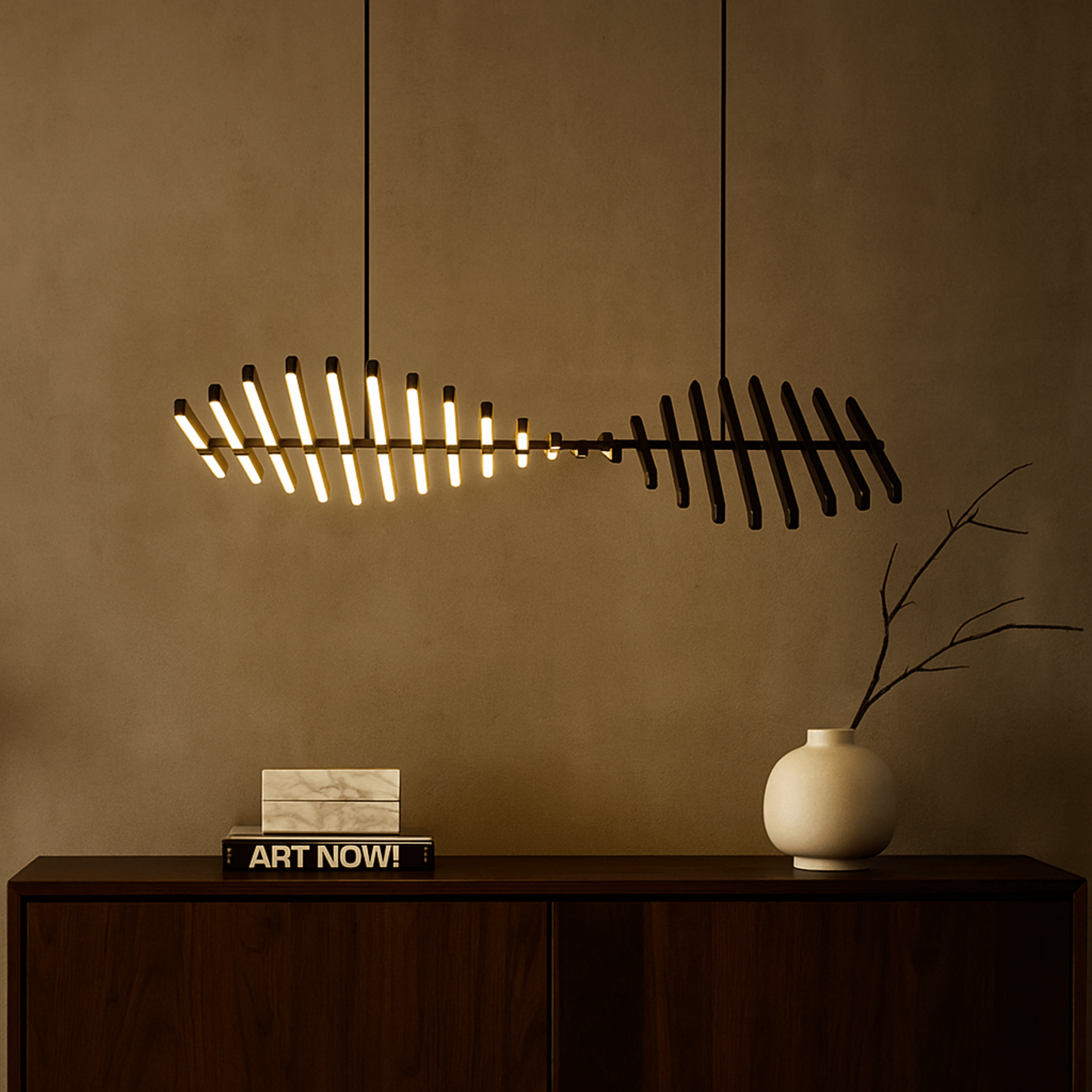
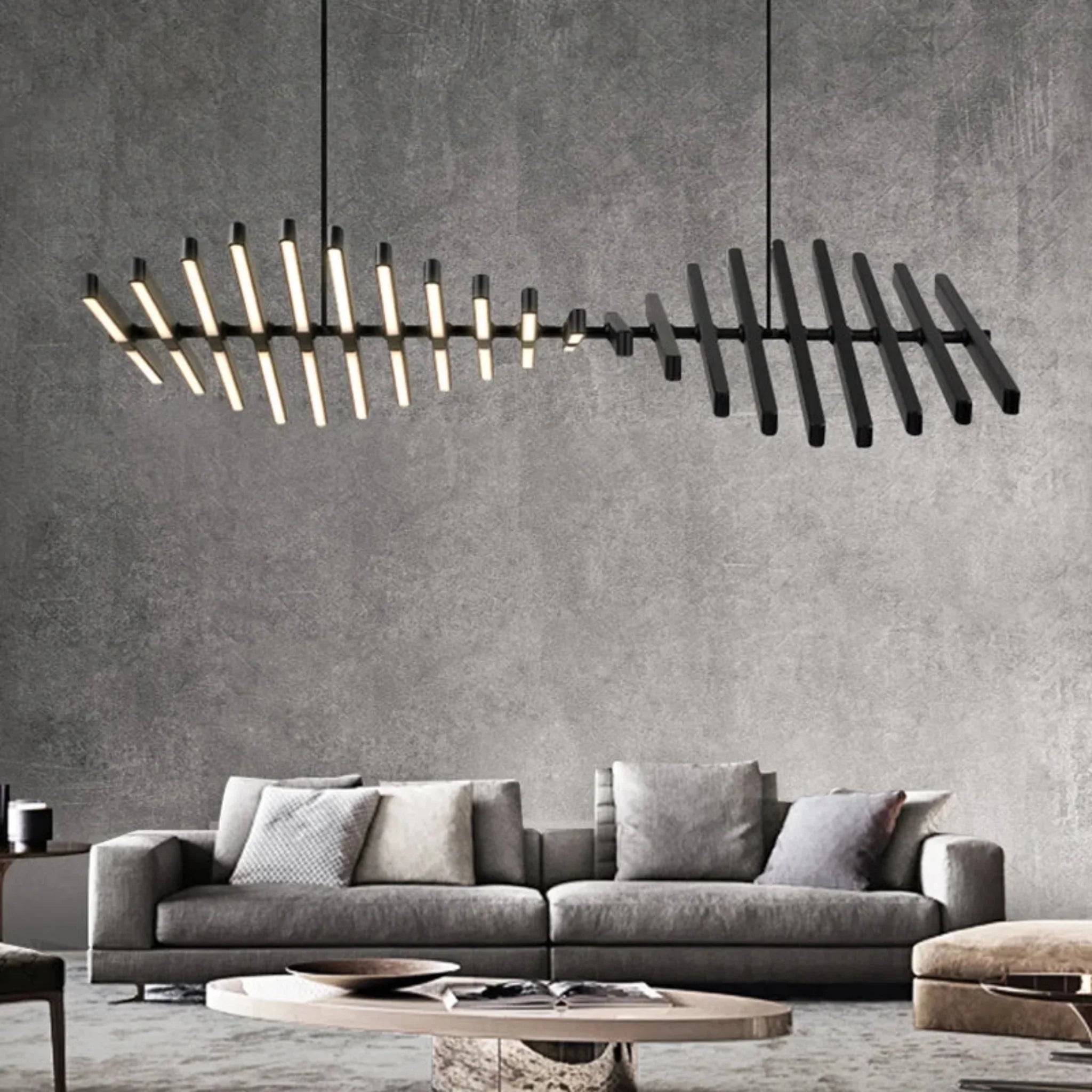
Linear Lighting: Elongated fixtures designed for kitchen islands, dining tables, and other spaces where a horizontal light source creates the perfect proportional balance.
Every piece in this collection reflects the same intentional curation that defines Skonne: authentic Scandinavian design chosen for warmth, quality, and lasting beauty. If you are exploring the broader world of Nordic illumination, you will find even more inspiration across our full Lighting collection.
Frequently Asked Questions About Pendant Lights and Chandeliers
A pendant light is a single lighting fixture that hangs from the ceiling by a cord, chain, or rod, typically with one shade or light source. It provides focused, downward illumination and is one of the most versatile fixture types in interior design — equally at home above a kitchen island, a dining table, a bedside, or a hallway.
The primary distinction is the number of light sources. A pendant light features a single shade or bulb hanging from one point, while a chandelier incorporates multiple arms, branches, or light points mounted on a shared frame. Chandeliers generally distribute light more broadly and serve as a stronger visual centrepiece.
In practice, the line has blurred with modern pendant chandeliers that cluster several pendants on a single canopy. The choice often comes down to the scale of your space and the level of visual impact you want to achieve.
Consider three factors: room size, ceiling height, and the mood you want to create. Pendant lights work well in compact or medium-sized areas where focused task or accent lighting is needed — think kitchen islands, reading nooks, or bedside installations.
Chandeliers suit larger rooms, higher ceilings, and spaces where you want a dramatic focal point. Dining rooms, entryways, and open-plan living areas often benefit from the broader light spread and visual weight of a chandelier. If your ceiling is below eight feet, a slim pendant or flush-mount option will feel more proportional.
A reliable rule of thumb is to add the room's length and width in feet, then convert that number to inches for the approximate fixture diameter. For example, a 10-by-12-foot room suits a pendant roughly 22 inches wide.
For hanging height, allow at least seven feet of clearance between the floor and the bottom of the fixture in walkways. Over tables and islands, position the bottom of the shade 30 to 36 inches above the surface. Taller ceilings allow for longer drops without sacrificing headroom.
The most widely referenced guideline is the spacing and clearance rule. When hanging multiple pendants — for instance, over a kitchen island — space them 24 to 30 inches apart and position the bottom of each shade 30 to 36 inches above the work surface. In open areas, maintain at least 7 feet of clearance from the floor.
These rules are starting points rather than absolutes. Your specific ceiling height, fixture size, and personal preference should fine-tune the final placement.
Organic and natural material pendants — rattan, woven fibres, and hand-blown glass — continue to lead. Ribbed and fluted glass globe pendants remain hugely popular for their ability to diffuse light beautifully. Warm metal tones like brushed brass and antique bronze are preferred over cool chrome.
Sculptural, oversized single pendants are increasingly replacing small clusters, and mid century modern pendant light silhouettes have shown enduring appeal. The broader trend favours warmth, texture, and timeless shapes over fleeting novelty.
Scandinavian interiors favour fixtures with clean lines, natural materials, and soft light diffusion. Opal glass pendants, turned wood shades, matte white or pale-toned finishes, and understated geometric forms are all hallmarks of the style.
For chandeliers, look for designs with slender arms and minimal ornamentation rather than heavy crystal or ornate detailing. Rattan and paper shade pendants are also deeply rooted in Nordic tradition and bring organic texture that complements neutral, layered interiors beautifully.
Most hardwired pendant lights and chandeliers connect to an existing ceiling junction box. The process involves turning off power at the breaker, mounting the fixture's bracket to the electrical box, connecting the wires (matching live, neutral, and earth), and securing the canopy. Many homeowners with basic DIY experience complete this in under thirty minutes.
For heavier chandeliers or installations in ceilings without existing wiring, a licensed electrician is strongly recommended. Plug-in pendant lights offer the simplest alternative — they require only a wall outlet and a ceiling hook, with no electrical work at all.
The most frequent issues are hanging at the wrong height (causing glare or blocking sightlines), choosing a fixture that is too small for the space (making it look lost), and poor bulb selection (resulting in harsh or overly cool light).
Avoid these by following sizing and clearance guidelines, using dimmable warm-white bulbs in the 2700K to 3000K range, and always test your preferred hanging height with a temporary hook before making a permanent installation. Ensuring the ceiling box supports the fixture's weight is also essential, particularly for heavier chandeliers.
Quality varies widely and so does price. Simple, well-designed pendants start from around nineteen dollars — ideal for multiples or casual spaces. Mid-range fixtures from established designers typically fall between one hundred and five hundred dollars, offering refined finishes and durable materials.
Statement chandeliers and artisan-made pieces can range from one thousand to several thousand dollars. The price reflects materials, craftsmanship complexity, brand heritage, and design provenance. At every price point, the goal is the same: a fixture that brings lasting beauty and genuine quality to your home.