
LED Kitchen Lighting: Energy-Efficient Fixtures & Smart Upgrades for Every Kitchen Zone
Summary›
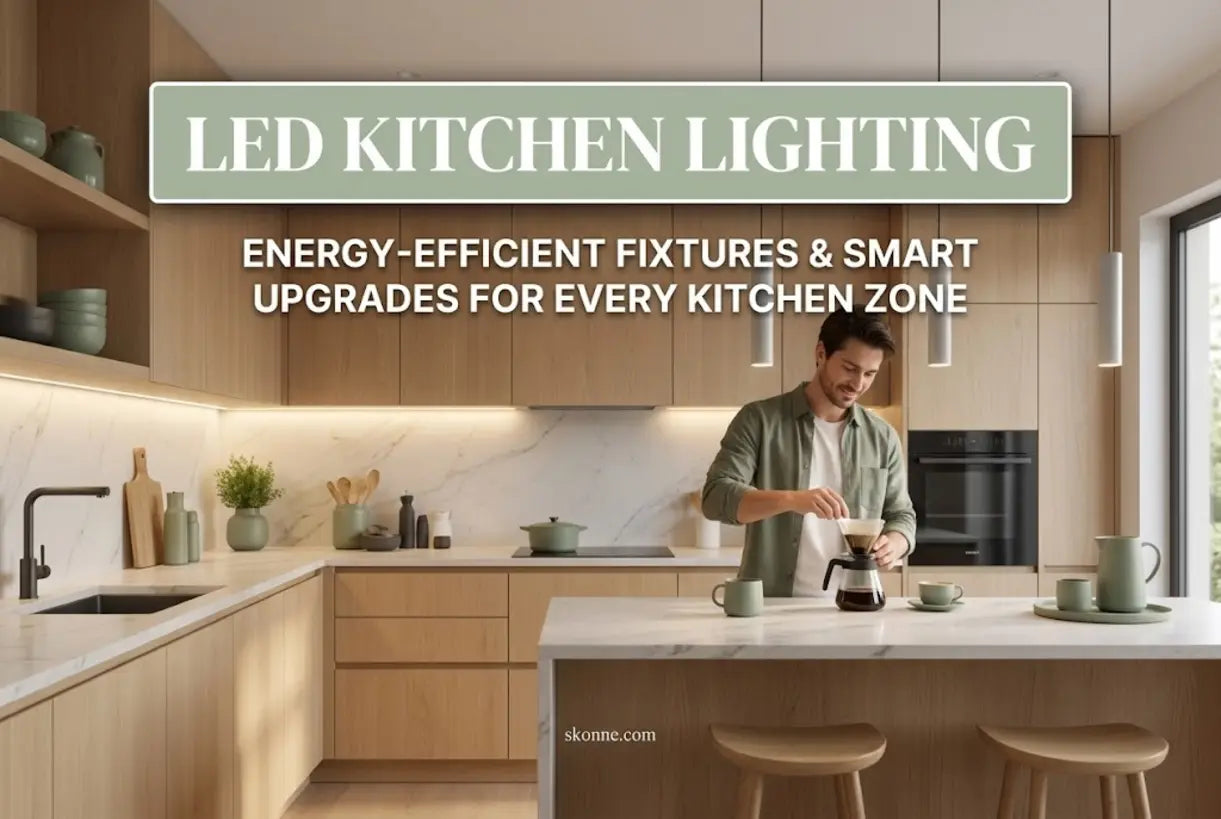
The kitchen is the heart of every home, and the right lighting transforms it from merely functional to truly magical. LED kitchen lighting has revolutionized how we illuminate our cooking spaces, offering remarkable energy efficiency without sacrificing warmth or style. Whether you're renovating your entire kitchen or simply upgrading outdated fixtures, understanding how to strategically place LED lights by zone can create an environment that's as practical for meal prep as it is inviting for casual gatherings.In this guide, we'll explore how to approach led kitchen lighting with intention—examining energy-efficient solutions for every corner of your cooking space, from task lighting that ensures perfect visibility to ambient layers that set the mood for entertaining. We'll also discover how Scandinavian design principles can elevate your LED fixtures into statement pieces that define your kitchen's character.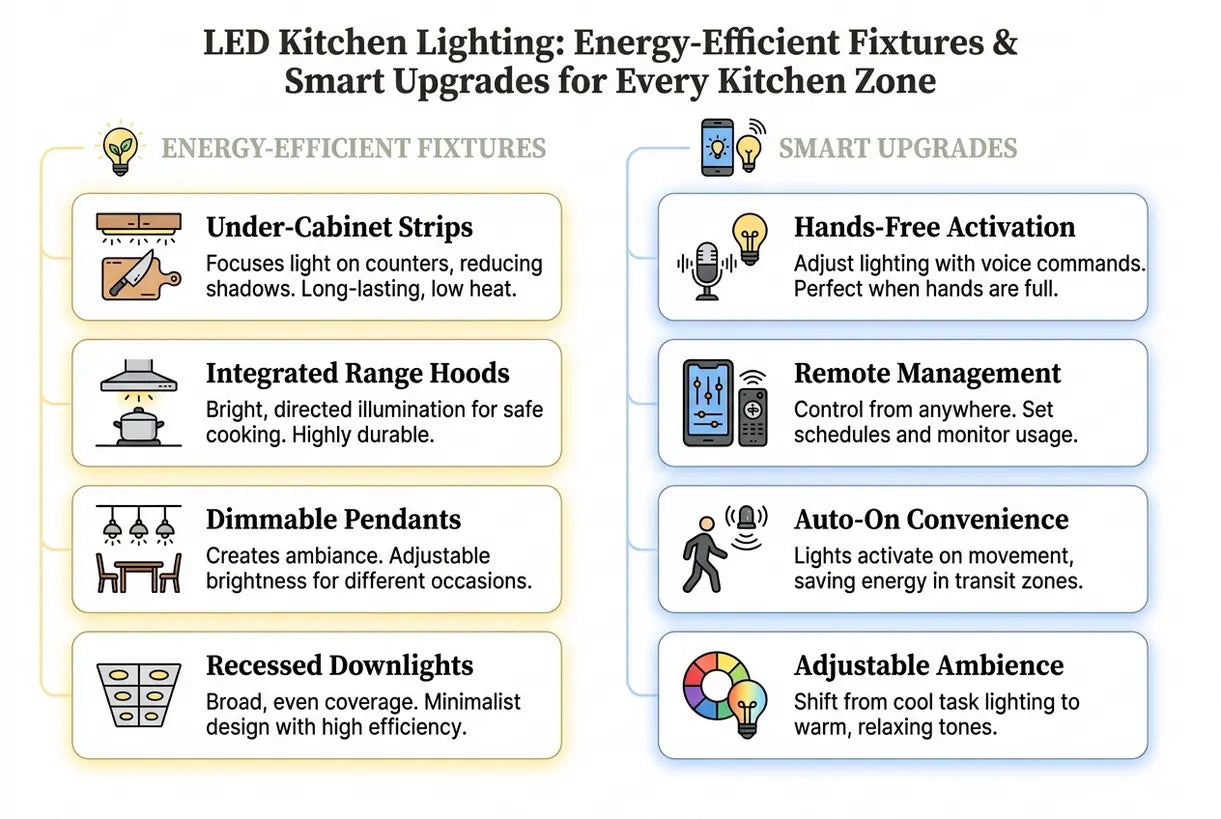
Understanding Kitchen Lighting Zones
Every well-lit kitchen operates on the principle of layered illumination. Instead of relying on a single ceiling fixture, effective LED kitchen designs divide the space into three distinct zones, each serving a unique purpose.Task lighting focuses on areas where precision matters most—your countertops, sink, and stove. This is where you chop vegetables, measure ingredients, and handle sharp tools. Bright, focused LED light in these zones reduces eye strain and increases safety.Ambient lighting provides overall illumination, filling the room with soft, diffused light that eliminates harsh shadows. This layer makes your kitchen feel welcoming and spacious.Accent lighting highlights architectural features, artwork, or open shelving, adding depth and visual interest. Under-cabinet LED strips and interior cabinet lighting fall into this category.Energy-Efficient LED Solutions by Zone
The transition to energy-efficient kitchen lighting isn't just environmentally conscious—it's financially savvy too. LED fixtures consume up to 75% less energy than traditional incandescent bulbs and can last 25 times longer, dramatically reducing replacement costs over time.Task Lighting for Work Surfaces
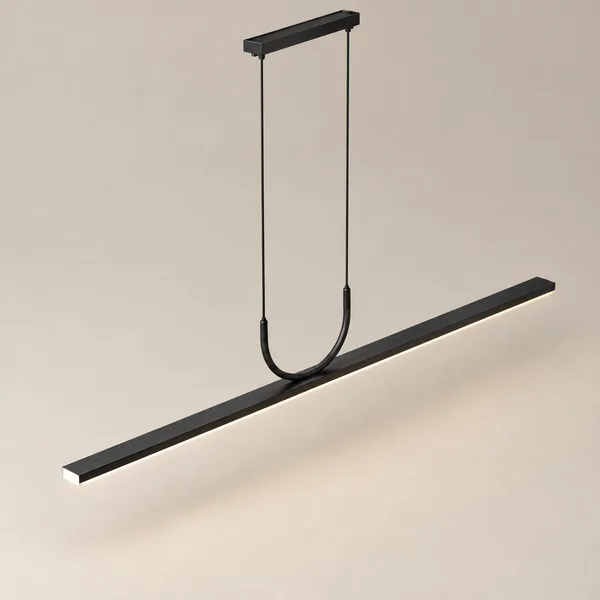
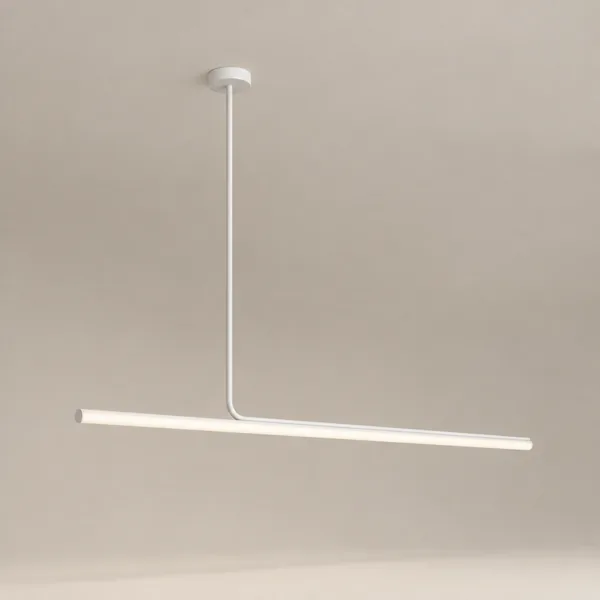
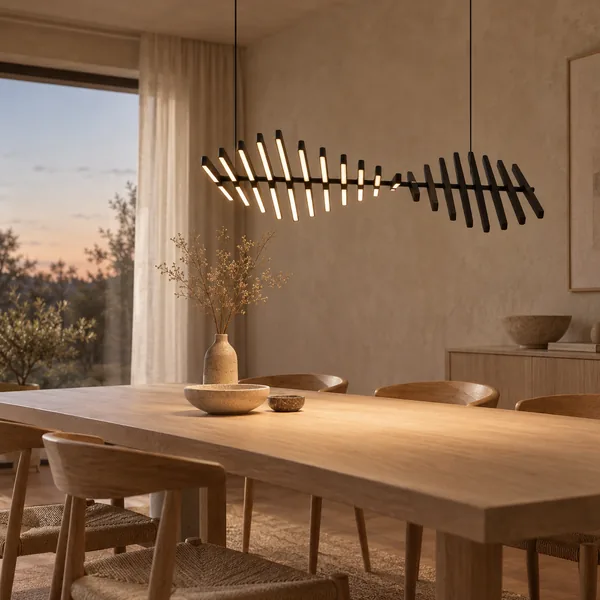
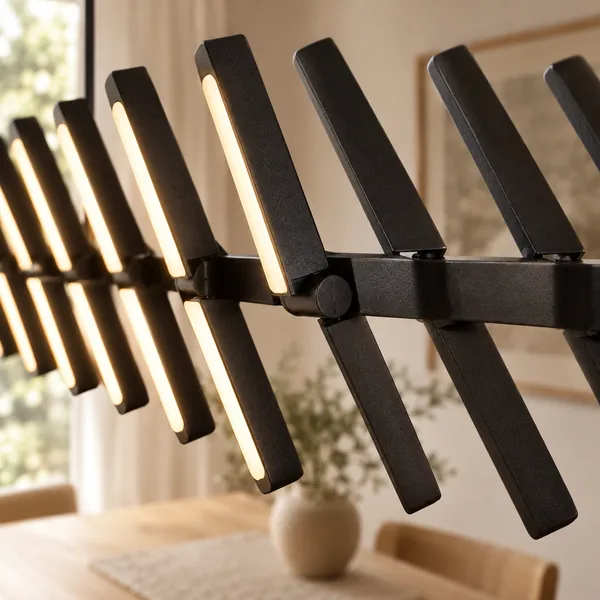
For food preparation areas, bright, cool-white LED bulbs with high color rendering index (CRI) are ideal. They reveal true colors of ingredients and provide the clarity needed for detailed work. Pendant lights suspended above kitchen islands serve dual purposes here—they offer focused downward illumination while anchoring the space visually.The Rekke Aluminum Linear LED Pendant Light Black exemplifies how task lighting can be both functional and sculptural. Its sleek linear form provides even, shadow-free illumination across your entire island workspace, while the Nordic minimalist design brings architectural clarity that Scandinavian design enthusiasts crave.Ambient Lighting for Overall Illumination
For ambient layers, consider LED ceiling fixtures with warm color temperatures (2700K-3000K). These create the hygge atmosphere that makes kitchens feel lived-in rather than clinical. Dimmable options allow you to adjust brightness based on time of day and activity—bright for morning routines, softer for evening wind-downs.Pendant Lights
Shop all Pendant Lights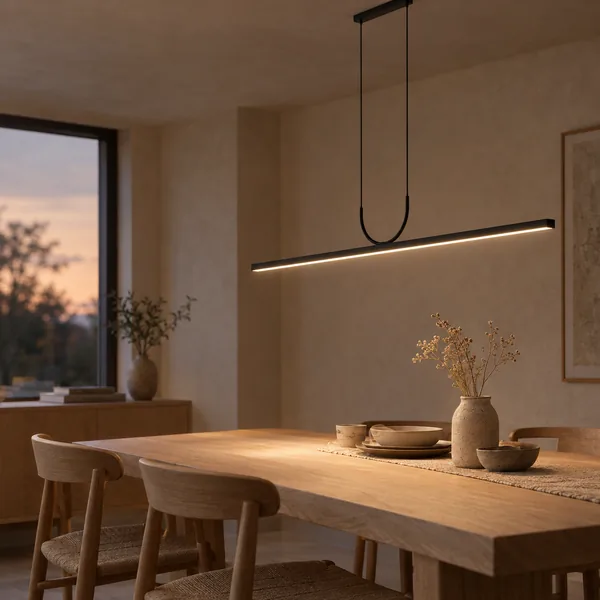
 Save $140.00
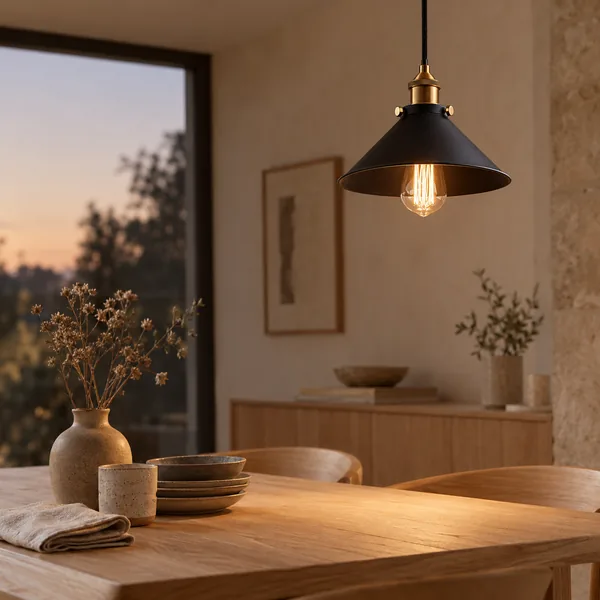
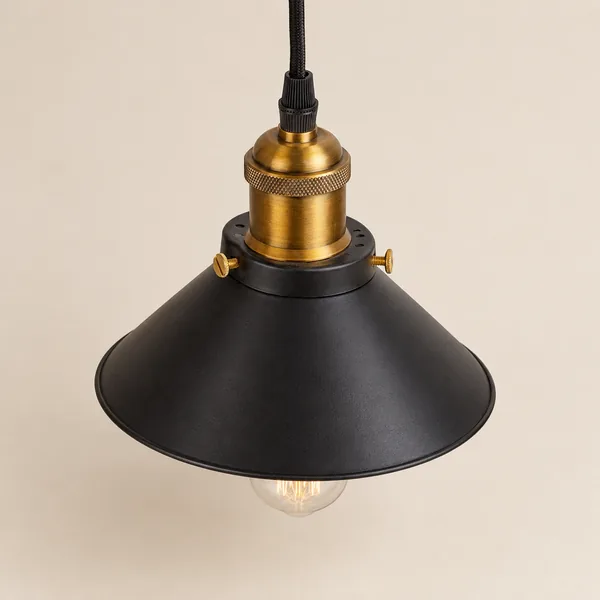
Linné Minimalist Linear Black LED Pendant Light
 Save $60.00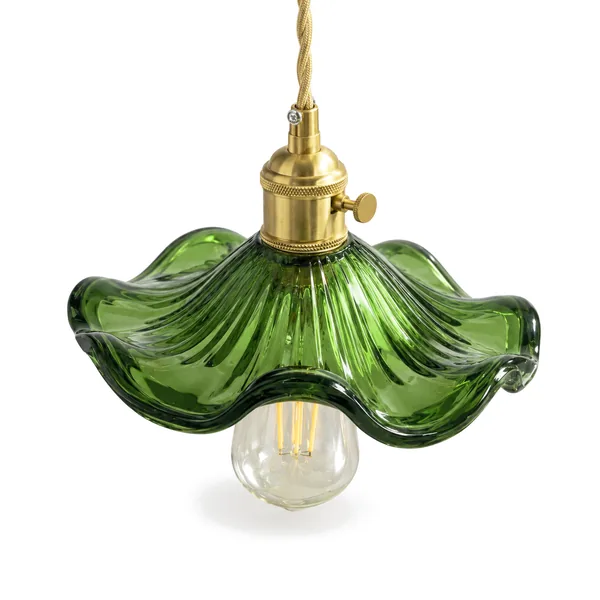
 3 options
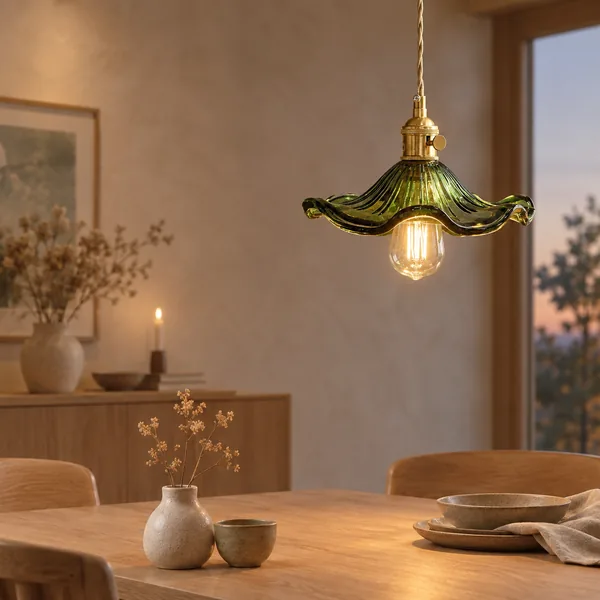
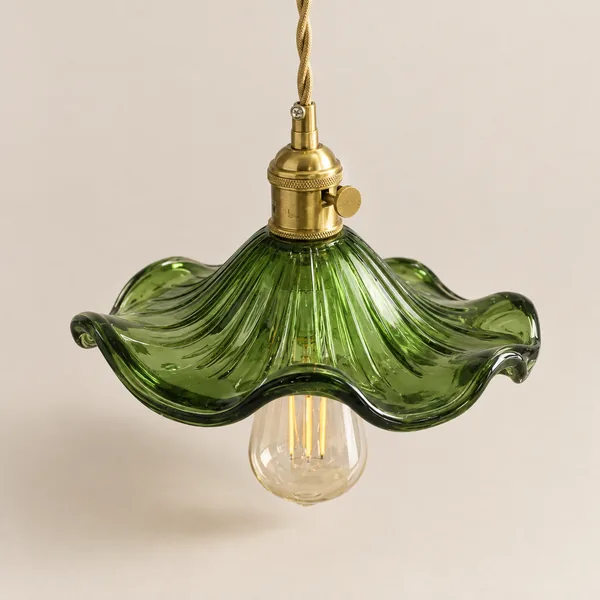
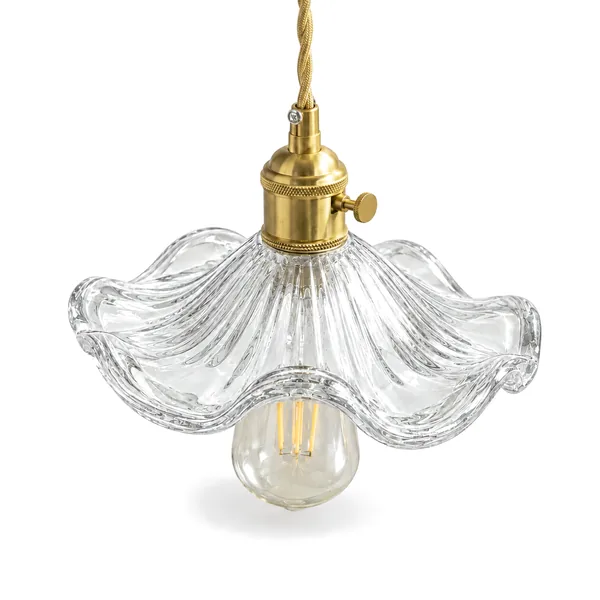
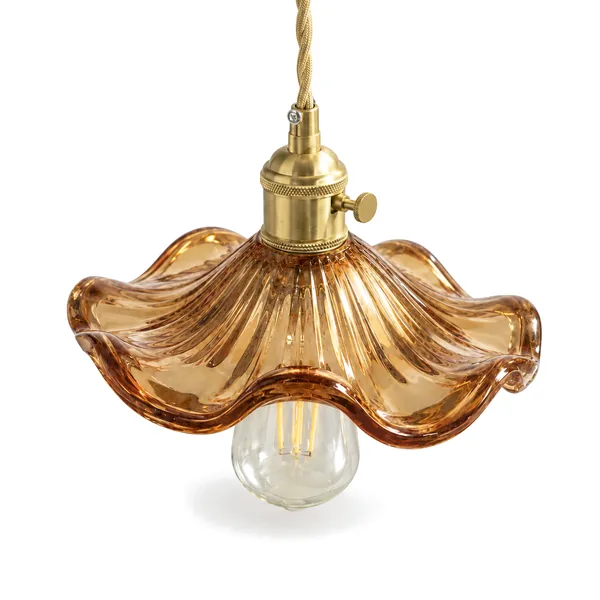
Glora Nordic Glass Pendant Light with Copper
 Save $120.00
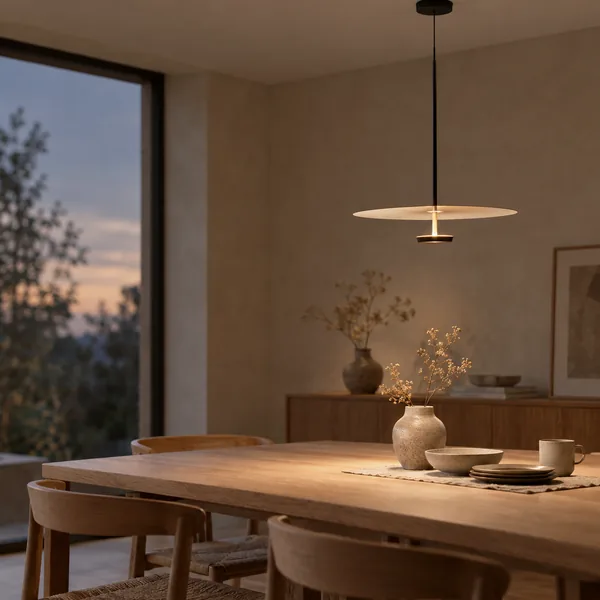
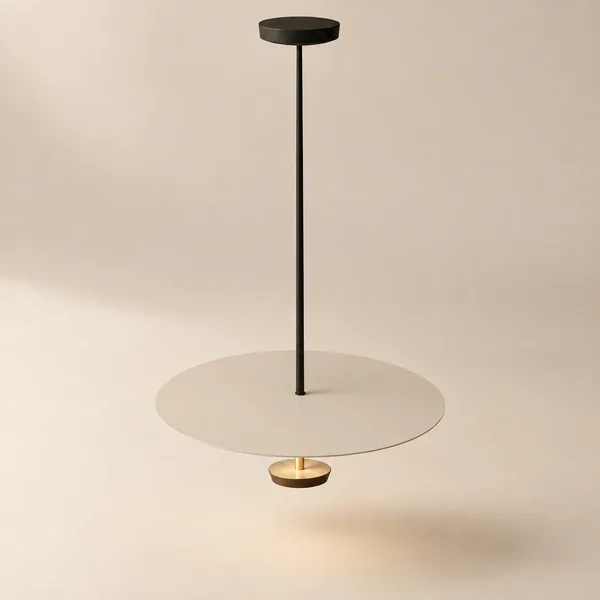
Skiva Nordic Saucer Ceiling Pendant Light LED
The key to successful ambient lighting is distribution. A single fixture can leave corners shadowy and unwelcoming. Instead, consider multiple light sources or fixtures with wide beam angles that spread light evenly throughout the space.
Smart LED Upgrades for Modern Kitchens
Today's smart kitchen lighting systems go far beyond simple on-off switches. Smart LED technology allows you to control brightness, color temperature, and scheduling from your smartphone or through voice commands. Some systems even adjust automatically based on natural light levels or time of day.When planning your smart upgrades, consider compatibility with existing ecosystems. Many LED fixtures now work seamlessly with popular platforms, allowing you to integrate kitchen lighting with the rest of your home automation.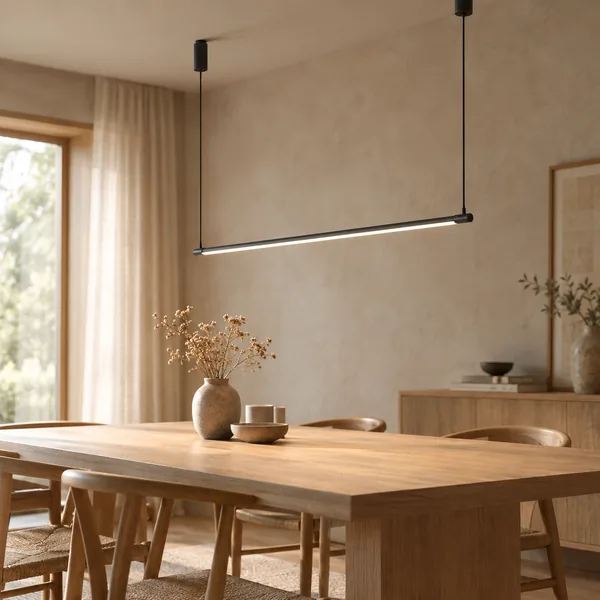 Rekke Aluminum Linear LED Pendant Light Black$229.00$359.00
Dimmable and Warm White Options
Dimmable kitchen LED fixtures have become essential for modern homes. The ability to transition from bright task lighting to soft ambient glow means one fixture can serve multiple purposes throughout the day. Warm white LEDs (2700K-3000K) mimic the cozy feeling of candlelight, perfect for creating that Scandinavian hygge atmosphere during evening gatherings.For those seeking sculptural options that double as art, the Glødform Nordic Hand-Blown Glass Pendant Light offers a unique approach to ambient lighting. Each hand-blown piece diffuses light uniquely, creating soft, artistic illumination that transforms any kitchen into a curated space.Elevate Your Island Lighting
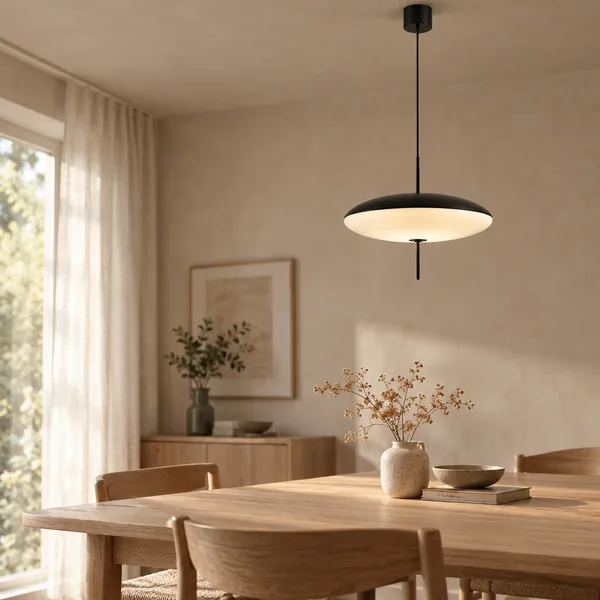 Skiva Saucer Nordic LED Pendant Ceiling Light$179.00$219.00
Linear Pendant Lights
Shop all Linear Pendant Lights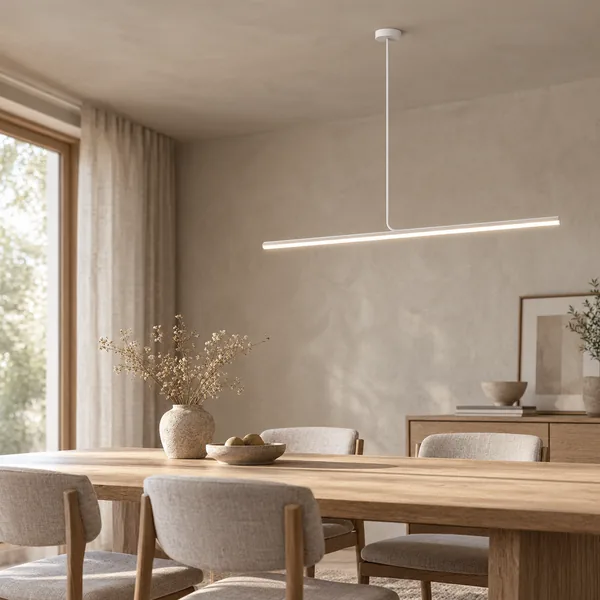
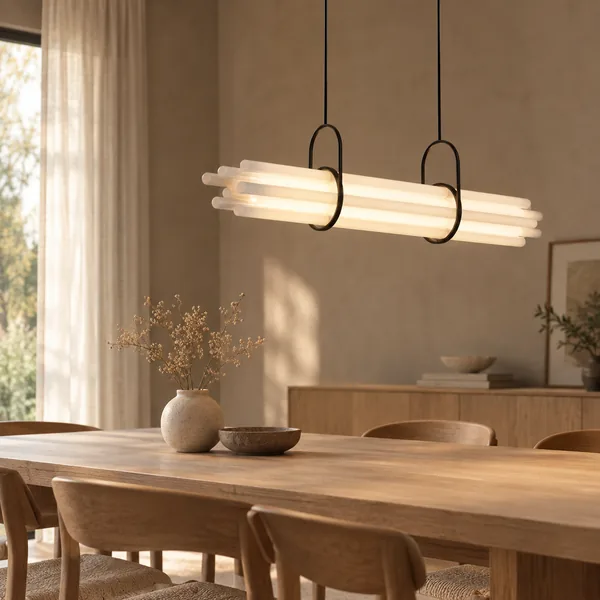
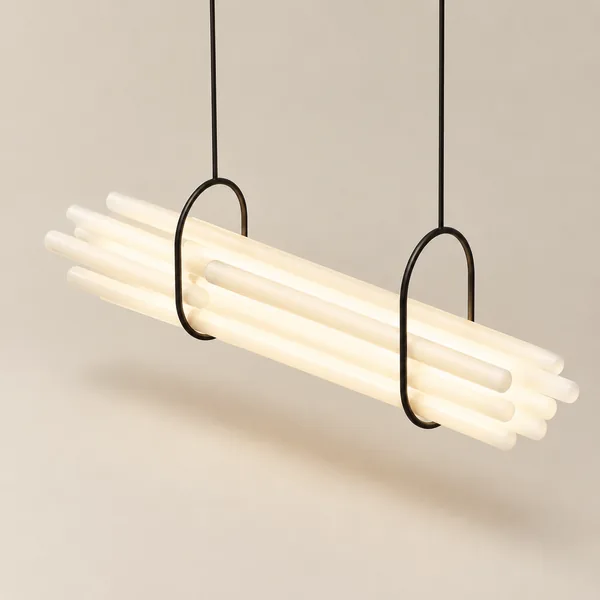
Designing with Scandinavian LED Aesthetics
Scandinavian kitchen lighting embraces the philosophy that form follows function, but never forgets beauty. Nordic LED fixtures are characterized by clean lines, natural materials, and a focus on quality craftsmanship that makes everyday objects feel special.The Skiva Saucer Nordic LED Pendant Ceiling Light embodies these principles with its clean saucer shape and gentle shadow-softened illumination. The adjustable suspension allows you to customize the height for different ceiling heights and island configurations.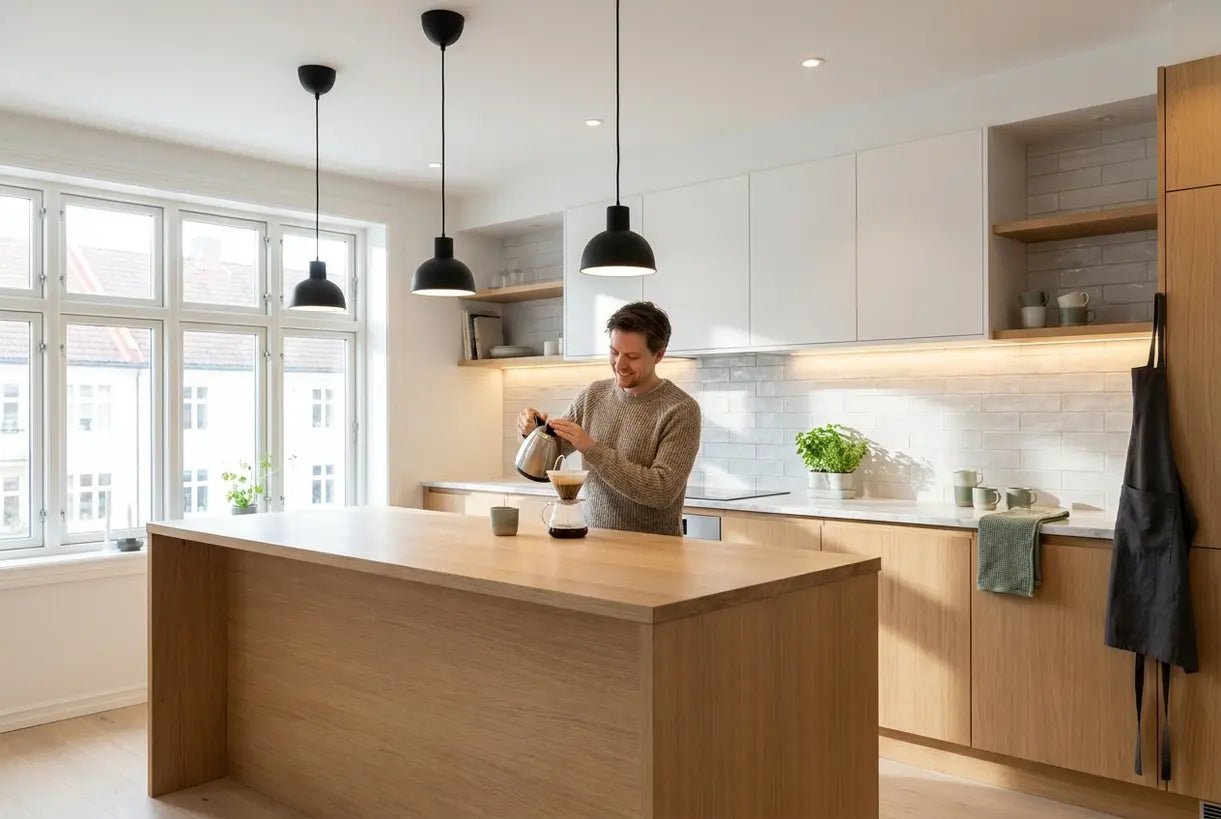 When layering your kitchen lighting, consider how each fixture contributes to the overall Scandinavian aesthetic you're creating. Materials matter—brushed aluminum, hand-blown glass, and matte black finishes complement the clean surfaces typical of Nordic design. For those looking to explore more options, our Mounted Ceiling Lights collection offers a curated selection of fixtures that harmonize beautifully with this design philosophy.A well-designed Scandi kitchen prioritizes warmth through lighting quality rather than quantity. The goal is quality illumination that creates calm rather than overwhelm.
Conclusion
Creating the perfect LED kitchen lighting scheme requires understanding your space's functional needs while staying true to your design vision. By approaching your kitchen in zones—task, ambient, and accent—you ensure every area receives appropriate, energy-efficient illumination. Smart LED features and dimmable options add flexibility that modern homes demand, allowing your kitchen to adapt from productive workspace to intimate gathering spot.At Skonne, we believe lighting should do more than illuminate—it should inspire. Our collection of Scandinavian-inspired LED fixtures brings together energy efficiency, intelligent design, and the warm, intentional aesthetic that makes a house feel like home. Whether you're drawn to the architectural precision of linear pendants or the artistry of hand-blown glass, the right LED kitchen lighting transforms not just how you see your space, but how you feel within it.Related Article
Recessed Kitchen Lighting: Layout, Spacing & Planning Guide for Can Lights in Your KitchenLearn how to plan recessed kitchen lighting for your kitchen remodel. Our guide covers layout, spacing, and placement tips for optimal illumination.
Frequently asked questions
The best LED lights for kitchens depend on the zone. For task areas like countertops and islands, choose bright, cool-white LEDs (4000K-5000K) with high CRI for color accuracy. For ambient lighting, warm white LEDs (2700K-3000K) create a welcoming atmosphere. Dimmable options offer flexibility for different times and activities.
Yes, LED lights can affect circadian rhythm. Cool-white LEDs (4000K+) emit more blue light, which can suppress melatonin production and disrupt sleep if used in the evening. Warm white LEDs (2700K-3000K) are better for evening use. Smart LED systems can automatically adjust color temperature throughout the day to support natural circadian rhythms.
LED lights are excellent for kitchens. They provide bright, directional light perfect for cooking tasks while consuming 75% less energy than incandescent bulbs. LEDs produce minimal heat, which is ideal in cooking spaces, and their long lifespan means less frequent replacement. Modern LED fixtures also offer excellent color rendering for food presentation.
Current kitchen lighting trends include layered LED lighting with smart controls, sculptural pendant lights over islands, integrated under-cabinet LED strips, and warm, natural color temperatures. Scandinavian minimalism continues to influence design, with clean lines and natural materials. Hidden lighting and integrated fixtures that blend into cabinetry are increasingly popular.
Choose LED kitchen lighting by first identifying your zones: task lighting for work surfaces needs bright, focused light; ambient lighting should be warm and diffused; accent lighting highlights features. Consider color temperature, lumens, CRI rating, and dimmability. Measure your space and plan fixture placement before purchasing.
The best LED ceiling lighting depends on ceiling height and kitchen layout. Flush-mount or semi-flush fixtures work well for standard ceilings. For higher ceilings, consider pendant lights or chandeliers with multiple LED bulbs. Recessed LED downlights provide clean, modern illumination. For energy efficiency and design impact, LED pendant clusters over islands are popular choices.
LED strip lights are excellent for kitchens, particularly for under-cabinet lighting and accent illumination. They provide even, continuous light along countertops without shadows from upper cabinets. Strip lights are energy-efficient, low-profile, and can be cut to custom lengths. They're ideal for task lighting and can also be used inside cabinets, under toe kicks, or along floating shelves.
Kitchen lighting generally requires 3,000-4,000 lumens for ambient lighting in a standard-sized kitchen. Task areas like food prep zones need 300-500 lumens per square meter. Kitchen islands typically need 35-50 lumens per square foot. For dining areas within the kitchen, 300-400 lumens per square meter is sufficient. Combine multiple fixtures to reach these targets while creating layered lighting.