
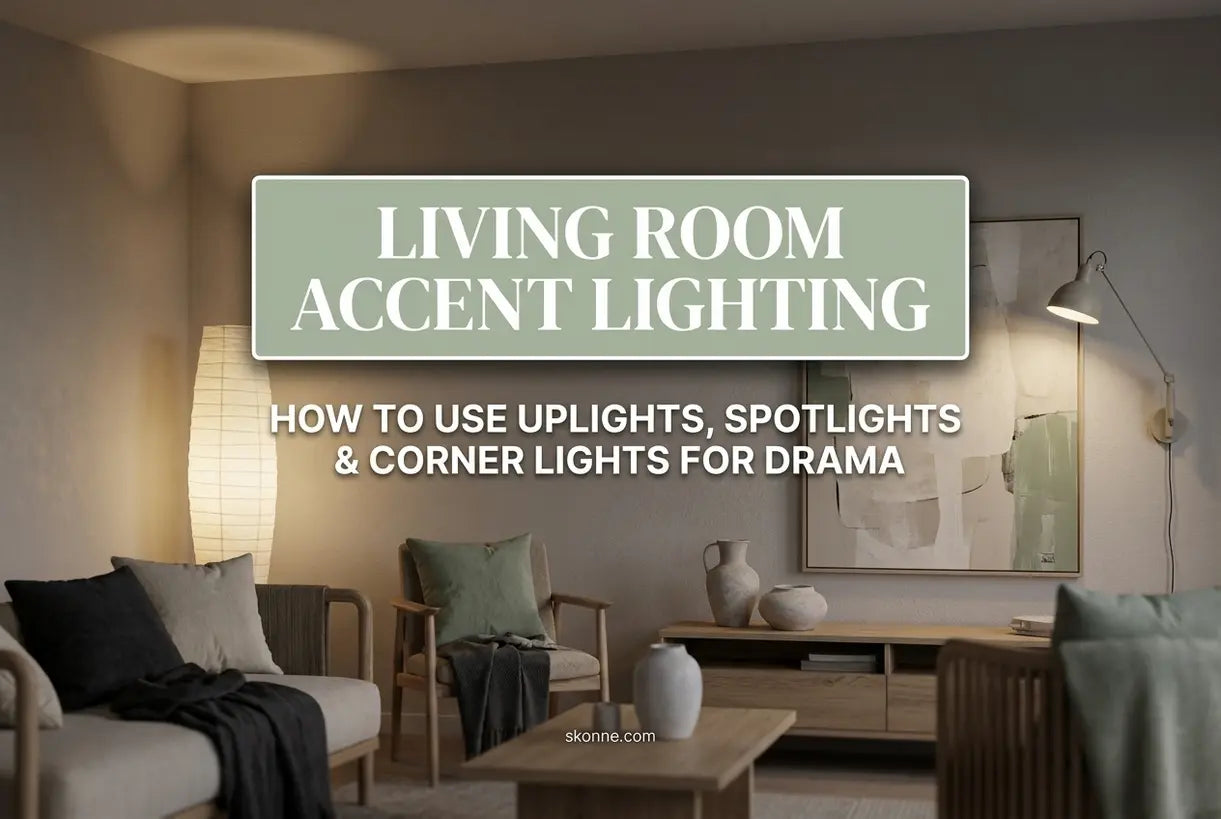
Living Room Accent Lighting: How to Use Uplights, Spotlights & Corner Lights for Drama
Summary›
- Understanding Living Room Accent Lighting
- The Power of Uplighting in Living Rooms
- Spotlight Techniques for Drama
- Corner Lighting Ideas That Transform Spaces
- Layered Lighting Techniques: The Complete Picture
- Accent Lighting Placement Rules
- Avoiding Common Lighting Mistakes
- Conclusion: Crafting Your Lighting Story
When the sun sets and natural light fades, your living room has the potential to transform into something truly magical. Living room accent lighting isn't just about banishing shadows—it's about sculpting space, creating atmosphere, and infusing your home with that coveted Scandinavian hygge feeling. Whether you're curling up with a book or hosting an intimate gathering, the right accent lighting placement can elevate your space from merely functional to emotionally resonant. At Skonne, we believe that lighting is the unsung hero of interior design, and with the right combination of uplights, spotlights, and corner lights, you can create drama and depth that feels both curated and intentional.
Understanding Living Room Accent Lighting
Accent lighting serves a distinct purpose in your lighting scheme: it draws attention to architectural features, artwork, and design elements while adding layers of visual interest. Unlike general ambient lighting that fills a room with uniform brightness, accent lighting creates pockets of illumination that guide the eye and establish focal points.
The beauty of layered lighting techniques lies in their ability to work together harmoniously. When you combine uplighting, spot lighting, and corner lighting ideas, you're not just adding light sources—you're creating a three-dimensional experience. This approach allows you to control the mood of your space throughout the day, adapting from productive afternoon brightness to intimate evening ambiance.
Modern interior design has moved away from relying solely on harsh overhead fixtures. Instead, designers and homeowners alike are embracing indirect lighting living room schemes that wash walls with gentle illumination, highlight textures, and create that sought-after warm glow that makes spaces feel instantly welcoming.
The Power of Uplighting in Living Rooms
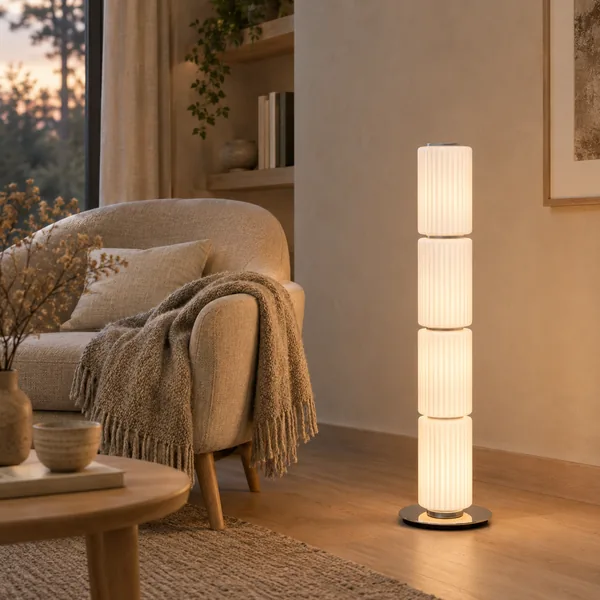
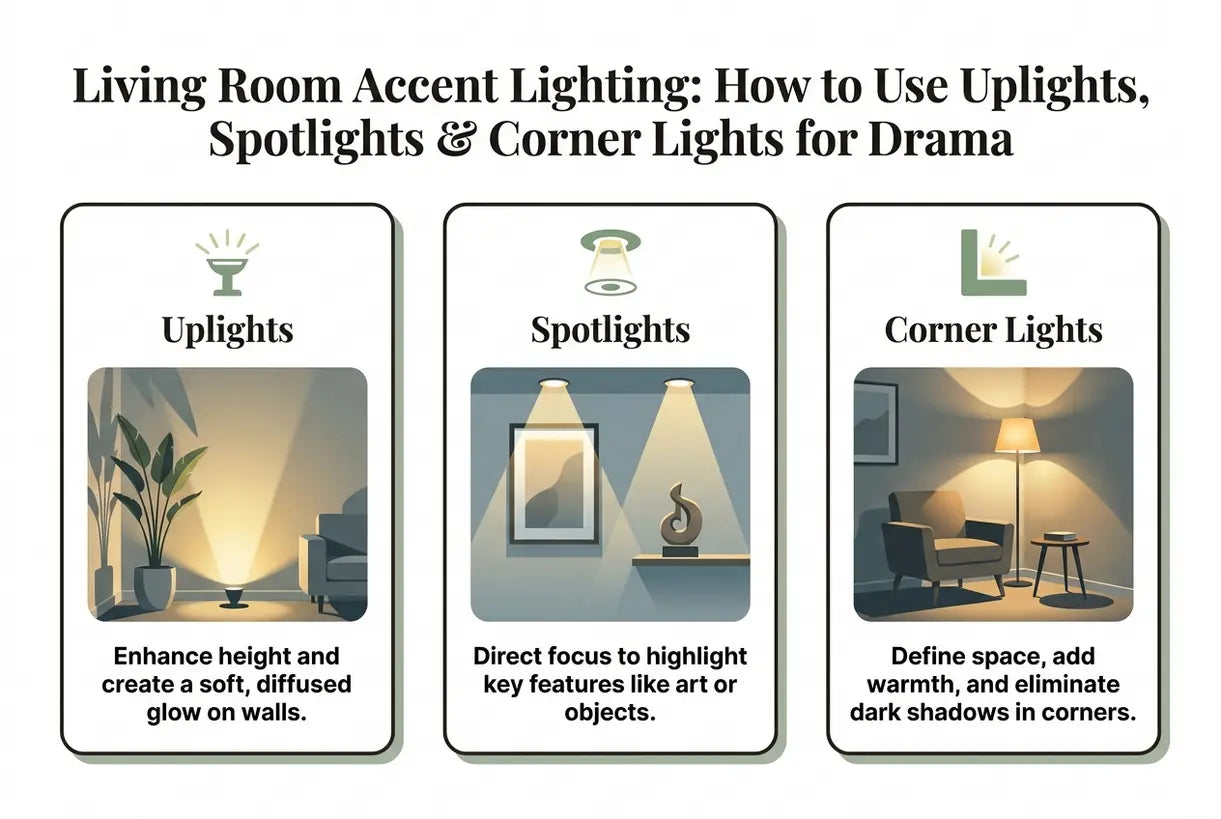
Uplighting for living rooms is perhaps the most transformative technique in the accent lighting toolkit. By directing light upward rather than downward, you create dramatic vertical emphasis that draws the eye upward, making ceilings appear higher and rooms feel more expansive.
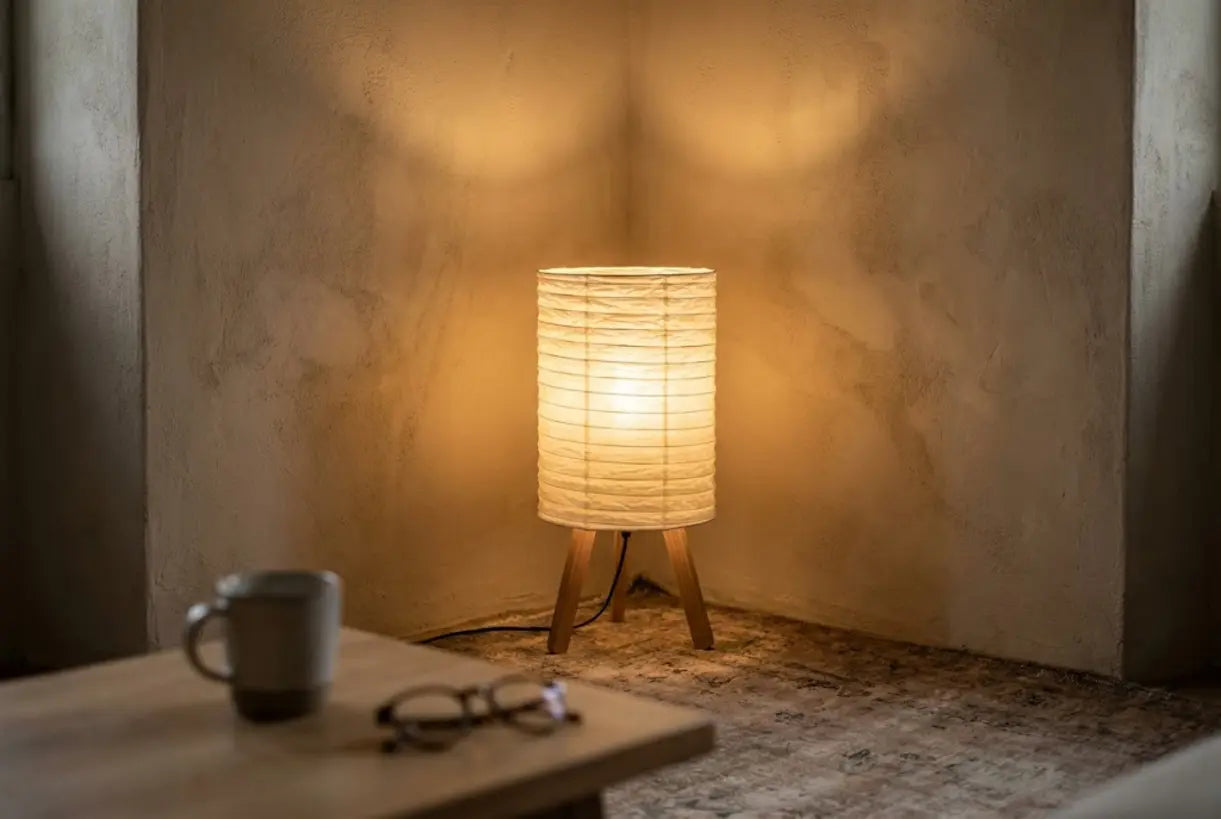
The magic of up lighting living room installations lies in their ability to create soft, enveloping pools of illumination. When light washes up a textured wall, it reveals subtle surface variations that would otherwise disappear in flat overhead lighting. This technique is particularly effective in Scandinavian-inspired interiors, where natural materials and tactile surfaces deserve to be showcased.
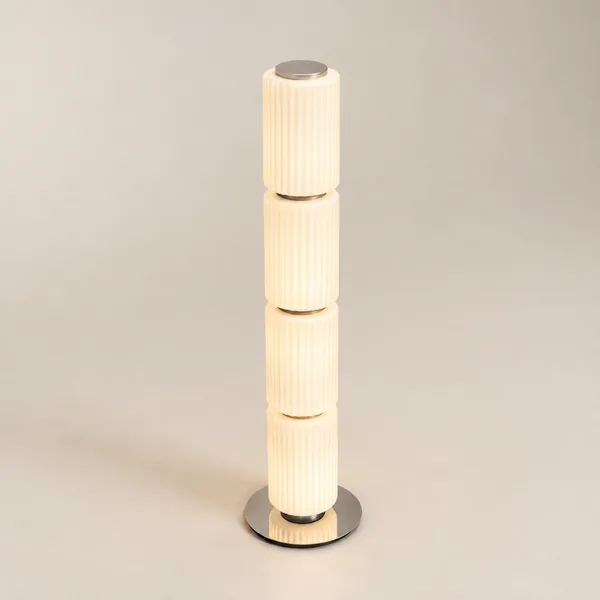
For corner placement, floor lamps with translucent shades work beautifully to bounce light off walls and ceilings simultaneously. The Stillvei Wabi-Sabi Rice Paper Floor Lamp 57in exemplifies this approach perfectly. Standing at 57 inches, this sculptural piece transforms any forgotten corner into a focal point, casting soft, enveloping uplighting that creates dramatic living room ambiance. The rice paper diffuser gently filters light upward, eliminating harsh glare while bathing your space in warm, ambient glow.
Living Room Lighting
Shop all Living Room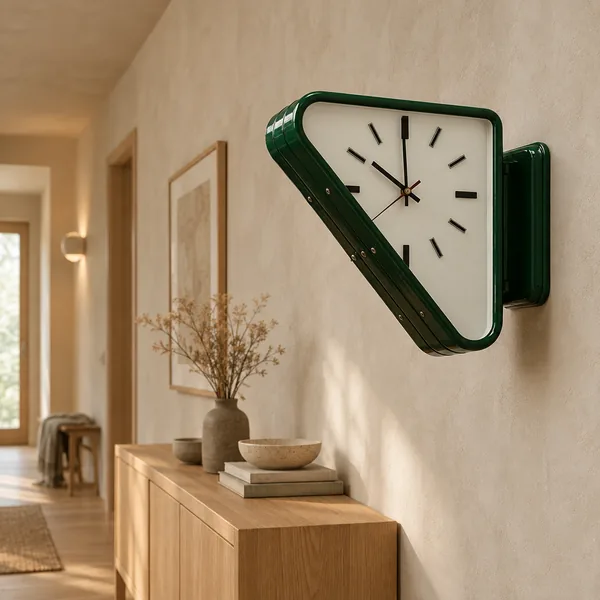
 Save $110.00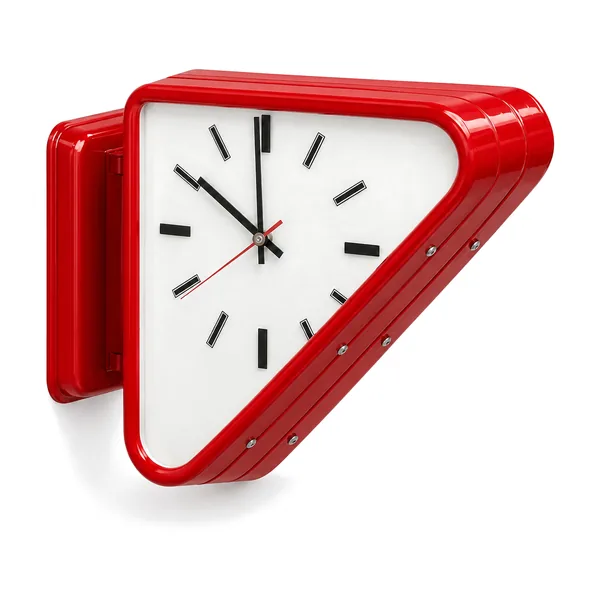
 +15 options
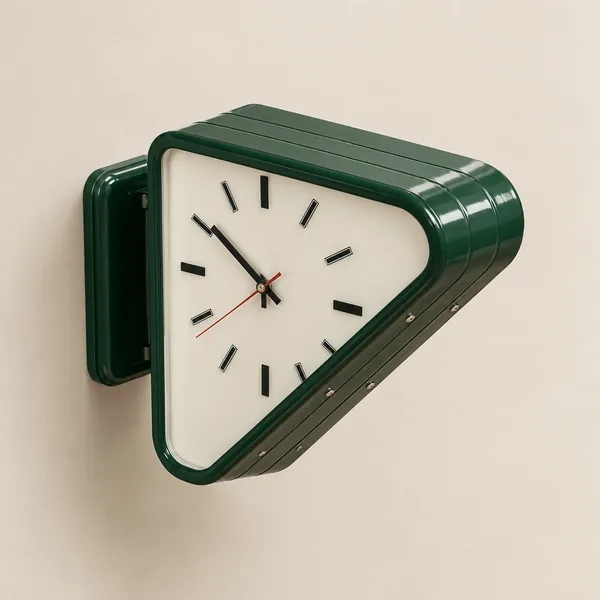
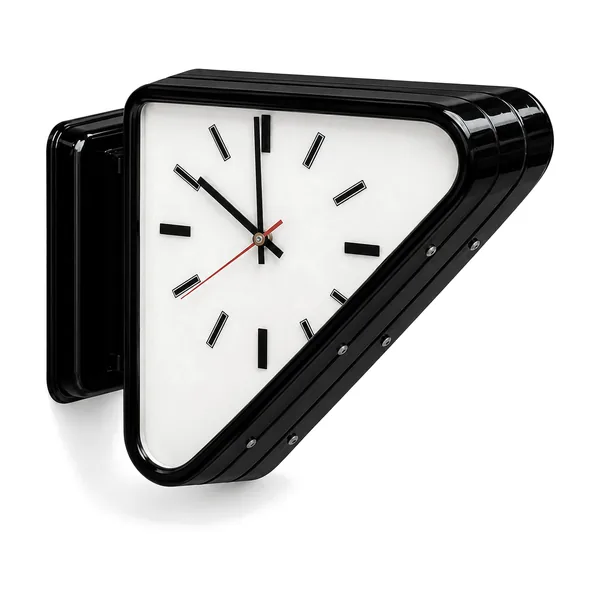
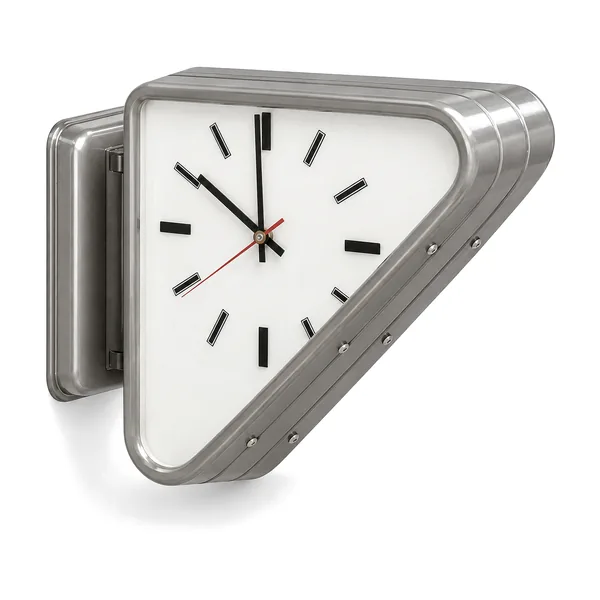
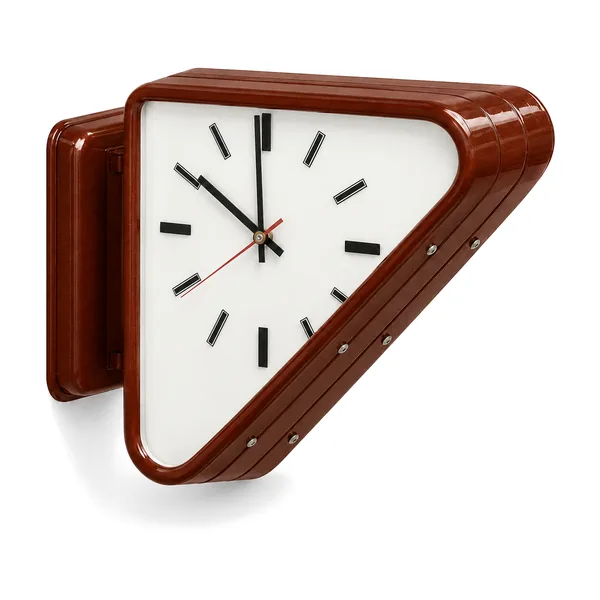
Tvilling Dual-Sided Geometric Metal Wall Clock
 Save $70.00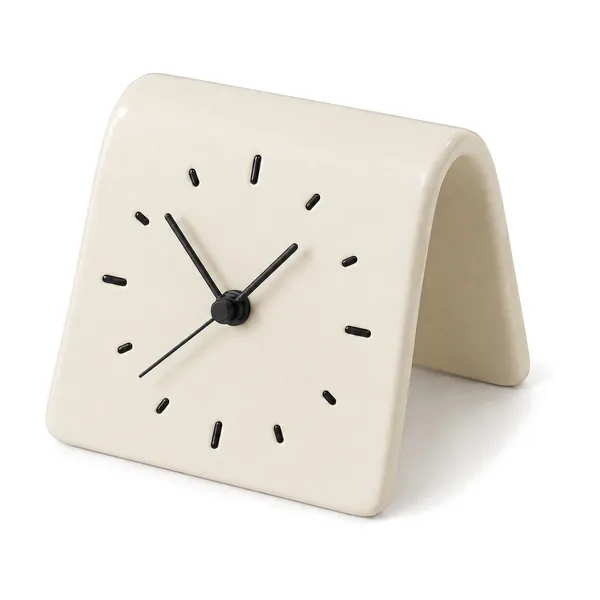
 +37 options
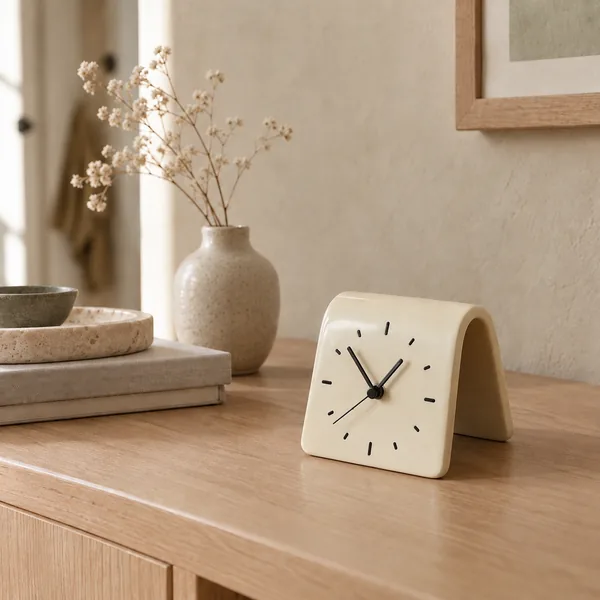
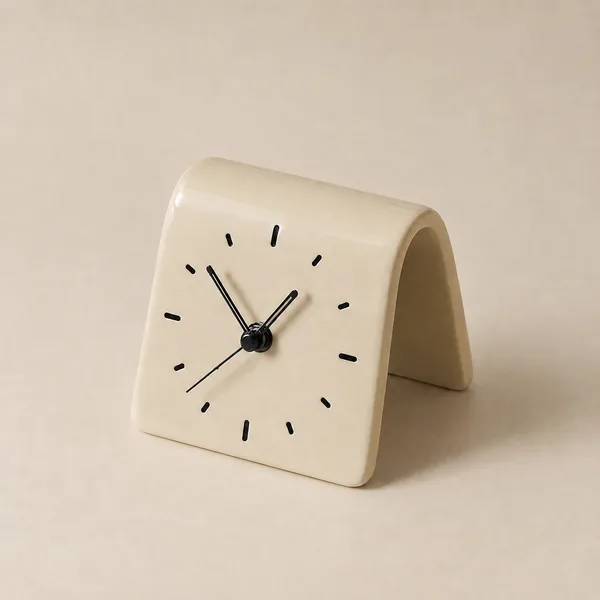
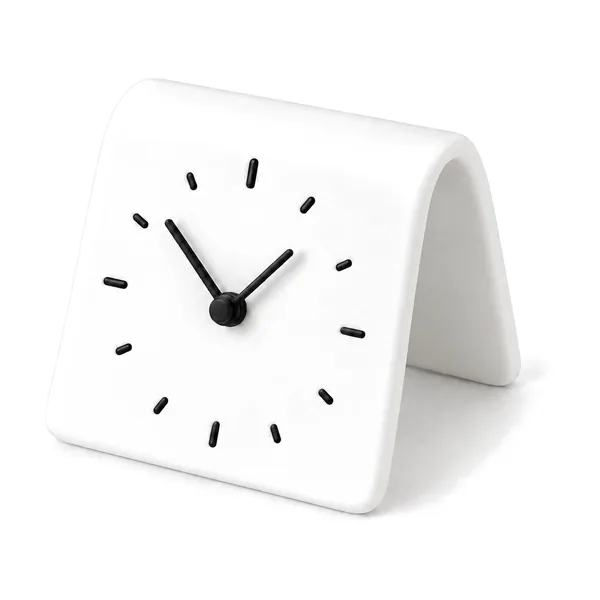
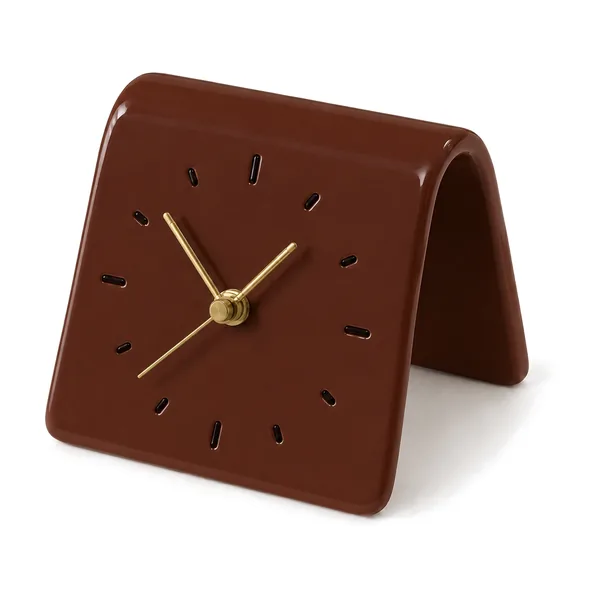
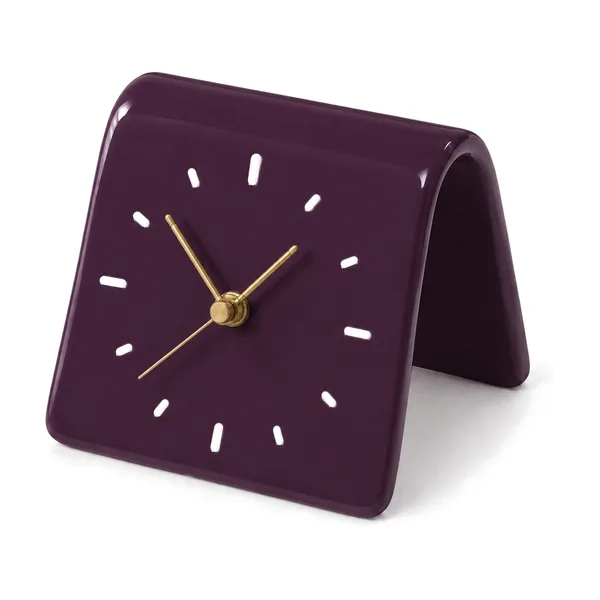
Tilje Silent Ceramic Desk Clock for Modern Homes
Placement Strategies for Maximum Impact
Positioning is everything when it comes to uplighting. For corner lighting ideas, place your uplight approximately 6-12 inches from the wall to allow the light to spread and soften before hitting the surface. This distance creates a gentle gradient rather than a harsh hot spot.
Consider these strategic uplighting placements:
- Behind large furniture pieces to create depth and eliminate dark voids
- Adjacent to textured walls to highlight brick, stone, or plaster finishes
- In corners to visually expand room boundaries
- Behind plants to create dramatic shadow play and silhouette effects
Spotlight Techniques for Drama
While uplighting creates ambient atmosphere, living room spot lighting brings precision and intention to your design. Spotlights and directional fixtures allow you to curate what deserves attention in your space—whether that's a gallery wall, a statement sculpture, or simply a cozy reading chair.
Unlike the broad wash of uplighting, spot lighting creates defined cones of illumination that command attention. This contrast between light and shadow is what creates visual drama. When you isolate certain elements while allowing others to recede into gentle darkness, you guide the viewer's experience of the space.
Task-oriented spot lighting also serves practical purposes in living areas. The Mysa Minimalist Velvet Fabric Shade Floor Lamp demonstrates how downward-focused spot lighting can create intimate zones within larger spaces. Its velvet fabric shade directs light precisely where needed, making it perfect for reading nooks and accent areas. The downward illumination creates a pool of light that invites you to settle in, making it ideal for creating those cozy moments that define Scandinavian living.
Corner Lighting Ideas That Transform Spaces
Corners are often the most underutilized real estate in living rooms. Left unlit, they become dark voids that visually shrink your space. But with thoughtful accent lighting placement, corners become opportunities for drama and depth.
Corner lighting serves multiple purposes simultaneously: it eliminates harsh shadows, creates the illusion of larger space, and provides that essential layer of illumination that makes a room feel finished. When you light corners effectively, you create a continuous visual flow that draws the eye around the entire perimeter of the room.
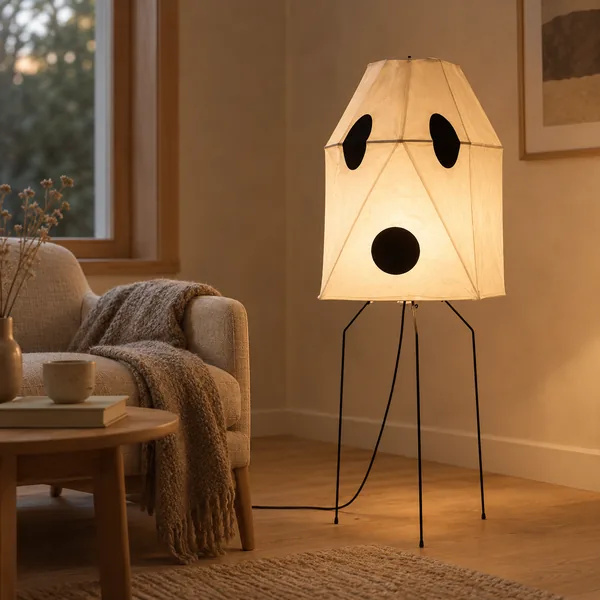 Stillvei Wabi-Sabi Rice Paper Floor Lamp 57in$389.00$529.00
When approaching dramatic living room lighting, consider corner placement essential rather than optional. A well-placed corner fixture can serve as an anchor point that balances the visual weight of other lighting elements in the room. The key is selecting pieces that contribute to the overall aesthetic while providing functional illumination.
Layered Lighting Techniques: The Complete Picture
The secret to professional-quality lighting design lies in layering multiple types of illumination. Think of it as painting with light—each layer contributes to the final composition. The foundational layer provides general visibility, while accent layers add depth, texture, and emotional resonance.
Modern lighting design follows what professionals call the 5-7 light rule (more on this in our FAQ section). This guideline suggests using five to seven different light sources in a typical living room to create sufficient depth and avoid the flat, unflattering effect of single-source lighting. These sources should work at different heights and intensities to create a rich, dimensional environment.
For those looking to explore more options, our Adjustable Wall Lights collection offers a curated selection of fixtures that allow you to fine-tune your accent lighting placement, directing illumination exactly where your space needs it most.
Creating Visual Hierarchy
Effective layered lighting establishes a visual hierarchy that guides how people experience your space. Start with the lowest level—floor lamps and uplights that graze surfaces and create ambient glow. Add middle-layer illumination from table lamps and wall sconces that provide intimate pools of light at seating height. Finally, incorporate directional accent lighting that highlights specific features and creates those moments of drama that make spaces memorable.
Accent Lighting Placement Rules
Understanding where to place accent lighting is as important as selecting the right fixtures. Poor placement can create unwanted glare, harsh shadows, or missed opportunities to highlight your room's best features.
When planning your accent lighting placement, consider the architectural features you want to emphasize. Artwork typically benefits from lighting positioned at a 30-degree angle to minimize glare and provide even illumination. Textured walls look stunning when grazed with light placed close to the surface—usually within 12 inches—to accentuate every bump and groove.
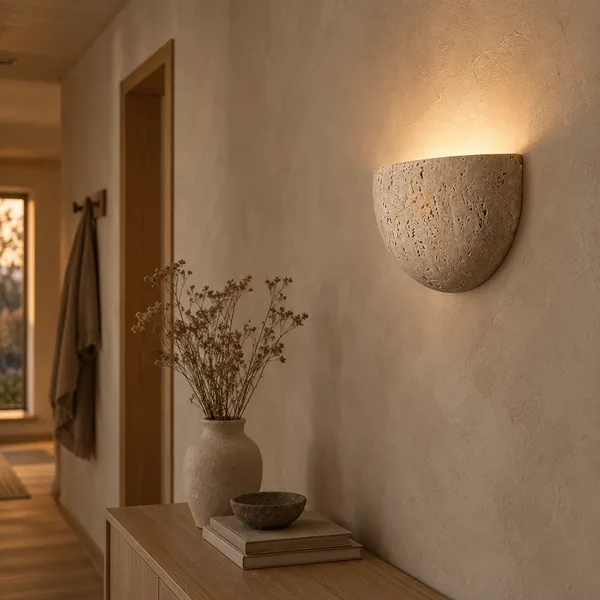
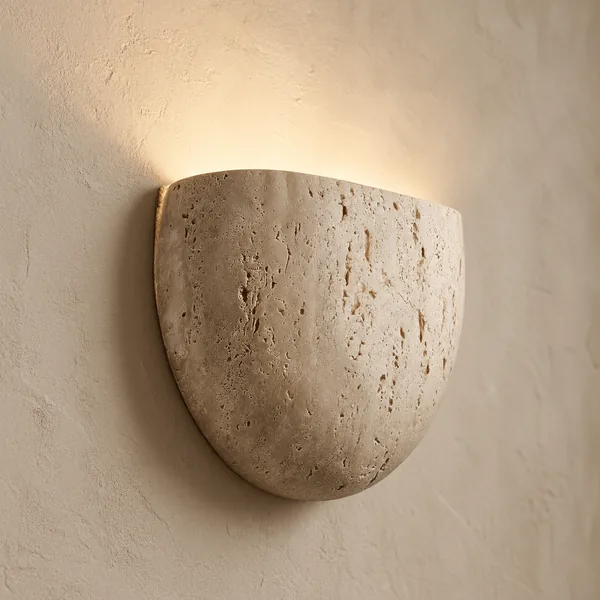
Wall sconces serve as versatile workhorses in accent lighting schemes. They free up valuable floor and table space while providing both ambient and directional light. The Eldorm Handcrafted Wabi-Sabi Iron Wall Sconce brings artisanal craftsmanship to this category, providing focused accent lighting that's perfect for highlighting architectural features. Its handcrafted iron construction adds sculptural interest even when unlit, embodying the Scandinavian principle that functional objects should also be beautiful.
Scandinavian Accent Lights for Every Space
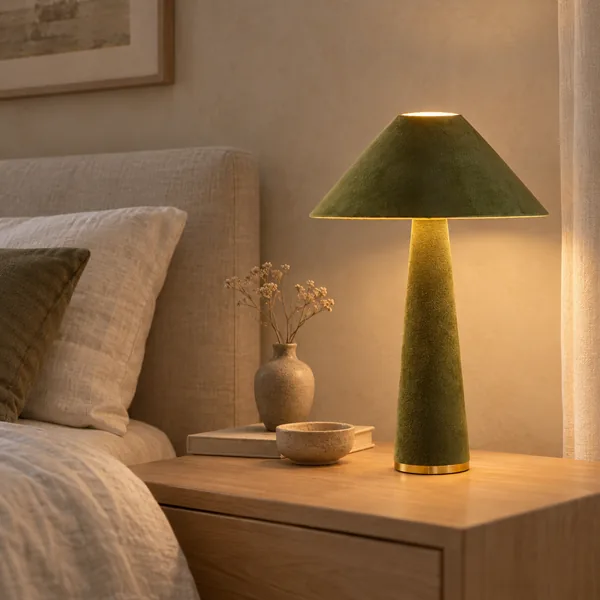 Mysa Minimalist Velvet Fabric Shade Table Lamp$659.00$1,019.00
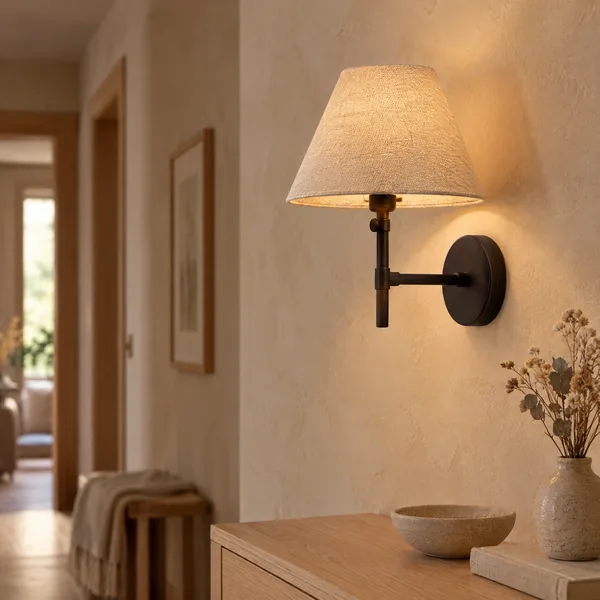 Eldorm Handcrafted Wabi-Sabi Iron Wall Sconce$199.00$259.00
Height and Spacing Guidelines
For optimal results, follow these spacing principles:
- Space wall sconces 6-8 feet apart for even wall washing
- Position picture lights 6-12 inches above artwork frames
- Place floor lamps at least 3 feet from seating to avoid glare
- Keep uplights 6-12 inches from walls for soft gradient effects
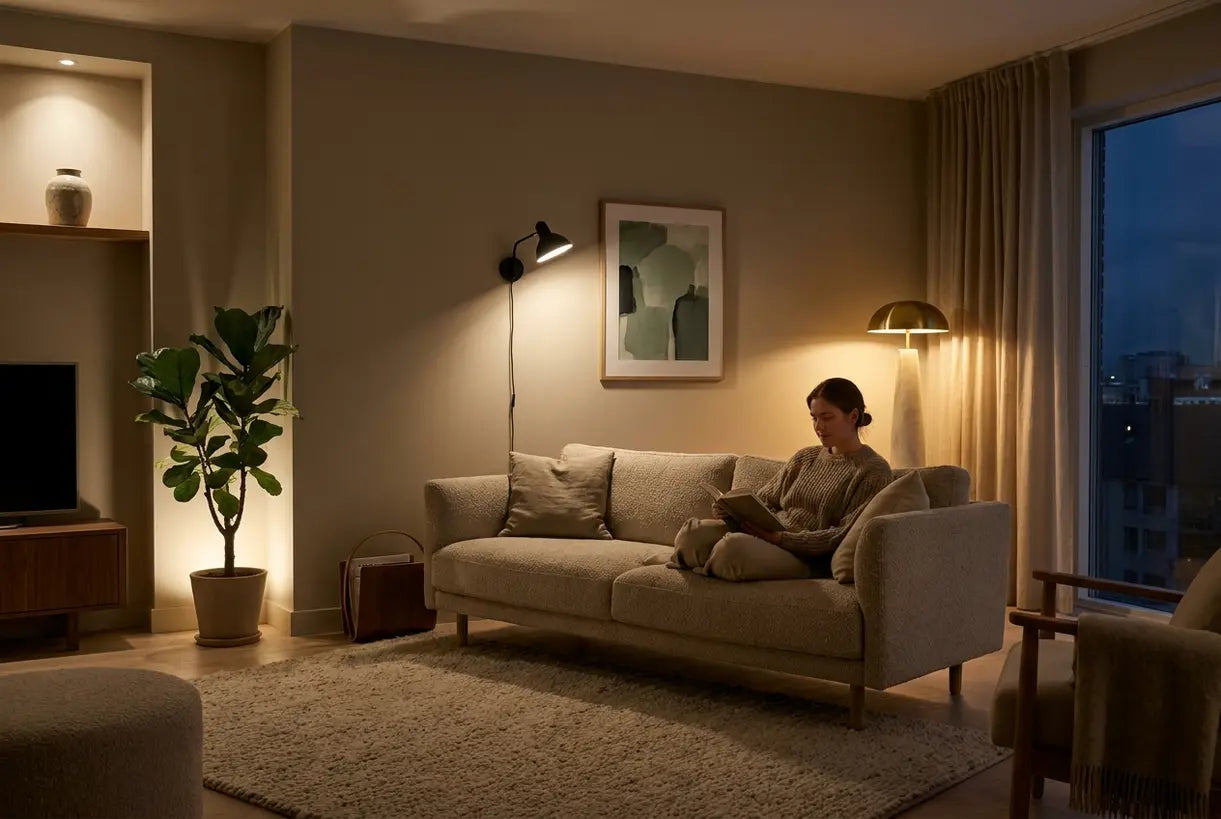
Floor Lamps
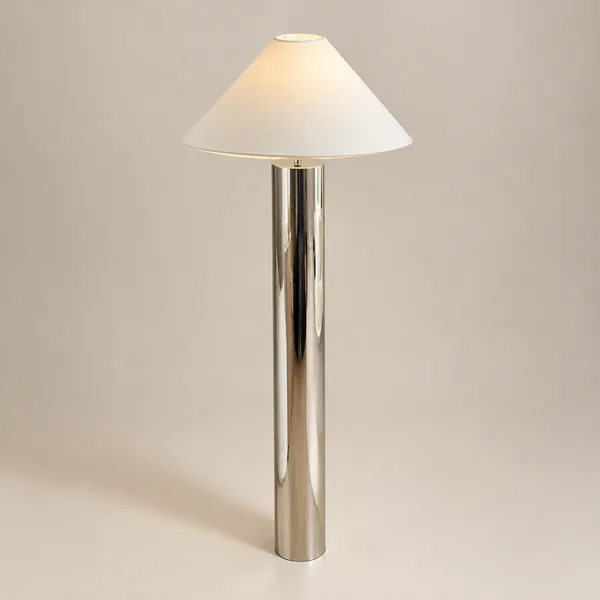
Shop all Floor Lamps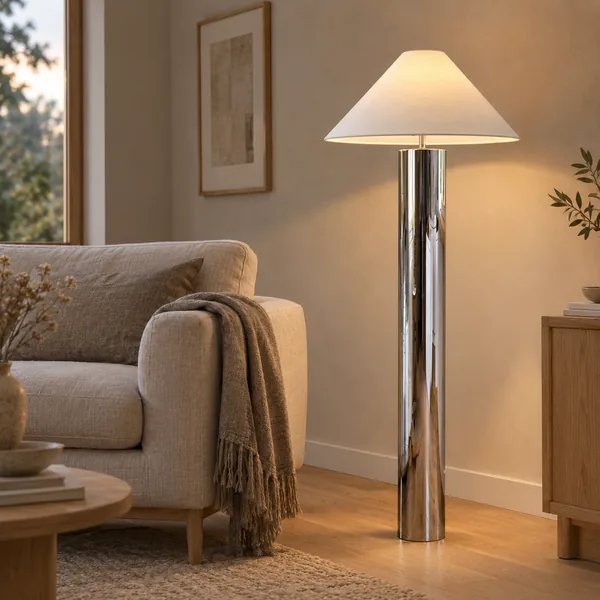
Avoiding Common Lighting Mistakes
Even with the best intentions, it's easy to fall into common lighting pitfalls that undermine your design goals. Understanding these mistakes helps you create indirect lighting living room schemes that truly shine.
Over-reliance on overhead lighting remains the most prevalent error. That single ceiling fixture—what Gen Z has playfully dubbed the "big light"—creates harsh shadows, unflattering glare, and a clinical atmosphere that contradicts the warm, inviting feeling most homeowners seek. Instead, think of overhead lighting as supplementary rather than primary.
Ignoring color temperature is another frequent misstep. Mixing warm (2700K) and cool (5000K) light sources in the same visual field creates jarring inconsistency. For that signature Scandinavian ambiance, stick to warm white bulbs (2700K-3000K) that mimic the golden glow of candlelight.
Insufficient dimming capabilities limit your flexibility. The ability to adjust brightness throughout the day is essential for creating appropriate ambiance. Invest in dimmer switches or choose fixtures with built-in dimming to maintain control over your environment.
Conclusion: Crafting Your Lighting Story
Creating dramatic living room lighting with accent techniques isn't about following rigid rules—it's about understanding how light shapes emotion and experience. When you master the interplay of uplighting, spot lighting, and corner illumination, you gain the ability to transform your space from a generic container into a curated environment that reflects your personal aesthetic.
The beauty of Scandinavian accent lights lies in their philosophy: that lighting should serve human needs while celebrating natural materials and thoughtful design. By layering multiple light sources at varying heights and intensities, you create spaces that feel both expansive and intimate, bright and cozy, functional and beautiful.
At Skonne, we've curated a collection of accent lighting solutions that embody these principles—from rice paper floor lamps that create ethereal uplighting to handcrafted wall sconces that add sculptural presence. Each piece is selected not just for its illumination capabilities, but for its ability to contribute to that essential Scandinavian hygge feeling: the art of creating warmth, connection, and contentment through thoughtful design.
Ready to transform your living room with accent lighting? Explore our collection of Scandinavian-inspired fixtures and discover how the right lighting can change everything about how you experience your home.
Related Article
Ambient Lighting for the Living Room: How to Create Mood, Warmth & AtmosphereLearn how to create mood and warmth with ambient lighting for living room. Discover Scandinavian-inspired layering techniques, bulb tips, and hygge lighting ideas.