
Pendulum Wall Clocks: Classic Swinging Designs for Traditional & Modern Homes
Summary›
- Understanding the Heritage of Swinging Pendulum Clocks
- Modern Interpretations for Contemporary Spaces
- Creating a Sanctuary: Sound and Silence in Timekeeping
- Coordinating Light and Time
- Styling Pendulum Clocks in Scandinavian Interiors
- Practical Considerations for Today's Homes
- Conclusion: Time as an Art Form
There's a certain poetic rhythm to how time moves through our homes. A wall clock with pendulum captures this rhythm in its most tangible form—the gentle arc of the weighted bob, the steady heartbeat of a mechanism that has measured moments for centuries. In an age of digital displays and smartphone notifications, the pendulum wall clock stands as a testament to craftsmanship, intentionality, and the warm, deliberate pace of Scandinavian living.
Whether you're drawn to the ornate brass details of an antique wall clock with pendulum or the clean lines of a modern pendulum wall clock design, these timepieces offer more than functionality. They anchor spaces, create focal points, and introduce a meditative quality to daily life. For those curating homes that embrace the hygge philosophy—where every object serves both purpose and beauty—understanding the art of pendulum clocks is essential.
Understanding the Heritage of Swinging Pendulum Clocks
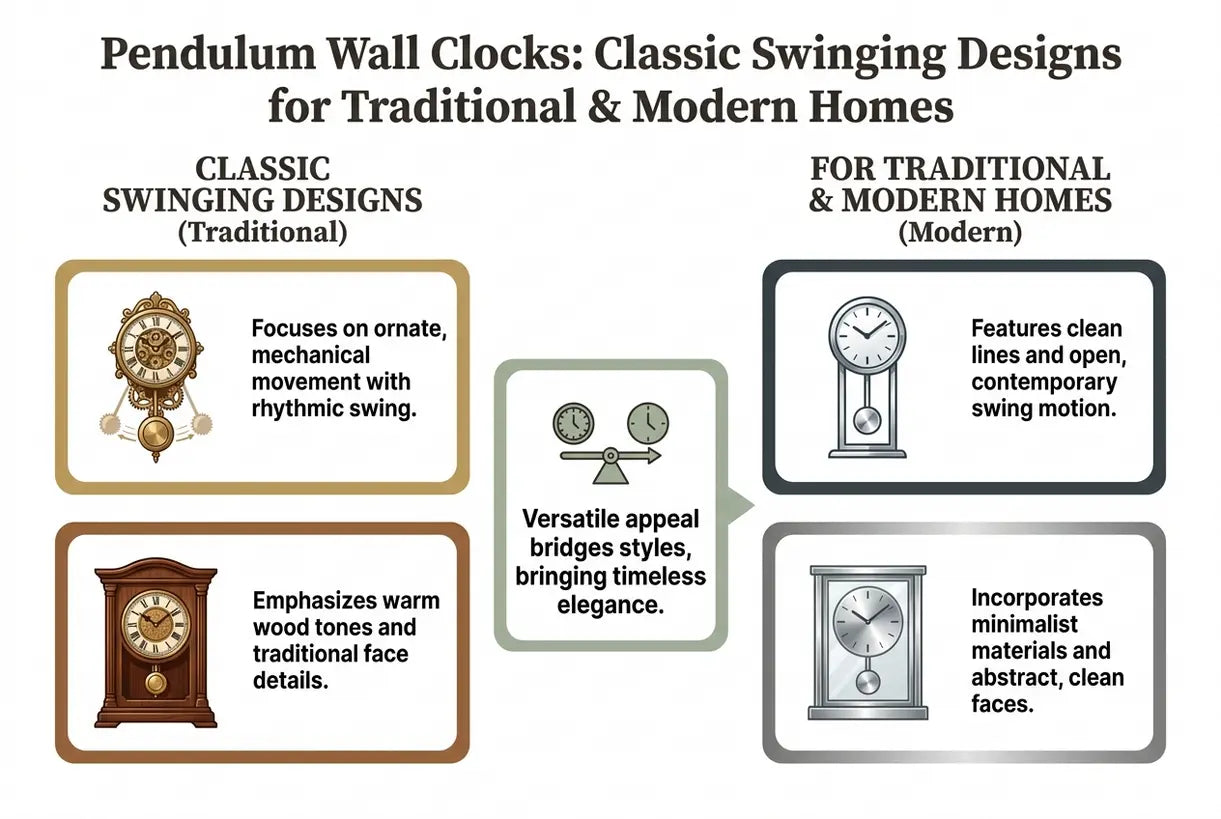
A regulator clock with pendulum represents one of history's most elegant solutions to timekeeping. Invented by Christiaan Huygens in 1656, the pendulum mechanism revolutionized accuracy, transforming clocks from decorative approximations into precise instruments. The term "regulator" specifically refers to clocks designed for precision, often characterized by their long pendulums and weighted timekeeping.
Traditional pendulum clocks typically fall into several categories. The vintage regulator wall clock features a long case with a visible pendulum, often crafted from rich woods like oak or mahogany. These pieces carry the gravitas of centuries-old craftsmanship. Conversely, contemporary interpretations might feature minimalist steel frames or geometric wooden structures that speak to Nordic design sensibilities. Both styles share that mesmerizing, gravitational swing that turns the passage of time into visual art.
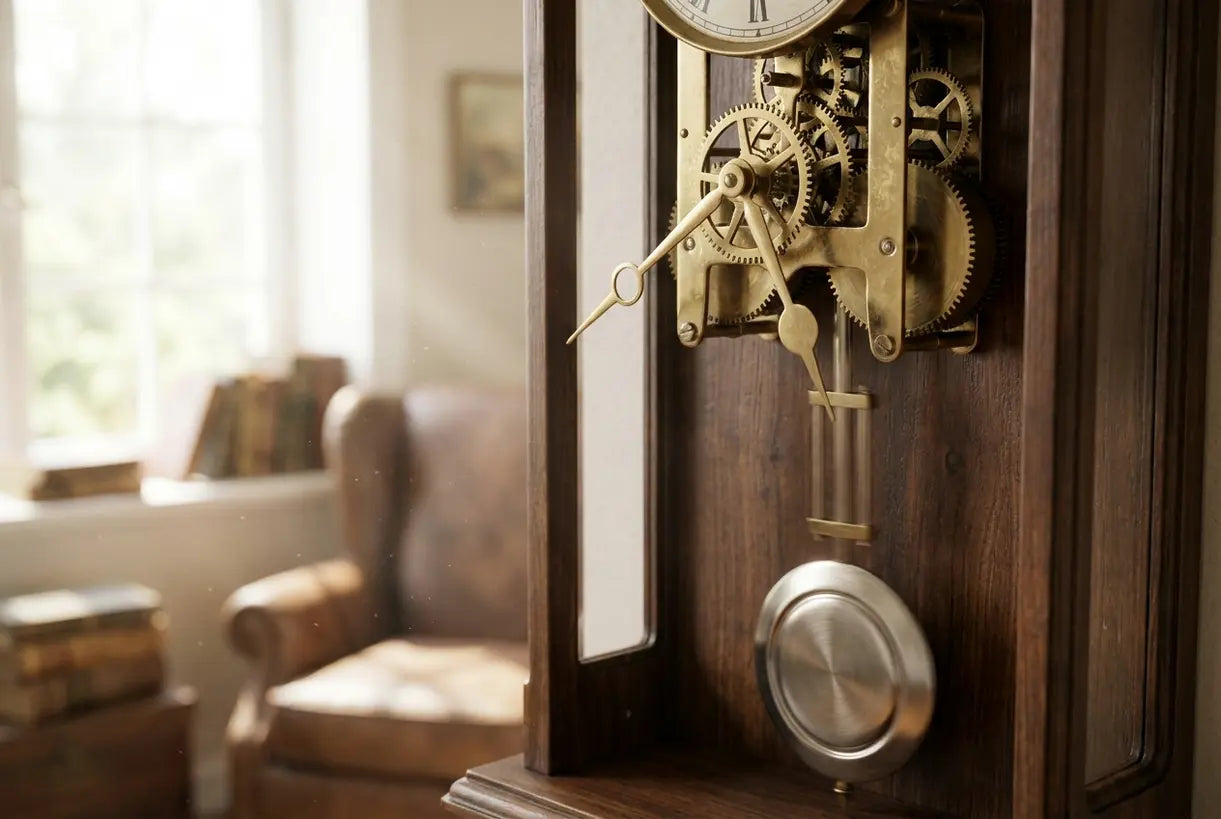
The mechanics beneath the aesthetic remain remarkably consistent. A weighted bob suspended on a rod or wire creates isochronal oscillation—meaning each swing takes the same amount of time regardless of amplitude. This reliability made pendulum clocks the standard for precision until the 20th century, and even today, a wooden pendulum wall clock offers a connection to this mechanical heritage that quartz or digital alternatives cannot replicate.
Decorative Wall Clocks
Shop all Wall Clocks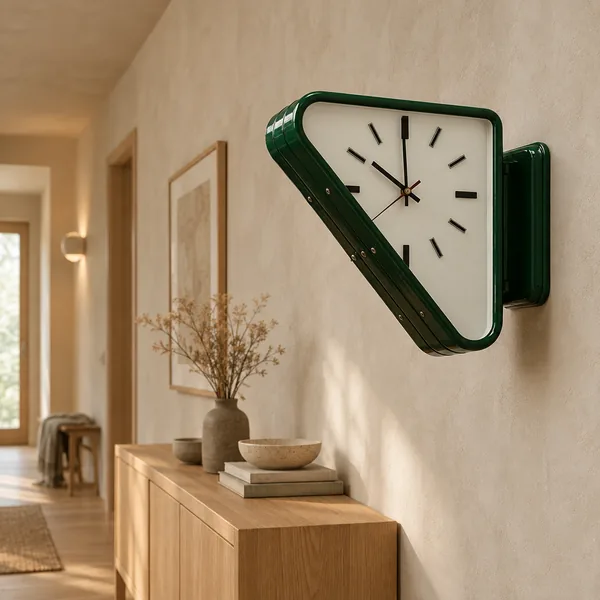
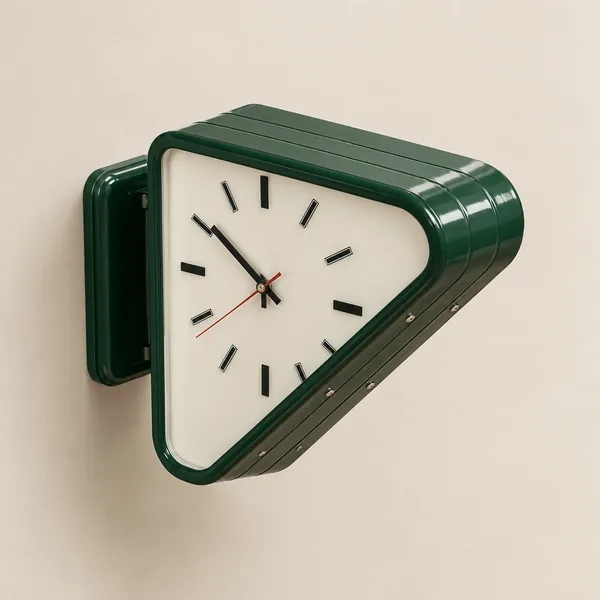 Save $110.00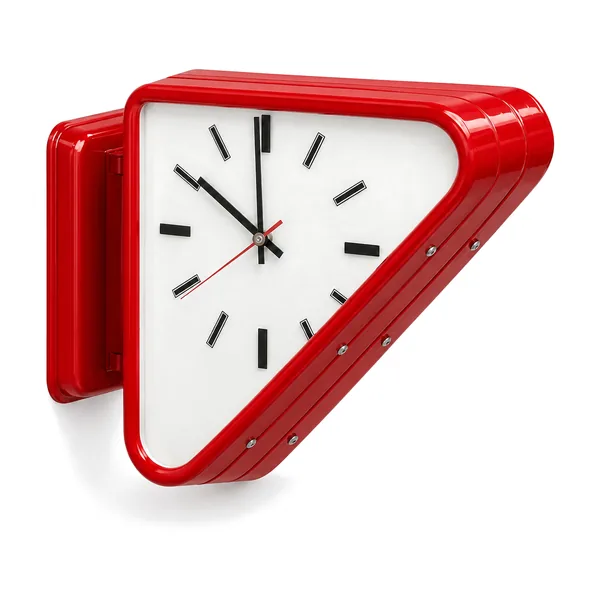
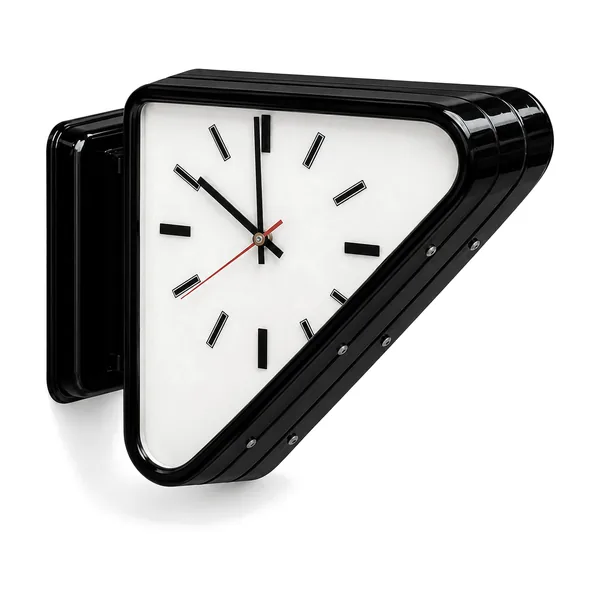
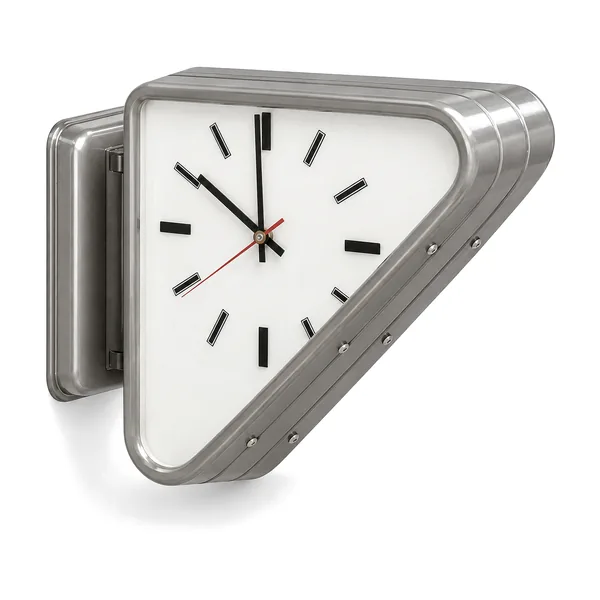
 +15 options
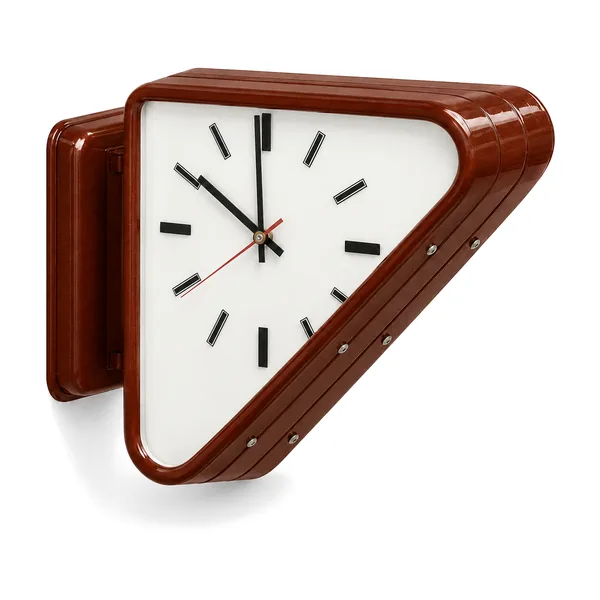
Tvilling Dual-Sided Geometric Metal Wall Clock
 Save $70.00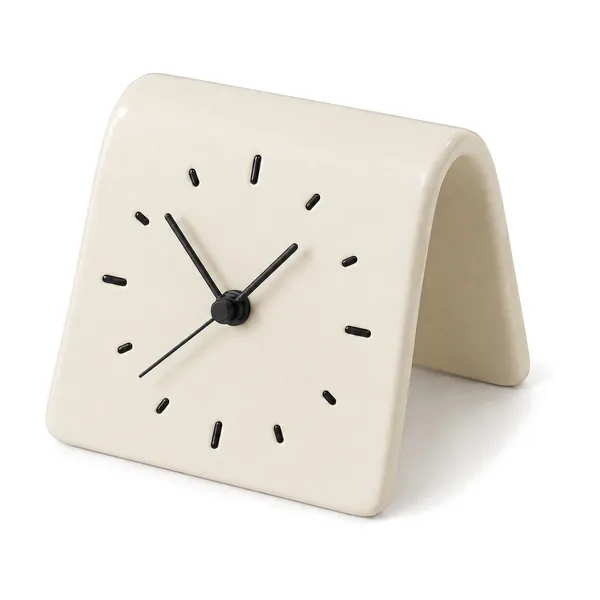
 +37 options
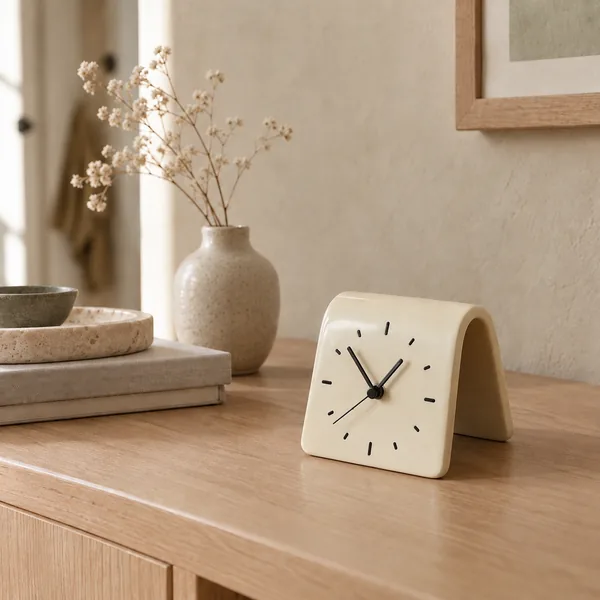
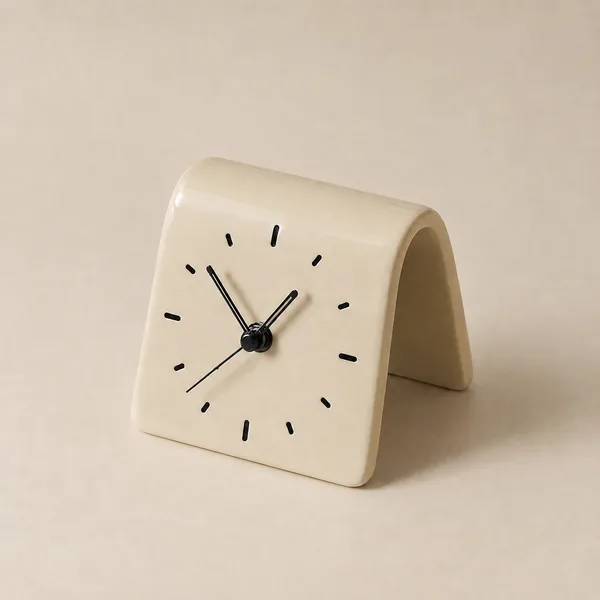
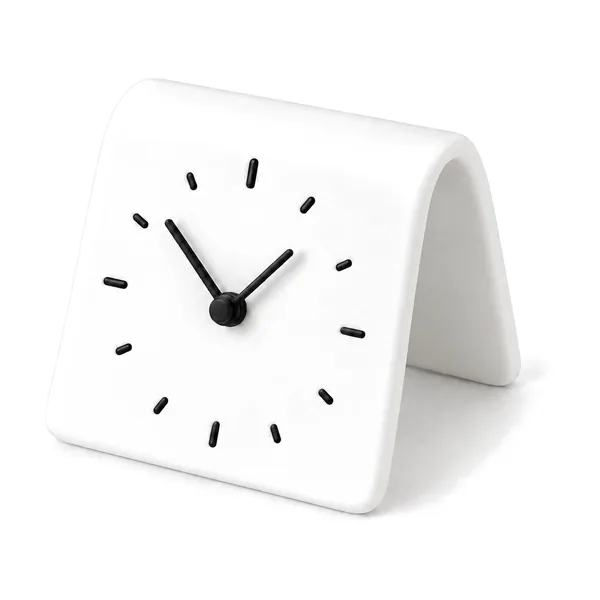
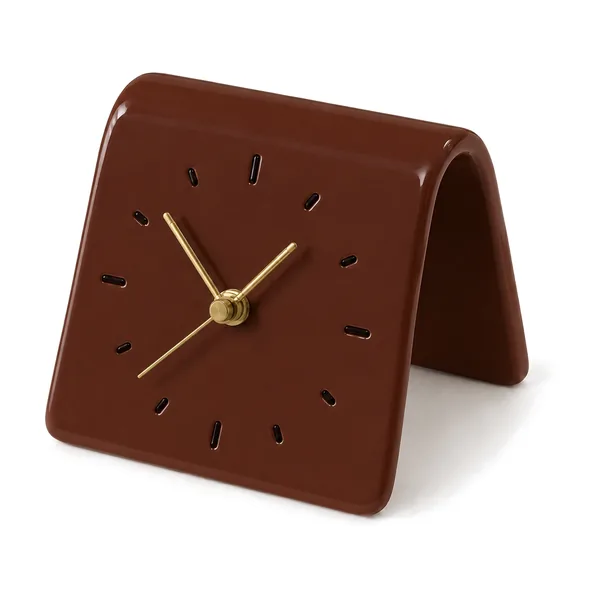
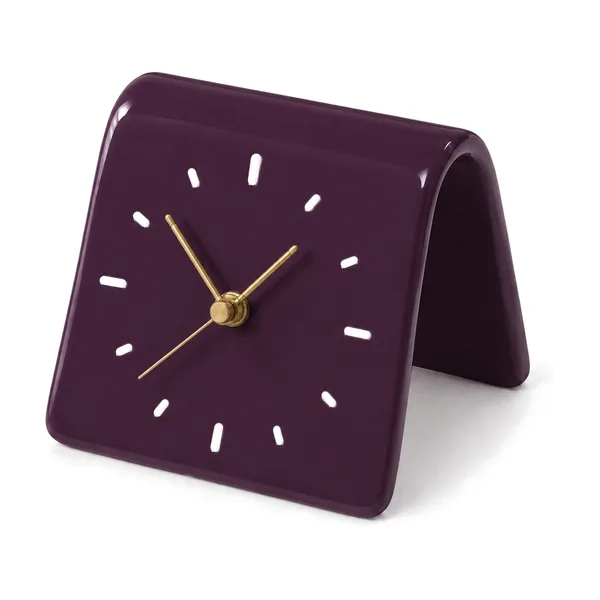
Tilje Silent Ceramic Desk Clock for Modern Homes
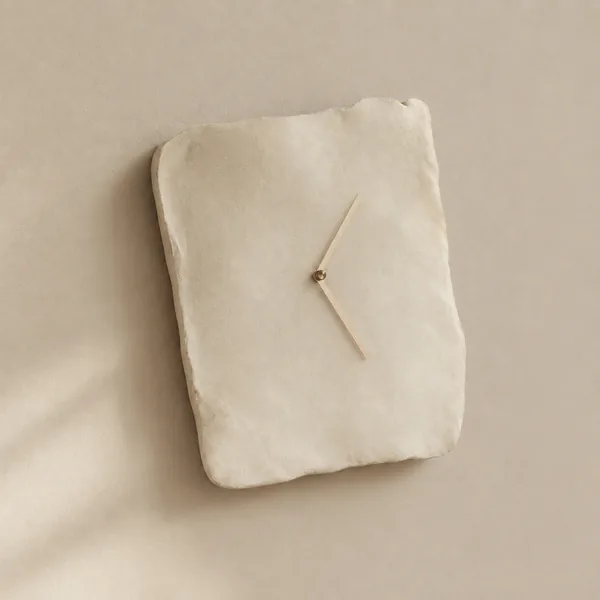
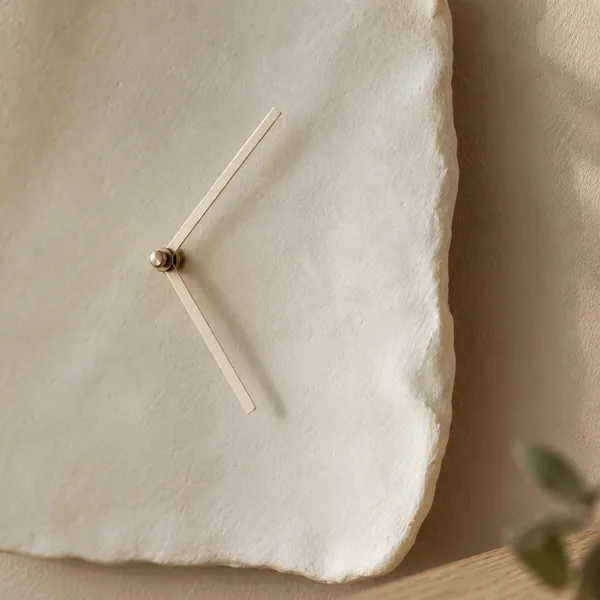 Save $120.00
Stilla Silent Resin Wall Clock Nordic Minimalist
Modern Interpretations for Contemporary Spaces
Contemporary design has embraced the pendulum clock not as a relic, but as a versatile statement piece. The modern pendulum wall clock often strips away ornamentation, favoring exposed mechanisms, clean geometric forms, and natural materials. These pieces bridge the gap between functional timekeeping and sculptural art, fitting seamlessly into Nordic-inspired interiors where simplicity reigns.
Materials have evolved alongside aesthetics. While traditional clocks relied on brass, mahogany, and glass, modern iterations incorporate matte black metals, bleached oak, concrete, and even ceramic elements. For lighting that complements these timepieces and creates a cohesive atmosphere, explore how Pendant Lights can frame your clock and enhance the ambient warmth of your space. The interplay between a swinging pendulum and pendant lighting creates layers of vertical movement that draw the eye upward, expanding the perceived dimensions of any room.
Tilje Silent Ceramic Desk Clock for Modern Homes$89.00$159.00Creating a Sanctuary: Sound and Silence in Timekeeping
One crucial consideration when selecting a pendulum clock for your home involves acoustics. Traditional mechanical pendulum clocks produce the characteristic "tick-tock" sound—charming to some, potentially disruptive to others. For bedrooms, reading nooks, or home offices requiring concentration, this audible rhythm requires careful consideration.
The Tilje Silent Ceramic Desk Clock offers an alternative philosophy for spaces where silence is paramount. While not a wall-mounted pendulum piece, its Nordic ceramic construction and completely silent sweep movement represent the same commitment to craftsmanship and intentional design. Placing such a silent timepiece on your desk while maintaining a pendulum wall clock in common areas allows you to curate different temporal experiences throughout your home.
For those who cherish the auditory tradition of ticking clocks, placement becomes essential. Mounting the clock on a shared wall can amplify sound transmission to adjacent rooms. Conversely, positioning it on an exterior wall or within a space with soft textiles and upholstered furniture can absorb excess sound while preserving the gentle, meditative rhythm that many find conducive to relaxation and mindfulness.
Coordinating Light and Time
A pendulum clock commands attention through movement; lighting should complement rather than compete with this dynamic element. When positioning your clock, consider how natural light falls throughout the day, and how artificial lighting in the evening can either highlight or cast shadows across the pendulum's path.
Strategic lighting enhances the three-dimensional quality of a swinging pendulum. The Glora Artisan Mouth-Blown Glass Pendant Light offers an ideal companion piece, its handcrafted glass diffusing warm illumination that catches the polished surface of clock mechanisms. For side tables or console tables beneath wall-mounted timepieces, the Shiro Rice Paper Table Lamp provides soft, ambient warmth that echoes the hygge aesthetic—its paper shade creating a gentle glow that illuminates lower wall spaces without creating harsh glare on clock faces.
Light and Time: Curated Companions
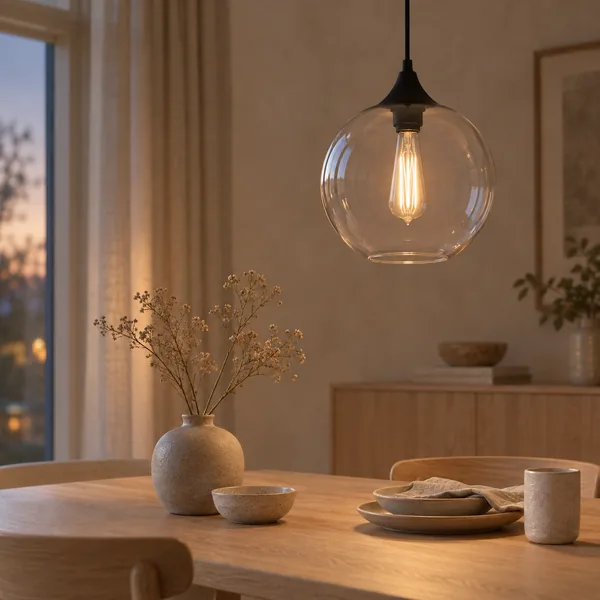 Glora Artisan Mouth-Blown Glass Pendant Light$149.00$219.00
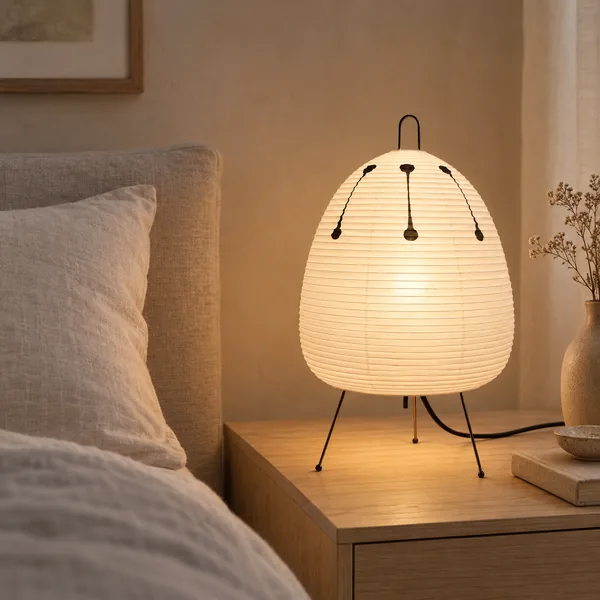 Shiro Rice Paper Table Lamp Nordic Minimalist$119.00$199.00
Home Decor
Shop all Home Decor
 Save $44.50
 2 options
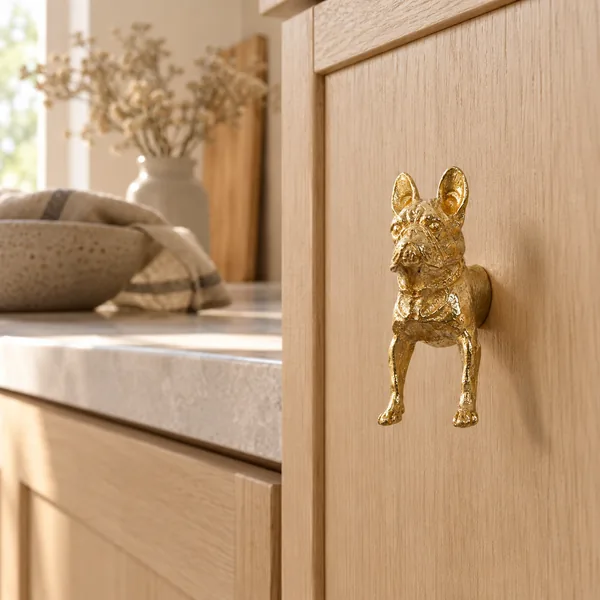
Tassa Polished Brass Dog Cabinet Pull Handle
Save $110.00+15 optionsTvilling Dual-Sided Geometric Metal Wall Clock
Styling Pendulum Clocks in Scandinavian Interiors
The Nordic home embraces objects that tell stories while serving authentic functions. A wood wall clock pendulum design aligns perfectly with Scandinavian principles—natural materials, honest construction, and forms that reference nature without imitating it. When integrating these timepieces into contemporary Nordic spaces, consider the relationship between the clock and surrounding elements.
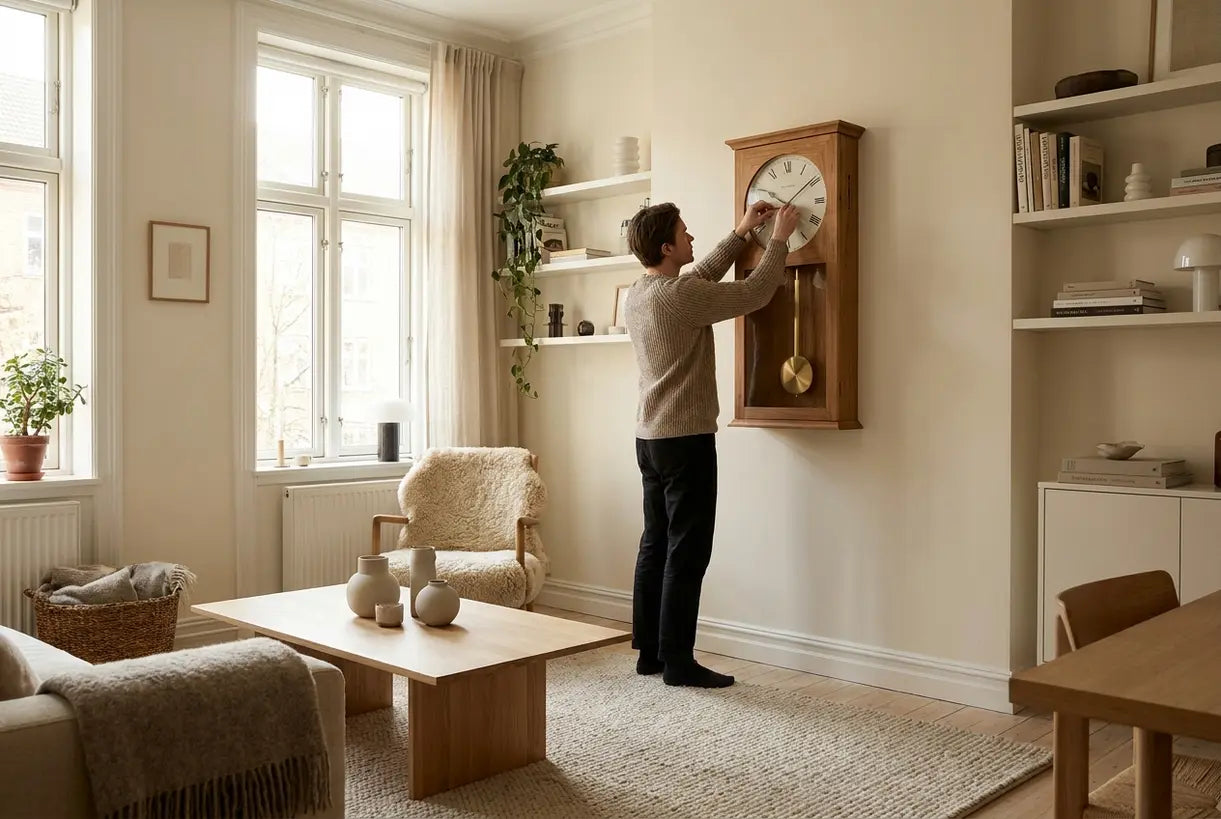
Placement height matters significantly. The center of the clock face should typically rest at eye level when standing—approximately 60-66 inches from the floor—though this may vary based on furniture arrangement and ceiling height. For pendulum clock for living room installations above mantels or console tables, ensure the pendulum has adequate clearance to swing freely without contacting furniture or decorative objects below.
Color palette coordination creates cohesion. Warm brass pendulums complement spaces featuring oak, walnut, or teak furniture, while chrome or matte black mechanisms suit monochromatic or high-contrast interiors. The wall behind your clock serves as a canvas; consider subtle texture through grasscloth wallpaper or limewash paint that adds depth without distraction. For more information on coordinating wall treatments with statement timepieces, interior design resources like Apartment Therapy offer extensive guidance on gallery wall arrangements and focal point styling.
Practical Considerations for Today's Homes
Modern lifestyles demand convenience alongside tradition. Many contemporary pendulum clocks utilize battery operated pendulum clock mechanisms rather than traditional wound springs. These quartz movements offer the visual charm of a swinging pendulum with minimal maintenance—typically requiring only a single AA battery change annually.
When hanging a vintage or antique piece, wall structural integrity becomes crucial. Older clocks often carry significant weight due to brass movements and glass panels. Use appropriate wall anchors for your wall material (drywall, plaster, or masonry), and consider consulting a professional installer for heirloom pieces. For detailed instructions on securing heavy wall hangings safely, this guide from This Old House provides valuable technical advice.
Maintenance Tip: Keep pendulum clocks away from direct sunlight, heating vents, and drafty windows. Temperature fluctuations and humidity changes affect both mechanical accuracy and wood case condition.Consider the viewing angle as well. A hanging wall clock pendulum piece should be positioned where the swing is visible from primary seating areas or entry points. The hypnotic motion serves as a subtle reminder to pause—a moment of mindfulness in busy days. This biophilic connection, the rhythmic movement similar to breathing or waves, contributes to the wellness-focused environment central to Scandinavian living.
Conclusion: Time as an Art Form
Selecting a wall clock with pendulum transcends mere timekeeping—it represents a commitment to living deliberately among objects crafted with intention. From the stately elegance of a traditional regulator to the refined simplicity of contemporary Nordic interpretations, these timepieces anchor our spaces while marking life's gentle passage.
At Skonne, we believe that every element in your home should contribute to an atmosphere of warmth and intentionality. While pendulum clocks offer the poetry of mechanical movement, our curated selection of lighting and timepieces—including silent ceramic designs and ambient illumination solutions—helps you create environments where time feels less like a pressure and more like a gift. Whether you're styling a minimalist loft or a cozy traditional home, the right timepiece, complemented by thoughtful lighting, transforms walls into narratives of timeless Scandinavian elegance.
Related Article
Mid-Century Modern Wall Clocks: Retro Designs That Still Feel FreshDiscover timeless mid-century modern wall clock designs that blend vintage charm with contemporary style for your home.