
Wooden Wall Clocks: Warm, Natural Designs for Scandinavian & Organic Interiors
Summary›
There's something inherently grounding about introducing natural materials into your living space. A wooden wall clock does more than tell time; it anchors your room with warmth, texture, and the quiet beauty of organic design. For those drawn to Scandinavian interiors and the principles of biophilic design, selecting the right timepiece becomes an intentional act of curating comfort.
In this guide, we'll explore how wooden wall clocks can transform your space from merely functional to deeply inviting. You'll discover the key considerations for selecting the perfect size in your living room, the materials that stand the test of time, and styling strategies that honor both Nordicminimalism and organic modernism. Along the way, you'll see how Skonne's curated pieces offer sculptural alternatives that capture that same natural essence.
Why Wooden Wall Clocks Anchor Scandinavian Spaces
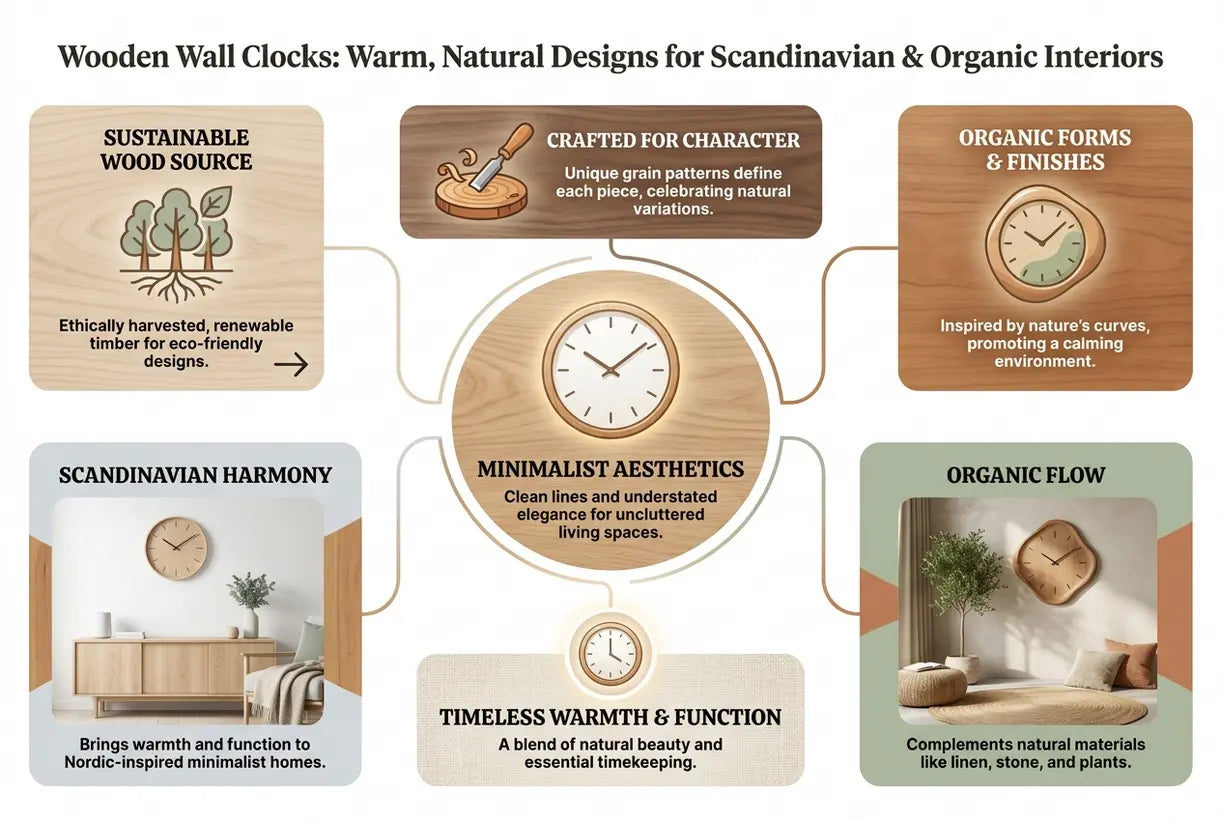
The Scandinavian design philosophy celebrates honest materials and purposeful craftsmanship. Wood, with its inherent grain patterns and warm undertones, embodies these values perfectly. Unlike synthetic materials that feel cold and impersonal, a natural wood wall clock introduces an element of the outdoors into your daily routine.
The visual weight of wooden clocks creates a natural focal point without overwhelming your space. Whether you lean toward a walnut wall clock with rich, chocolatey undertones or prefer the lighter aesthetic of oak or birch, these pieces function as functional art. They tell a story of sustainable sourcing and artisanal care that resonates with the hygge lifestyle so many modern homeowners seek.
Choosing the Right Size for Maximum Impact
One of the most common questions when selecting timekeeping pieces is determining appropriate scale. The dimensions of your large wooden wall clock should complement—not compete with—your existing furnishings. For living rooms with standard 8 to 9-foot ceilings, a clock between 24 to 36 inches in diameter typically creates balanced visual interest.
Consider the wall space available. Above a fireplace mantel, your natural wood wall clock should occupy roughly two-thirds the width of the mantel itself. On a blank wall, allow at least 12 inches of breathing room on all sides of the piece. This negative space prevents the clock from feeling cramped and maintains the clean, airy aesthetic essential to Scandinavian design.
Decorative Wall Clocks
Shop all Wall Clocks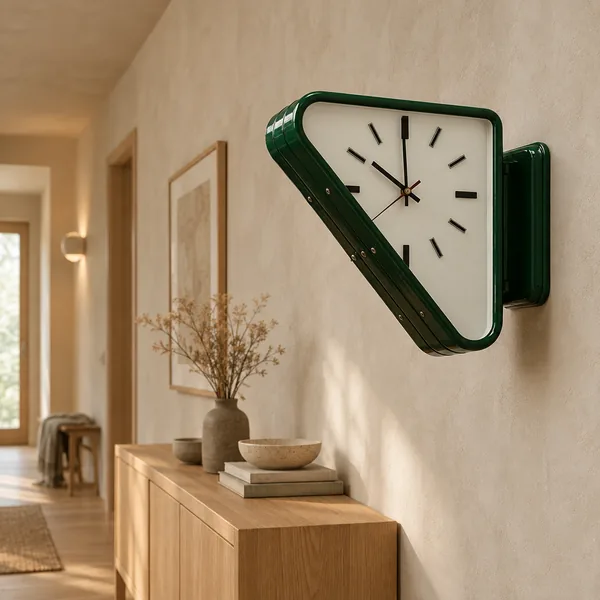
 Save $110.00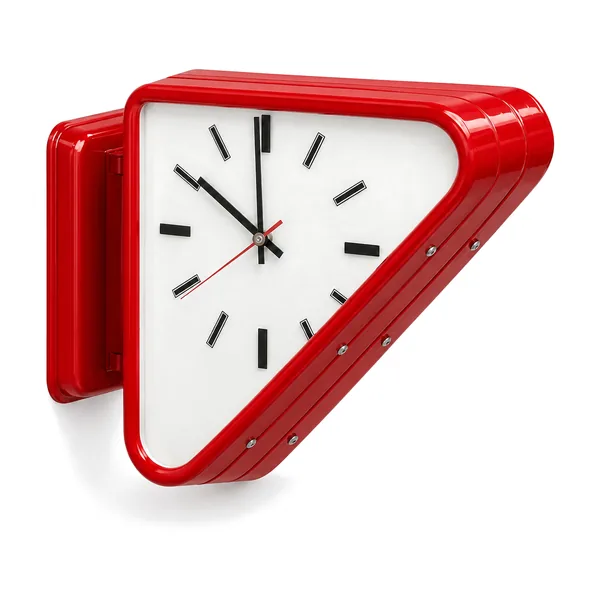
 +15 options
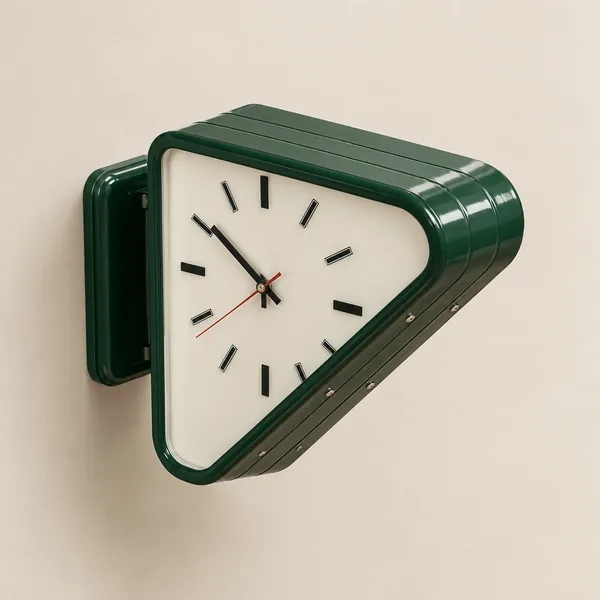
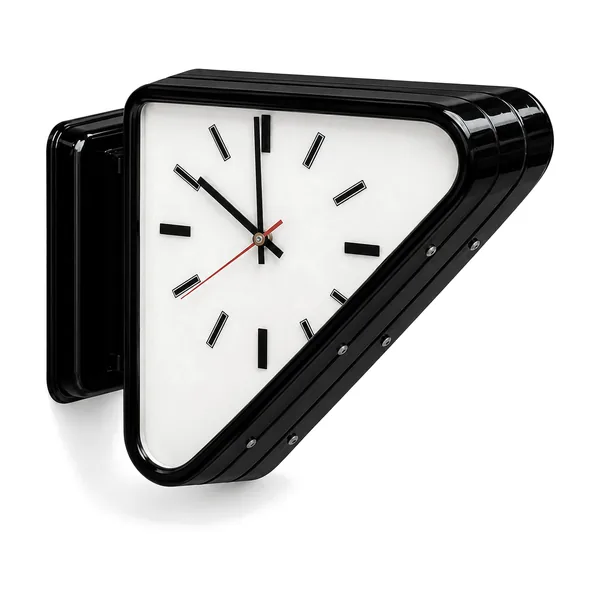
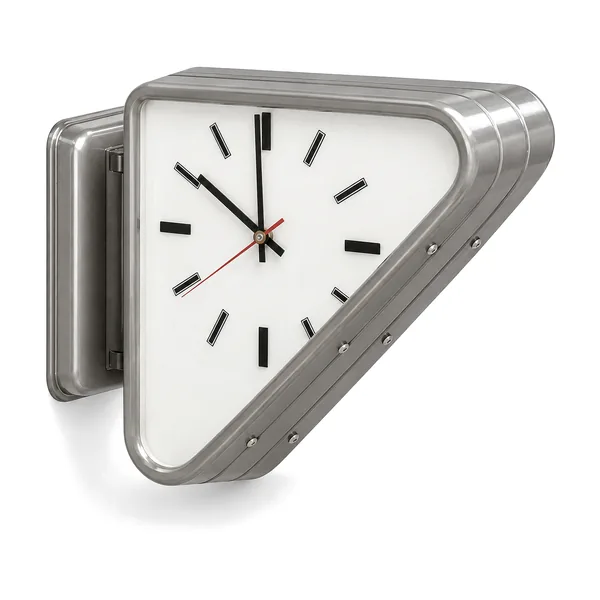
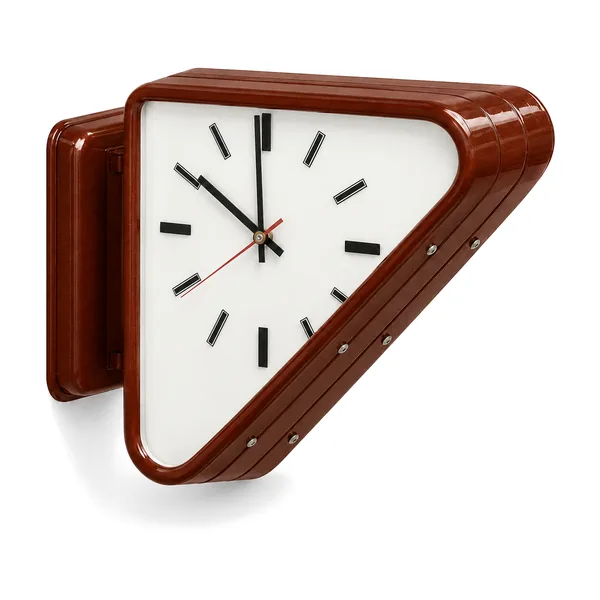
Tvilling Dual-Sided Geometric Metal Wall Clock
 Save $70.00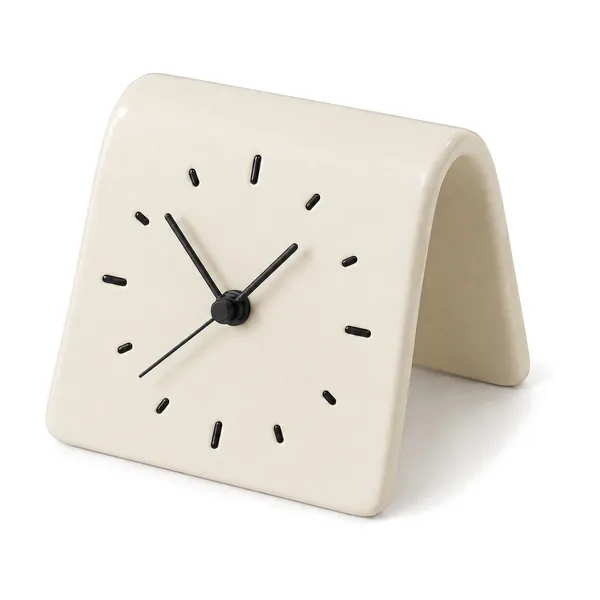
 +37 options
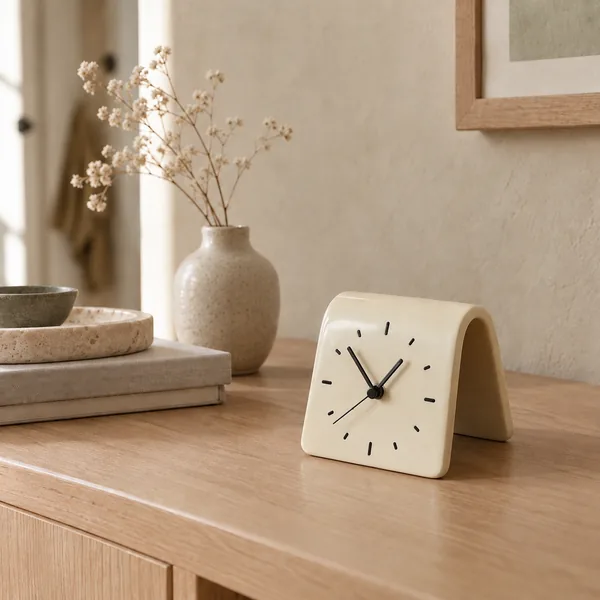
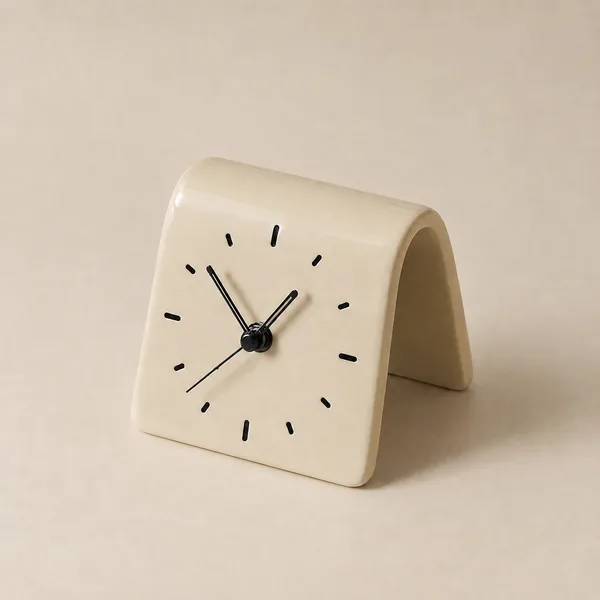
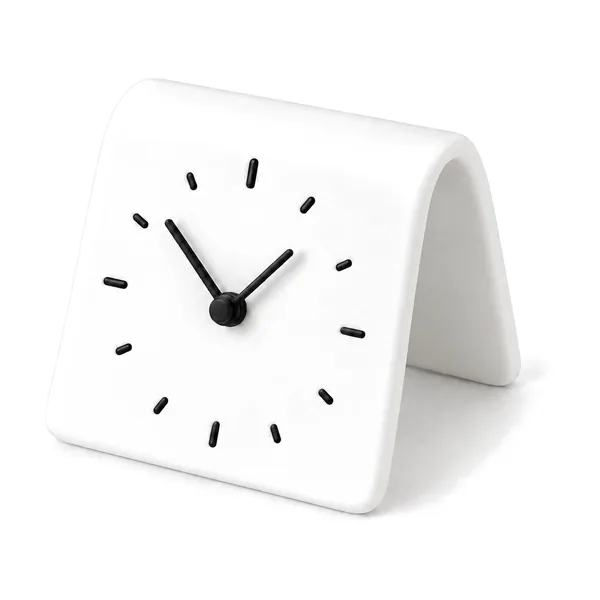
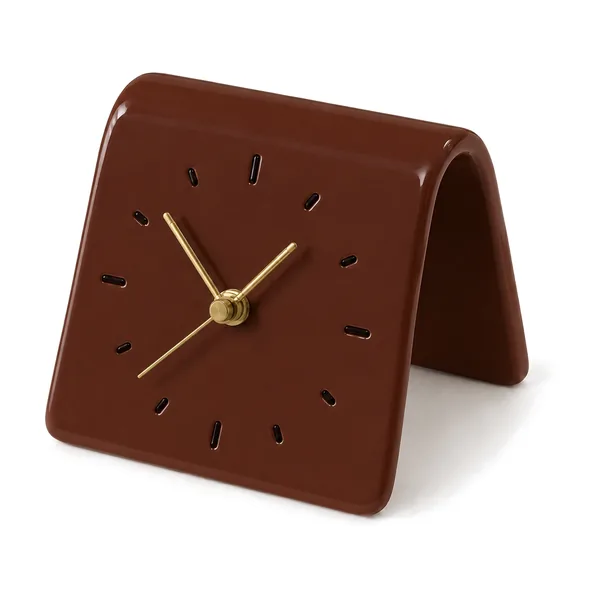
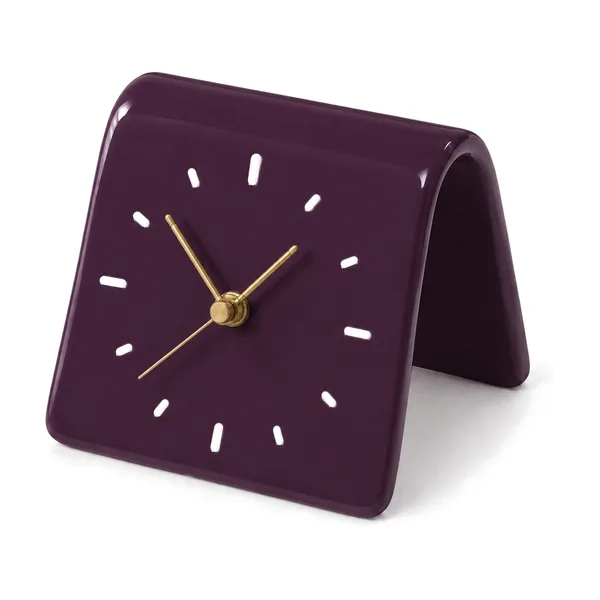
Tilje Silent Ceramic Desk Clock for Modern Homes

 Save $120.00
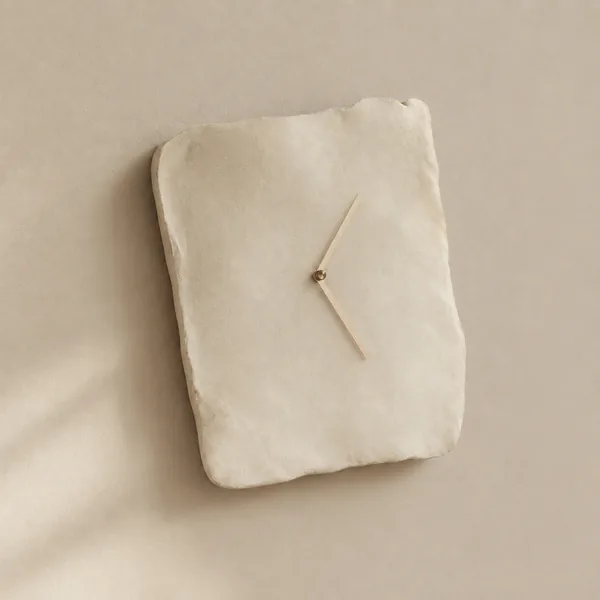
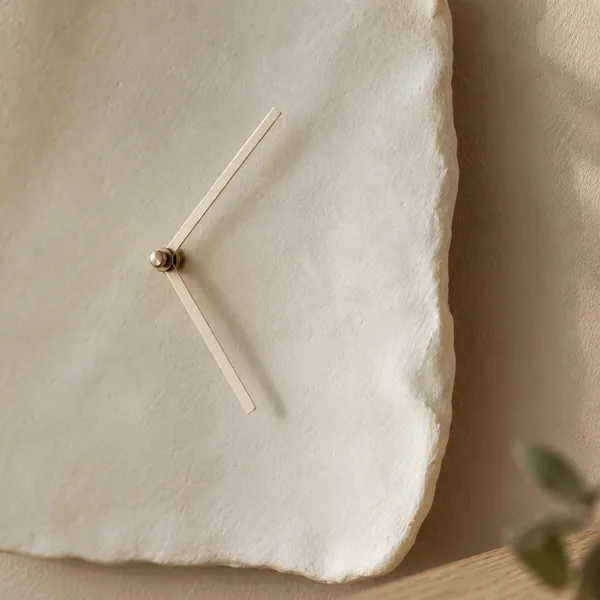
Stilla Silent Resin Wall Clock Nordic Minimalist
The Silent Movement Advantage
Modern life demands peace within our domestic sanctuaries. The gentle ticking of traditional timepieces, while nostalgic, can become a subtle source of stress in quiet rooms. This is why silent quartz movements have become the preferred choice for organic design clock enthusiasts.
A silent Scandinavian clock operates through a sweeping second hand rather than a ticking one, eliminating the audible countdown of each passing second. This feature proves especially valuable in bedrooms, meditation spaces, and open-concept living areas where acoustic comfort matters as much as visual appeal. Skonne understands this priority—each piece in our collection prioritizes quiet precision engineering.
When seeking sculptural alternatives to traditional wooden designs, the Tvilling Dual-Sided Geometric Metal Wall Clock offers a compelling architectural interpretation. Its striking triangular frame and dual-sided display make a bold Nordic statement while maintaining that essential silent operation.
Tvilling Dual-Sided Geometric Metal Wall Clock$269.00$379.00Wood Types and Craftsmanship Matter
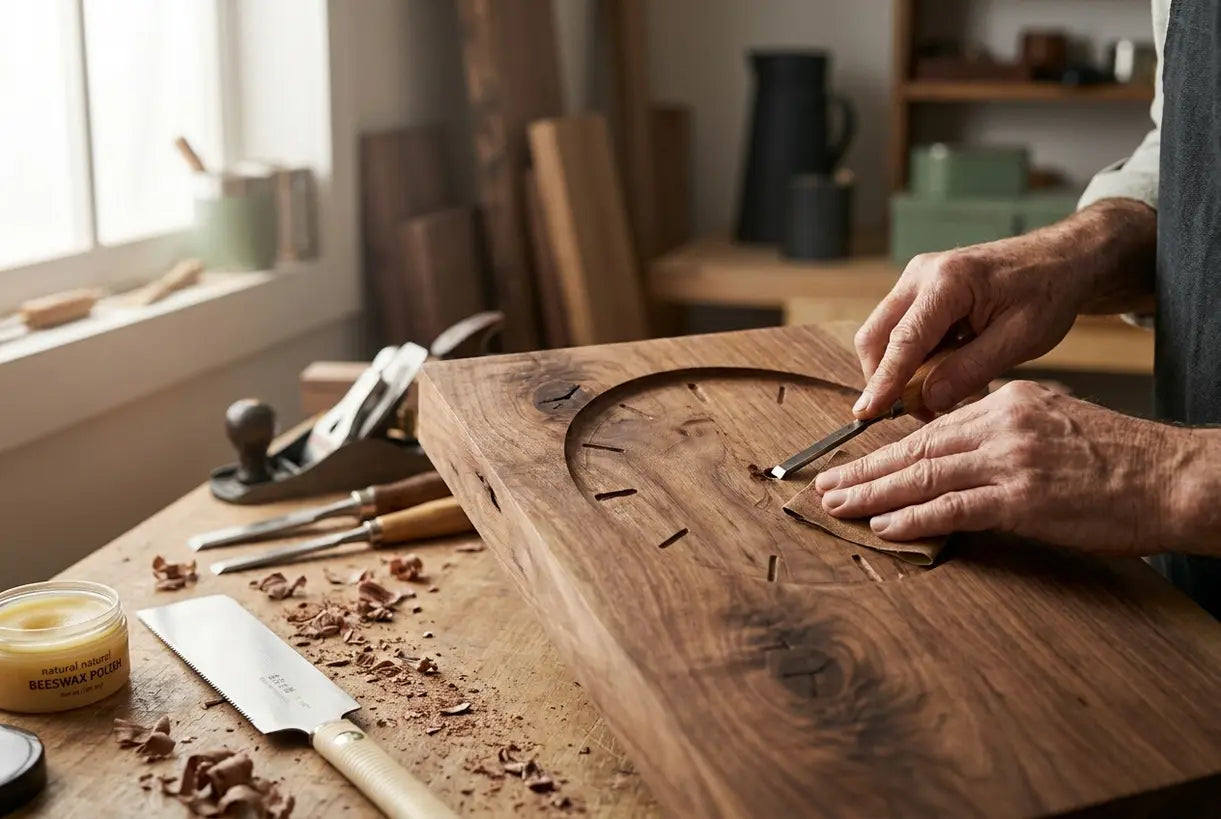
Not all wood is created equal. The type you select influences both durability and aesthetic character. For a truly timeless handcrafted wooden wall clock, understanding material differences helps you invest wisely.
Walnut remains the premium choice for those seeking deep, sophisticated tones with distinctive grain patterns. A walnut wall clock develops a rich patina over years of enjoyment. Cherry offers warmer, reddish undertones that soften over time, while white oak provides a lighter, more contemporary look with strong visibility of the wood's natural texture.
These hardwoods resist warping and maintain their structural integrity far better than softwoods like pine. When evaluating a handmade wooden wall clock, examine the joinery and finish quality. Properly sealed surfaces protect against humidity fluctuations, ensuring your piece remains a treasured home element for decades.
Styling Your Clock in Organic Interiors
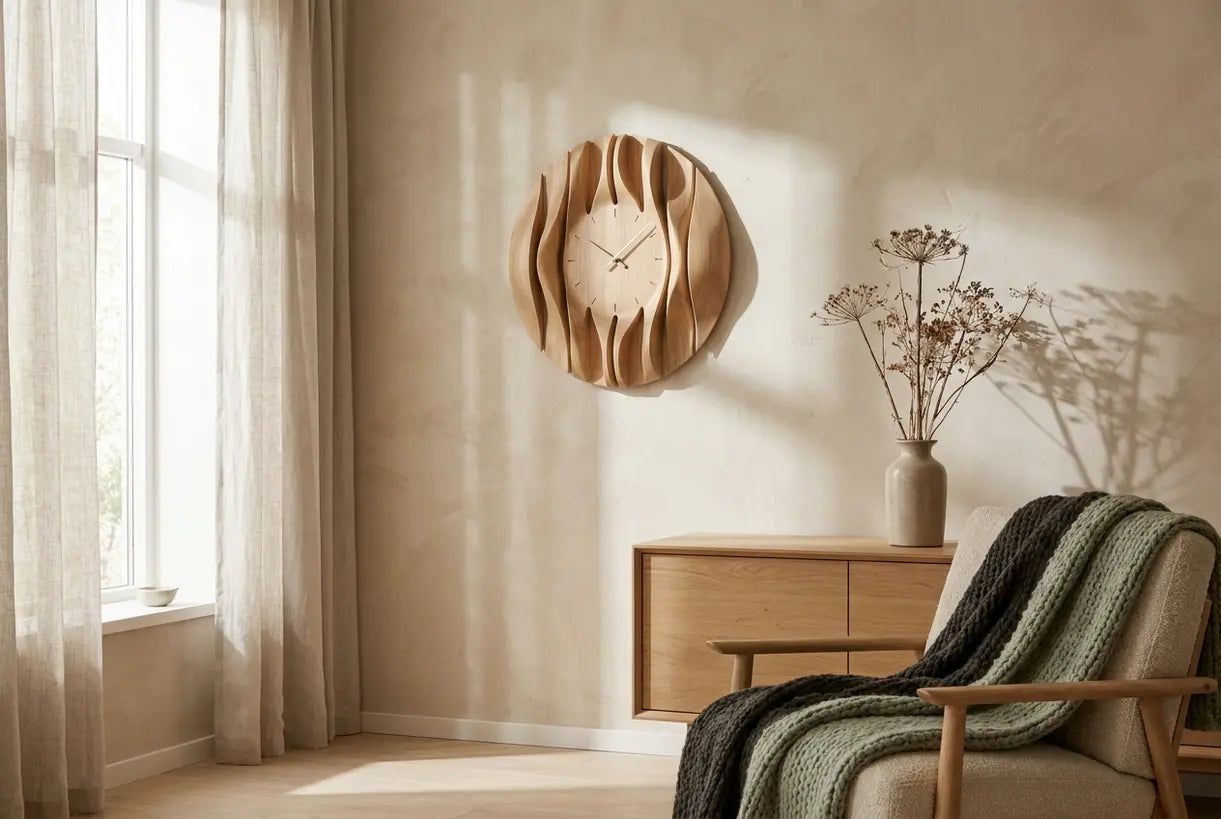
Successfully integrating a rustic wooden timepiece into an organic interior requires thoughtful contextual layering. These pieces thrive in environments that celebrate natural materials—think linen textiles, ceramic vessels, living plants, and stone or wood surfaces.
Create visual dialogue by placing your natural wood wall clock near other textural elements. A clock hanging above a console table draped with a hand-woven textile, flanked by ceramic vases, establishes cohesive rhythm. In dining spaces, position your timepiece where it complements wooden furniture, creating a connected material story throughout the room.
For those looking to explore more options, our Floor Lamps collection offers complementary pieces that enhance the natural warmth of wooden accessories throughout your home.
Remember that lighting dramatically affects how wooden finishes appear. Natural daylight reveals the full depth of wood grain, while artificial lighting can flatten textures. Position your clock where it receives adequate light to showcase its natural beauty, or consider strategic accent lighting if the location tends toward shadow.
Safely Hanging Heavy Wooden Timepieces
Large clocks crafted from solid hardwoods carry significant weight. Proper installation protects both your investment and your walls. For pieces exceeding 20 pounds, never rely on standard picture hooks. Instead, locate wall studs using a stud finder and secure your minimalist wood clock with heavy-duty screws rated for at least twice the artwork's weight.
When studs aren't available, specialized wall anchors designed for drywall can support substantial loads—just verify their weight rating before installation. Always use a level during hanging to ensure your clock sits perfectly horizontal. Consider professional installation for pieces exceeding 40 pounds or for installation on unconventional wall materials like brick or concrete.
Japandi Lighting
Shop all Japandi Lighting
 Save $80.00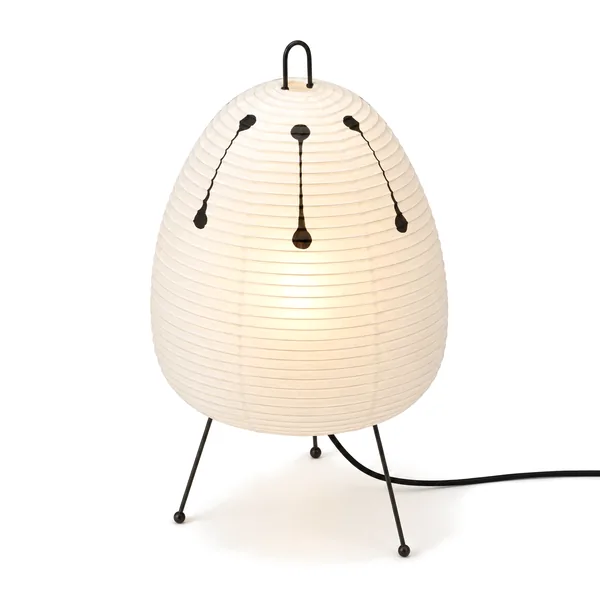
 +37 options
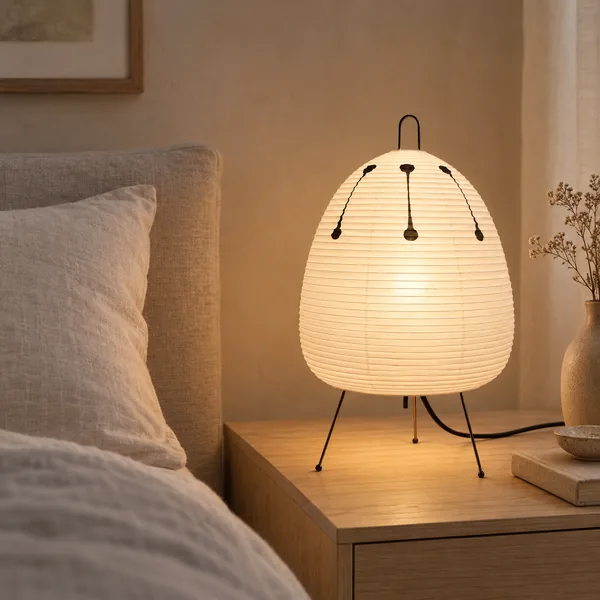
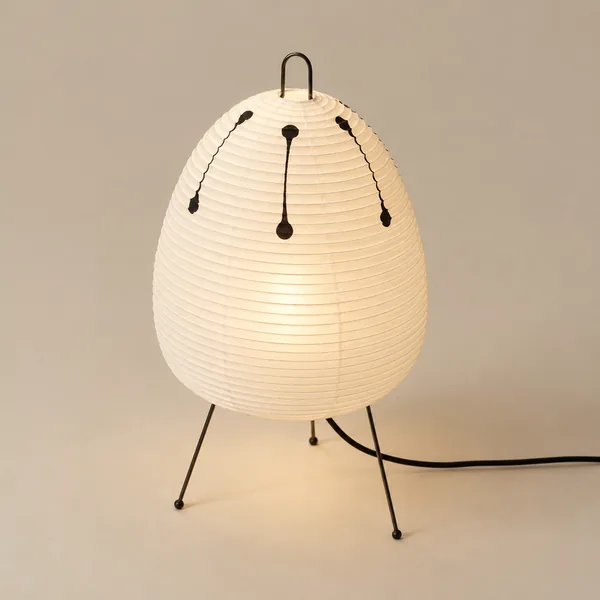
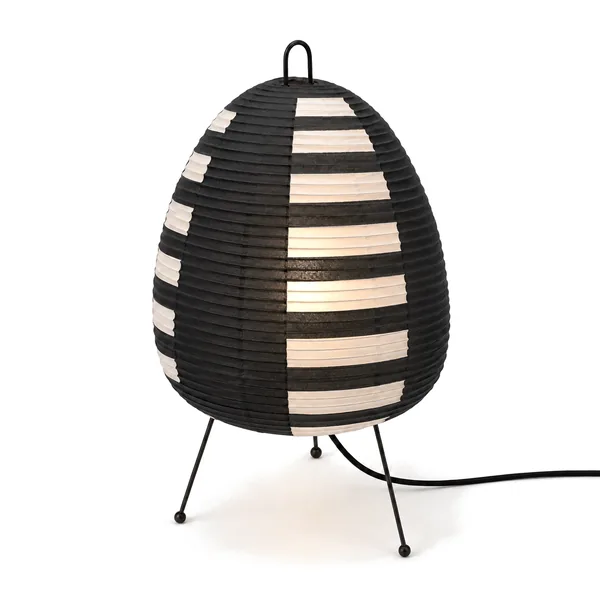
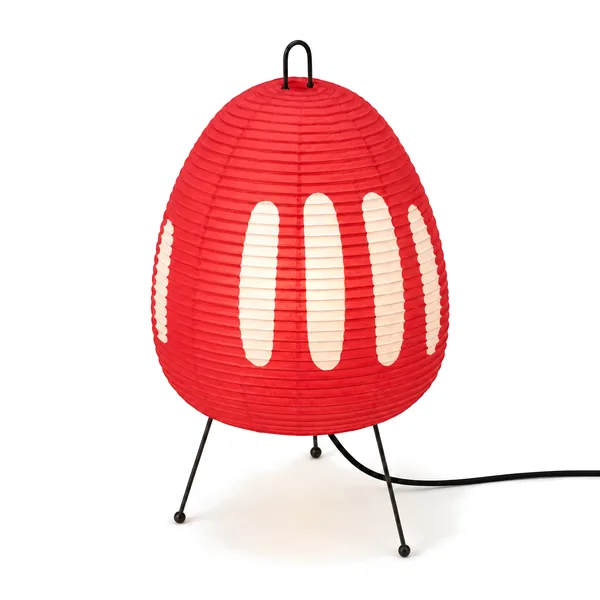
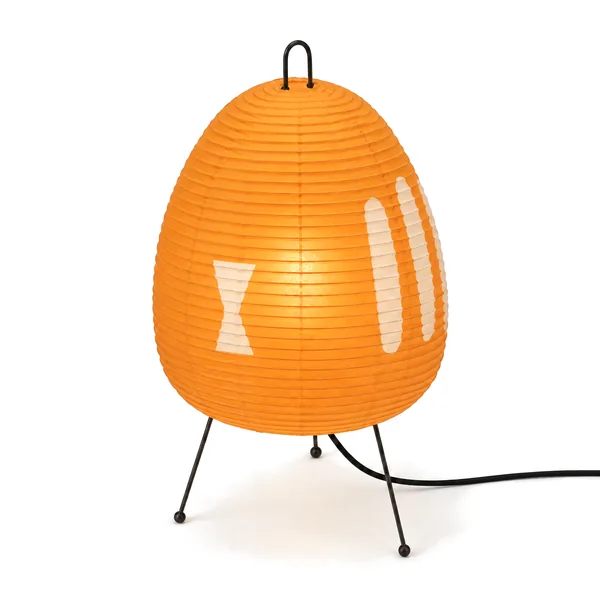
Shiro Rice Paper Table Lamp Nordic Minimalist
 Save $102.00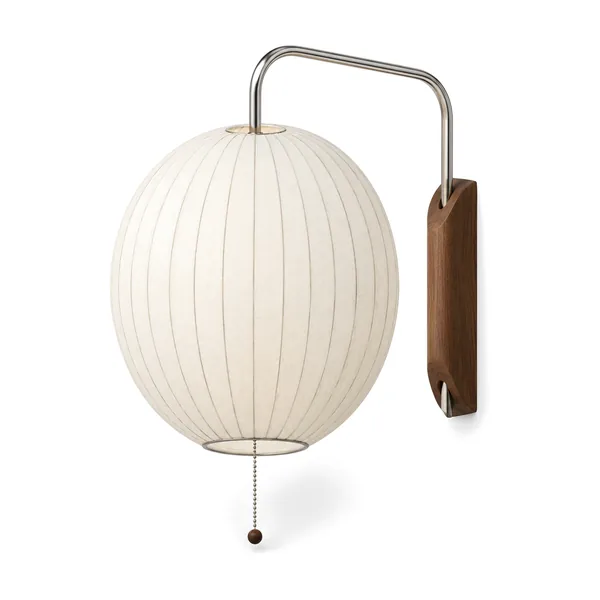
 4 options
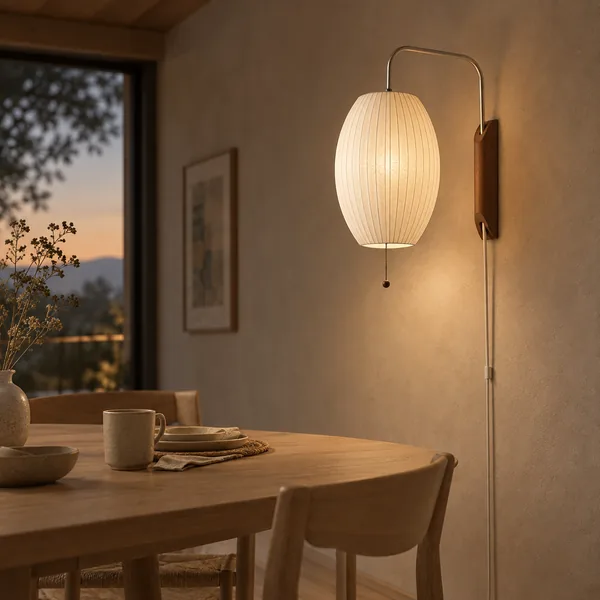
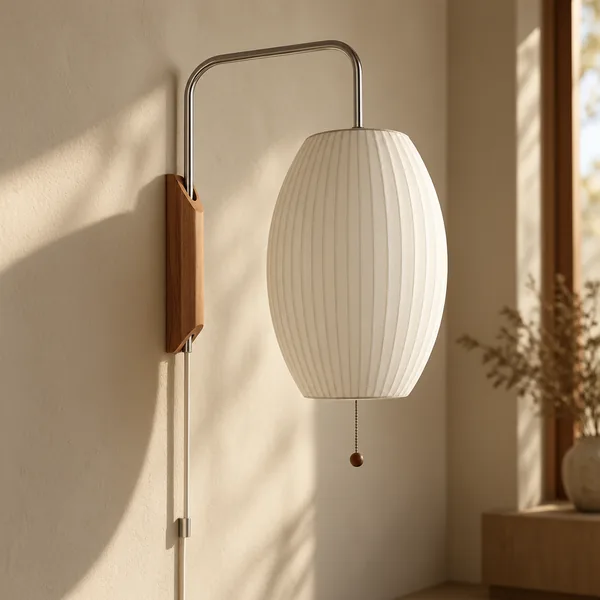
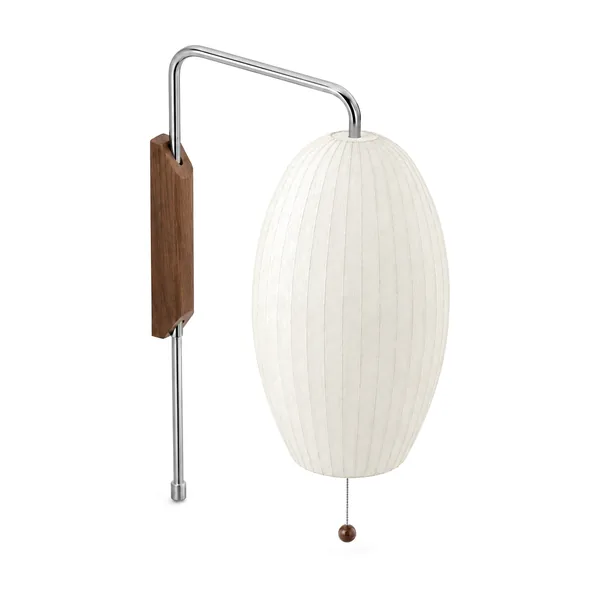
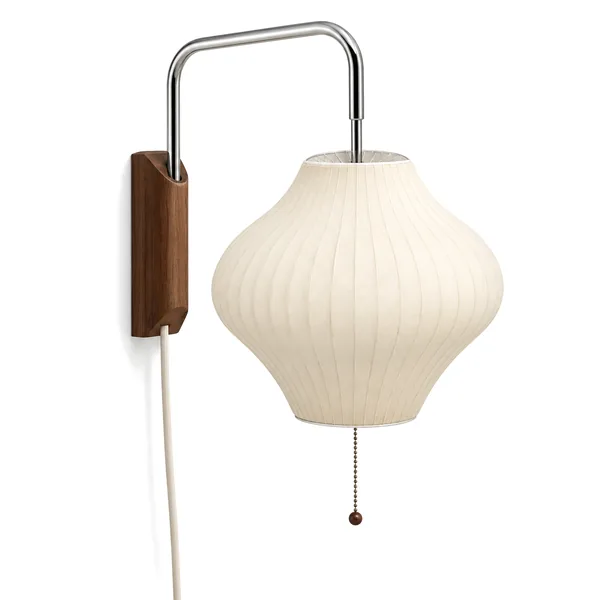
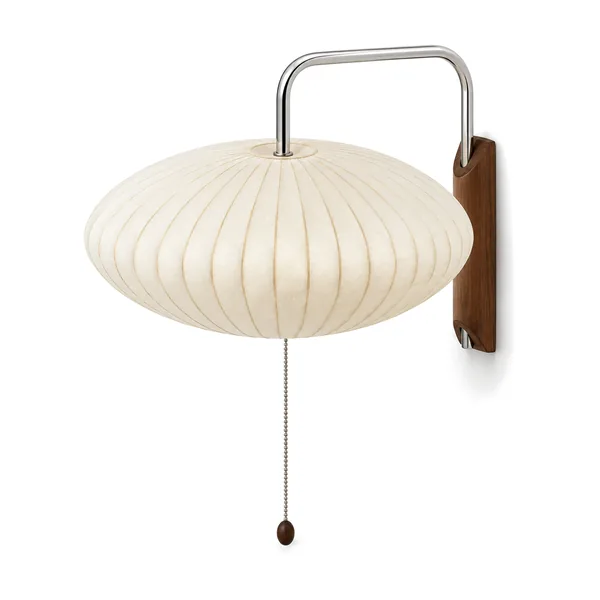
Solvei Minimalist Silk Wall Lamp for Bedroom
 Save $290.00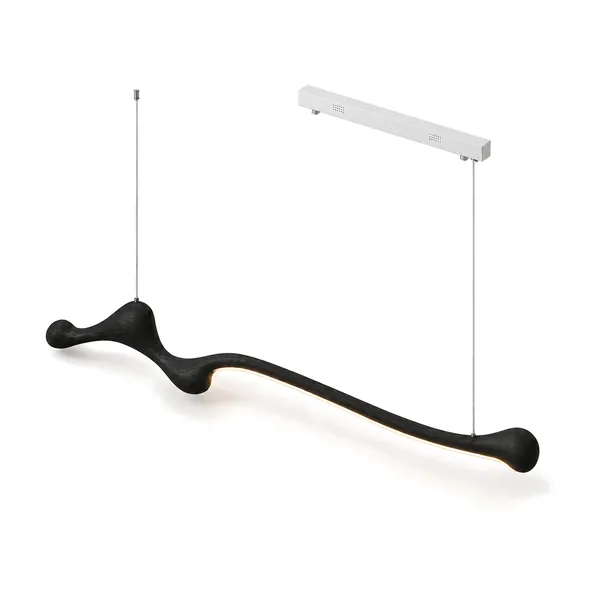
 3 options
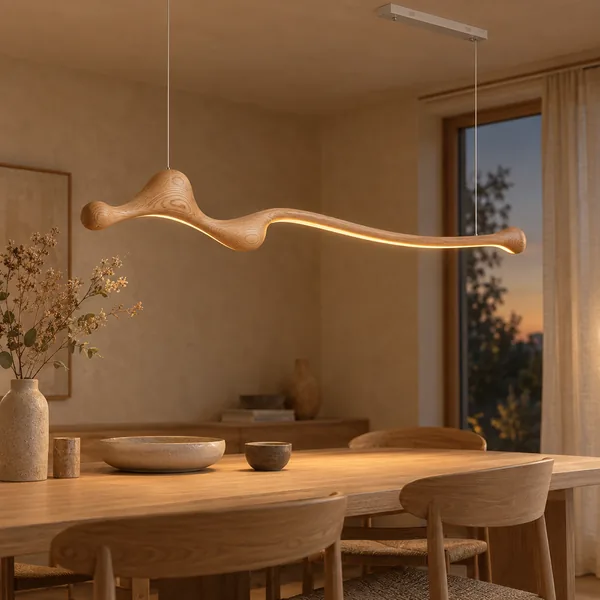
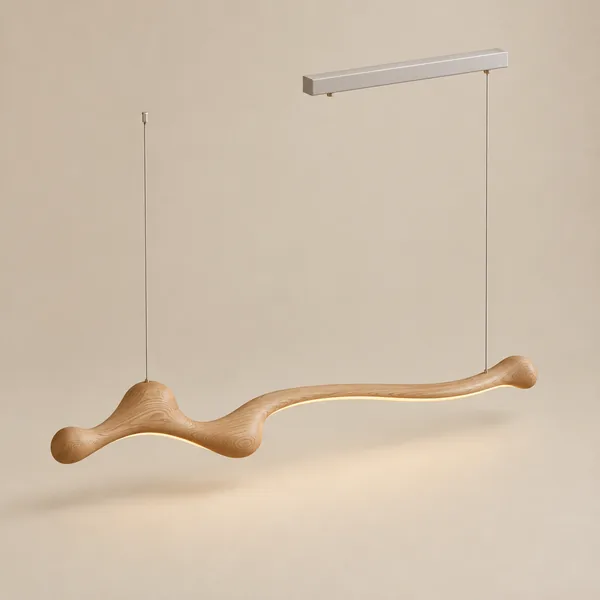
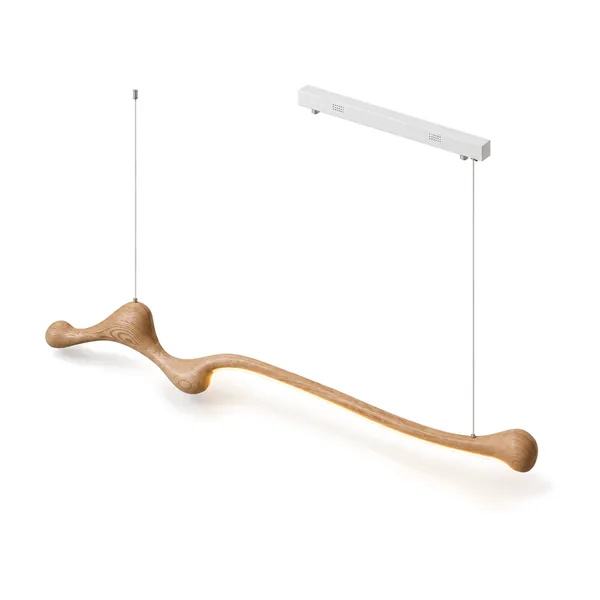
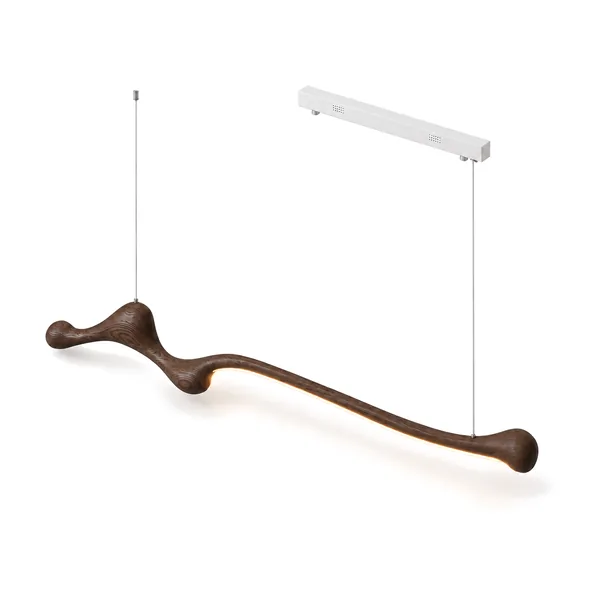
Skoglyn Dimmable Ash Wood Linear Pendant Light
Sculptural Alternatives That Honor Natural Aesthetics
While traditional wooden clocks offer unmatched organic warmth, contemporary clock design has expanded to embrace materials that capture similar essence through different means. These alternatives provide solutions for those seeking silent operation, unique forms, or low-maintenance surfaces that still honor biophilic design principles.
The Stilla Silent Resin Wall Clock Nordic Minimalist demonstrates how modern materials can evoke natural beauty. Its organic contours and matte stone-like finish embody wabi-sabi ethics through intentional imperfection and calming Nordic presence. For a more reflective take, the Glansa Chrome Ceramic Wall Clock Silent Quartz reads as sculpture first and timepiece second, with a chrome electroplated finish that catches light beautifully in modern Scandinavian spaces.
Sculptural Timepieces for Natural Interiors
Stilla Silent Resin Wall Clock Nordic Minimalist$259.00$379.00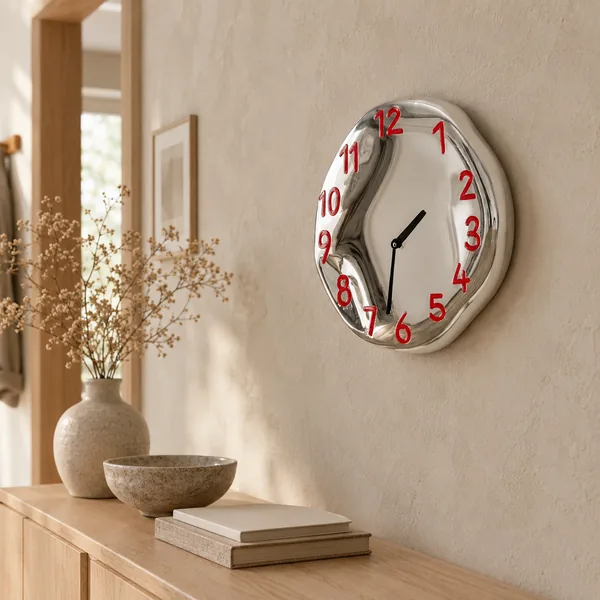 Glansa Chrome Ceramic Wall Clock Silent Quartz$329.00$479.00
These contemporary interpretations honor the principles that make wooden designs so appealing: connection to natural forms, emphasis on craftsmanship, and dedication to quiet functionality. Whether you choose the warm authenticity of wood or the refined artfulness of ceramic and resin, your timepiece becomes a daily reminder to embrace intentional living.
For additional perspective on timeless timepiece design, the Museum of Modern Art's collection of clock designs offers fascinating historical context on how timepiece aesthetics have evolved while maintaining their essential function.
Conclusion
Selecting the perfect wooden wall clock for your home involves balancing practical considerations with aesthetic vision. From understanding the right scale for your living room to choosing between walnut, oak, and cherry finishes, each decision shapes how your space feels and functions. Most importantly, choosing a silent movement ensures your sanctuary remains genuinely peaceful.
At Skonne, we curate timepieces that honor natural materials while pushing design boundaries. Whether you're drawn to the authentic warmth of handcrafted hardwood or the sculptural possibilities of stone-inspired ceramics, our collections offer solutions designed for modern Scandinavian living. Every piece we select embodies that essential Nordic balance: beautiful enough to be art, functional enough to be essential, and quiet enough to preserve your peace.
Explore our full wall clock collection to discover your perfect timepiece companion.
Related Article
Pendulum Wall Clocks: Classic Swinging Designs for Traditional & Modern HomesExplore the timeless elegance of pendulum wall clocks, from vintage regulator styles to modern minimalist designs that complement any interior.